The Biggest Scandals In Ancient Rome
There are many reasons why Ancient Rome is remembered. Its geographic reach was extraordinary, and its military was one of the most powerful in history. Its political influence can still be felt today. However, Roman civilization was also the source of numerous lurid scandals. Exploring the biggest scandals in Ancient Rome sheds light on yet another reason why it remains one of the most iconic states the world has ever known.
Julius Caesar's Affair With Cleopatra

In 49 BCE, General Julius Caesar crossed the Rubicon River with his army and declared war on the Roman Senate and his rival Pompey the Great. Over the next four years, he won battle after battle, quickly taking Italy, then defeating senatorial armies in Spain and Pompey himself in Greece. This forced Pompey to flee to Egypt, where courtiers of King Ptolemy XIII killed him on the shore at Pelusium in September 48 BCE.
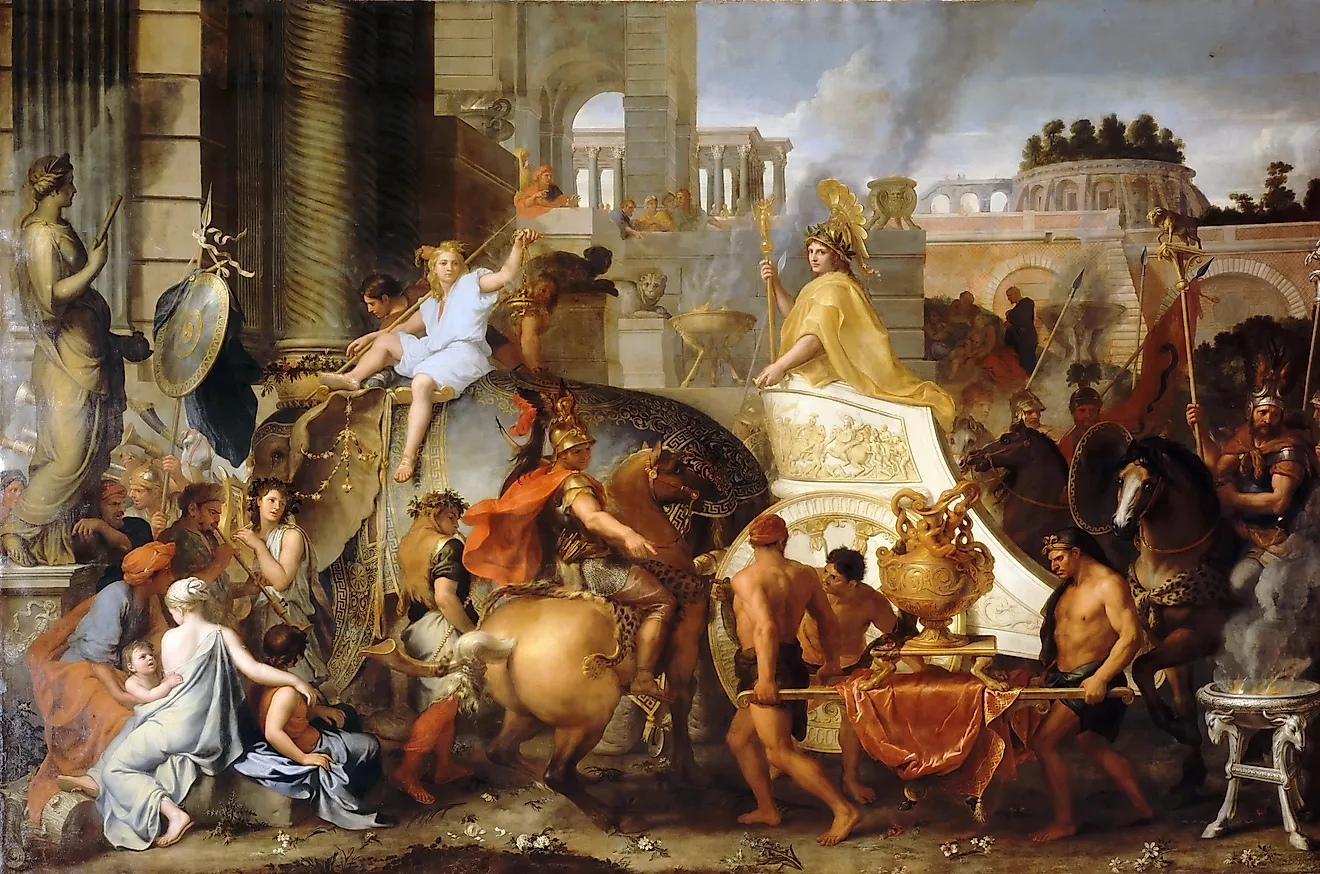
Arriving in Egypt days after Pompey's death, Caesar entered into a political and romantic relationship with Cleopatra VII Philopator, who was Ptolemy's sister and wife as well as his rival for the Egyptian throne. Caesar's forces defeated Ptolemy and installed her as queen. In June 47 BCE, she bore a son, Caesarion, whom she publicly identified as Caesar's. She followed Caesar to Rome the next year and lived at his villa across the Tiber until his death. This relationship was controversial. Many Romans were uncomfortable with a foreign queen influencing the now most powerful man in Rome. Such beliefs contributed to arguably the biggest scandal in Roman history: Caesar's assassination.
Julius Caesar's Assassination

At the beginning of 44 BCE, Julius Caesar declared himself dictator for life. While dictators had historically been appointed during times of crisis in the Roman Republic, a lifetime declaration was unprecedented. Some supported Caesar. His military and political prowess, paired with fear for their jobs and lives, were the main contributing factors. At the same time, hatred of kings had been a cornerstone of Roman politics for nearly five centuries, and now Caesar was one in all but name.
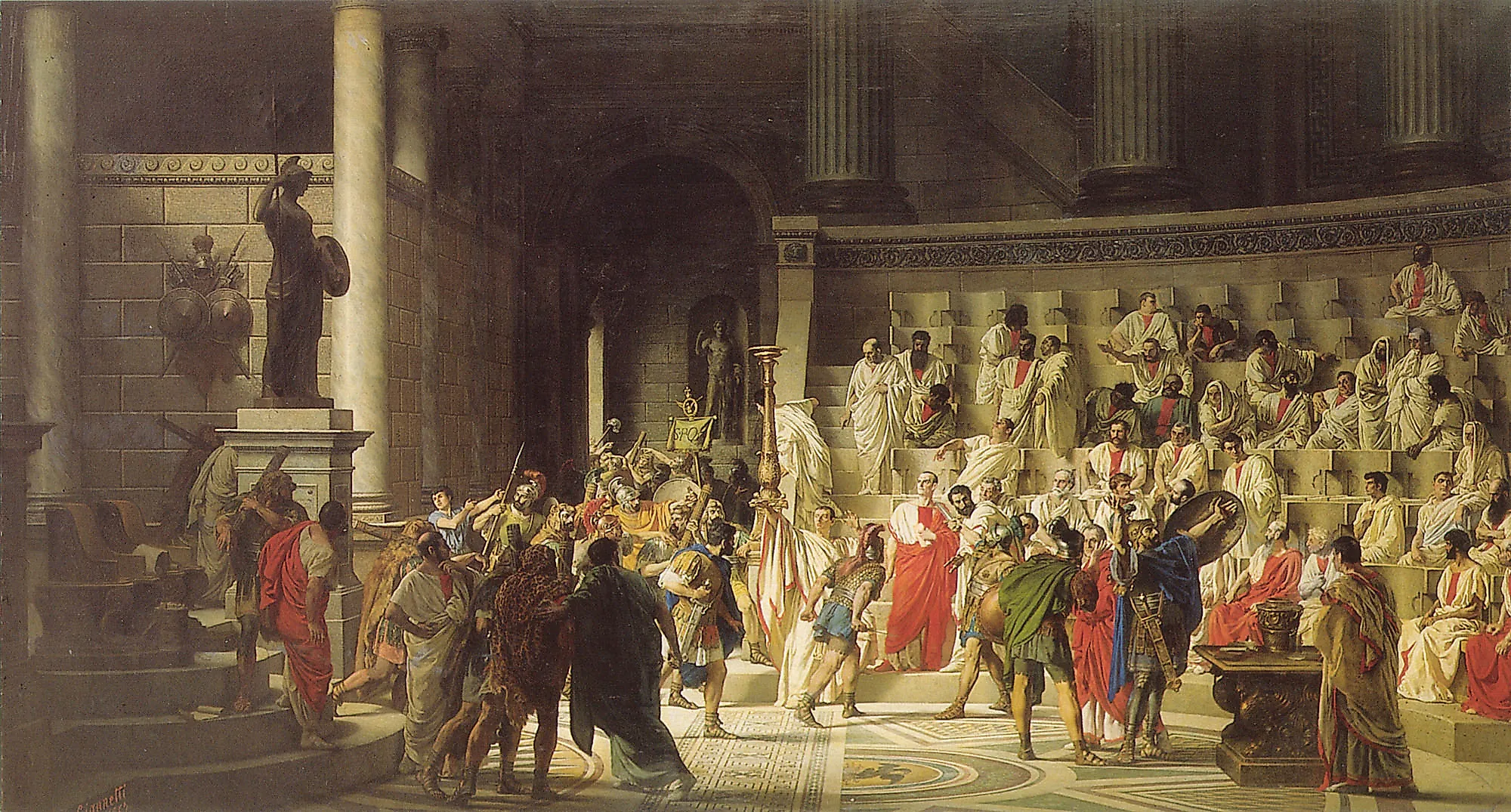
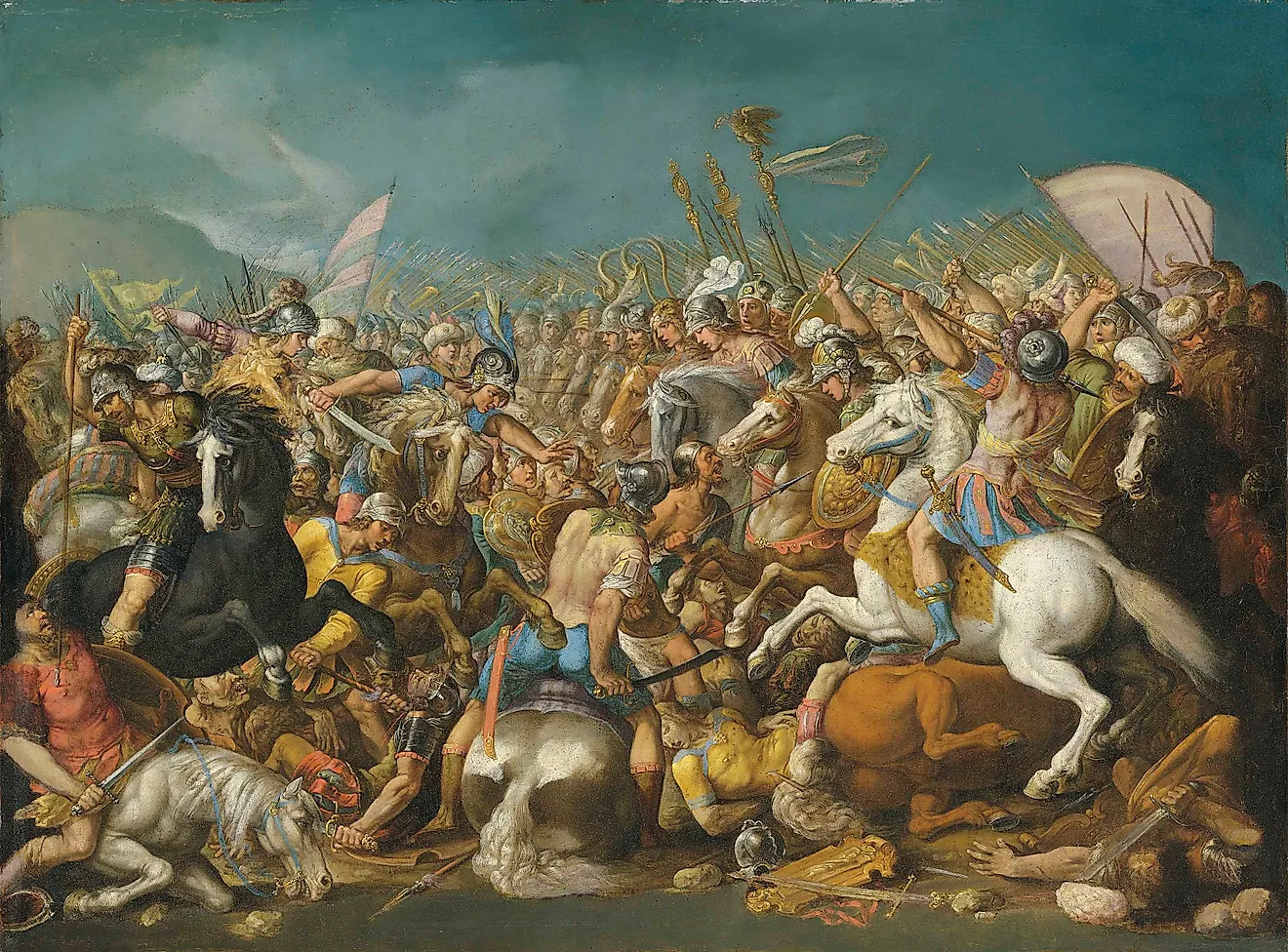
A group of senators, led by Marcus Junius Brutus and Gaius Cassius Longinus, therefore launched a plot to assassinate Caesar. The plan was enacted on March 15, 44 BCE. As Caesar entered the Theater of Pompey for a Senate meeting (the actual Senate building was undergoing renovations), the conspirators closed around him. Ancient accounts put their number at roughly 60. According to the ancient sources, they stabbed him 23 times, though this is impossible to verify. Regardless, Caesar died. Despite wanting to save the Republic, the senators didn't have a clear plan for how to rule after Caesar, and Rome again descended into civil war. The fighting ended in 30 BCE with the defeat of Mark Antony and Cleopatra. Three years later, Augustus became Rome's first emperor.
Caligula's Entire Reign

The first 200 years of the Roman Empire were characterized by peace and prosperity, known as the Pax Romana. This doesn't mean that there were no scandals. In fact, Rome experienced some of its worst leaders during this time. Consider the reign of Caligula, who took power in 37 CE. It started promisingly. As the beloved son of General Germanicus, Caligula spent his first few months granting political amnesties and recalling exiles banished under Tiberius. He also scrapped an unpopular sales tax. Everything changed after he suffered a mysterious illness, which apparently changed his entire personality. Afterward, his behavior turned erratic and cruel. He demanded to be worshipped as a living god and frequently humiliated the Senate. He depleted the state treasury by spending it on lavish pleasure palaces and extravagant costumes. He also initiated brutal treason trials. While some of the more outlandish stories have a questionable factual basis, Caligula was undoubtedly unpopular by the time he entered his fourth year as emperor. This resulted in the Praetorian Guard, the emperor's personal bodyguard unit, assassinating him in January 41 CE.
Nero And The Great Fire Of Rome

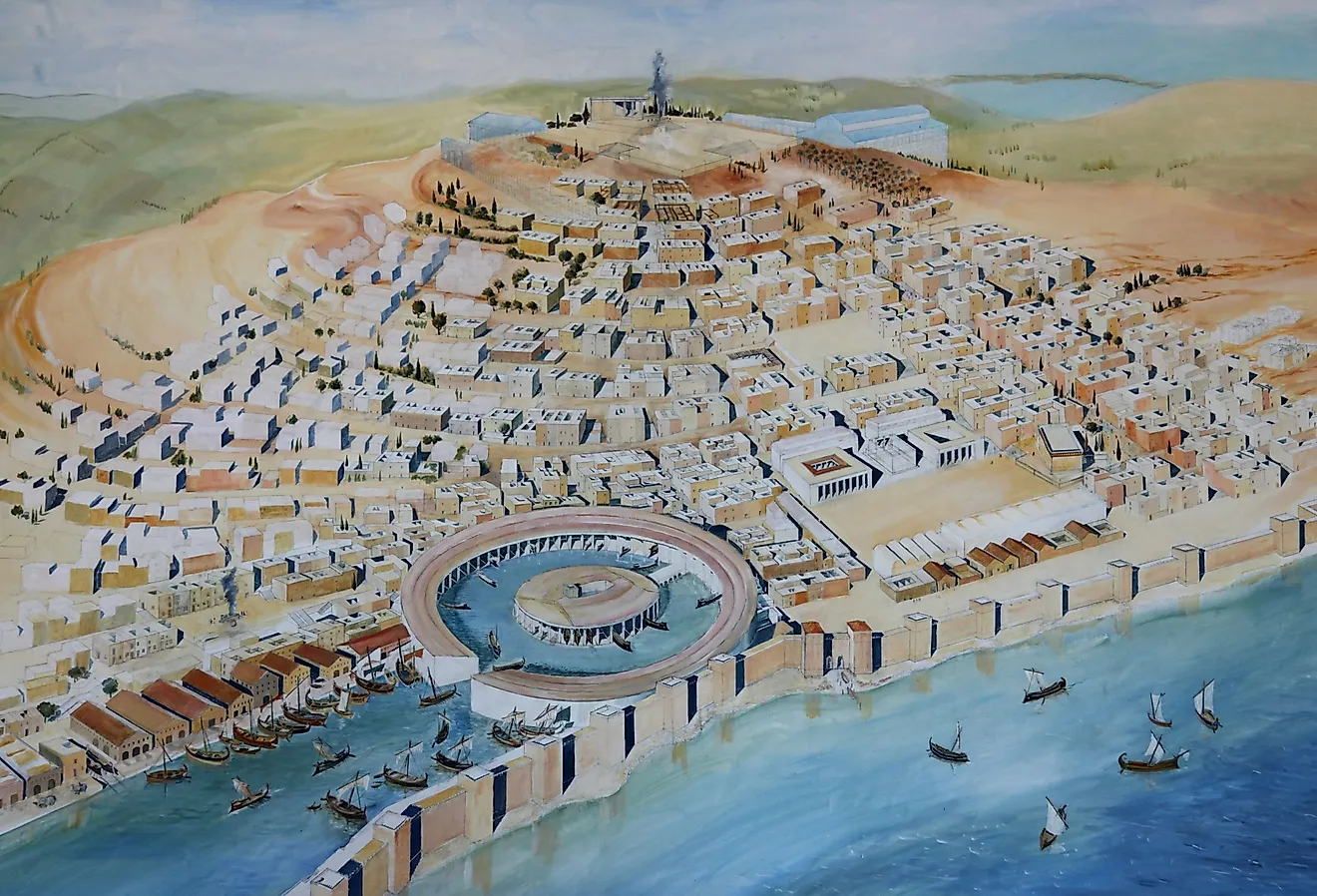
Nero was another controversial emperor during the Pax Romana. Ruling from 54 until his suicide in 68 CE, the defining moment of his reign was the Great Fire of Rome in 64 CE. It began on July 19 and lasted for six days. During this time, three out of Rome's 14 districts were burnt to the ground, and seven more were heavily damaged. Some speculated that Nero was responsible for the fire, since he took advantage of the tragedy by building his opulent and garish Domus Aurea (Golden House) in the land it cleared. However, there is no evidence to back up this assertion, and the more likely cause was Rome's poor urban planning and the intense summer heat. Nevertheless, Nero's actions made him deeply unpopular. This unpopularity only grew when he blamed the fire on Christians. The sheer brutality of their subsequent persecution, which included crucifixion and burning alive, further turned public sentiment against Nero.
The Praetorian Guard Selling The Emperorship

On paper, the Praetorian Guard was an elite military unit meant to protect the emperor. Over time, it gained significant political power. The Praetorians' proximity to the emperor, paired with their military might, meant that they could force him to enact policies that were favorable to them. If the emperor didn't acquiesce to the Guard's demands, he could be killed, as happened with Caligula.
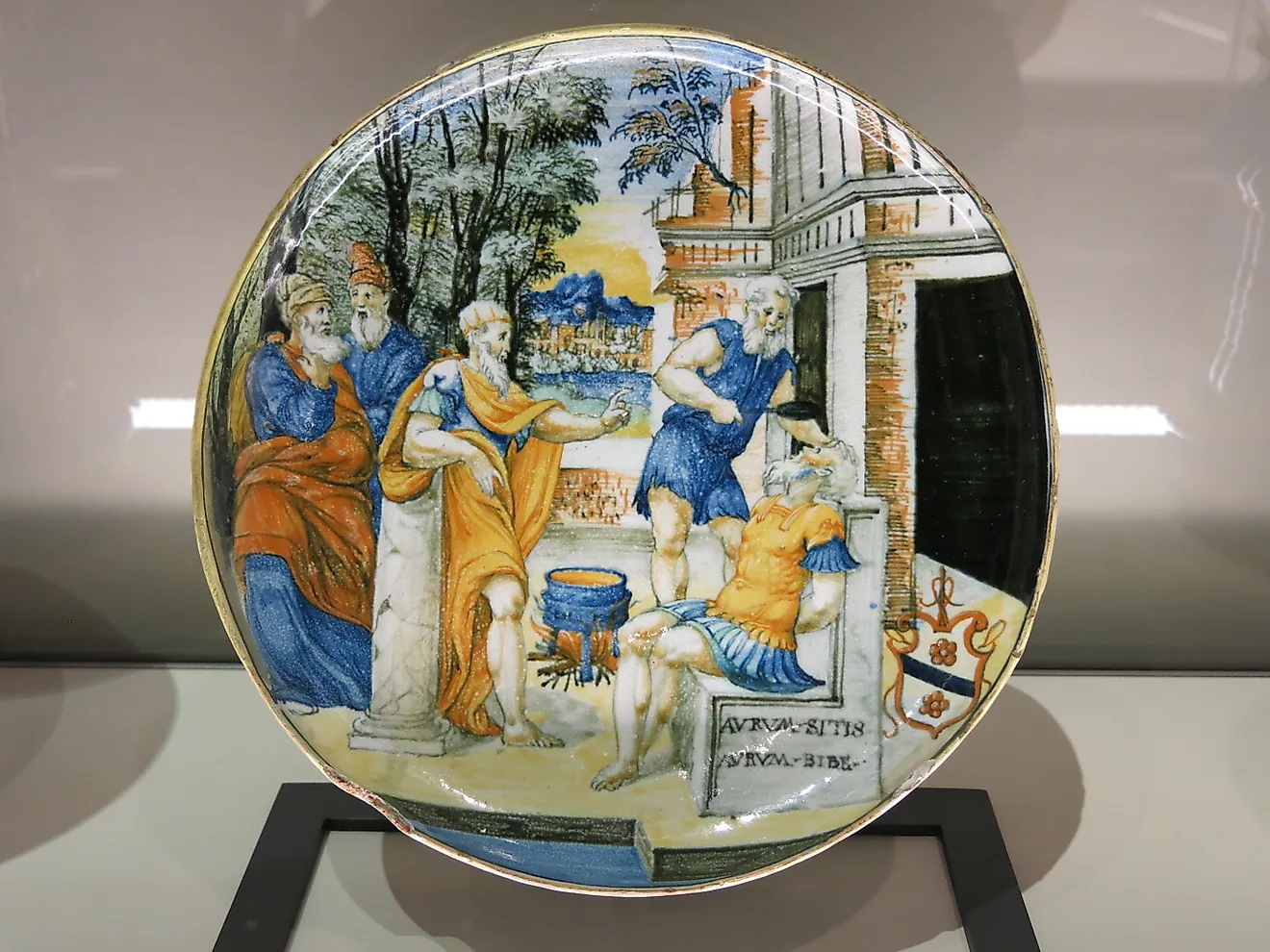
Despite all of this, there were still some illusions that the Praetorian Guard didn't really run the Roman Empire. This all changed in 193 CE. After murdering Emperor Pertinax, the Guard auctioned off the emperorship to the highest bidder. Didius Julianus, who offered 25,000 sesterces per guardsman, subsequently became emperor. The scale of this scandal was ultimately too much for either party to handle. Julianus was deposed and executed after 66 days on the throne. Septimius Severus then disbanded the Guard and rebuilt it from his own provincial legionaries. Regardless, it existed as a shameful mark on the title of emperor for years to come.
Impact And Legacy

The scandals that lasted were the ones that exposed how power in Rome actually worked. Caesar's relationship with Cleopatra and his assassination turned on the same anxiety that one man had outgrown the Republic's restraints. Caligula and Nero demonstrated how little stood between an emperor's private appetites and the state treasury once those restraints were gone. The auction of 193 CE finished the argument by putting a price on the office itself. Roman writers recorded these episodes as moral failures of individual rulers. They read now as structural ones, which is why they outlasted the reigns that produced them.


.jpg)