The Dark Side Of The Roman Empire
Conversations about Rome often focus on its longevity, size, and importance to world history. However, like most major powers, the Roman Empire was built on a bloody and arguably genocidal foundation. Violence was also a core part of everyday Roman life, as was slavery and economic inequality. Finally, the quality of the Roman government depended on the particular emperor, with despots like Caligula and Nero being responsible for countless human rights abuses. If you want to learn more about the dark side of the Roman Empire, then read on.
Conquest And Genocide

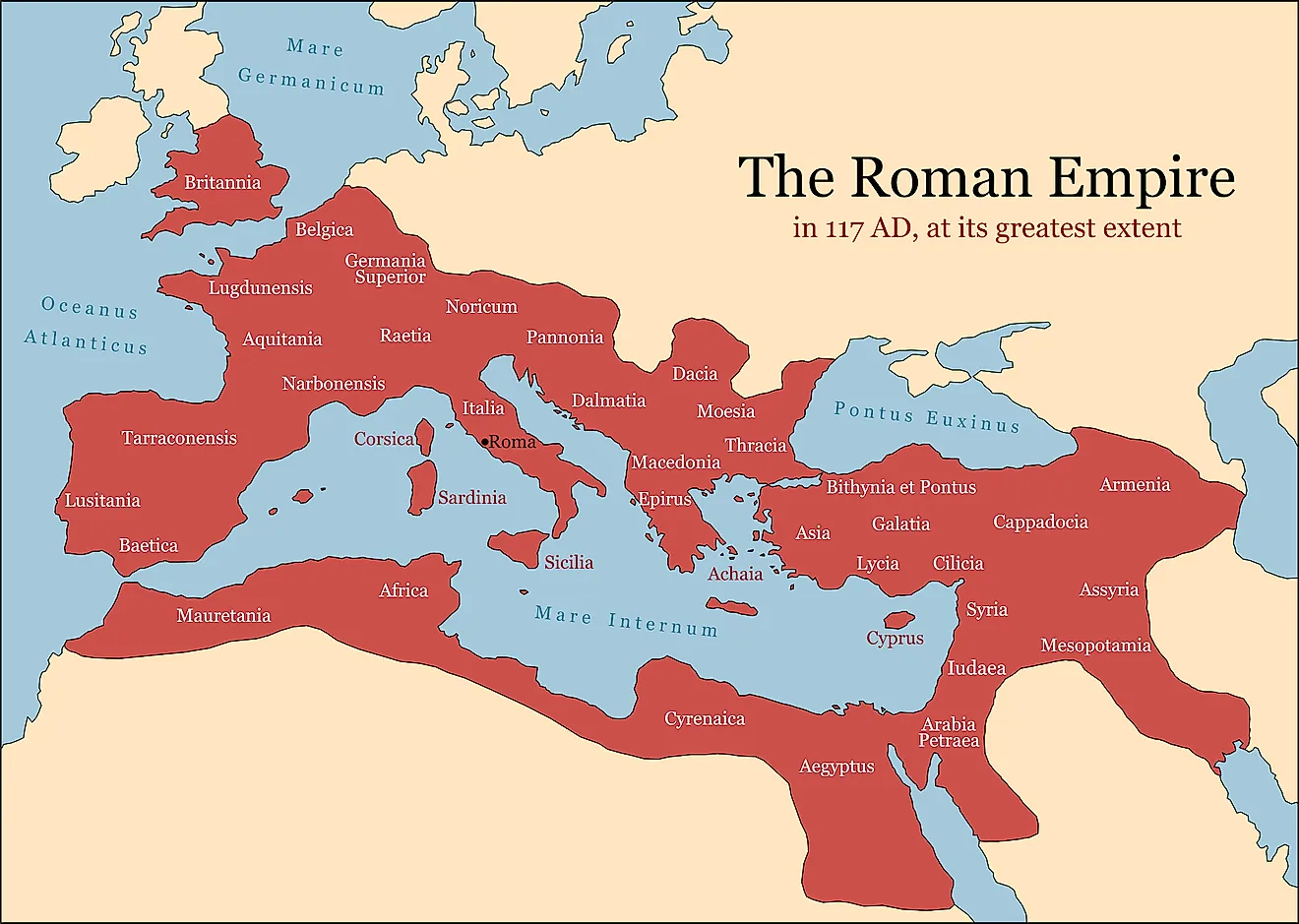
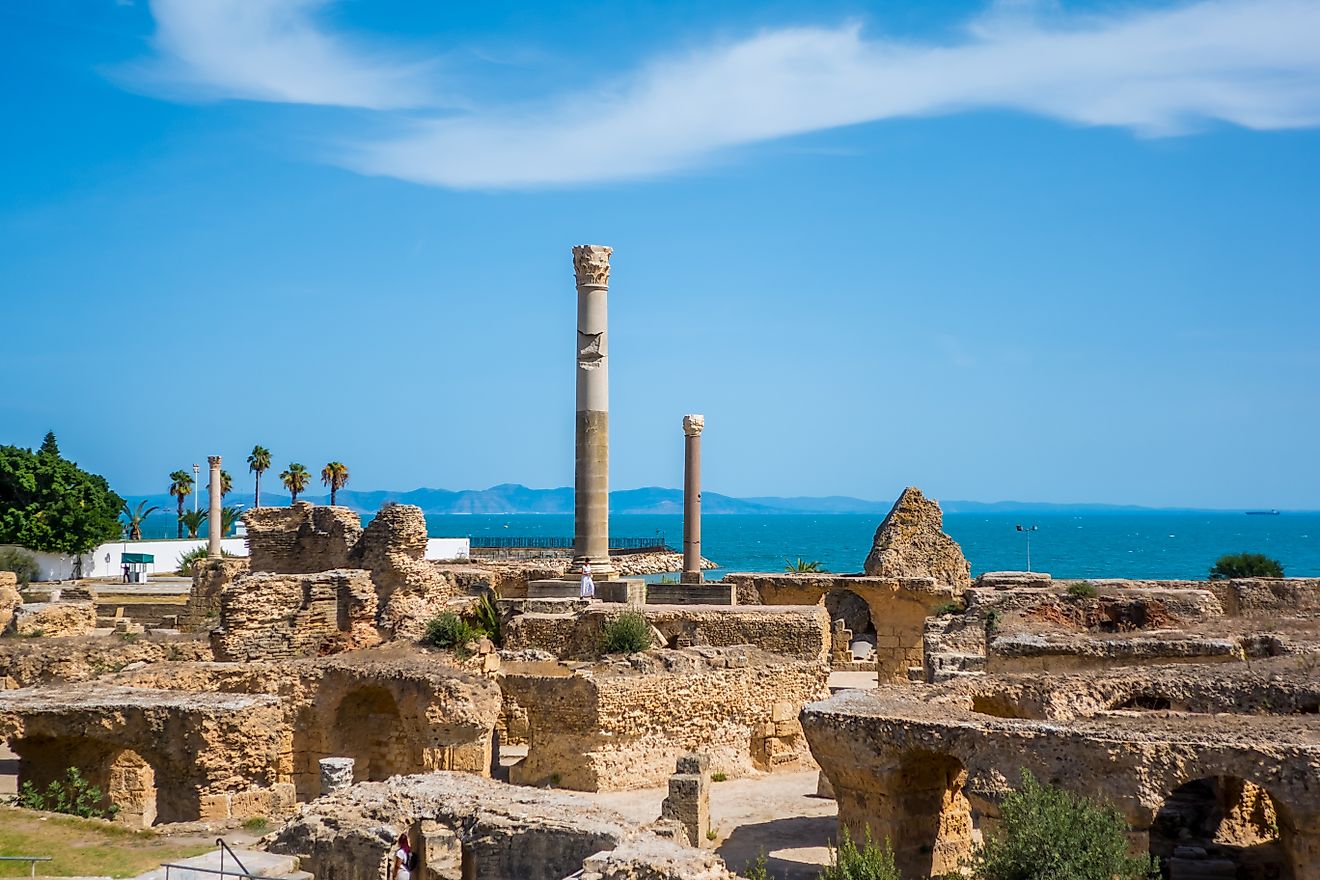
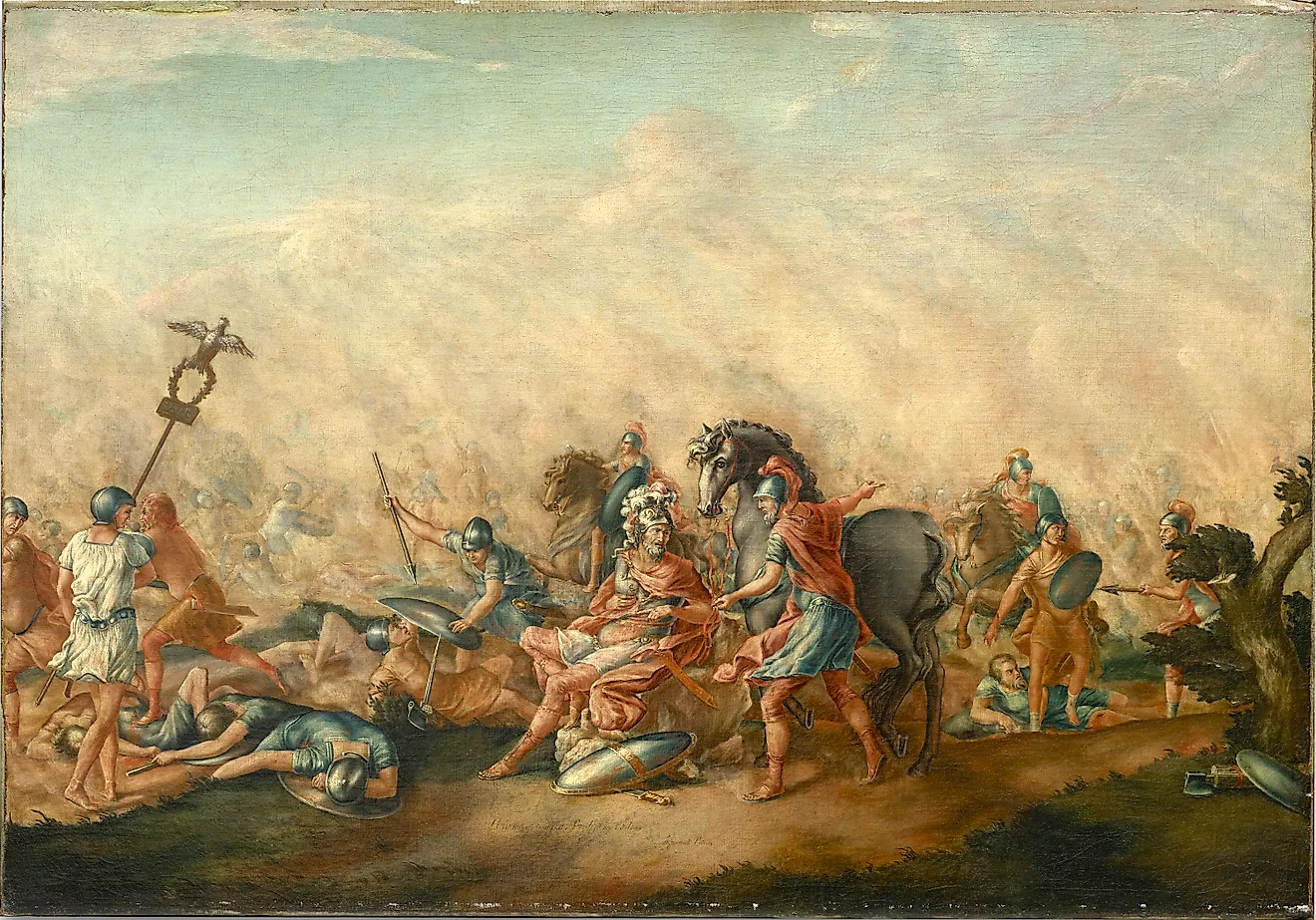
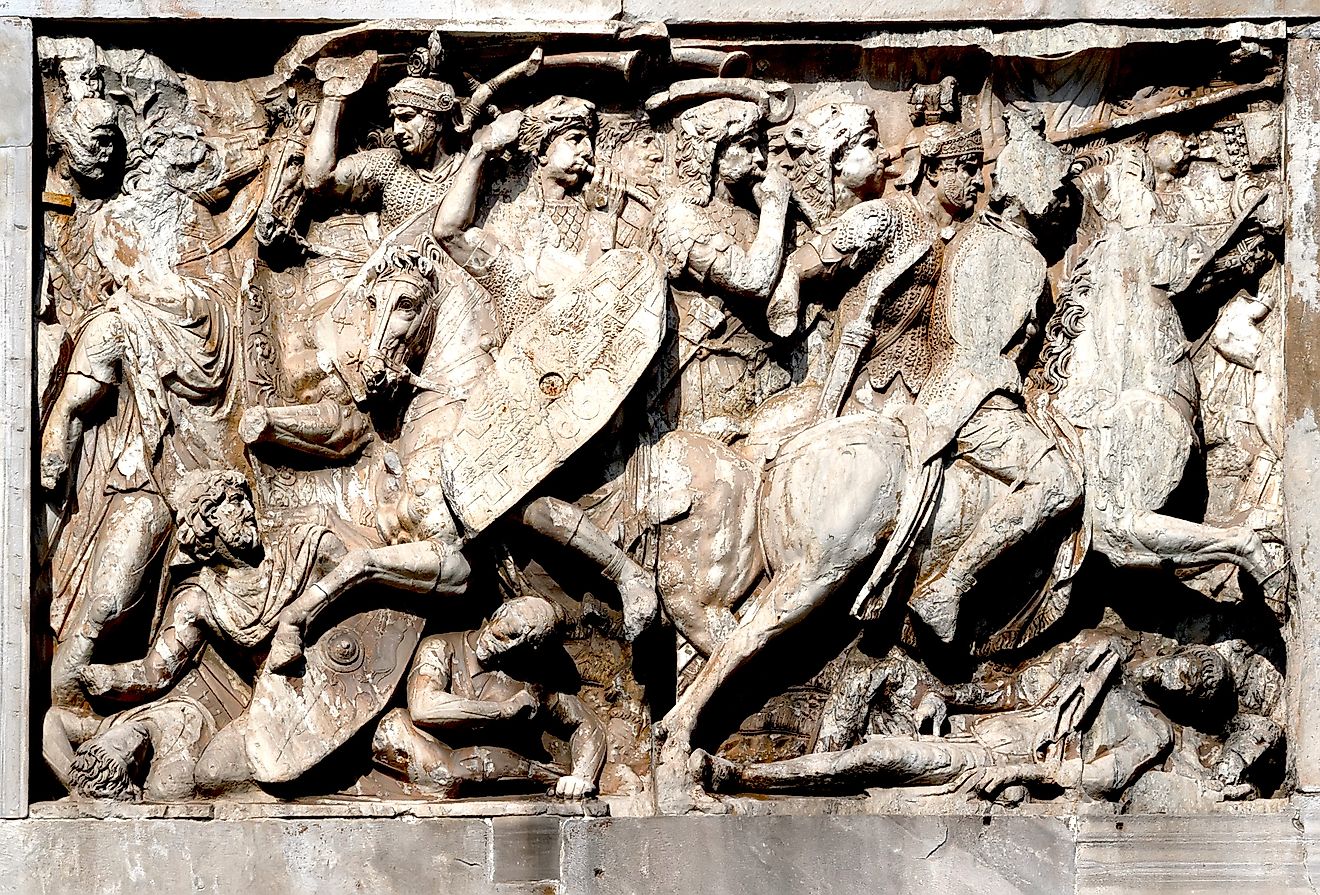
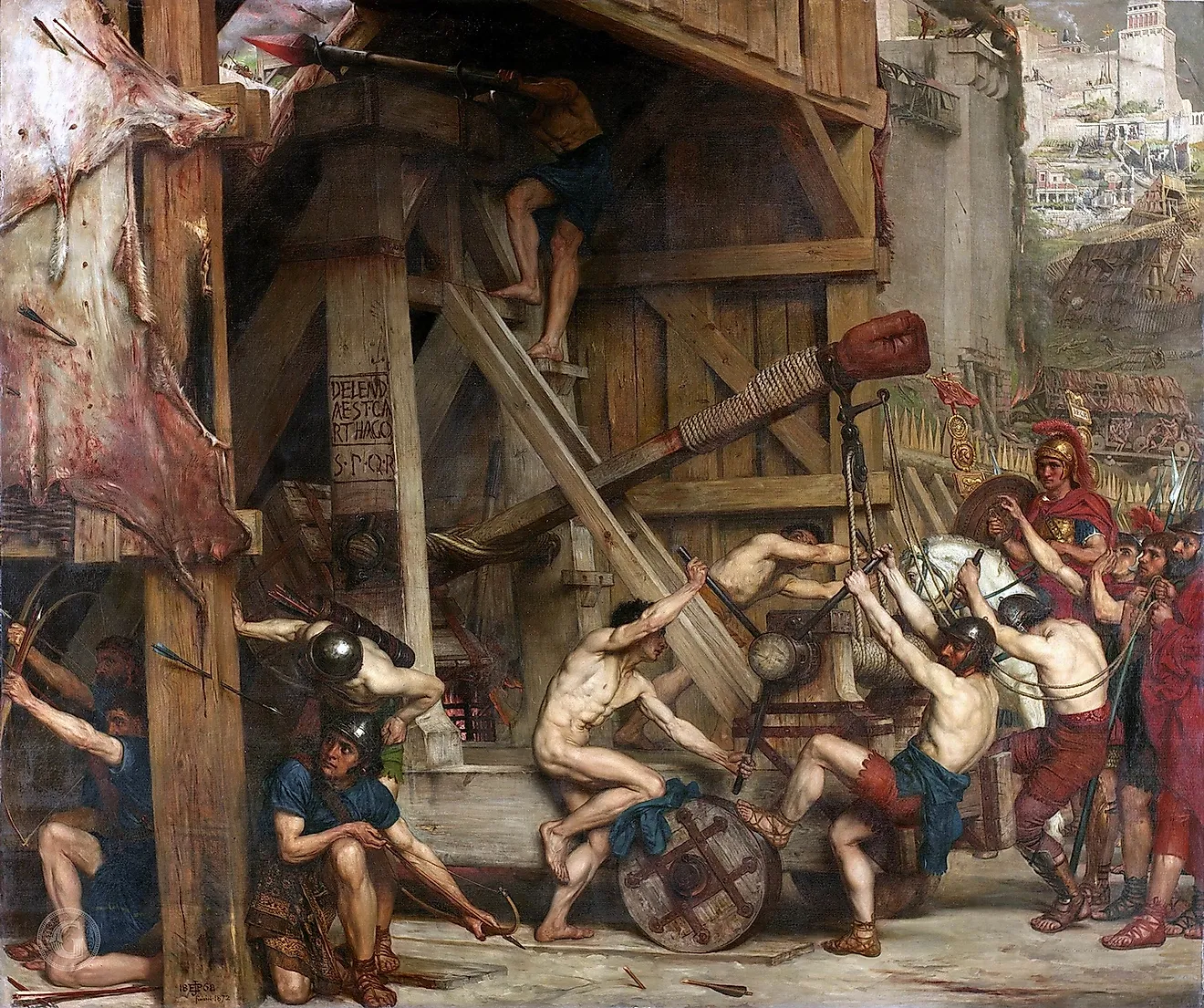
From around 509 to 27 BCE, Rome rapidly accumulated territory, transforming from a small Italian city-state into the primary power of the Mediterranean world. This expansion saw numerous atrocities, perhaps the most famous of which was the Siege of Carthage in 146 BCE. The final battle of the Punic Wars, the Romans ended a decades-long rivalry with Carthage by utterly decimating the city. Under the leadership of General Scipio Aemilianus, most of the population was slaughtered, and the city was systematically destroyed. Carthage effectively ceased to be a civilization afterward.

Julius Caesar oversaw an arguably even larger atrocity in Gaul almost a century later. During his Gallic campaign, the Roman general massacred up to a million people and enslaved just as many. He also destroyed the culture of entire Celtic tribes. One particularly violent incident occurred after the siege of Avaricum in 52 BCE, in which Roman troops reportedly massacred the town. The level of overall destruction was so great that historians debate whether Caesar’s Gallic campaign constituted a genocide.
Violence As Entertainment

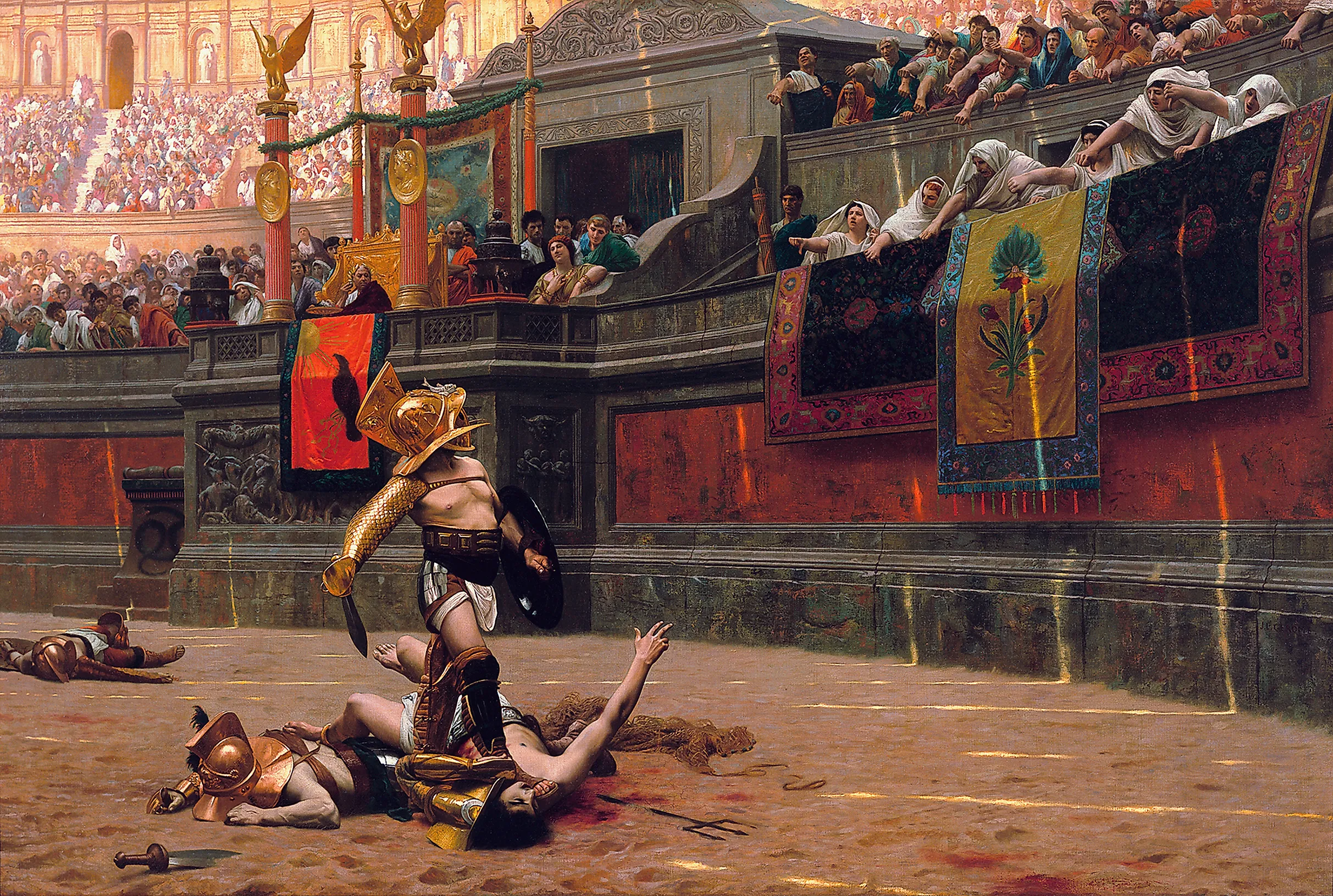
Violence was interwoven into the fabric of Roman public entertainment. The most famous example was gladiatorial combat. In arenas like the Colosseum, gladiators fought a variety of opponents, including other gladiators, animals, and condemned criminals. The Romans also staged animal spectacles called Venationes, in which exotic animals like lions, bears, crocodiles, and elephants fought to the death.
Another extravagant example of Roman violence as entertainment was massive mock naval battles. Arenas were flooded, and slaves and prisoners were forced to recreate sea battles. Finally, public executions were often turned into theatrical events. Criminals, rebels, deserters, and prisoners were killed in front of crowds via a variety of creative methods, including beheading, crucifixion, burning, or exposure to animals.
Slavery

Slavery was embedded in every aspect of Roman society. Most slaves were prisoners of war gained from expansion into places like Gaul, North Africa, Greece, the Balkans, and the Middle East. Slaves could also be bought and sold, and children were sometimes born into slavery. Enslaved people often worked as agricultural labour on large estates called latifundia that produced goods like grain, olives, and wine. Some also worked in domestic positions as cooks, servants, nurses, or tutors. Perhaps the most unlucky slaves worked in mines, which were dangerous due to toxic air and the threat of cave-ins.

Regardless, all slaves experienced brutal treatment. Beatings, brandings, and crucifixions were common, as was sexual exploitation (particularly for women). This treatment, paired with the mere existence of the institution of slavery, led to several slave revolts throughout Rome’s existence, the most famous of which was led by Spartacus from 73 to 71 BCE. In total, slaves made up between 25% to 40% of the Roman population, making it one of the most slave-dependent societies in ancient history.
Economic Inequality

Economic inequality was a defining feature of Rome. Senators, wealthy landowners, aristocratic families, and powerful merchants sat at the top of Roman society. They often owned luxurious estates, massive villas, and thousands of slaves. Their wealth only compounded as Rome expanded and they gained access to cheaper land, slaves, and resources.
On the other hand, most ordinary Romans lived paycheque to paycheque and struggled to survive. In the countryside, small farmers were often displaced by the latifundia. As previously mentioned, these elite-run farms used slaves to produce agricultural goods at a scale that smaller farmers simply could not match. In the cities, many poor residents lived in crowded apartments called insulae. Overcrowding, disease, poor sanitation, and crime were common in these buildings.

Inequality had adverse consequences on politics. Elites dominated major governmental institutions and were often bribed to enact policies favourable to other wealthy Romans. Poor citizens were thus left without a voice. Elite rule only became more pronounced when Rome transitioned from a Republic to an Empire in 27 BCE. Now, power was completely concentrated in the hands of the Emperor, who was almost always from an elite background, and democratic institutions faded in relevance.
Despotism

Everything in the Roman Empire depended on the emperor. When the emperor was good, society flourished. When the emperor was bad, people suffered. Caligula was maybe the most infamous despot. Ruling from 37 to 41 AD, ancient sources assert that, after beginning as a good ruler, an illness altered his personality. Stories of his abuse, paranoia, and sexual perversion quickly spread. Caligula regularly humiliated senators, executed perceived enemies, and spent far more than he or the Roman state made. According to historical legend, he even tried to elevate his horse, Incitatus, to the position of consul. While this likely did not happen, its believability is a testament to Caligula’s insanity. Ultimately, after isolating most of Roman society, he was assassinated by the Praetorian Guard in 41 BCE.

Nero was another famous despot. Ruling from 54 to 68 AD, his reign was defined by extravagance, political killings, and repression. In two particular horrific instances, Nero allegedly ordered the deaths of his wife and mother. His reputation was then set in stone following the Great Fire of Rome in 64 AD. While contemporary historians blamed it on Nero’s incompetence, modern historians assert that such a disaster was inevitable due to Rome’s dense population and urban design. Regardless, his perceived fault resulted in a loss of public support, and Nero committed suicide in 68 BCE.