The Elite Military Unit That Secretly Ran The Roman Empire
Most believe that emperors had ultimate power in the Roman Empire. While this was sometimes the case, a secretive organization often exerted influence over them. Originally created to protect the emperor, the Praetorian Guard was an elite military unit with immense political leverage. Leaders often rose and fell in accordance with its whims, and the Praetorians sometimes even sold the emperorship to the highest bidder. Painting a clear picture of the Praetorian Guard helps one understand the complexities and corruption of the Roman Empire.
Origins Of The Praetorian Guard

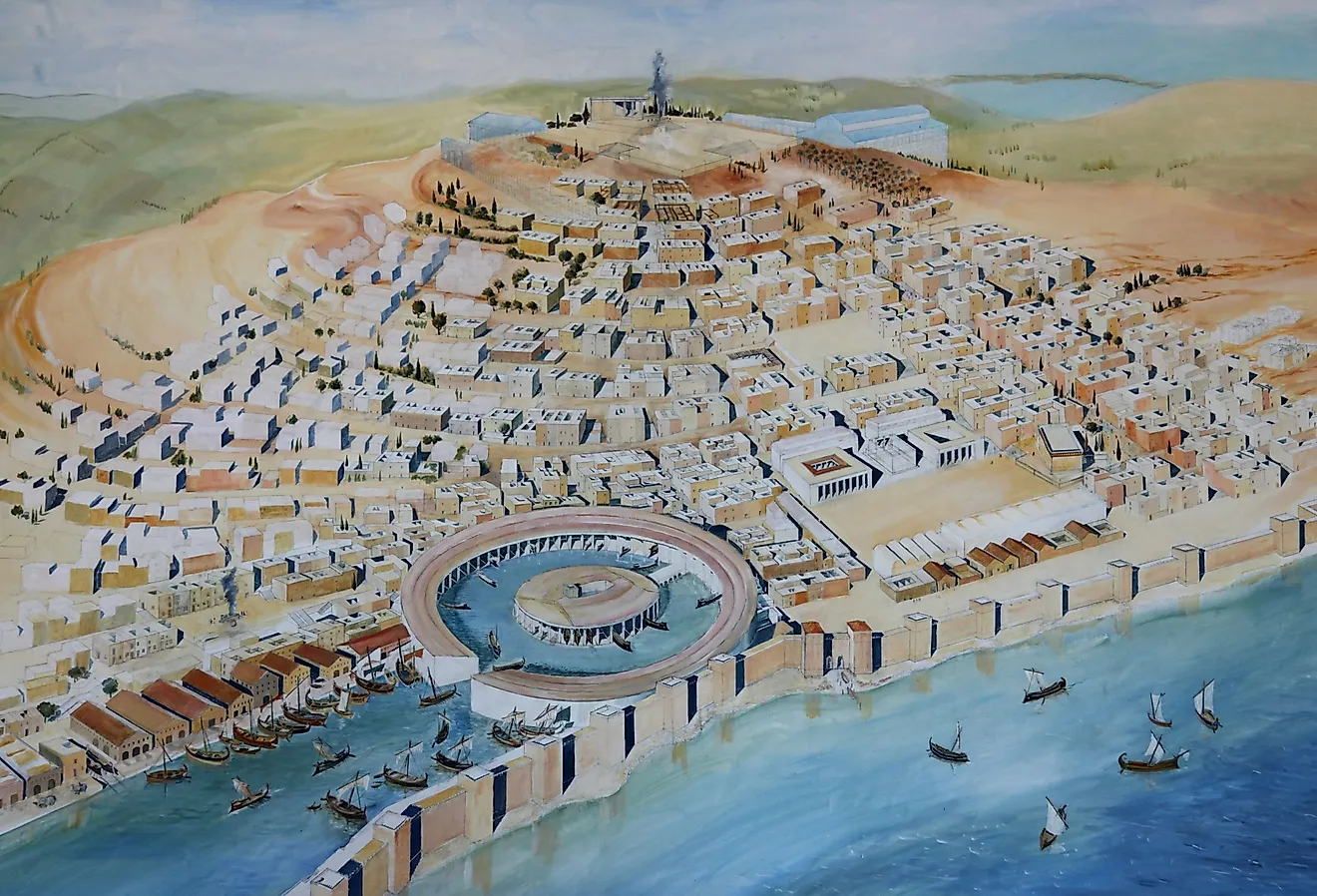
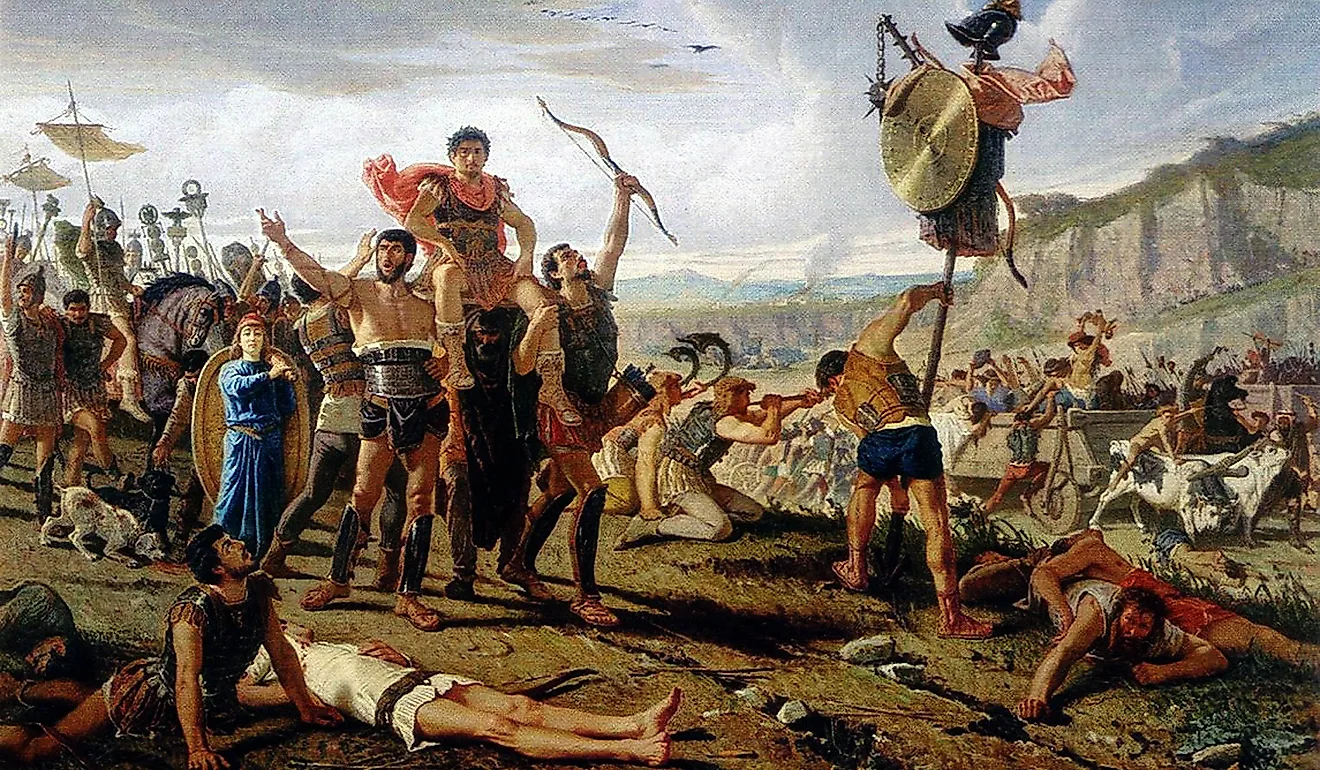
In the Roman Republic, Praetorians were trusted soldiers selected by generals to guard their headquarters and protect them during military campaigns. One of the earliest recorded use cases was by famed general Scipio Africanus during the Second Punic War (218 to 201 BCE). The Praetorians proved instrumental in defending him and maintaining Scipio’s authority as he invaded Carthage.
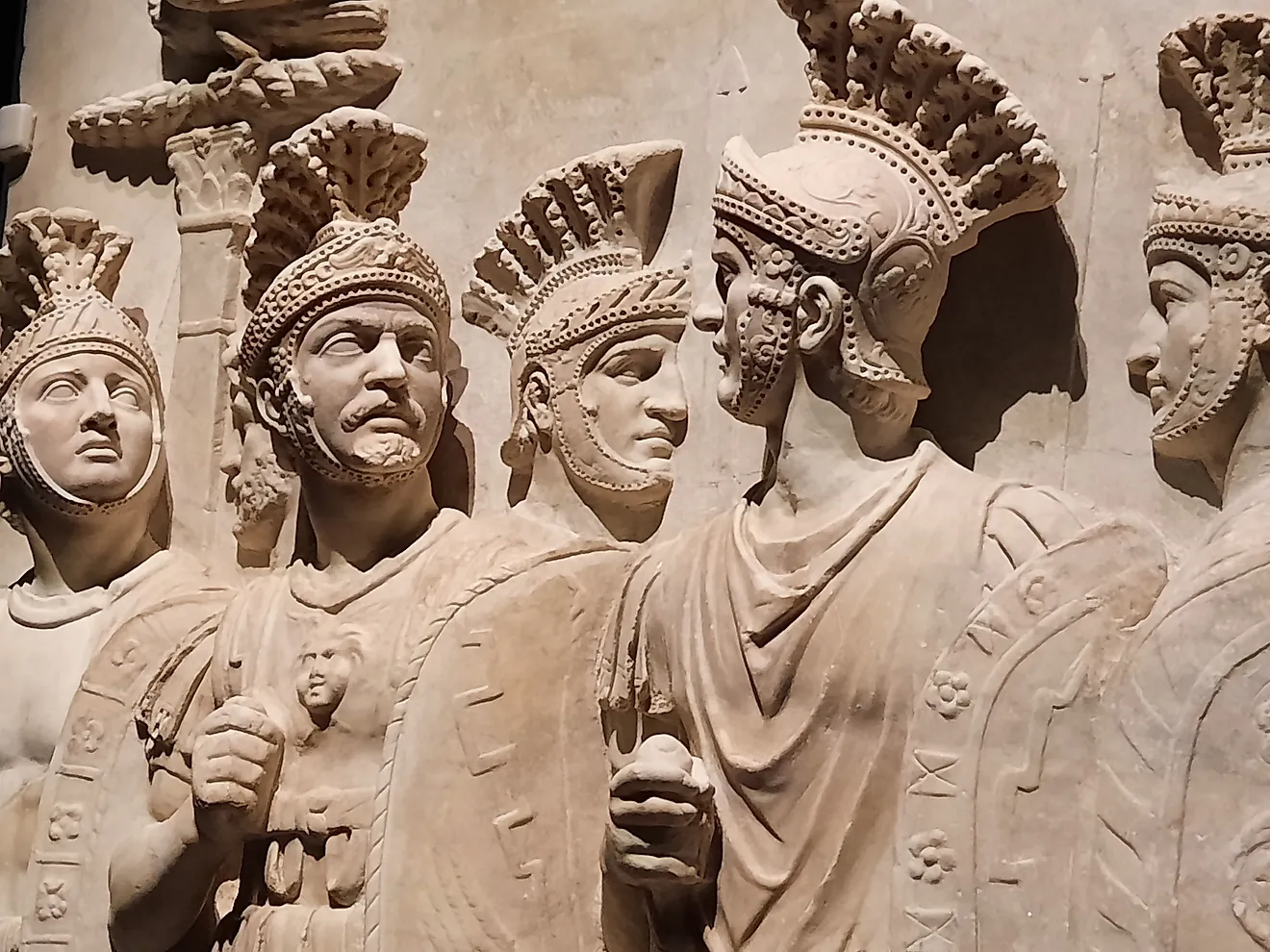
As the Republic fell and was replaced by the Empire, the first emperor, Augustus, organized these previously scattered elite units into a permanent and centralized force. He established nine cohorts of between 3,600 and 4,500 men stationed in and around Rome, transforming what had previously been temporary bodyguards attached to individual commanders into a permanent force. Membership in the Praetorian Guard quickly became coveted. They had better living conditions, pay, and had to serve fewer years than regular soldiers. For comparison, the average Roman legionnaire served between 20 and 25 years, whereas a Praetorian served between 12 and 16.
The Guard’s Influence Grows

Another reason why many sought to become Praetorians was their political influence. Their proximity to the emperor, ability to control access to him, and sheer military might meant that the Guard could exert considerable influence over imperial politics. Emperors who lost the Guard's support often found themselves vulnerable to removal or even assassination.
One of the first people to seize on this dynamic was Sejanus, a Praetorian commander (known as a prefect). After Emperor Tiberius retreated to the island of Capri in 26 CE, Sejanus took advantage of the power vacuum left in Rome itself. Now one of the most powerful figures in the empire, he eliminated rivals and helped shape policies to his advantage. Sejanus's overreach was only stopped in 31 CE when Tiberius was alerted to his growing ambitions through reports from allies in Rome. The Praetorian prefect was subsequently arrested and executed.
Caligula And The Praetorian Guard

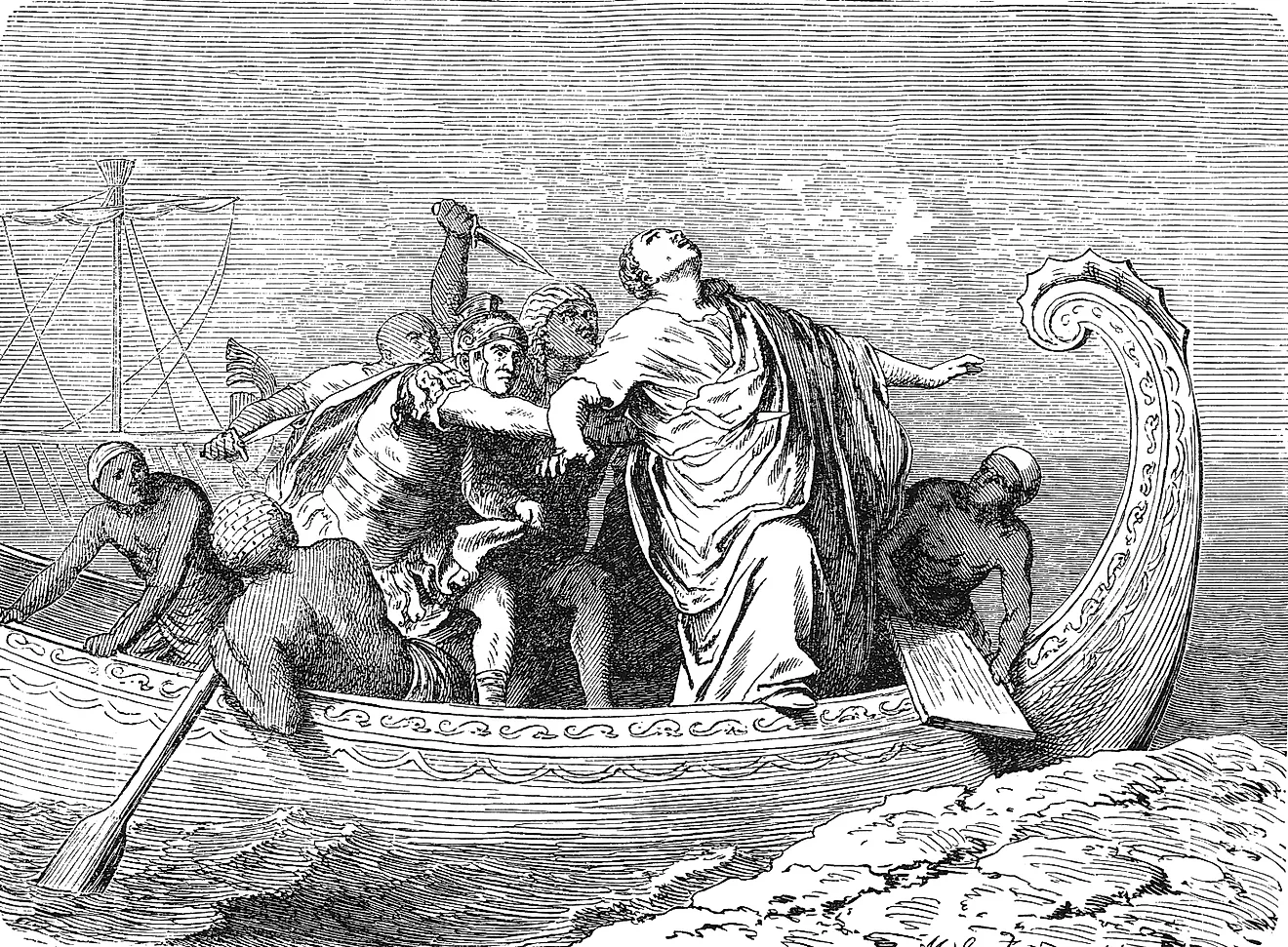
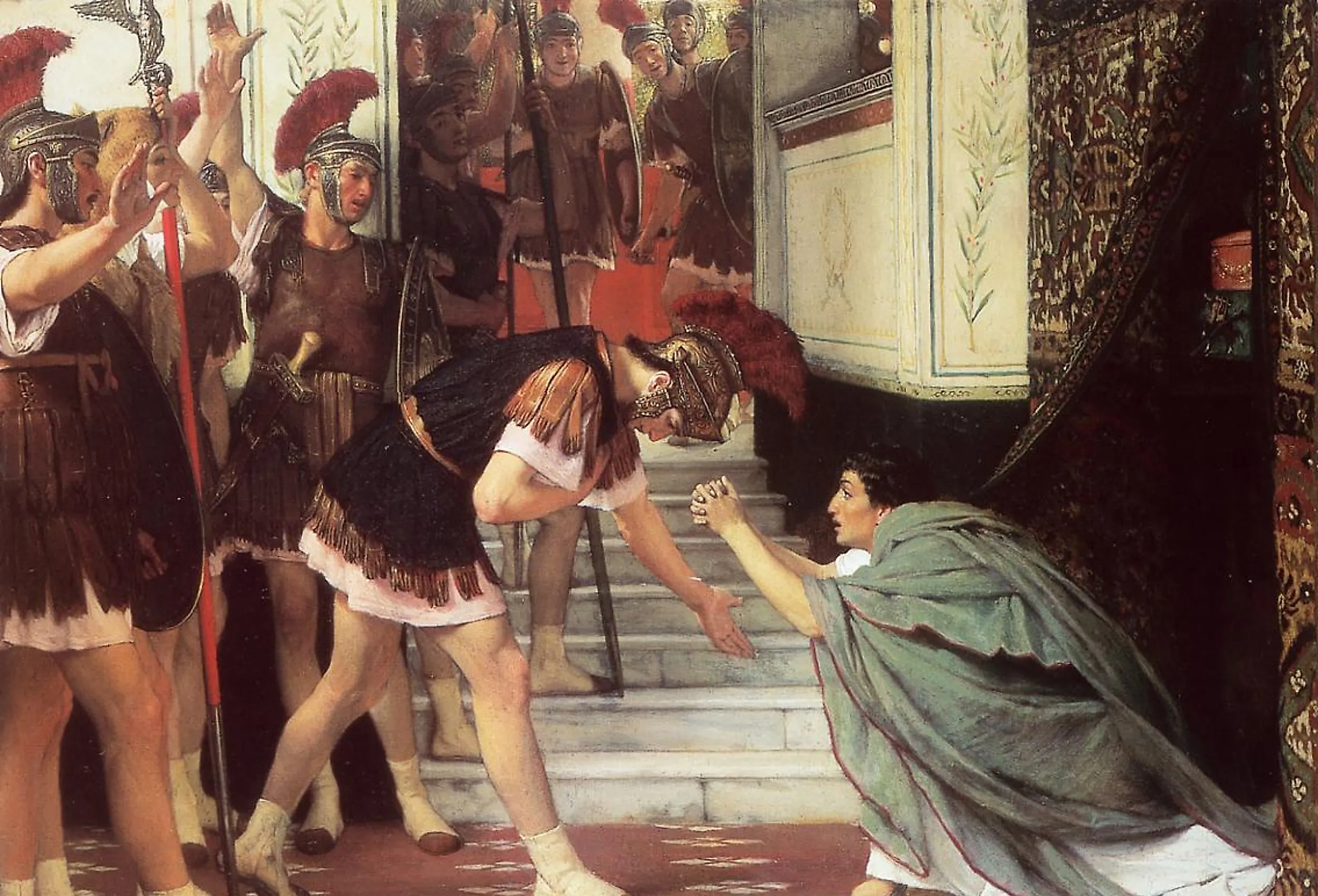
The Praetorian Guard also played a major role in the reign of the most infamous emperor, Caligula. Ruling from 37 to 41 CE, he supposedly started as a kind and gentle leader. After suffering a serious illness early in his reign, however, ancient sources portray him as becoming increasingly erratic and tyrannical. He executed political rivals, declared himself divine, and allegedly ordered troops to collect seashells during a campaign near the English Channel, an episode that later writers interpreted as a symbolic war against Neptune. Some of the more outlandish stories, such as appointing his horse as consul, were likely exaggerated or entirely fictional. Regardless, Caligula's reign was marked by cruelty, political instability, and growing resentment among Rome's elite. The final straw came when members of the Praetorian Guard and other conspirators concluded that he had become a threat to their interests and to the stability of the empire. The Guard assassinated him on January 24, 41 CE.
The Praetorians Sell Out Rome
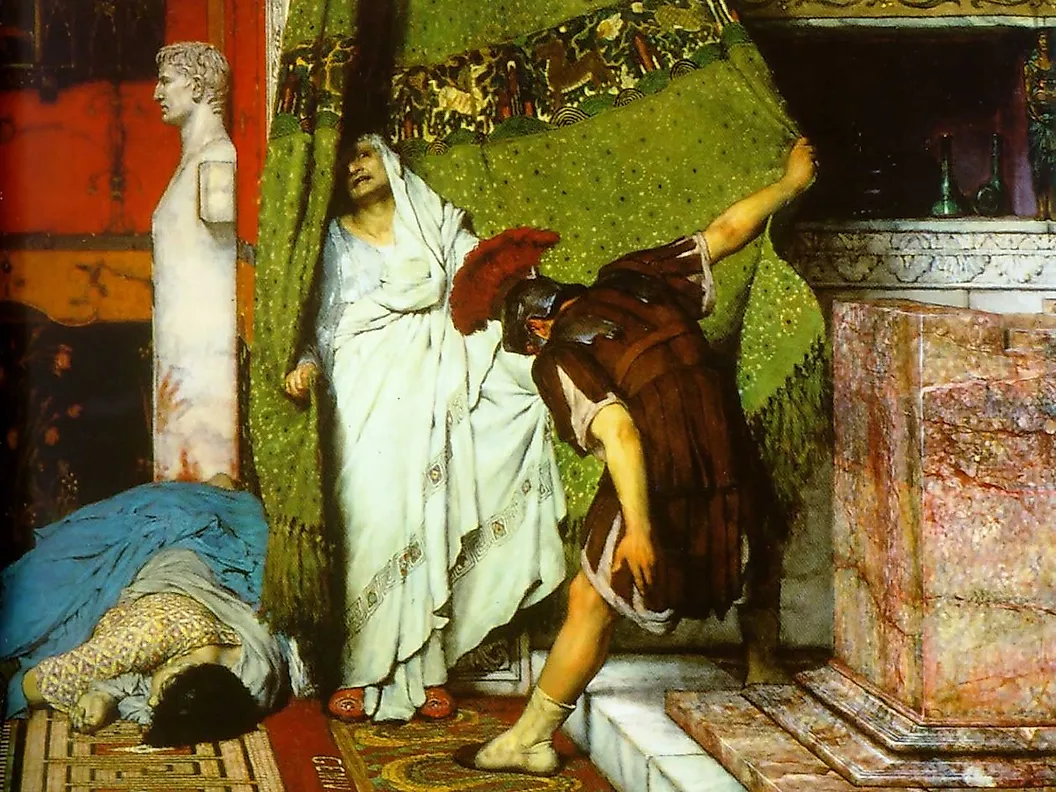
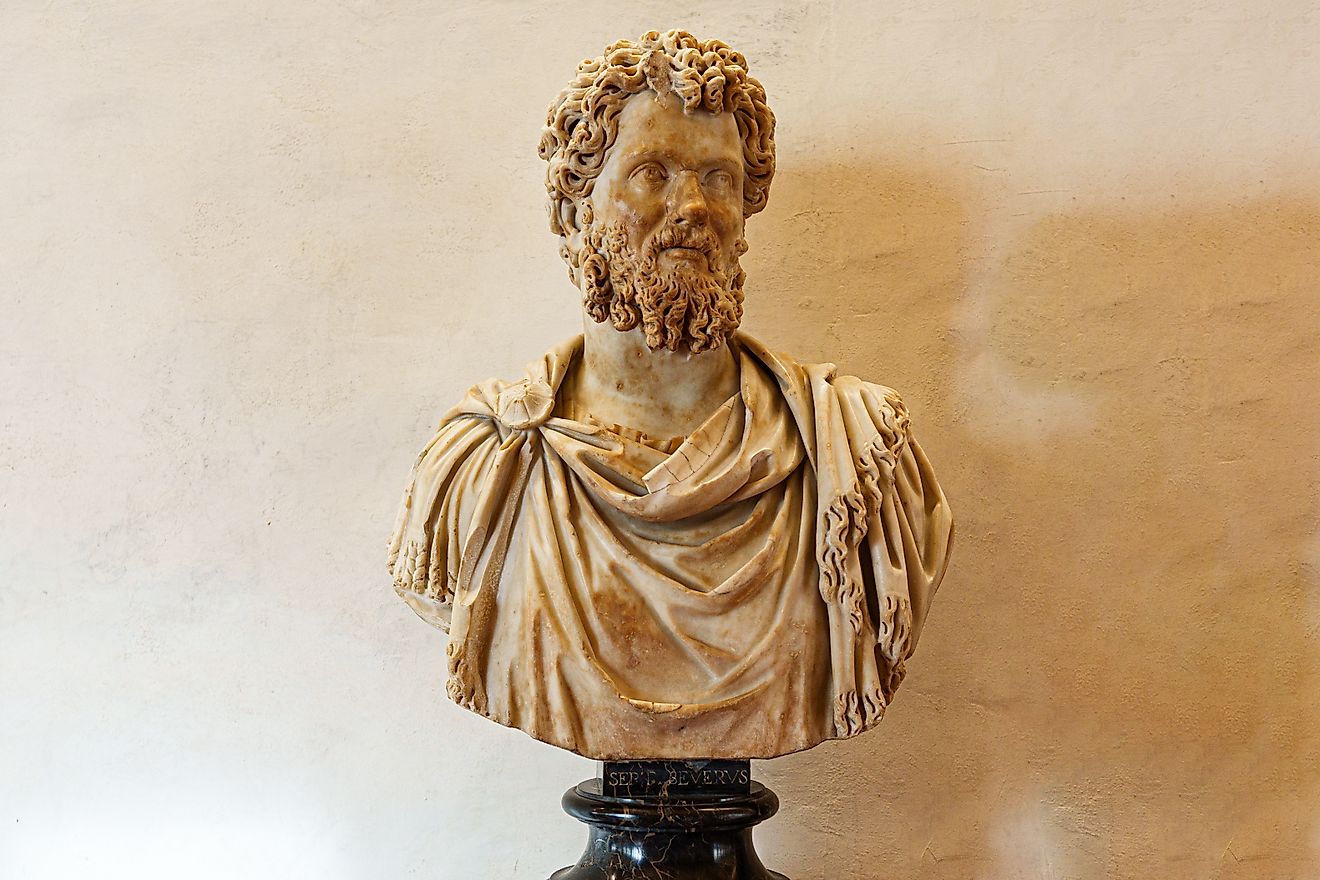
As Praetorian influence grew, so did their desire for material wealth. This led to one of the most shameful events in Roman history. After murdering Emperor Pertinax in 193 CE, the Guard auctioned off the emperorship to the highest bidder. Two men emerged as front-runners. Flavius Sulpicianus, Pertinax's father-in-law, offered 20,000 sestertii per soldier, whereas Didius Julianus offered 25,000. The higher bid won, and Julianus became emperor. Nevertheless, the public was outraged by this blatant corruption. Septimius Severus, commander of the Danubian legions, marched on Rome and deposed Julianus. The Guard's reputation was severely damaged, and Emperor Severus subsequently disbanded and reformed it to prevent such occurrences in the future.
The Decline And End Of The Praetorian Guard

While these reforms temporarily helped, the Praetorians eventually returned to their involvement in political intrigue. This was clearly on display during the Crisis of the Third Century (235 to 284 CE). During this roughly fifty-year period of civil war, foreign invasions, and political instability, over twenty emperors rose and fell. The Praetorians continued to play a role in imperial politics, frequently participating in plots and assassinations. At the same time, rising power among provincial armies meant that the Guard's position was increasingly precarious. Even though they emerged from the crisis with their positions intact, many Praetorians were now worried about what the future would bring.
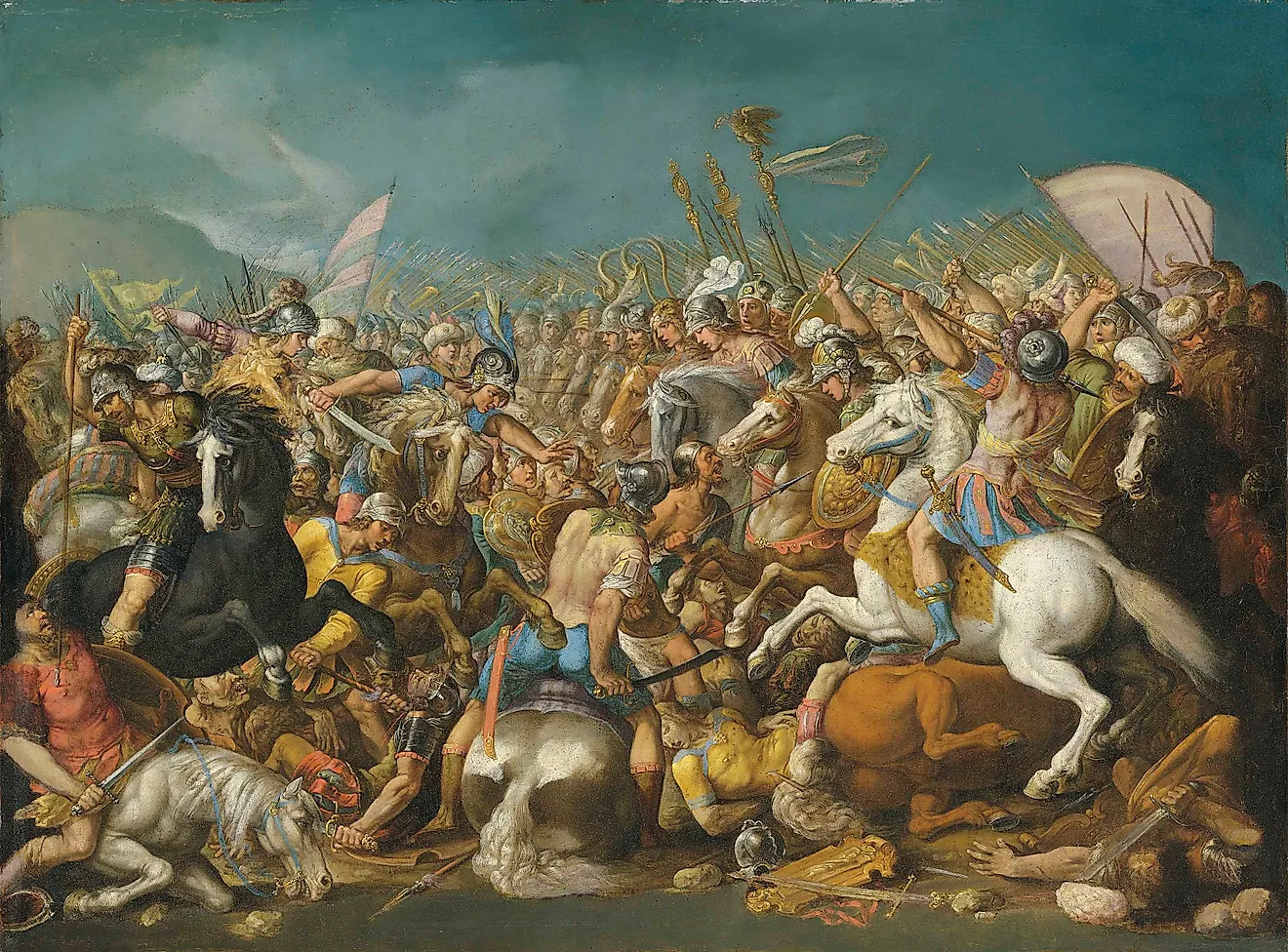
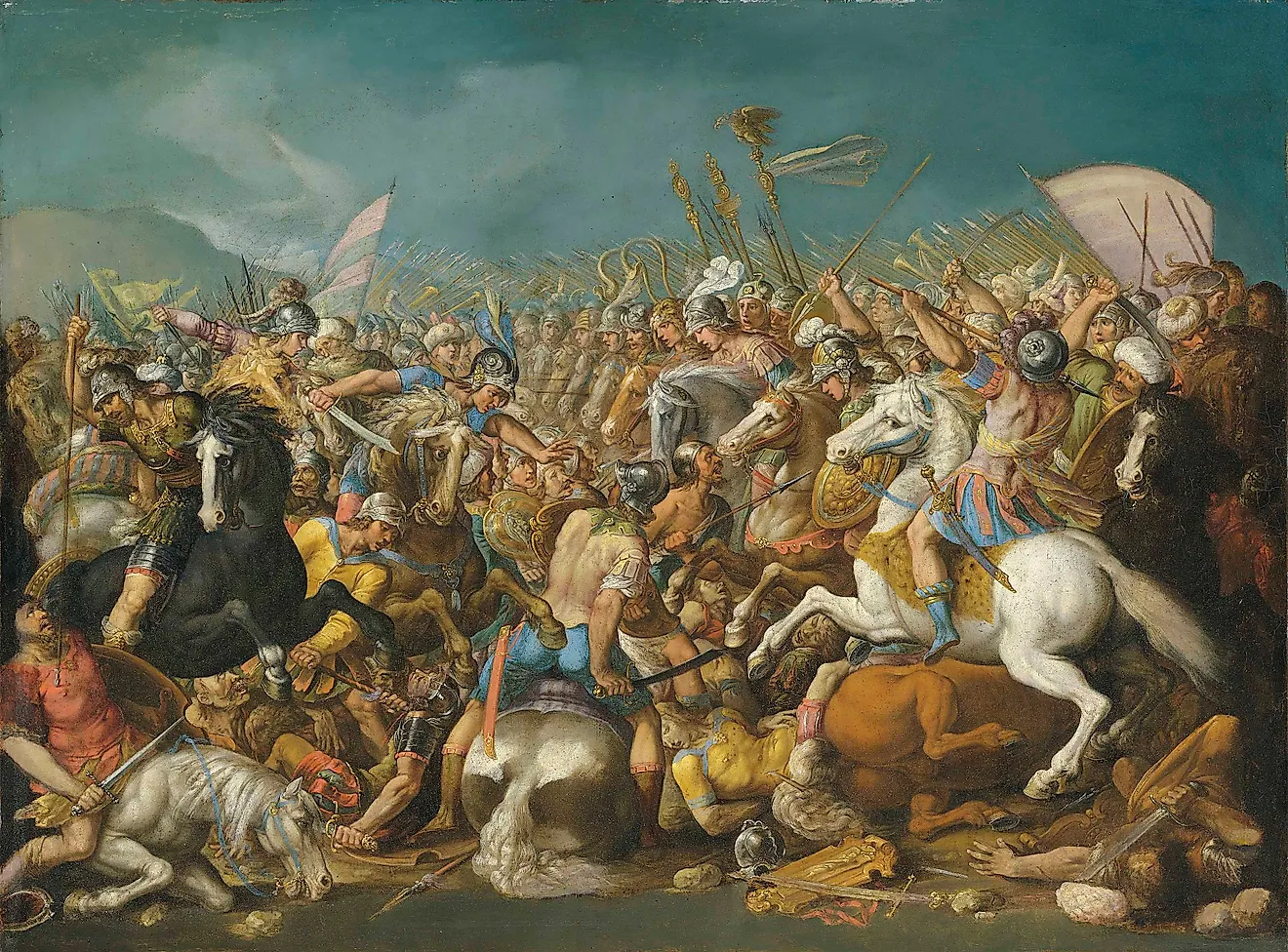
These worries were justified when Rome again descended into civil war between Maxentius and Constantine. The Guard supported Maxentius, which proved to be a fatal error. The climactic engagement was the Battle of Milvian Bridge in 312 CE, during which Maxentius was killed. Afterward, Constantine recognized that the Praetorian Guard was a threat to his rule and disbanded it. Many Praetorians were dispersed and reassigned away from Rome, and their fortress, the Castra Praetoria, was stripped of much of its military function. With this, the Praetorian Guard ceased to exist.
Impact And Legacy
You really can't understand power and politics in the Roman Empire without comprehending the Praetorian Guard. Initially created to protect the emperor, they quickly turned into kingmakers. Emperors like Caligula and Pertinax were assassinated amid conspiracies in which members of the Guard played a central role, and the Praetorians even sold the emperorship to the highest bidder. Eventually, this political influence caught up to them. After backing the losing emperor, Maxentius, in a civil war, the Guard was disbanded by Constantine, bringing an end to one of the most powerful institutions in Roman history.