How Rome Survived Caligula the Insane Emperor
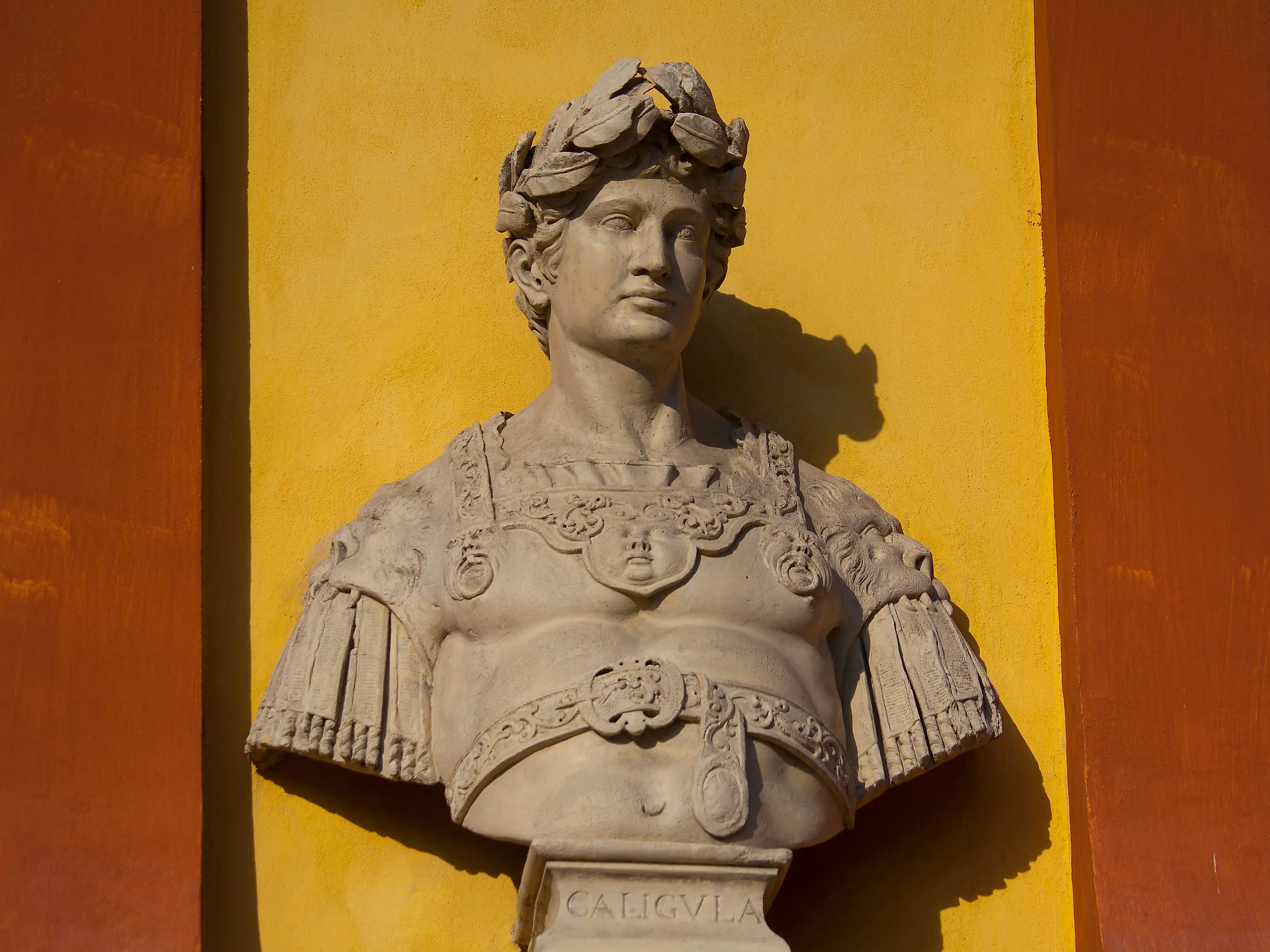
Rome once handed absolute power to a 24-year-old who would spend it burning through the treasury and taunting the men who could kill him. Caligula ruled the Roman Empire for less than four years. In that time, he executed rivals on a whim and dressed himself up as the gods. Yet the empire outlived him without missing a beat. His reign is less a story about how Rome nearly fell than about why it did not.
Early Life

The nickname stuck because of a pair of tiny boots. Roman soldiers dressed the general's son in a miniature uniform, called him "Caligula" ("little boot"), and made a mascot of him on campaign. He was born Gaius Julius Caesar Germanicus on August 31, 12 AD, into the most watched family in Rome. His father, Germanicus, was the empire's most celebrated commander, and plenty of Romans thought the throne should have been his. Growing up in the legions' camps gave the boy something no tutor could: the loyalty of the army, early.

In 19 AD, Germanicus died while campaigning in the east, and many Romans were sure he had been poisoned on orders from Emperor Tiberius. The charge was never proven, but the suspicion reshaped Caligula's childhood. His mother was exiled, and most of the rest of his family was purged in the years that followed. As a teenager he was summoned to the island of Capri to live under the very emperor his relatives blamed. He survived that household of spies and plots by learning one skill above all others: never let Tiberius see what you think.
Caligula Becomes Emperor

When Tiberius died in 37 AD, crowds in the streets celebrated. The old emperor had grown loathed by the end, and his death cleared the road for the young man Rome had been waiting on. As the son of the beloved Germanicus, Caligula arrived wrapped in his father's reputation, and the Senate confirmed him without a fight. He was 24 years old.

The first months went better than anyone expected. Most accounts describe an emperor who was generous and even-handed early on. He brought exiled prisoners home, scrapped Tiberius' hated treason trials, and cut some taxes. He minted coins honoring his father and threw the kind of public banquets and gladiatorial games that Romans loved. For a while, the goodwill was real.
Growing Insanity

Then Caligula fell seriously ill, and the man who recovered was not the one who took sick. Ancient writers never settled on a cause, floating epilepsy, encephalitis, and poisoning, but they agree the illness marked a turning point. He came back paranoid and cruel, convinced enemies surrounded him. He began executing anyone he saw as a threat, including his own brother-in-law, Marcus Aemilius, and the respected commander Gnaeus Lentulus Gaetulicus. He also turned on the Senate, the very body that had confirmed him, insulting senators and once making them jog alongside his chariot.
The money went just as fast as the goodwill. Tiberius had left a full treasury, and Caligula emptied it on palaces, gifts to himself and his favorites, and building projects Rome did not need. To refill the coffers he raised taxes, seized private estates, and extorted the city's richest families outright. Whatever affection he had won in his first year was gone by the end of it.
Separating Fact From Fiction

Some of the wildest Caligula stories are probably true, and some are almost certainly not. The believable ones include his claim to be a living god, complete with public appearances dressed as Jupiter, Mars, and Mercury. Other emperors made similar boasts, though Caligula pushed the theater of it further than most. The shakier tales involve his family and his pets. Ancient historians accused him of sleeping with his sisters, yet no independent evidence backs the charge. The famous claim that he tried to make his horse, Incitatus, a consul is now read by most historians as one more jab at the Senate rather than a serious plan.
The Assassination Of Caligula

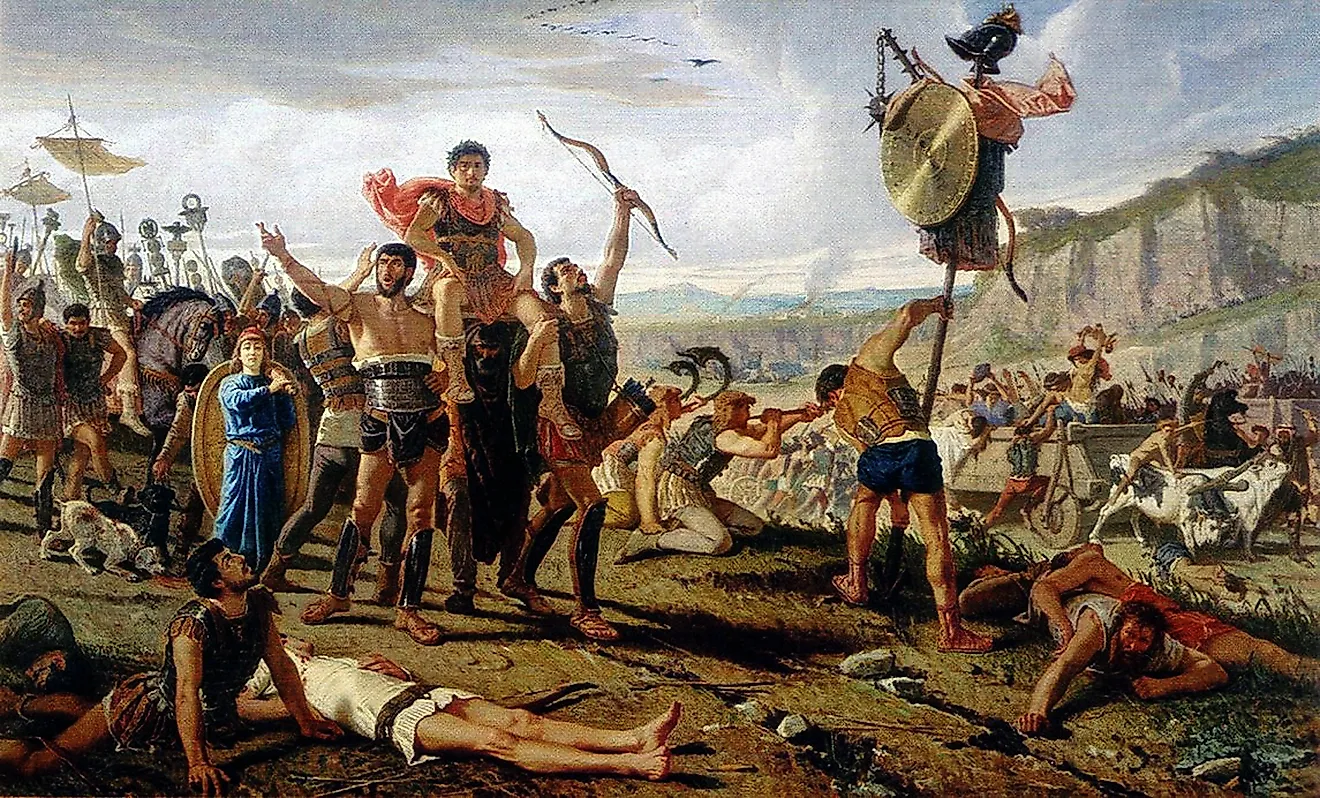
By his fourth year, almost everyone with power in Rome wanted Caligula gone. Senators, court officials, and aristocrats feared and despised him in equal measure. The threat that mattered most came from inside the palace. The Praetorian Guard, the elite unit sworn to protect the emperor, turned into his executioners. On January 24, 41 AD, guardsmen led by the tribune Cassius Chaerea cornered Caligula in a palace passage and stabbed him dozens of times. His wife and infant daughter were killed soon after, a brutal move meant to wipe out his line entirely.
Did Caligula Nearly Destroy The Roman Empire?
For a few days after the murder, the Republic looked like it might come back. The Senate seriously debated scrapping the emperorship and returning to the old system of shared power and rule of law, which seemed like a sturdy guard against another tyrant. It did not happen. The Praetorian Guard had no interest in handing authority back to the senators, and they installed Caligula's uncle Claudius as emperor instead, and the Republic stayed buried.
What came next showed how little one bad ruler could actually break. Taxes kept flowing, officials kept working, and the army stayed loyal to Rome rather than to any one man. His reign was also simply too short to leave lasting wreckage, and four years was not enough time. The deeper lesson is that Caligula proved how much the empire leaned on its institutions. Centuries later, when those same institutions weakened, emperors just as cruel as Caligula would do far more damage.