How Slavery Worked In Ancient Egypt
Like many ancient societies, slavery was part of Egypt for thousands of years. However, it changed and evolved over time. Early on, it was a relatively small institution and only reached its peak during the New Kingdom period (1550 to 1069 BCE). Slaves also had more social mobility than was common in future systems, such as those seen in the Americas. At the same time, it’s important not to whitewash Egyptian slavery. It was still an inhumane and horrific institution that led to countless human rights abuses.
The Origins Of Slavery In Egypt

Ancient Egyptian civilization began around 3150 BCE when Narmer united Upper and Lower Egypt. While slavery existed from almost the very beginning, it was fairly limited. Egypt’s economy primarily relied on free farmers who worked on land controlled by the pharaoh, nobles, and other elites.
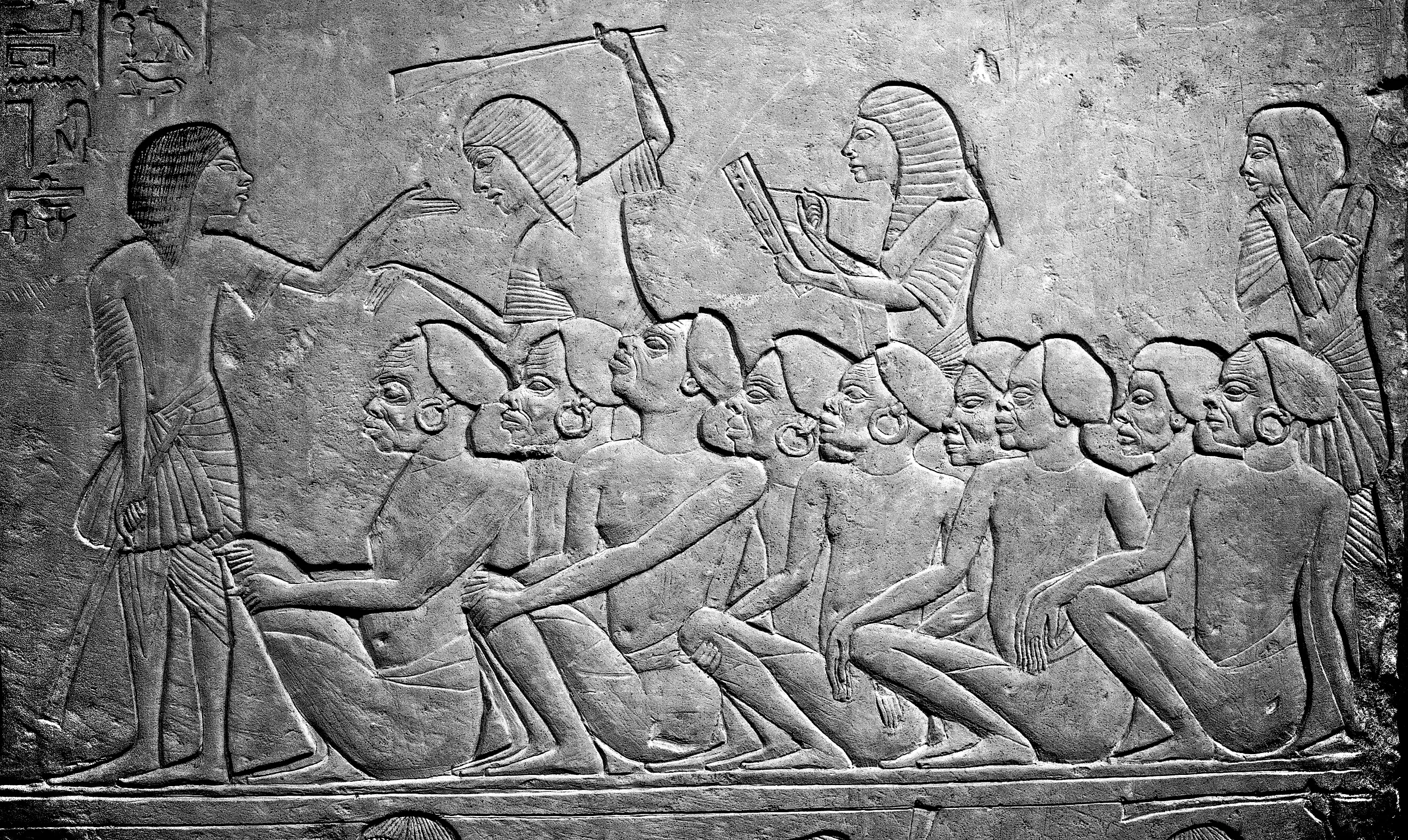
This changed over time as Egypt expanded and fought wars against peoples like the Nubians, Syrians, and Canaanites. An influx of prisoners of war, which included soldiers, civilians, women, and children, greatly increased the number of slaves and, in turn, made Egypt more reliant on slavery.
Who Became Slaves?

Unlike slavery in the Americas, which was based on race, a wide variety of peoples could be slaves in Egypt. As previously noted, many slaves were prisoners of war. People also entered into servitude to pay off debt; a poor farmer unable to repay an obligation to a creditor could become their slave. Importantly, this was temporary, and the farmer would be freed after their loan was paid off.
Slavery was utilised as a form of criminal punishment as well. Convicts were often forced to work in mines, quarries, or on dangerous construction jobs. Children born to enslaved women also often inherited their mother’s status. This meant that there was eventually a substantial number of hereditary slaves.
Where Did Slaves Work?

Egyptians slaves served in many different positions depending on their skills and status. Some were household servants and performed domestic tasks like food preparation, cooking, cleaning, and childcare. Slaves also worked in agriculture, since it formed the backbone of the Egyptian economy.
Contrary to popular belief, not all slaves performed unskilled work. The most highly educated and well-trained among them served as scribes, craftsmen, artisans, and administrators. At the opposite end of the spectrum, the most unlucky slaves worked in mining and quarrying. Physically strenuous and dangerous, many died due to cave-ins, exhaustion, or dehydration.
Misconceptions About Egyptian Slavery

Several misconceptions about Egyptian slavery continue to shape popular historical memory. Perhaps the most important is the notion that slaves built the pyramids.
Slavery certainly existed when the pyramids were being constructed. However, modern archaeological evidence suggests that they were actually built by paid laborers. Excavations near the pyramids have found medical facilities, bakeries, workers’ villages, and the tombs of laborers. This indicates that pyramid workers were valued and paid members of Egyptian society.
Another misconception was that the Egyptians practiced chattel slavery. This myth assumes that Egyptian slaves were viewed as property and had zero rights.
The reality was much more complicated.
Chattel slavery existed, but was far from the norm. Some slaves could own personal property, marry, and even earn income. As previously noted, people also entered into servitude to pay off debts, after which they were freed. Marriage with a free person could result in freedom as well. Finally, owners could simply decide to free their slaves if they so desired, or they could be forced to via royal decree. In short, while hardly a paragon of human rights, Egyptian slavery was far more fluid and flexible than what was practiced in the Americas.
How Did Egyptian Slavery Change Over Time?

Egyptian slavery evolved over time. In the Old Kingdom period (2700 to 2200 BCE), it was limited. Chattel slavery was rare, and slaves were generally treated as part of the extended household.
Slavery expanded during the Middle Kingdom (2055 to 1650 BCE) as more frequent military campaigns produced more prisoners of war. This period also saw the establishment of a more complex social hierarchy. Egyptian elites began to view having slaves as a status symbol.
The largest expansion of slavery occurred during the New Kingdom (1550 to 1070 BCE). Under the reign of famous pharaohs like Ramses II, Thutmose III, and Amenhotep III, Egypt became a vast empire that stretched from Nubia to the Levant. These military conquests led to an influx of foreign captives who became slaves. While still not the primary form of slavery, chattel slavery also reached its peak during this period.
As Egypt fell under Greek rule in the 300s BCE (and then under Roman rule around 30 BCE), slavery was integrated into the broader Mediterranean economy. Slaves were given an explicit legal status, and slave markets were expanded to make slaves readily accessible to elites from around the region.
Impact And Legacy
You can’t understand Ancient Egypt without comprehending slavery. While a minor part of its economy for hundreds of years, it eventually grew into a defining institution. At the same time, Egyptian slavery’s importance is often overshadowed by misconceptions. Slaves didn’t build the pyramids, and chattel slavery was relatively rare. Regardless, many slaves were treated horribly, and even those who were treated relatively well still weren’t free.