The Truth About Tutankhamun And His Tomb
Tutankhamun, the face that graced a thousand textbooks, ranks with the Mona Lisa as one the most recognizable visages of all time. As pharaoh of Egypt from 1,332 to 1,323 BCE, he oversaw some important political and religious developments. But he isn't remembered for his rule, so much as his frankly iconic death mask, discovered in the 20th century alongside over 5,000 untouched Egyptian relics. This article will explore the tomb's breathtaking discovery, shedding light on why it was so important and why it continues to capture the imagination of many.
The Reign of Tutankhamun

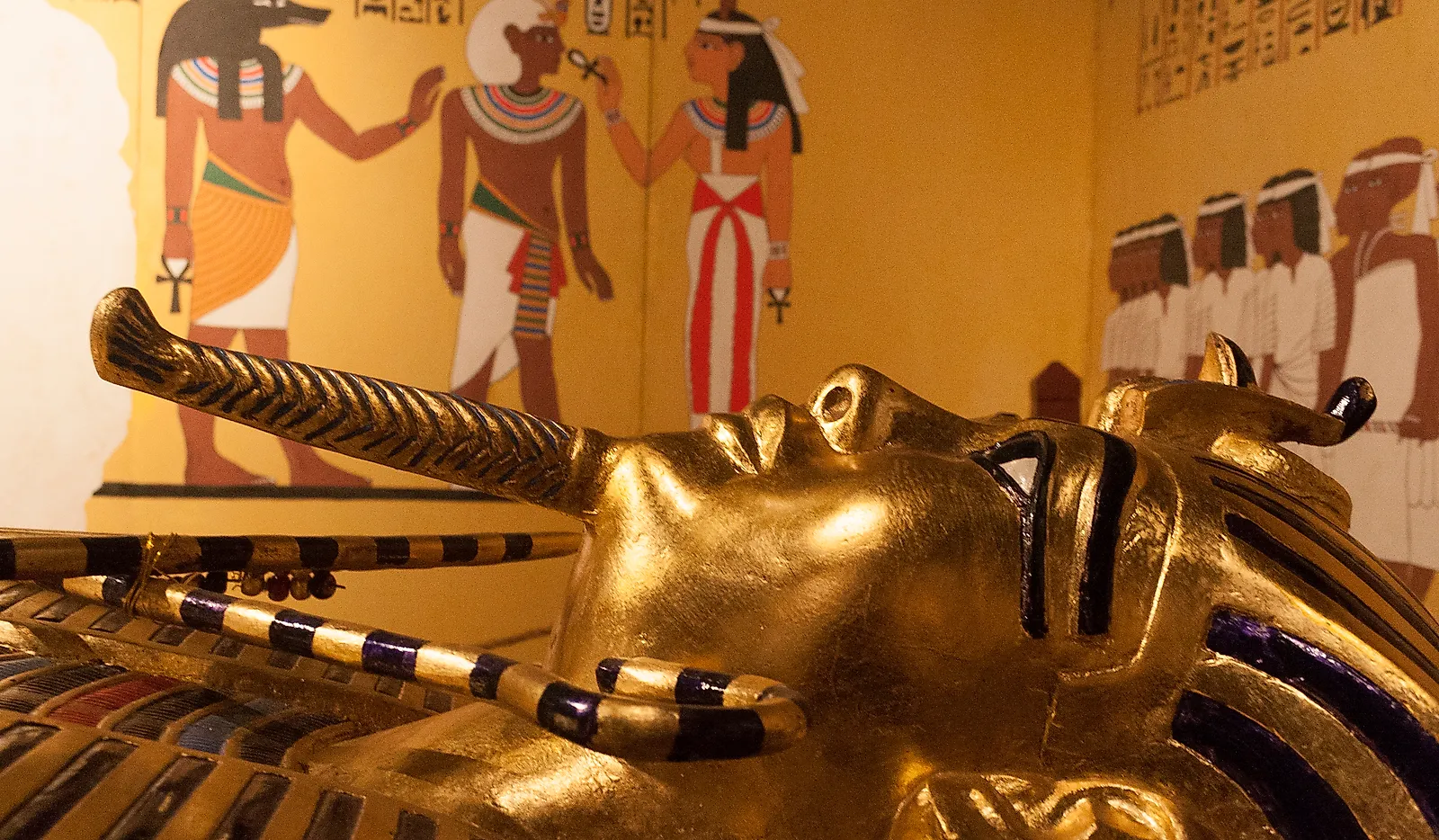
The famous death mask of King Tut.
Tutankhamun became the pharaoh of Egypt in 1,332 BCE, aged eight or nine. Though his reign was relatively short, King Tut managed a few positive changes. His predecessor and father, Akhenaten, was controversial, attempting to promote worship of a single god named Aten. Tutankhamun reversed this decision, a move that proved popular amongst the masses who were used to polytheistic religious practices. The young king's tenure brought similar stability to the political realm. Whereas Egyptian diplomacy had become less prominent under his father, Tutankhamun reestablished diplomatic relations with the Mitanni in modern-day Syria and Anatolia, and undertook military campaigns against the Nubians in modern-day Sudan.
Tutankhamun’s Death

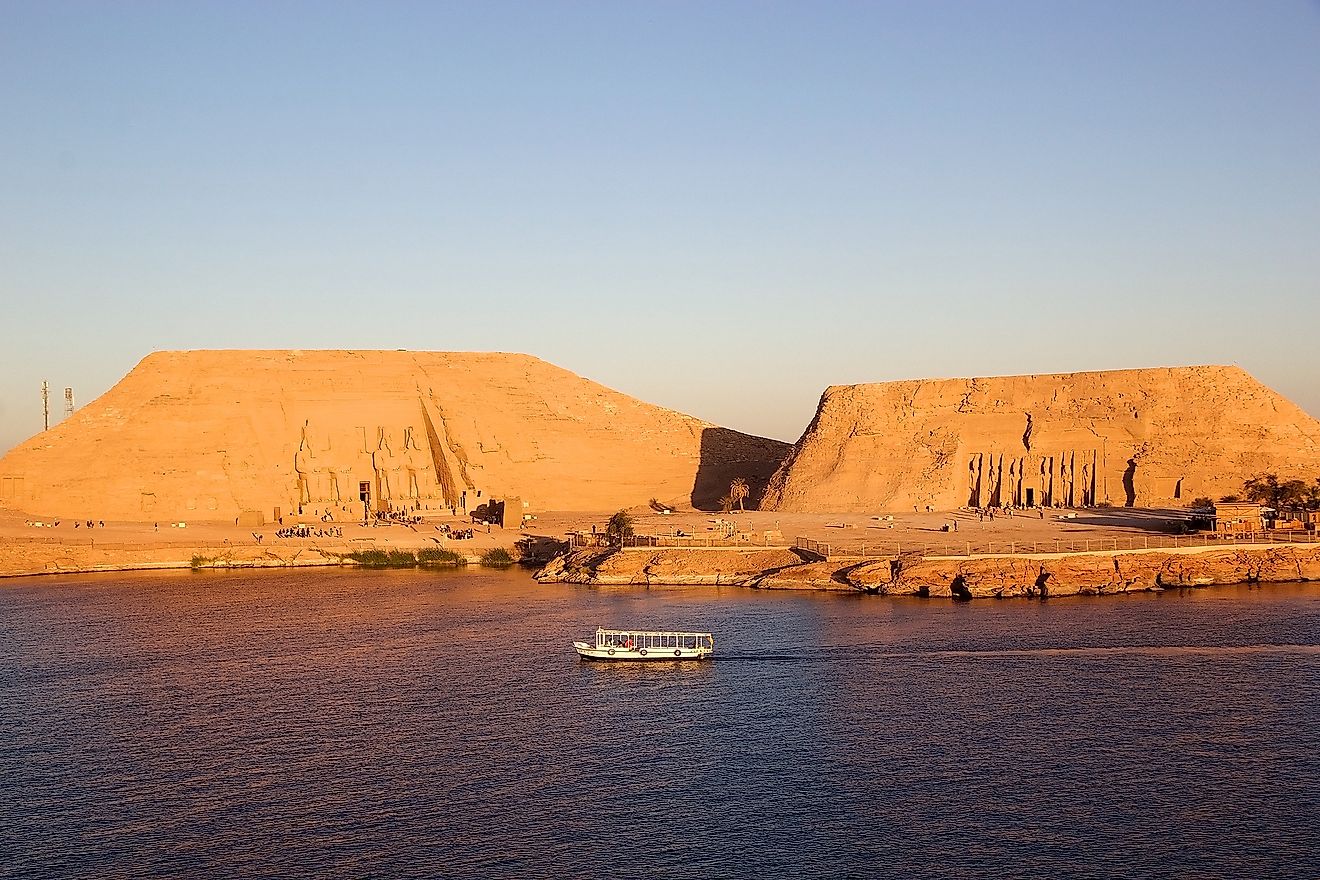
Tomb of Tutankhamun in Luxor, Egypt
While Tutankhamun was not inconsequential, he was hardly a defining leader in the grand scheme of Egyptian history, dying young at the age of either 18 or 19. Historians are unsure of the specific cause of death. Some speculate that he had chronic health problems due to royal inbreeding, while others think that he died by complications from malaria and a leg fracture. Regardless, his untimely end meant his royal tomb, under construction in the Valley of the Kings, was not yet complete. Therefore, Tutankhamun was still buried in a much smaller and less extravagant tomb than was typical for a pharaoh. He remained there for thousands of years, until his dramatic discover in the 20th century.
The Search for the Tomb

Howard Carter, Lord Carnarvon and his daughter Lady Evelyn Herbert at the steps leading to the newly discovered tomb of Tutankhamen, November 1922. Image credit: Harry Burton (Photographer)/Public domain
By the early 20th century, many archaeologists believed that the Valley of the Kings had already been thoroughly explored. Most tombs had been looted centuries, if not millennia, earlier. However, British archaeologist Howard Carter was convinced the tomb of Tutankhamun was still yet to be discovered. Beginning in 1917 with funding provided by British aristocrat Lord Carnarvon, Carter systematically searched the valley for the tomb. After five years and little to show, Carnavon was ready to pull Carter’s funding. Regardless, the archaeologist asked for money for one more excavation season, which Carnavon provided.
The Breakthrough
Carter finally had a breakthrough on November 4th, 1922. Workers under his command were digging in an area near another tomb (called KV9, the burial site of Ramesses V). Due to its proximity to this tomb, the area had not yet been excavated, since doing so would have impeded tourist access. The workers thus found a previously undiscovered stone step cut into the bedrock. Upon moving more debris, they uncovered a full staircase leading down to a door. Carter quickly confirmed that this was, in fact, Tutankhamun's tomb, after which he waited for Carnavon to travel from England to Egypt to open it. What a wait that must have been.
The Contents of the Tomb
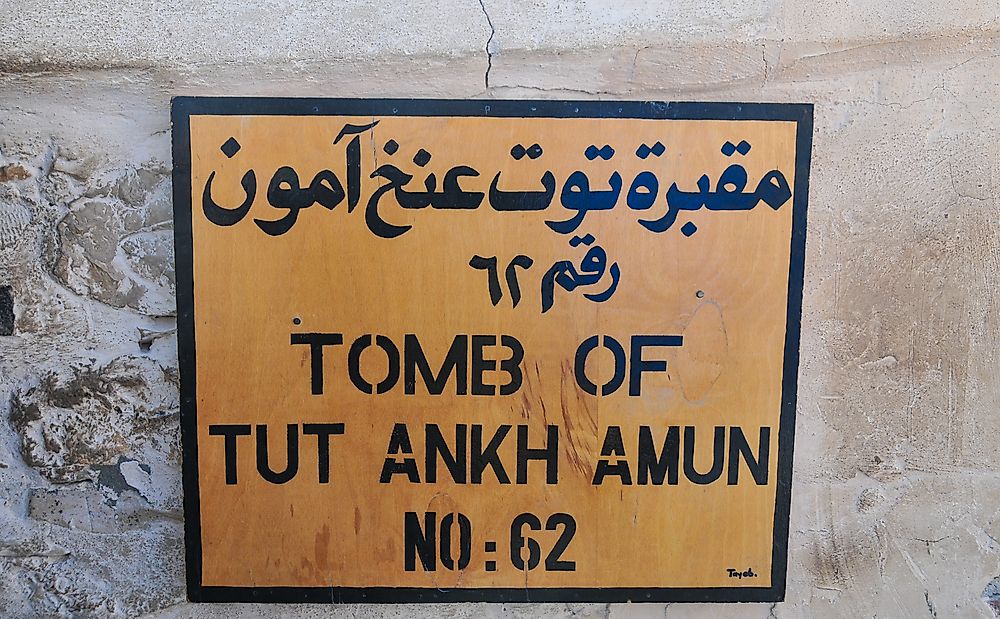
A sign showing the Tomb of King Tut in Egypt.
On November 26th, 1922, with Caravon by his side, Carter made a small hole in the doorway. When asked by the aristocrat if he could see anything, Carter famously replied: “Yes, wonderful things.” Since the tomb was covered by debris, it had been untouched by looters. Therefore, over 5000 objects were found inside. Golden furniture was piled together, along with sealed boxes, shrines, chariots, and statues. The burial chamber itself also contained Tutankhamun’s sarcophagus and coffin.
The Aftermath and Curse

Due to the sheer quantity (and historical importance) of the contents, Carter took 10 years to fully remove them from the tomb. They were meticulously catalogued, photographed, and preserved, after which they were transported to the Egyptian Museum in Cairo. Moreover, the discovery of Tutankhamun’s tomb sparked a worldwide fascination. Newspapers around the globe covered the story, museums and Egyptology became wildly popular, and Ancient Egypt emerged as a pop-cultural obsession. This phenomenon was generally known as “Tutmania”.
Finally, the aftermath of the discovery saw the emergence of rumours about a supposed “curse”. Indeed, five months afterward, Carnavon died from an infection. Some other members of Carter’s team also died within a decade of the tomb’s discovery. Regardless, there is no evidence to suggest that Tutankhamun’s tomb was cursed. Carnavon was in an automobile accident in 1901, which left him frail and vulnerable to illness. Furthermore, out of the 58 people present for the opening of the tomb, only eight died within twelve years, a reasonable number given life expectancies in the 1920s and the various ages of people on Carter’s team.
Impact and Legacy
Much of what we know about Ancient Egypt comes from the contents of Tutankhamun’s tomb. The thousands of relics and artifacts, most of which were untouched and intact, provide key insight into a civilization from thousands of years ago. Therefore, while Tutankhamun may not have been an exceptionally consequential figure in life, through sheer luck, he became the face of Egyptian civilization thousands of years after his death.