Why Rome Could Never Conquer Nubia
Rome conquered many different civilizations. However, it was never able to establish a permanent foothold in Nubia. Difficult geography made the cost of doing so not worth the effort. Halting at Nubia also followed a pattern that could be observed elsewhere in the empire. Finally, several more pressing issues meant that it made more sense to use diplomacy to resolve issues with the Nubians.
Context: What Was Nubia

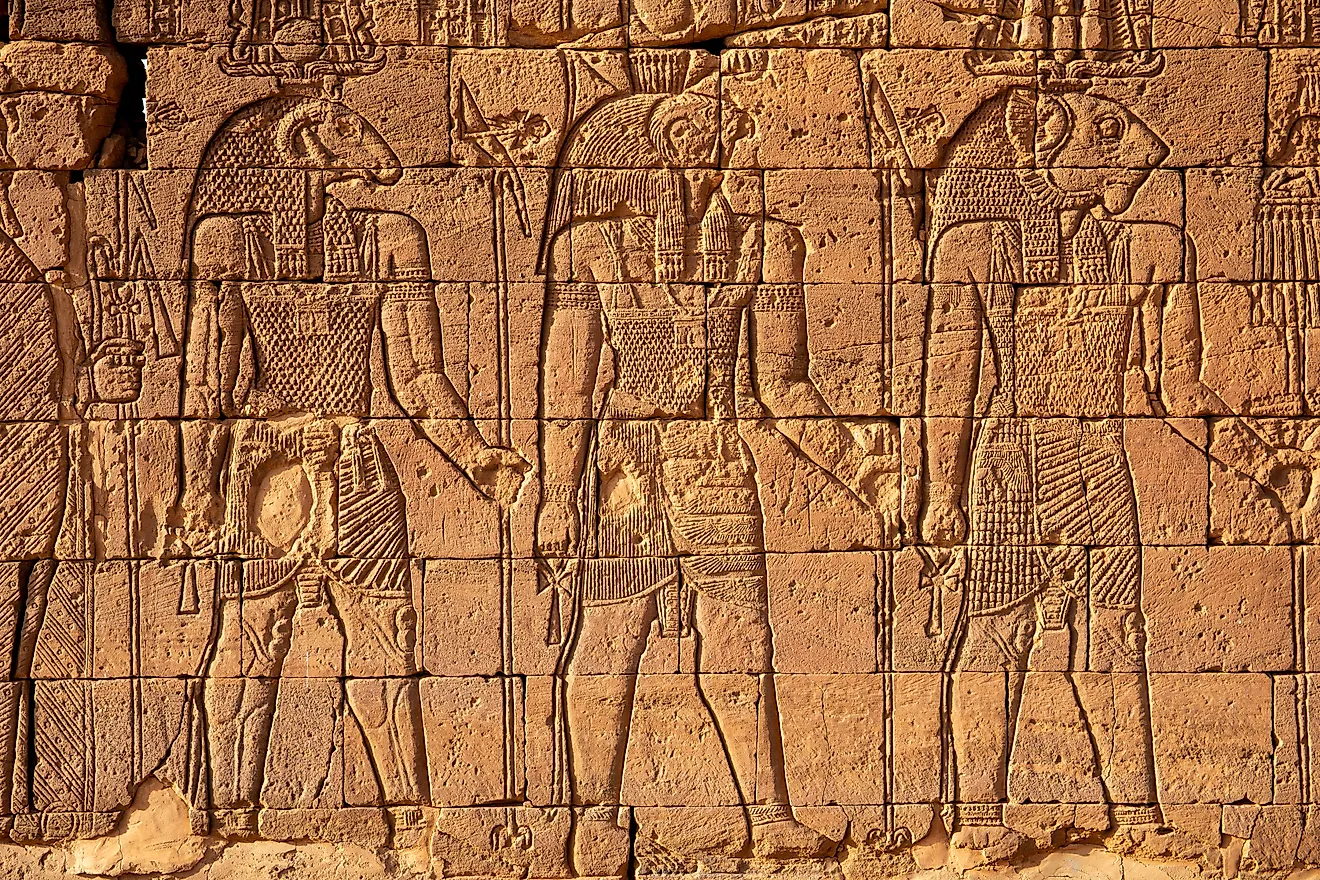
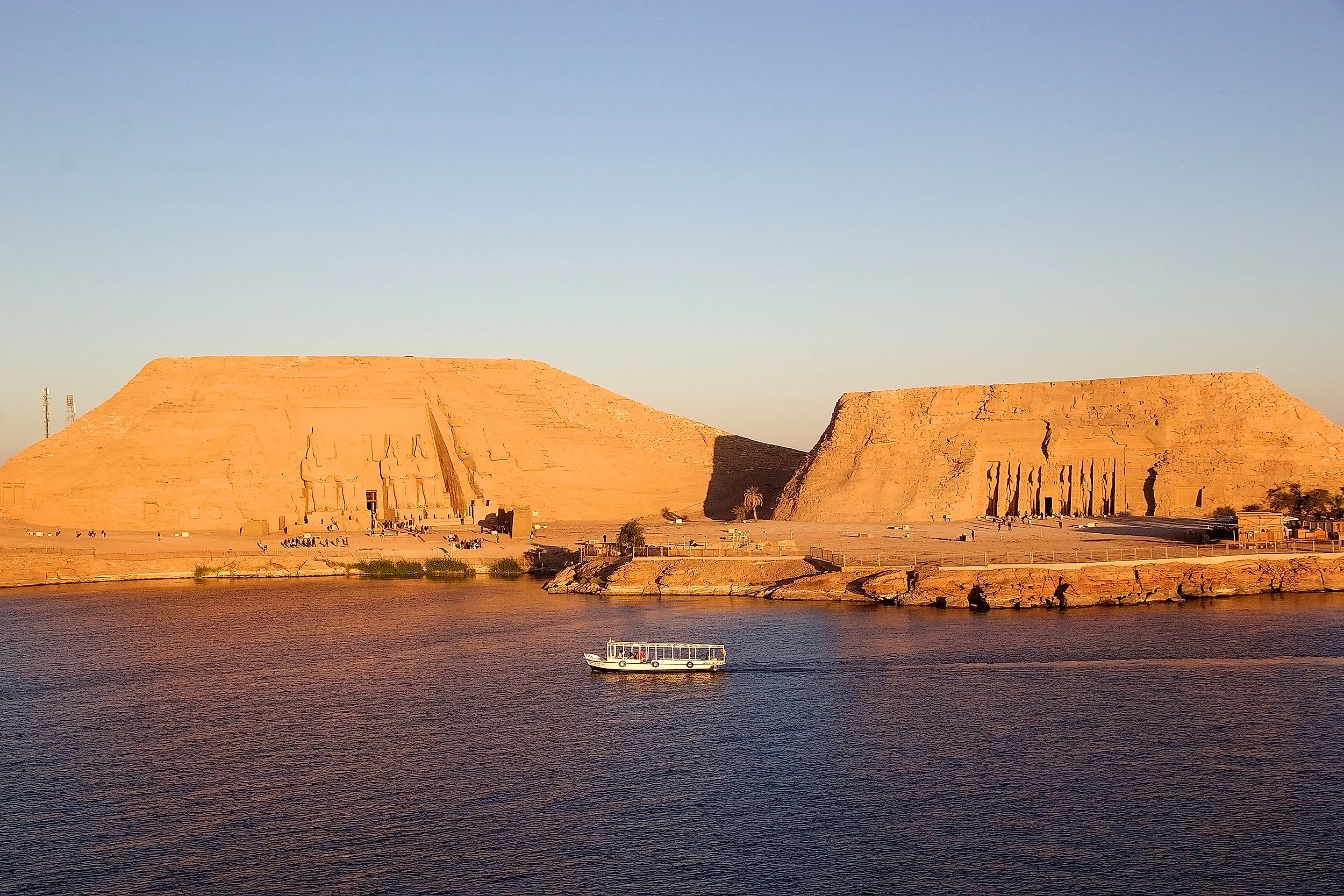
Before exploring the specifics of Roman-Nubian relations, it's important to situate Nubia for the sake of context. Nubia was located in southern Egypt and northern Sudan. It was home to several advanced civilizations in Roman times, the most important of which was the Kingdom of Kush. Kush contained numerous agricultural communities along the Nile, fortified settlements, and its own monarchy. Its military was also advanced, with Kushite archers and cavalry wreaking havoc in Egypt for centuries. At the same time, Kush formed meaningful diplomatic and economic relations with neighbouring states, including Egypt.
Rome Conquers Egypt

During the 1st century BCE, Egypt became increasingly reliant on Rome militarily and economically. This eventually backfired, resulting in the end of the Ptolemaic Dynasty and the beginning of direct Roman rule over Egypt following the Battle of Actium in 31 BCE. Suddenly, Rome had to contend with relations with the Nubian-based Kush, since it was now a neighbouring state.
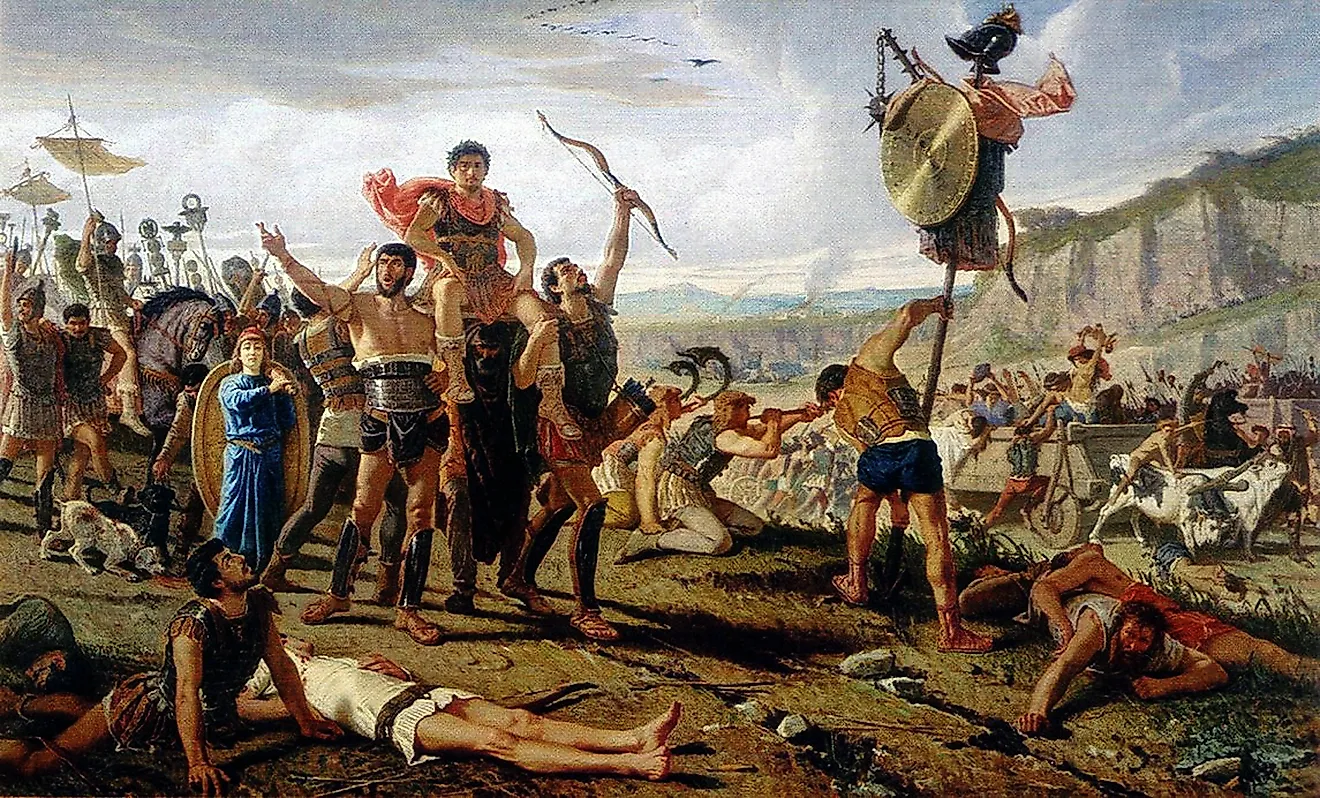
Things got off to a rocky start. The Romans underestimated the Kushites and thought they could bide their time while they consolidated power in Egypt. They were wrong. Kush invaded Egypt in 25 BCE and took Syene (modern Aswan), Elephantine, and Philae. Humiliated by its newest and one of its most valuable provinces being under partial military occupation, the Romans organized a response. Led by Gaius Petronius, they successfully repelled Kush and even made incursions into Nubia. This demonstrated something important: Rome was undoubtedly stronger militarily than Kush. However, actually conquering Nubia was another matter entirely.
Geography Made Conquering Nubia Difficult

Geography was the first major issue. As opposed to the regions that Rome usually conquered, Nubia had massive deserts, rocky terrain, long distances between settlements, and limited fertile land. Perhaps most crucially, the southern Nile contained several cataracts. Shallow, turbulent stretches of whitewater rapids, they were nearly impossible to traverse. This made it difficult for the Roman army. By utilizing massive road networks, rivers, forts, and other sorts of infrastructure, it could usually quickly move from one place to another and supply itself. Nubian geography made capitalizing on these logistical strengths nearly impossible.
The geography didn’t just disadvantage the Romans. It actively favored the Kushites. Locals knew where the water sources were, which routes safely crossed the desert, and where the Romans would be forced to concentrate their troops. The Kushites also built up their army to complement the geography. Their formidable archers and cavalry units thus worked well on Nubia’s open terrain. All this meant that while the Romans could defeat Kush in open battle, they could rarely keep any meaningful swaths of territory.
Rome Didn’t Need Nubia

Practicality was maybe the most important reason why Rome never conquered Nubia. Egypt was already enormously wealthy and resource-rich, so further incursions south simply weren’t worth it. This isn’t to say that Nubia contained nothing of value. It was home to vast quantities of gold, iron ore, and copper. Controlling Nubia would also give access to trade routes into places like inner Africa. Said routes would have provided Rome with even more resources like ivory, ebony, and animal skins. Regardless, despite the potential gains, the cost was simply too great. As supply lines got stretched, the potential for military disasters increased. The Romans therefore opted for other methods of obtaining Nubian resources.
It Followed A Pattern

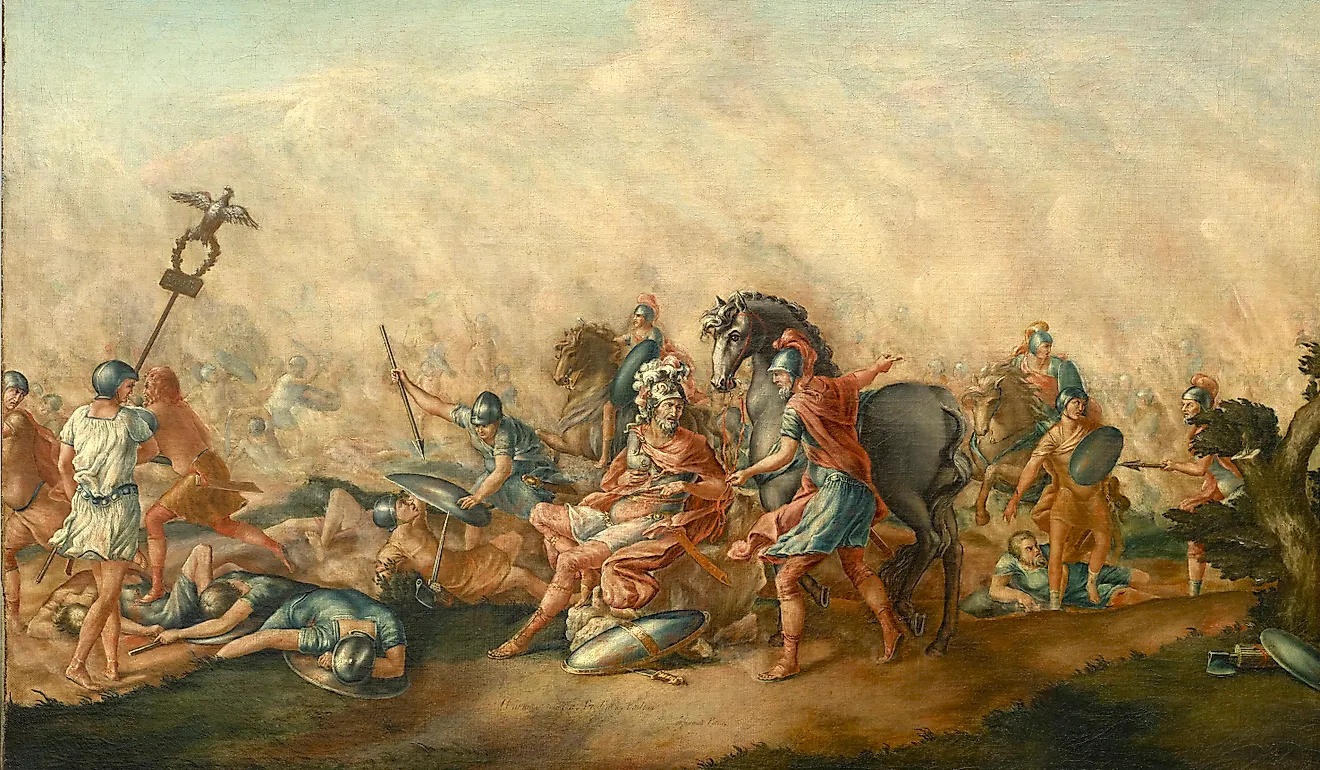
During the Republican era (509 to 27 BCE), Rome rapidly expanded, transforming from a small Italian city-state into a Mediterranean-wide power. Expansion continued during the imperial period, but at a much slower rate. The disastrous Battle of the Teutoburg Forest in 9 AD permanently halted plans to expand in Germania. The Romans also never conquered Scotland due to its difficult terrain and guerrilla warfare tactics from its tribes. The Persians, first under the Parthian Empire and then with the Sasanian Empire, also proved challenging, so Mesopotamia became the extent of Rome’s territorial reach in the east. All of this is to say that by halting their expansion into Nubia, the Romans were simply following a well-established pattern.
Rome Had Bigger Problems

Due to its sheer size, the Roman Empire faced threats on nearly all of its borders. Germanic tribes were a constant issue in the north, and the Persians regularly invaded from the east. Problems became even more numerous during the third, fourth, and fifth centuries, as civil wars, economic dysfunction, and political upheaval threatened to tear the empire apart. For all these reasons, conquering Nubia simply wasn’t a major priority. It became even less important following the establishment of a buffer zone between Kush and Egypt. Known as the Triacontaschoenus, it covered about 70 miles of northern Kush and southern Egypt. Rather than being hotly contested, this zone grew into an area for cultural and economic exchange. The Romans were thus able to take advantage of Nubian resources without having to fight Kush.
Impact And Legacy
Rome never conquered Nubia for several reasons. After it came to control Egypt, the Kushites invaded from the south. The Romans quickly beat them back but struggled to hold territory in Nubia because of its difficult geography. This made the cost of conquering Nubia not worth it, despite its resources. Halting expansion at a particularly difficult place also followed a playbook that had been used in other regions. Finally, Rome simply had bigger threats elsewhere and could get much of what it wanted from Nubia through border security and trade.