What Happens If A Refinery Belt Goes Offline
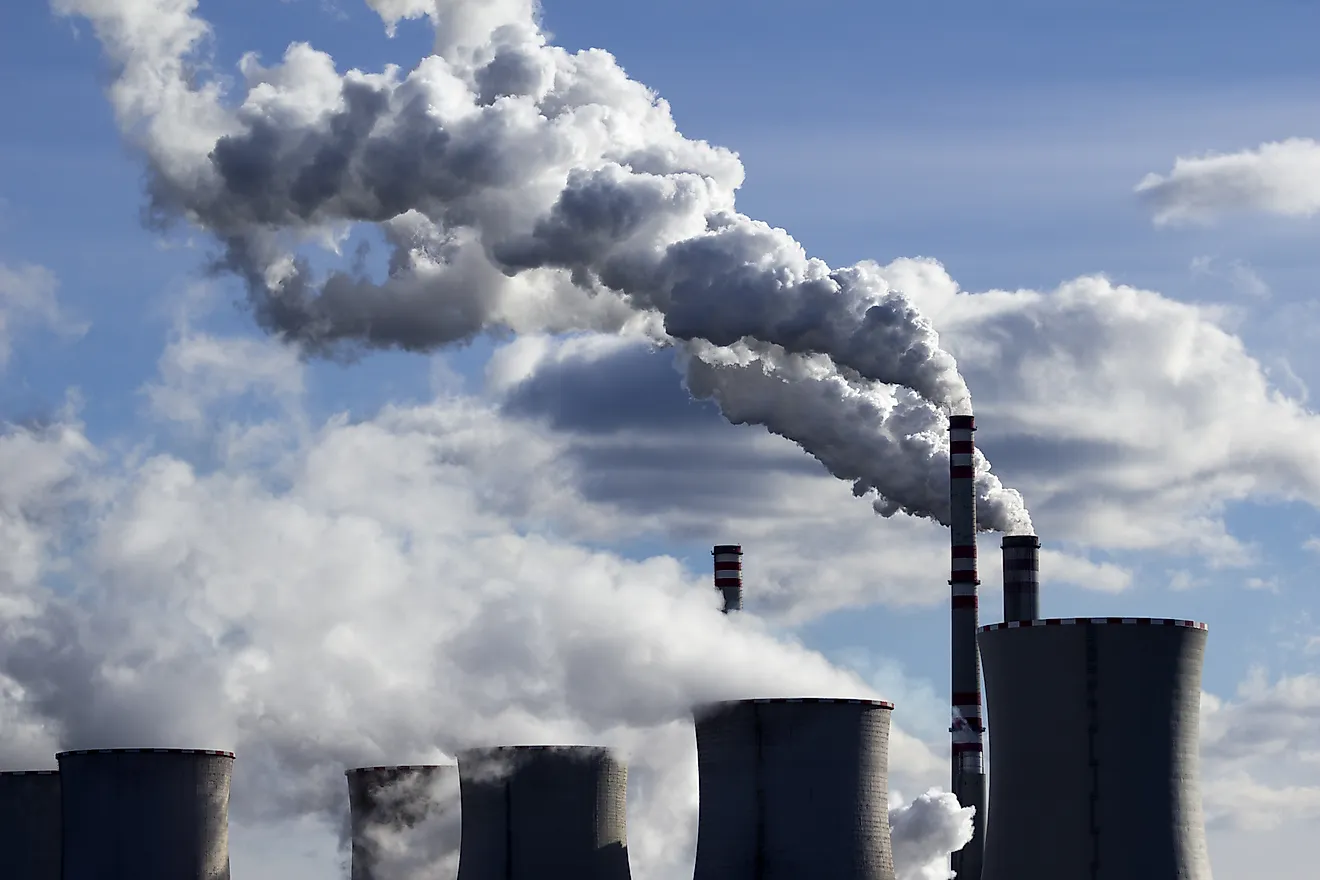
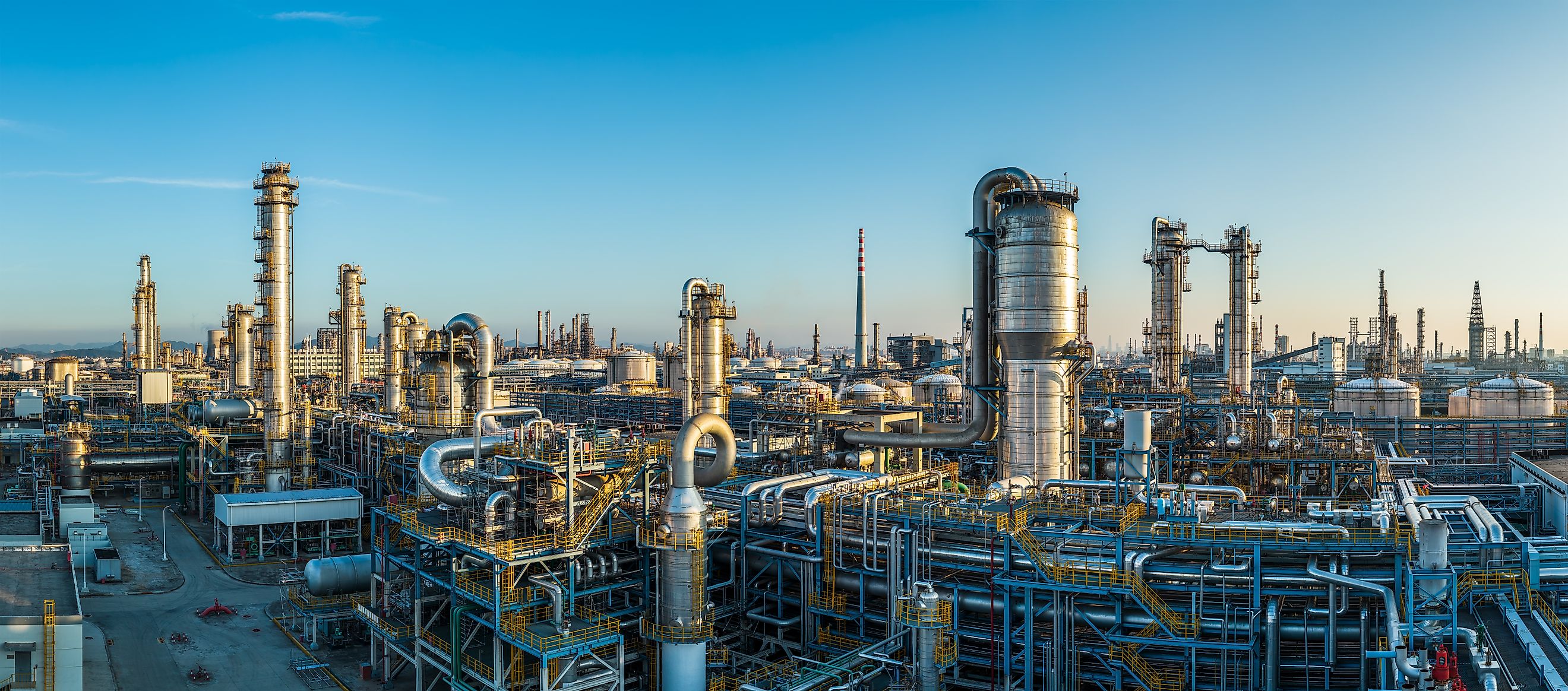
Tight global oil supplies in 2026 have drawn fresh attention to how the United States refines crude oil into the fuel that powers its cars, aircraft, and freight. Much of the nation's refining capacity is concentrated along the Gulf Coast, with other major refining regions in the Midwest and on the West Coast. A prolonged shutdown in any of them would reduce the supply of gasoline, diesel, and jet fuel and push up prices, with the consequences depending on which refineries went offline and for how long. A Gulf Coast disruption could reduce fuel shipments to the Southeast and East Coast, while a shutdown in Washington could affect supplies throughout the Pacific Northwest. If several regions stopped producing at once, the effects would spread through pipelines, terminals, airports, farms, and freight networks nationwide.
Where America Refines Its Fuel

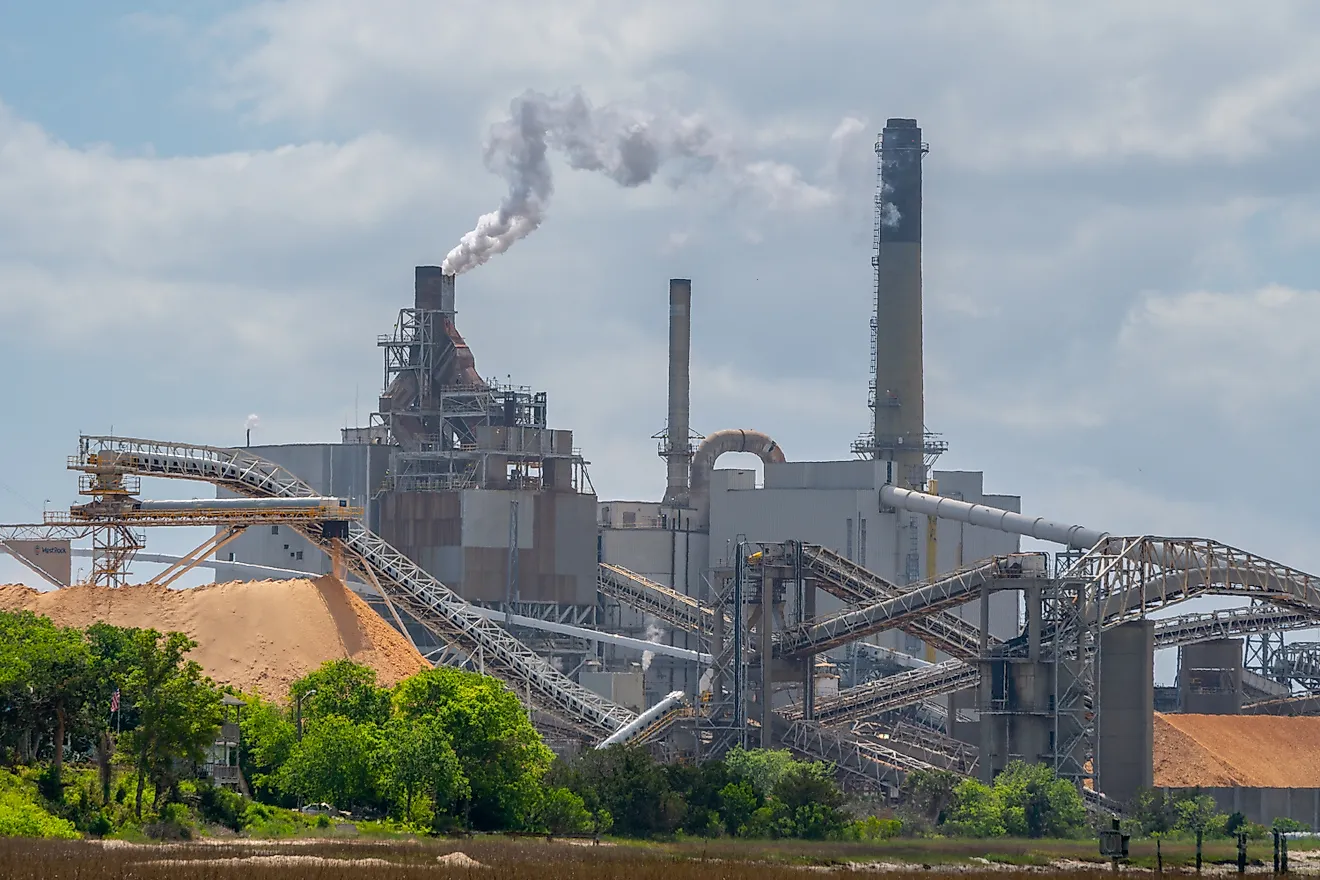
America's refining regions depend on connected systems of ports, pipelines, storage tanks, and distribution terminals. Major refining centers include Houston, Corpus Christi, and Beaumont in Texas; Baton Rouge and Garyville in Louisiana; and Whiting, Indiana, and Wood River, Illinois. Other important concentrations of refining capacity are found around Los Angeles, California, and Puget Sound, Washington. Refineries convert crude oil into gasoline, diesel, jet fuel, heating oil, and other petroleum products through distillation and additional processing. When one closes unexpectedly, the equipment needed to produce those fuels sits idle until operations resume, and other refineries can increase production only to the extent their spare capacity and available crude oil allow.
The Gulf Coast accounts for more than half of US refining capacity and produces more petroleum products than it consumes, sending large volumes east via pipelines and marine shipments. The East Coast has comparatively little refining capacity relative to its fuel demand, which leaves it heavily dependent on supplies from other regions. This concentration of production means that a serious disruption on the Gulf Coast could affect fuel markets hundreds of miles away.
Which Plants Would Feel It First

The first effects of a widespread shutdown would hit the affected refineries and the ports, pipelines, and terminals that handle their products. Motiva's Port Arthur refinery in Texas is the largest single US refinery, with an atmospheric crude distillation capacity of 656,400 barrels per calendar day as of January 1, 2026. Other major Gulf Coast facilities include Marathon Petroleum's Galveston Bay refinery in Texas City, its Garyville refinery in Louisiana, and ExxonMobil's refineries in Beaumont and Baytown, Texas. The Colonial Pipeline, an approximately 5,500-mile network running from the Houston area to Linden, New Jersey, can move roughly 2.5 million barrels of refined products per day, but only if operating refineries supply it.
In the Midwest, BP's Whiting refinery in Indiana and the Wood River refinery in Illinois are major sources of refined petroleum products, while facilities in Kansas and Oklahoma supply the central United States through networks that include the Explorer Pipeline. On the West Coast, refineries in the Los Angeles area supply Southern California and other connected markets. Farther north, Washington's Puget Sound refineries are Oregon's main fuel source, since the state has no petroleum refineries of its own. According to the Oregon Department of Energy, Washington refineries supply more than 90 percent of Oregon's refined petroleum products, principally through the Olympic Pipeline and marine shipments.
How the Fuel Supply Would Tighten

A refinery shutdown reduces the amount of finished fuel entering the distribution system. Storage terminals can continue supplying customers from existing inventories, but those stocks decline when replacement deliveries fall below demand, and the shortage can spread as distributors compete for supplies from facilities still operating. The Southeast and East Coast would be highly exposed to a major Gulf Coast shutdown. Georgia, North Carolina, South Carolina, and Virginia depend heavily on refined products transported from the Gulf Coast, while Florida receives large volumes of fuel by tanker and barge. These markets would need to draw on inventories and seek replacement supplies through other pipelines, marine deliveries, or imports.
Transportation delays would complicate recovery. Fuel moves through pipelines in batches, and deliveries to distant terminals can take several days, so terminals may need extra time to restore depleted inventories even after refineries resume normal operations. A disruption lasting weeks would further strain emergency supplies and transportation capacity. West Coast markets would face different constraints. Relatively little pipeline infrastructure connects Gulf Coast refining centers to the Pacific Coast, limiting the extent to which lost production overland shipments could replace. A serious disruption near Los Angeles or Puget Sound could therefore create regional shortages even if refineries elsewhere in the country continued operating.
Gasoline and Diesel Prices

Fuel prices reflect crude oil costs, refining expenses, transportation, distribution, and taxes. When refinery production falls, wholesale prices can rise as distributors compete for a smaller supply, and those increases can eventually reach retail gas stations and commercial fuel customers, although the timing and size of the changes would vary by market. Diesel would be a major concern because it powers trucks, farm machinery, construction equipment, and many industrial operations. A prolonged refinery disruption could draw down diesel inventories, forcing distributors to obtain replacement supplies from more distant terminals or alternative suppliers.
The effects would not be identical across the country. Markets with access to several refineries or transportation routes would generally have more options than those dependent on a small number of facilities. Fuel specifications, storage capacity, and the availability of imports would also shape how quickly shortages developed and how far prices climbed. Distribution costs could rise alongside wholesale prices, as fuel trucks travel farther to reach terminals with available product and tankers and barges are redirected to ports facing shortages. Those added transportation expenses would raise the cost of replacing lost supply and could prolong price pressures after refinery operations resumed.
Effects on Farms and Food Transport

Farmers would face higher operating expenses if a refinery shutdown reduced diesel availability or drove up prices. Diesel powers tractors, combines, irrigation pumps, and grain trucks, and because planting and harvesting are time-sensitive, a shortage during a key farming period would be hard to absorb. The USDA's September 2026 farm income forecast projected that US fuel and oil expenses would increase considerably in 2026 compared with 2025. That forecast does not assume a nationwide refinery shutdown, but it shows how much fuel costs matter to agricultural operations.
The consequences would extend past the fields. Higher diesel prices would raise the cost of moving grain from farms to storage facilities and processing plants, as well as the cost of delivering fertilizer, seed, livestock feed, and finished food products. Large grain farms in Kansas and Nebraska rely heavily on mechanized equipment and long-distance transportation, and producers in Iowa and Illinois also depend on diesel-powered machinery and freight networks. A sustained shortage during planting or harvest could force some operations to delay work. Consumers could eventually see some of these costs in food prices, depending on how long the disruption lasted and whether producers and distributors could absorb the added expenses.
Effects on Freight and Travel

Airports would face tighter fuel planning if refinery production declined. The Colonial Pipeline carries jet fuel as well as gasoline and diesel, supporting aviation fuel deliveries across parts of the Southeast and Mid-Atlantic, so a major Gulf Coast shutdown could cut the volume available to airports there and force deliveries through other routes. West Coast airports would face a separate challenge. Fuel supplies in California and Washington depend on regional refining and marine transportation, and with limited pipeline capacity linking the West Coast to Gulf Coast refining centers, replacing lost production at Los Angeles-area or Puget Sound refineries could be difficult.
Freight would also become more expensive, as trucking companies face higher diesel costs on long-haul routes connecting the Gulf Coast, Midwest, Southeast, and Northeast. Railroads and operators of diesel-powered inland vessels could see similar increases. For motorists, the most visible consequences would likely be higher gas prices and, in the event of a severe or prolonged disruption, temporary shortages at some stations. The 2021 Colonial Pipeline shutdown, which followed a cyberattack, showed how quickly fuel deliveries can be interrupted, but refinery production was not broadly halted at the time. A widespread refining outage could be harder to solve: even with pipelines operating, there might not be enough finished fuel to move through them.
How Long Recovery Would Take

The time needed to restore fuel supplies would depend on the cause and extent of the shutdown. A brief interruption due to severe weather or a temporary power failure might require inspections and controlled restart procedures, while major flooding, fires, or damage to processing equipment could require extensive repairs and leave facilities offline for much longer. Even after electricity and other essential services return, operators must inspect equipment, verify that processing units can operate safely, and restart interconnected systems in a controlled sequence. Some units may resume before others, allowing limited production while the rest of a facility remains offline.
At a large refinery such as Motiva's Port Arthur facility, a disruption affecting several processing units could require a staged restart, and equipment needing repair or replacement could delay normal production much further. A simultaneous outage at multiple refineries would be more complicated, because maintenance crews, specialized equipment, and replacement parts could be in high demand. Distribution would also lag. Pipelines would need enough fuel to restore normal deliveries, terminals would have to rebuild depleted inventories, and transportation schedules could remain disrupted after refineries resumed production. Where replacement supplies were limited, distributors might continue restricting shipments until inventories recovered.
What Would Help Limit the Impact

Existing fuel inventories would provide the first buffer. Storage terminals, bulk distributors, and other facilities store petroleum products that can continue moving to customers while replacement supplies are arranged, though those stocks are finite and lose effectiveness during a prolonged interruption. Imports could supplement domestic production in coastal markets with suitable marine terminals, and alternative pipeline routes, such as the Products (SE) Pipeline from the Gulf Coast toward East Coast markets, could add some flexibility if fuel and unused capacity were available. Marine shipments could also redirect fuel from operating refineries to regions facing shortages, depending on vessel availability, port facilities, shipping regulations, and whether receiving terminals could handle the extra deliveries.
The federal Strategic Petroleum Reserve stores crude oil, which could support refinery operations during certain supply emergencies. Crude reserves do not directly replace finished gasoline, diesel, or jet fuel, though, because refineries must be running to process that crude into usable products. Commercial inventories of finished fuel would be more immediately useful in a widespread refining disruption. Federal and state agencies could also coordinate with refinery operators and distributors to assess shortages, identify available transportation routes, and, depending on the circumstances, consider temporary regulatory measures to improve distribution. The results would depend on how much refining capacity was still operating and how long the disruption lasted.
The Bottom Line
A prolonged shutdown across America's major refining regions would reduce the supply of gasoline, diesel, and jet fuel. Facilities such as Motiva's Port Arthur refinery, Marathon's Garyville and Galveston Bay refineries, ExxonMobil's Baytown refinery, and BP's Whiting refinery illustrate how much production is concentrated in major industrial centers. The Gulf Coast's connections to the Colonial Pipeline and East Coast fuel markets would make a major disruption a serious threat to the Southeast, while refineries in California and Washington present separate regional vulnerabilities because replacement supplies cannot move freely across the country.
Fuel inventories, imports, and alternative transportation routes could limit the immediate damage, but they could not indefinitely replace production from multiple major refineries. If these and other large facilities stopped operating simultaneously, the consequences could extend across much of the country, raising transportation and agricultural costs and increasing the risk of regional fuel shortages. The severity of the disruption would ultimately depend on how many refineries were affected, how long they remained offline, and how quickly production and distribution could return to normal.