What Happens When The Wind Stops In A Wind-Powered State
On the evening of September 6, 2023, wind generation across Texas dropped off at the worst possible moment. Temperatures were high, electricity demand had reached a September peak of 82,705 megawatts, and solar output was fading toward sunset. At approximately 7:25 p.m., the state's grid operator declared an emergency. Grid frequency slipped below its normal 60-hertz target, and reserves were running low. Texas is one of the country's leading wind-producing states, so a calm evening is more than a passing inconvenience there. What happened over the following hour, and what happens anywhere the turbines go still, comes down to everything else the grid has in reserve.
Texas Shows What Happens When Reserves Run Low

The emergency that the Electric Reliability Council of Texas (ERCOT) declared that evening was an Energy Emergency Alert Level 2, issued after operating conditions deteriorated during the evening peak. Grid frequency dropped to approximately 59.77 hertz. The declaration allowed ERCOT to access additional reserves and activate demand response. The operator brought available generation online, coordinated with market participants to secure additional capacity, and deployed participating load resources to reduce electricity demand. ERCOT stepped down to a lower emergency level at 8:27 p.m. and returned to normal operations at 8:37 p.m. No grid-related controlled outages were necessary.
At the time, ERCOT's Level 2 reserve threshold was 1,750 megawatts. In November 2023, the operator raised that threshold to 2,000 megawatts, providing an earlier opportunity to respond as operating reserves decline. An emergency declaration is a warning that grid conditions require intervention, but it does not automatically mean customers will lose service.
The Grid Must Replace Missing Wind Generation

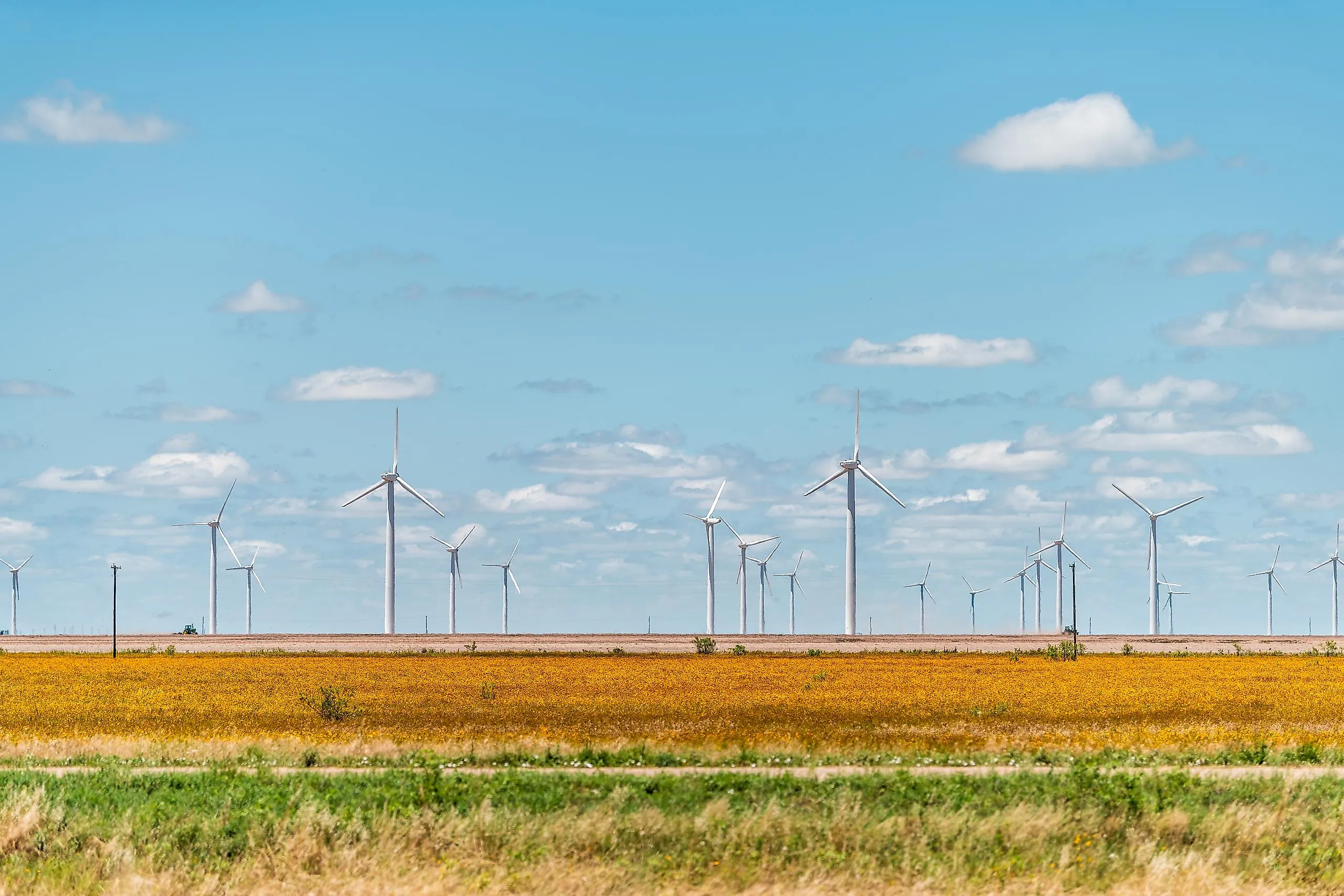
The September 2023 emergency reflects a basic constraint of wind power. Turbines produce electricity only when wind conditions permit, so a state with substantial wind generation still needs other sources of supply. According to the US Energy Information Administration (EIA), wind generated approximately 464 million megawatt-hours of electricity nationwide in 2025, accounting for about 10% of utility-scale generation. Texas, Iowa, Oklahoma, Kansas, and Illinois were the five leading wind-producing states.
When wind output falls by 1,000 megawatts for one hour, it creates a 1,000-megawatt-hour energy gap, and over 24 hours that gap reaches 24,000 megawatt-hours. Grid operators can close it by increasing generation, discharging batteries, importing electricity, or reducing demand, depending on which resources are available and how quickly they can deliver power.
Natural Gas And Other Generators Increase Output

Natural gas plants are a major source of replacement electricity in Texas. During a February 2025 cold snap, wind and solar generation across the ERCOT region fell by 52% between February 18 and 21. EIA reported that natural gas generation supplied 73% of the remaining electricity requirement on February 21.
Coal and nuclear plants also contribute, although their ability to change output depends on plant design and operating conditions. The Comanche Peak Nuclear Power Plant near Glen Rose, Texas, generates electricity regardless of local wind conditions, covering part of overall demand while more flexible resources handle shorter-term changes. According to EIA, natural gas, coal, and nuclear plants collectively supplied 75% of US utility-scale electricity generation in 2025.
Batteries Supply Electricity During Short Wind Lulls

Battery storage provides another response when wind generation falls. The DeCordova Energy Storage Facility near Granbury, Texas, has a rated output of 260 megawatts and an energy capacity of 260 megawatt-hours, enough for approximately one hour of discharge at full output, or longer at lower output. It operates alongside the DeCordova natural gas generating facility, giving the site two sources of electricity.
Across the wider Texas grid, EIA reported that batteries delivered an average of approximately 4,000 megawatts during the 8 p.m. hour in the summer months of 2025, helping replace solar generation as it declined toward sunset. Batteries respond quickly, but their contribution is limited by their stored energy, so extended shortages require additional generation, demand reductions, or opportunities to recharge.
Regional Grids Share Electricity Across State Lines

Wind shortages can affect more than one state simultaneously. Oklahoma and Kansas participate in the Southwest Power Pool (SPP), which coordinates wholesale electricity markets and transmission operations across a multistate region. In its 2025 State of the Market report, SPP recorded average wind generation equivalent to 37% of electricity demand in its real-time market. During one five-minute interval, wind production reached the equivalent of 83% of demand.
The report also recorded 35,934 megawatts of registered wind capacity at the end of 2025. SPP monitors wind conditions across locations including Amarillo and Lubbock in Texas and Hays in Kansas. When output falls in one part of the network, the operator can dispatch available resources elsewhere in the region, subject to transmission limits.
Businesses May Be Asked To Reduce Electricity Use

Demand response, one of the tools ERCOT used in September 2023, can help stabilize an electricity grid without disconnecting entire communities. Large electricity customers that have agreed to provide this service can curtail selected operations when called upon, narrowing the gap between generation and demand.
For businesses in the Houston area and other parts of the ERCOT region, the consequences depend on whether they participate in such arrangements and how severe the shortage is. A participating industrial facility might temporarily reduce electricity consumption, while other customers continue to receive normal service. If available generation and voluntary or contracted demand reductions cannot restore adequate reserves, grid operators may direct utilities to implement controlled outages.
Fuel Supplies And Water Infrastructure Also Matter

Replacement generation has operating requirements beyond installed capacity. Natural gas plants depend on sufficient fuel delivery, while some generating stations require large cooling-water supplies. At DeCordova, the operator has reported diesel backup arrangements for its gas-fueled generating units, providing an alternative fuel supply for up to seven days under its published specifications.
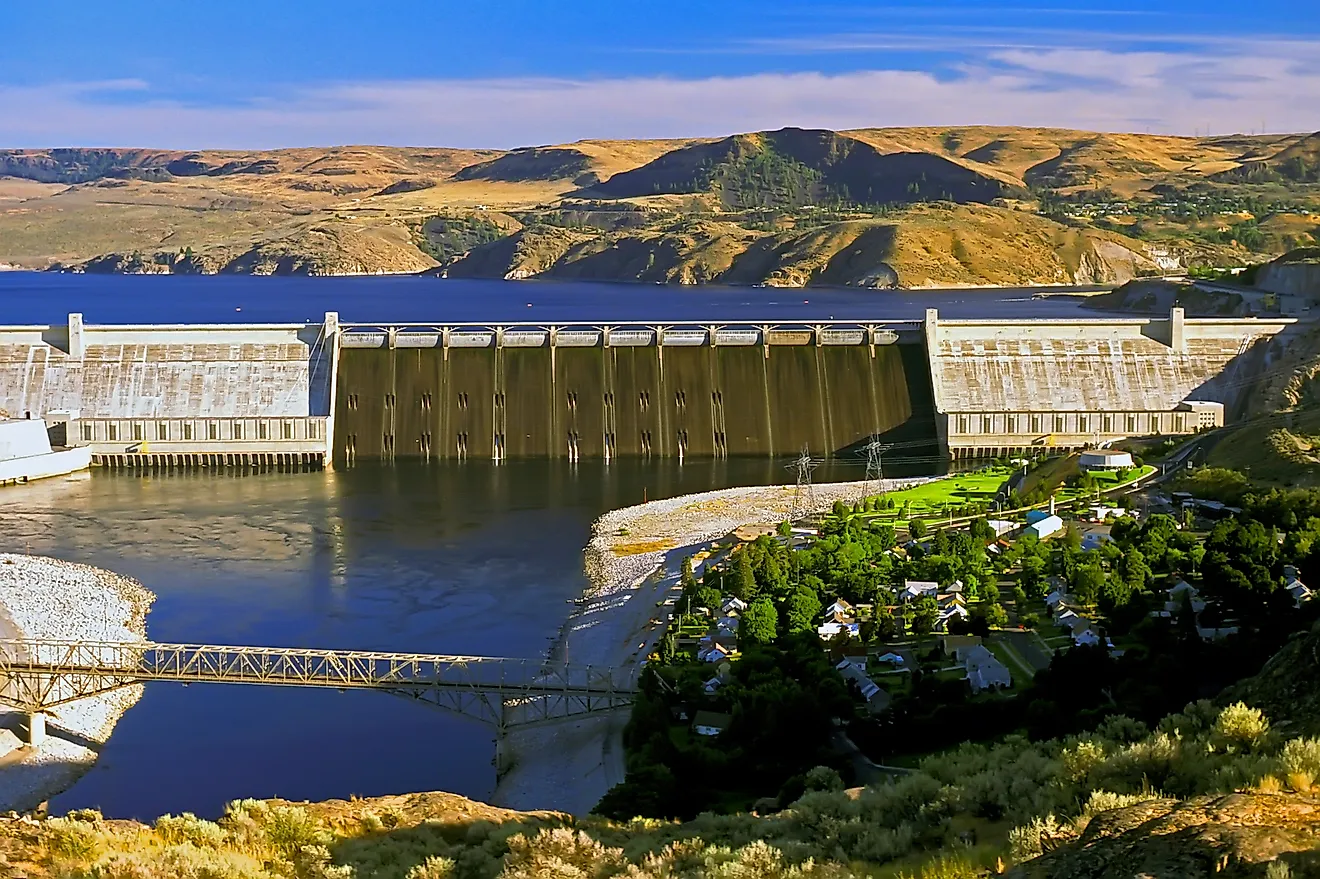
The nearby Brazos River also supports electricity infrastructure. The Brazos River Authority completed DeCordova Bend Dam in September 1969, creating Lake Granbury. The reservoir has 136,326 acre-feet of conservation storage and supports industrial water uses associated with power generation, including the Comanche Peak Nuclear Power Plant. Fuel and water are most important when replacement generators must operate for extended periods.
Longer Wind Shortages Require A Different Response

A lull lasting several hours creates different operating requirements from one lasting several days. Batteries can handle short intervals, while fuel-powered generators can run as long as they have adequate fuel and remain available. A prolonged period of unusually low wind and solar output is sometimes called a dunkelflaute. In wind-producing states such as Iowa, Kansas, Oklahoma, and Texas, a brief reduction can be handled through routine grid operations, while a longer shortage during periods of high demand can place greater pressure on generation reserves and transmission networks.
As of 2026, that balancing is taking place alongside growing electricity demand, with ERCOT's hourly load reaching a record 91.1 gigawatts on July 22, 2026, according to EIA. During any wind lull, generation, storage, and available demand reductions must together match consumption closely enough to maintain grid stability. When they do, customers can keep receiving electricity even while wind turbines produce very little.