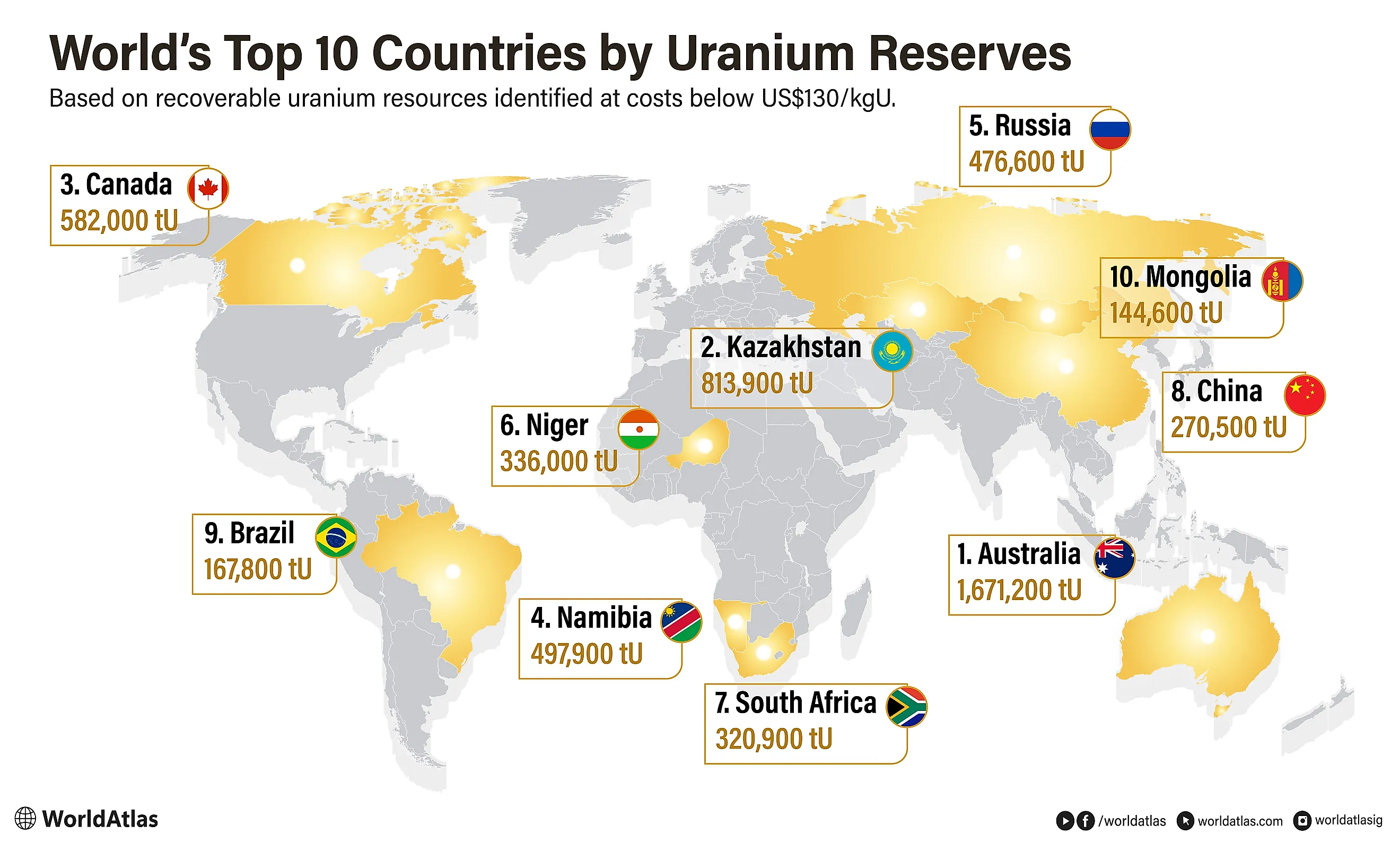
10 Countries with the Largest Uranium Reserves
Uranium resources are not distributed evenly across the world. A small group of countries contains most of the identified uranium that could be recovered economically under current cost assumptions, while many major nuclear-power users depend heavily on imports. For a scientific comparison, "reserves" requires some qualification. The OECD Nuclear Energy Agency and International Atomic Energy Agency classify uranium by geological confidence and estimated extraction cost rather than using a single fixed reserve figure.
The figures below use identified recoverable resources, combining reasonably assured and inferred resources estimated to cost less than US$130 per kilogram of uranium to recover. They are based on the latest Uranium 2024 Red Book dataset, principally reflecting resources reported as of January 1, 2023. Together, these ten countries account for close to nine-tenths of the global resource total in that cost category.
Australia
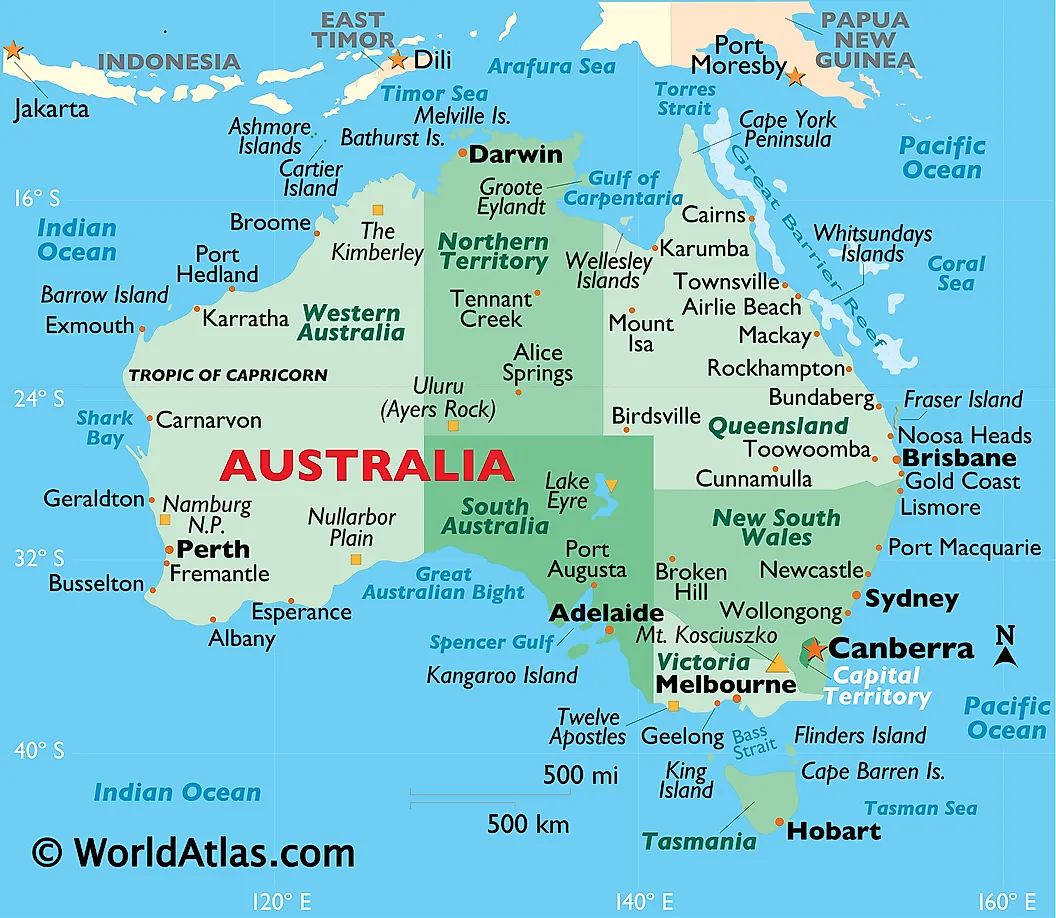
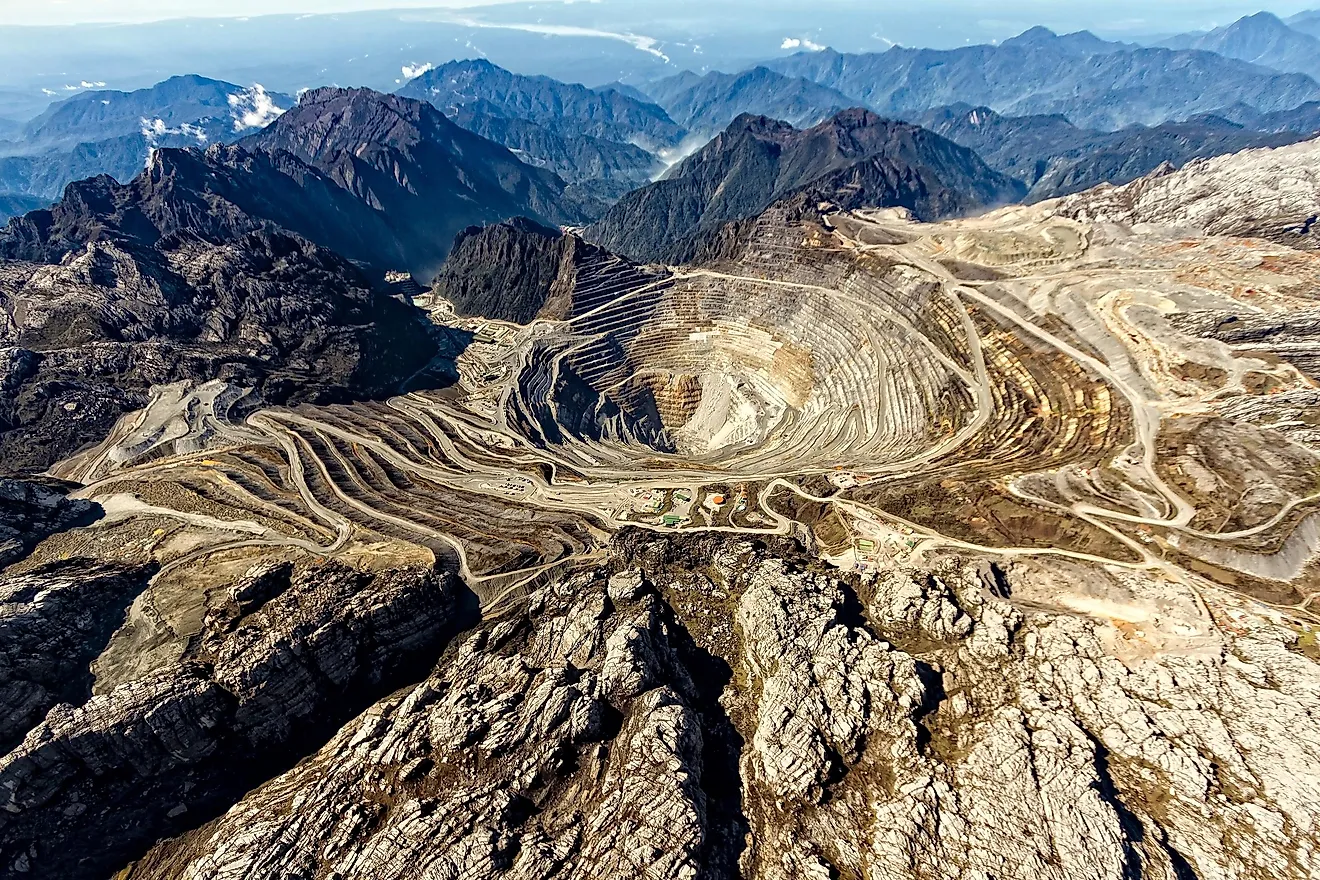
More identified recoverable uranium lies in Australia than in any other country, with about 1.67 million tonnes in the under-US$130-per-kilogram category. Much of that advantage comes from Olympic Dam in South Australia, a vast polymetallic ore body containing uranium alongside copper, gold, and silver. Uranium is therefore produced within a mining system whose economics are influenced by several commodities rather than uranium alone. Australia also contains major deposits at Jabiluka in the Northern Territory, Honeymoon in South Australia, and Yeelirrie in Western Australia, while Ranger was one of the country's most important historical mines.

Resource abundance has not translated into world-leading output. State-level restrictions, environmental approvals, Indigenous land rights, project costs, and mine-development decisions all shape what can actually be extracted. Australia also has no commercial nuclear power reactors, so its uranium industry is export-oriented. Its enormous resource figure consequently describes geological and economic potential rather than the volume currently being mined.
Kazakhstan
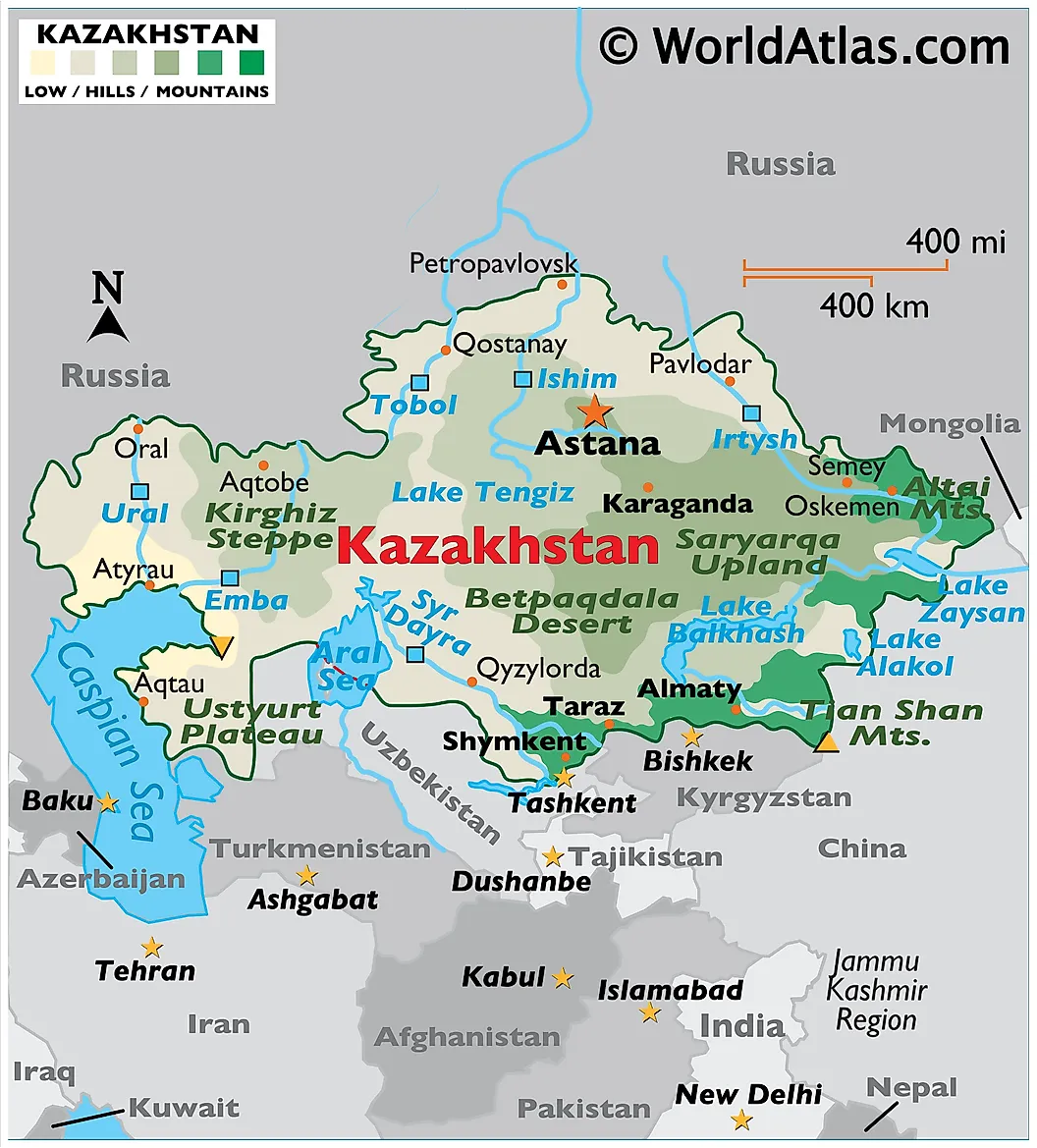
No country illustrates the commercial importance of uranium geology more clearly than Kazakhstan. It has roughly 814,000 tonnes of identified recoverable uranium below US$130 per kilogram, the second-largest national total, but it is the leading uranium-producing country. Most deposits occur in the Chu-Sarysu and Syr Darya basins, where uranium is hosted in permeable sandstone layers. Those conditions make in-situ recovery practical: a leaching solution is circulated through the ore-bearing formation underground, and uranium-bearing fluid is pumped back to the surface for processing. The method avoids the large excavations required by conventional open-pit mining and has supported comparatively low-cost, large-scale production.

Kazatomprom, the state-controlled national uranium company, operates or participates in many mines through partnerships with international nuclear firms. Kazakhstan therefore combines a major resource base with favorable deposit geometry, extensive ISR infrastructure, experienced operators, and established export channels serving nuclear utilities across several continents.
Canada
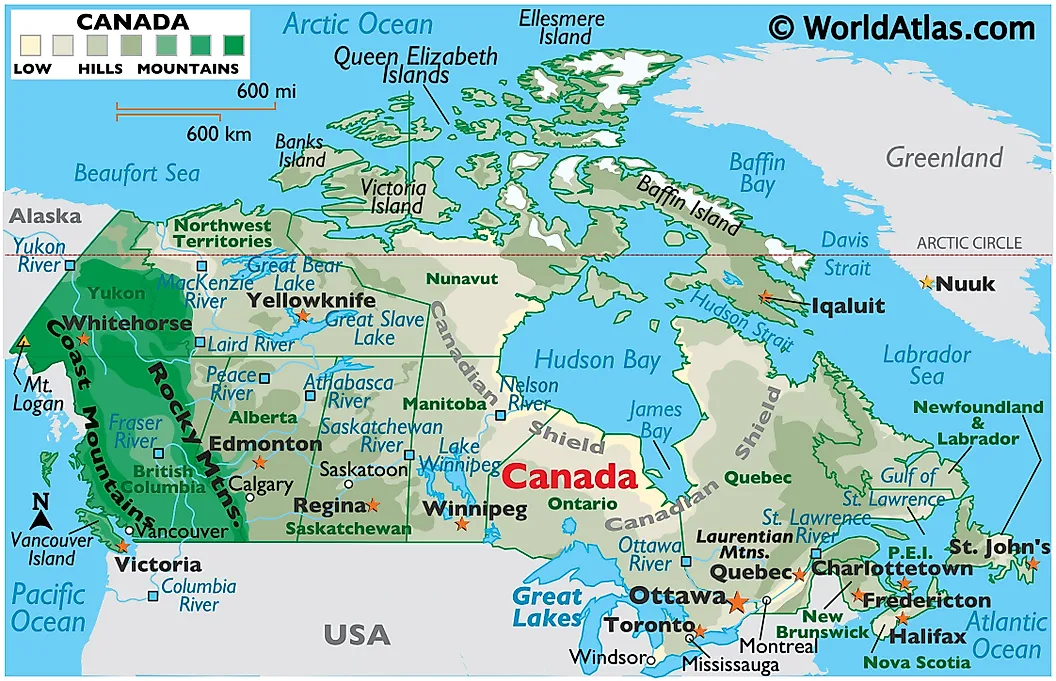
The defining feature of Canada's uranium industry is not simply the approximately 582,000 tonnes of identified recoverable resources it contains, but the extraordinary grade of deposits in northern Saskatchewan's Athabasca Basin. Cigar Lake and McArthur River are among the best-known high-grade uranium deposits in the world, with ore concentrations far above those typical of many large, low-grade operations elsewhere. High grades allow substantial quantities of uranium to be recovered from relatively small volumes of rock, although Athabasca deposits present difficult engineering problems involving groundwater control, radiation protection, and underground access. Cameco, the principal Canadian producer, has developed specialized mining methods for these conditions.

Canada also differs from many major uranium exporters because it maintains a substantial domestic nuclear industry based on CANDU reactors. Decades of uranium mining, processing, regulation, and nuclear-fuel expertise have made the country an important supplier even though its total identified resource base is substantially smaller than Australia's.
Namibia
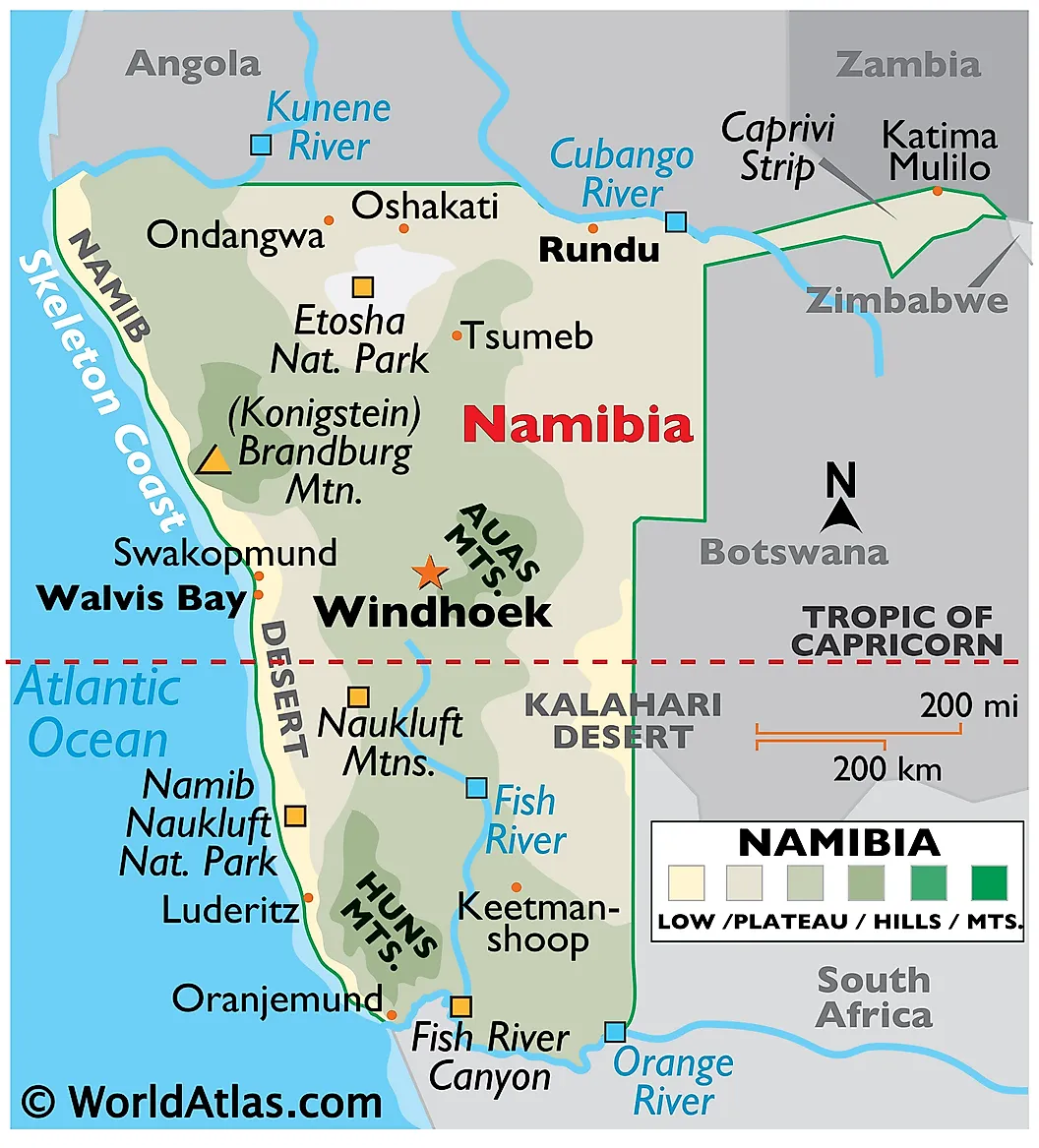
In Namibia, a uranium resource of nearly 498,000 tonnes has supported one of Africa's most important mining industries. The principal deposits lie in the Erongo Region near Swakopmund, within the hyper-arid Namib Desert. Rössing, operating since the 1970s, became one of the world's longest-running open-pit uranium mines, while Husab developed into a much larger modern operation. Langer Heinrich is geologically different, extracting uranium from calcrete-hosted mineralization rather than the granitic systems associated with Rössing and Husab.

Mining at this scale in an extremely dry environment makes water and power supply significant operational considerations. Namibia has no commercial nuclear power program of its own, so uranium concentrate is produced for foreign fuel markets. The sector carries unusual economic weight for a country with a relatively small population, and decades of investment around the Erongo mining district have created the infrastructure required to operate large uranium mines under demanding desert conditions.
Russia
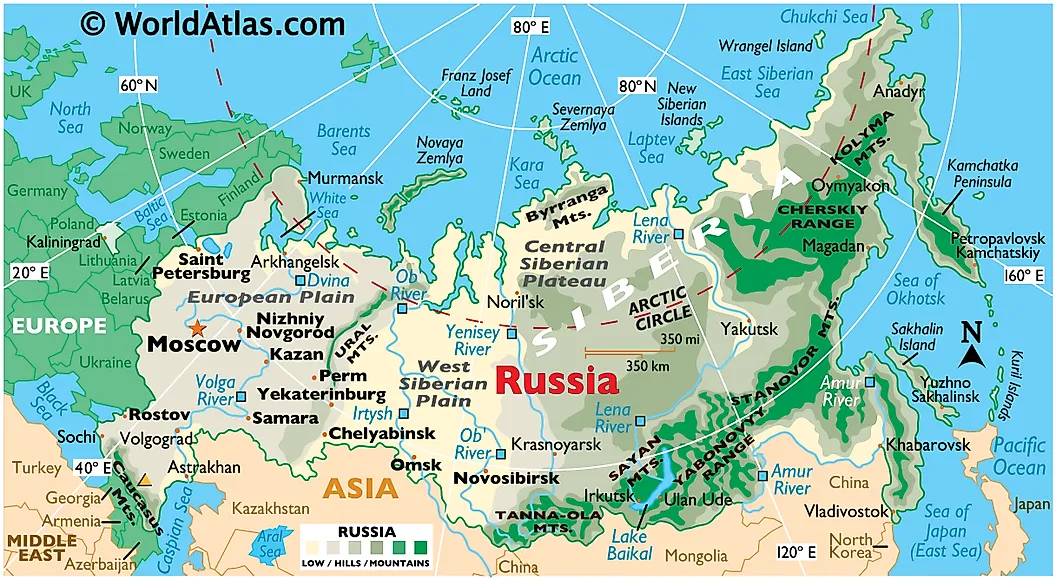
Russia's approximately 477,000 tonnes of identified recoverable uranium are distributed across several mining regions rather than concentrated in a single dominant deposit. Trans-Baikal in eastern Siberia is especially important, with the Priargunsky complex near Krasnokamensk forming the core of long-standing conventional underground production. Other resources occur in Buryatia and in sandstone-hosted districts where in-situ recovery can be used. Mine output alone, however, gives an incomplete picture of Russia's importance to nuclear energy.

Rosatom and its subsidiaries occupy major positions in uranium conversion, enrichment, fuel fabrication, reactor construction, and international nuclear services. The country's influence over the nuclear fuel cycle is consequently much greater than its share of global uranium mining would indicate. Russian mines produce less uranium annually than those of Kazakhstan, Canada, or Namibia, yet domestic resources feed into a broader industrial system linking raw-material supply with enrichment technology, reactor fuel manufacturing, and nuclear-power exports.
Niger
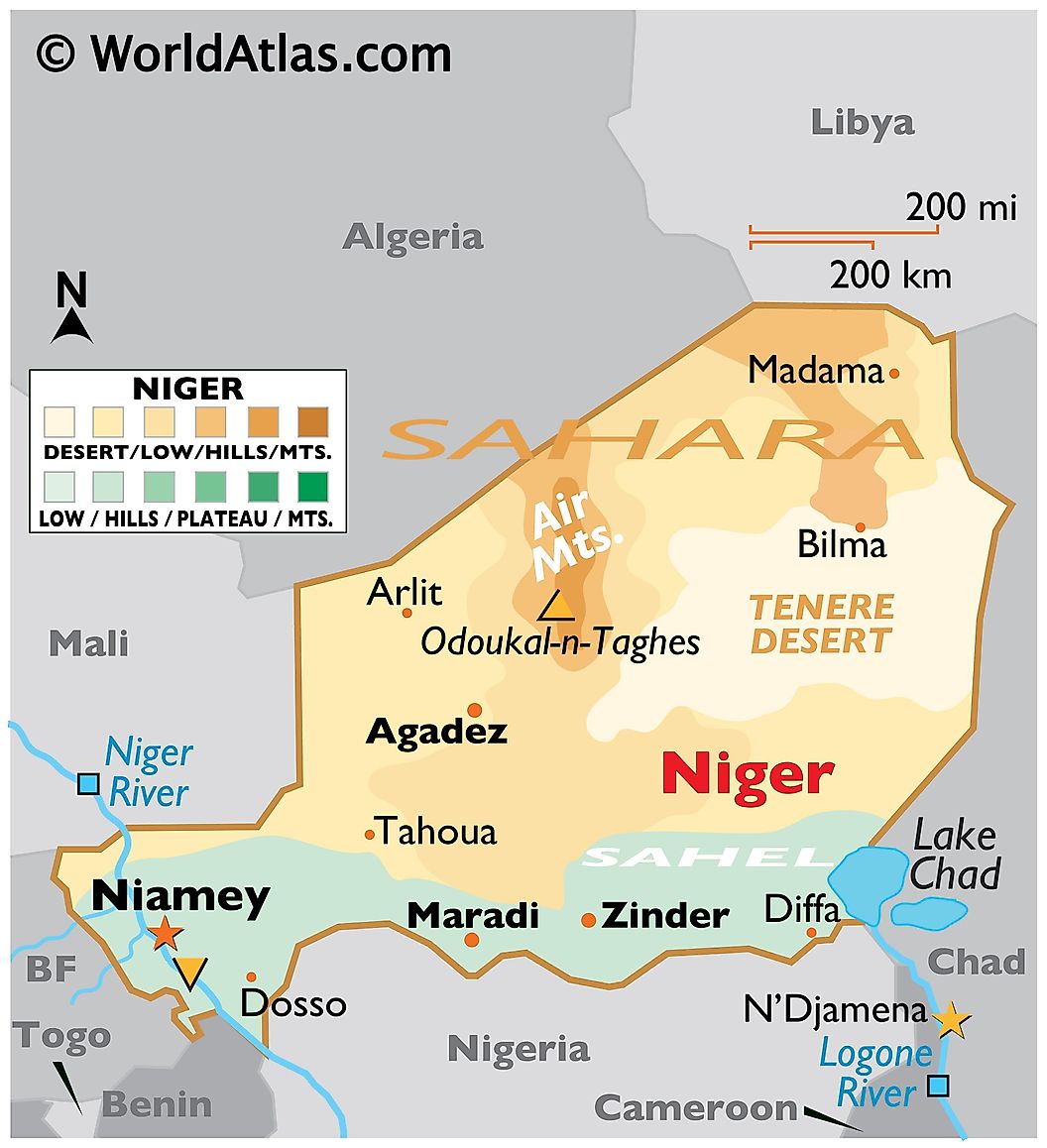
For decades, Niger's uranium industry has been centered on the desert mining district around Arlit, where production began in the 1970s. The country contains roughly 336,000 tonnes of identified recoverable uranium below US$130 per kilogram, placing it sixth in this comparison. Somair has historically been the key producing operation, while Imouraren represents a much larger undeveloped resource that could substantially affect future output if developed at scale. Niger's deposits are predominantly sandstone-hosted and have commonly been worked using conventional open-pit techniques. For more than fifty years the sector was tied to French nuclear-fuel interests through Orano and its predecessor companies. That relationship has since been severed. Niger withdrew Orano's operating permit for Imouraren in 2024 and nationalized the Somair joint venture in 2025, placing the country's only active uranium mine under state control.

Geology is only part of the production equation. Political instability, disputes over mining rights, infrastructure limitations, financing, and access to international markets can determine whether identified resources are actually developed. Niger's large uranium inventory has therefore coexisted with periods of declining or disrupted production, illustrating the difference between recoverable resources on paper and sustained commercial mine supply.
South Africa
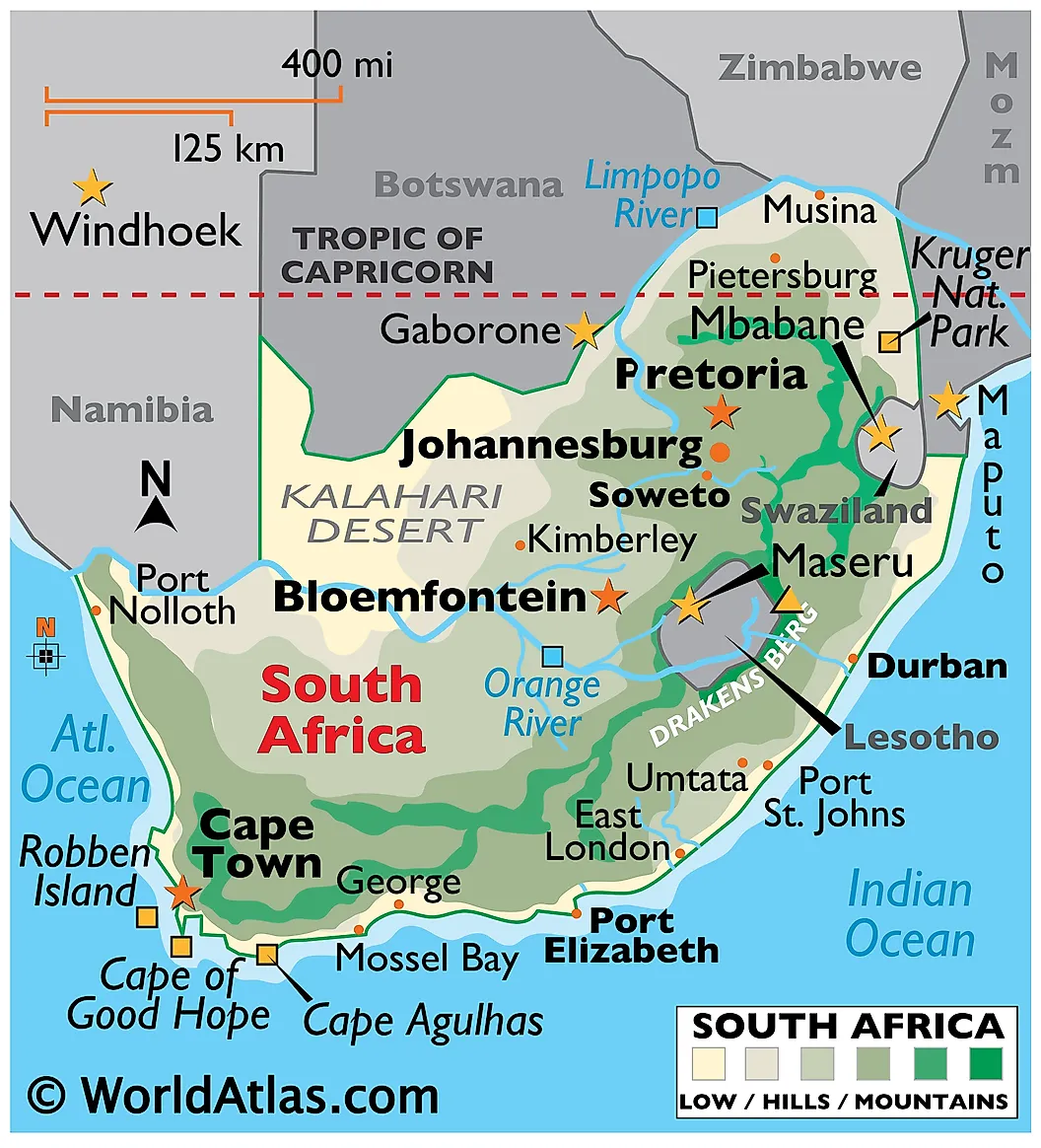
Uranium in South Africa is closely connected to the geology and history of gold mining. The country has about 321,000 tonnes of identified recoverable resources below US$130 per kilogram, much of it associated with the gold-bearing conglomerates of the Witwatersrand Basin. Uranium can occur as a co-product in these ores, allowing its recovery to depend partly on the economics of gold operations rather than on standalone uranium mines. Decades of mining have also created large uranium-bearing tailings deposits, some of which have been evaluated for retreatment.

South Africa was a significant uranium producer during the twentieth century, but current output is small relative to the scale of its known resource base. The Koeberg nuclear power station near Cape Town creates a domestic requirement for nuclear fuel, although local uranium production does not dominate that supply. Future extraction depends heavily on metal prices, processing costs, mine plans, and the feasibility of recovering uranium from both active gold operations and legacy mine material.
China
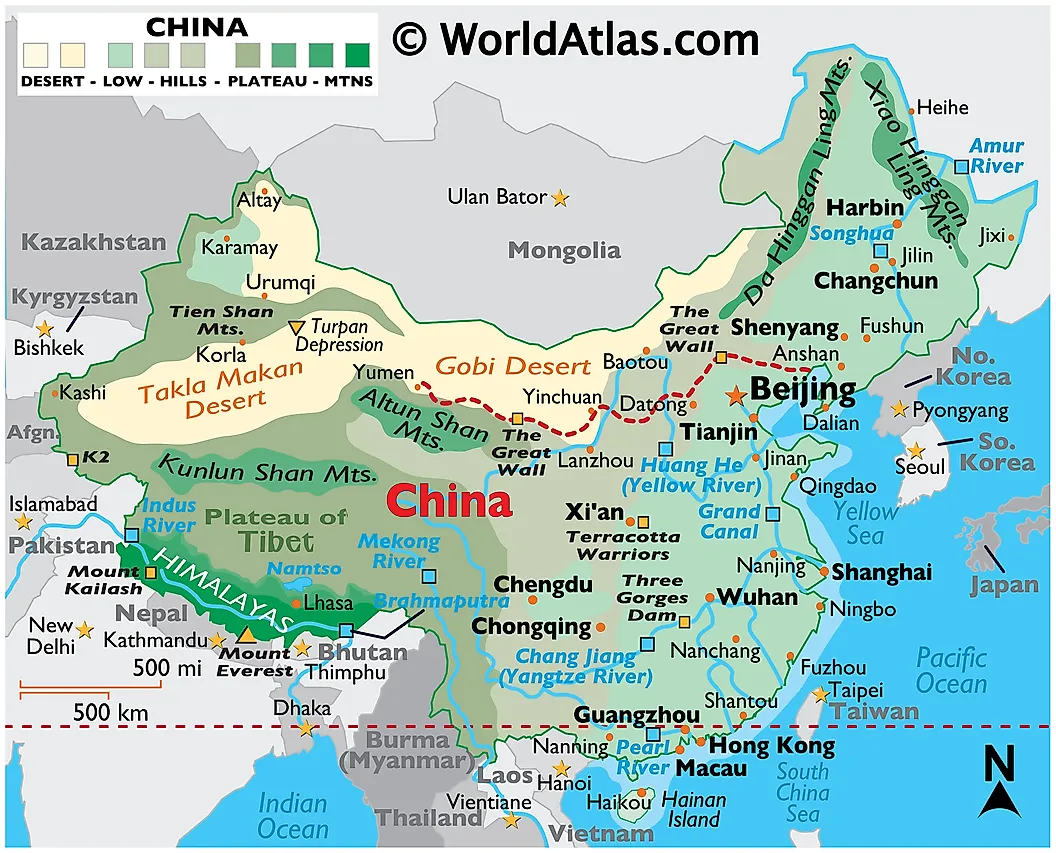
China's position in uranium is shaped as much by future demand as by the roughly 271,000 tonnes of identified recoverable resources within its borders. Its deposits include sandstone-hosted systems in northern and northwestern regions, some suitable for in-situ recovery, as well as uranium associated with volcanic and granitic geology elsewhere. Domestic exploration and mine development have expanded, but Chinese uranium production remains insufficient to support the long-term requirements of the country's growing reactor fleet.

State-owned nuclear companies have consequently pursued a broader supply strategy that includes long-term import contracts, strategic inventories, and investments in overseas uranium projects, particularly in Central Asia and Africa. China is simultaneously expanding conversion, enrichment, fuel fabrication, and reactor construction capacity. Its eighth-place resource ranking is therefore only one component of a much larger nuclear-fuel policy designed to secure supplies at several points in the fuel cycle while domestic electricity generation from nuclear power continues to expand.
Brazil
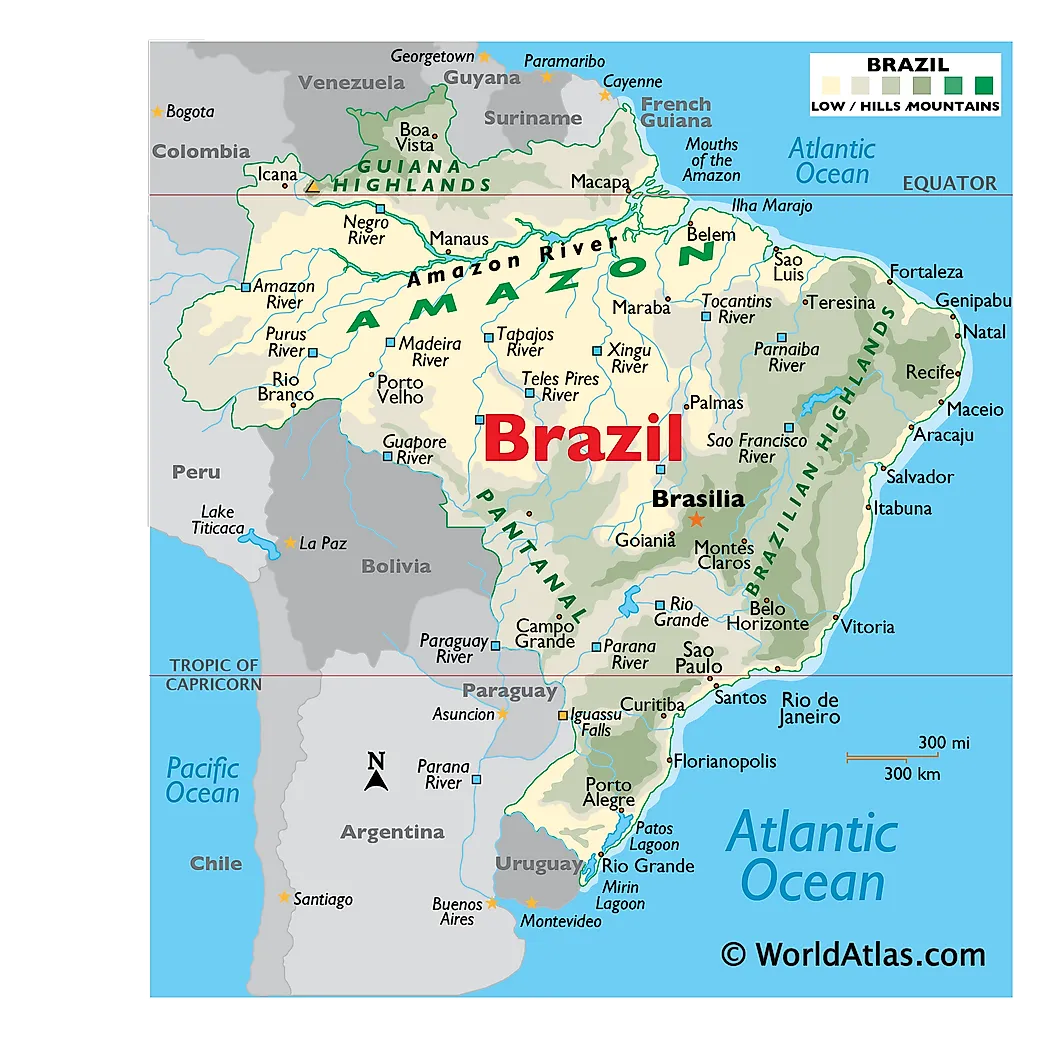
Brazil's roughly 168,000 tonnes of identified recoverable uranium give it the largest resource base in South America within this cost category. The principal producing area is Caetité in Bahia, part of the Lagoa Real uranium province. Farther north, the Santa Quitéria deposit in Ceará is important because uranium occurs together with phosphate. Development could therefore connect uranium recovery with the production of phosphate materials used in fertilizer, making the economics different from those of a conventional standalone uranium mine.

Brazil also occupies an unusual position among resource-rich countries because it is developing several stages of its own nuclear fuel cycle. It mines uranium, has domestic enrichment and fuel-fabrication capabilities, and operates the Angra nuclear reactors. Production has nevertheless been intermittent and remains much smaller than the known resource base. Environmental licensing, financing, local concerns, and project economics have affected new developments. The combination of domestic reactor demand and undeveloped geological resources gives Brazil considerable potential to increase uranium production without becoming solely an export-focused supplier.
Mongolia
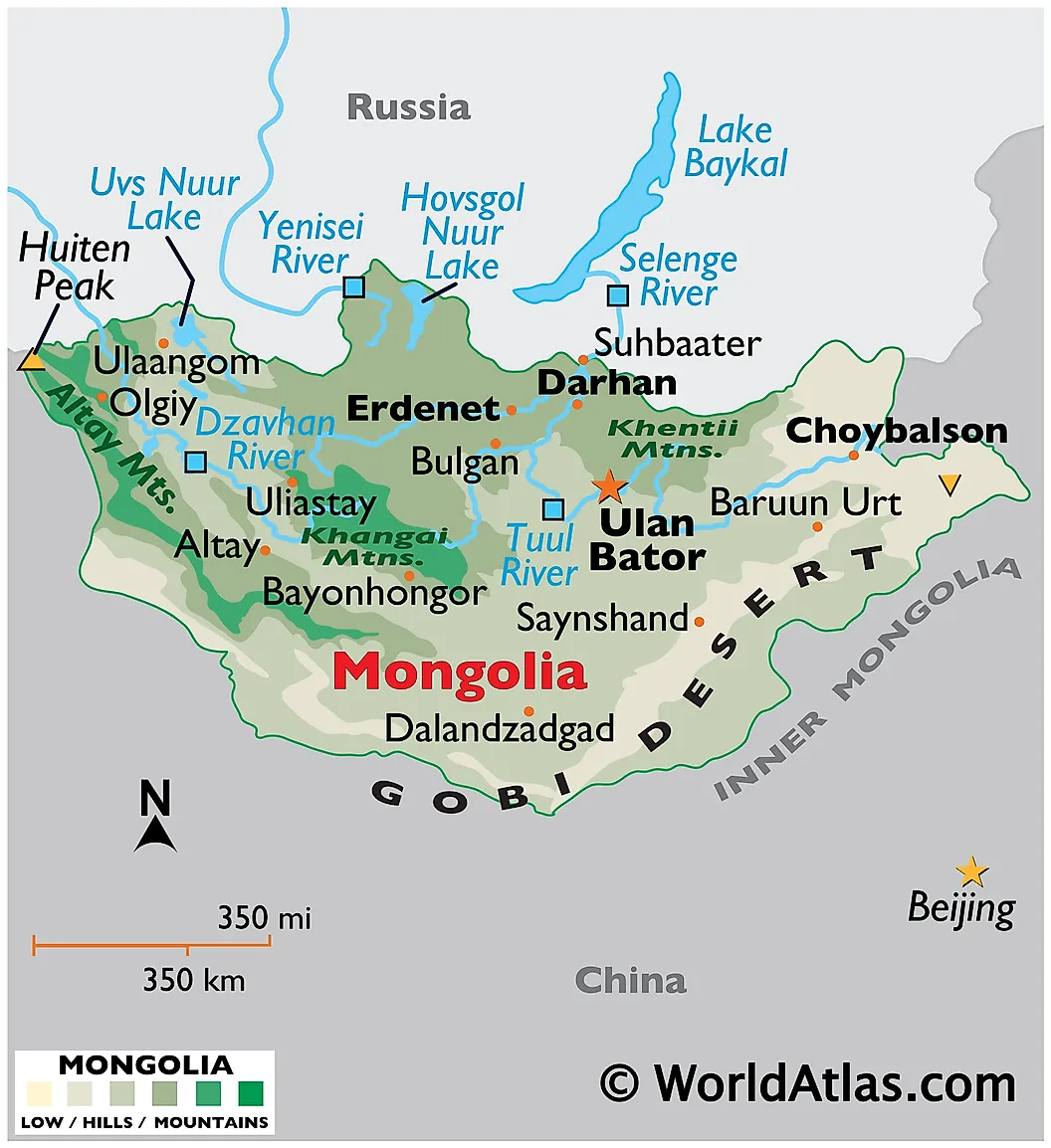
No uranium has been mined commercially in Mongolia since the mid-1990s, despite an identified recoverable resource of roughly 145,000 tonnes, enough to place the country tenth in this ranking. The most advanced modern prospects are in Dornogovi Province in the southeast, particularly Zuuvch Ovoo and Dulaan Uul. These sandstone-hosted deposits are suitable for in-situ recovery, which extracts uranium through wells rather than removing large quantities of overlying rock.

Mongolia already has a major mining economy based on copper, coal, and gold, but uranium development has moved more slowly. Regulatory changes, financing needs, public concern, and dependence on foreign technical expertise have influenced project timelines. The Zuuvch Ovoo project, run by Badrakh Energy as a joint venture between the French nuclear company Orano and the Mongolian state, is central to efforts to establish sustained commercial uranium production. An investment agreement was signed in January 2025 and construction began at the site in June 2026, with output targeted toward the end of the decade. Mongolia currently contributes nothing to global mine supply, so the significance of its resource base remains largely prospective. Large-scale production would introduce an additional uranium supplier in a region already central to the nuclear-fuel supply chains of Europe and Asia.
Resources On Paper Versus Uranium On The Market
The global uranium supply is concentrated in a relatively small number of countries, but resource size alone does not determine which nations dominate production. Australia holds the largest identified recoverable resource base, yet Kazakhstan produces far more uranium because its sandstone deposits are well-suited to large-scale in-situ recovery. Canada benefits from exceptionally high-grade ores, while countries such as Niger, South Africa, Brazil, and Mongolia have substantial resources that remain partly undeveloped or underused.
Political stability, extraction costs, infrastructure, environmental regulation, deposit type, and access to processing facilities all influence how much uranium ultimately reaches the market. These distinctions are important when comparing national uranium holdings. Identified resources represent material considered recoverable under specified economic assumptions, not a permanent measure of what can be mined. Continued exploration, technological improvements, price changes, and new project development can therefore alter both national totals and the geography of future uranium production.




.jpg)


