What Happens If The Mississippi River Locks Shut Down
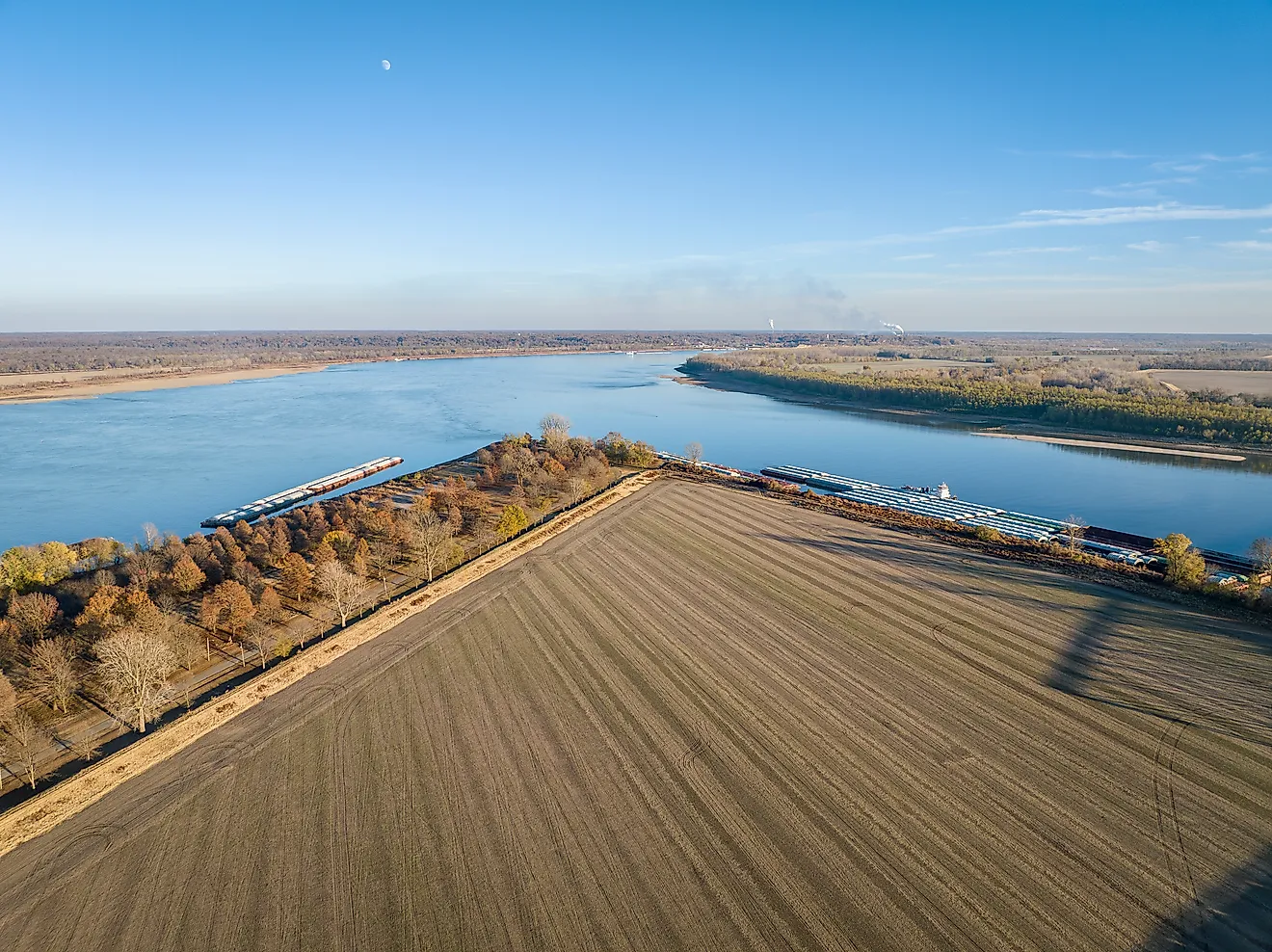
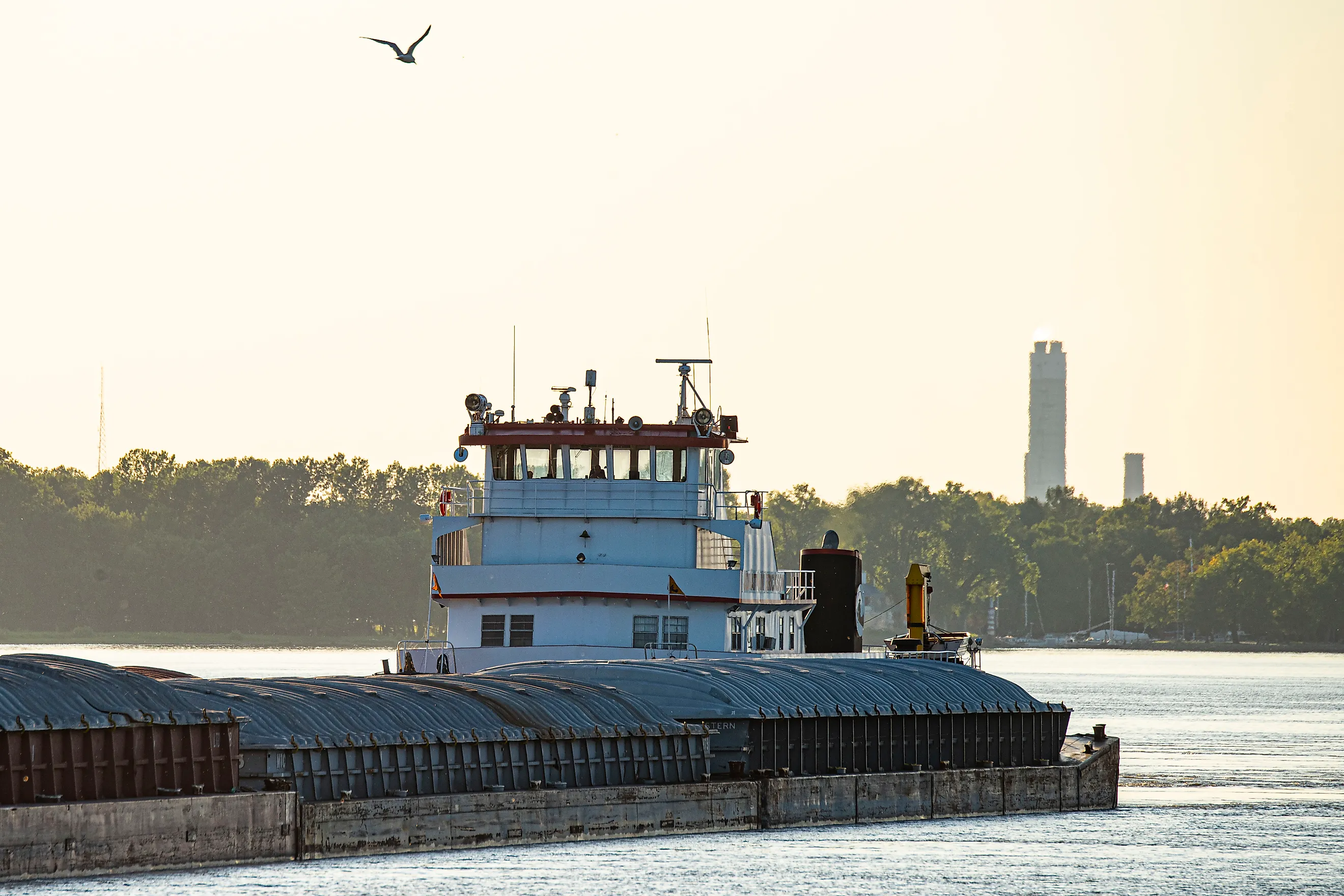
Shut one lock on the Mississippi River and every barge behind it stops. The water keeps moving. The grain does not. For a farmer upriver, the cheapest route to export markets is gone until repairs finish. Bids at the local elevator can fall, and fertilizer coming upstream can cost more. It has happened before. In September 2012, Locks 27 near St. Louis closed for five days and 455 barges piled up behind it. Below St. Louis the river has no locks, so anything already past the problem keeps moving. Everything above it waits.
One Closed Lock Can Block A Long Journey

At a single-chamber lock, a towboat pushing loaded barges has only one passage. Closing that chamber stops a trip even when every other lock along the route is working.
Even facilities with two chambers can close completely. Locks 27, near Granite City, Illinois, has a main lock and an auxiliary lock. Its 2012 shutdown demonstrated how quickly waiting traffic can accumulate. Crews discovered damage to a protective structure on September 15, 2012, and the facility reopened September 20. By then, 63 vessels were waiting with those 455 barges. The Army Corps of Engineers and Coast Guard worked with river operators to set a movement schedule. Officials estimated that clearing the queue would take another 48 to 72 hours.
The River Keeps Flowing Through The Dam

A navigation lock is a chamber that raises or lowers boats between different water levels. Once a vessel enters, operators close the gates and let water fill or drain until the chamber matches the river on the other side. A failure that prevents that cycle can stop navigation while the neighboring dam continues operating.
On much of the Upper Mississippi, movable dam gates maintain pools deep enough for the nine-foot navigation channel. Water passes through those gates during normal operation. When river flows become high enough, operators can raise the gates clear of the water.
Closing a lock therefore does not automatically flood nearby towns or dry out the river downstream. These navigation pools have too little storage to substantially reduce major floods.
Farmers Can Lose Money On Both Sides Of The Crop

For a corn or soybean grower, the first financial effect may appear in the price offered at the local grain elevator. Buyers have to account for the cost of getting that grain to market. When river transport becomes unavailable and alternatives cost more, they can lower their bids. A crop can become less valuable locally even while customers downstream still want it.
Fertilizer travels upriver, creating a second exposure for farms above a closure. During the Mississippi's 2022 low-water disruption, the gap between inland and Gulf grain prices widened sharply. Fertilizer also became more expensive upriver relative to Gulf prices. That disruption involved drought and shipping restrictions, but it illustrates the price pressure when barges cannot move normally. A prolonged lock closure could likewise make selling the harvested crop less profitable while raising the cost of supplying the next one. Farms with fertilizer already in storage would be less exposed to delayed deliveries.
Moving The Cargo Onto Roads Takes Hundreds Of Trucks

One standard barge can carry roughly as much freight as 58 semitrucks, using the Army Corps' comparison. A 15-barge tow represents about 870 truckloads.
The detour also starts well before the export port. In 2019, Illinois farmer John Longley shipped soybeans through terminals above Lock and Dam 18. He farmed near Aledo, Illinois, within 15 miles of the Mississippi. He told the United Soybean Board that losing river access would mean trucking soybeans 50 to 70 miles to a rail terminal. Reaching an Illinois River terminal would require a trip of more than 80 miles. He also had farm storage for only about half his crop. Grain arriving during harvest would compete for space while shippers arranged a more expensive journey.
A Shutdown Near St. Louis Reaches Farther
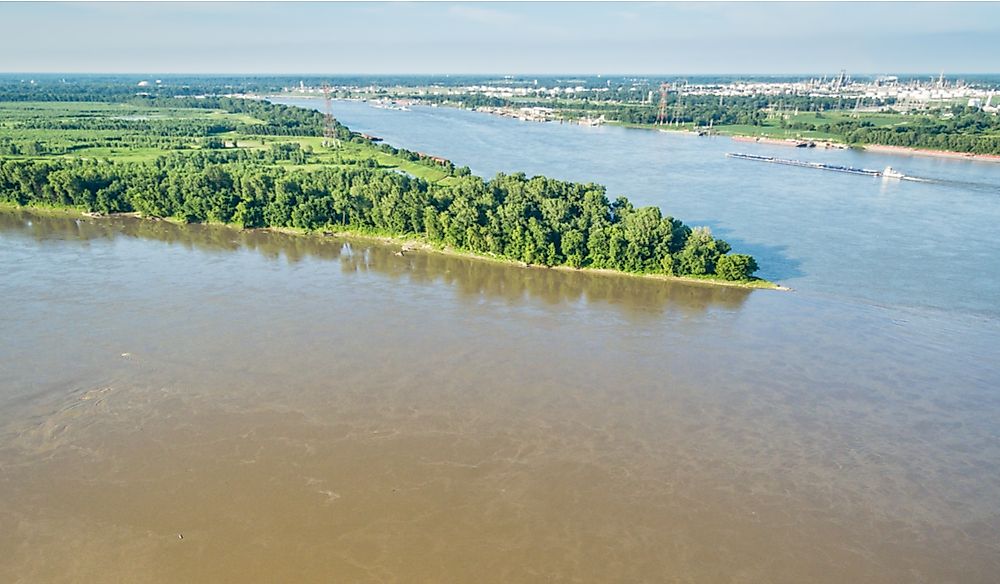
Where the river closes determines which journeys remain possible. Locks 27 sits below the Missouri River's confluence with the Mississippi, and below the Illinois River's entrance farther upstream. Cargo arriving along those routes must pass through Locks 27 to continue south. The Corps identifies it as the Mississippi's busiest navigation structure by cargo volume.
Below the St. Louis area, the main Mississippi shipping route continues toward the Gulf without another navigation lock. A lock closure upstream would not physically prevent a barge already near Memphis from traveling to Louisiana. Cargo entering from the Ohio River could also continue south without crossing the closed Upper Mississippi facilities, provided its own route remained open.
Gulf terminals could still face delayed deliveries of Midwestern grain originating above the closure. Grain already downstream of the closed locks would remain available to unload.
A Repair Can Depend On A Spare Part And A Crane

At Lock 25 near Winfield, Missouri, a failed gate-support bar stopped navigation on December 14, 2024. The failed bar had been installed in 2020. Repair teams were already nearby, and the Corps had retained older bars that engineers determined could serve as replacements. A heavy-lift crane helped remove the gate so crews could complete the work. Navigation resumed the evening of December 18.
Scheduled maintenance can keep a lock closed for months. At Lock 7 near La Crescent, Minnesota, the Corps planned gate-hinge work for December 9, 2024, through February 27, 2025. It announced the closure in October, giving shippers notice before the navigation season ended. At Winfield, seven northbound and seven southbound tows were waiting as crews finished the emergency repairs.
Lock 25 opened in 1939, and its 600-foot chamber requires crews to move longer tows through in sections. The planned 1,200-foot chamber would let a long tow pass together, reducing the work of separating and reconnecting barges. The project would retain the existing lock for recreational traffic and as a backup when the larger chamber is out of service. That smaller passage could keep grain bound for the Gulf moving during repairs to the new lock. Crews using it might still have to split their tows and make separate passages, but they would have a route past Winfield while work continued next door.