Why The Roman Empire’s Greatest Strength Became A Weakness
The Roman Empire’s greatest strength was its size. At its peak in 117 CE, it stretched from Britain to Iraq, and from Germany to Egypt. The population, prestige, and economic might that came with this size made it a formidable and seemingly invincible power. Over time, this changed. Defending its vast borders became nearly impossible, which was further exacerbated by slow communication. Rome’s territorial reach necessitated outsourcing governance and defense, paving the way for ambitious generals and barbarian leaders to carve out their own spheres of influence. Ultimately, all this led to the collapse of the Western Roman Empire in 476 CE.
Why Was Size Its Greatest Strength

From 509 BCE to 117 CE, the Roman Republic, and later the Roman Empire, rapidly expanded from a small Italian city into a Mediterranean-wide power. This size was indicative of the strength of its army and administrative state. It was also self-reinforcing. Rome’s territorial reach provided access to a diverse array of agricultural products from regions such as Egypt, Gaul, and Spain. Controlling the entire Mediterranean world also gave Rome control over major trade routes, including those through the Bosphorus and the Dardanelles.
The empire’s massive population, 60 to 70 million people, or about 20 percent of the world’s population at the time, meant that it brought in significant tax revenues. This allowed it to fund state-building projects and the military. The sheer number of people also gave the government a large pool of soldiers and laborers. In short, all these factors meant that, when the Roman Empire was at its peak, its size was its greatest strength.
Defending Borders Became Difficult

As time went on, this size became an issue. Defence was one problem. Even though it had millions of potential recruits, Rome was unable to adequately defend its thousands of kilometers of borders. Its rivals took advantage of this. In North and Central Europe, Germanic tribes like the Visigoths and Franks made incursions into the empire. In Mesopotamia and the Levant, the Persians, first under the Parthian Empire and then under the Sasanian Empire, did the same. In North Africa, the Numidian Kingdom, and later the Vandals, also proved problematic.
Slow Communication
Border defense was made even more difficult by slow communication, another consequence of the empire’s immense size. If faced with an invasion in the far north or far south, it could be weeks or even months before the government in Rome proper knew about it. It was also an issue in times of rebellion, since local officials often needed to maintain control for extended periods of time before help arrived.

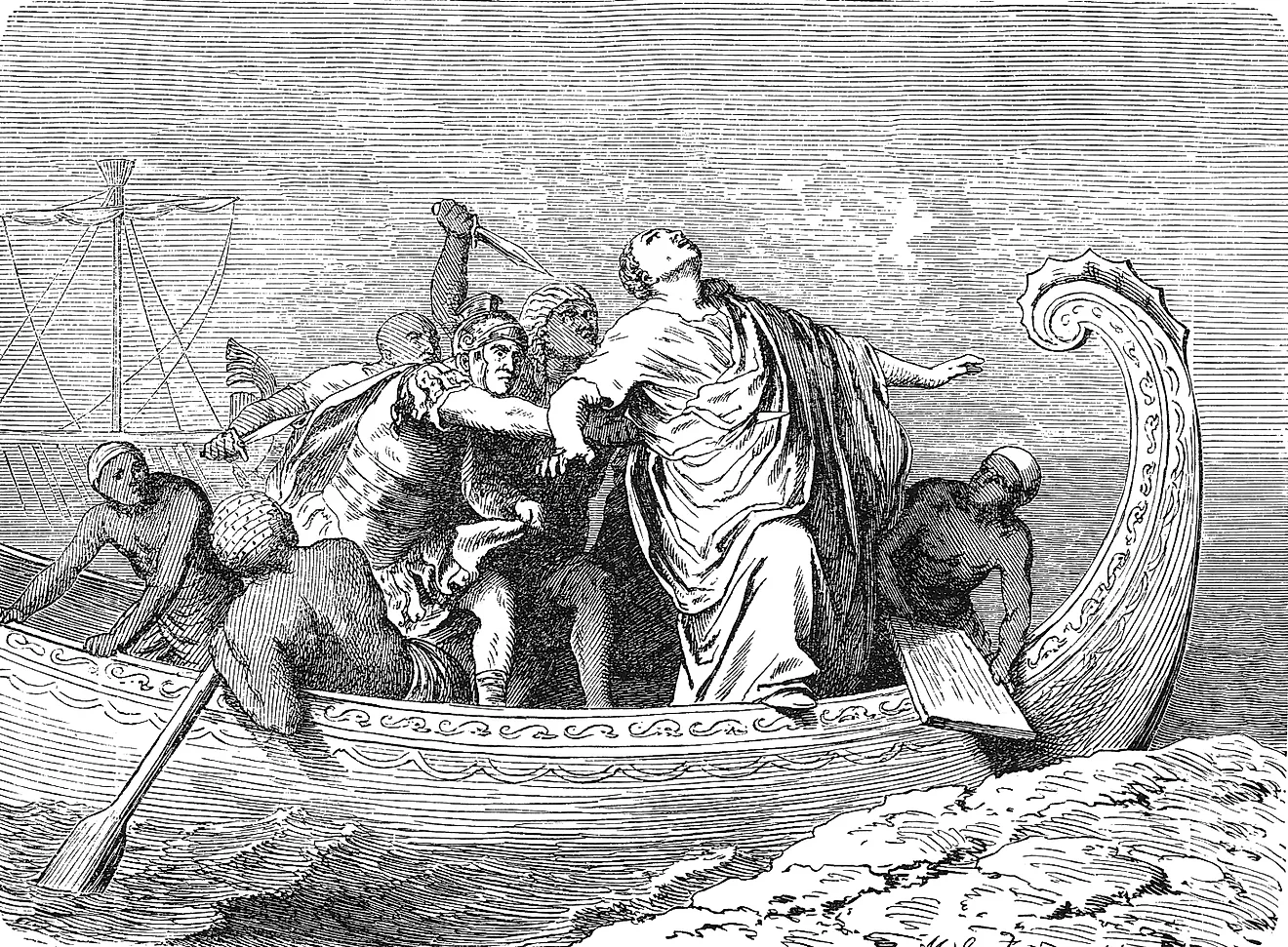
These dynamics were exemplified in 288 CE when a naval commander, Carausius, declared himself emperor of Britain and Gaul. Because it took so long for the government to learn about and organize a response, Carausius was able to hold this position for almost ten years. Another comparable situation occurred in Britain in 410 CE. Faced with local unrest and barbarian invasions from the north, local governors sent frantic pleas for help. The government, now based in the city of Ravenna, didn’t learn about the crisis until it was too late, and Britain fell out of Roman control.
Ambitious Generals

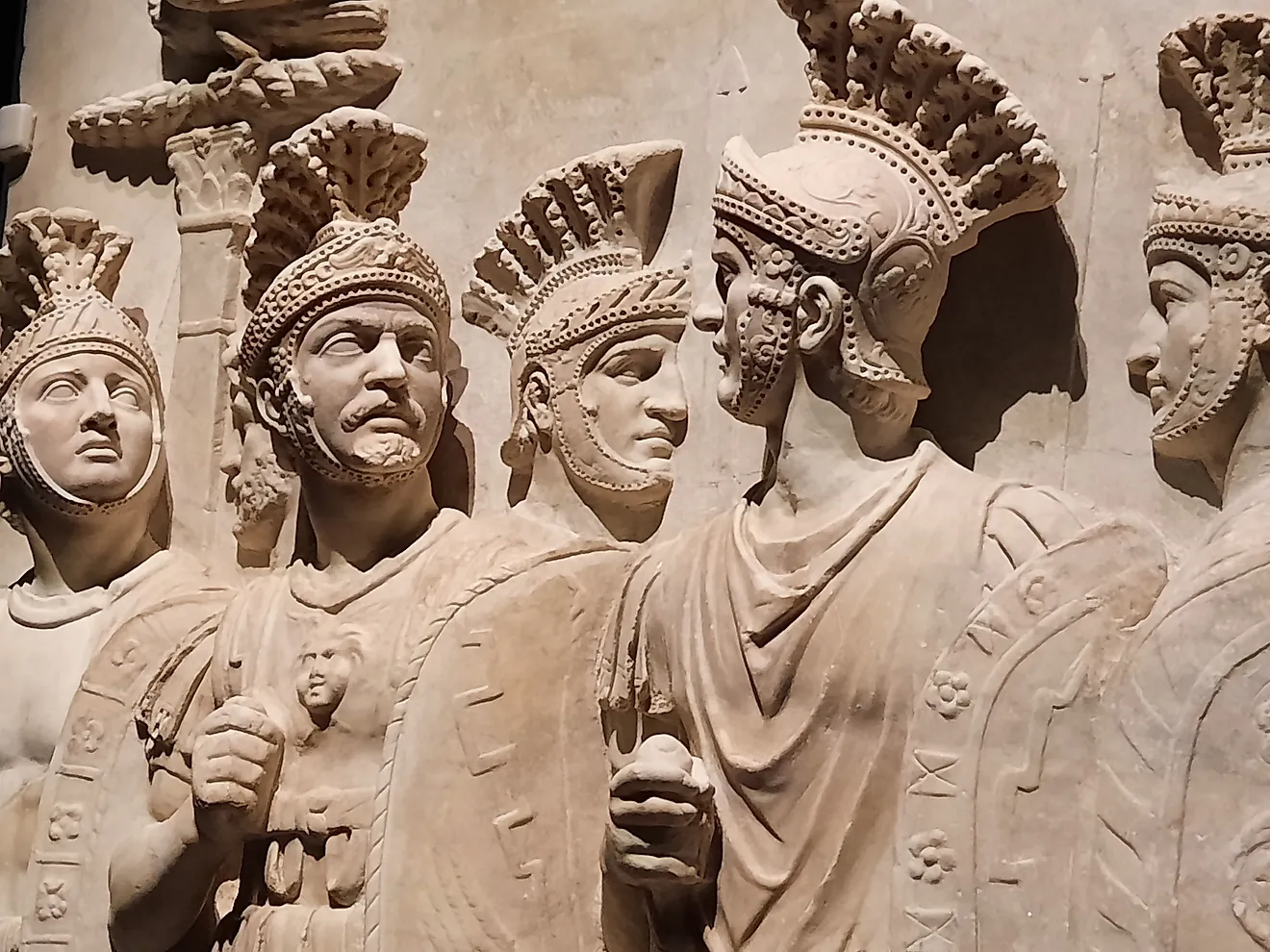
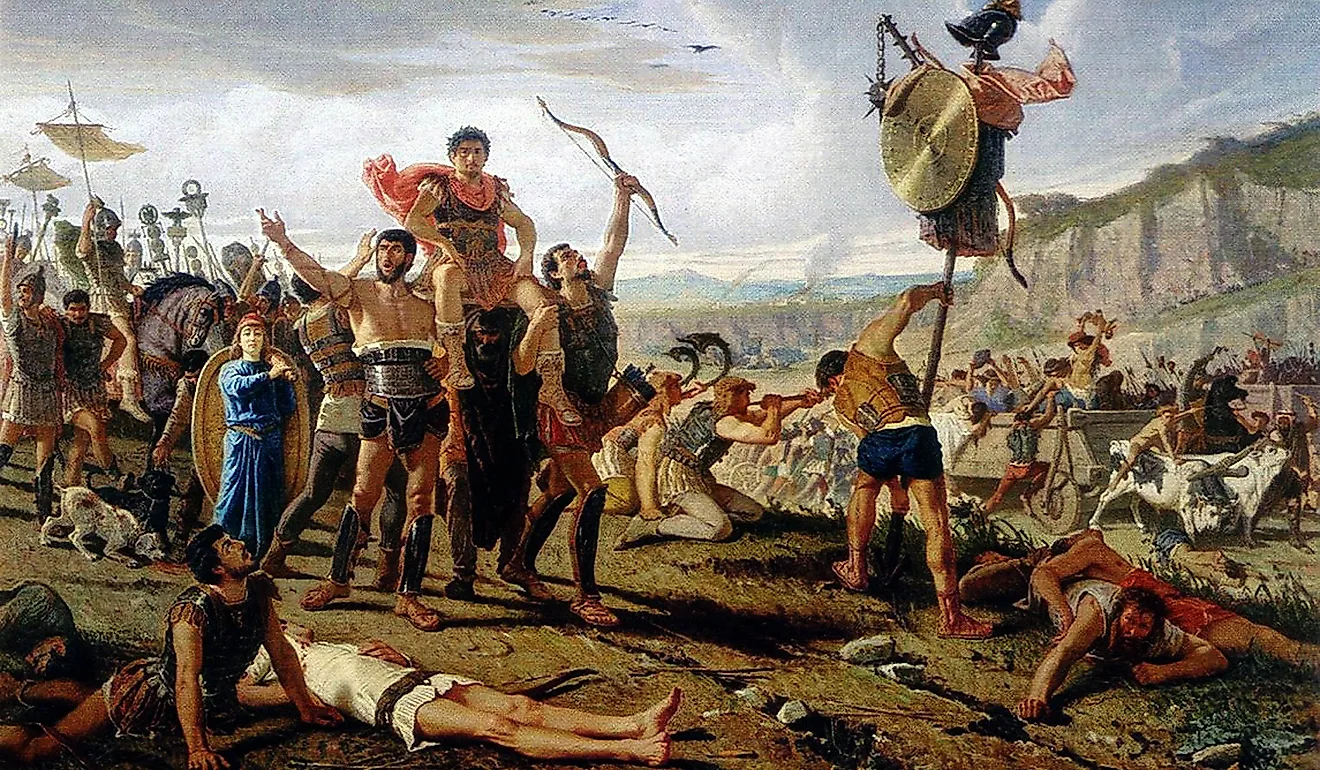
Since the empire’s size meant that the government couldn’t centrally govern everything, power was outsourced to regional leaders. Doing so paved the way for ambitious generals with large armies who challenged the emperor. The clearest example of this occurred during the Crisis of the Third Century (235 to 284 CE). A nearly fifty-year civil war, it was characterized by the rise and fall of 20 to 26 emperors, many of whom were called “barracks emperors”. They had this name because their claim to the emperorship was entirely dependent on the military might that supported them. While this period came to an end under the reign of Diocletian, the problem of ambitious generals remained for the rest of the empire’s existence.
Barbarian Invasions

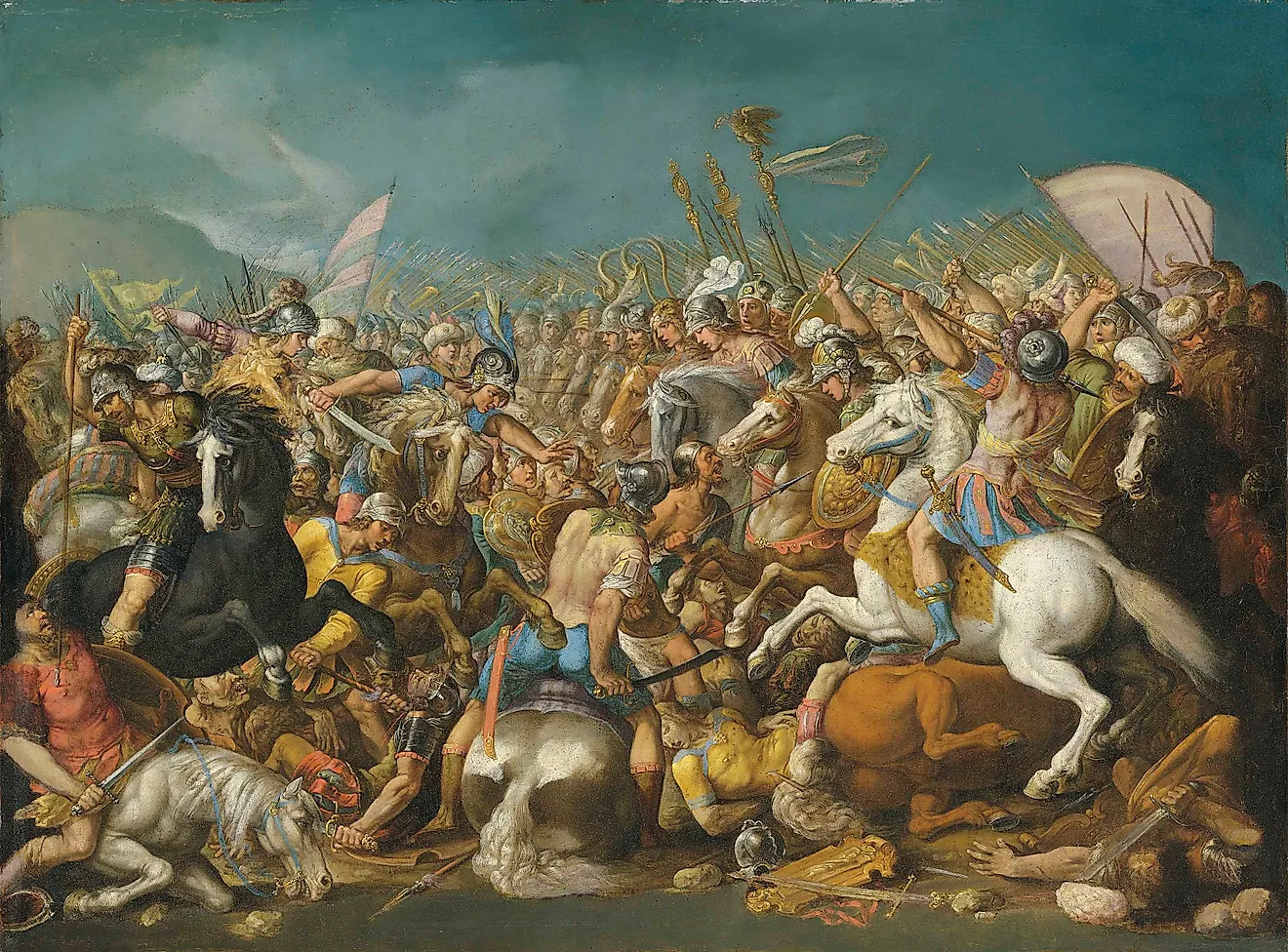
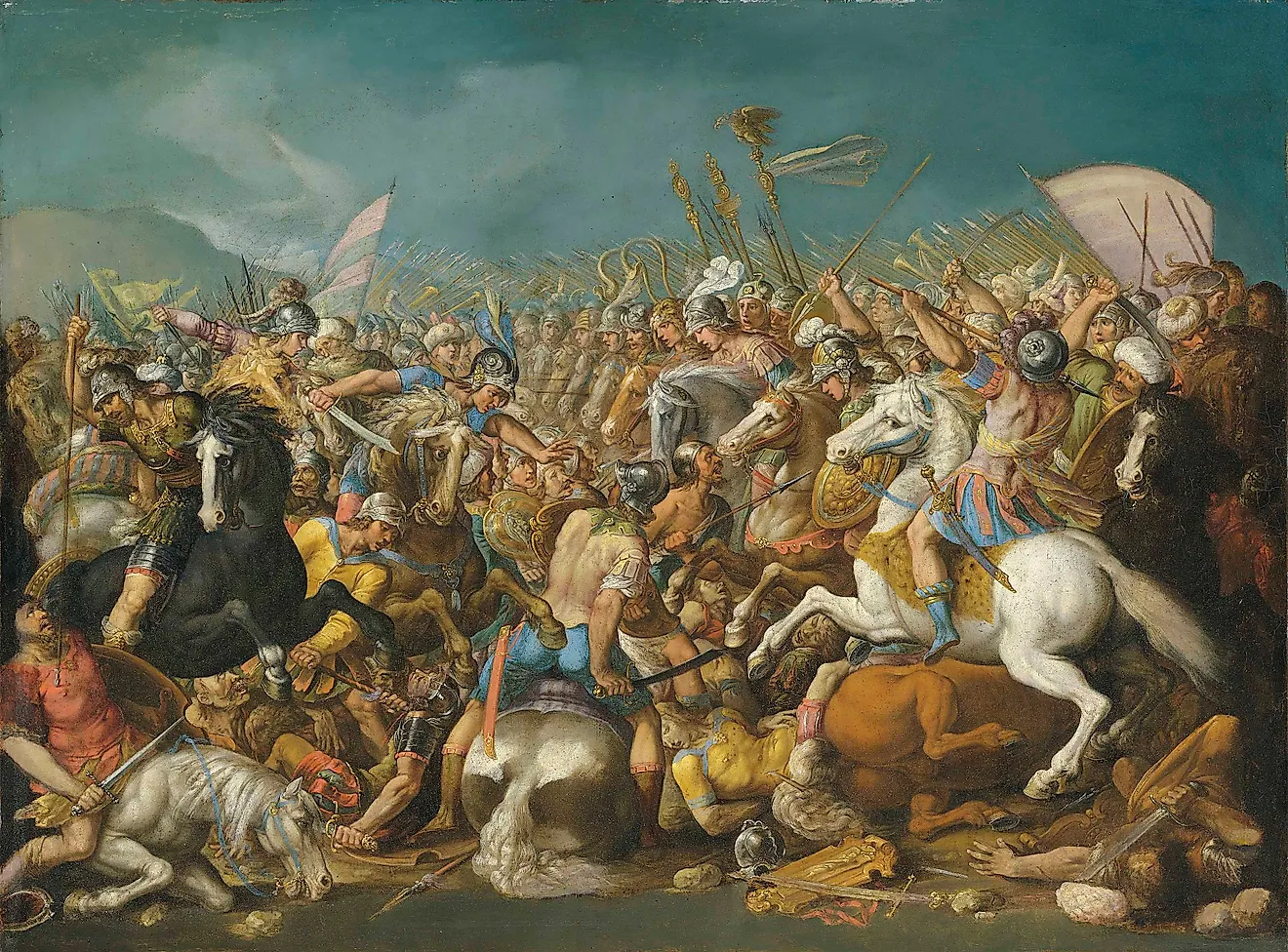
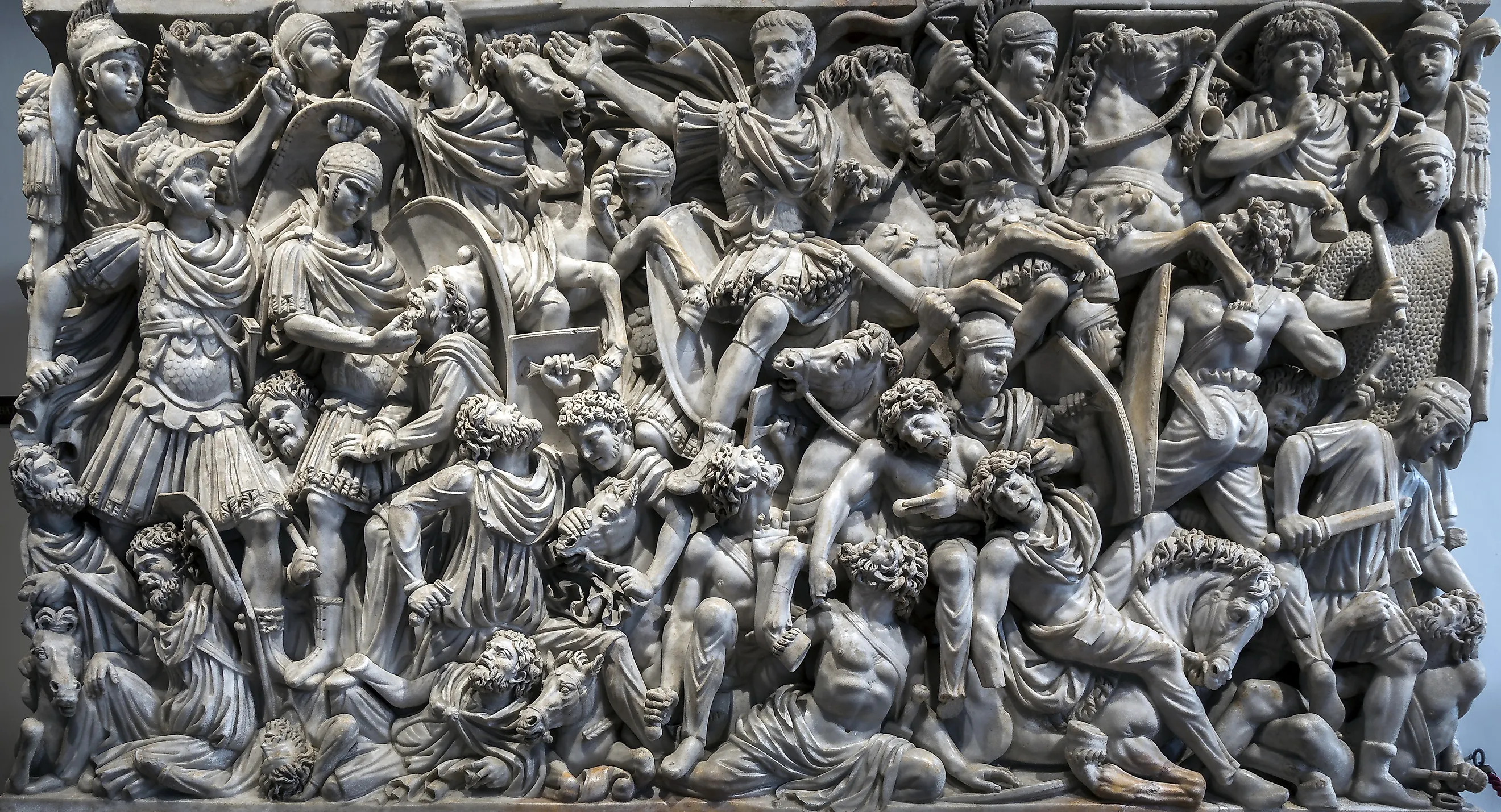
As previously noted, the Roman Empire’s size made it more vulnerable to foreign invasions. Many of these came from barbarians, who the Romans defined as any group of people outside of their linguistic, cultural, and political sphere. Importantly, not all barbarian invasions were violent or conquest-based. The Visigoths (or Goths), for instance, sought refuge in the empire after fleeing the Huns. The situation only turned violent when the Romans treated them horribly by withholding food, kidnapping their children, and assassinating their political leaders. Ultimately, the Visigoths rebelled, leading to the Battle of Adrianople in 378 CE, in which Emperor Valens was killed. The Goths then sacked Rome in 410 CE, causing untold psychological and reputational damage to the empire.
The Split And Collapse Of The Roman Empire

Following the Crisis of the Third Century, Emperor Diocletian, realizing that the empire could no longer be centrally governed from one place, split it administratively into east and west. Each half was now ruled by two emperors, a senior one called an Augustus, and a junior one called a Caesar. While this split didn’t last, it established the precedent of dividing the empire. Doing so paved the way for the permanent split into an Eastern and Western Empire in 395 CE. Even though this measure was necessary for the survival of Roman civilization, it proved disastrous for the West. As the Eastern Roman Empire survived for the next thousand years, the economically and militarily weaker Western Empire succumbed to all the problems discussed so far in this article and fell in 476 CE.