Ancient Armies That Crossed Impossible Terrain
Some armies buried more soldiers on a mountainside than on any battlefield. That is the strange truth behind history's boldest marches. Hannibal pushed war elephants over frozen Alpine passes to shock Rome. Alexander drove his men across the Hindu Kush and a killing desert. Xenophon steered ten thousand stranded Greeks home through the Armenian highlands. Each commander bet that no rival would expect an army from such ground. That single gamble turned snow and sand into a weapon.
Hannibal Crossed the Alps With War Elephants (218 BCE)

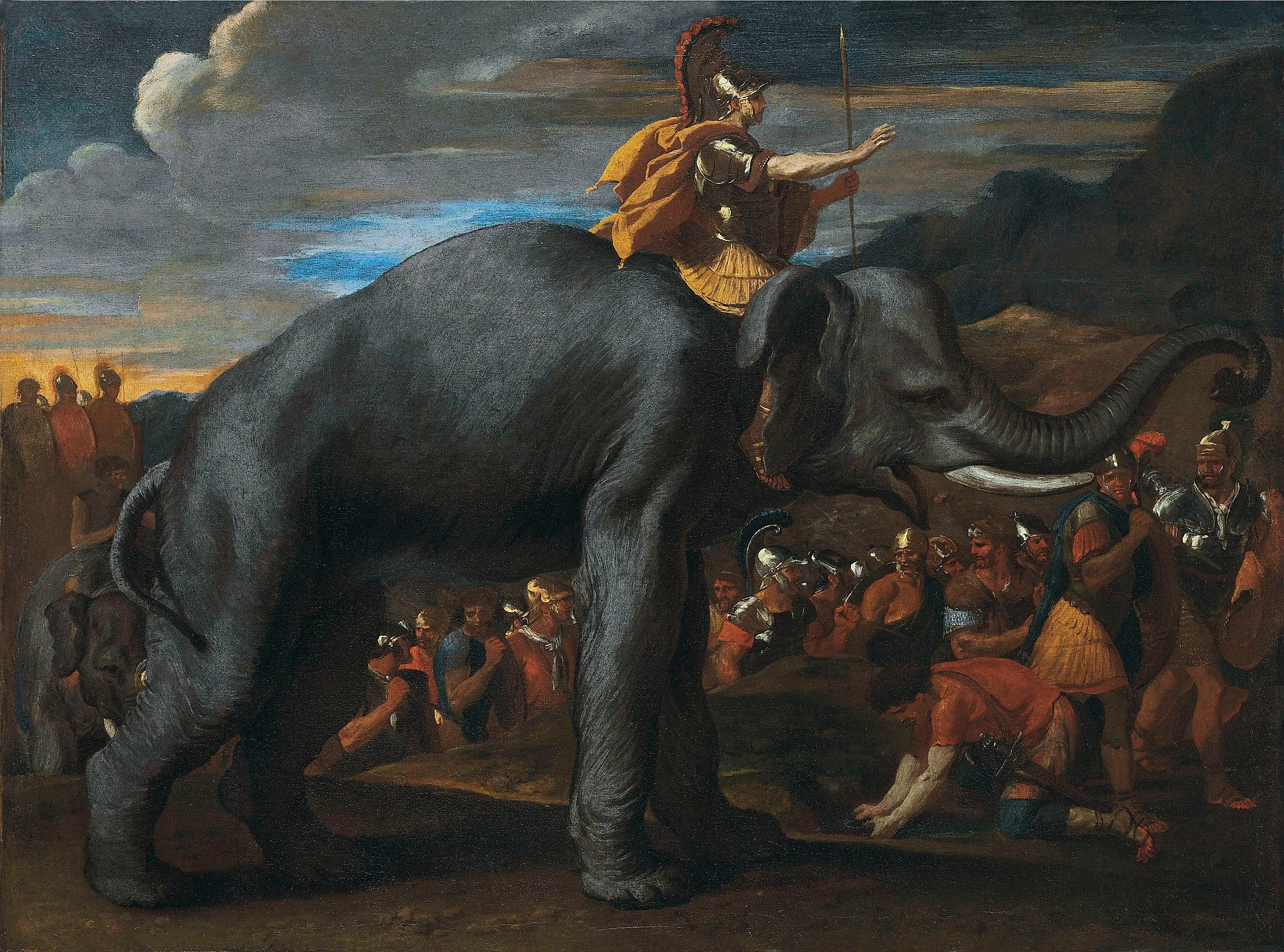
Thirty-seven war elephants went into the Alps that autumn, and by the next winter all but one had died. That single statistic captures how brutal Hannibal's crossing really was. Rome held the sea in 218 BCE, so the Carthaginian general refused to fight there. He marched overland instead, up through the Iberian Peninsula and Gaul, aiming his whole army at the one door Rome never bothered to guard.
The climb punished everyone. Snow buried the trails, ice cracked underfoot, and rockslides swept men off narrow ledges without warning. Local mountain tribes made it worse, rolling boulders down onto the column and picking off stragglers in the passes. Hannibal reportedly started with tens of thousands of infantry and cavalry. By the time he reached the plains of northern Italy, he had lost close to half of them.
The elephants turned an already hard march into a logistical nightmare. Each animal needed food, water, and enough level ground to move, none of which the mountains offered freely. Yet Hannibal refused to leave them, and the reason was psychological. Roman soldiers had rarely faced elephants, and the sight of them later scattered enemy lines through sheer terror.
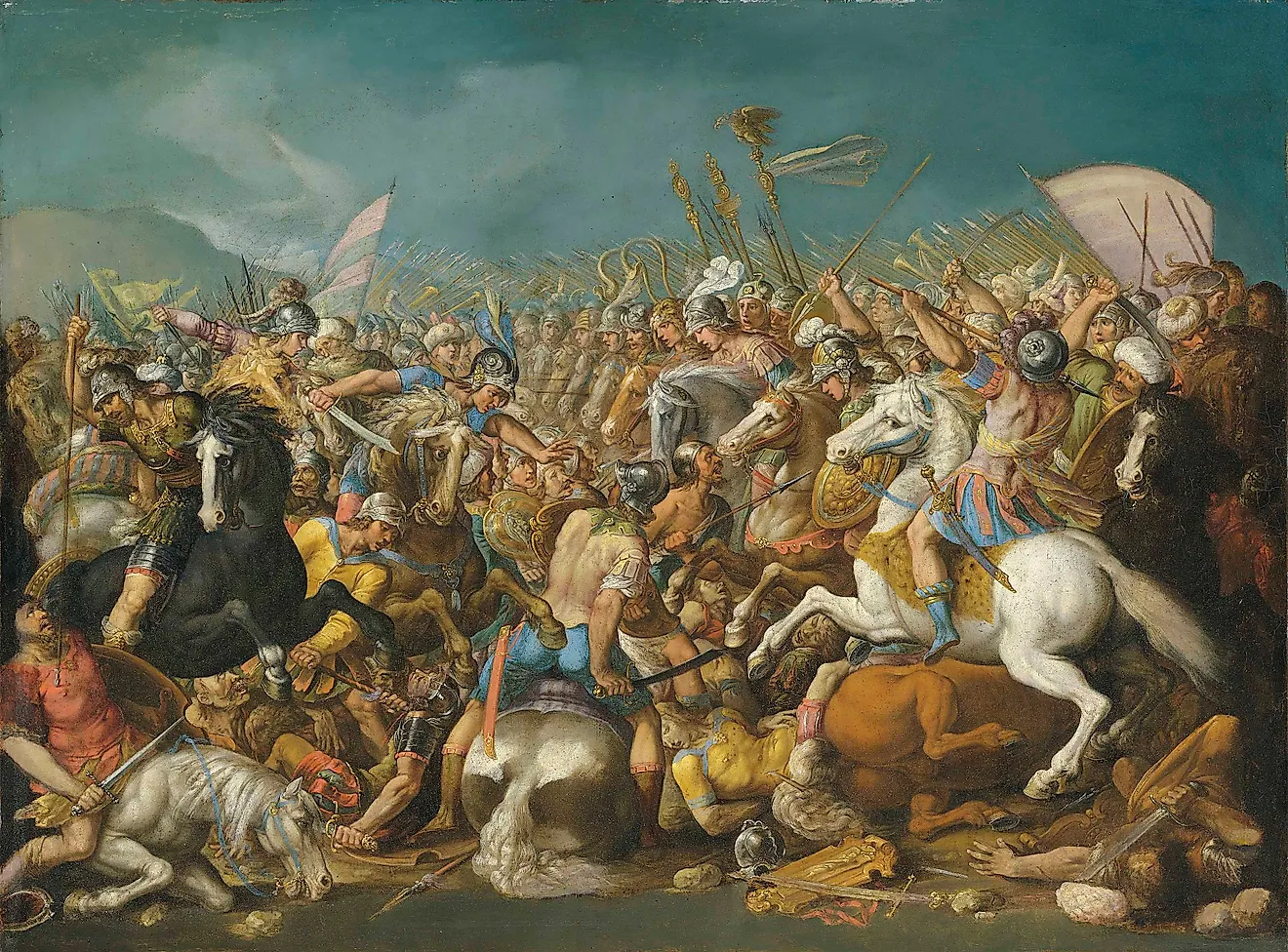
Here is the payoff for all that suffering. Rome expected any invasion to come by ship, so no legion waited at the foot of the Alps. Hannibal appeared in Italy where no one thought an army could, and the surprise was total. He smashed the Romans at the Trebia in 218 BCE and again at Cannae in 216 BCE, where his battle plan is still taught in military academies today. The crossing cost him dearly, but it handed him the one thing money could not buy: an enemy caught completely off guard.
Alexander Crossed the Hindu Kush and the Gedrosian Desert (329 to 325 BCE)

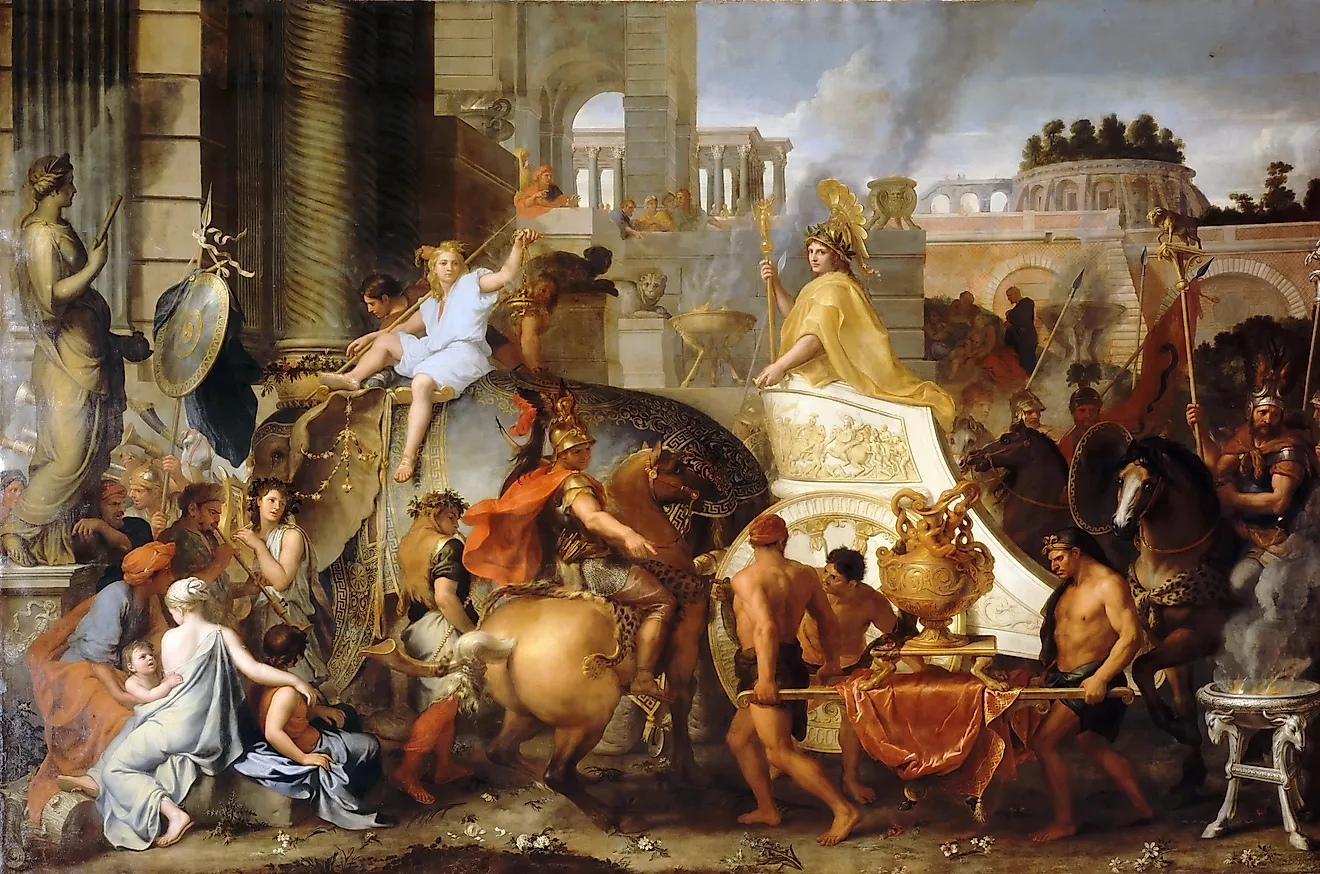
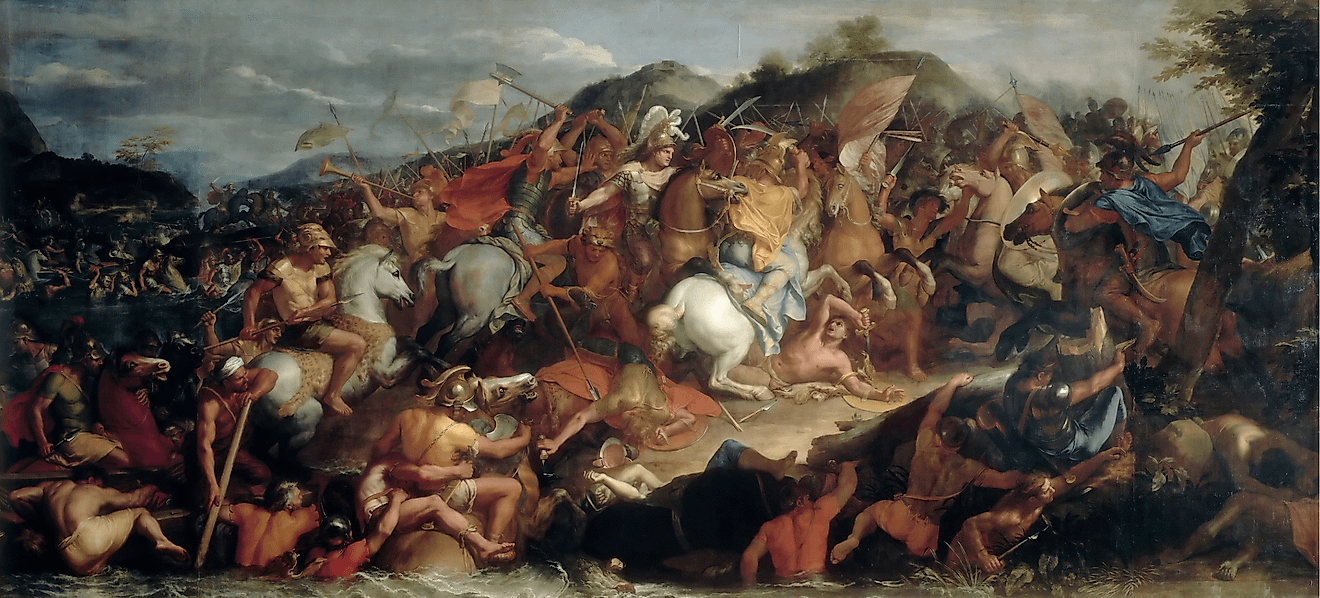
Alexander the Great conquered more ground than almost any commander before him, and twice the ground nearly finished his army. Both times the killer was geography. The first test came in the spring of 329 BCE, when he chased the Persian usurper Bessus north over the Hindu Kush after the death of King Darius III. This is the mountain wall separating Central Asia from the Indian subcontinent, and some of its passes climb well above 11,000 feet.

At that height the cold does the work of an enemy. Snow hid the paths, altitude sickened men and animals bred for warmer lowlands, and food ran so short the army ate its own pack mules. Alexander drove them through anyway, holding the column together by force of will and reaching Bactria in time to keep Bessus on the run. The mountains slowed him, but they did not stop him.
The desert nearly did. Returning from India in 325 BCE, Alexander chose to march part of his army home through the Gedrosian Desert, the scorched Makran region of what is now southern Iran and Pakistan. It was the worst decision of his career. Daytime heat there can climb past 45 degrees Celsius, water sources sat days apart, and shifting dunes swallowed the pace of a tired army.
The numbers tell the rest. Of the roughly 60,000 people Alexander led into the sand, more than half never came out, most of them the camp followers, families, and animals strung along behind the fighting men. Thirst and heat killed them, not spears. For a general who had beaten every human enemy he ever faced, the Gedrosian crossing was the one campaign no amount of tactical genius could win.
Xenophon Led the Ten Thousand Home Through the Highlands (401 to 399 BCE)

The most famous crossing on this list was not an invasion at all. It was an escape. Ten thousand Greek mercenaries had signed on with Cyrus the Younger to help him seize the Persian throne from his brother, King Artaxerxes II. They won their part of the fight at Cunaxa in 401 BCE, then watched the whole campaign collapse when Cyrus was killed in the same battle. Overnight the Greeks became a stranded army with no employer, no allies, and a thousand miles of hostile empire between them and home.
Xenophon, an Athenian who had joined the expedition almost as a tourist, rose to help lead the retreat. He steered the column north through Mesopotamia and into the Armenian highlands, one of the cruelest stretches of the whole march. The men crossed the Tigris valley, then climbed into deep winter snow where frostbite and starvation thinned the ranks. Hostile hill tribes held the passes and had to be fought or bribed for every mile of ground.
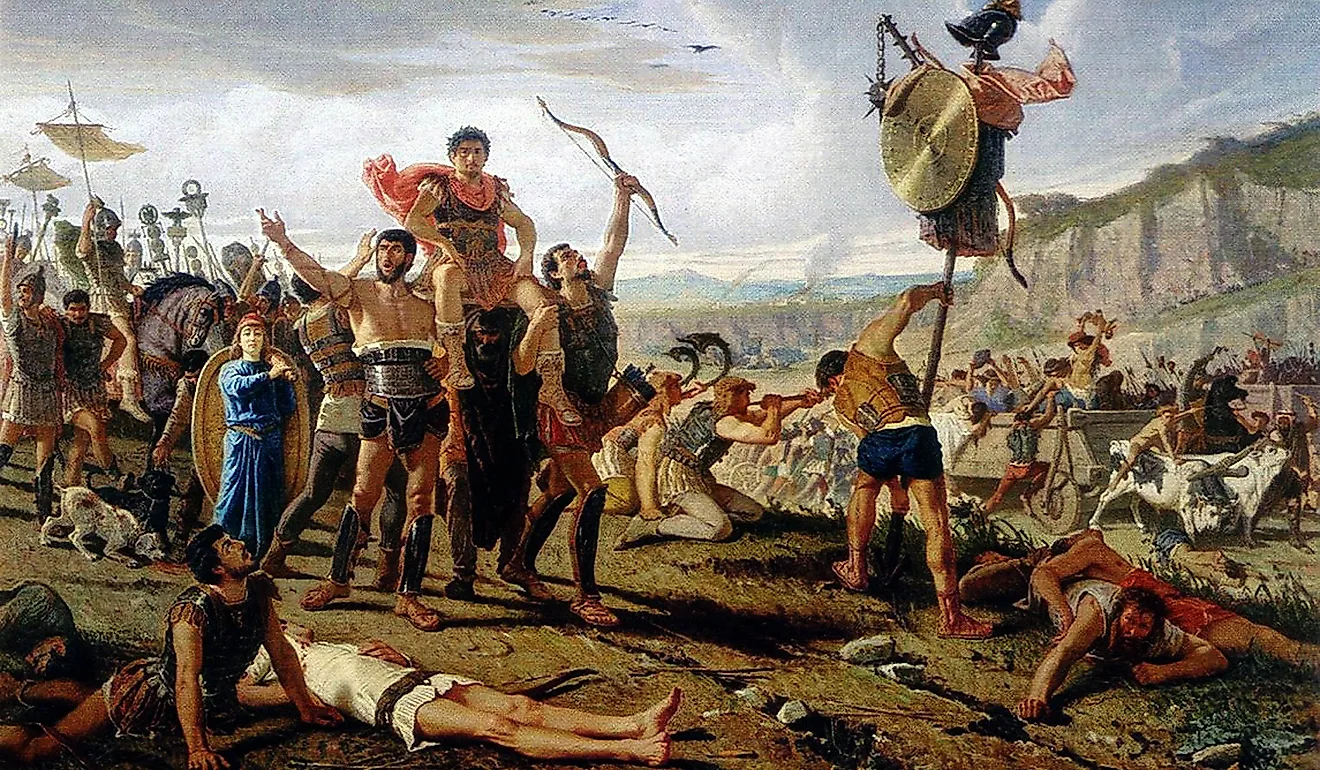
What kept the army alive was organization. Xenophon negotiated when he could, fought when he had to, and kept exhausted men moving long after they wanted to quit. Then came the moment every reader remembers. From the summit of Mount Theches the vanguard caught sight of open water and broke into a roar that rolled back down the mountain: Thalatta! Thalatta!, "The sea! The sea!" That water was the Black Sea, and its shore held Greek colonies. It meant ships. It meant home.
Xenophon wrote the whole ordeal down in his Anabasis, and that book outlived every man in the column. Alexander the Great is said to have read it before invading Asia, and Julius Caesar borrowed its plain style for his own war memoirs. A stranded army's walk home became one of the most influential military texts ever written, all because one of the survivors bothered to record it.
Why the Terrain Mattered More Than the Enemy
Put the three marches side by side and the same lesson keeps surfacing. Hannibal, Alexander, and Xenophon all faced human enemies they could out-think, and all three nearly lost everything to the ground itself. The Alps, the Hindu Kush, the Gedrosian sand, the frozen Armenian passes: these took a heavier toll than any opposing army managed to inflict.
That is what makes the survivors worth remembering. They had no engines, no radios, and no way to airlift the wounded or resupply from the air. What they had was endurance, sharp planning, and leaders who understood the land as clearly as they understood the battlefield. Two thousand years later, the awe still holds. These men walked their armies through places we would think twice about crossing today, and enough of them made it out to tell us how.