The Dark Truth About Rome’s Greatest Emperors
History remembers Rome's greatest emperors for their triumphs. Augustus delivered two centuries of peace. Trajan pushed the empire to its widest borders. Marcus Aurelius steered Rome through plague and war. Each of those achievements also carried a body count. The same rulers ordered mass executions and crushed religious minorities. Their darkest acts sit right beside their finest ones.
Augustus Brought Peace, After All His Rivals Were Dead

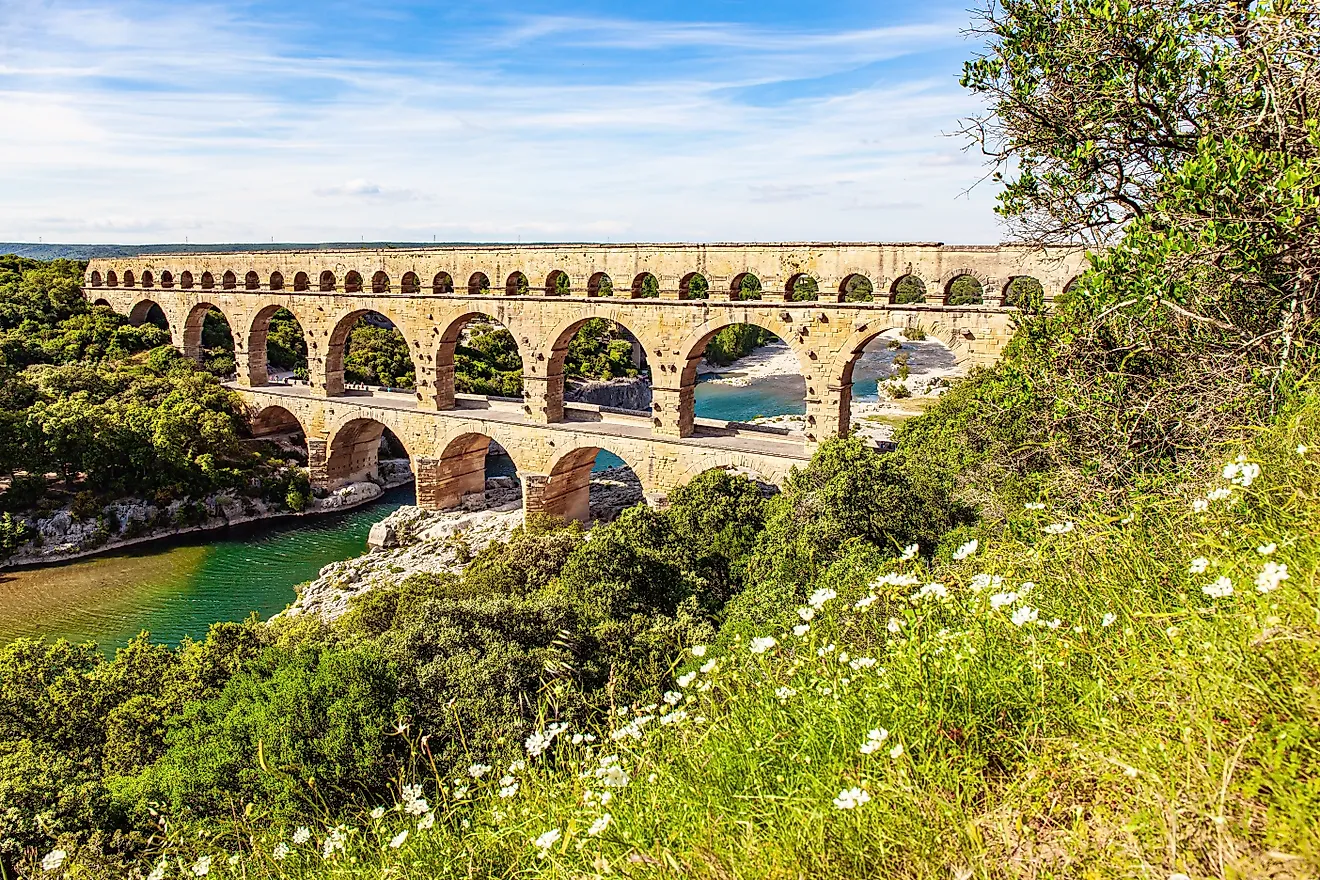
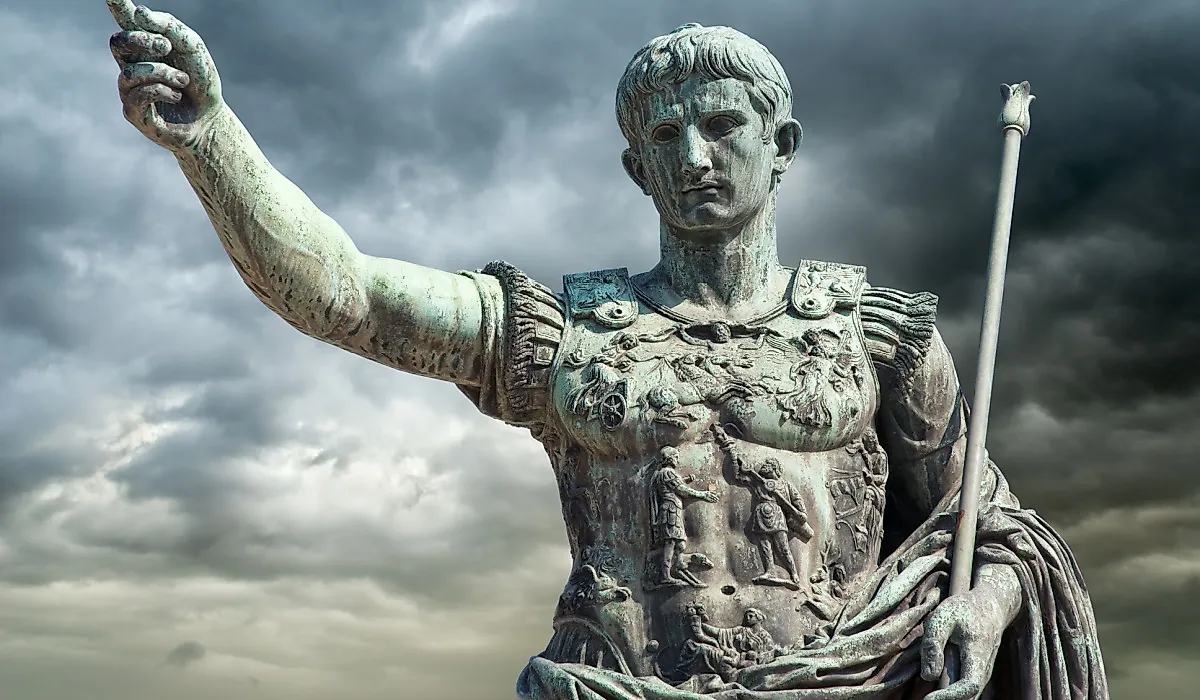
Augustus became Rome's first emperor in 27 BCE, marking its transition out of the republic. In doing so, he ushered in the Pax Romana, 200 years of peace and prosperity. Augustus accomplished this via several methods. First, he centralized the government. In the Roman Republic, armies were paid by their generals. That made soldiers loyal to their commanding officers rather than to Rome. Augustus therefore created a professional standing army that was paid directly by the state treasury. He also greatly expanded the administrative state by hiring thousands of professional bureaucrats. This ensured that the government had the capacity to centrally govern the empire's vast territorial reach. Finally, Augustus made major investments in public works and infrastructure. Many aqueducts, roads, theaters, and public baths were constructed under his reign.

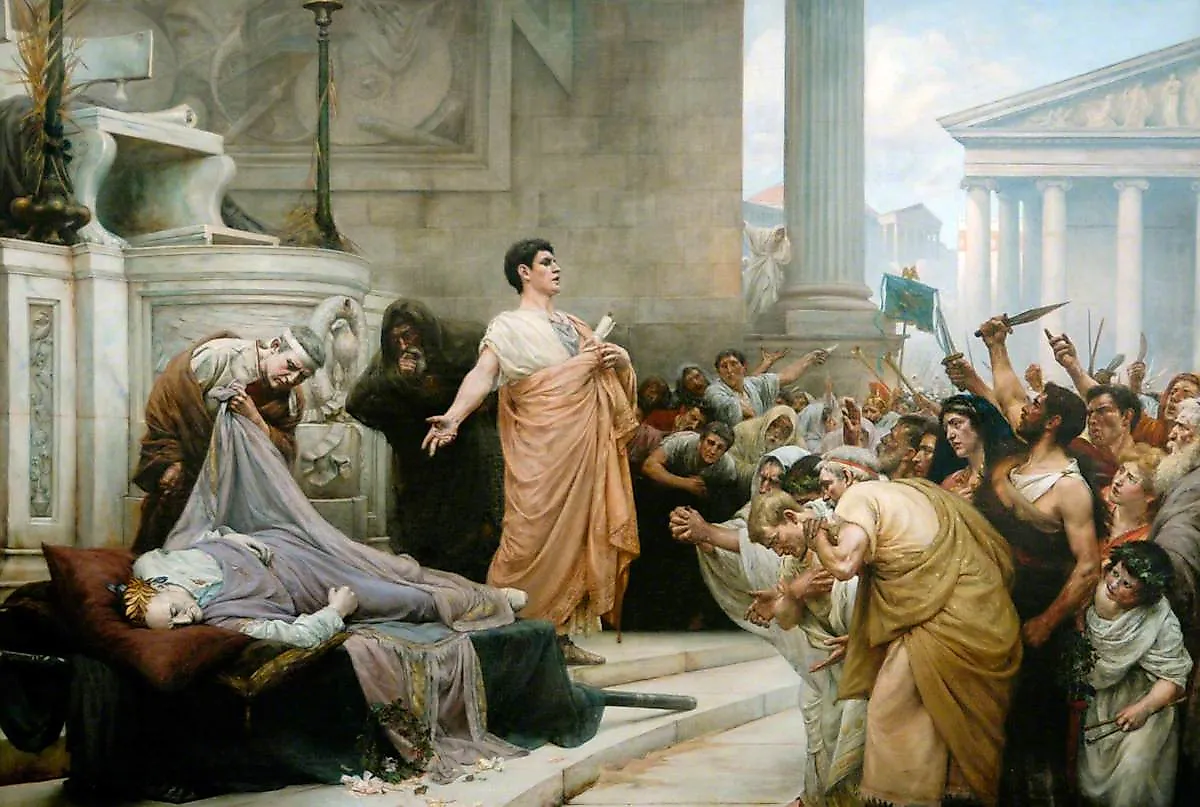
Crucially, this peace and prosperity occurred in the context of twenty years of bloodshed beforehand. In 49 BCE, General Julius Caesar crossed the Rubicon River with his army, effectively declaring war on the Roman Senate. The next four years saw Caesar crush the Senate's forces and emerge as the leader of Rome. Shortly after declaring himself dictator for life in 44 BCE, Caesar was assassinated. Augustus, then named Octavian, was Caesar's great-nephew and adopted heir. The assassination thrust the young man into the political spotlight.

Along with Mark Antony and Lepidus, he led a brutal crackdown on dissent in the immediate aftermath of Caesar's assassination. Known as the proscriptions of the Second Triumvirate, thousands of Romans were declared enemies of the state. In turn, their property was confiscated, and many were executed without trial. The bloodshed didn't stop there, as Octavian eventually turned on Antony, leading to a civil war that ended with Antony committing suicide in 30 BCE after a humiliating military defeat. In short, Augustus established the foundation for the golden age of the Roman Empire. However, he was only able to do so once all his rivals were dead.
Trajan's Greatest Conquests Killed Thousands

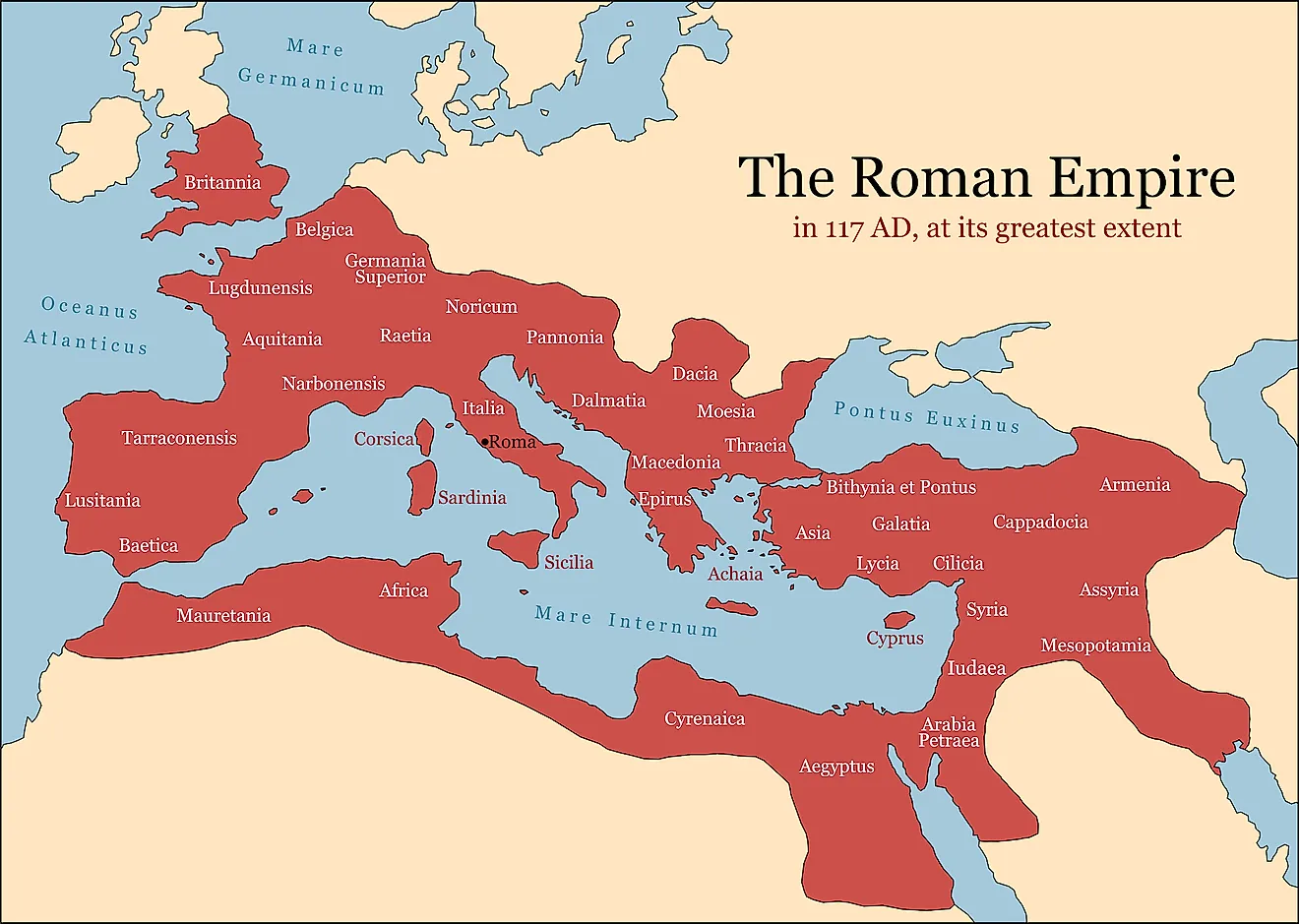
Trajan reigned from 98 to 117 CE. He's most famous for pushing the empire to its greatest territorial extent. In an attempt to neutralize threats and secure wealth, Trajan invaded Dacia (modern-day Romania). He also launched a campaign against the Persia-based Parthian Empire, briefly bringing Armenia, Mesopotamia, and Assyria under Roman rule. The loot from these wars funded public infrastructure and buildings. It also helped fund social welfare programs such as the alimenta, which Trajan expanded to feed and educate impoverished children. Historians credit his predecessor Nerva with starting the scheme, but it took full effect under Trajan.

Despite these seemingly benevolent actions, Trajan's reign had a dark side. The Dacian campaign resulted in hundreds of thousands of deaths, and about 500,000 Dacians were enslaved. Trajan's conquests in the east were also unsustainable, as Rome quickly lost control of Mesopotamia. Administrative overreach was a problem for the Roman Empire for the rest of its existence. Finally, Trajan wasn't particularly tolerant of religious or cultural minorities. He often displaced the leadership of provinces resisting Roman rule to force cultural assimilation. Trajan also brutally cracked down on Jews in Judea when they revolted from 115 to 117 CE. Cities were sacked, and thousands were killed and enslaved.
Marcus Aurelius' Complicated Legacy

Out of all the emperors, Marcus Aurelius has one of the most universally positive reputations. Ruling from 161 to 180 CE, he led Rome through a series of crises. Following the Parthian War (161 to 166 CE), soldiers returned from the east with a deadly disease. This so-called "Antonine Plague" ravaged the empire for the next fifteen years, killing millions in the process. Rather than fleeing, Aurelius organized relief movements from Rome. As tax revenue fell and manpower in the army became scarce, he pragmatically recruited slaves and gladiators to fill vacant positions. He also sold imperial treasures to finance defensive wars and was remarkably lenient when punishing supporters of Avidius Cassius, a general who rebelled against him in 175 CE. All these actions were defined by his Stoic philosophy, which taught self-control, resilience, and acceptance of things outside of one's control.

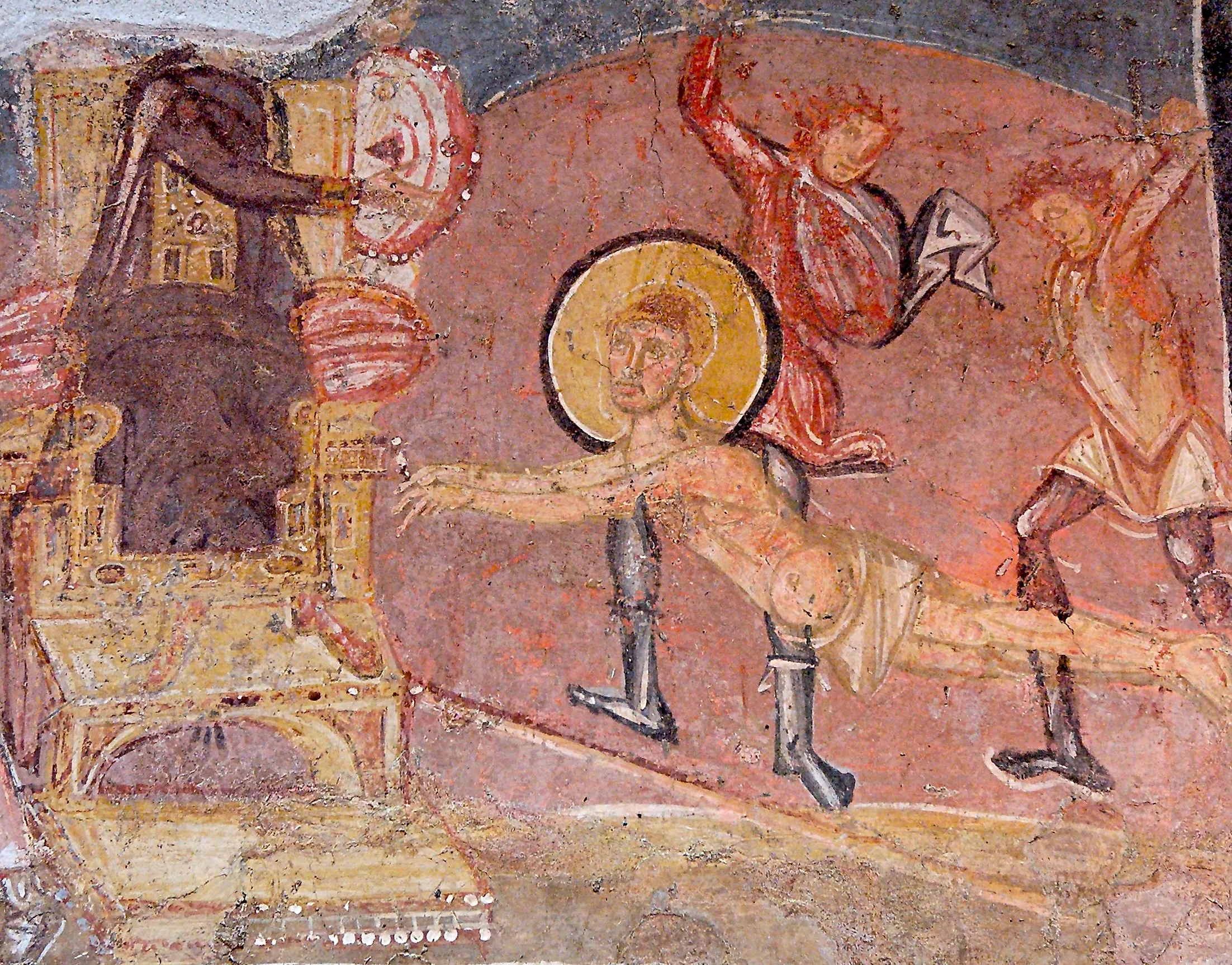
There were limits to Aurelius' tolerance. Christians were still persecuted, with the famous martyr Justin the Philosopher dying under his reign. While historians debate whether he personally ordered much persecution, at the very least, he allowed existing anti-Christian laws to be enforced. However, perhaps the biggest stain on Aurelius' legacy is his successor. Rather than choosing his heir based on merit, Aurelius chose his son, Commodus. Commodus was everything Aurelius wasn't. Vain, narcissistic, and obsessed with gladiatorial combat (rather than ruling), his reign contributed to a notable downturn in stability across this empire.
Diocletian Stabilized The Empire And Persecuted Christians

Diocletian ruled from 284 to 305 CE, inheriting an empire on the brink of collapse. From 235 to 284 CE, Rome endured a period of chaos known as the Crisis of the Third Century. More than two dozen emperors rose and fell, and the empire itself split into three different states. Diocletian realized that the root of many of Rome's problems was its size. It was impossible for one man to effectively govern a state that reached Britain in the northwest and Egypt in the southeast. Therefore, he created the Tetrarchy, or "rule of four". The empire was now ruled by four emperors, two senior ones called "Augusti" and two junior ones called "Caesares". Diocletian also expanded the administrative state, dividing the large provinces into smaller ones and increasing the number of governors. While many of these changes didn't last, they were crucial at the time for restoring stability.
Many of Diocletian's positive reforms are overshadowed by the darkest chapter in his reign. In 303 and 304 CE, he issued a series of edicts that stripped Christians of their rights, demanded mandatory sacrifices to Roman gods, and called for the arrest of clergy. If anyone refused these measures, they risked death or imprisonment. It's unclear how much of this was the direct work of Diocletian himself. Some historians assert that it was actually his junior emperor, Galerius, pulling the strings. This "Great Persecution" also failed to eradicate Christianity in the Roman Empire. Regardless, it remains an ugly stain on Diocletian's legacy.
Judging Rome's Best Emperors
The four emperors here rank among the most capable rulers Rome ever produced. Their reforms and conquests shaped the ancient world for centuries. Yet each achievement was built on violence that the surviving monuments and statues quietly leave out. Augustus won peace by outlasting every rival in a series of civil wars. Trajan funded schools for poor children with plunder taken from a nearly exterminated Dacia. Marcus Aurelius wrote about tolerance while martyrs died under his laws. Diocletian saved the state and then tried to erase a religion. Reading these men honestly means holding their brilliance and their brutality in the same view.