The Most Important Assassinations In Ancient History
Assassinations change the course of history. This was particularly true thousands of years ago, when they frequently altered the trajectory of cultures, religions, and empires. Rome, Greece, and Egypt were all shaped by such acts of violence. Understanding these key assassinations is therefore crucial to comprehending the most important states of the ancient world.
Hipparchus of Athens (514 BCE)

During the 6th century BCE, Athens was ruled by a family of tyrants. The first, named Peisistratos, died in 527 BCE, leaving the city to his two sons, Hippias and Hipparchus. They co-ruled and presided over a fairly moderate regime. This eventually changed when Hipparchus became interested in a young man named Harmodius, who rejected his advances. Enraged, Hipparchus allegedly invited Harmodius' sister to participate as a ceremonial basket-bearer at a banquet, only to expel and humiliate her. In turn, Harmodius and his lover, Aristogeiton, launched a plot to kill the two brothers.

The conspirators planned to assassinate them at the Panathenaic Festival in 514 BCE. The goal was to enact revenge and end tyrannical rule over Athens. However, on the day of the festival, Harmodius and Aristogeiton saw one of their conspirators talking to Hippias. Falsely believing that they had been discovered, they frantically stabbed Hipparchus, killing him almost instantly. Hippias survived, and the two lovers were captured and executed. Nevertheless, the tyrannical regime now had a much weaker hold on power, and it ultimately fell in 510 BCE after Sparta invaded Attica. Soon afterward, the statesman Cleisthenes introduced democratic political reforms. In short, while the assassination of Hipparchus didn't directly lead to Athenian democracy, it helped establish the necessary preconditions.
Xerxes I (465 BCE)

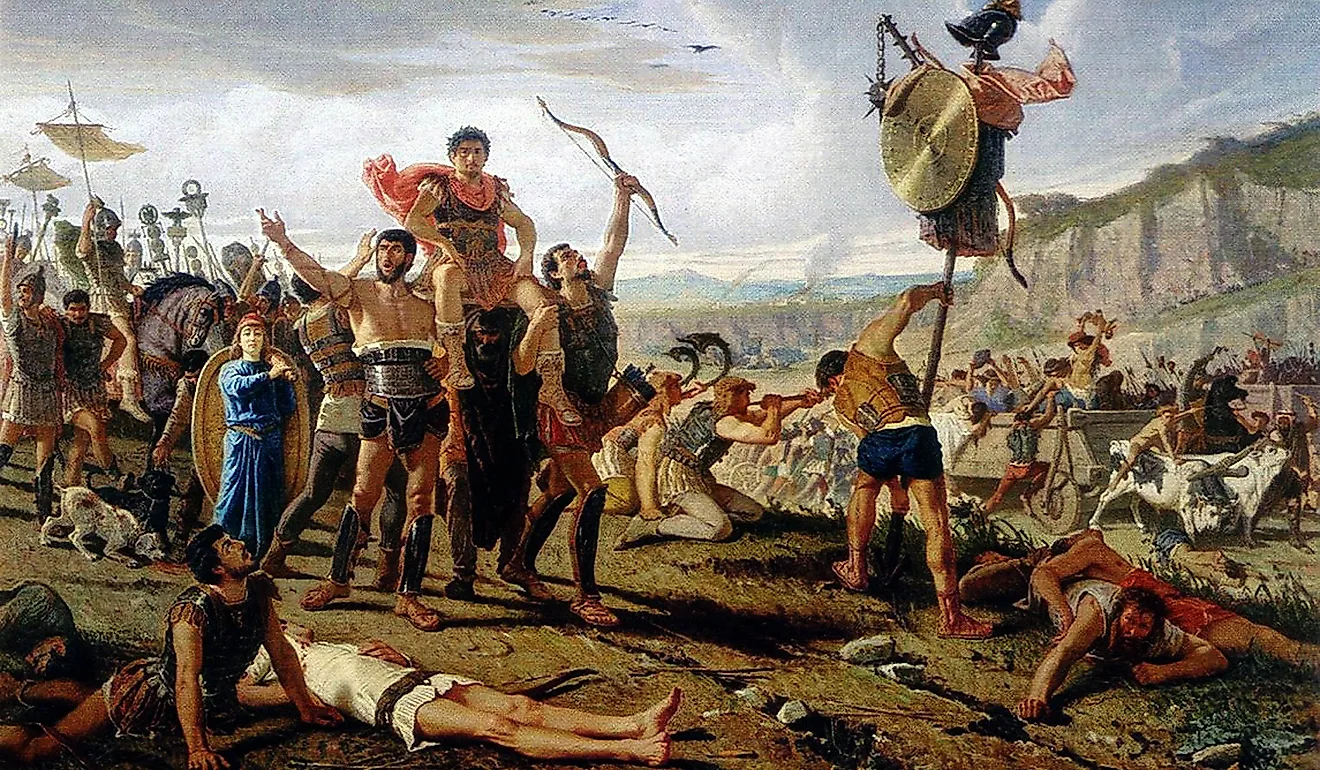
In 480 BCE, Persia invaded Greece for the second time in ten years. Despite winning at the Battle of Thermopylae, the Persians suffered enormous losses. A series of humiliating defeats at the Battles of Salamis and Plataea further damaged Persia's strategic position and military reputation. It also greatly diminished the popularity of Persian King Xerxes I, who afterward retreated to Asia Minor (modern-day Turkey). For the next fifteen years, he poured immense resources into building up Persepolis, the ceremonial capital of Persia. While doing so created architectural feats that still exist today, it also drained the Persian treasury at a time of war. Therefore, in 465 BCE, Xerxes' royal bodyguard, Artabanus, plotted a coup. With the help of a eunuch, he snuck into the king's private bed chambers and stabbed him to death. Xerxes' son, Prince Artaxerxes, quickly discovered the perpetrators and had them killed, establishing himself as the new king of Persia. Even though order was temporarily restored, this plot paved the way for future coups, palace intrigue, and the eventual decline of the Persian Empire.
Philip II (336 BCE)

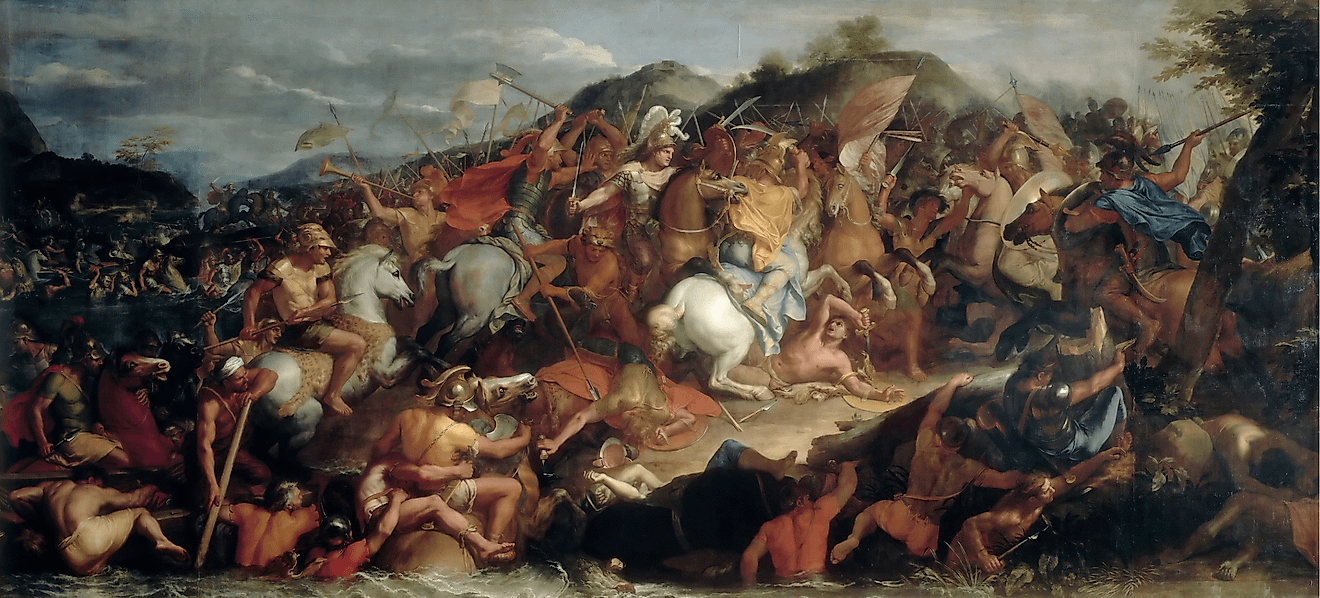
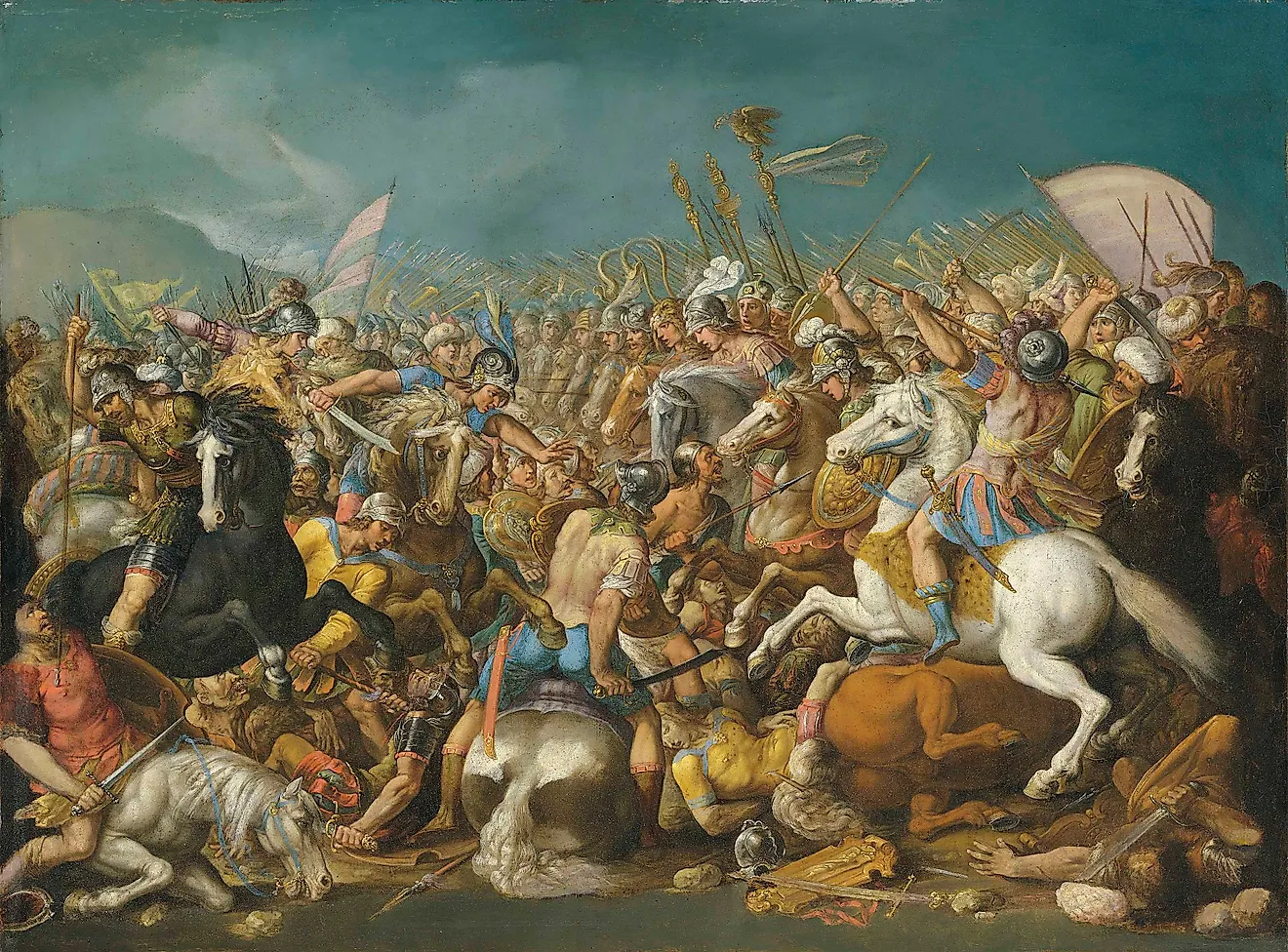
Philip II became king of Macedon in 359. He transformed it from a "backward" and "wild" state on the periphery of the Greek world into the most formidable power in the region. Philip is perhaps most well remembered for reforming the Macedonian military. He created a professional standing army and introduced the sarissa, an 18-foot pike that made the Macedonian defense nearly impenetrable. When combined with smart diplomacy (which was often done via marriages to create alliances with rival Greek states), Philip slowly grew Macedonia's influence. This eventually culminated in the Battle of Chaeronea in 338 BCE, when Philip (with the help of his son, Alexander), crushed the combined forces of Thebes and Athens. In doing so, he established Macedonia as the undisputed hegemon of Greece.

With his immediate vicinity secure, Philip set his eyes on Persia. The historic enemy of Greece, he wanted to cement his legacy by defeating it once and for all. Everything changed in 336 BCE when Philip was assassinated by Pausanias at Aegae, during the wedding celebration for his daughter. A former bodyguard and lover of Philip, the ancient historian Diodorus Siculus said that Pausanias sought revenge after the Macedonian king failed to punish a nobleman who sexually assaulted him. Some also speculate that Alexander's mother, Olympias, played a role in the plot, since Philip's recent marriage to a younger wife threatened Alexander's position as heir. Regardless of the truth of this theory, Alexander undoubtedly benefited from the assassination. The 20-year-old quickly secured his position by crushing revolts in the Balkans and in Greece. He then set his eyes on Persia and embarked on the legendary campaign that gave him the moniker "the Great".
Julius Caesar (44 BCE)

Following his conquest of Gaul (58 to 50 BCE), Roman General Julius Caesar accumulated more power, wealth, and popularity than any other person in the history of the Republic of Rome. This alarmed his rivals, like Pompey, and republican institutions, like the Senate. Therefore, they declared that he give up control of his army and return to life as a private citizen. Caesar refused and went to war with the Senate and Pompey in 49 BCE. The subsequent conflict saw Caesar soundly defeat Pompey's forces and eventually emerge victorious in 45 BCE.
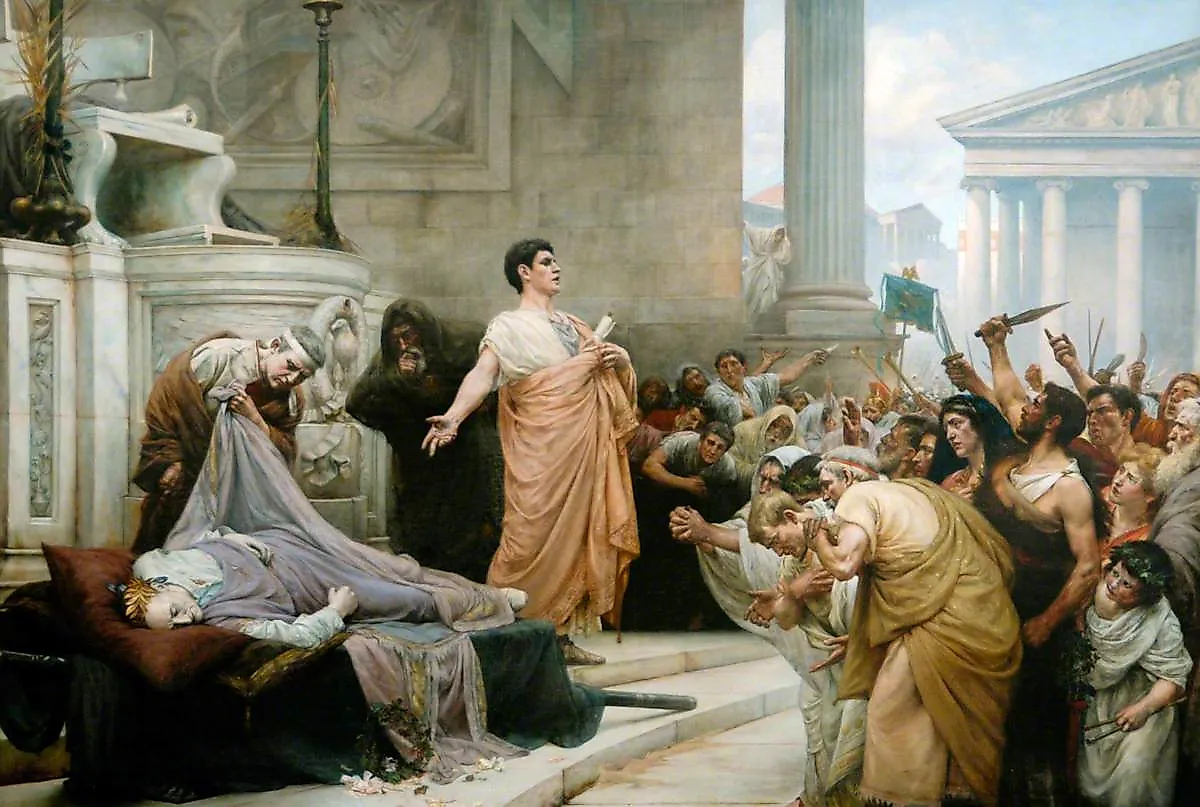
With (seemingly) no one left to oppose him, Caesar made himself dictator for life in 44 BCE. While some senators supported this declaration, it worried others. Ever since 509 BCE, when the monarchy was replaced by a republic, hatred of kings had been a core component of Rome's political identity. Caesar never called himself king, but his control of nearly every aspect of Roman society made him one in all but name. To deal with this problem, a group of 60 senators, led by Marcus Junius Brutus and Gaius Cassius Longinus, launched a plot to assassinate Caesar.

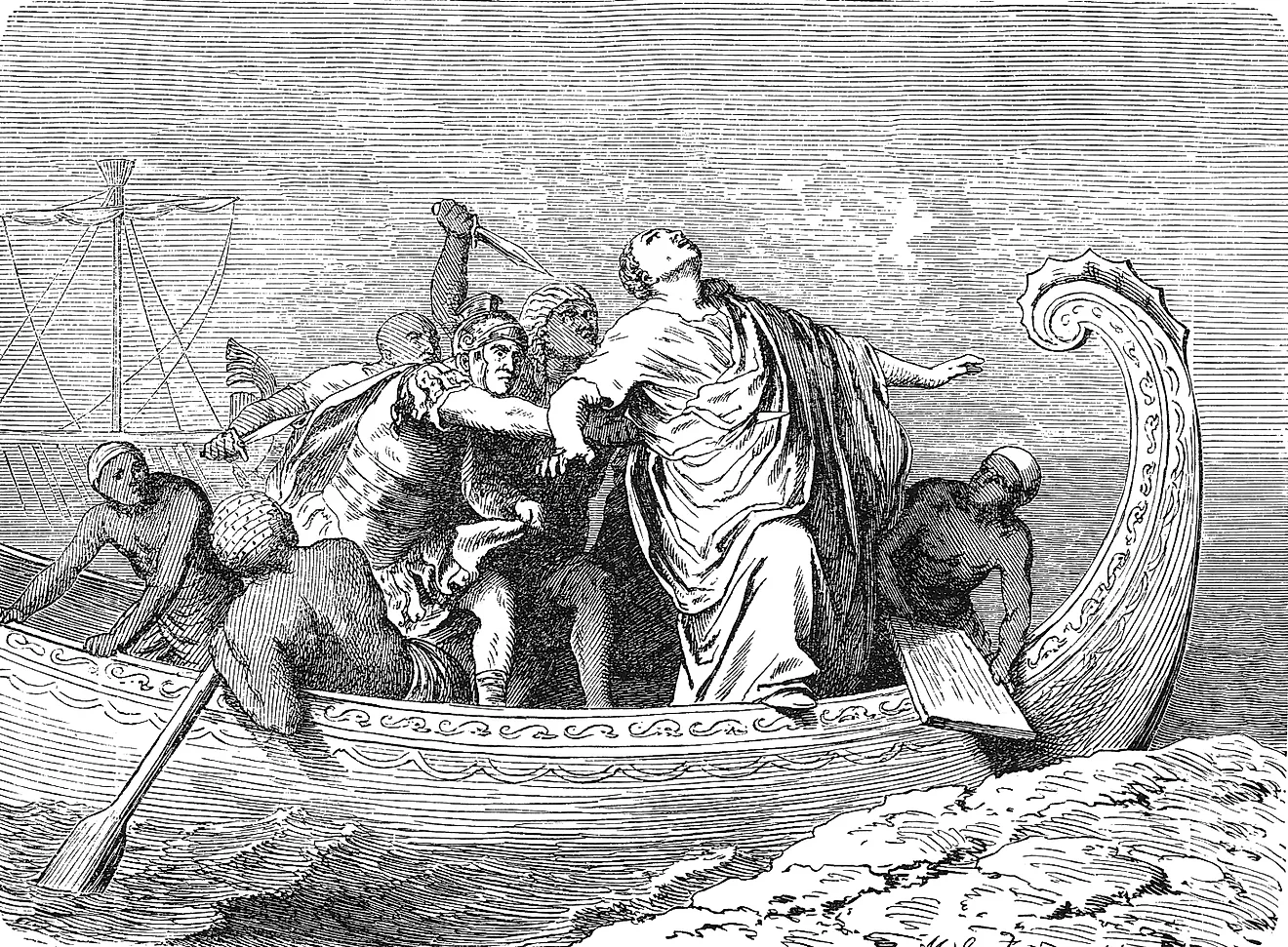
The plan was implemented on March 15th, 44 BCE, when Caesar entered the Curia of Pompey for a Senate meeting (the actual Senate building was undergoing renovations at the time). There, ancient sources assert that he was stabbed 23 times, though this is impossible to verify. These sources also say that only one wound, a stab to the chest, was fatal. Even though the assassins meant to save the Republic, they didn't know how to actually govern after Caesar was dead. Rome once again descended into civil war, first between the assassins and Caesar's allies. After the assassins were defeated, Mark Antony and Octavian went to war, ending with Antony's death and Octavian becoming Rome's first emperor in 27 BCE.
A Dagger Against Empires
In the ancient world, assassinations had the power to radically transform the fates of rulers and empires. While the assassination of Julius Caesar remains legendary, the murders of rulers like Hipparchus of Athens and Xerxes I might not be as familiar to modern readers. Nonetheless, for countless people living under these rulers at the time, these assassinations were hugely influential. To understand the ancient world, one must understand these cataclysmic events.