Why The Odyssey Is Still Relevant Today
The Odyssey is one of the most important works in the history of Western civilization. Despite being written by Homer nearly 3,000 years ago, it's arguably more relevant today. Why is this? How can an epic poem from a world seemingly so disconnected from our own still have significance? The answer lies in the story it tells, the history it preserves, the intelligence it prizes, and the questions it has never stopped raising.
It Remains Entertaining

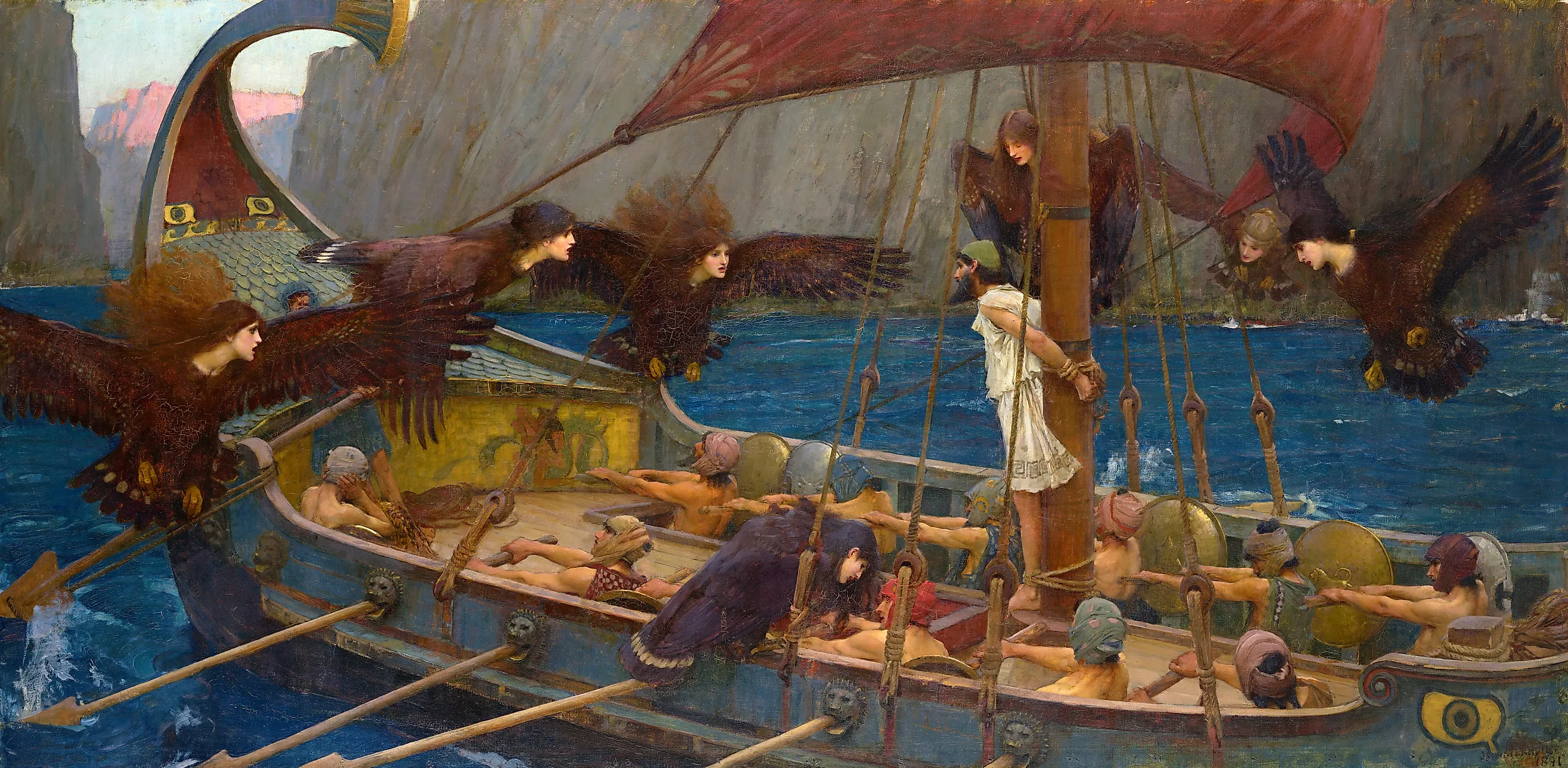
The most obvious reason why the Odyssey has endured is the basic story itself. Following the Trojan War, Odysseus, King of Ithaca, embarks on a ten-year journey to return home. Along the way, he encounters a variety of monsters and peoples, including a Cyclops, cannibalistic giants called the Laestrygonians, a witch named Circe, the Sirens, and a nymph named Calypso. He also consistently deals with gods like Athena, Zeus, and Poseidon.

On a surface level, this colorful cast of characters is entertaining. The episodic nature of the poem makes us interested to see who Odysseus will encounter next and how he'll overcome the challenges presented to him. The fantastical nature of these creatures also harkens back to a time when mythology and reality were often interlinked due to the lack of sources. This continues to inspire awe and fascination. In short, the Odyssey is an entertaining story that people still want to experience.
It Exists At The Intersection Between Myth And History

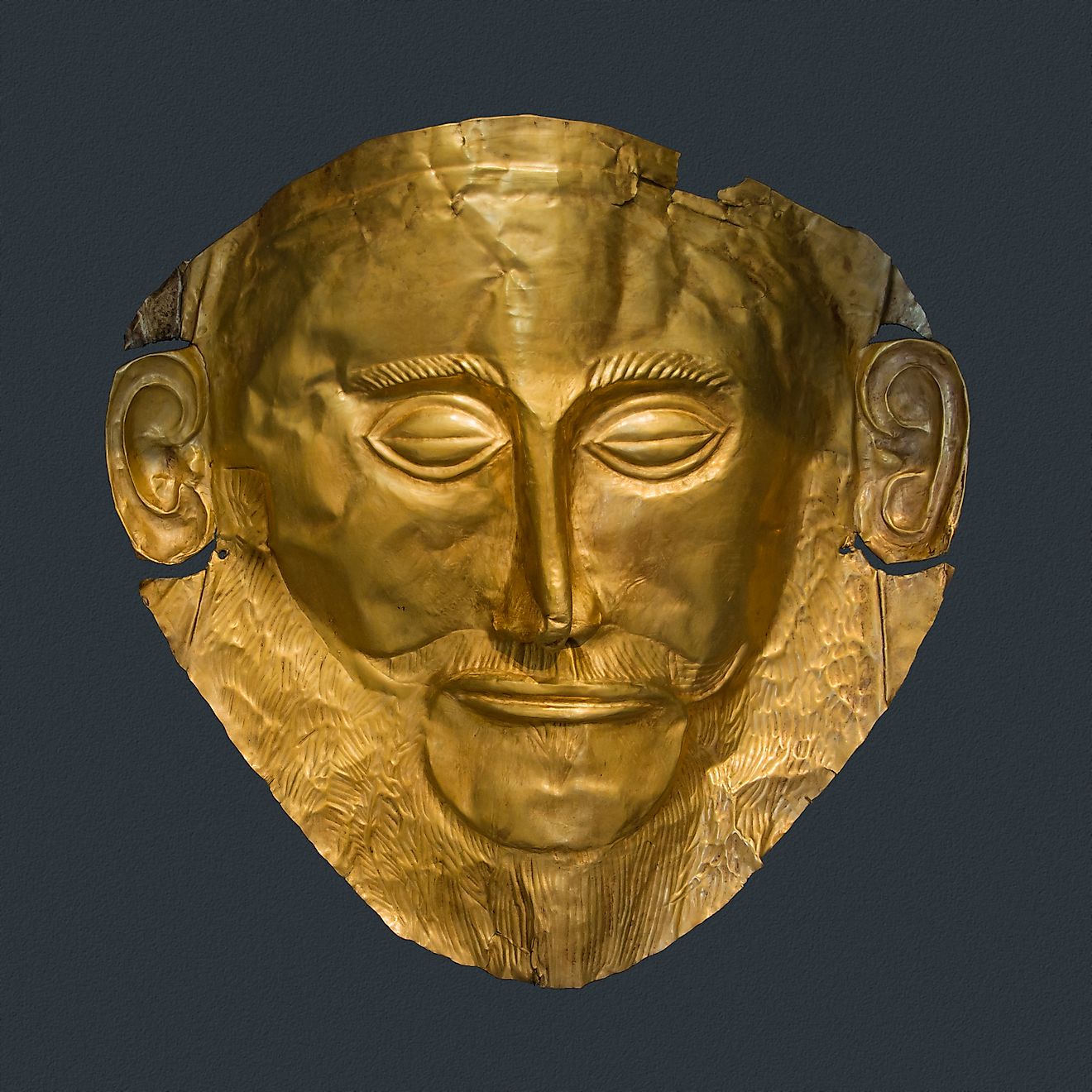
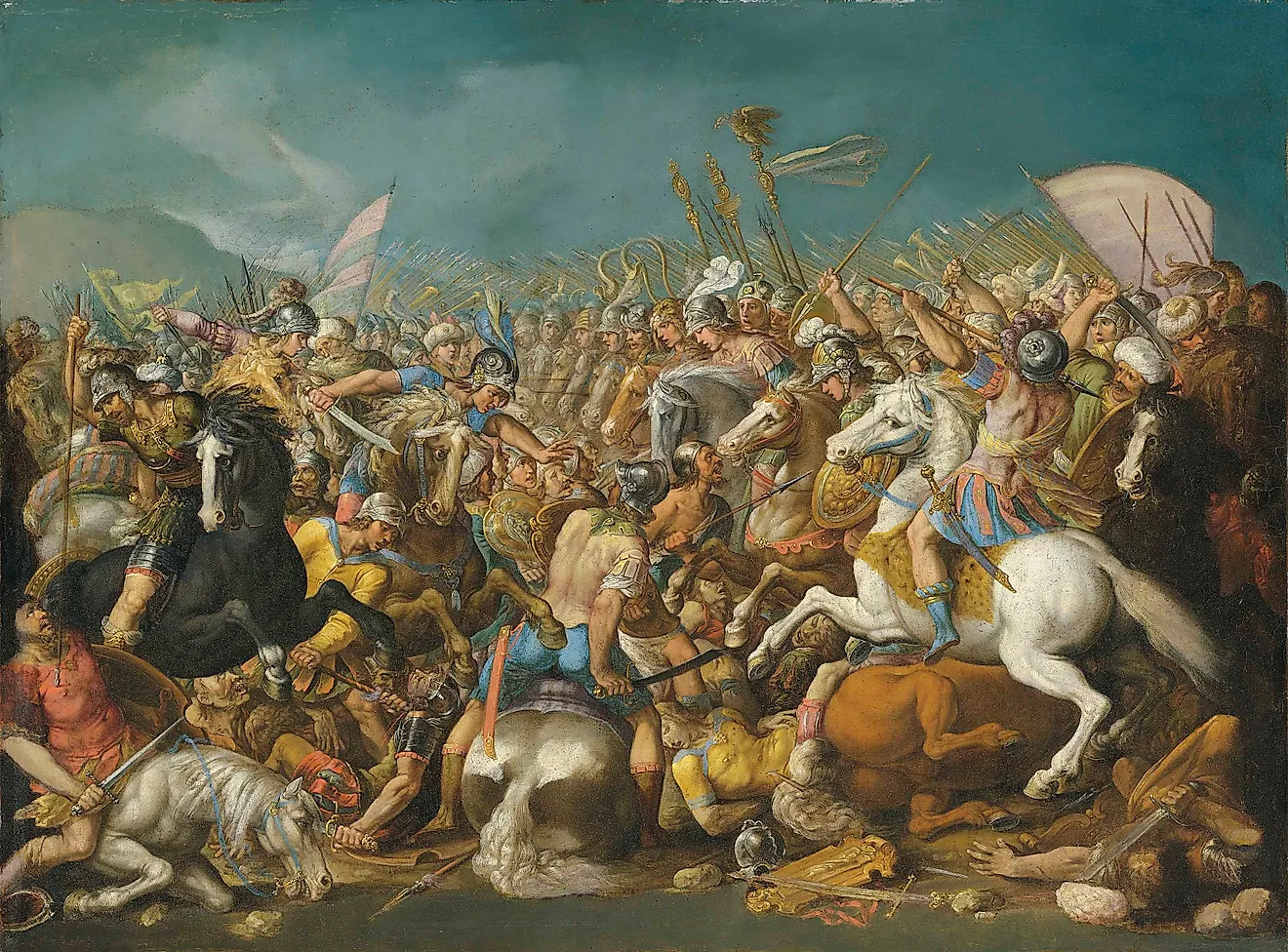
The events of the Odyssey didn't happen. The fantastical creatures obviously don't exist, nor do the gods. This doesn't mean that it has no historical relevance. The story takes place in the aftermath of the Trojan War. This conflict likely didn't occur as described in the poem preceding the Odyssey, the Iliad. But, archaeological evidence indicates that some sort of conflict occurred at the city of Troy around 1180 BCE.

More broadly, the themes in the Odyssey provide important insights into earlier eras. Written at the end of the Greek Dark Ages, Homer's poem looks back positively on a civilization that seemed far more advanced than his own. At the same time, Odysseus' use of trickery and cunning is indicative of Homer's own civilization beginning to value things beyond brute force and strength.
The poem tells us much about Mycenaean Greece as well, a civilization that lasted between about 1750 and 1050 BCE. The Trojan War is the backdrop for the entire poem, but it also provides crucial information about societal expectations at the time. While Odysseus is journeying across the Mediterranean, his wife, Penelope, is fending off suitors at home. The pressure to marry to maintain one's political and social standing was likely one experienced by many Mycenaean noblewomen.
Odysseus Wins Through Intelligence, Not Brute Force

In the modern day, while we acknowledge the importance of brute force and strength, we also value intelligence and cunning. The Odyssey reflects these values. One of the clearest examples of this is the Trojan Horse. To win the Trojan War, Odysseus devises the stratagem of a massive hollow horse, built by the carpenter Epeius, into which the best Greek warriors hide. After it's brought into the city of Troy, the warriors emerge and open the city gates from the inside, letting in the rest of the army and winning the war in a single night. Even though the Trojan Horse is only briefly mentioned in the original poem, it's nonetheless integral to the story and has been incorporated into many subsequent retellings of the Odyssey.

Odysseus' intelligence is again displayed when he finally returns home. Rather than immediately proclaiming that the king has returned, he disguises himself as a beggar. Doing so protects him from the hostile suitors who would have likely killed him. It also allows Odysseus to freely move around Ithaca to gather information and plot his revenge.
Penelope matches her husband's cunning. The fact that she successfully fends off suitors for a decade in a patriarchal society is a testament to this fact. Her intelligence is also displayed when Odysseus finally reveals himself to her. To prove he is who he says he is, Penelope orders her bed to be moved. Doing so angers Odysseus, since he built the bed around a large, rooted olive tree, making it unmovable. With this, Penelope proves Odysseus' identity.
It Explores Universal And Timeless Themes

Perhaps the most important reason the Odyssey endures is its universal, timeless themes. Odysseus contends with lust when dealing with Circe, Calypso, and the Sirens. He's also a king, a soldier, a beggar, a sailor, a husband, and a father, and the role he occupies changes depending on the part of the story. Identity and how it shifts over time is an oft-explored theme today. Persistence is explored as well, as Odysseus continues to push forward through thick and thin to eventually return to Ithaca. Finally, the story is ultimately about coming home, something to which most people can relate.
Not all versions of the Odyssey explore the same ideas. Consider Christopher Nolan's 2026 adaptation. A few of the poem's themes survive, but the film is far more interested in guilt and the aftermath of war, and it thins the gods down to a single on-screen presence in Athena. Classicists split over the changes. Emily Wilson, whose translation Nolan drew on, panned the film in the London Review of Books, and others faulted it for simplifying the moral texture of the poem in favor of spectacle. That argument is itself evidence of the poem's reach. Indeed, it exists as a canvas onto which we can project modern themes, while also reminding us of how some themes exist forever.
Impact And Legacy
The Odyssey has outlasted the civilization that produced it, and its reasons for surviving are not separable from one another. The story endures because it entertains, and the entertainment is precisely what carried a memory of the Bronze Age through centuries of oral retelling before anyone wrote it down. Odysseus' cunning reads as modern because the poem was already shifting away from the warrior code of the Iliad when Homer composed it. The themes hold because the poem asks what a man owes to a home he has been absent from for twenty years, and no era has answered that permanently. Nolan's film is only the most recent attempt at an answer.