Did Atlantis Really Exist?
More than 2,300 years ago, the Greek philosopher Plato described a wealthy island empire that vanished beneath the sea in a single day and night. According to his writings, Atlantis ruled several islands and had conquered territory in North Africa and southern Europe before earthquakes and floods destroyed it. No earlier surviving source mentions the civilization, yet volcanic ruins, submerged settlements, and the discovery of places once considered legendary have kept the possibility alive.
Atlantis could have been a real Bronze Age society transformed through centuries of storytelling, or perhaps Plato invented it to illustrate the dangers of power and greed. Most historians and classicists therefore treat Atlantis as a philosophical story rather than a documented civilization. However, the lack of a definitive discovery hasn't dissuaded explorers and archaeologists who continue to search for this evocative civilization.
Plato's Account of Atlantis

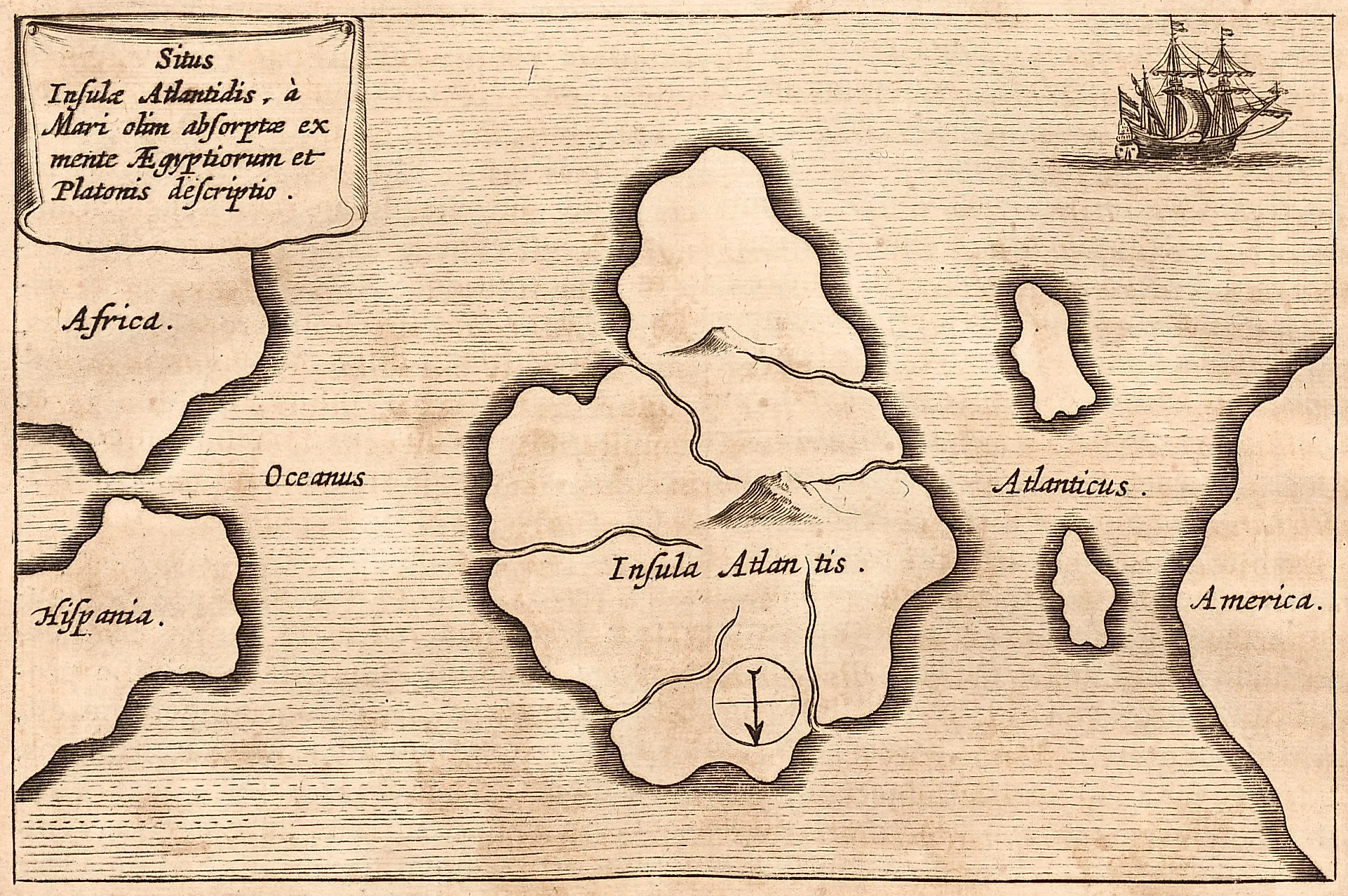
Atlantis appears in Plato's dialogues Timaeus and Critias, written around 360 BCE. In the story, the Athenian statesman Solon learns about the island from Egyptian priests, who place its war with Athens 9,000 years before his visit. Atlantis supposedly lay beyond the Pillars of Heracles, usually identified as the Strait of Gibraltar, and was larger than Libya and Asia as the Greeks then understood them.
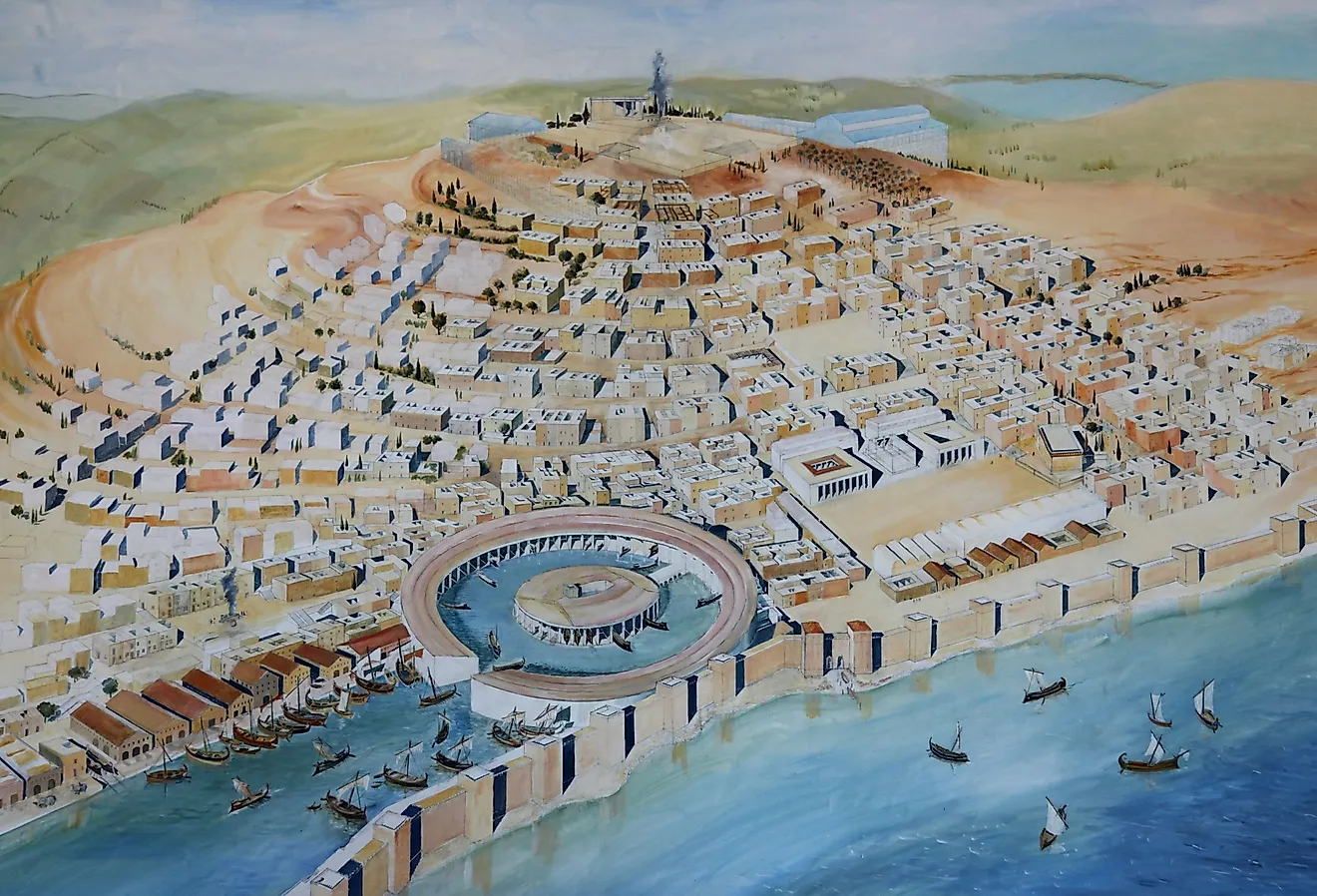
Plato describes a fertile island rich in metals, crops, and animals. Its capital contained alternating rings of land and water surrounding a palace and temple complex, while ten kings ruled separate territories under laws attributed to Poseidon.
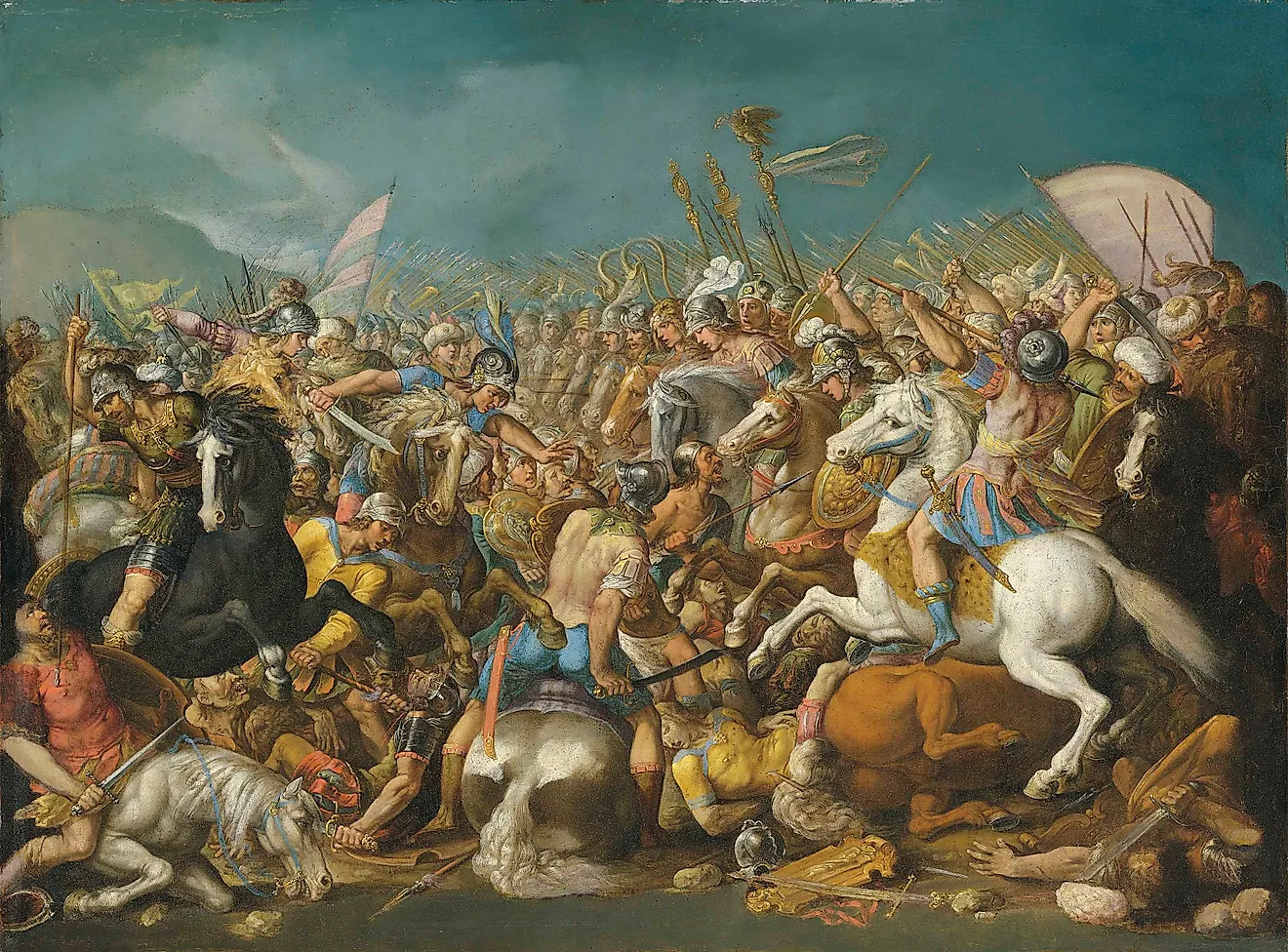
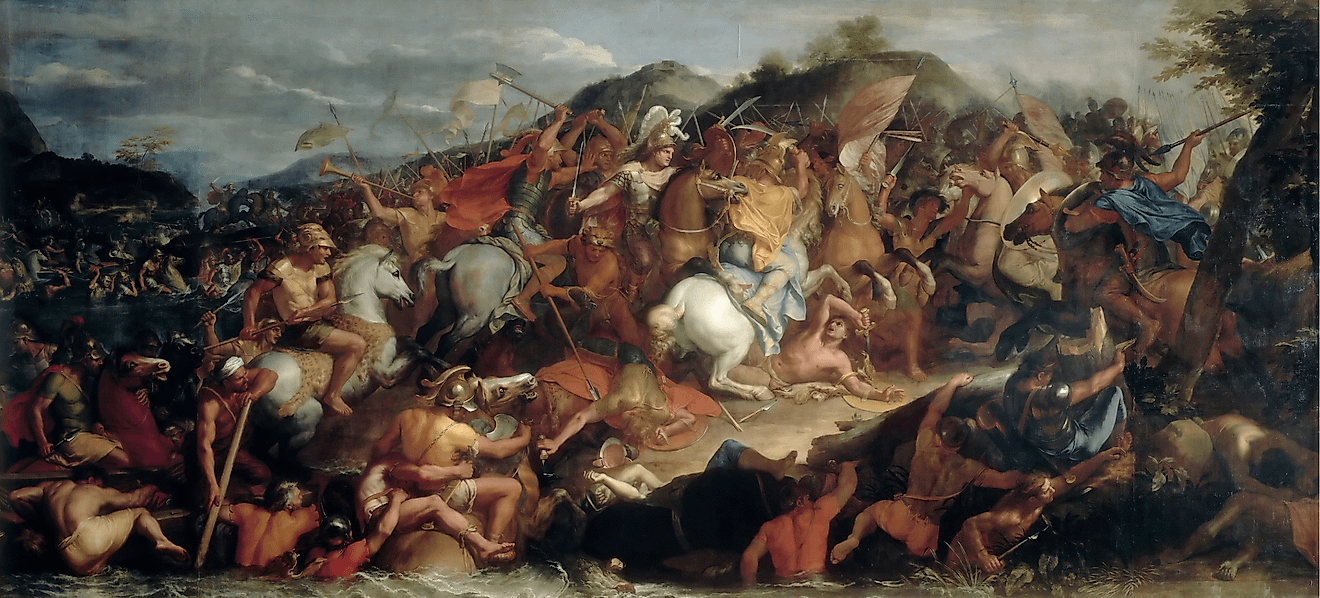
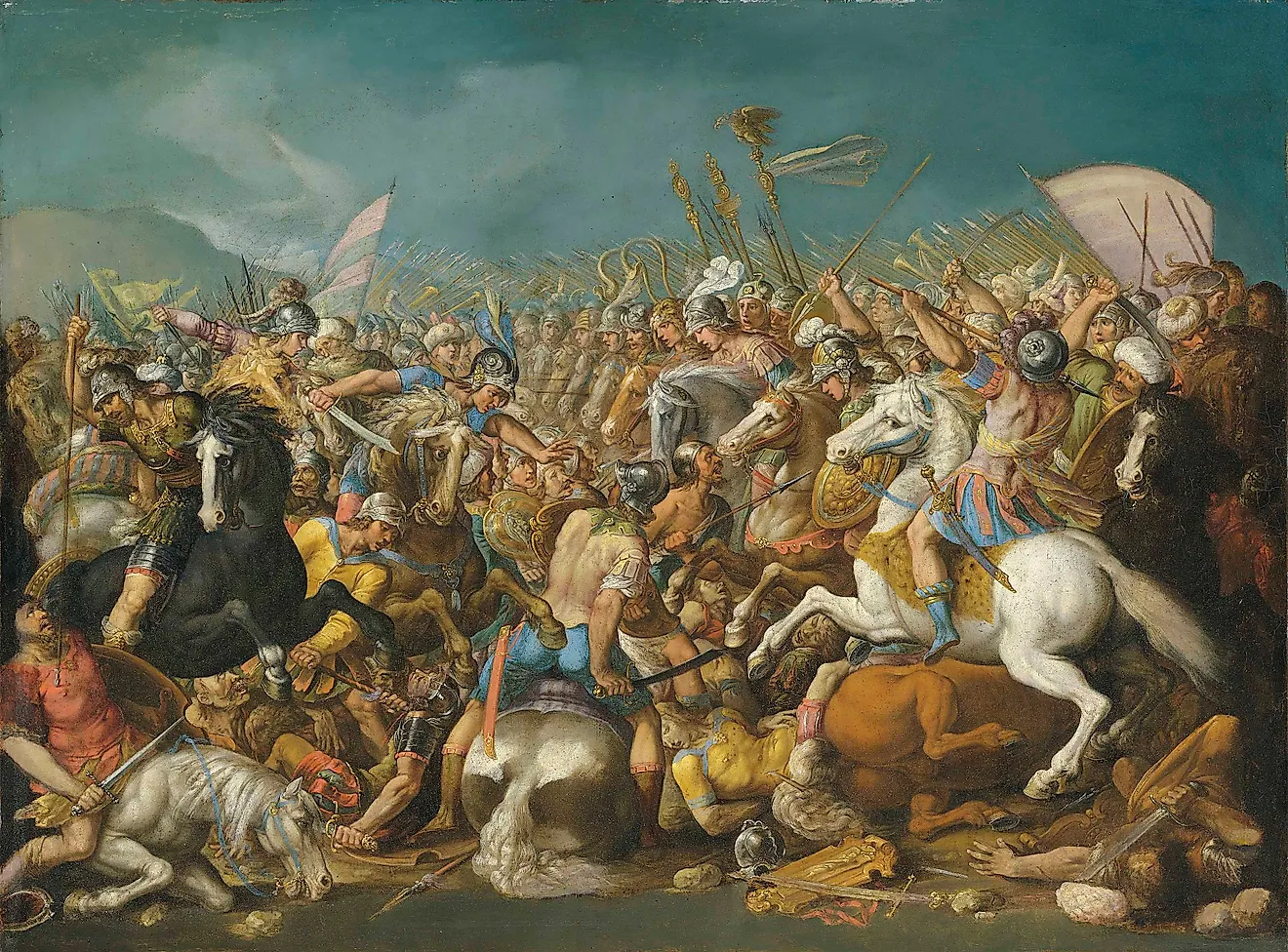
Atlantis eventually became corrupt and used its military power to conquer territory in Europe and North Africa. Plato's idealized ancient Athens defeated the invaders, but earthquakes and floods later swallowed the Athenian warriors and sent Atlantis beneath the sea. Critias ends abruptly just as Zeus prepares to address the gods about Atlantis's punishment.
Santorini and the Minoan Eruption

The most widely discussed inspiration for Atlantis is Santorini, known in antiquity as Thera. Around 1600 BCE, a massive volcanic eruption buried the prosperous settlement of Akrotiri beneath ash and triggered further collapse of Santorini's existing caldera, which seawater flooded after the main eruption. Tsunamis generated by the eruption also struck nearby islands and the coast of Crete, where the Minoan civilization had built wealthy cities connected by extensive maritime trade.
The comparison explains how memories of a sophisticated island society and a catastrophic natural disaster could have entered later Greek storytelling. However, some of the details from Plato's account don't match the real history of Santorini. The island was inside the Pillars of Heracles, not beyond them, and it was far smaller than Plato's Atlantis. There are also major differences in the timing, with the events being off by thousands of years. Although the disaster damaged Minoan communities, their civilization continued for generations afterward, leaving no evidence of the enormous empire Plato described.
Atlantis in Southern Spain

Another theory places Atlantis near the marshes of Doñana in southwestern Spain. The region lies near the Atlantic beyond the Strait of Gibraltar, matching Plato's broad geographical direction, and geological studies show that tsunamis have repeatedly struck the surrounding coast. Researchers have also found evidence of ancient settlements in the wider area.
Some versions of the theory connect Atlantis with Tartessos, a wealthy culture known for trade and metalworking. Even though Tartessos flourished mainly between the ninth and sixth centuries BCE, Plato may have drawn upon Greek reports of this western society and placed it in a much more distant past. Its wealth, Atlantic location, and eventual disappearance from historical records offer possible parallels, although it doesn't match Plato's timeline, and no sunken ringed capital has been found.
The Continent Beyond Atlantis

The most curious part of Plato's geography may not be Atlantis itself. He wrote that travelers could leave Atlantis, cross to other islands, and eventually reach an "opposite continent" surrounding the ocean. Centuries later, that passage seemed to describe a route across the Atlantic toward the Americas.
It's impossible to know what land Plato had in mind. Greek thinkers sometimes imagined the known world surrounded by ocean and distant land, so the passage doesn't require knowledge of America. Yet its resemblance to the actual geography helped move the search westward. Caribbean sites such as the Bimini Road later drew attention, although the supposed ruins there were found to be naturally fractured beachrock.
Atlantis as a Political Allegory

Plato's Atlantis works as an allegory because its rise and fall illustrate his ideas about political power. The island begins with abundant resources, capable rulers, and laws established by Poseidon. Over time, its leaders lose their restraint. Wealth becomes greed, strength becomes aggression, and the empire attempts to control societies beyond its borders. Its destruction completes the warning that a powerful state cannot survive once ambition replaces virtue.
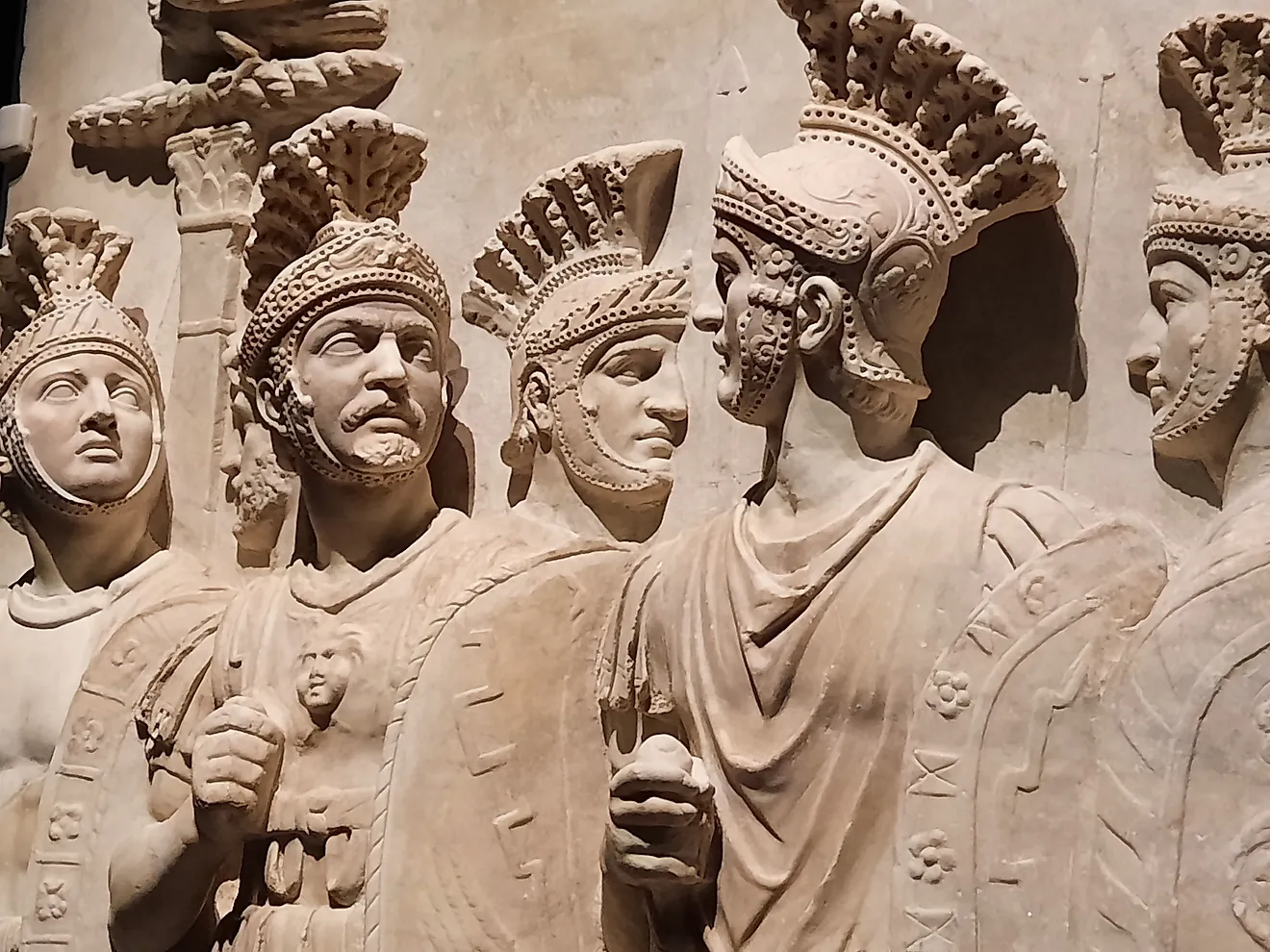
Ancient Athens serves as the opposing model. Its warrior class holds property in common, lives under strict discipline, and fights to protect other peoples rather than conquer them. Their victory demonstrates Plato's belief that an orderly and disciplined society could defeat a much richer empire.
The contrast may also reflect the Athens of Plato's own lifetime, which had built a naval empire before suffering defeat in the Peloponnesian War. Atlantis allowed him to criticize imperial excess while presenting an imagined earlier Athens as the city it should have been.
Another Myth Could Hint at Atlantis' Existence

Atlantis wouldn't be the first place once known through a legendary story to turn out to have a historical foundation. During the 19th century, excavations at Hisarlik revealed successive ancient cities at the location traditionally associated with Homer's Troy. The discovery didn't prove that the Trojan War unfolded exactly as described in the Iliad, but it showed that a story filled with gods and heroes could preserve the memory of a real place.
Troy keeps open the possibility that Plato also built upon a genuine city or disaster. The comparison can only go so far, since Atlantis hasn't been tied to a matching archaeological site. Still, its legendary features don't automatically make every part of the account fictional.
Between History and Allegory
No evidence confirms that Atlantis existed as Plato described it. The story's political purpose and its conflicts with known history make a literal reading unlikely. Yet a completely invented Atlantis isn't the only possibility. Plato may have combined reports of distant societies with memories of earthquakes, tsunamis, and ruined cities.
Geology also argues against a literal interpretation. The Atlantic basin formed and continues to change through plate movement and seafloor spreading over millions of years, not through the sudden disappearance of a continent-sized island during the Bronze Age. Smaller coastal settlements and volcanic islands can certainly sink or be flooded, but that is very different from the loss of the enormous landmass Plato described. Until a site produces a clear archaeological match, Atlantis may be best understood as an allegory that may contain fragments of the ancient world.