Why Did Russia Sell Alaska To The US?
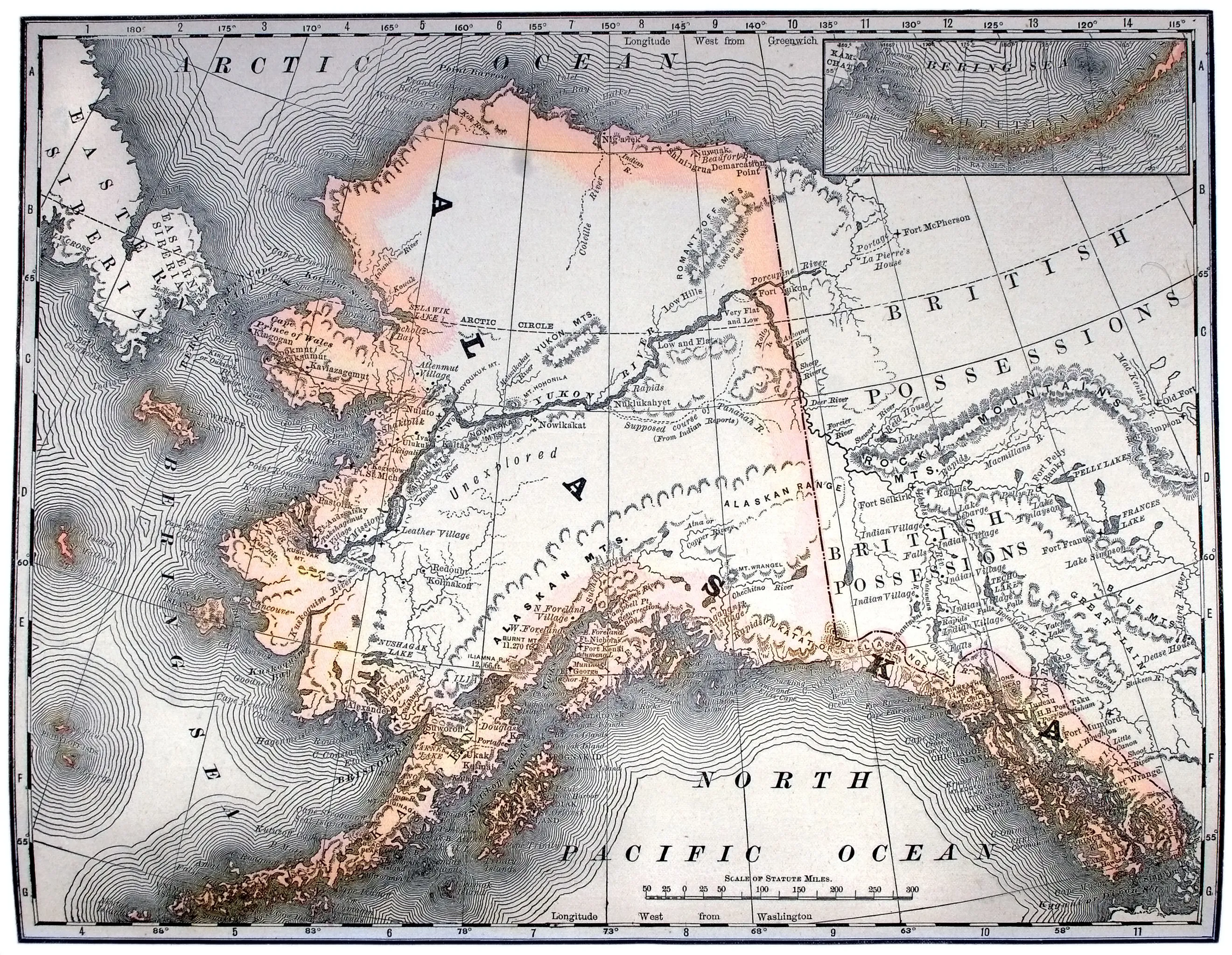
On the night of March 29, 1867, the Russian minister to Washington interrupted Secretary of State William Seward's card game with an offer: Russia wanted to sell Alaska, all 586,412 square miles of it. Seward did not wait for morning. He and Baron Eduard de Stoeckl worked through the night by candlelight and had a treaty drafted by 4 a.m. The price came to $7.2 million, about two cents an acre. The deal looked, to many Americans, like a fortune paid for a frozen void, and they were wrong. To understand why Russia was willing to hand over a subcontinent for pocket change, you have to look at what the colony had already cost it.
How Russia Came to Own Alaska

Russia's claim began with fur. After Vitus Bering's expedition reached the Alaskan coast in 1741, Russian promyshlenniki, private trappers and traders, pushed into the Aleutian Islands chasing sea otter pelts, whose dense fur commanded high prices in China. In 1799, Tsar Paul I chartered the Russian-American Company as a state-backed monopoly, handing it control of the fur trade and the authority to govern the colony. Alexander Baranov ran the company's operations from 1799 to 1818 and moved its capital to Novo-Arkhangelsk, the settlement known today as Sitka.
That trade was built on coercion. The company relied on the Unangax, or Aleut, and Alutiiq peoples, the most skilled sea otter hunters in the world, and forced their men into hunting parties, at times holding wives and children hostage to guarantee the work. The human cost was staggering. The Aleut population, estimated at 15,000 to 25,000 when the Russians arrived in the 1740s, fell to roughly 2,000 by the 1830s, gutted by overwork, hunger, and introduced disease. It is a history the triumphant story of the Purchase usually leaves out.
Why Russia Wanted to Sell
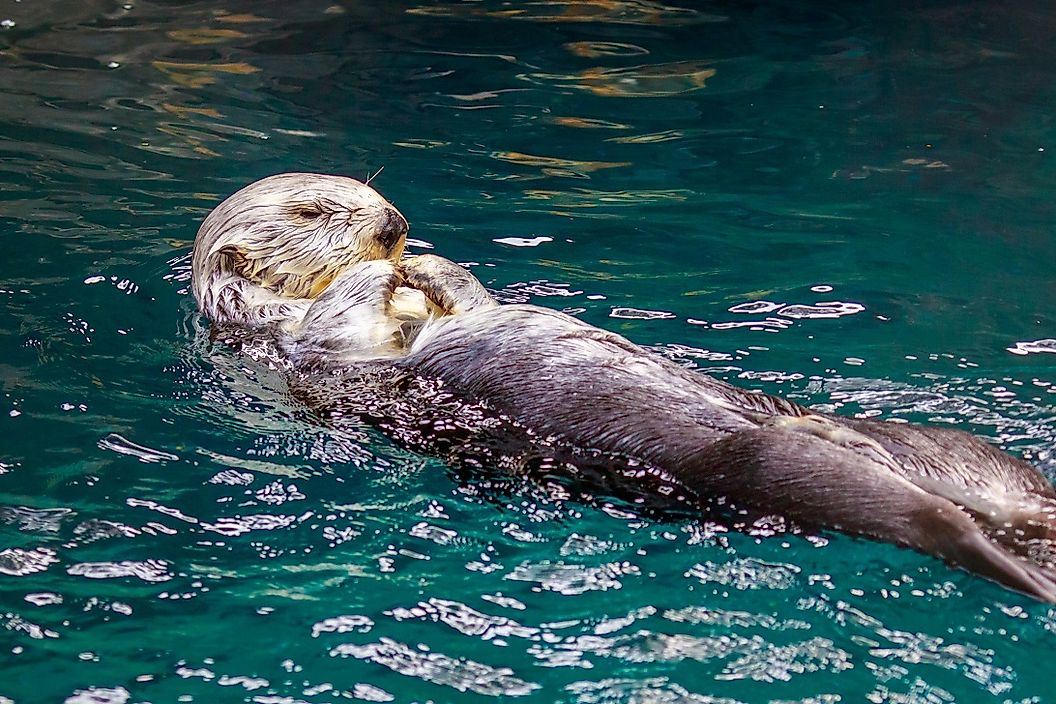
By the middle of the 19th century, Russia's Alaskan venture had stopped paying. Decades of relentless hunting had collapsed the sea otter population, and with it the only reliable source of income the colony had. The Russian-American Company slid toward insolvency and leaned on shipments from home to survive. A distant territory that no longer turned a profit was becoming a territory that cost money to keep.
Then came the war. The Crimean War of 1853 to 1856 pitted Russia against Britain, France, and the Ottoman Empire, drained its treasury, and exposed the colony's fatal weakness. Alaska bordered British territory in Canada, and the British navy controlled the seas between Russia and its colony. St. Petersburg understood that in any future war, it could neither defend nor resupply Alaska, and that Britain could simply take it. Better to sell the colony for cash than lose it for nothing.
There was one more fear, and it was about gold. Russia had found no gold in Alaska, but the California rush of 1849 had shown what a strike could do. Russian officials worried that if prospectors found gold in Alaska, a flood of American and British miners would pour in, and no Russian garrison could hold them back. The colony would be lost to a stampede rather than an army.
Sealing the Deal
Russia had actually floated the idea before, approaching the United States around 1859, but the Civil War shelved any talk of new territory. With the war over, Emperor Alexander II authorized de Stoeckl in December 1866 to reopen negotiations, and the minister found an eager partner in Seward, a committed expansionist who had long wanted Alaska. Their all-night session produced a signed treaty on March 30, 1867.
Getting the country to agree was harder than making the deal. The Senate ratified the treaty on May 15, 1867, but the House stalled the actual payment for more than a year, as critics ridiculed the whole affair as "Seward's Folly" and "Seward's Icebox," a fortune squandered on a useless icebox. The formal transfer took place at Sitka on October 18, 1867, when the Russian flag came down and the American flag went up. The Treasury check for $7.2 million was not even issued until August 1, 1868, made payable to de Stoeckl.
Was It Really a Folly?
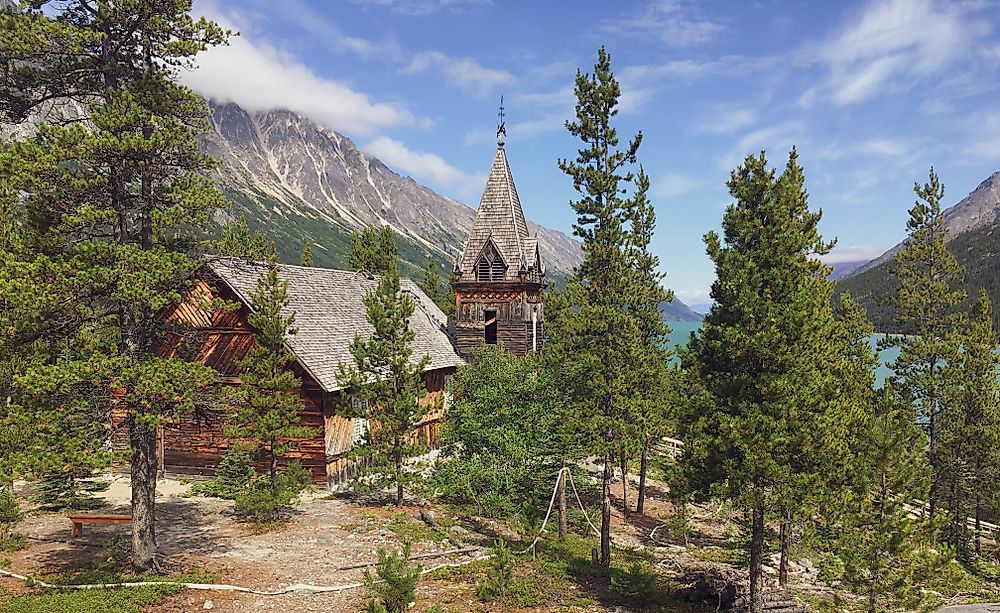
For three decades, the mockery looked earned, as Alaska sat remote and apparently empty, and the Americans who rushed north expecting easy riches mostly found that mining there took money most did not have. Sitka's population thinned as the disappointed left. The verdict flipped in 1896, when the Klondike gold strike sent tens of thousands north and turned Alaska into a gateway to the goldfields. The gold Russia had feared to find was real, and it surfaced just decades too late for St. Petersburg to profit from it.
What critics dismissed as frozen waste turned out to hold gold, oil, fisheries, and a strategic position facing the Pacific and the Arctic. Russia sold Alaska because a war-strained treasury, an exhausted fur trade, and an indefensible coastline made the colony a liability it could not afford to keep. The judgment that it had been robbed of a wasteland did not survive the century, and two cents an acre would come to look like the bargain of it.