The Rise And Fall Of The Ottoman Army
The Ottoman Empire was one of the most formidable powers of all time. Several factors contributed to its strength. The army was perhaps the most important, particularly in the early years. At its height, it defeated major European states, conquered Constantinople, and helped the Ottomans become a multicontinental threat. When it stagnated, Ottoman power waned, and the empire collapsed in the early 20th century.
The Early Years

The Ottoman Empire was founded in 1299. One of many states, or beyliks, in Anatolia at the time, it initially distinguished itself little from others. This soon changed. The main Ottoman rival to the west, the Byzantine Empire, was struggling due to years of internal strife, economic problems, and wars with other states. In the east, the other beyliks were divided. This dynamic meant that the Ottomans had a wide variety of people upon which to draw for their armed forces, including Turkish cavalrymen, Byzantine defectors, and Muslim warriors motivated to fight against the "infidel" Christians in Byzantium.
The Rise Of The Janissaries

While these paid mercenaries were generally good fighters, they often had their own motivations and ties to local politics, making them unreliable. This led to arguably the most important development in Ottoman military history: the Janissaries. They came from the devshirme system, which involved forcibly recruiting young Christian boys from the Balkans. Thereafter, they were trained in elite military schools and converted to Islam. Even though the Janissaries' purpose was to protect the sultan, they also fought in most major military campaigns. Furthermore, since they were recruited at a young age and reliant on the state for their pay, this ensured their loyalty. All these measures made them one of the first professional military forces in medieval Europe, and one of the most effective as well.
The Conquest Of Constantinople And The Peak Of Ottoman Power

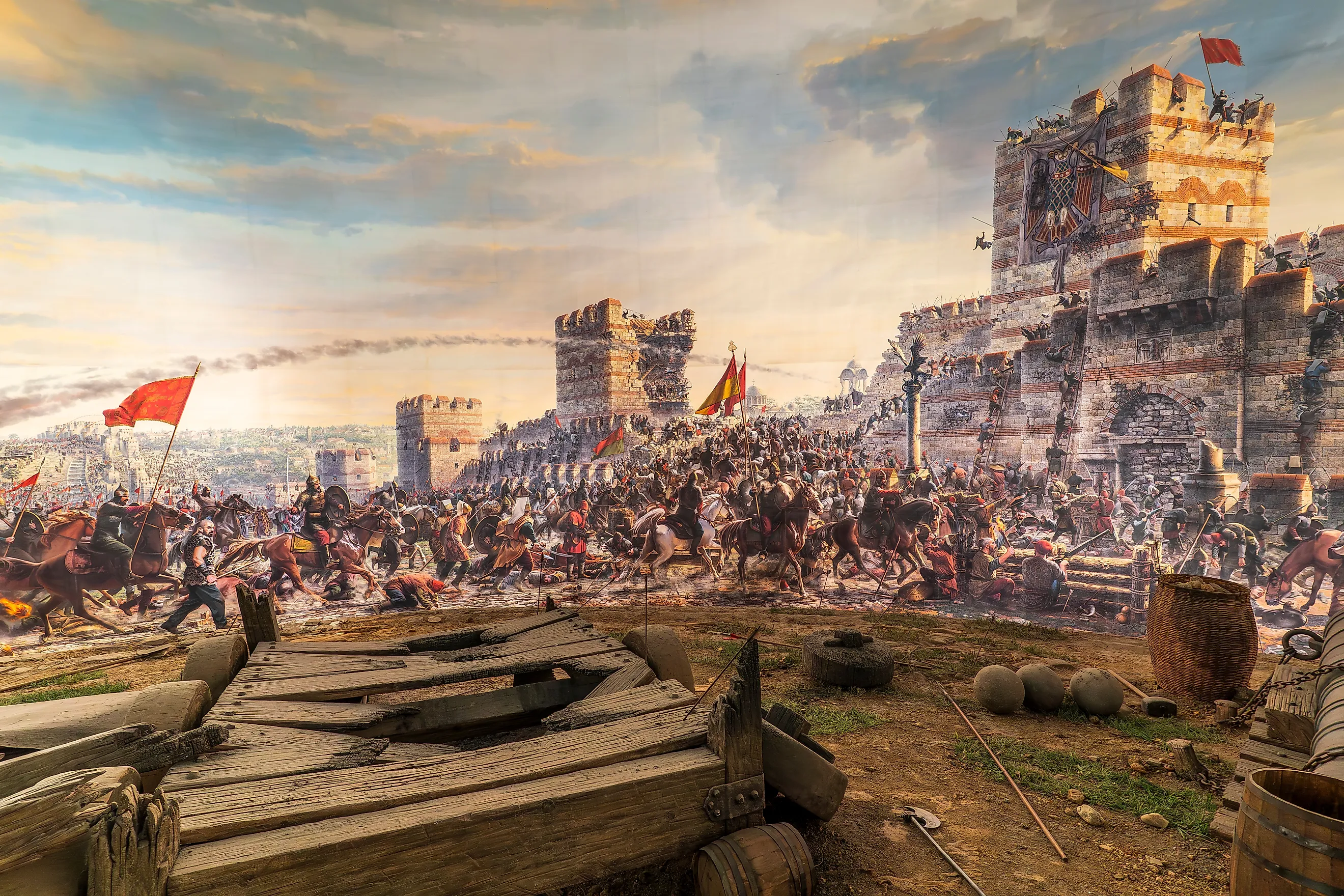
In 1453, the Ottomans made their most daring move yet by besieging Constantinople. The capital of the Byzantine Empire, it had been one of the world's most powerful cities for over a thousand years. The siege began in April. Utilizing a combined-arms approach that included specialized siege troops, artillery, and the navy, the Ottomans put immense pressure on the Byzantine defenders. In the most memorable maneuver of the campaign, they carried their ships over land to bypass a massive chain in the water. Doing so allowed them to place their ships behind the chain and fully surround the city. Ultimately, Constantinople fell on May 29th, 1453, along with what remained of the Byzantine Empire.
By capturing Constantinople, the Ottomans established themselves as a major world power. This event also ushered in the Ottoman golden age. Over the next 100 years, particularly during the reign of Sultan Suleiman the Magnificent (1520 to 1566), the empire reached the height of its military power, conquering territory in Hungary, the Balkans, the Middle East, North Africa, the Caucasus, and Arabia. Arguably, the most impressive victory occurred at the Battle of Mohács in 1526. Fought against Hungary, the engagement ended in a decisive Ottoman victory and made it clear that they were a European power to be reckoned with.
Cracks Begin To Form

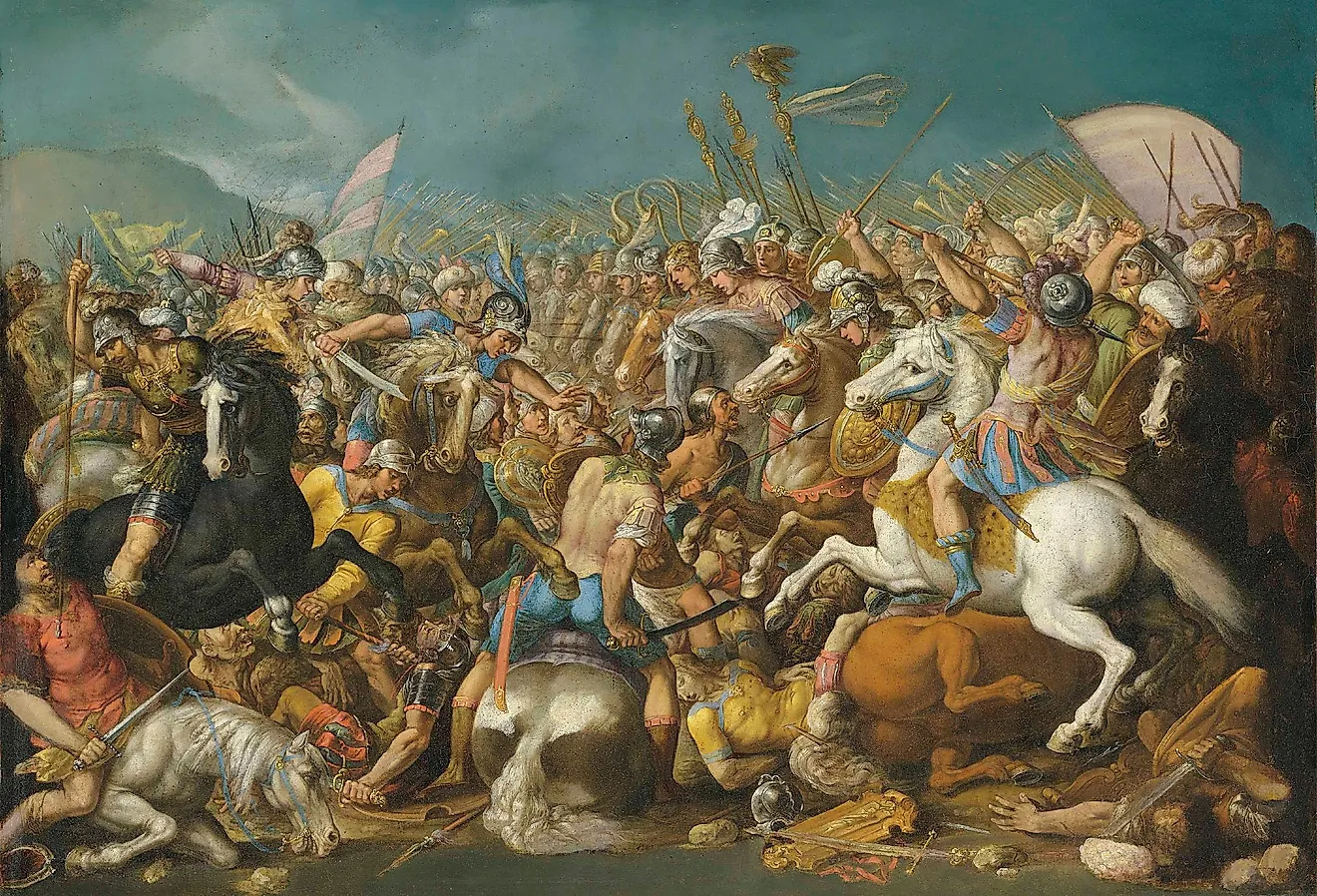
Warning signs for the Ottoman army began as early as the late 1500s. Consider the Battle of Lepanto in 1571. A massive naval engagement, it saw the Ottomans fight against a coalition of Christian states in a war sparked by the Ottoman seizure of Cyprus. The Ottomans lost but quickly recovered. Nonetheless, it was a massive morale boost to the rest of Europe, since it showed that the Ottomans were not invincible.
Another, far more devastating defeat occurred in 1683. In a last-ditch effort to establish themselves as a major power in Central Europe, the Ottomans besieged Vienna. It initially went well, only for a relief army to push the Ottomans back. The subsequent conflict, known as the Great Turkish War, lasted over 15 years and ended in the Ottoman Empire losing much of its European territory.
Reforms And Eventual Collapse

The Janissaries were at the root of many of these problems. Once on the cutting edge of military innovation and training, centuries of privileges and power accumulation had caused their efficacy to wane. Hereditary membership meant that some gained their positions through familial connections, rather than merit. They also revolted whenever a sultan tried to enact reforms that challenged their privileges. Sultan Mahmud II eventually destroyed the Janissaries in the infamous Auspicious Incident in 1826. Nevertheless, centuries of military stagnation meant that the Ottomans were still well behind most other European powers.
This led to the Tanzimat Reforms. Amid a sweeping modernization effort from 1839 to 1876, perhaps no institution was impacted more than the military. The Ottomans introduced conscription, military academies, professional officers, modern uniforms, railways, telegraphs, and a centralized administrative state. All these measures aimed to make the military more like those seen in other European countries.
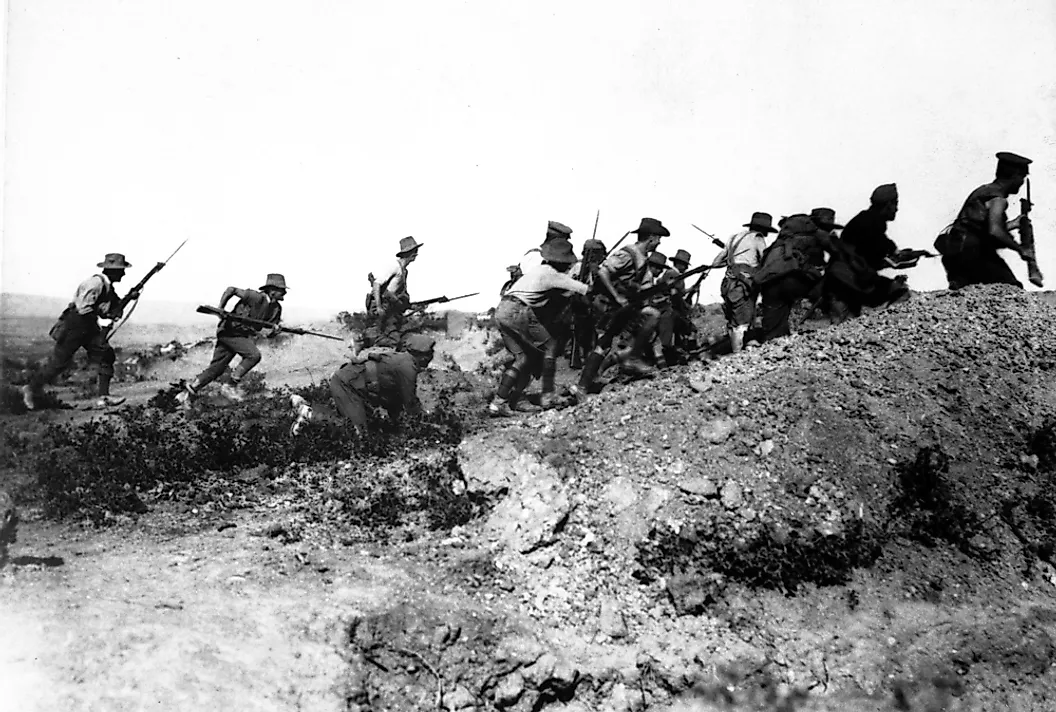
These reforms were surprisingly effective. While the Ottoman army still suffered some devastating defeats, it fought valiantly in all of them. The most famous example was World War I (1914 to 1918). For four years, the Ottomans fought on four fronts. They even achieved some notable victories, including at Gallipoli in 1915 and in Mesopotamia the following year. Ultimately, they were pushed back, and the empire surrendered in 1918. This precipitated the collapse of the Ottoman state in 1922. Regardless, up until the very end, the army remained a respectable fighting force.
Impact And Legacy
The history of the Ottoman army is one of rise, stagnation, and rebirth. In the early years, the Janissaries helped make it one of the best military forces in Europe. However, years of privileges caused them, and the broader military, to become less effective. They were eventually abolished, and dramatic reforms occurred to bring the army up to modern standards. These measures were partially successful, as evidenced by the Ottoman army's valiant fighting in World War I.




_Battaglia_di_Lepanto_-_Andrea_Vicentino_-_Correr_Museum.jpg)
