The Worst Decisions Ever Made By Ancient Generals
A single misjudgment on an ancient battlefield could undo decades of conquest and reshape the map of the known world. Command in the ancient world concentrated enormous power in one person, and that person's hesitation, arrogance, or misread of the ground often decided the fate of entire states. Nicias let a lunar eclipse freeze an army into destruction. Hannibal won the most lopsided victory of his war and then declined to press it. The generals below made the kind of errors that historians still argue over, each one costly enough to bend the course of a civilization.
Nicias And The Sicilian Expedition (415 to 413 BCE)

From 431 to 404 BCE, Athens and Sparta fought each other in the Peloponnesian War. The primary source of conflict was Spartan anxiety about Athenian naval power, which had allowed it to build a Greek-wide empire. Due to this sea superiority, Athens began the war with the advantage. A series of mistakes and smart Spartan strategic maneuvers gradually eroded this advantage, and by the midway point both sides were more or less evenly matched.

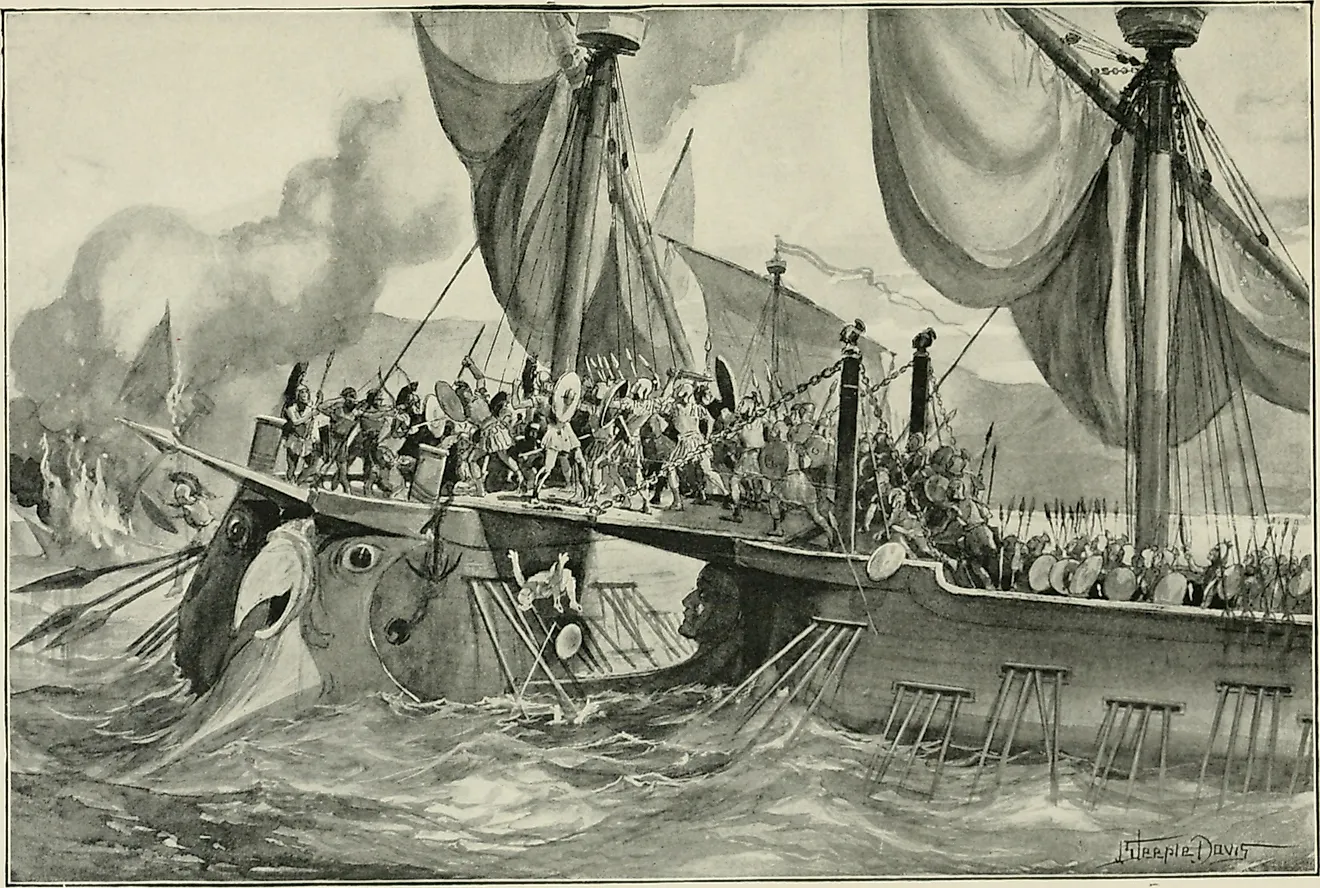
To break this stalemate, Athens set about taking the island of Sicily in 415 BCE, with the focus being on the Spartan-allied city of Syracuse. Despite initially opposing it, Nicias was put in charge of this expedition. His lack of certainty about the whole affair became evident as the campaign lasted two years, and he repeatedly hesitated and lacked the decisive decision-making skills necessary to achieve victory. Perhaps his biggest error was delaying the retreat of the Athenian army and navy due to religious concerns over a lunar eclipse. This delay led to the navy being trapped and sunk in Syracuse's Great Harbor, and the land army being captured. The Syracusans executed Nicias in the aftermath. This failure also permanently shifted the balance of power towards Sparta in the war.
Darius III's Errors At Gaugamela (331 BCE)

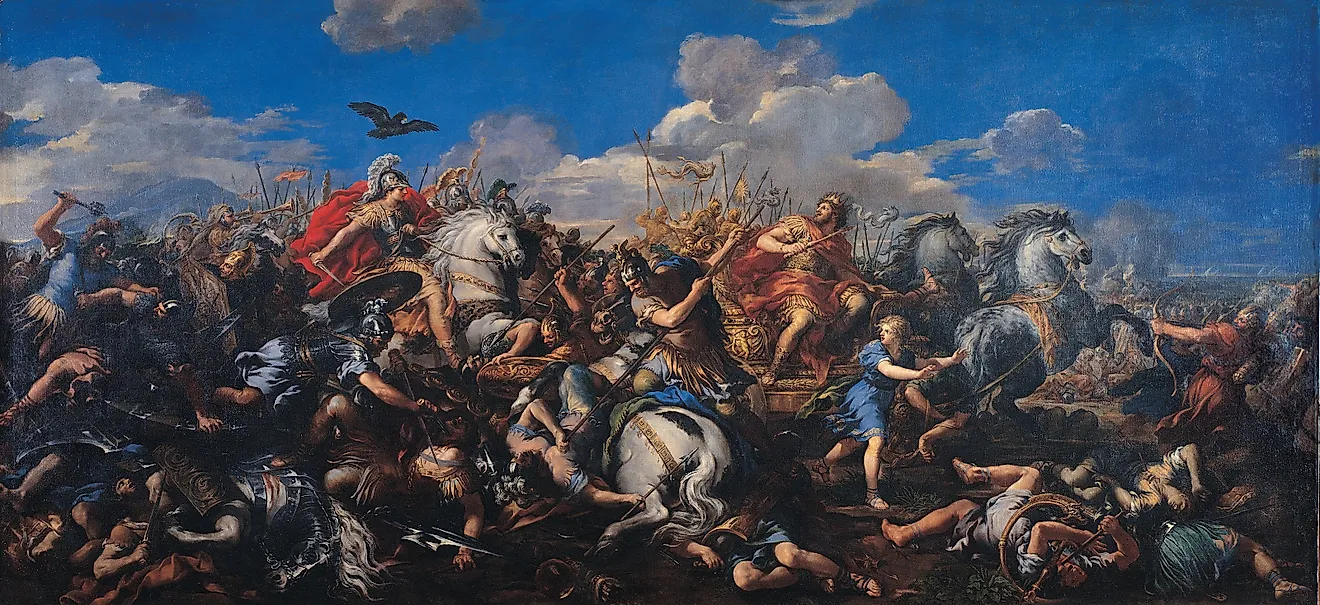
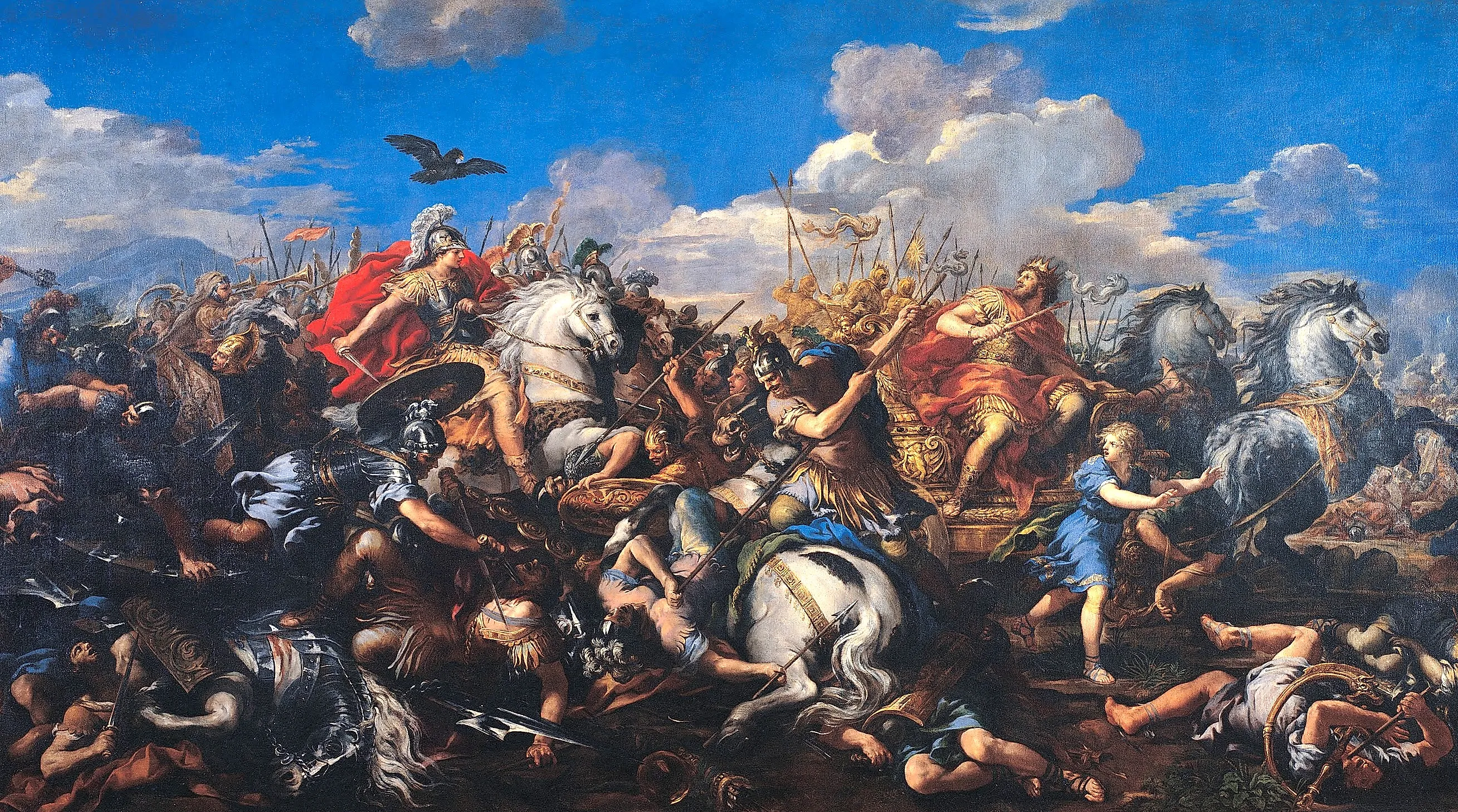
In 334 BCE, Alexander the Great invaded Persia. For the next three years, he won battle after battle. After eventually reaching Egypt and founding the city of Alexandria, he turned his attention to the Persian heartland for the climactic engagement of the campaign. It came in the form of the Battle of Gaugamela on October 1st, 331 BCE. The Persians were led by their king, Darius III. By all accounts, they had the advantage. They knew the terrain, and ancient accounts claim they heavily outnumbered Alexander's army, though modern estimates put the Persian advantage far lower. Nevertheless, Darius made a crucial error: he chose to fight on relatively flat and open terrain.

Believing this would give his chariots and cavalry room to maneuver, it actually gave Alexander more flexibility. When a gap appeared in the Persian lines, he and his Companion Cavalry charged directly at Darius, forcing the Persian king to flee. Leaderless, the Persian army quickly fell apart. Alexander was now free to march on the Persian capitals, which he did within a year.
Hannibal Doesn't Capitalize On The Victory At Cannae (216 BCE)

The Battle of Cannae is often portrayed as a massive Roman military error. Despite outnumbering the Carthaginians two to one, they got surrounded and lost somewhere between 50,000 and 70,000 men. The scale of this defeat was so great that it prompted a fundamental rethinking of Roman military strategy in the Second Punic War.

However, while Carthaginian general Hannibal Barca rightly gets credit for his victory at Cannae, it was arguably undone by his inability to capitalize on it. Two years earlier, he led his army over the Alps and invaded Italy from the north. Despite being a brilliant maneuver, it left the Carthaginians exhausted. With Rome now reeling from its defeat at Cannae, Hannibal possibly had the opportunity to march on the capital and defeat the Roman Republic before he ran out of men and resources. Yet, he chose not to do so. This proved a disastrous decision, since Rome was allowed to leverage its superior manpower and resources to rebuild its army. It eventually pushed out Hannibal and invaded North Africa, leading to Carthage being defeated in 202 BCE.
Crassus Invades Parthia (55 to 53 BCE)

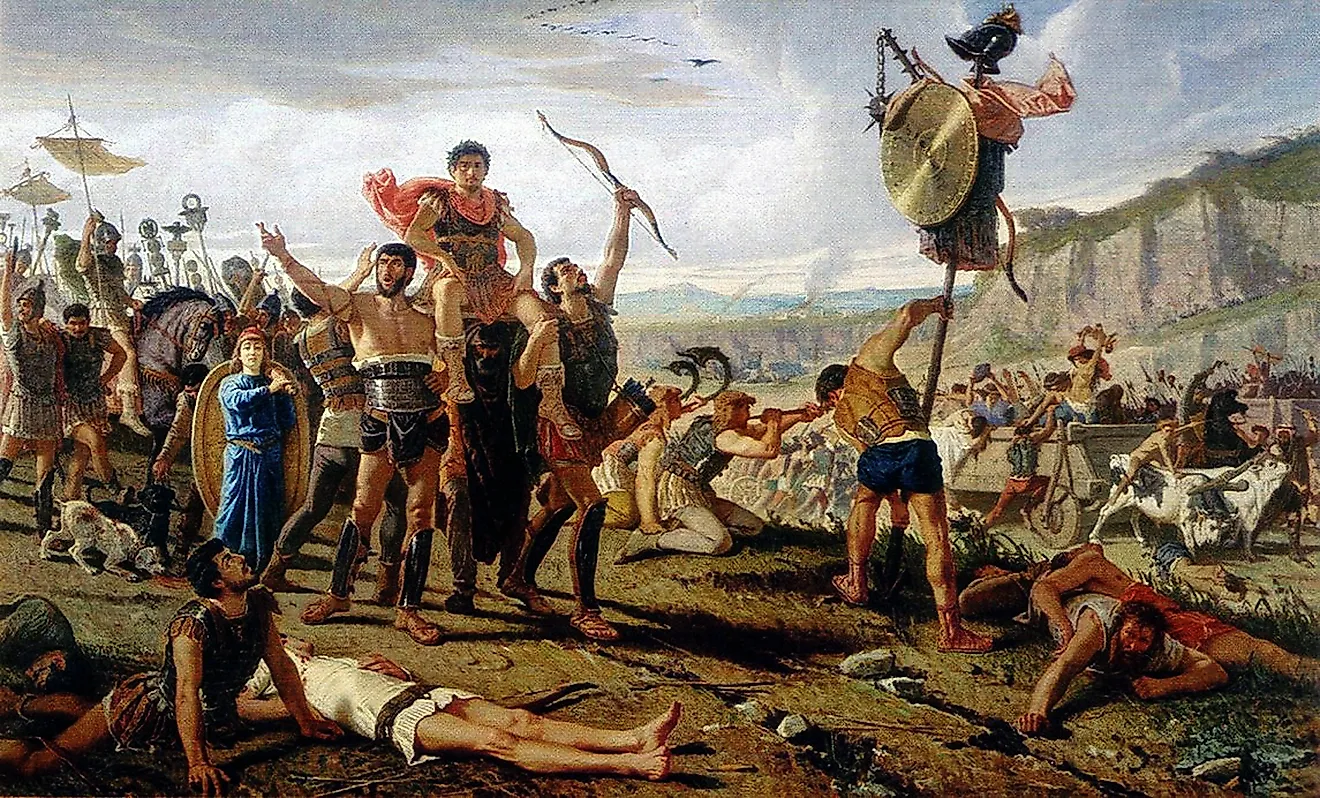
During the 50s BCE, the Roman Republic was run by the First Triumvirate, an alliance of the generals Julius Caesar, Pompey the Great, and Marcus Licinius Crassus. Their differing personalities and goals made it tenuous and contentious. Caesar and Pompey didn't like each other, and Crassus was jealous of Caesar's military success in Gaul. Seeking similar glory, he invaded Parthia in 55 BCE. After facing little resistance for the first year or so, Crassus encountered his first real challenge at the Battle of Carrhae in 53 BCE. He was not up to the task. Parthian horse archers and cavalry overwhelmed his army, resulting in about 20,000 Romans dying and another 10,000 being captured. Crassus was also killed in botched negotiations after the battle. This defeat had profound consequences back home, since Crassus' moderating presence in the First Triumvirate was now gone. With little holding them together, Caesar and Pompey began fighting a war in 49 BCE. This conflict set off a chain reaction that ended with the rise of the Roman Empire in 27 BCE.
Varus Marches Into The Teutoburg Forest (9 AD)

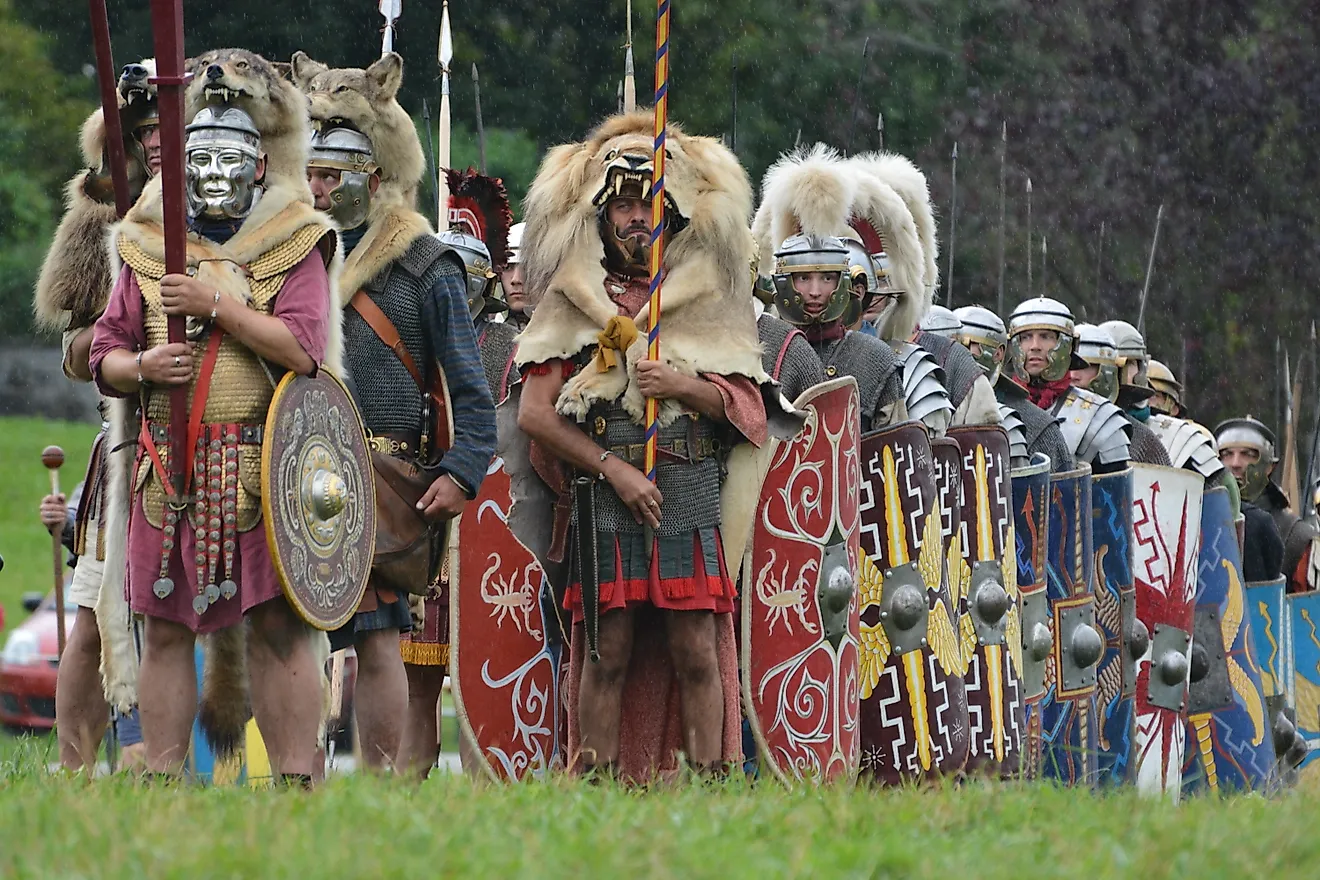
Ever since Julius Caesar made incursions into Germania, the Romans wanted to permanently settle the region. They finally began making progress in 12 BCE, when they built fortifications and infrastructure along the Rhine River. Over the next two decades, they made diplomatic inroads with the local tribes that allowed them to push even deeper into Germania. All seemed to be going well until 9 AD. Under the command of General Publius Quinctilius Varus, three legions marched into the Teutoburg Forest. There, Arminius, a Germanic chieftain and supposed Roman ally, had prepared an ambush. Over the next several days, all three legions were annihilated, and between 15,000 and 20,000 Romans were killed. Varus himself committed suicide in disgrace. The defeat was so traumatic that it permanently halted Roman plans to expand north of the Rhine.
Impact And Legacy
The worst decisions ever made by ancient generals altered the course of history. Nicias' Sicilian Expedition essentially won the Peloponnesian War for Sparta. Darius' errors at the Battle of Gaugamela led to the collapse of the Persian Empire. Hannibal's inability to capitalize on his victory at Cannae spelled disaster for long-term Carthaginian prospects in the Second Punic War. Crassus' defeat and death at Carrhae precipitated decades of civil war within the Roman Republic. Finally, Varus' march into the Teutoburg Forest effectively established the Roman Empire's northernmost border.