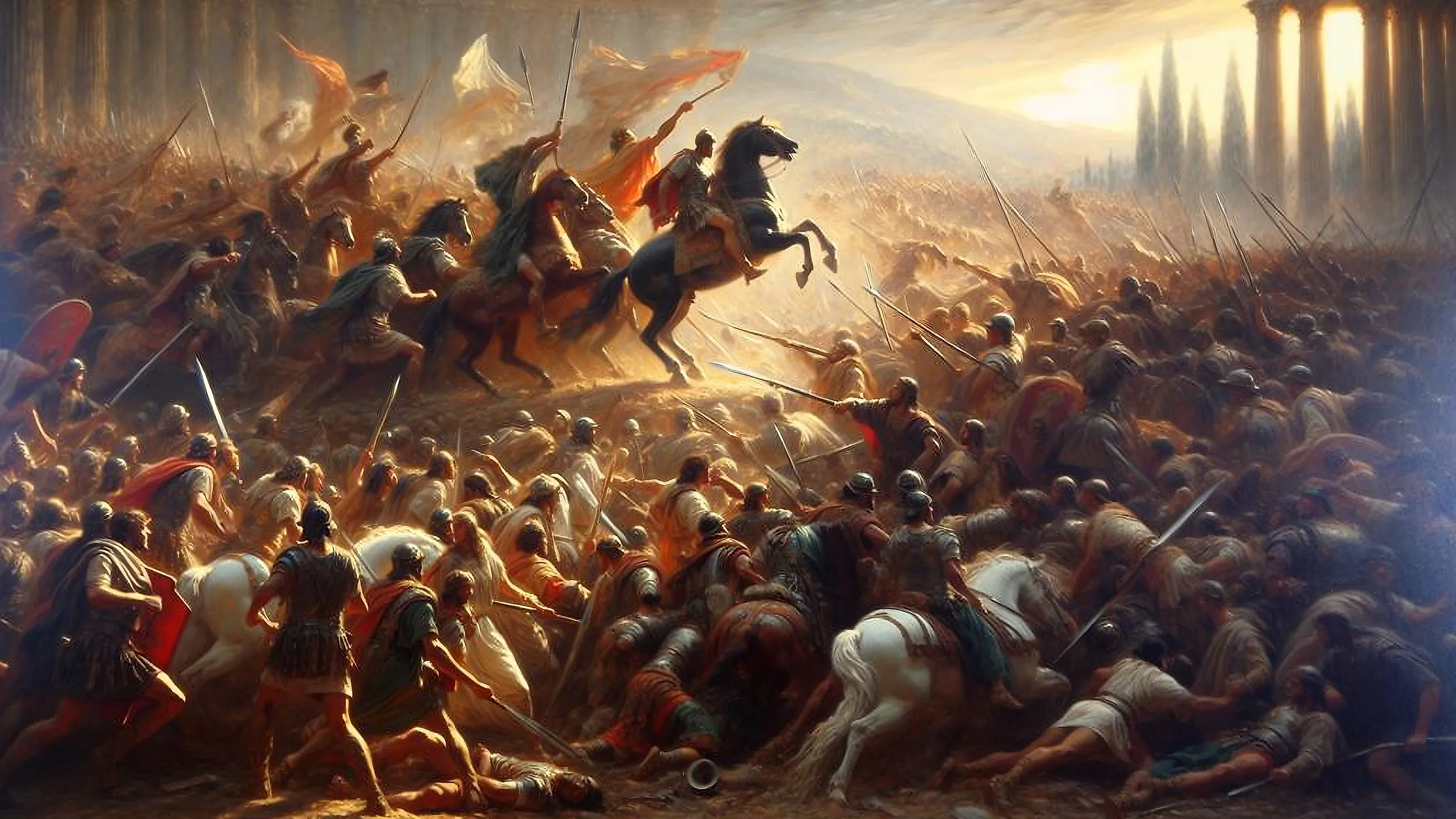
How Did Roman Military Strategy Change Over Time?
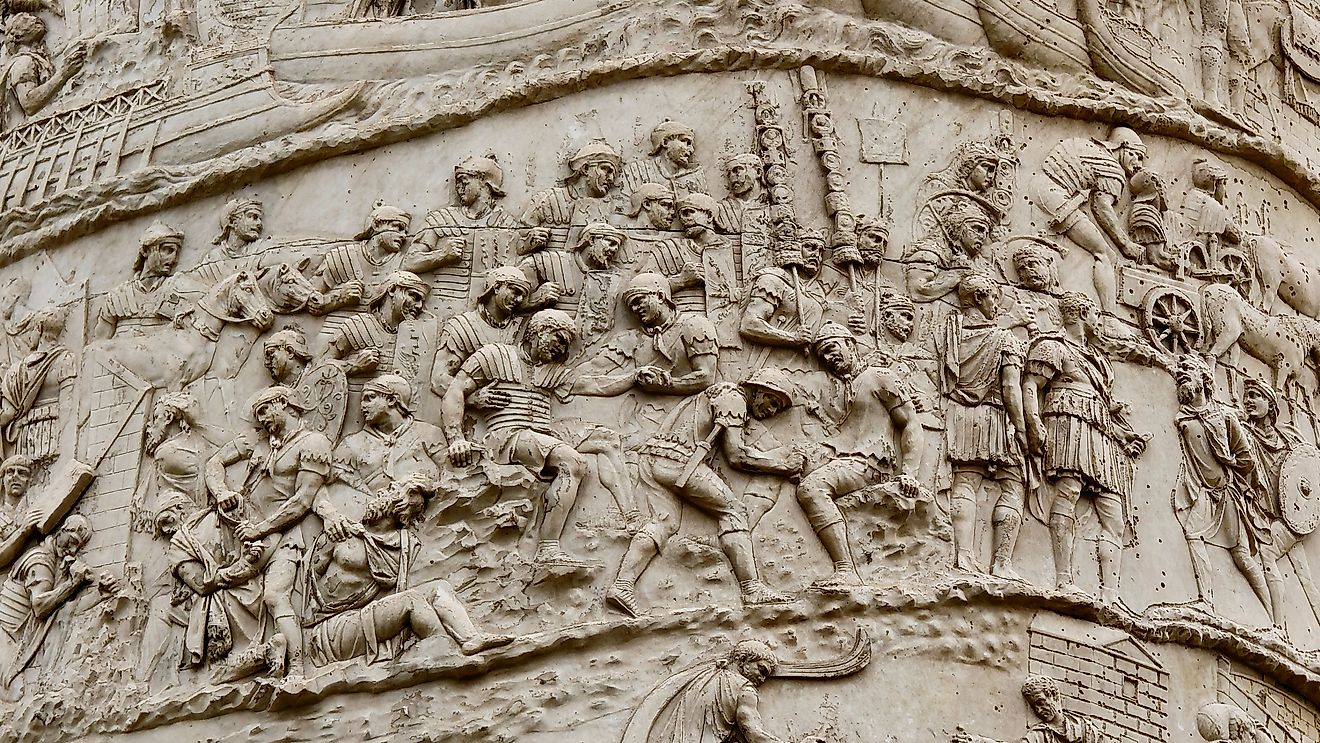
Military strategy was key to the strength and longevity of the Roman Empire. A large component of this was adaptability. Roman military leaders constantly adjusted their tactics to reflect current needs. Early Rome relied heavily on civilian-based land armies. The Punic Wars (264 to 146 BCE) then saw the Romans build a navy and adopt guerrilla warfare tactics. As it transitioned from a republic to an empire, Rome shifted to a professional standing army and focused more on defense. When resources became stretched in the late-empire period, the empire then increasingly relied on barbarian troops.
Early Rome

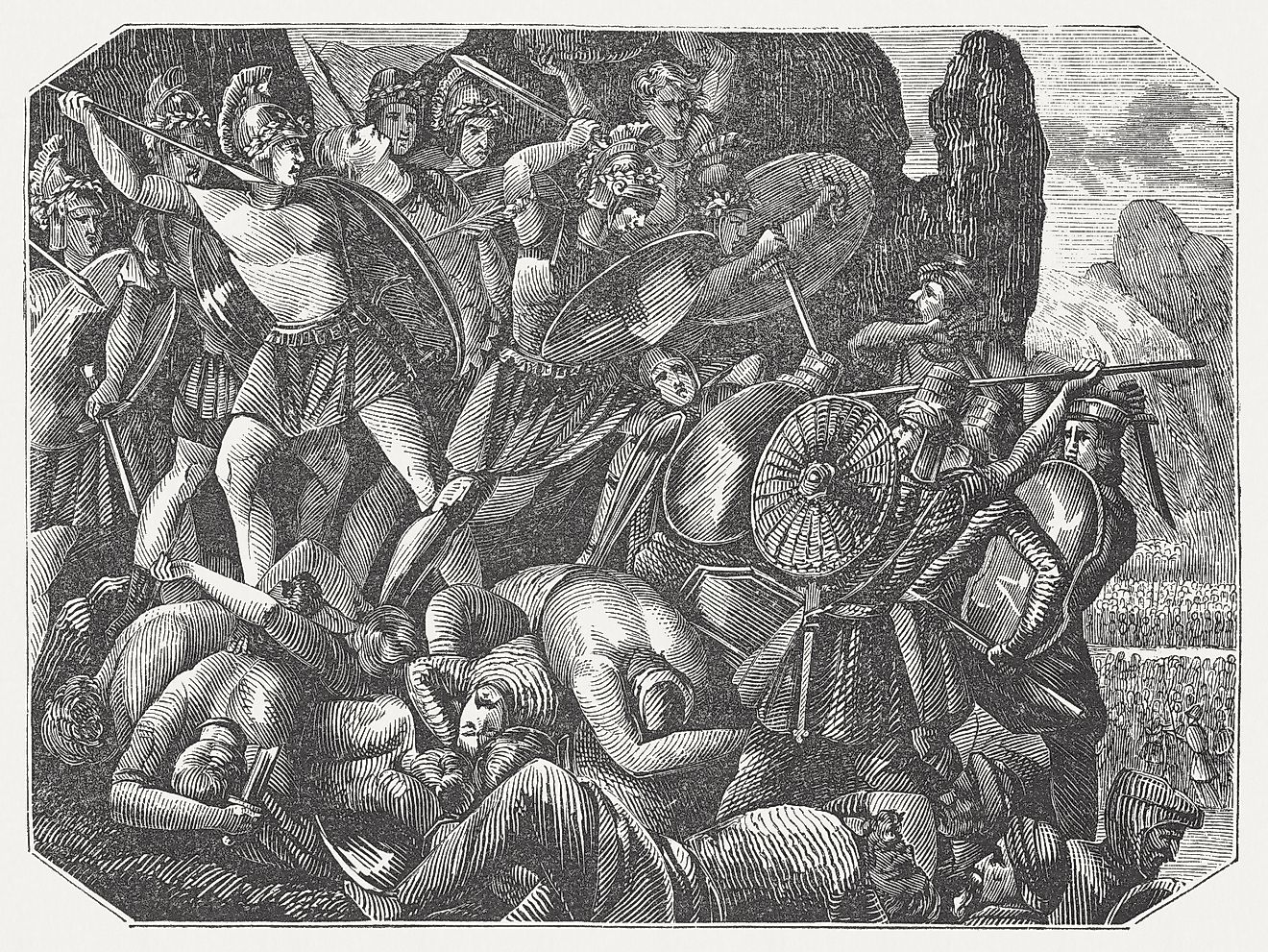
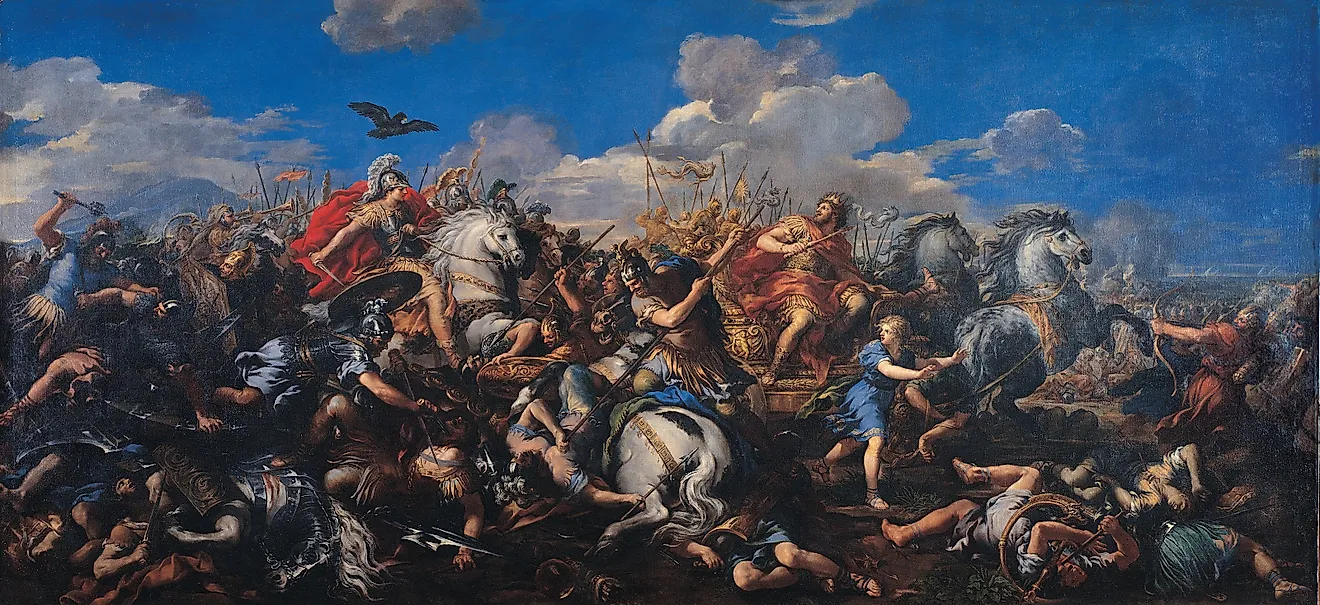
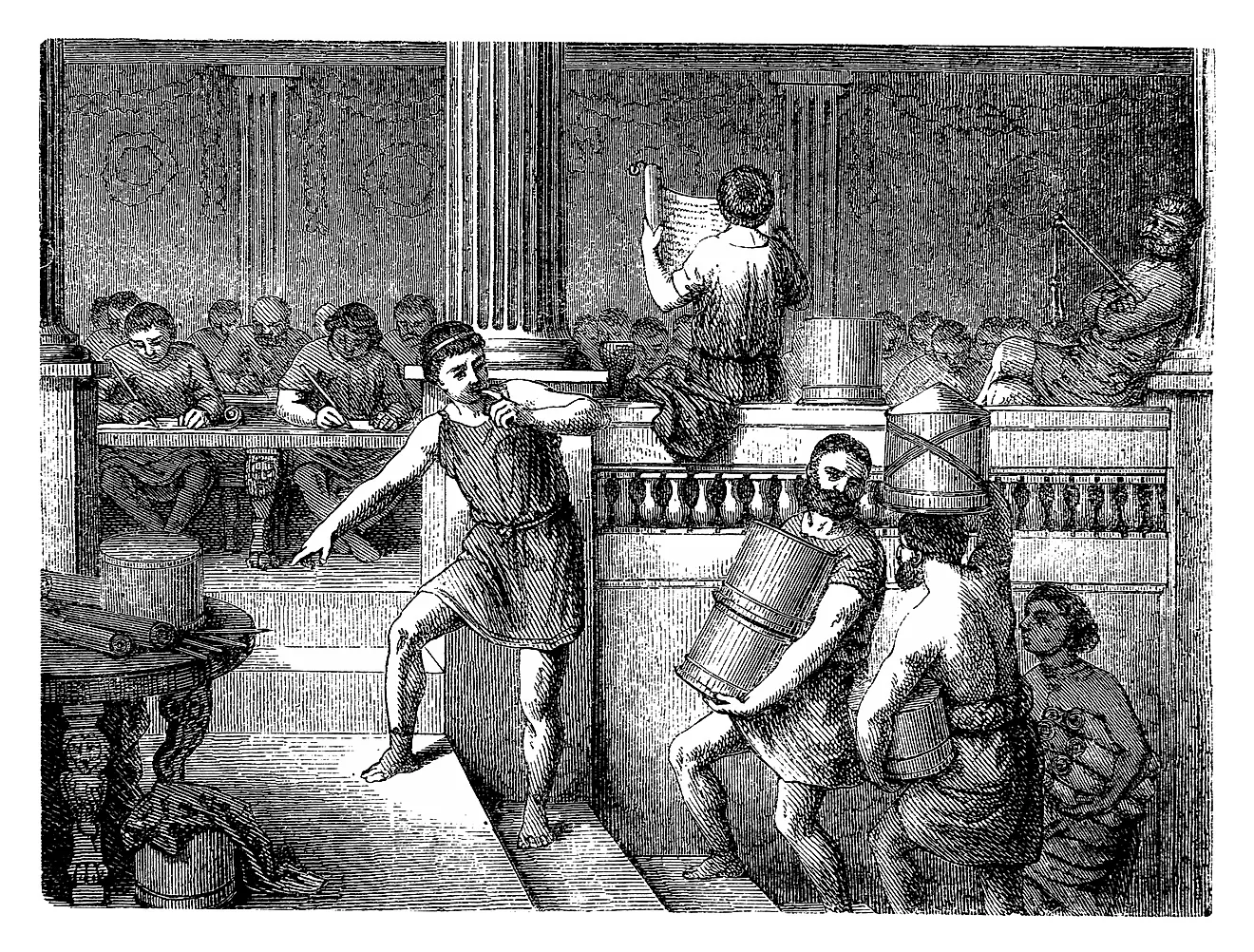
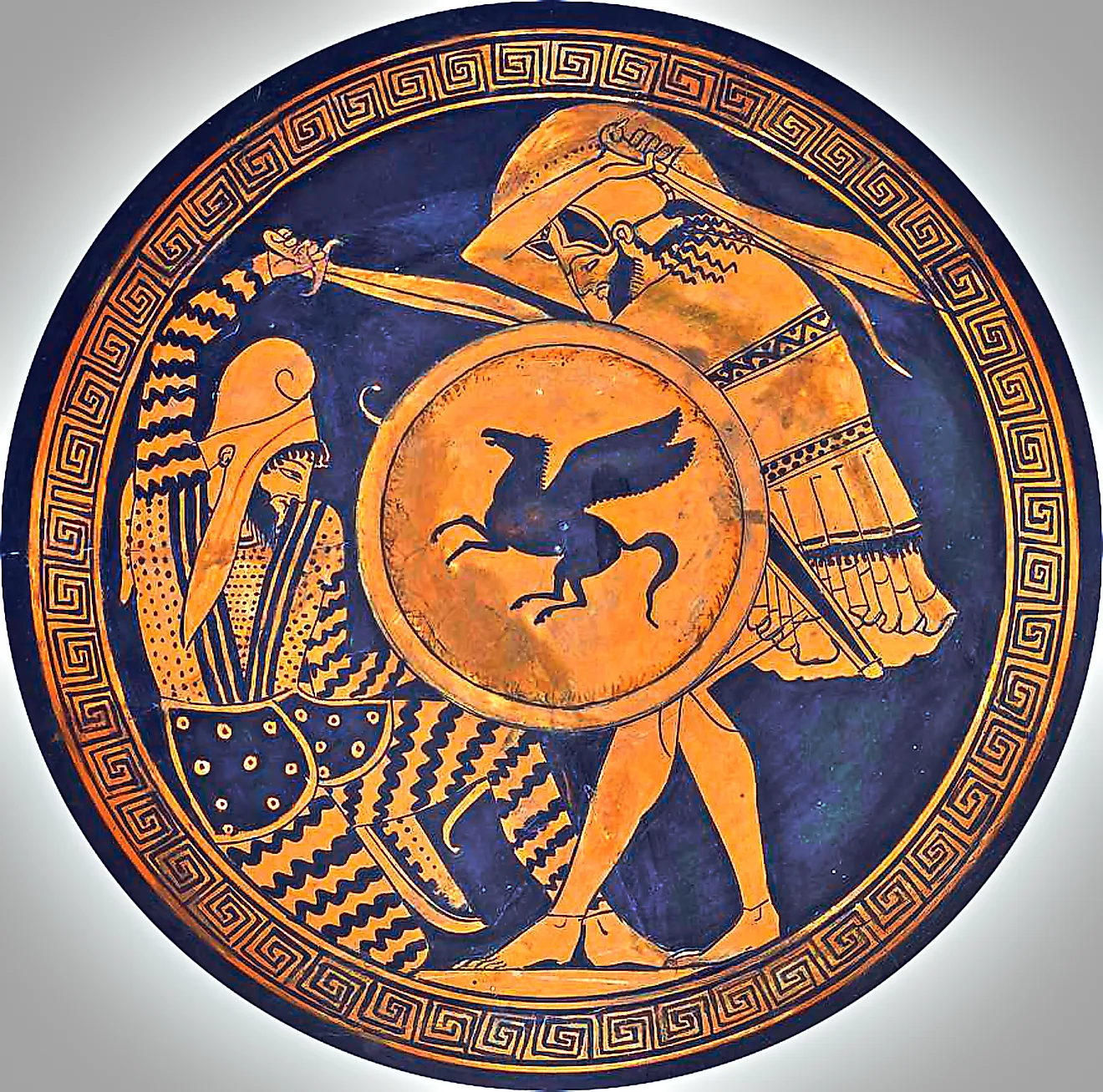
Beginning around 500 BCE, the Roman Republic fought a series of wars that ended in its conquest of Italy. The core of this success came from Rome adopting a military formation called the manipular legion, which itself was divided into smaller units called maniples. More flexible and maneuverable than the previously utilized phalanx system, the manipular legion excelled in fighting in Central Italy’s mountainous terrain during the Samnite Wars (343 to 290 BCE). When combined with strategic habits like regularly building fortified camps, constructing roads, and rotating reserves in and out of battle, Rome became the undisputed power on the Italian peninsula around 270 BCE.
The Punic Wars

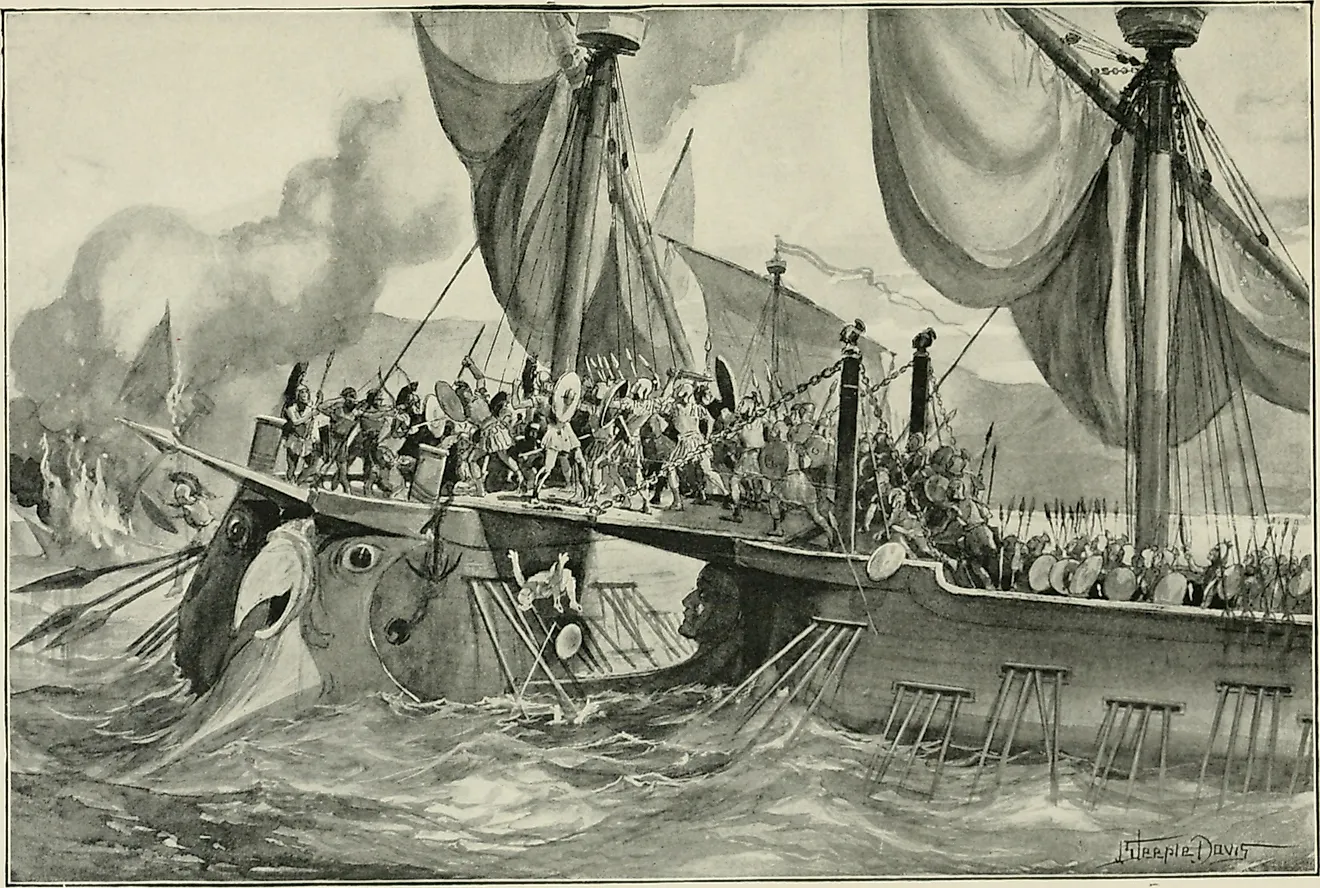
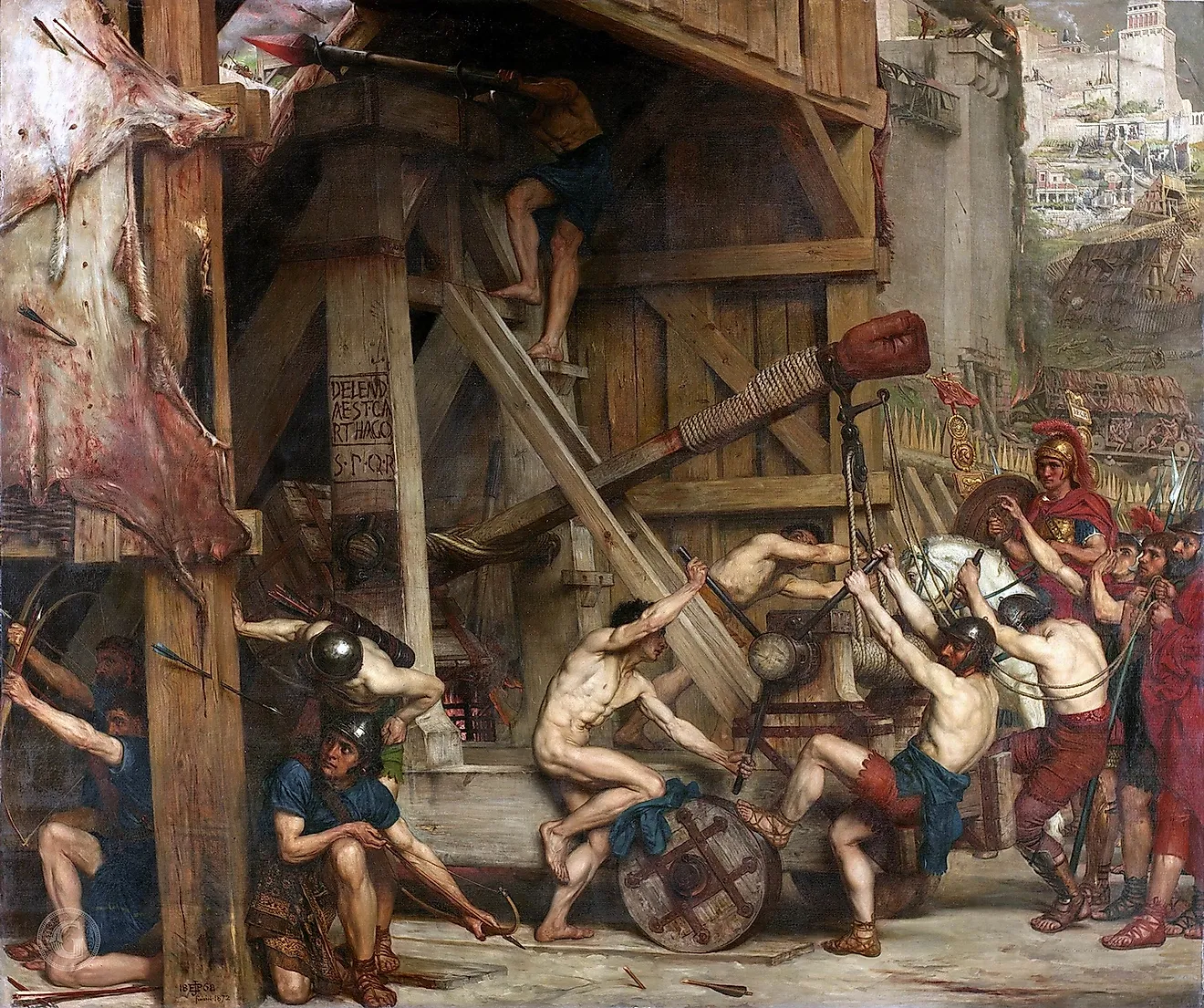
With its immediate vicinity secured, Rome went about establishing itself in the broader Mediterranean. This brought it into competition with the Carthaginian Empire (based in modern-day Tunisia) in a series of conflicts known as the Punic Wars (264 to 146 BCE). Whereas in centuries past, Rome had fought almost exclusively land wars, Carthage was a naval superpower. This forced a change of tactics. In the First Punic War (264 to 241 BCE), fought primarily for control of Sicily, Rome rapidly built a fleet. It also introduced the corvus boarding bridge, a ship-mounted boarding ramp that allowed for land-style combat aboard ships. By both adopting new tactics and finding inventive ways to leverage its pre-existing strengths, Rome won the war and captured Sicily.
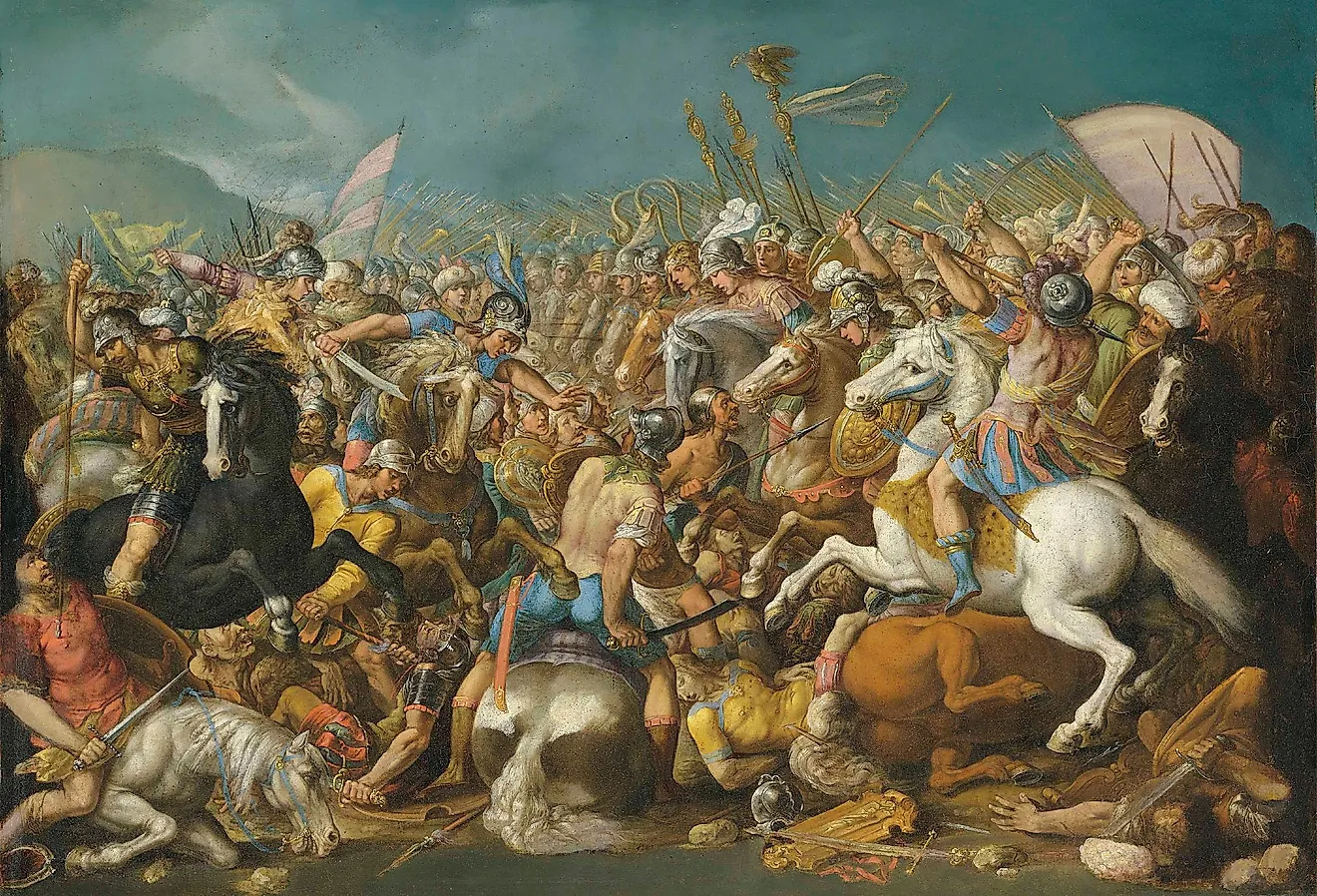
The Second Punic War (218 to 201 BCE) necessitated yet another change of military strategy. Popularly remembered for Carthaginian general Hannibal’s march across the Alps with war elephants, this tactic caught the Romans completely off guard and nearly led them to lose control of Italy. However, Rome prevailed under the leadership of Quintus Fabius Maximus Verrucosus. He pioneered the appropriately named Fabian strategy, which emphasized avoiding direct battle to prevent a decisive defeat. It also called for guerrilla warfare tactics, like harassing Carthaginian camps. While many perceived the Fabian strategy as cowardly, Rome likely would not have survived without it. Eventually, Hannibal ran out of men, money, and resources, leading to his defeat in 201 BCE.
The Late Republic
![Commentarii de Bello Gallico (Classical Latin: [km.mnta.i.i de bl.lo al.l.ko]; English: Commentaries on the Gallic War), also Bellum Gallicum (English: Gallic War), is Julius Caesar's first-hand account of the Gallic Wars.](https://www.worldatlas.com/r/w960-q80/upload/93/8d/90/caesar-bsb-beck-s3cdn.jpg)
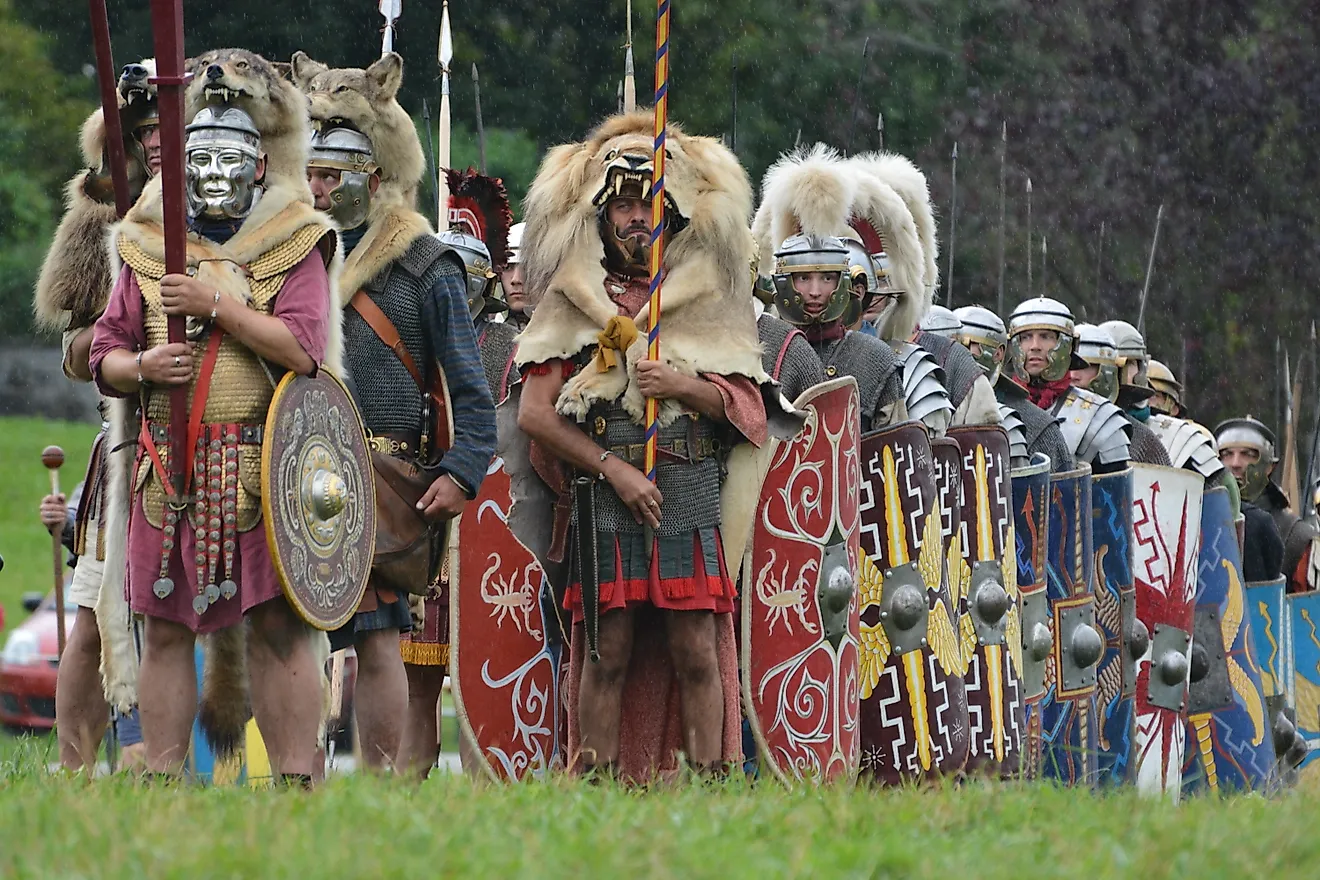
Reforms during the late Republican period brought the Roman military to the arguable peak of its power. Under General Gaius Marius (157 to 86 BCE), the army began recruiting poor and landless citizens with the promise that they would receive land after their service. Marius also standardized equipment and training, organized legions into cohorts, and worked to create a shared identity amongst his troops. These measures helped Rome conquer vast territories over the coming decades, including Gaul, the Middle East, and North Africa. However, it came at an enormous cost. Generals like Julius Caesar (who led the invasion of Gaul) gained enormous political power and popularity due to their military accomplishments. When combined with personal ambition, this led to a series of civil wars beginning in 49 BCE and lasting until 27 BCE, which ended the Roman Republic.
An Empire Is Born

In 27 BCE, the Senate granted Octavian the title of Augustus, marking the beginning of the Roman Empire. While he preserved the outward forms of republican governance, all real power rested with him. All major decisions were instead made by the emperor.
This transition corresponded with a major shift in military strategy. Contrasting the aggressive foreign policy of the late Republican period, the sheer size of the Roman Empire necessitated a more defensive approach. The government, therefore, built border defenses, including forts, watchtowers, and walls. It also invested heavily in transportation infrastructure to facilitate the rapid movement of troops in the event of an invasion. Perhaps the most famous Roman defense was Hadrian's Wall in Britain.
Late Rome

By the third, fourth, and fifth centuries CE, Rome was in trouble. Facing economic crises, constant barbarian invasions, and collapsing morale, it had to change military tactics just to survive. Negotiation and delaying invasions became cornerstones of Roman foreign policy. Lowered morale amongst the populace also forced Rome to increasingly rely on barbarian mercenary groups. While it sometimes worked in the short term, over the long term, this strategy left the empire “hollowed out”. The emperor lost authority, and barbarian generals began ruling over Roman provinces. This ultimately ended in the fall of the Western Roman Empire in 476 CE when Germanic chieftain Odoacer deposed Emperor Romulus Augustulus.
Impact and Legacy
Roman military strategy changed significantly over time. Originally a land power, Rome built a navy to counter Carthage's seapower. Its army then became far more professional and standardized, enabling it to take vast swaths of territory across Europe, North Africa, and the Middle East. Once Rome transitioned from a republic to an empire, its military objectives became largely defensive. While this helped it prosper for centuries, several systemic problems still led to Rome’s downfall in 476 CE.