The Ancient Generals Who Never Lost A Battle
Across three millennia of recorded warfare, only a handful of ancient generals managed to lead armies to never lose a battle. These generals sought out the hardest fights and won them. To claim that a general was "never defeated" requires more than a win-loss tally. Ancient battle records are fragmentary, often written by the victors, and sometimes embellished for political purposes. This makes the handful of commanders whose undefeated records survive genuine scrutiny, corroborated by multiple sources, enemy accounts, and modern archaeological evidence, all the more remarkable.
What follows is a survey of four such figures: Thutmose III of Egypt, Alexander III of Macedon, Scipio Africanus of Rome, and Marcus Vipsanius Agrippa. Each operated in a distinct era and theatre, yet all maintained battlefield records that hold up under serious historical scrutiny. The periods covered here span roughly 1,500 years, from the Bronze Age Egyptian Empire to the late Roman Republic. The contexts are radically different, yet the same qualities recur: a willingness to take calculated risks, the ability to read terrain faster than the enemy, and the capacity to hold the confidence of troops in situations where lesser commanders would have hesitated.
Thutmose III

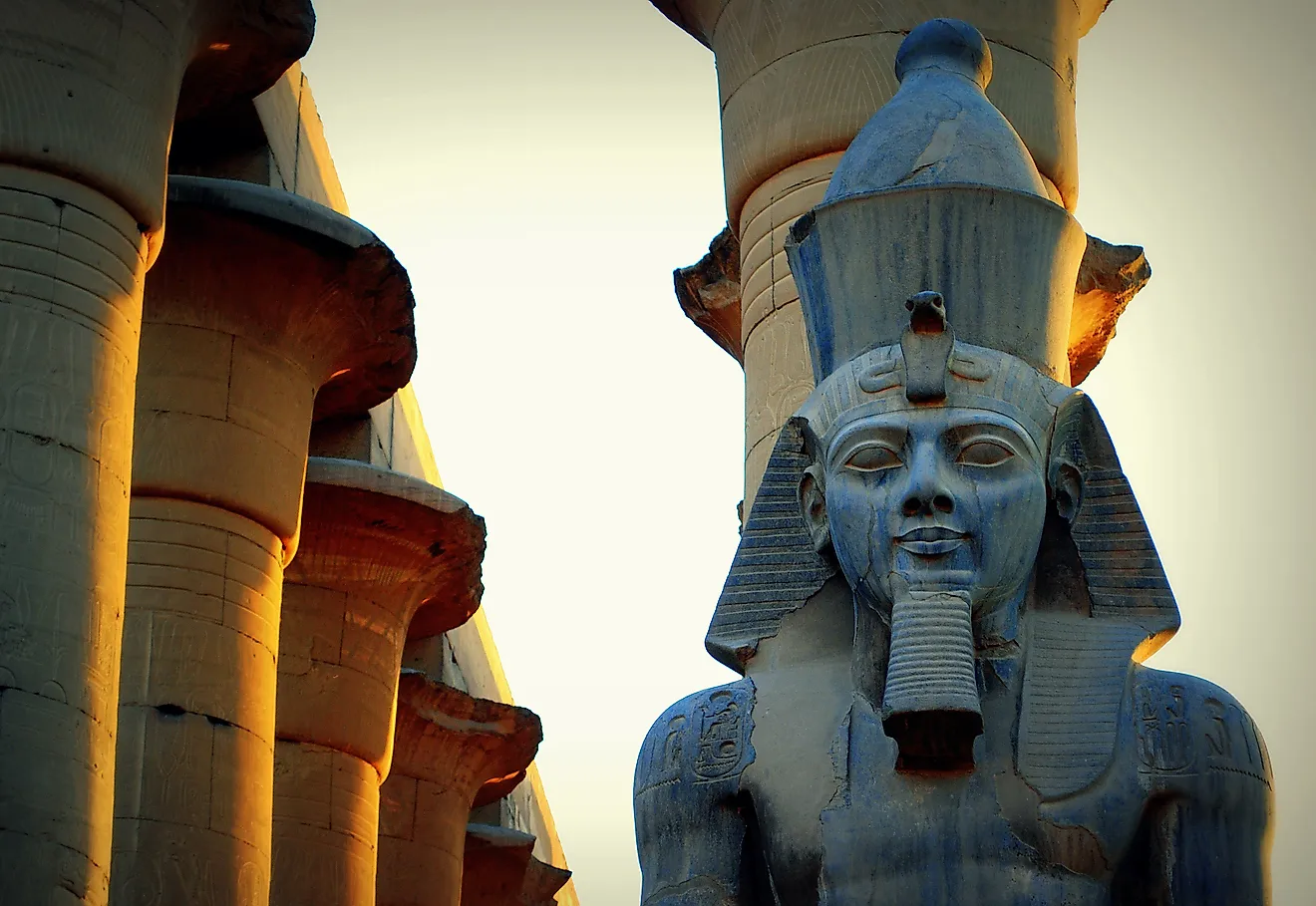
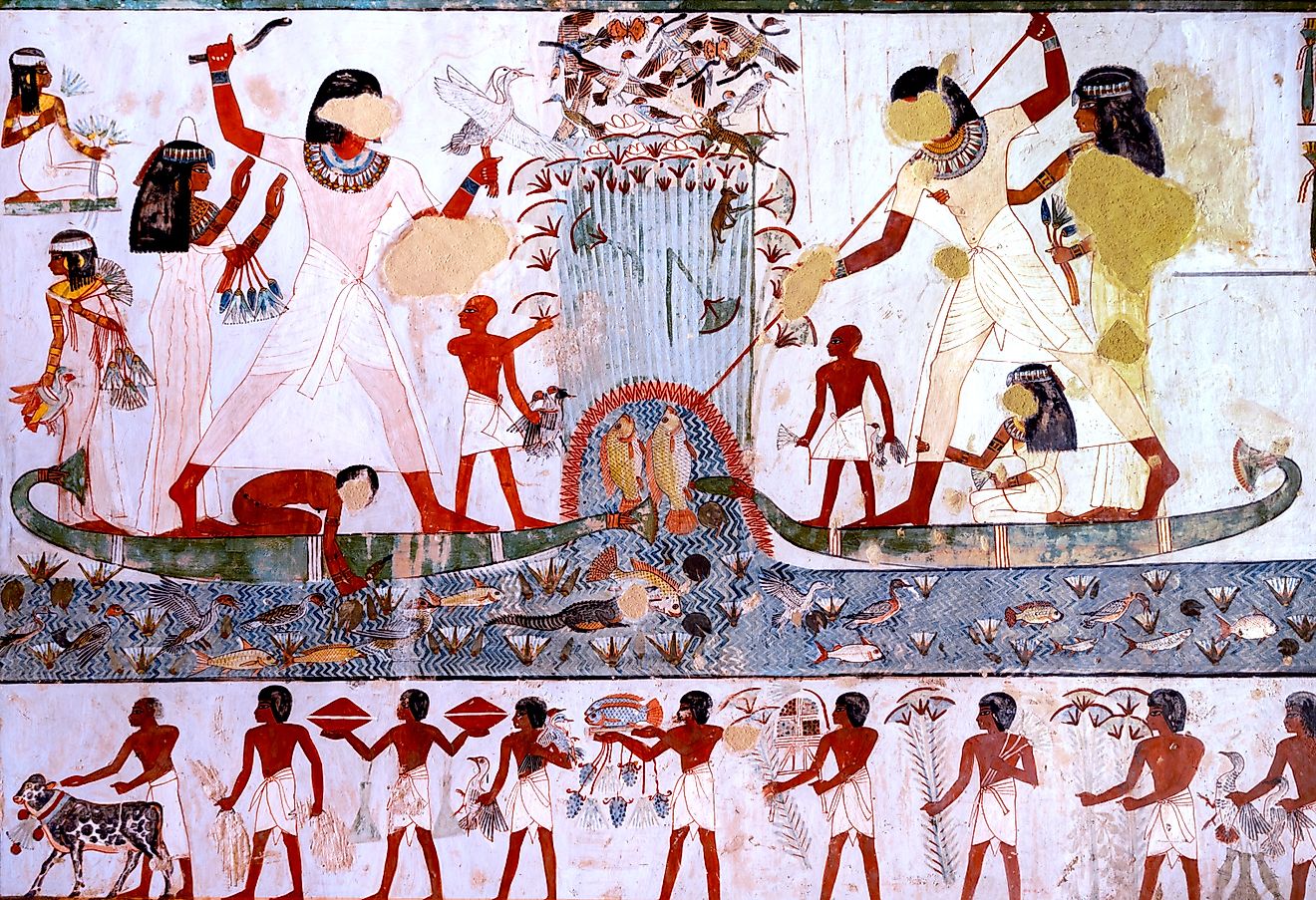
Long before Alexander or Caesar, a pharaoh of the Eighteenth Dynasty methodically dismantled coalitions and extended Egyptian power into the Levant and Nubia without a single military loss. Thutmose III ruled Egypt for roughly five decades and, after the death of his co-regent, Hatshepsut, launched an extraordinary run of 17 consecutive military campaigns. In the mid-fifteenth century BC, Canaan and Syria were fracturing into competing city-states, many of which had aligned with the kingdom of Mitanni to the north. A coalition led by the king of Kadesh presented the first serious challenge. Thutmose responded with the campaign that would define his legacy.

Facing three possible routes to Megiddo, Thutmose chose the most dangerous, reasoning that the enemy would not expect it. The Annals of Thutmose III, inscribed on the walls of the Temple of Amun-Re at Karnak, record their plea: "Let our victorious Lord march by the road he wishes; but let him not oblige us to go by the most perilous route." He marched through anyway, emerged behind the enemy's expected position, and routed a coalition of around 10,000 men. The subsequent siege of Megiddo secured Egyptian dominance over the northern Levant and opened the road to Mesopotamia.
In twenty years of campaigning, Thutmose III conquered approximately 350 towns. His record was not only tactical but strategic and logistical. He organized supply chains, established vassal systems, and educated the children of conquered princes in Egyptian culture to ensure lasting loyalty.
Alexander III of Macedon

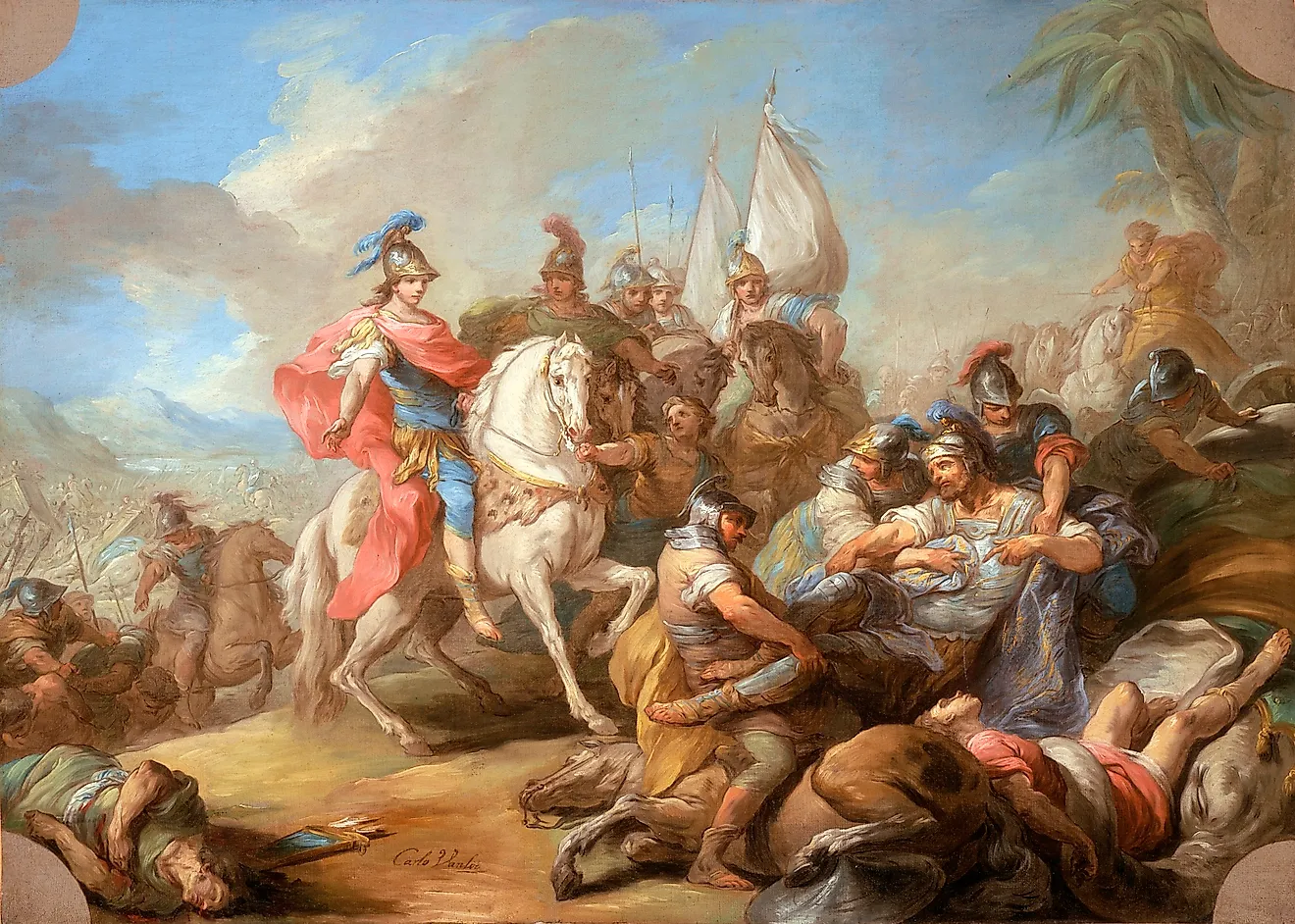
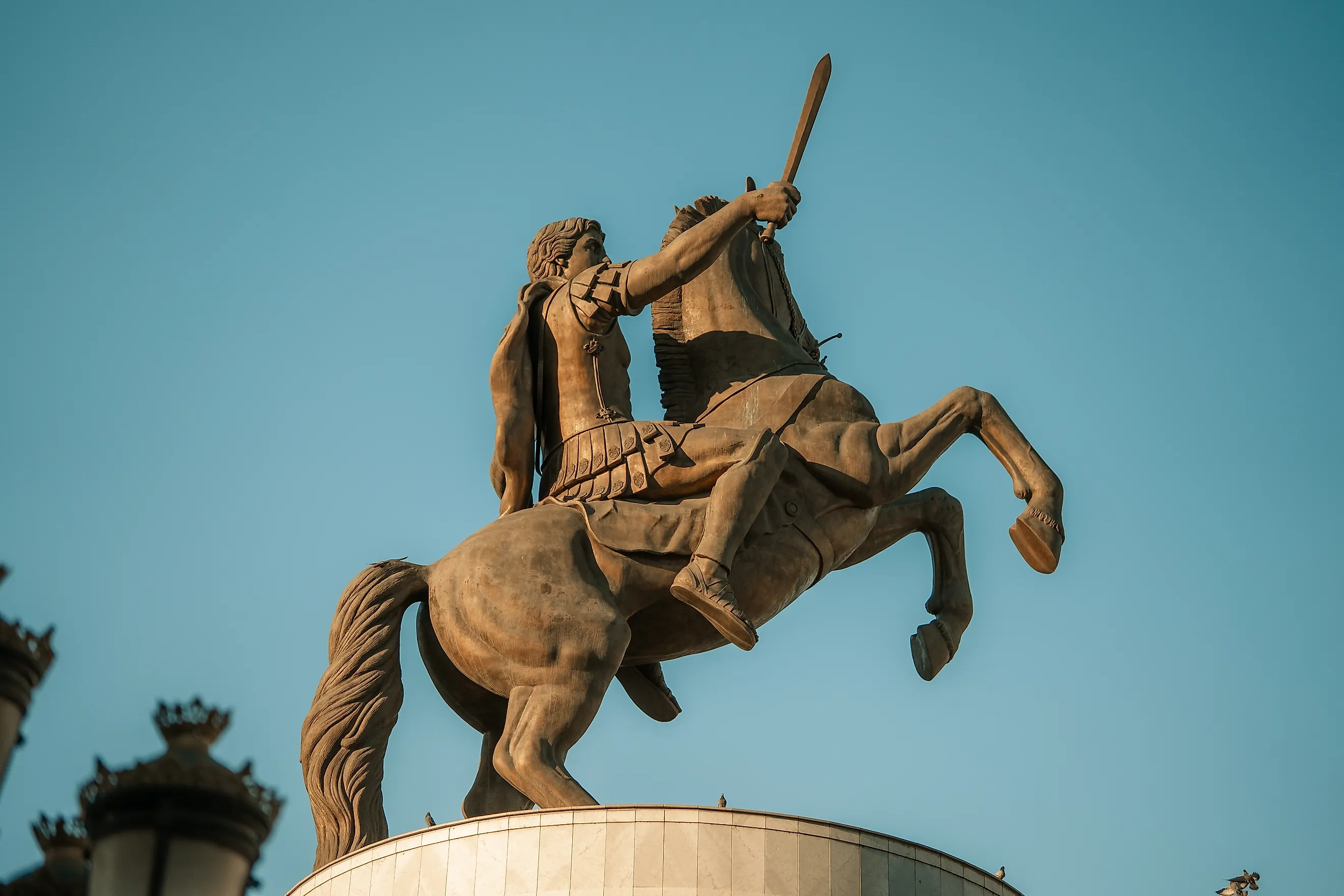
Alexander is one of the most studied military commanders in history, and his record remains intact after all these centuries. In thirteen years of campaigning across more than 11,000 miles, from Greece to the borders of modern India, he never lost a pitched battle. When Philip II of Macedon was assassinated in 336 BC, his twenty-year-old son Alexander inherited both the army and an ambitious plan for a pan-Hellenic campaign against Persia.
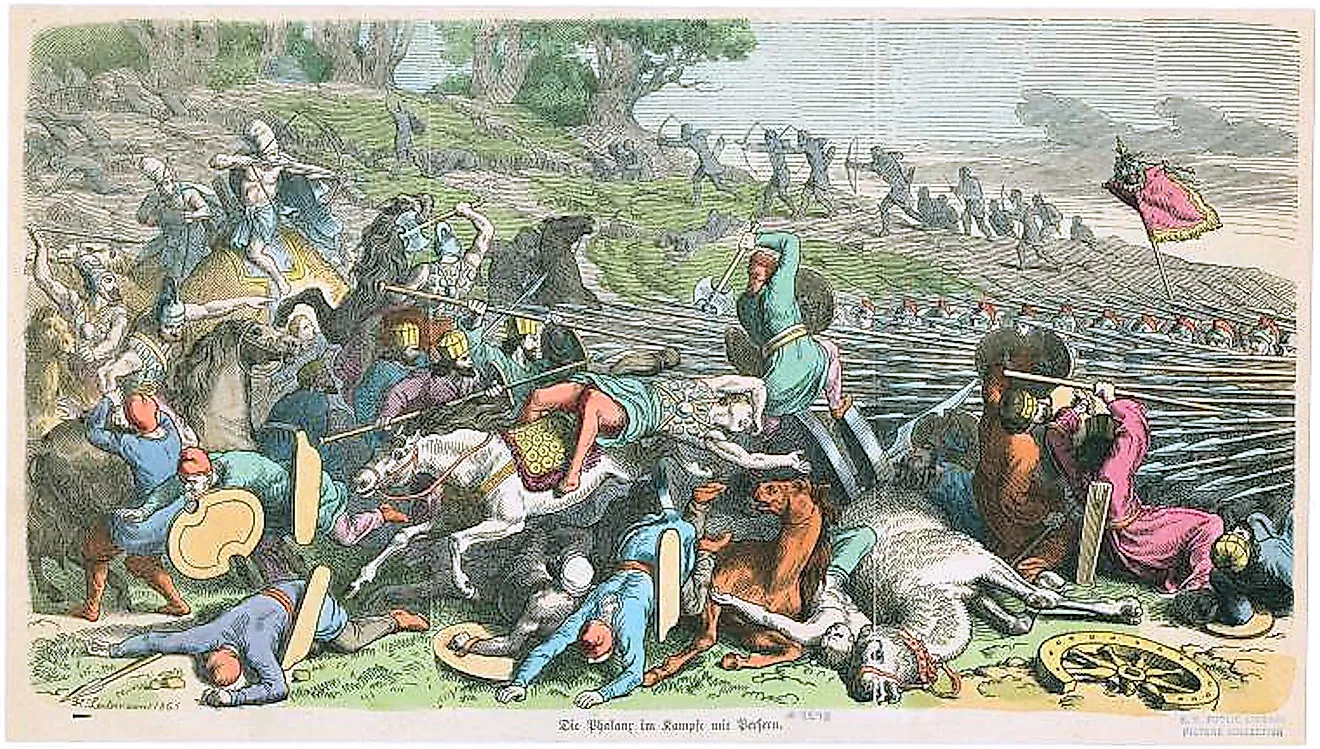
Historian David Lonsdale, writing for Oxford Academic, notes that Alexander succeeded in set-piece battles and irregular warfare alike, often engaging the enemy with inferior numbers. His signature move combined the oblique cavalry strike with the Macedonian phalanx as an anvil, a tactic perfected at Gaugamela in 331 BC, where he faced a Persian force that modern historians estimate was three to four times his own strength.

By his death in 323 BC, Alexander had created one of the largest empires in history. His campaigns spread Greek language and culture across the Middle East and Central Asia. Napoleon, Caesar, and Scipio Africanus all studied his methods. Arrian's first-century account Anabasis Alexandri, drawing on the eyewitness records of Ptolemy and Aristobulus, remains the principal ancient source.
Scipio Africanus

Scipio Africanus is one of the most underrated figures in Western military history, perpetually overshadowed by the Carthaginian general he defeated. Yet the U.S. Army War College historian G.K. Cunningham has described Scipio as undefeated across all his major engagements. It is a record spanning campaigns in Hispania and North Africa and culminating in his victory over Hannibal himself.
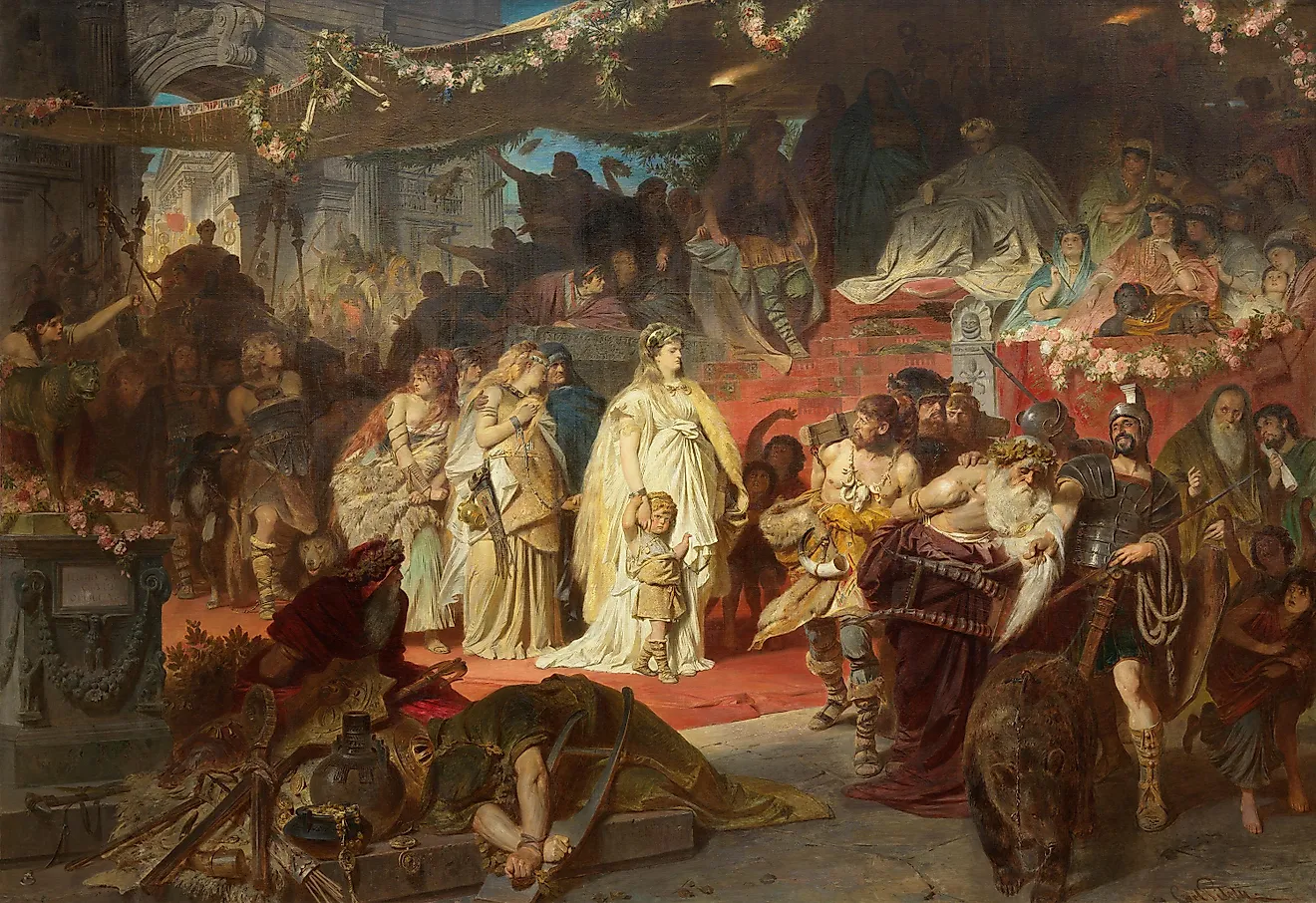
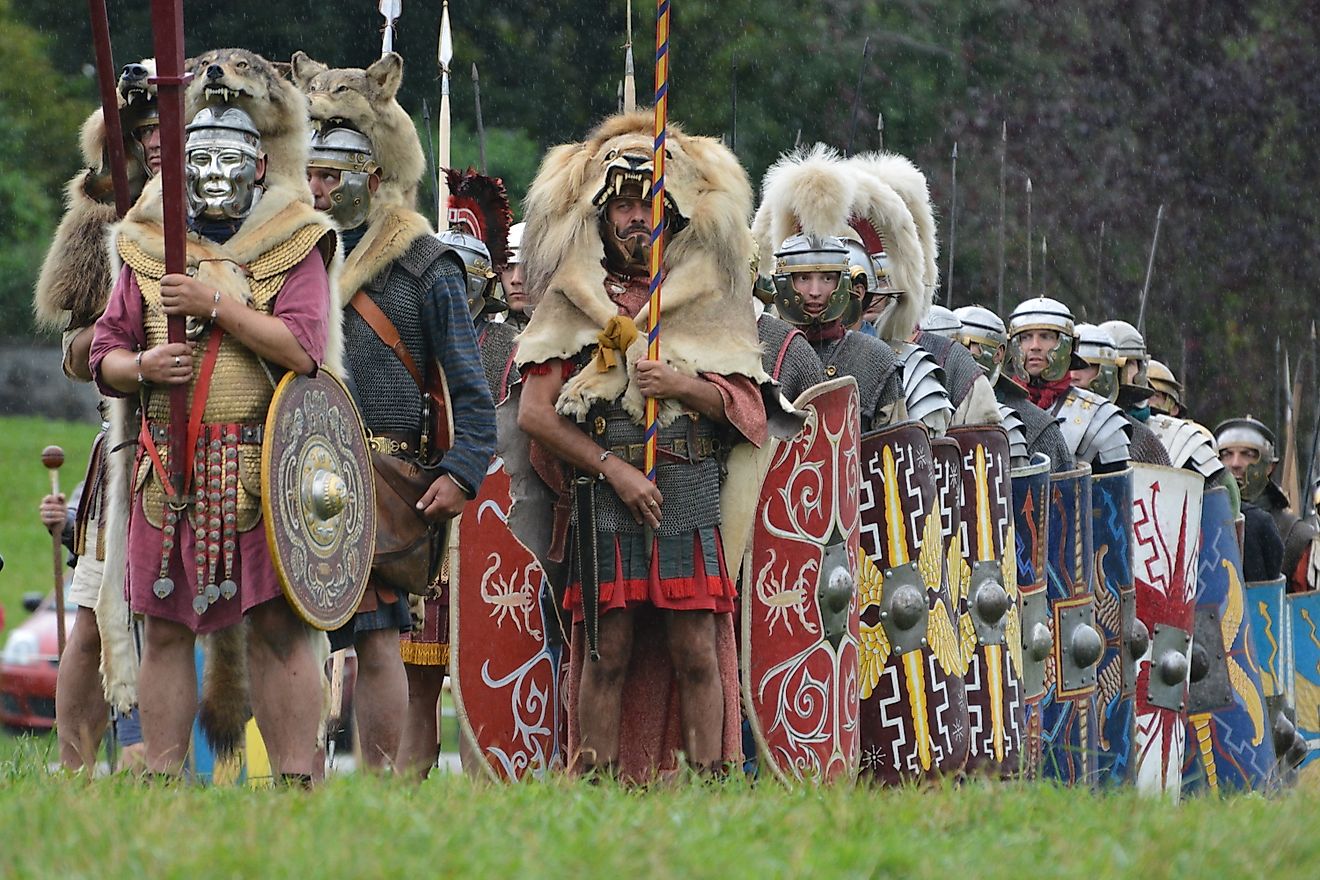
The Second Punic War (218-201 BC) had brought Rome to the edge of collapse. Hannibal's victories at the Trebia, Lake Trasimene, and especially Cannae, where roughly 70,000 Romans died in a single afternoon, left the Republic stunned. But the young general Scipio stepped up and, in 210 BC, volunteered to take command in Hispania after both his father and uncle had been killed there.

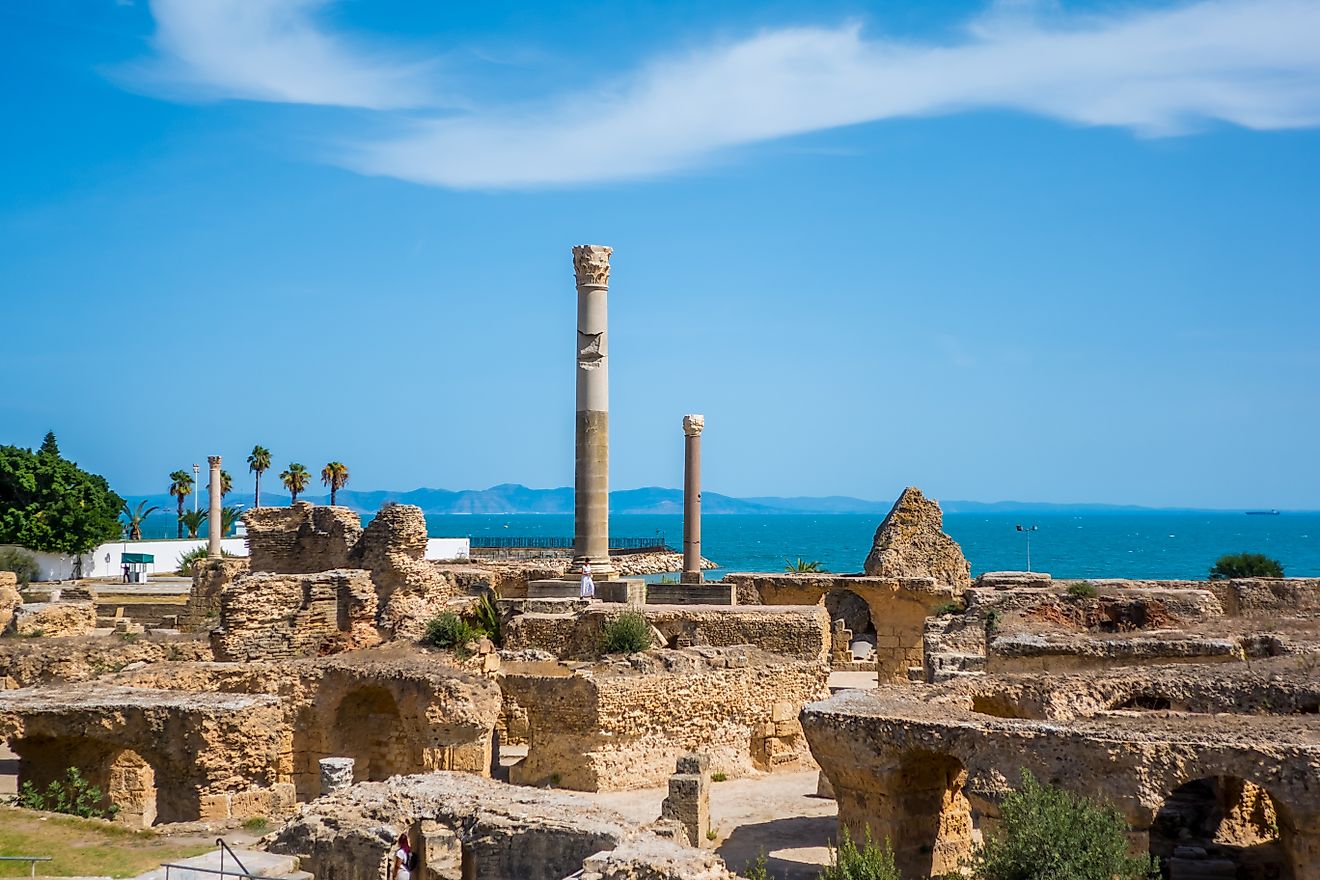
Rather than simply grinding down Hannibal's Iberian allies, Scipio seized Carthago Nova in a bold amphibious strike in 209 BC, depriving Carthage of its primary Spanish base. He cleared them from Hispania entirely, then carried the war to North Africa. At the Battle of Zama in 202 BC, he turned Hannibal's own encirclement tactics from Cannae against their inventor, routing the Carthaginian army and ending the war. Polybius, writing in the second century BC, is the principal ancient source on Zama, with modern peer-reviewed scholarship validating the broad outlines. British strategist Basil Liddell Hart wrote in the 1920s that Scipio's battles remain richer in stratagems than those of any other commander.
Marcus Agrippa

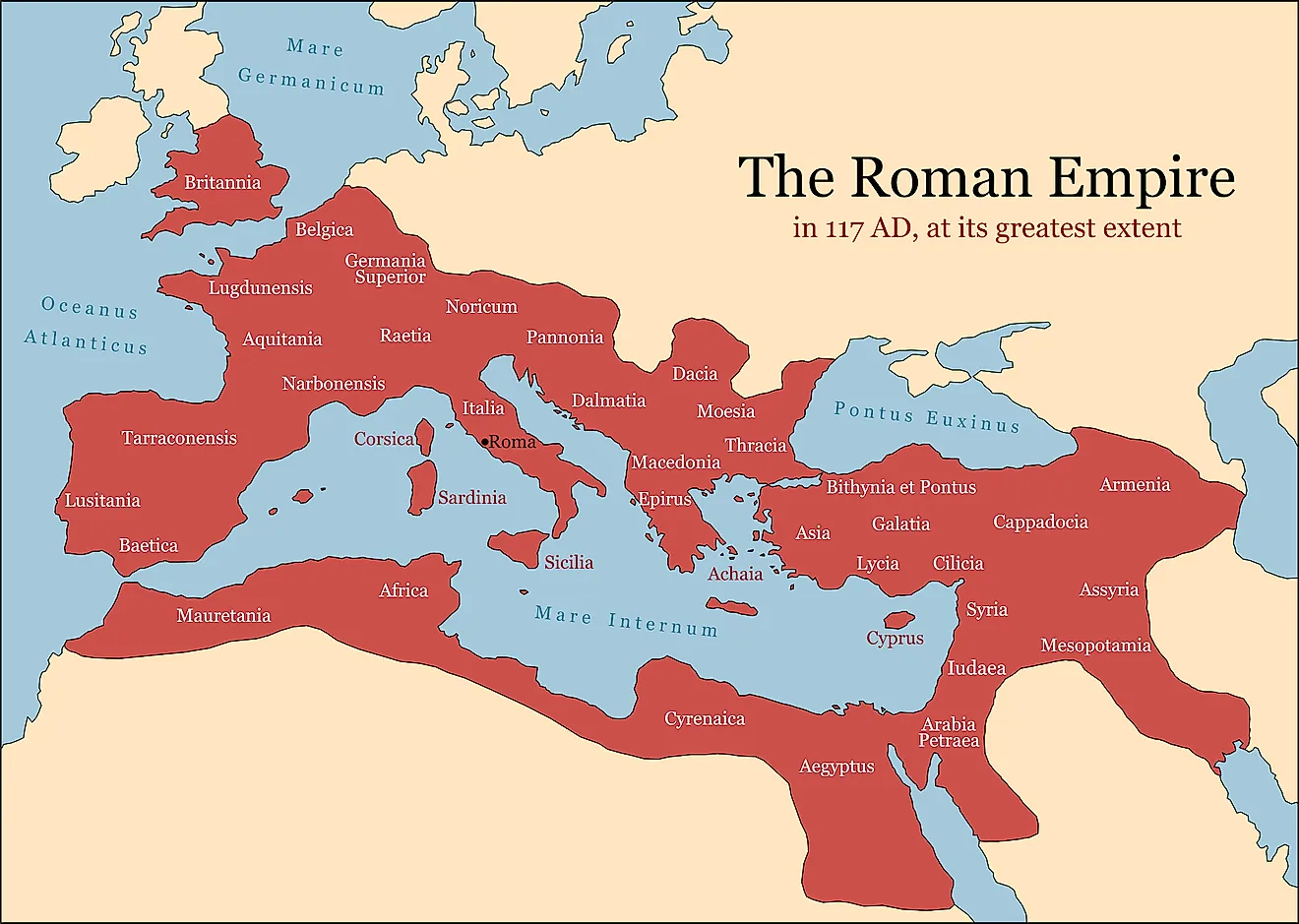
If Alexander is the most celebrated general before 500 AD, Marcus Vipsanius Agrippa may be the most consequential one that most people cannot name. A close friend and ally of Octavian (the future Augustus), Agrippa was the military mind behind nearly every major victory that created the Roman Empire. After Julius Caesar's assassination in 44 BC, Rome descended into civil war. Octavian was politically cunning but lacked Agrippa's tactical instincts. The partnership proved decisive across land and sea.
Agrippa suppressed a major rebellion in Gaul, defeated Sextus Pompey's fleet at Naulochus in 36 BC by constructing a new fleet and training it on a specially built inland lake, and then delivered the defining blow to the Roman world at the Battle of Actium in 31 BC. His naval tactics at Actium defeated the combined forces of Mark Antony and Cleopatra, making Octavian the undisputed ruler of the Roman world.

HistoryNet ranks Agrippa among Rome's finest commanders. The empire Augustus built, which endured in various forms for another five centuries, was made militarily possible by Agrippa's victories. He is perhaps the clearest example on this list of an undefeated general who chose partnership over personal glory, allowing a friend to take the political credit for his battlefield genius.
A Note on Historical Accuracy
The claim of an undefeated record is always subject to the survival of evidence. For Thutmose III, the Karnak Annals are a near-contemporary primary record. For Alexander, Arrian drew on the eyewitness accounts of Ptolemy and Aristobulus. For Scipio, Polybius, and Livy provide the main accounts, with modern scholarship validating the broad outlines. For Agrippa, Appian, and Cassius Dio are the primary ancient sources. In each case, no credible ancient source records a battlefield defeat, and modern military historians have not overturned that claim. What these four commanders share is that each understood that terrain, timing, and psychological pressure mattered as much as numbers. Each was willing to act on audacious instincts when cautious subordinates advised otherwise. And each grasped that the purpose of a battle was not simply to win the day but to make the enemy unable to fight again.