Debunking The Biggest Myths About The Roman Empire
Rome fell in a day. This is just one of the many myths about the Roman Empire. To some extent, these misconceptions are understandable. Simplistic beliefs make history easier to navigate, and ancient history is particularly vulnerable to these falsehoods. From the belief that Julius Caesar was an emperor to the notion that barbarians were uncivilized and savage, it's nevertheless important to debunk these myths to paint an accurate picture of one of the most important states in world history.
The Roman Empire Fell In A Day

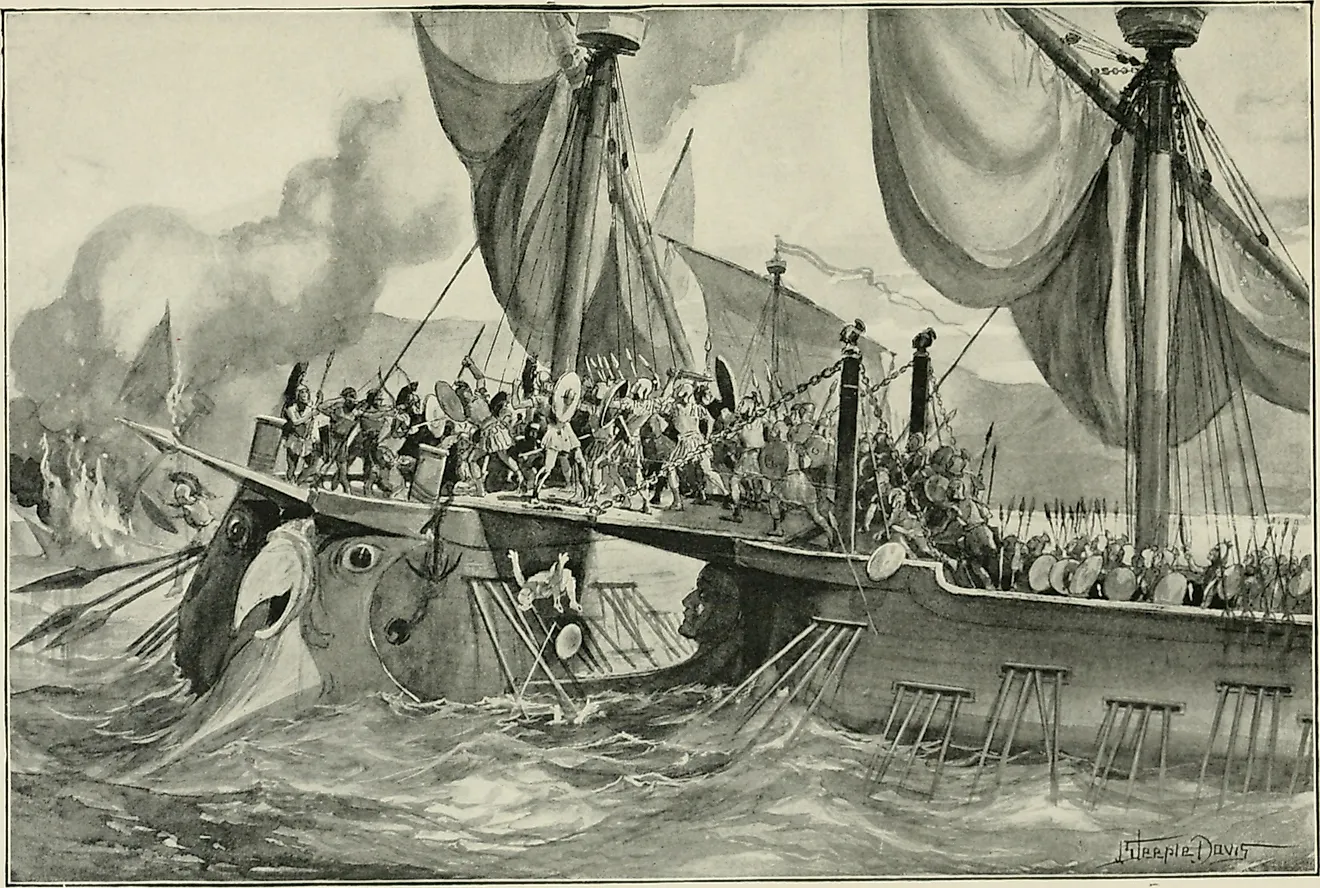
Historians generally agree that the Western Roman Empire fell in 476 AD, when the Germanic leader Odoacer deposed the boy emperor Romulus Augustulus. However, this was the byproduct of centuries of economic, military, and governance problems. The root of many of these issues was the sheer size of the Roman Empire. At its peak, its borders stretched as far west as Britain and as far east as Mesopotamia, making the empire practically impossible to defend and a prime target for barbarian invasions. This made trade routes less safe, leading to lower levels of economic activity. In turn, people began to leave. With a smaller tax pool, the government was forced to dramatically raise taxes to fund defensive measures. Even more people left, creating a vicious cycle.

The political system was also problematic. There was no clear succession process for the emperorship, meaning that violent power struggles were common. The worst of these was the Crisis of the Third Century (235 to 284 AD), during which Rome split into three competing empires and over 20 emperors rose and fell. To help solve this problem, Emperor Diocletian (284 to 305 AD) divided the empire into east and west. Each half was now ruled by a senior emperor, called an Augustus, and a junior emperor called a Caesar. Even though this exact system didn't last, the Roman Empire eventually permanently split in two in 395 AD. As the Western Empire struggled and ultimately fell, the Eastern Empire survived for the next thousand years.
In short, the saying "Rome fell in a day" is inaccurate. 476 AD was the culmination of centuries of problems. Furthermore, the existence of the Eastern Roman Empire after this date indicates that, even if the Western Roman Empire did fall in a day (which it didn't), the entirety of Rome did not.
Julius Caesar Was An Emperor
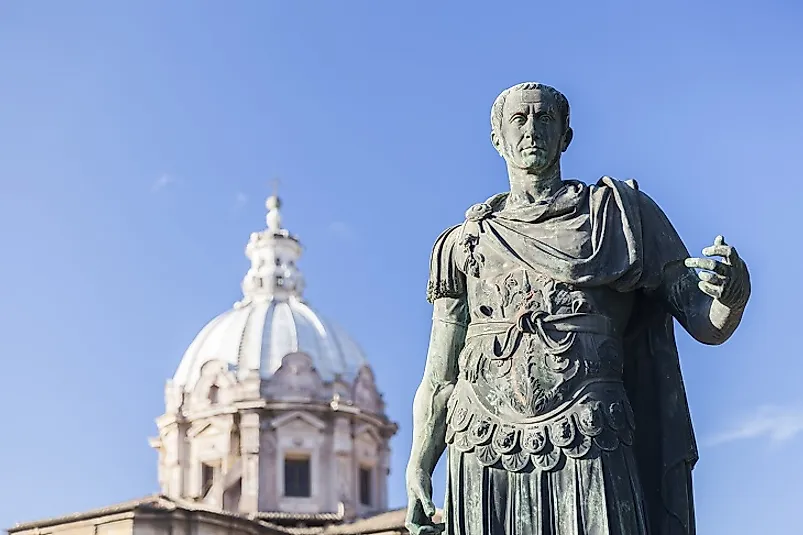
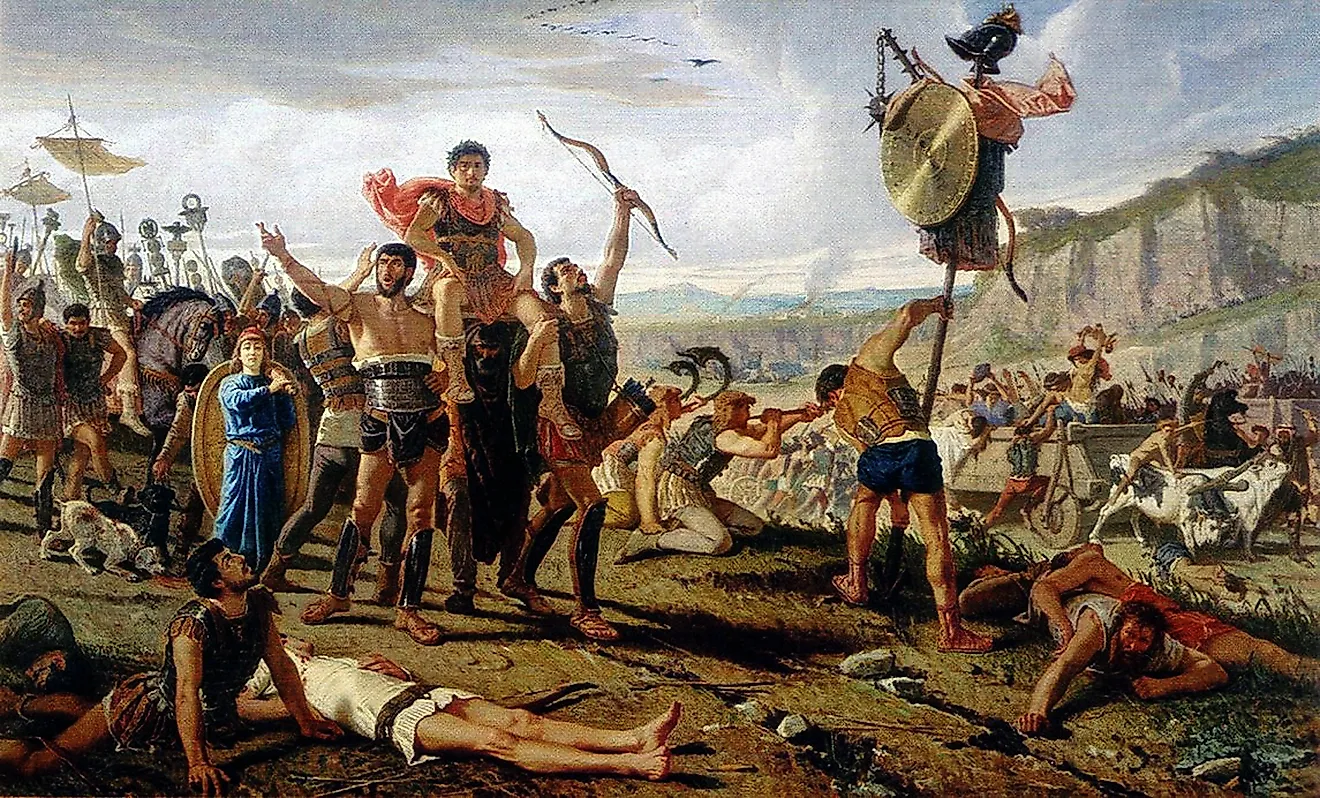
Another commonly believed falsehood is that Julius Caesar was an emperor. In reality, he lived before the Roman Empire even existed. A general and politician, Caesar gained immense power following his conquest of Gaul (58 to 50 BCE). This made his rivals, like Pompey, and the Senate nervous, so they demanded that he give up his army. Caesar refused and declared war. Caesar emerged from the subsequent civil war as the undisputed leader of the Roman Republic, and he made himself dictator for life in 44 BCE. Soon afterward, a group of senators concerned about his tyrannical rule assassinated Caesar. Rome again descended into civil war and only regained stability in 27 BCE when Augustus declared himself emperor. This marked the beginning of the Roman Empire.

In many ways, Caesar was a proto-emperor. Future emperors drew inspiration from his military prowess and charismatic leadership. At his peak, he also had a comparable level of power to many emperors. However, there was one key difference. Caesar frequently mocked the Senate. On the other hand, Augustus, the first emperor, publicly "returned" power to the Senate. This helped prevent resistance in one of Rome's longest-lasting and most powerful institutions. Many future emperors continued this tradition. In other words, apart from the official title, Julius Caesar's lack of respect for Rome's institutions is one of the main distinguishing features between him and the emperors.
Rome Was Always A Dictatorship

When looking at the past, it's tempting to assume that states were static and unchanging. This, of course, is untrue. Take Rome. While the Empire, which was ruled by a dictatorial emperor, was its most famous form of government, the Roman state existed for nearly 700 years before then. Its first form, the Roman Kingdom, lasted from 753 to 509 BCE, during which it was ruled by a king.
Fed up with monarchical abuses, the Romans ousted King Lucius Tarquinius Superbus in 509 BCE and installed a republic. Power was now divided between many different people and institutions, including two consuls, the Senate, and popular assemblies. This semi-democracy was imperfect. Even if it functioned as intended, it still would have been elite-driven and likely insufficiently democratic by modern standards. In practice, the Senate dominated politics due to its wealth of political experience and know-how. Regardless, the Roman Republic (and Kingdom to a lesser extent) was still very different from the Empire. Power-sharing had a meaningful impact and helped prevent tyrannical leaders for centuries. Indeed, Julius Caesar purposefully subverted these Republican systems in recognition that they were created to stop the rise of a leader like himself.
Barbarians Were Savage And Uncivilized

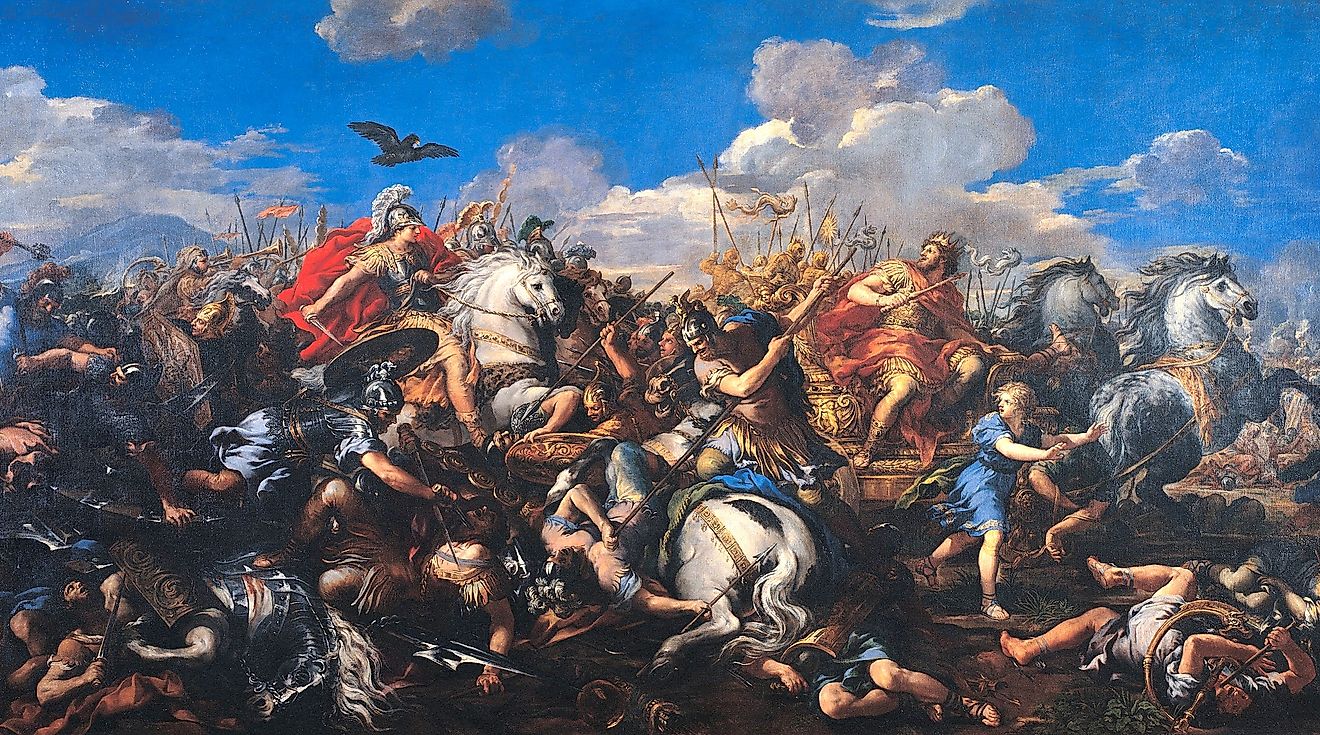
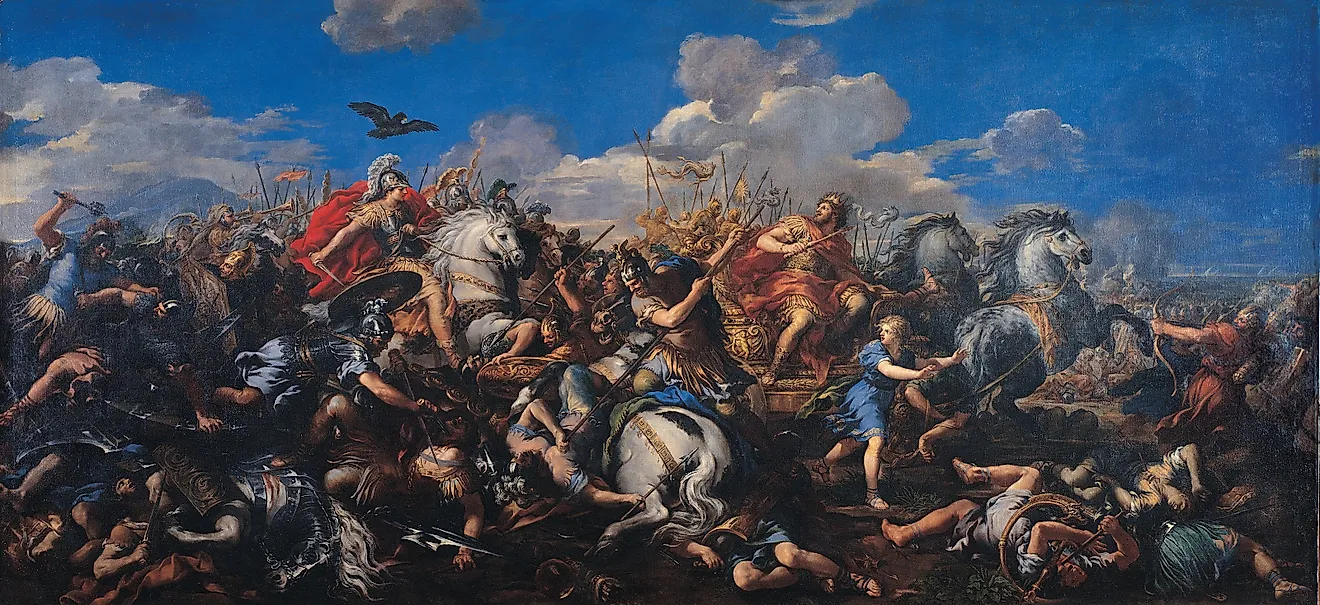
The term "barbarian" often evokes images of vast, savage hordes of people storming the gates of some lavish and advanced city. Their identity was far more complicated. To the Romans, a barbarian was anyone outside their cultural, political, or linguistic sphere. This included Germanic tribes such as the Visigoths, Vandals, and Franks; Central Asian tribes such as the Huns; and the Slavs from Central and Eastern Europe. Many of these groups were simply looking to survive. For instance, the Visigoths sought refuge from the Huns in the 370s AD. The Romans allowed them to settle within the empire, but treated them terribly. They sold them food at exorbitant prices, forced them to sell their children into slavery, and assassinated their leaders. Only after years of such mistreatment did the Visigoths violently rebel.
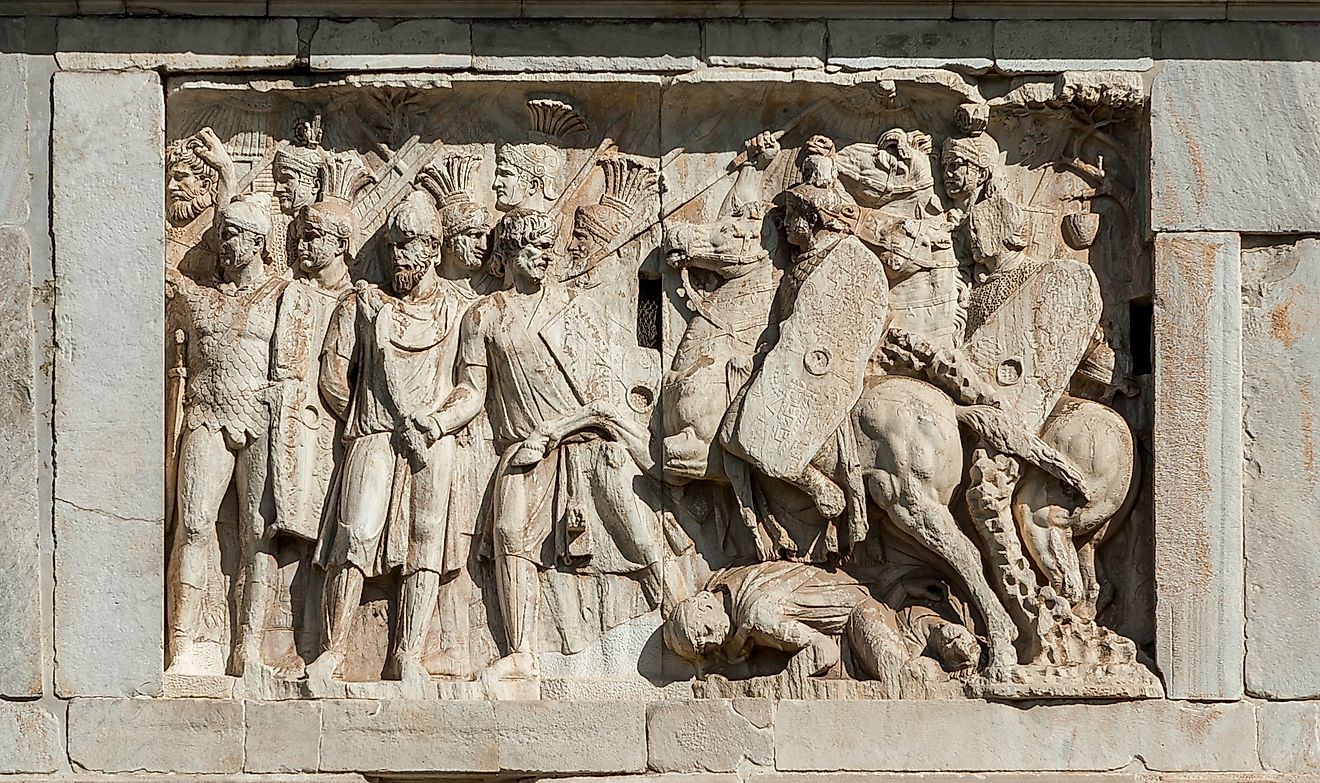
When the Western Roman Empire fell, these so-called "savages" kept many core aspects of Roman civilization. Take Odoacer. He maintained the Senate, utilized Roman tax collection methods, and even officially deferred to the Roman Emperor in Constantinople. While this last measure was purely symbolic (the Emperor in Constantinople had no practical authority in Western Europe anymore, and Odoacer was the de facto ruler of Italy), it demonstrates that barbarians weren't simply looking to destroy everything in their path.
Why These Myths Endure
What ties these misconceptions together is the appeal of a clean story. A single collapse is easier to remember than centuries of fiscal decay, a lone all-powerful ruler is tidier than a system that cycled through kingdom, republic, and empire, and a faceless horde is simpler than the mix of refugees and administrators who actually crossed Rome's borders. Getting the details right does not make Rome less compelling. Odoacer keeping the Senate running, Augustus handing power back to it for show, and Diocletian carving the empire in half to keep it alive are stranger and more revealing than the myths that replaced them.