The Greatest Leaders Of The Ancient World
A gardener pulled a baby from a river and raised him, and that baby grew up to build one of the first empires the world had ever seen. That was Sargon of Akkad, and he was only the beginning. Some 1,800 years later, a teenager tutored by Aristotle would inherit a throne at 20 and carve out a realm reaching all the way to India. A Persian king would conquer Babylon and then let the people he defeated keep their own gods. A Roman heir would answer his great-uncle's murder by quietly making himself the most powerful man alive. These four rulers shaped the ancient world, and their stories are as strange as they are grand.
Sargon Of Akkad (2300s and 2200s BCE)

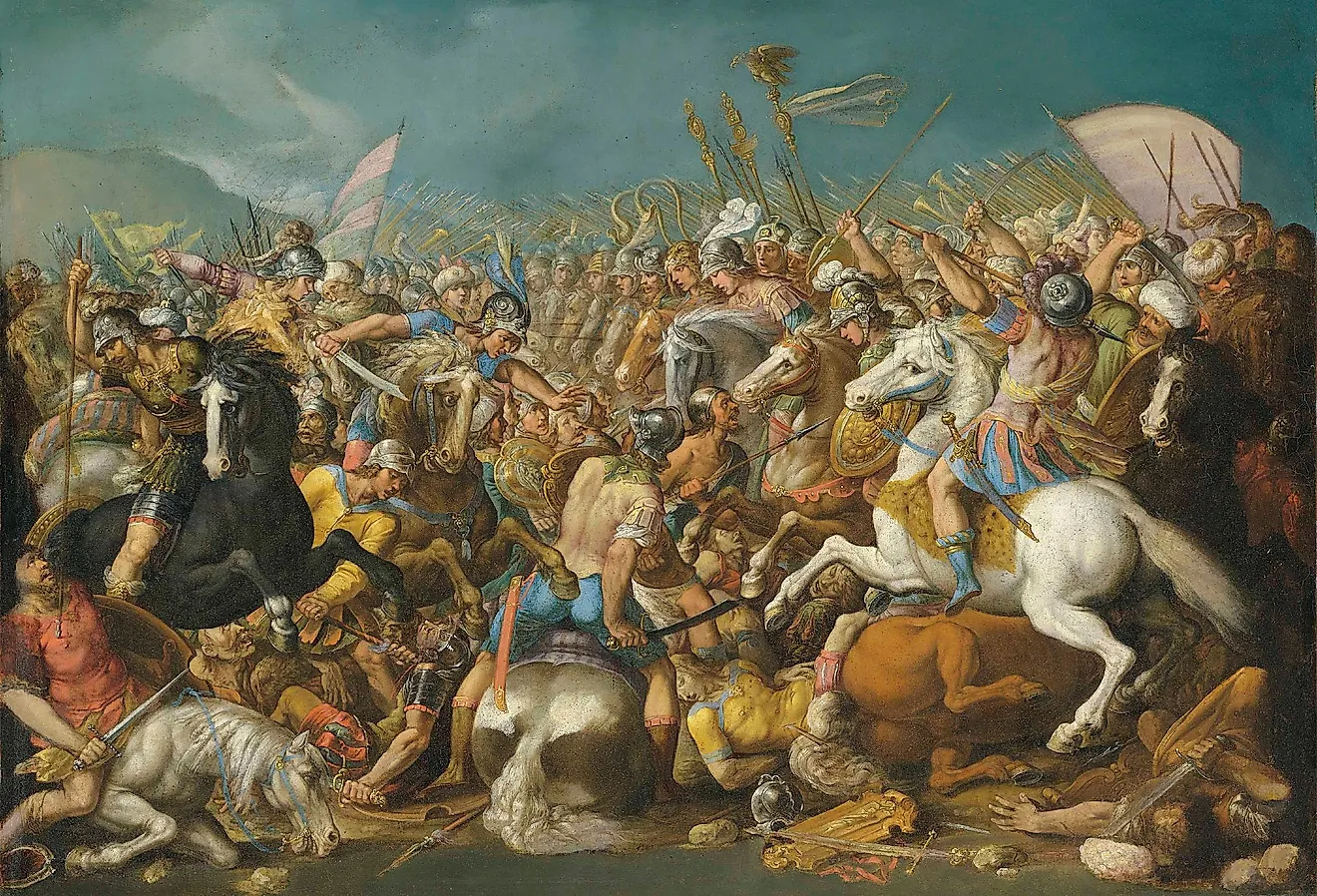
Much of Sargon of Akkad's life is shrouded in mystery. It's unclear when he was born, though it was likely in the 2300s BCE in Mesopotamia. Legend says that his mother was a priestess who gave birth to him in secret. She then placed him in a basket and let him float down a river, after which he was rescued and raised by a gardener named Akki. He eventually became the cupbearer of the king of Kish. Crucially, the only source for this story is an Akkadian text called the Legend of Sargon. Written after the fact to emphasize how Sargon's rise to power was "divinely ordained", it cannot be treated as a trustworthy historical document. Nevertheless, little else is known about his origin.

A bit more is known about Sargon's adult life. He supposedly overthrew the king of Kish around 2334 BCE. Upon becoming leader of the city, Sargon found himself amidst a fractured political situation. The city-states of Mesopotamia were divided and constantly fighting. Rather than continuing this dynamic, Sargon united them under one centralized political unit. A professional standing army, loyal and effective regional governors, and economic integration were instrumental in this process. At its peak, Sargon's empire included Iraq, Syria, and parts of Turkey and Iran. This sheer territorial reach made it the first empire of its kind, and almost every other future ancient power drew inspiration from it.
Cyrus The Great (600 to 530 BCE)

Cyrus the Great was the founder of the Achaemenid (Persian) Empire. Born sometime around 600 BCE in Anshan (modern-day southwestern Iran), his early life is shrouded in legend. His grandfather, King Astyages of the Median Empire, supposedly had a dream that Cyrus would overthrow him. Astyages ordered that the then-infant be killed, but Cyrus was secretly spared and raised by shepherds. While likely fictional, this story demonstrates how important Cyrus was to later generations.

When Cyrus rose to power, Persia was a small kingdom under the dominion of the Median Empire. Cyrus changed this in 550 BCE when he rebelled against Astyages. Over the course of a long and bloody civil war, many Median nobles defected to Cyrus. He also captured the Median capital of Ecbatana, thereby uniting the Persians and the Medes. Cyrus followed up this victory by conquering Lydia, a Western Anatolian-based kingdom, in 546 BCE. Finally, the greatest achievement of Cyrus' life came in 539 BCE when he took the Neo-Babylonian Empire. With this, he established the Persian Empire as one of the largest in the world.
Cyrus wasn't just famous for his military conquests. He was also a skilled and pragmatic leader. Rather than forcing conquered peoples to convert to Persian gods, he let them keep their religious beliefs and practices. This reduced resistance and encouraged loyalty. Cyrus also let local rulers and officials maintain their positions. A state the size of the Persian Empire required skilled administrators and bureaucrats to run smoothly, so this was the most effective method of doing so. Perhaps more than anything else, this pragmatism influenced future ancient leaders.
Alexander The Great (356 to 323 BCE)

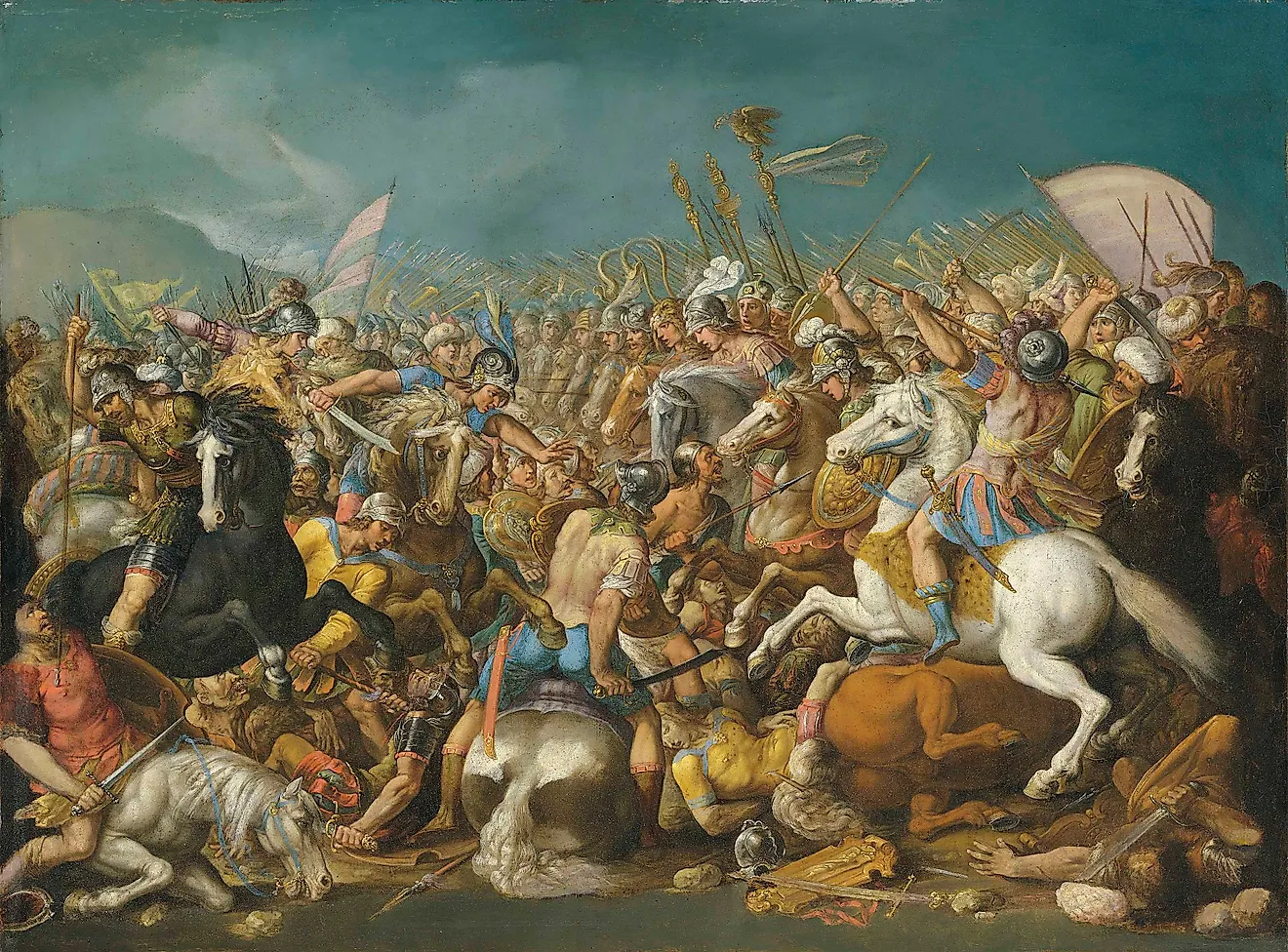
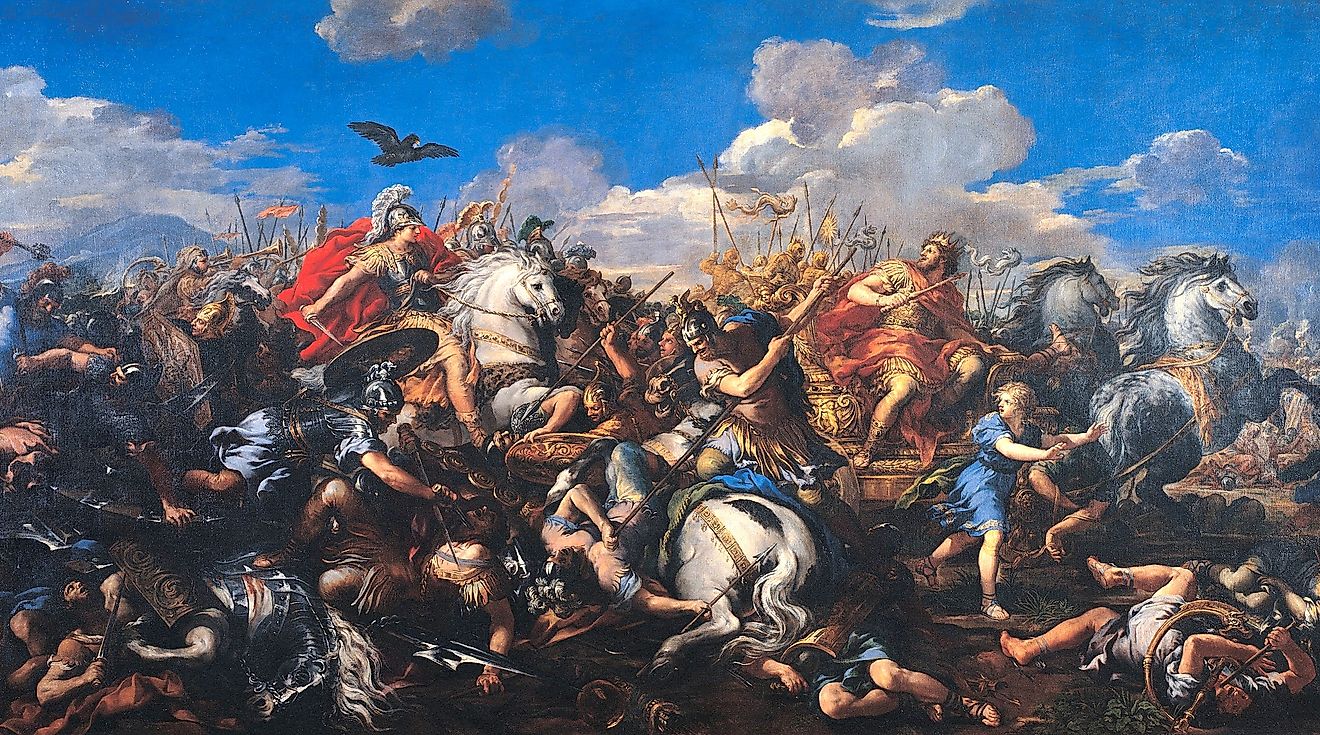
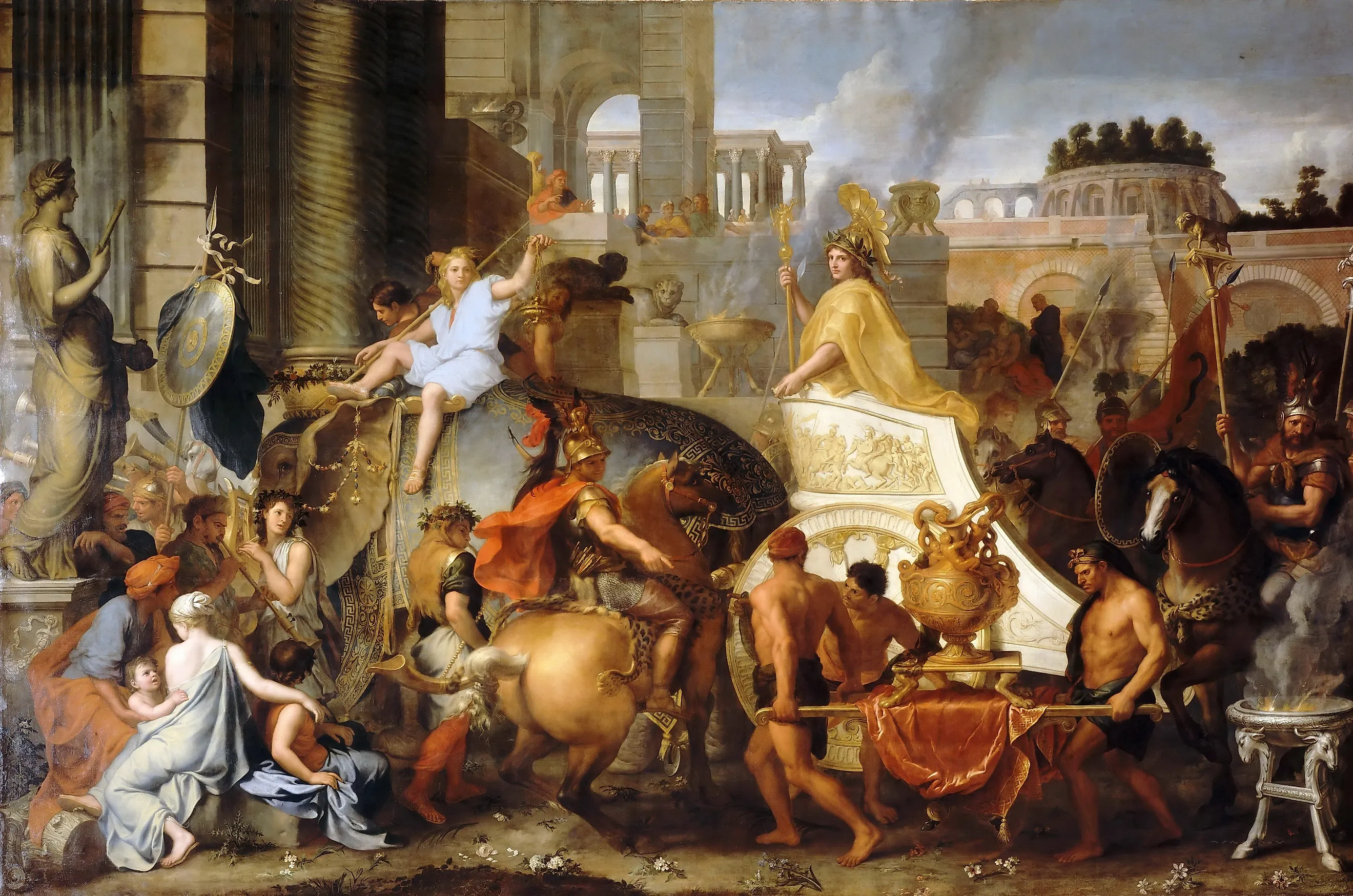
Born to Philip II, King of Macedonia, Alexander the Great was set up for greatness. As a teenager, he was tutored by the philosopher Aristotle and accompanied his father on military campaigns. This prepared Alexander to become king at the age of 20 when Philip II was assassinated. After quelling rebellions in the Balkans and in Greece, the young king turned his attention to the Persian Empire. As the historic enemy of the Greek world, Philip planned to invade it before he died. Alexander picked up where he left off and invaded Persia in 334 BCE. He quickly conquered Anatolia and the territories corresponding to modern-day Lebanon, Israel, and Palestine. Upon reaching Egypt, he founded the city of Alexandria. Alexander finally crushed King Darius III at the Battle of Gaugamela in 331 BCE. He then took the Persian capital of Persepolis the following year.

Alexander didn't stop with Persia. From 330 to 327 BCE, he fought a grueling campaign in Central Asia. After finally pacifying the region through a combination of military might and cultural integration, Alexander set his sights on India. Despite winning the Battle of the Hydaspes in 326 BCE, his exhausted army threatened to mutiny if he went any further. Forced to turn back, Alexander returned to Persia in the spring of 324 BCE. He died the next year amidst mysterious circumstances. In just 13 years, Alexander had created an empire that stretched from Albania to India. He also introduced Hellenistic culture into the regions he conquered, an influence that would be felt for centuries.
Augustus (63 BCE to 14 AD)

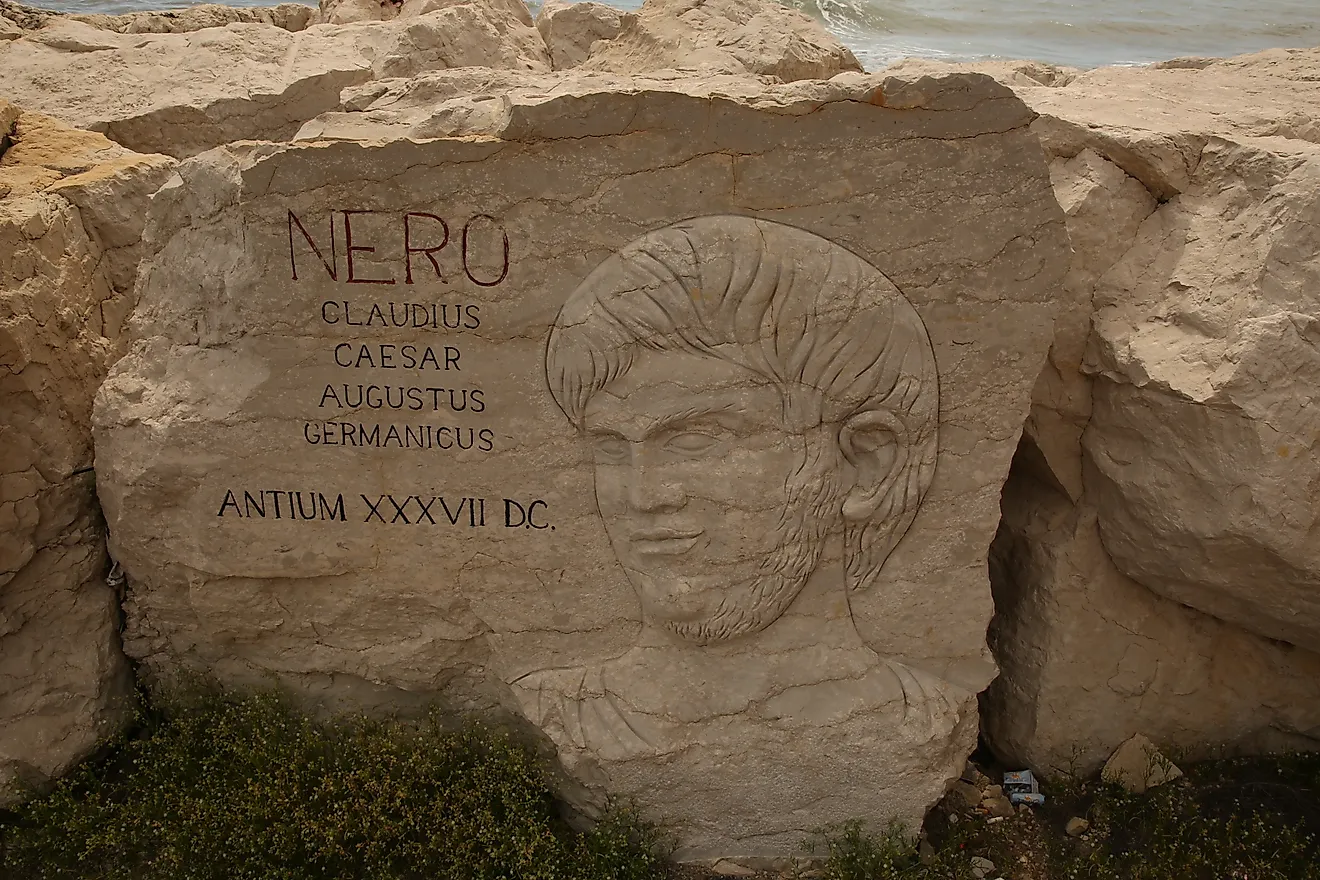
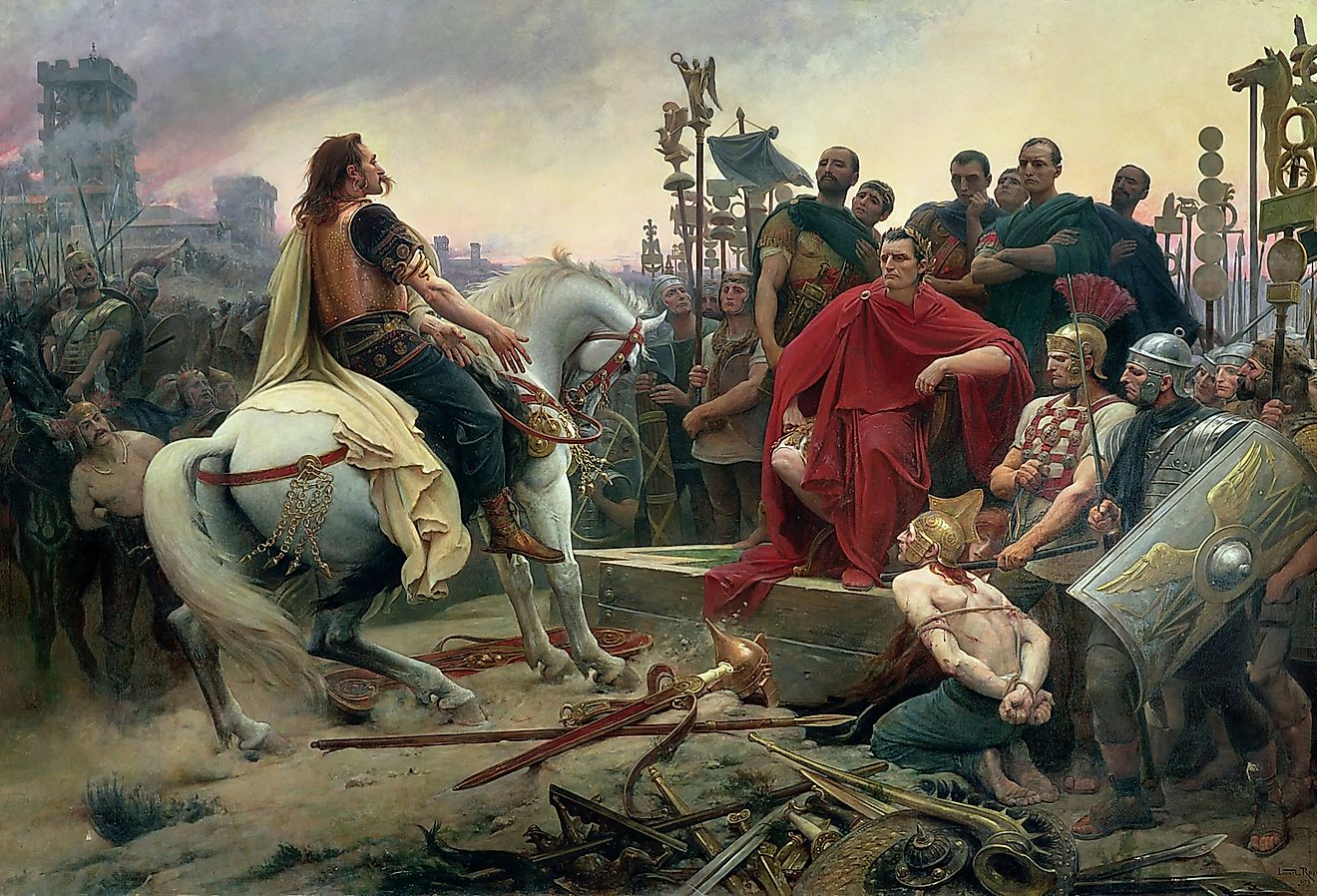
Augustus was born as Gaius Octavius (Octavian) on September 23rd, 63 BCE. The great-nephew of general and dictator Julius Caesar, Octavian was suddenly thrust into the spotlight when Caesar named him his adopted son and heir. The spotlight became even brighter in 44 BCE when Caesar was assassinated. Understanding that few people would accept such a young ruler, Octavian allied with Mark Antony and Marcus Aemilius Lepidus. Known as the Second Triumvirate, this alliance oversaw a campaign to eliminate Caesar's assassins and crush political dissent. While effective for a short period, it soon broke down. Antony's romantic relationship with Egyptian pharaoh Cleopatra was highly controversial. Octavian argued that Antony had been corrupted by the "foreign queen" and was no longer loyal to Rome. This ultimately culminated in the Battle of Actium in 31 BCE, in which Octavian crushed Antony and Cleopatra's combined fleets. They committed suicide soon afterwards.

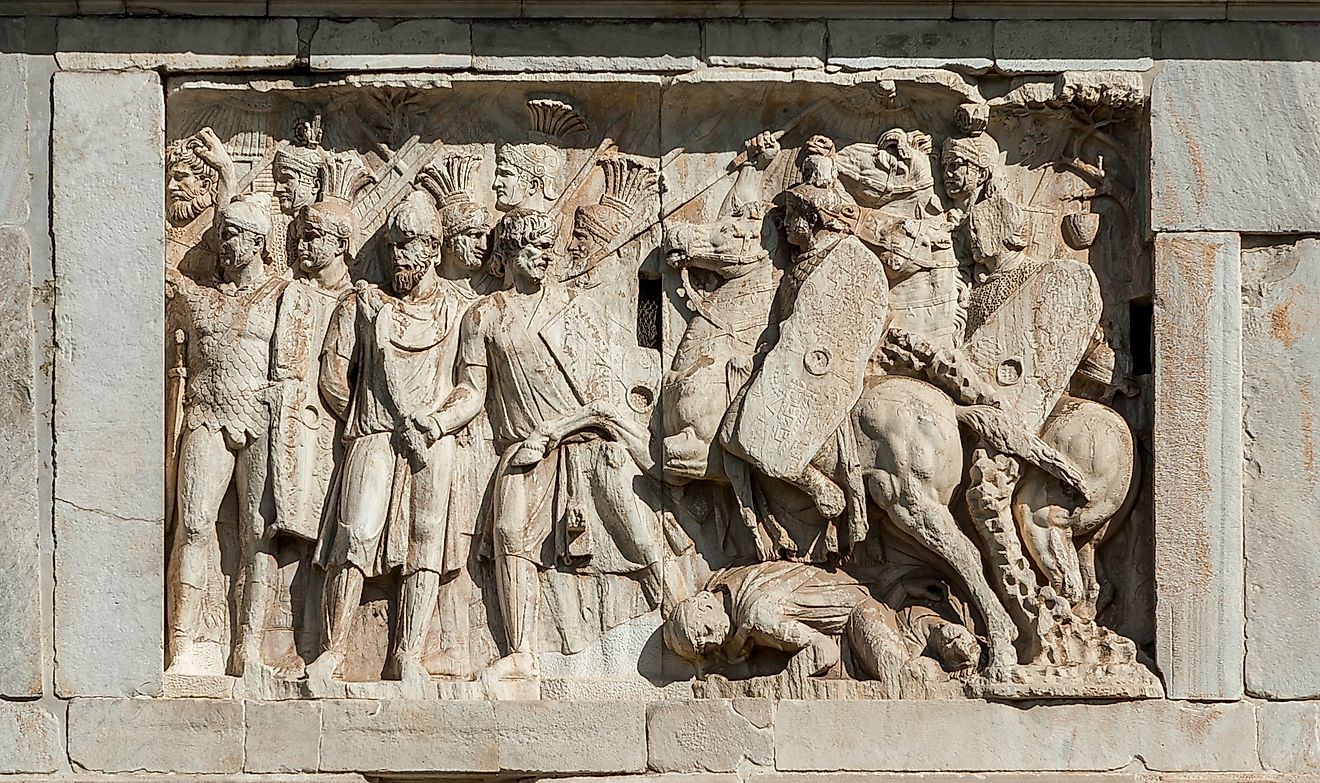
With no one left to oppose him, the Senate declared Octavian emperor in 27 BCE. He also changed his name to Augustus. With this, Rome transformed from a republic to an empire. Crucially, Augustus maintained the illusion that the Republic still existed. The Senate continued to function, consuls were still elected, and popular assemblies continued to gather. However, the emperor was now the only one with real power. As supreme leader, Augustus transformed nearly every aspect of Roman society. He created a professional army and civil service, reduced corruption, improved tax collection, and invested heavily in public works projects. Doing so set up Rome for 200 years of stability and prosperity known as the Pax Romana.
What Made These Rulers Endure
Separated by thousands of years and thousands of miles, these four rulers arrived at a similar answer to the same problem. Conquest was the easy part; holding what you took was the real test. Sargon bound his fractured city-states together with a standing army and appointed governors. Cyrus discovered that tolerance bought more loyalty than force, leaving conquered peoples their gods and their local officials. Augustus went further still, ruling absolutely while letting Rome believe its Republic lived on. Alexander conquered faster than any of them and died before he could prove he could govern it, which is exactly why his empire fragmented the moment he was gone. The lesson their successors inherited was that an empire is built less on the battlefield than in the decades of administration that follow.