The Ancient Empires That Lasted The Longest
The Roman Empire endured for more than a millennium, the Zhou Dynasty ruled China for roughly eight centuries, and the Carthaginian Empire dominated parts of the Mediterranean for around 700 years. These were among the longest-lasting powers of the ancient world, surviving far longer than many of their rivals. Their longevity allowed them to shape law, philosophy, warfare, trade, and government long after their political dominance ended. Some, such as the Carthaginian and Roman empires, built upon each other as they competed, while others, such as the Zhou Dynasty in Iron-Age China, carved their place in history alone.
Carthaginian Empire, ~700 Years
Rise

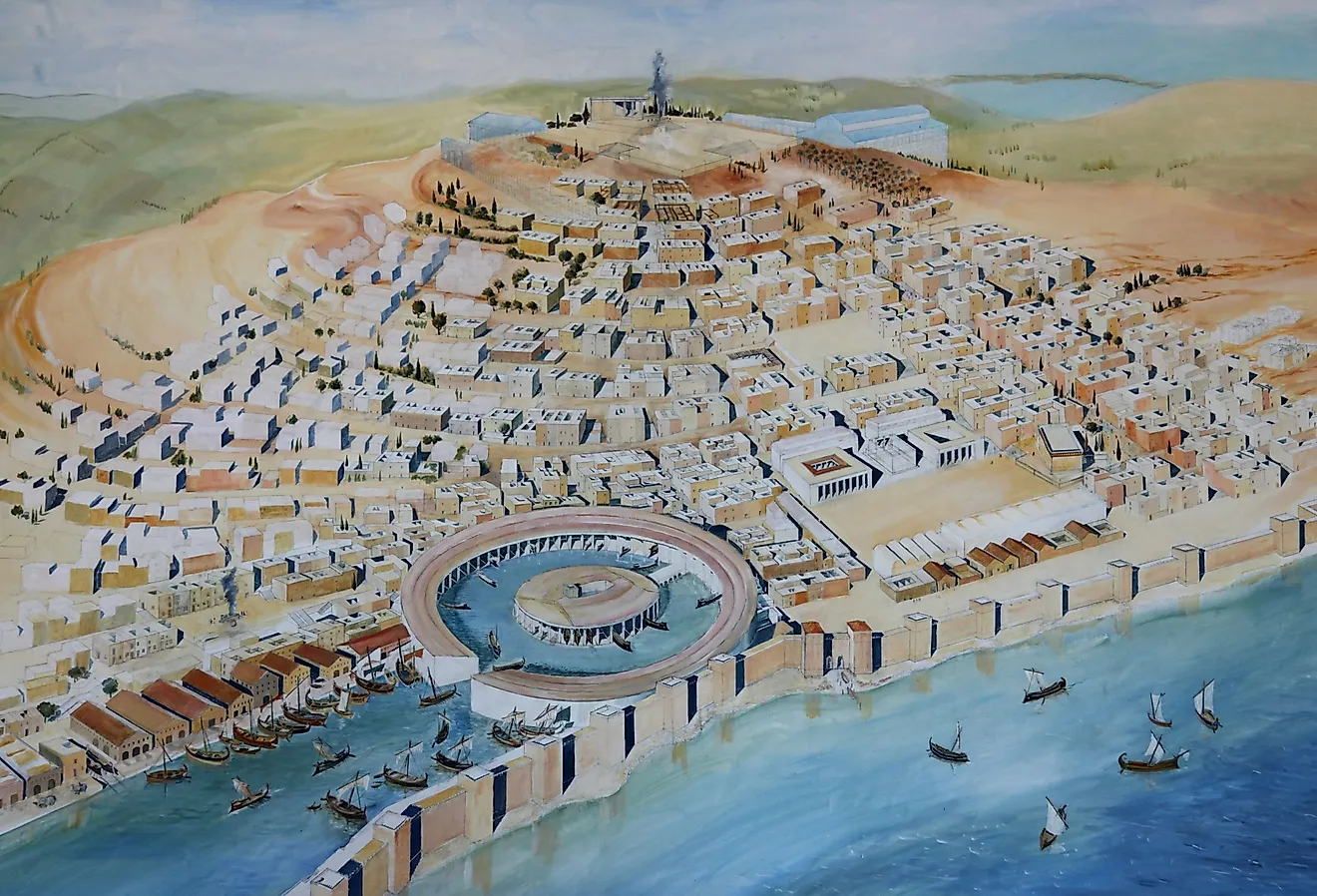
Once the dominant power of the Western Mediterranean Sea, the Carthaginian empire, also known as the Punic empire for the Punic language, etched itself in history despite the efforts of its victorious enemies and despite never being a formal empire. Even though Rome razed it, the Punic Empire continues to influence civilization in areas such as military history and theory. Carthage began as a single city, a Phoenician colony established around 825 BCE. While legends claim Queen Dido, of the Aeneid, founded it, archaeologists believe the city’s founders were merchants from Tyre, a major Phoenician city-state. Carthage would eventually grow to become one of the largest cities in the ancient world, while also forming its own colonies and asserting its independence from Tyre. When Babylon conquered the Phoenicians in the sixth century BCE, many of the orphaned colonies turned to Carthage for protection. In turn, Carthage extracted taxes, which it used to fund a powerful navy and hire countless mercenaries.
Days of Empire

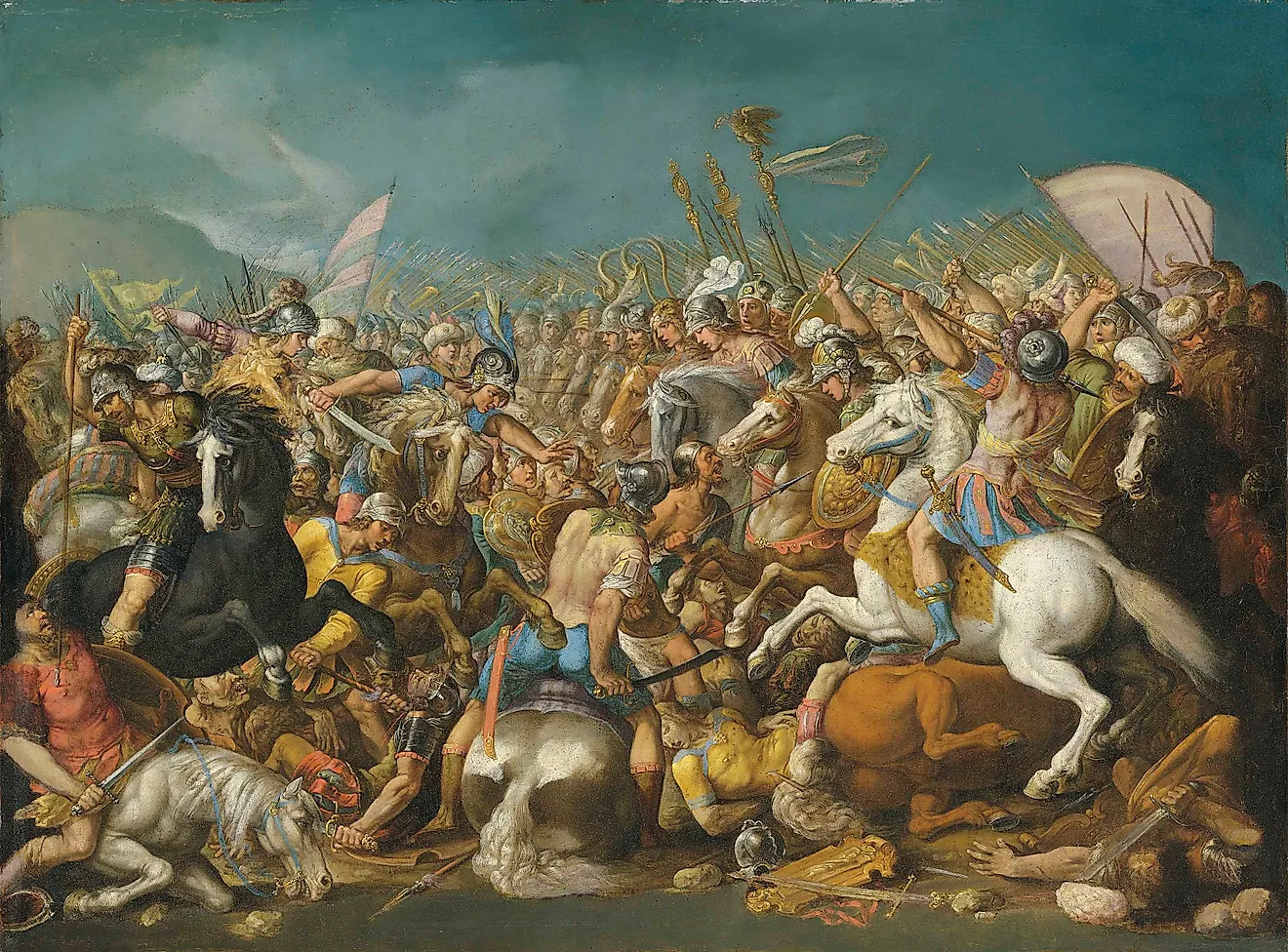
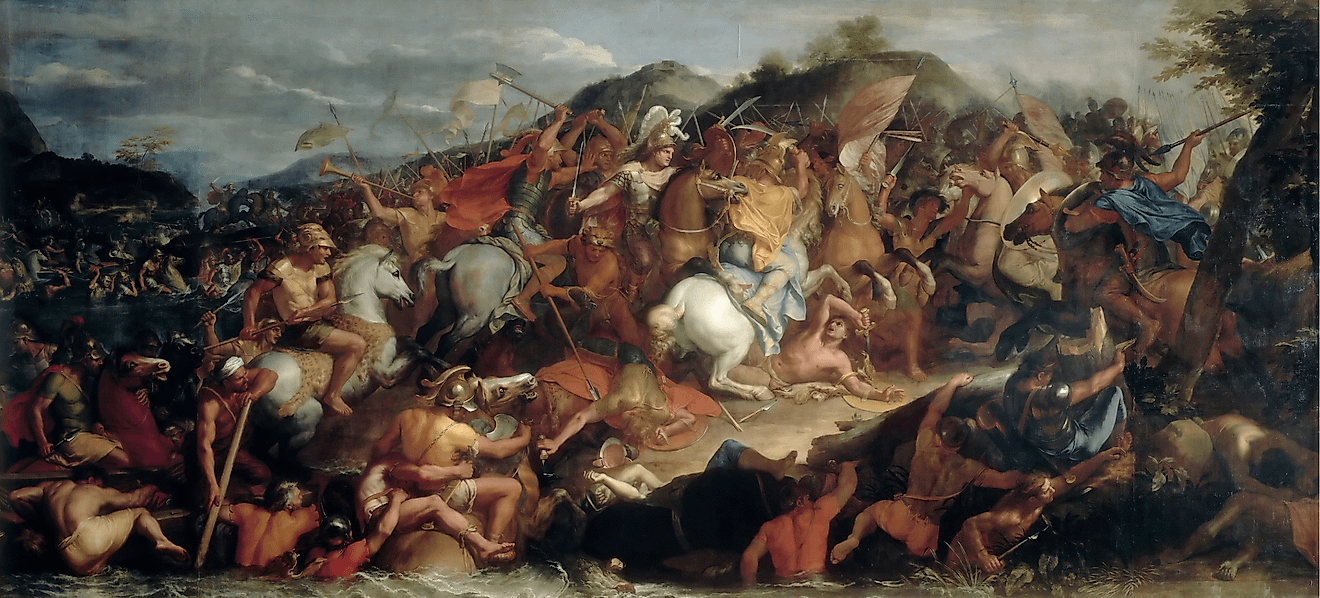
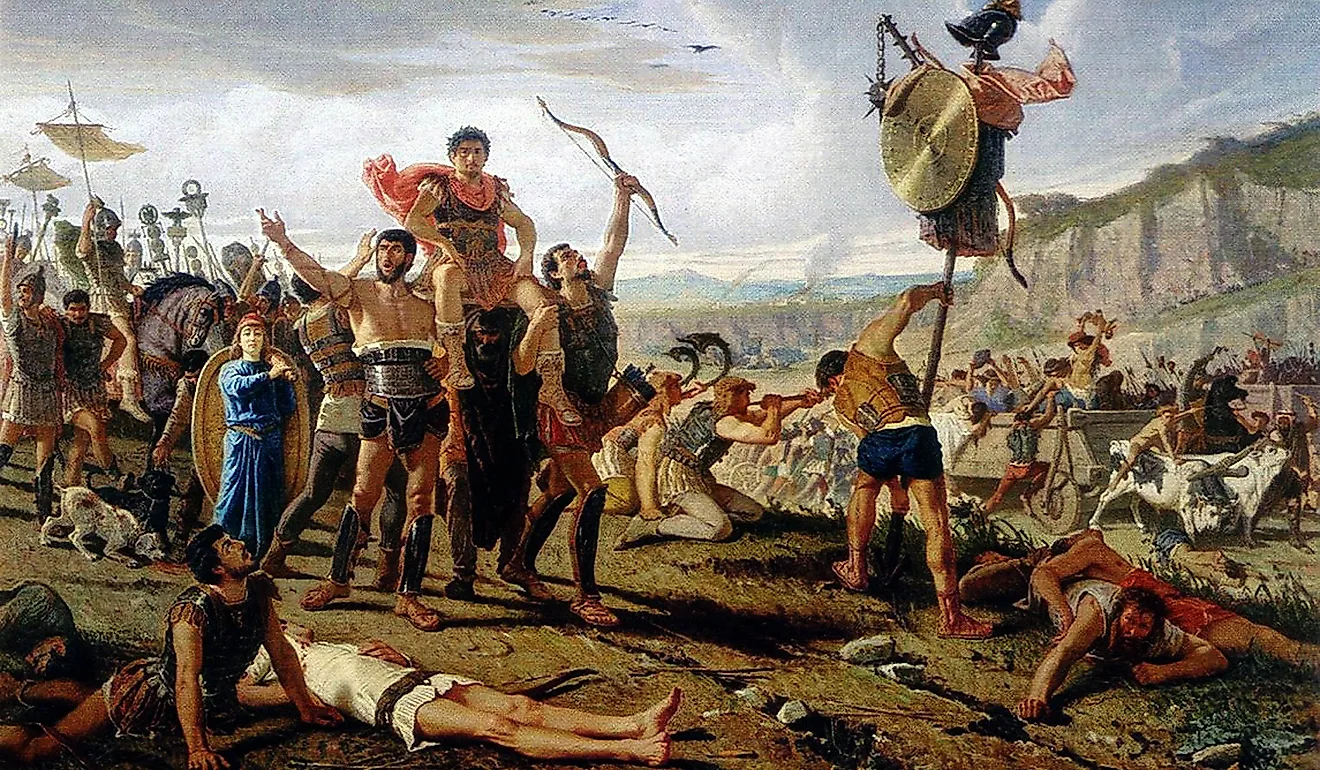
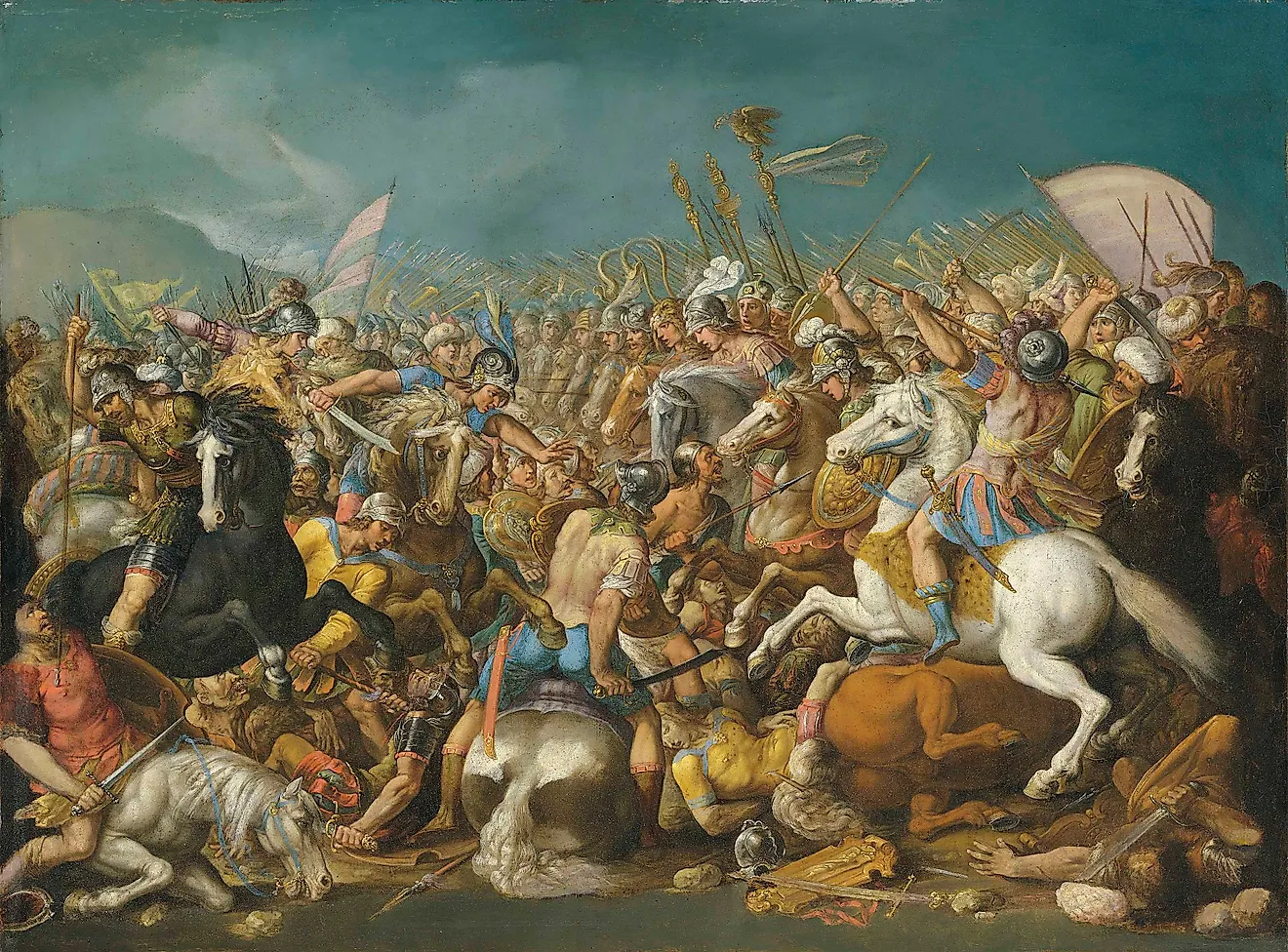
Carthage frequently found itself in conflict with its neighbors, particularly the Ancient Greeks, and often allied with the nascent Roman Republic in these conflicts. The Punic Empire quickly grew to become an economic power. At the height of its influence, Carthage controlled much of the western Mediterranean, including large portions of the North African coast west of Egypt, the southern half of the Iberian Peninsula, and the western half of Sicily. This latter holding captured much of Carthage’s attention and eventually brought it into conflict with Rome, leading to the destruction of the Punic empire. In 264 BCE, the first of three Punic Wars began when Syracuse sought the aid of both powers to deal with a mercenary-usurped city. Carthage ultimately lost the conflict, but in the ensuing depression, Hannibal emerged as Carthage's leading general and led Carthage into the Second Punic War, which included many historical highlights such as Hannibal’s march across the Alps and the Battle of Cannae.
Fall and Influence

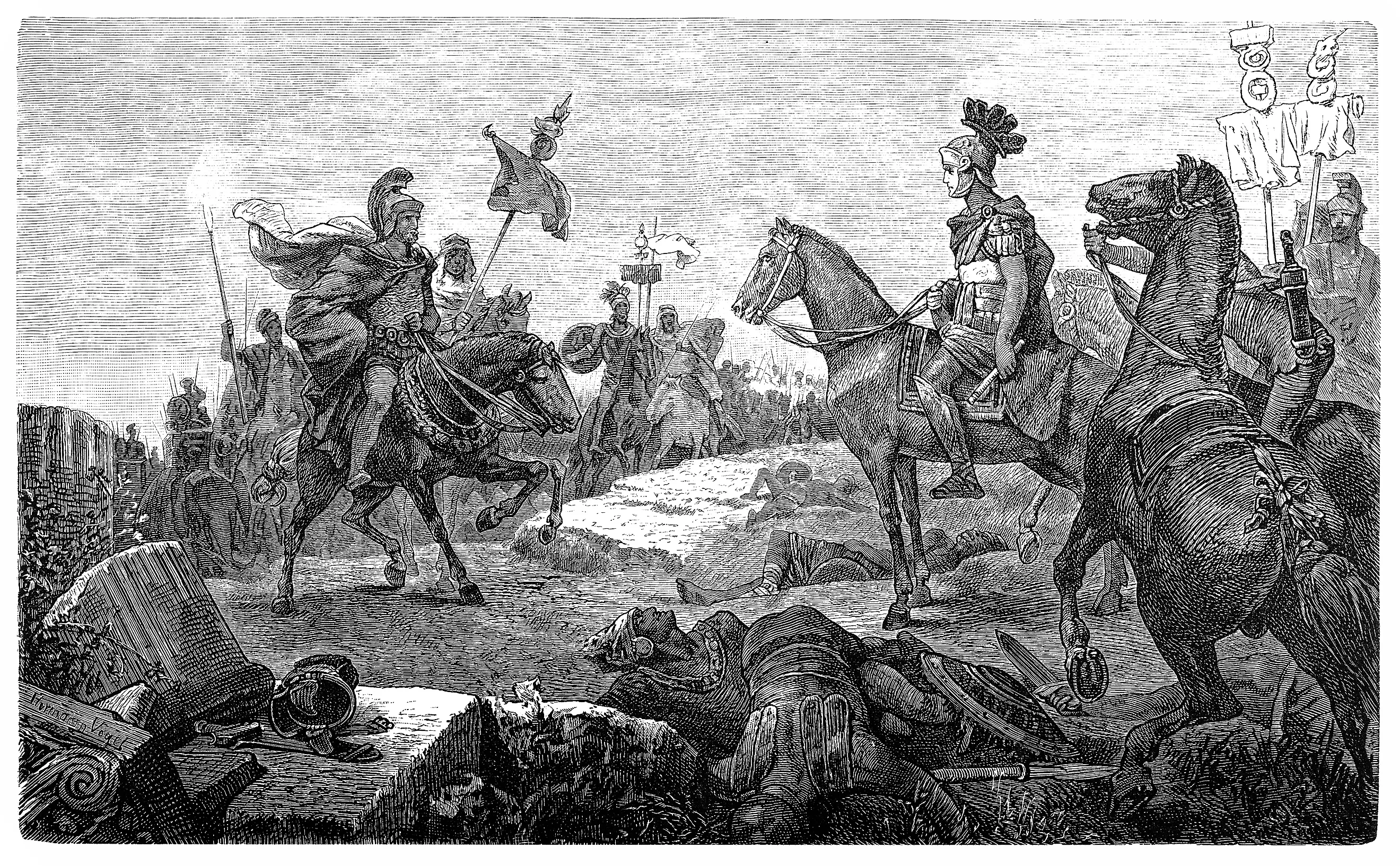
Despite Hannibal’s efforts, Rome defeated Carthage again in 202 BCE. After a brief period, the Roman senate began to agitate for Carthage’s downfall. One senator, Cato the Elder, even had the abbreviated assertion “Carthago delenda est” (Carthage must be destroyed) attributed to him. Around 150 BCE, the Third Punic War ended with the destruction of Carthage. Julius Caesar would eventually rebuild a city over the ruins of Carthage, but at first glance, it seemed as if Carthage’s enemies had destroyed it. However, Carthage’s influence remains, often within its enemies. Rome was heavily influenced by its battles with Carthage, and military history and Western civilization both contain countless traces beyond even Hannibal’s elephants and Cannae. The Carthaginian empire also demonstrated the importance of trade and the interconnection of settlements. The Punic language, a dialect of Phoenician, is related to Hebrew and to various other languages of the region.
Zhou Dynasty, ~800 years
Fall in the West

The Zhou Dynasty ruled Iron Age China and was the longest-lasting empire in Ancient China, ruling for eight centuries. During this time, many cultural and societal developments occurred that continue to influence Asia to this day. The Zhou Dynasty consisted of two distinct phases, the Western and Eastern Zhou Dynasties. Scholars debate the beginning of the Western Zhou’s establishment, but it is currently believed that the Zhou Dynasty’s rise to power began in 1046 BCE. The Western Zhou Dynasty, based in what is today the Shaanxi province, overthrew the Shang Dynasty and became a dominant power, with its capital along the Huang He River. After two hundred years, the stability of the Western Zhou’s political system declined as tribal chieftains gained power. The ensuing conflicts, both external with barbarians and internal from rebellious vassal states, eventually drove the Zhou rulers to reestablish themselves in their eastern capital, atop which the modern-day city of Luoyang is built.
Rise in the East

Reestablished as the Eastern Zhou Dynasty, the Zhou family’s control of China continued. During this time, China became one of the most populous regions of the ancient world, and countless innovations occurred. Despite this, the Zhou Dynasty's more than 150 feudal states remained in near-constant conflict throughout the Spring and Autumn and Warring States periods. The Spring and Autumn Period lasted from 770 BCE to 476 BCE, during which the vassal states fragmented further amid conflicts among five overlords. By the time of the Warring States period, which lasted from 475 BCE to 221 BCE, two additional powers had risen. Among these various warring vassals was the Qin family. Like the Zhou, the Qin had lands west of their predecessors, and this isolation, along with various economic improvements and reforms, allowed the Qin to gain dominance over the other warring vassals. They defeated the Zhou in 256 BCE, and in 221 BCE, the Qin dynasty, from which China gains its name, unified the land.
The Legacy of Heaven

Despite the constant strife and conflict that characterized much of its rule, the Zhou Dynasty laid many of the foundations of Chinese civilization. During their rule, China entered the Iron Age, with iron increasingly used for agricultural tools and weapons. Bronze continued to be used in art alongside jade. Agriculture likewise saw significant improvement, with grain yields rising due to improved irrigation. Societal developments included a more defined social structure, with a class-based society emerging that consisted of warrior-administrators, farmers, artisans, and merchants.
Most importantly, the Zhou created the concept of the Mandate of Heaven. The Mandate of Heaven, the concept of Heaven itself, and the idea that it justified their takeover of the Shang Dynasty served as a primary reason for a dynasty’s continued rule, and every succeeding dynasty in China revolved around this concept. Philosophical developments abounded in the Zhou Dynasty, including major schools of thought such as Confucianism and Daoism, which remain cornerstones of Eastern philosophy.
Roman Empire, ~1100 Years
Rise of Rome

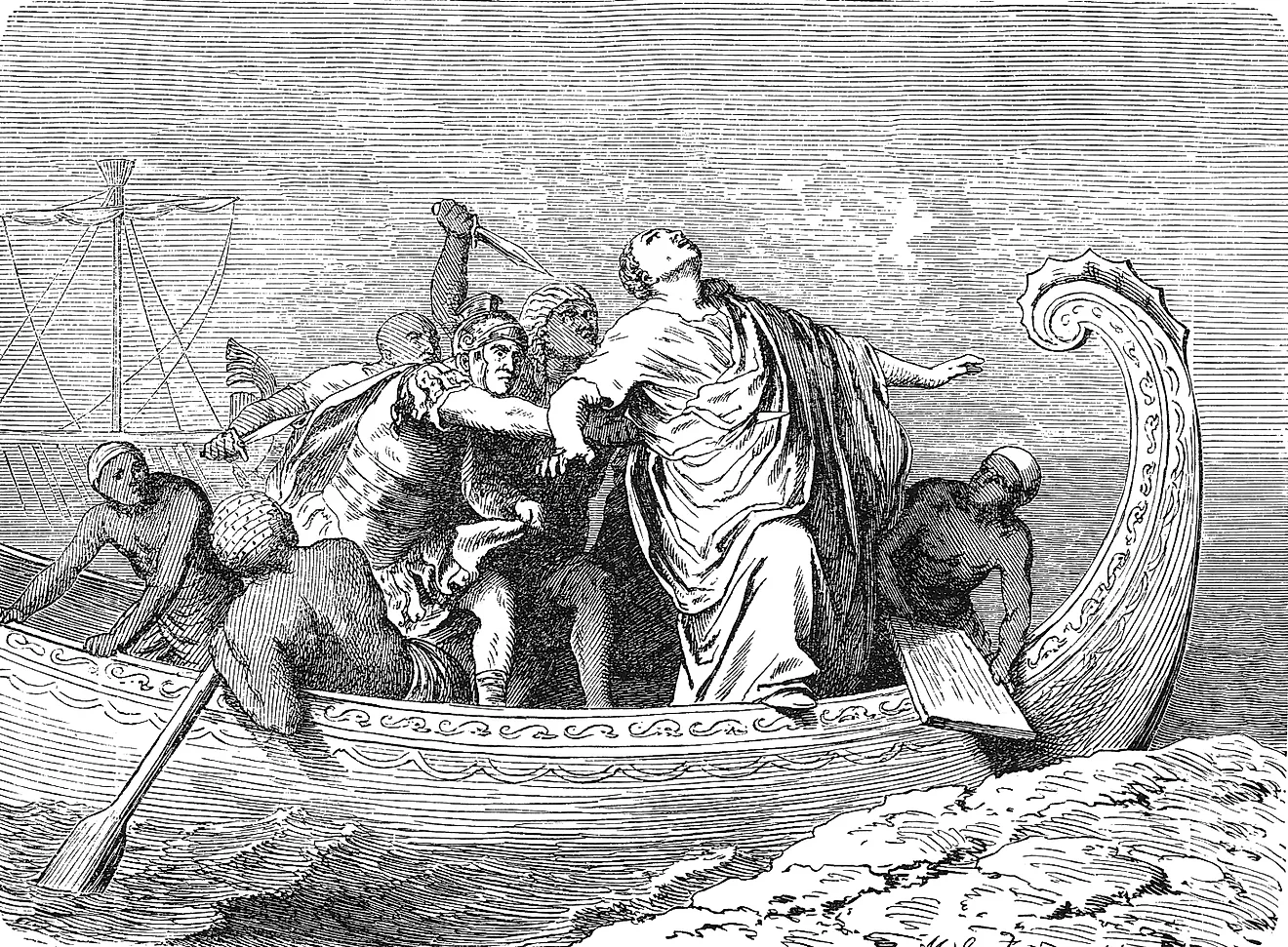
Like Carthage, the Roman Empire began as a single city in Italy but, over a millennium, grew into a foundation of Western civilization, whose fall marked the end of the Ancient world and the beginning of the Medieval period. Rome emerged as a Latin settlement on the Tiber River and later came under significant Etruscan influence. By 600 BCE, Rome had grown into a full city and was swiftly gaining economic and military power under a series of kings. However, in 509 BCE, Rome became a republic ruled by its senators and equestrians (knights), but its laws provided for the selection of a “dictator” in times of crisis, who would frequently preserve the republic and also laid the foundation for its future emperors. After the defeat of Carthage, Rome’s conquest of its territories established Rome as a dominant power on the Mediterranean Sea but also ushered in a prolonged period of political unrest. By 50 BCE, Julius Caesar had conquered Gaul, dramatically expanding Roman influence into Western Europe. After his assassination, his heir, Gaius Octavius, defeated his rival, Mark Antony, conquered Egypt, and consolidated his power after the Battle of Actium in 31 BCE, before receiving the title Augustus in 27 BCE.
The Imperial Period

Once established, the Roman Empire flourished for several decades of peace and stability, during which its laws and language spread even as it encompassed countless cultures. At its largest in 117 CE, the Roman Empire controlled much of Europe, North Africa, and Asia Minor, and had a population of nearly 100 million. However, during the reign of Marcus Aurelius in the late second century CE, Rome began to suffer a decline. Although scholars have yet to determine a specific reason, internal conflict, economic strain, and foreign invasions weakened Rome. In 286 CE, Emperor Diocletian divided the empire into eastern and western administrative regions, a separation that eventually evolved into the Eastern and Western Roman Empires. The Eastern Empire would eventually become the Byzantine Empire and last for another thousand years, but the Western Roman Empire continued to decline. Several invasions by the Goths devastated the empire, including a sacking of Rome itself by the Visigoths in 410 CE. On September 4, 476 CE, the last Western Roman Emperor, Romulus Augustulus, was overthrown, marking the traditional end of the Western Roman Empire.
Roman Remnants

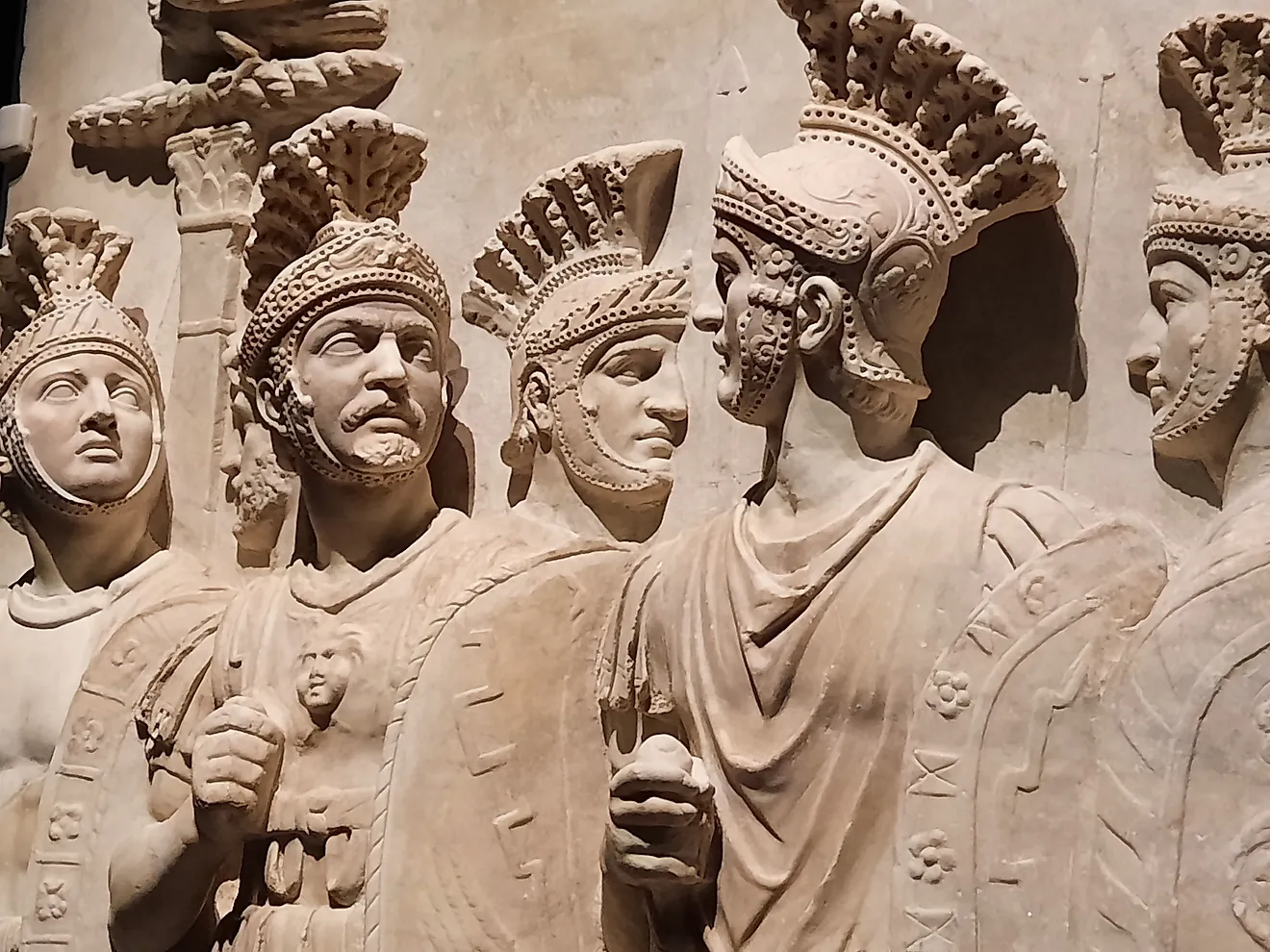
The Roman Empire remains one of the cornerstones of Western civilization, as its ideas and developments endured long after its fall. Today, Roman culture continues to capture imaginations. Roman mythology, history, and society appear throughout literature, film, and video games, and the Roman legions influenced military doctrine and organization for centuries. The primary language of Rome, Latin, is still studied and used today in science, such as the taxonomical names of plants and animals, and the planets of our Solar System take their name from Roman mythology. Even economics and logistics are still heavily influenced by Roman infrastructure and practices, such as the use of a universal currency. In fact, many roads in Europe are built along the same routes as those built by Rome. The legacy of the Roman Empire remains strong, and historians study its rise and fall to understand better how it flourished and foundered, shaping our world today.
History’s Longest Empires
Every empire is built upon the foundations and often ruins of those that came before it. The Zhou Dynasty came to power by overthrowing the Shang Dynasty, only to be overthrown by the Qin Dynasty in turn. Carthage began as a Phoenician colony but grew to become a Mediterranean power; it fell to Rome, which in turn collapsed. However, these ancient empires lasted longer than their rivals and continue to influence those that have come after. Their conquerors evolved in response to them and often adopted their ideas and cultures, synthesizing them into their own. As a result, these empires endure even thousands of years after their collapse.