The US Lakes Where Boat Ramps Have Gone Dry
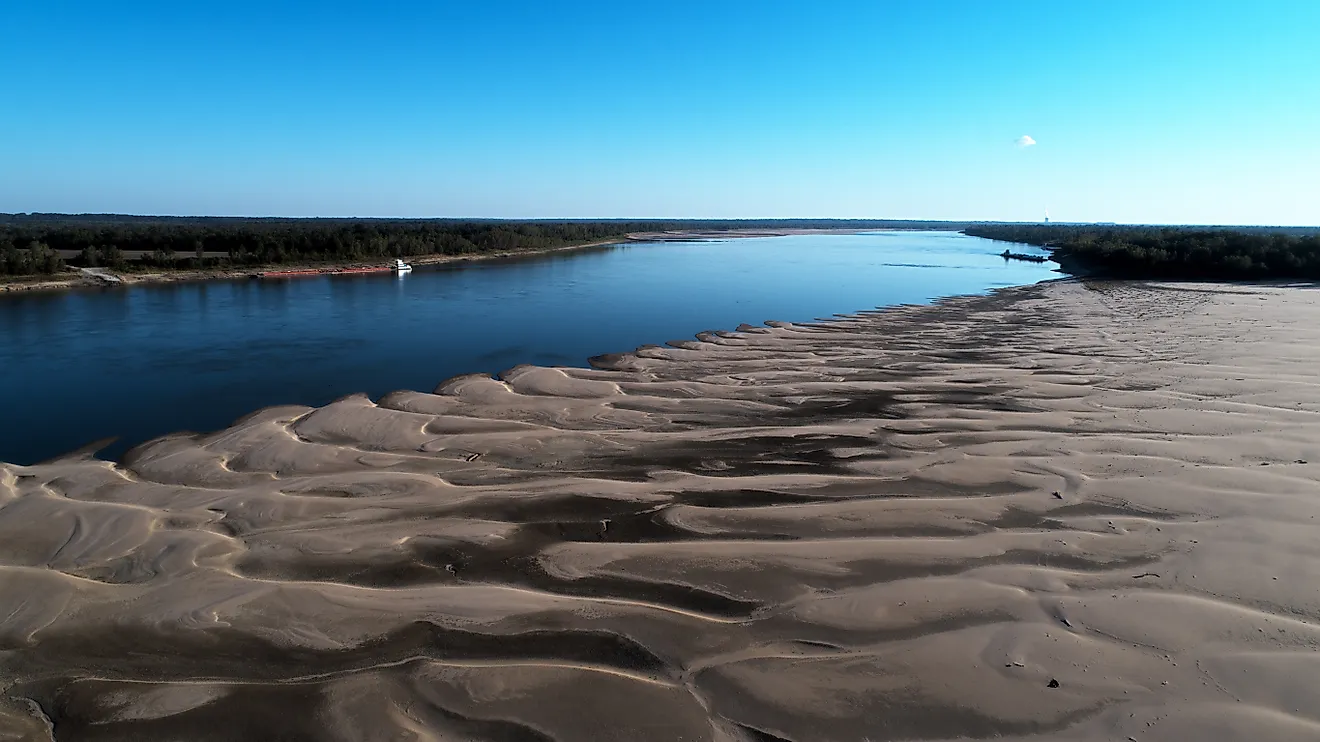
At Lake Mead, falling water has left boat ramps far above the shoreline. By 2022, the water had retreated more than 1,000 feet in some areas, separating familiar launch sites from the lake. Similar closures have cut off boat access at Lake Powell and across parts of the West, sometimes while deep water remained visible offshore.
A trailer needs a firm ramp that reaches far enough underwater to float its boat. When the lake drops below that usable surface, another few feet of concrete can determine whether a fishing trip happens. Some launches have reopened after wet winters or heavy rain. Others have stayed closed for years, with replacement access built farther down the shore.
Lake Mead, Nevada And Arizona

Government Wash's concrete boat ramp closed in 2001. At Overton Beach, declining water forced parts of the marina to move in 2007, and the ramp closed in 2009. Las Vegas Bay lost its marina too, with operations relocated to Hemenway Harbor in October 2002.
By summer 2022, Hemenway Harbor was Lake Mead's only operable launch ramp. Callville Bay and Echo Bay had closed that spring, concentrating motorboat launching at the southern end of the reservoir. Access has since expanded through temporary surfaces and relocated launches. The park's October 2026 update listed motorized launching at Callville Bay and Temple Bar using concession-operated launch mats. At South Cove, the old concrete ramp remained closed, while a primitive launch a quarter-mile south provided a way into the water.
Lake Powell, Utah And Arizona

Lake Powell no longer reaches its launch ramp at Hite. In the park's October 2026 update, the ramp was out of the water and closed to every type of vessel. Farther south, Wahweap Main had become inoperable in August 2025 because of low water. It remained closed to motorized launching in October 2026, while Stateline Auxiliary provided access nearby.
At Bullfrog, keeping boats on the lake has required moving marina services into deeper water near Halls Crossing. By September 2026, that temporary relocation included boat rentals and the floating fuel dock. The public ramp at Halls Crossing was closed, so trailered boats still needed another launch. Boaters in the Bullfrog area were directed to a 20-foot-wide primitive ramp, with steel plates beneath the water. Crews have continued extending that launch as the shoreline recedes.
Lake Tahoe, California And Nevada

Lake Tahoe reaches a maximum depth of 1,645 feet, yet low water kept Sand Harbor's boat ramp closed for the summer of 2022. The problem was at the shallow edge where trailers enter the lake. On the Nevada shore, boaters could still launch at Cave Rock, and park staff extended its summer operating hours while anticipating heavy demand. A parking space became a condition of launching: when the lot filled, additional boats could not go in. Sand Harbor's launch parking area, meanwhile, opened for limited use by people bringing kayaks or paddleboards, along with oversized vehicles. The closure did not become permanent. Nevada State Parks scheduled Sand Harbor's 2026 boat-launch opening for May 1, even though storm damage had put its docks out of service.
Lake Oroville, California

Four-wheel drive became a requirement for launching at Lake Oroville's temporary Bidwell Canyon site in December 2018. Water was dropping below the lowest paved ramp, and every other paved launch on the reservoir had already closed. The replacement route followed steep gravel below the Stage 3 parking lot.
The drought of 2021 reduced access again. By August 6, the remaining temporary launch near the dam's spillway had stopped accepting trailered boats because conditions were unsafe.
Winter storms raised the lake enough for the paved Lime Saddle ramp to reopen in early January 2023. By June, Oroville was full. At Nelson Bar, high water covered the parking lot serving the car-top boat launch; that access reopened in July after the lake fell below the lot.
Great Salt Lake, Utah

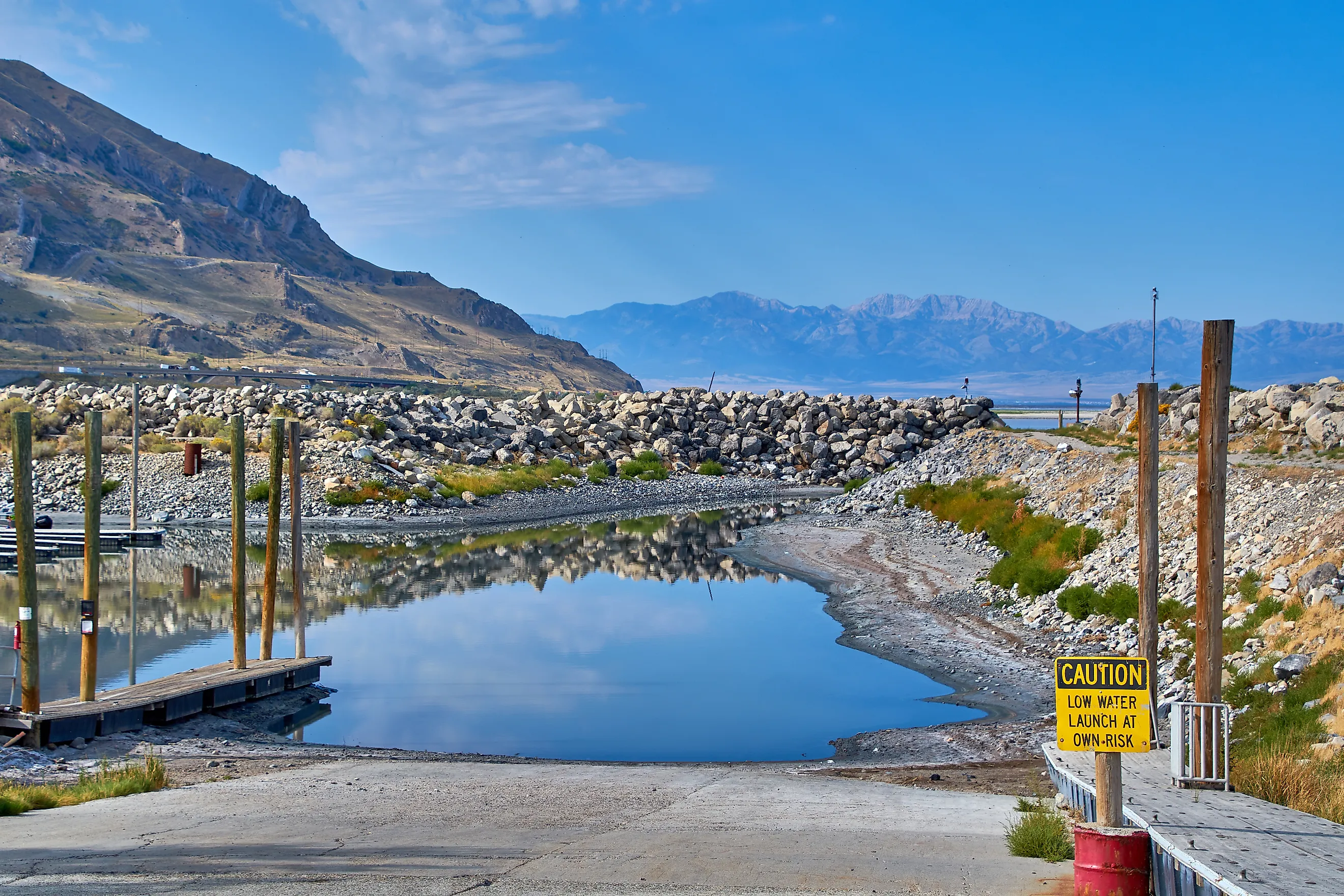
Even two state search-and-rescue boats had to be dry-docked when Great Salt Lake reached historic lows in 2022. That August, Great Salt Lake State Park announced its boat-ramp closure. The beach and campground stayed open, and people continued launching kayaks and paddleboards.
To keep the harbor usable at lower lake levels, managers also dredged the lakebed. Dredging at the Great Salt Lake Boat Harbor created a deeper connection to open water and improved access around the boat ramp and rescue-boat dock. Funding did not cover the entire marina, so the work concentrated on selected areas. Across the lake at Antelope Island, the main boat ramp remained closed to motorized launching because of low water in October 2026.
Canyon Lake, Texas

Boat Ramp 18 was the last public launch still available at Canyon Lake when it closed on November 1, 2024. Managers had kept it open cautiously after the lake passed its usual closure elevation. By October 30, less than 14 feet of concrete ramp remained usable, with a severe drop-off at its end.
Rental operator Jaded Life and Luxury moved its fleet to Lake Travis and Lake LBJ while waiting for conditions to improve. Canyon Lake Adventures kept two boats in the water, but customers arriving with trailered boats had lost their public launch options.
Ramps began reopening after the devastating Hill Country floods of July 2025 raised the reservoir. By March 2026, Ramp 18 was among the launches back in service. Further heavy rain brought another round of cleanup and reopenings that July, including Ramp 3 at Comal Park.
By November 2022, the National Park Service had spent nearly $50 million relocating and extending ramps and other infrastructure at Lake Mead. Continued declines had already left some of those improvements above the water. Extending farther becomes harder as crews encounter different slopes and underwater terrain. Park staff manage recreation access, while the Bureau of Reclamation determines when to release or retain reservoir water. Lost launch access has also increased boat use on neighboring Lake Mohave. At Mead, temporary surfaces now carry trailers into the reservoir at several locations. Hemenway Harbor's October 2026 launch arrangements included four lanes over a pipe mat.