Did The Roman Empire Or Byzantine Empire Have A Better Army?
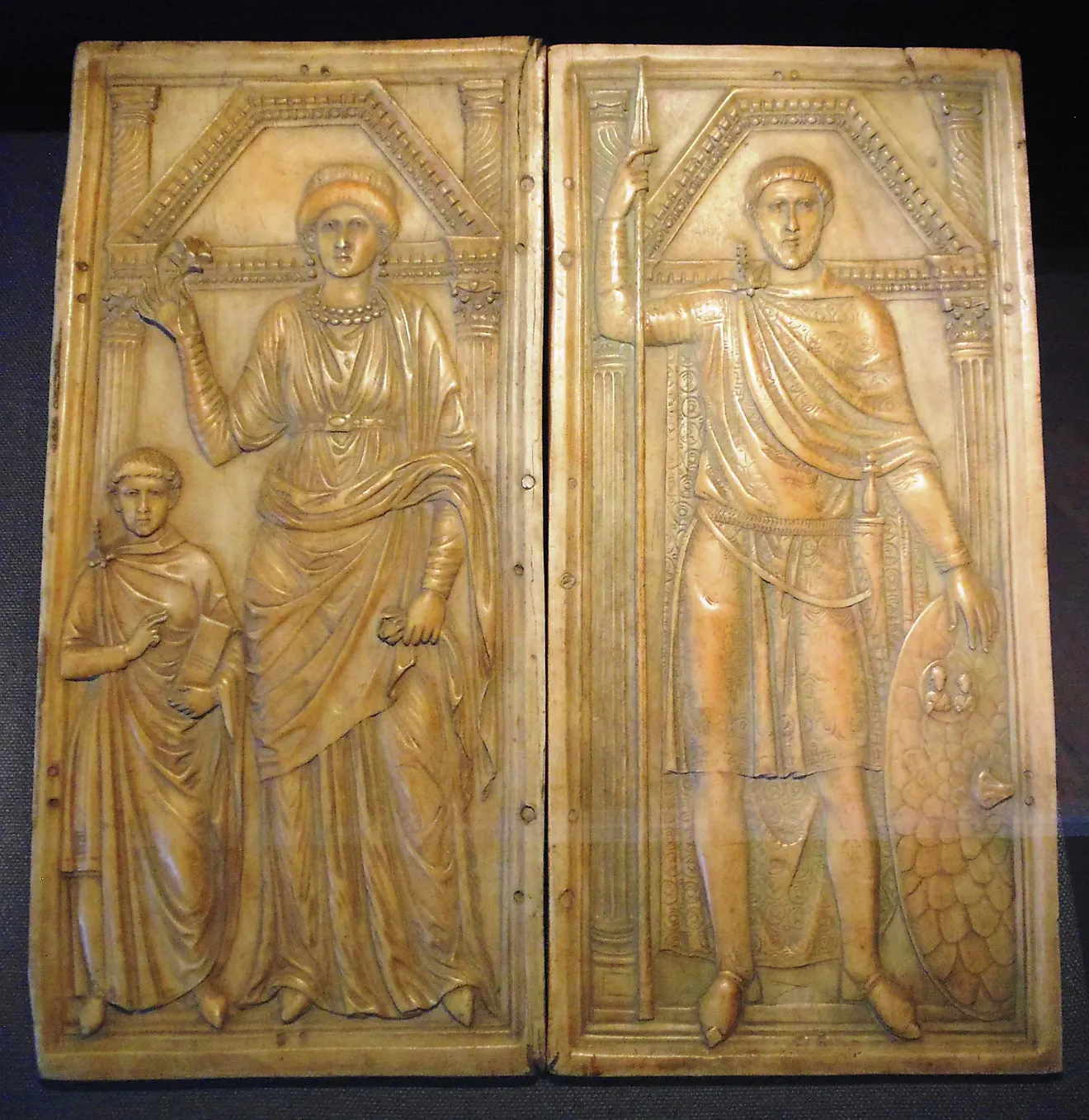
In 395 CE, the Roman Empire split into an Eastern and Western Empire. While the Western Roman Empire ultimately fell in 476 CE, the Eastern Roman Empire (later known as the Byzantine Empire) survived for the next 1,000 years. This was largely due to the strength of its army. It therefore makes sense to compare the Byzantine army with the pre-split Roman army. In doing so, we learn that we can’t really say if the Roman Empire or Byzantine Empire had a better fighting force. They were both effective at accomplishing different goals.
Conventional Warfare: The Roman Army

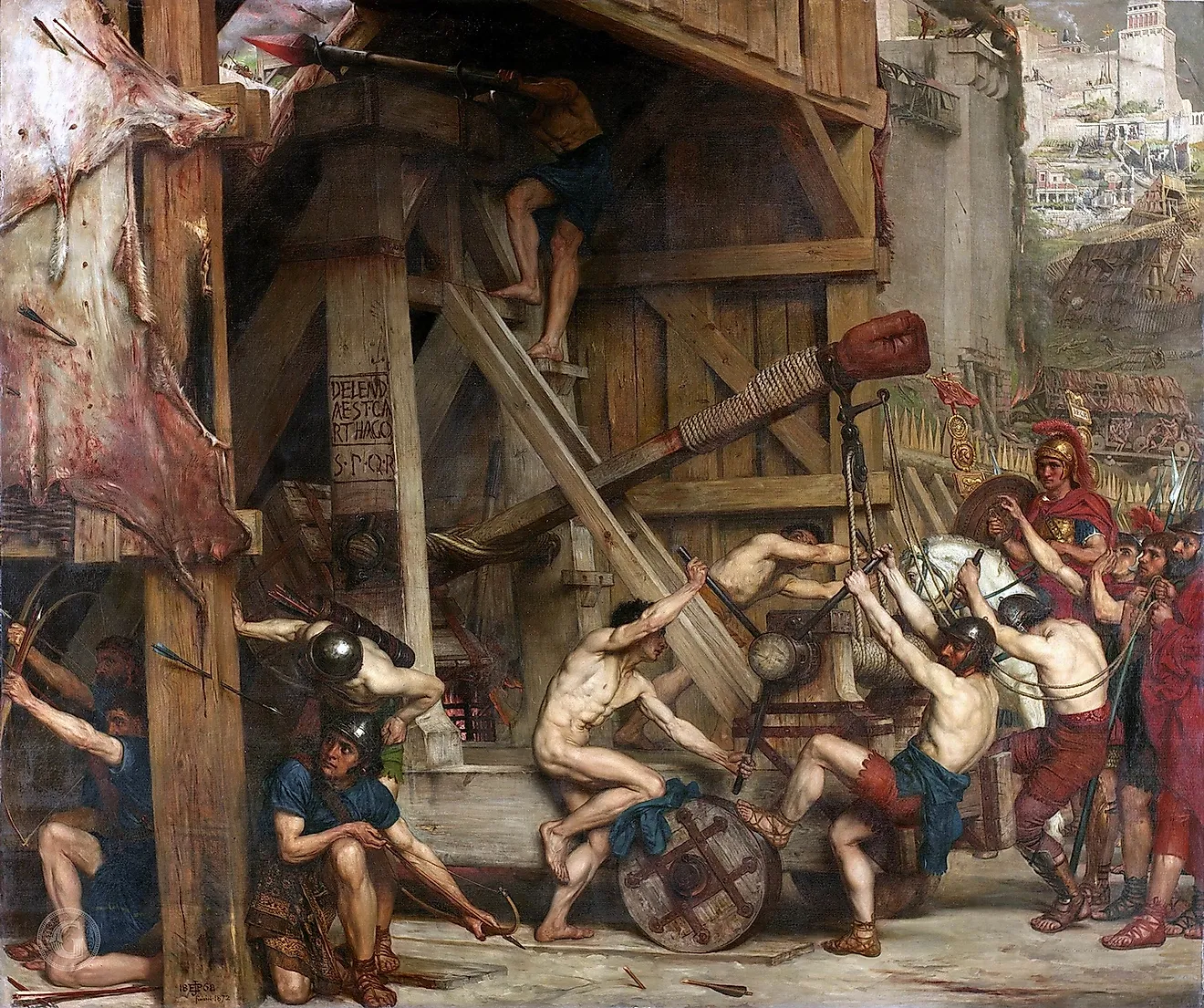
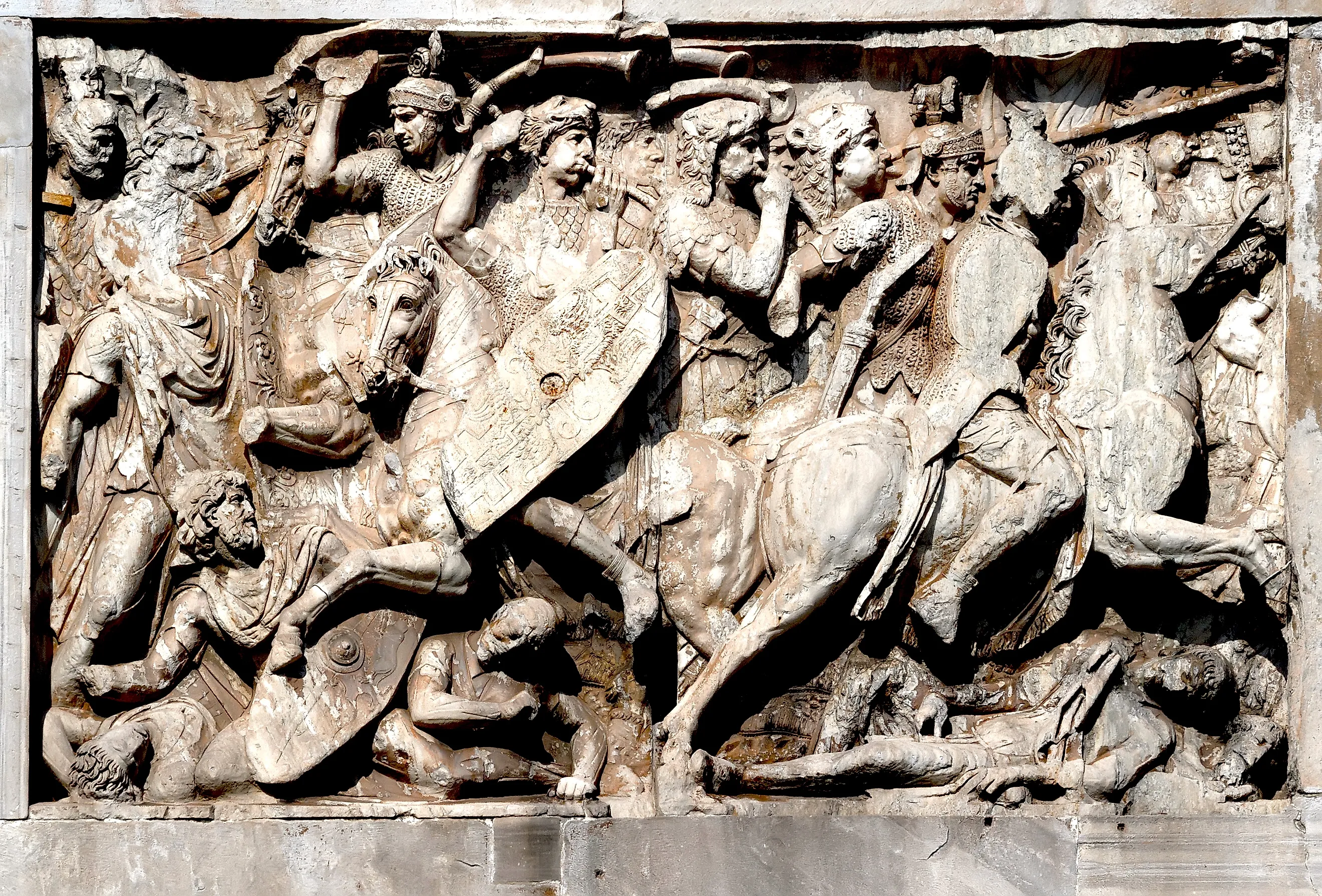
In a conventional war, meaning one based around field battles, organized campaigns, and territorial conquest, there was arguably no better fighting force in history than the Roman army. Roman legionaries were well trained and disciplined under pressure. They demonstrated this in numerous sieges, like the Siege of Alesia in 52 BCE and the Siege of Jerusalem in 70 CE, both of which decimated their opponents and effectively ended their respective campaigns.

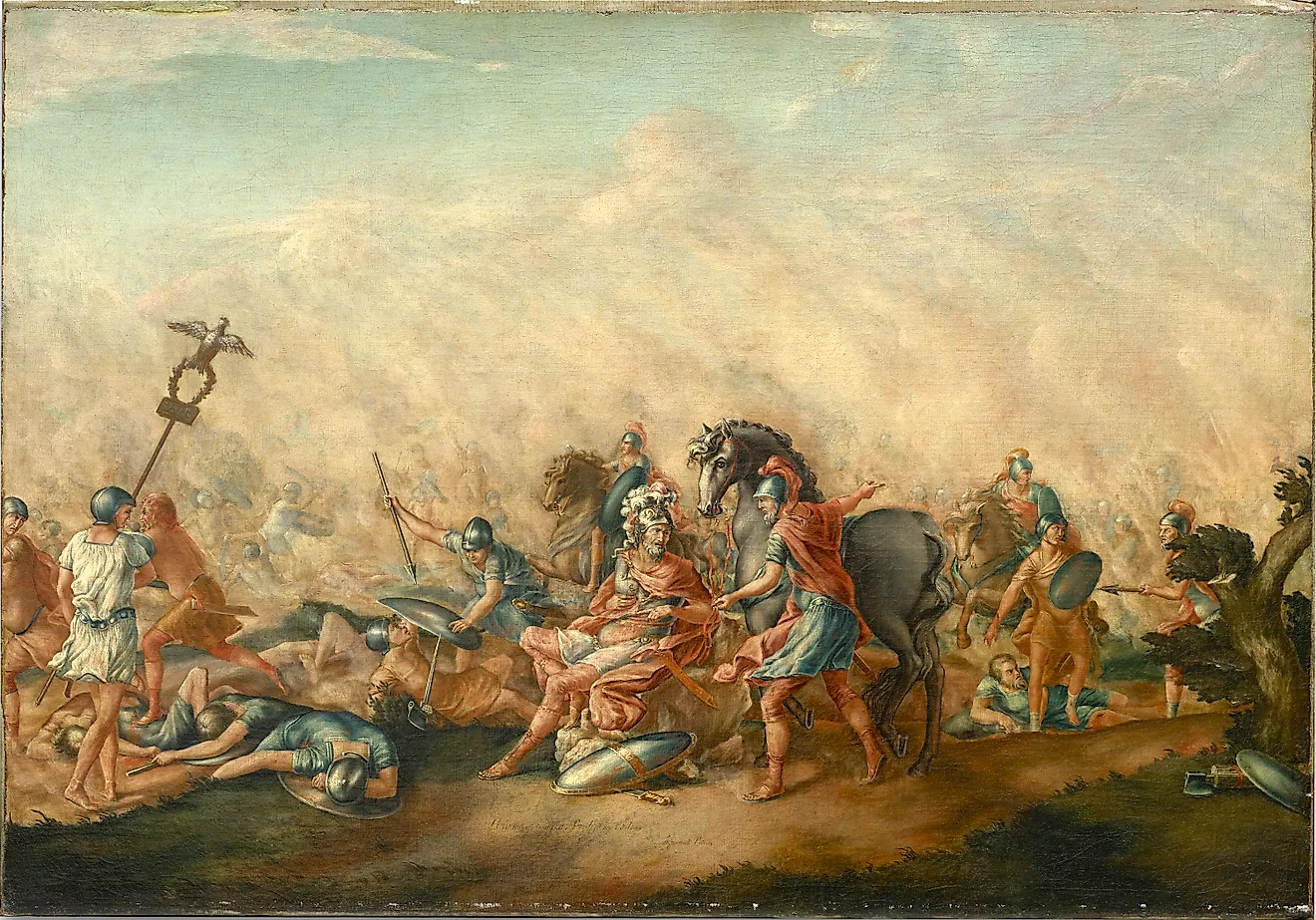
Perhaps the Roman army’s greatest advantage over the Byzantine army was its sheer size. If the Roman army lost 10,000 men, it could relatively easily replace them. Consider the disastrous Battle of the Teutoburg Forest in 9 CE, in which the Romans lost up to twice that many. While obviously not good, they recovered quickly and launched retaliatory campaigns against the Germanic tribes responsible only five years later. By contrast, the Byzantine army, while still large, had fewer people to draw on because of the empire’s smaller population. A loss of 10,000 was therefore far more devastating.
Logistics: The Roman Army

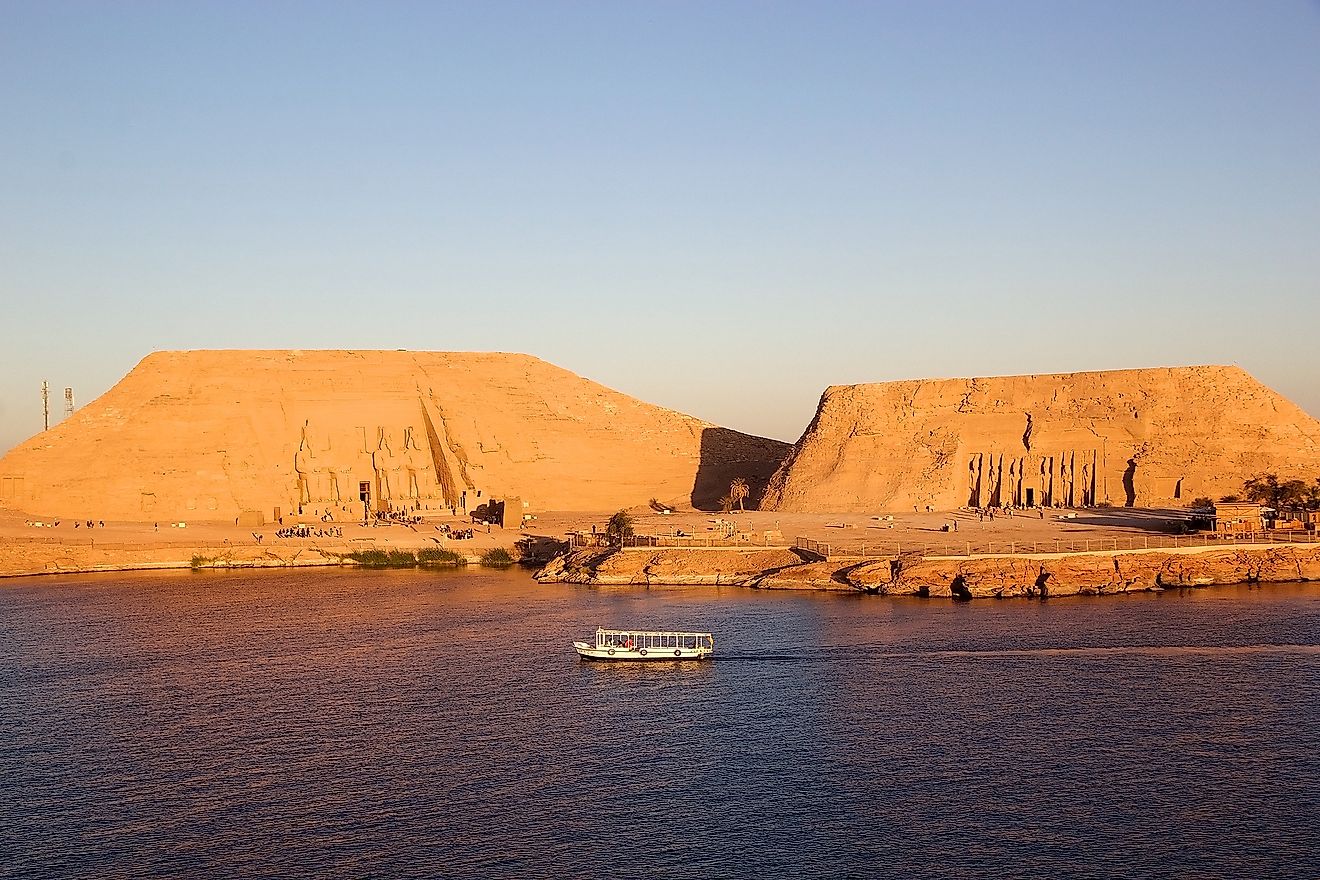
Logistics are another area where the Roman army beats the Byzantine army. Admittedly, they were very similar, since the Byzantines inherited Roman logistical and administrative practice. But there were still some differences. At its height, the Roman army was supported by a sophisticated network of roads, bridges, fortified camps, ports, granaries, and supply depots. Grain from provinces like Egypt and North Africa was also crucial, since it ensured that the army stayed well fed.

The Byzantines continued many of these practices but were forced to adapt over the centuries as they lost provinces such as Egypt, Syria, Palestine, and North Africa. Local supplies thus became more important. While effective, this reliance meant that Byzantine commanders had to expend energy worrying about feeding their troops, whereas Roman generals could mostly focus on strategic and military matters. Reliance on local supplies, paired with fewer people and worse transportation infrastructure, also meant that the Byzantine army was less effective in large expeditionary campaigns. While it did have some successful conquests, the most notable of which occurred under Emperor Justinian, it was often unable to hold its new territory.
Adaptability: The Byzantine Army

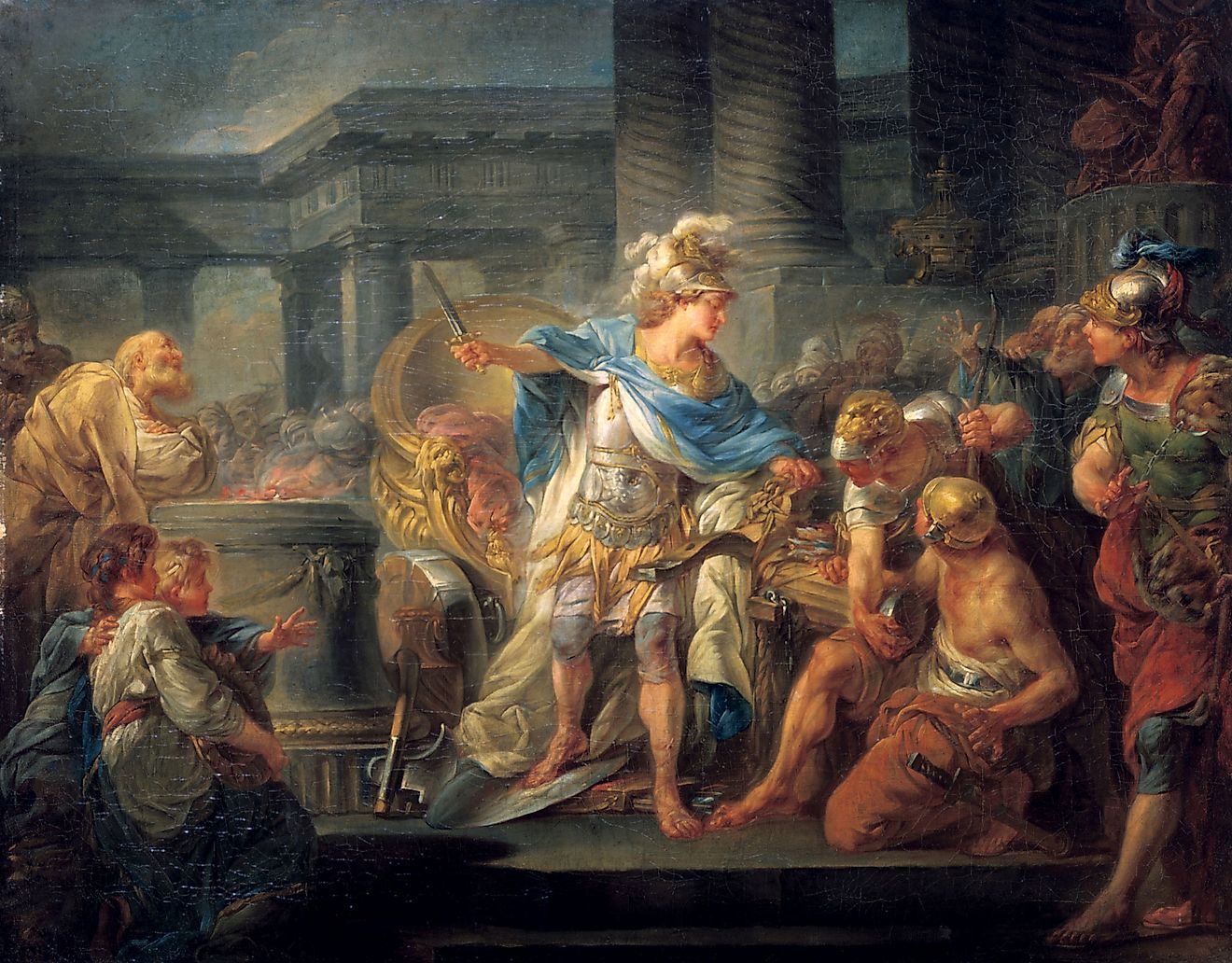
Both the Roman and Byzantine armies were adaptable. However, the Byzantines ultimately edge out the Romans in this category. Roman adaptability was particularly strong at the institutional level. Consider the reforms of the late Republican era and early empire, when the Roman army shifted from a citizen-based militia to a full-time professional fighting force. The Roman army also had significant room for error and adaptability because of its size. The Second Punic War is illustrative of this. After being decimated at the Battle of Cannae in 216 BCE, the Romans stopped trying to defeat the Carthaginians in an all-out battle. Instead, they wore them down through attrition and guerrilla warfare before launching an invasion of North Africa.

If the Romans adapted because they could, the Byzantines adapted because they had to. Over the Byzantine Empire’s 1,000-year history, it fought a variety of opponents. These included the Sasanian Persians, various Arab armies, Slavs, Bulgars, Goths, Huns, Normans, Rus, and Seljuk Turks, among many others. They came from different places and fought in different ways. A Byzantine general could face a highly organized Persian army in one campaign and then have to deal with a mobile, cavalry-based steppe army in the next. Unable to reform the entire army for every war, the Byzantines made studying their enemy a core part of military culture. They also had many different troop types, including heavy cavalry, archers, horse archers, infantry, scouts, and artillery. Their navy was effective as well. All this meant that the Byzantines were prepared to deal with a wide variety of threats and could do so without major military reforms.
Survival: The Byzantine Army

Despite having fewer resources than the Roman army and losing vast swaths of territory several times, the Byzantine Empire bounced back and outlasted the Roman Empire. This was partially due to its army, which mostly focused on survival rather than conquest. The Roman army certainly helped the empire survive. However, since its strength partially came from numbers and wealth, when these factors waned, so did its effectiveness as a defensive force.
Much of what made the Byzantine army less dynamic offensively ensured the survival of the Byzantine state. Reliance on local resources helped it stay effective if it got cut off from supply lines. Its smaller units were more flexible as well, allowing them to use strategies best suited to the particular enemy. The method in which soldiers were paid also helped. Starting in the 7th century CE, many were granted land in exchange for military service. Known as the theme system, this ensured that the government didn’t spend beyond its means. The land also allowed soldiers to pay for their own horses, armor, and weapons, further reducing pressure on the state treasury. In short, the Byzantine army’s flexibility and cost-effectiveness were instrumental in the Byzantine Empire surviving for over a thousand years.
Impact And Legacy
Both the Roman and Byzantine armies were excellent, albeit in different ways. The Roman army excelled in conventional warfare, largely because of its size and logistical capacity. By contrast, the Byzantine army was more adaptable and better suited to survival due to its reliance on local resources and the theme system.