Which Roman Generals Lost Battles They Should Have Won?
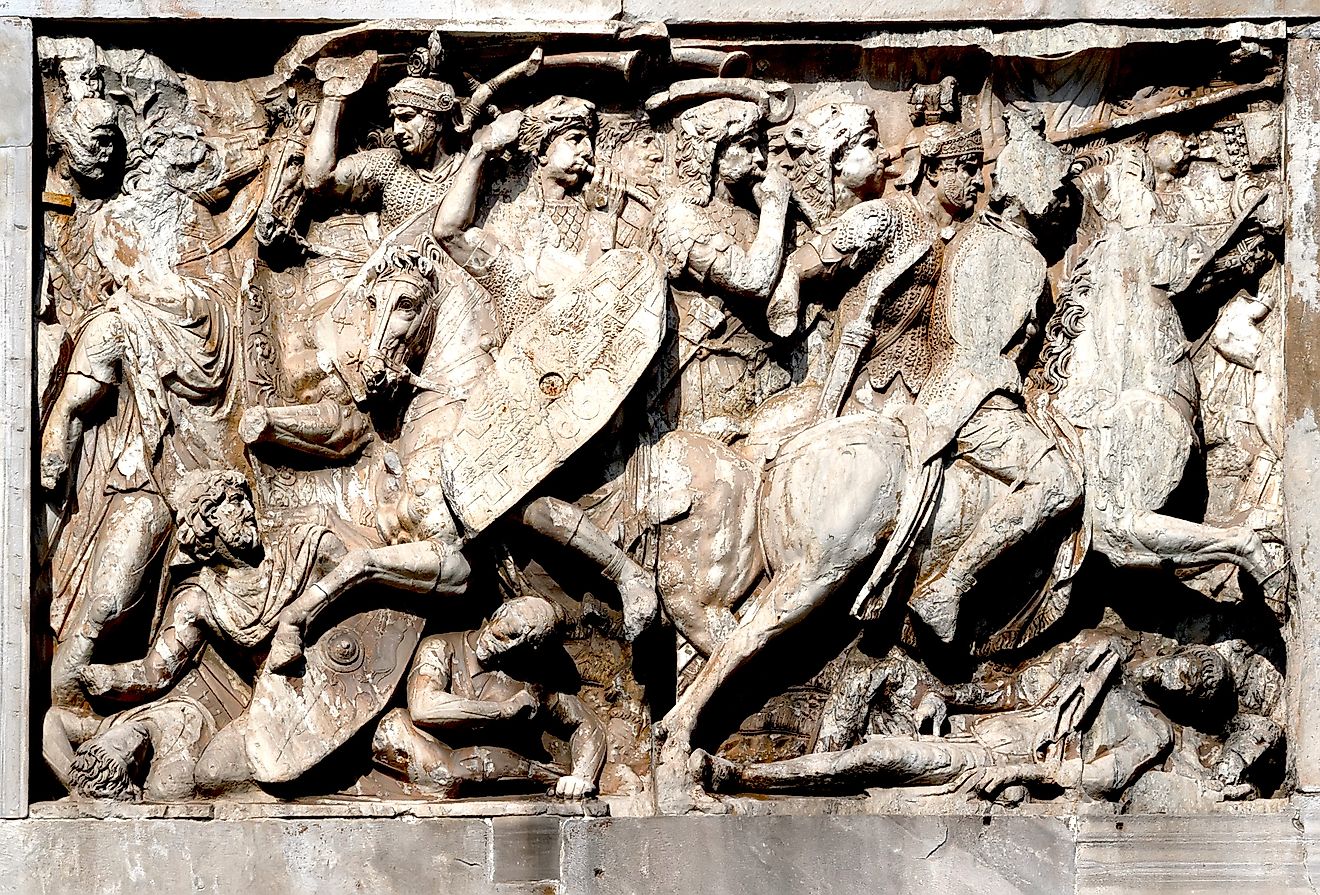
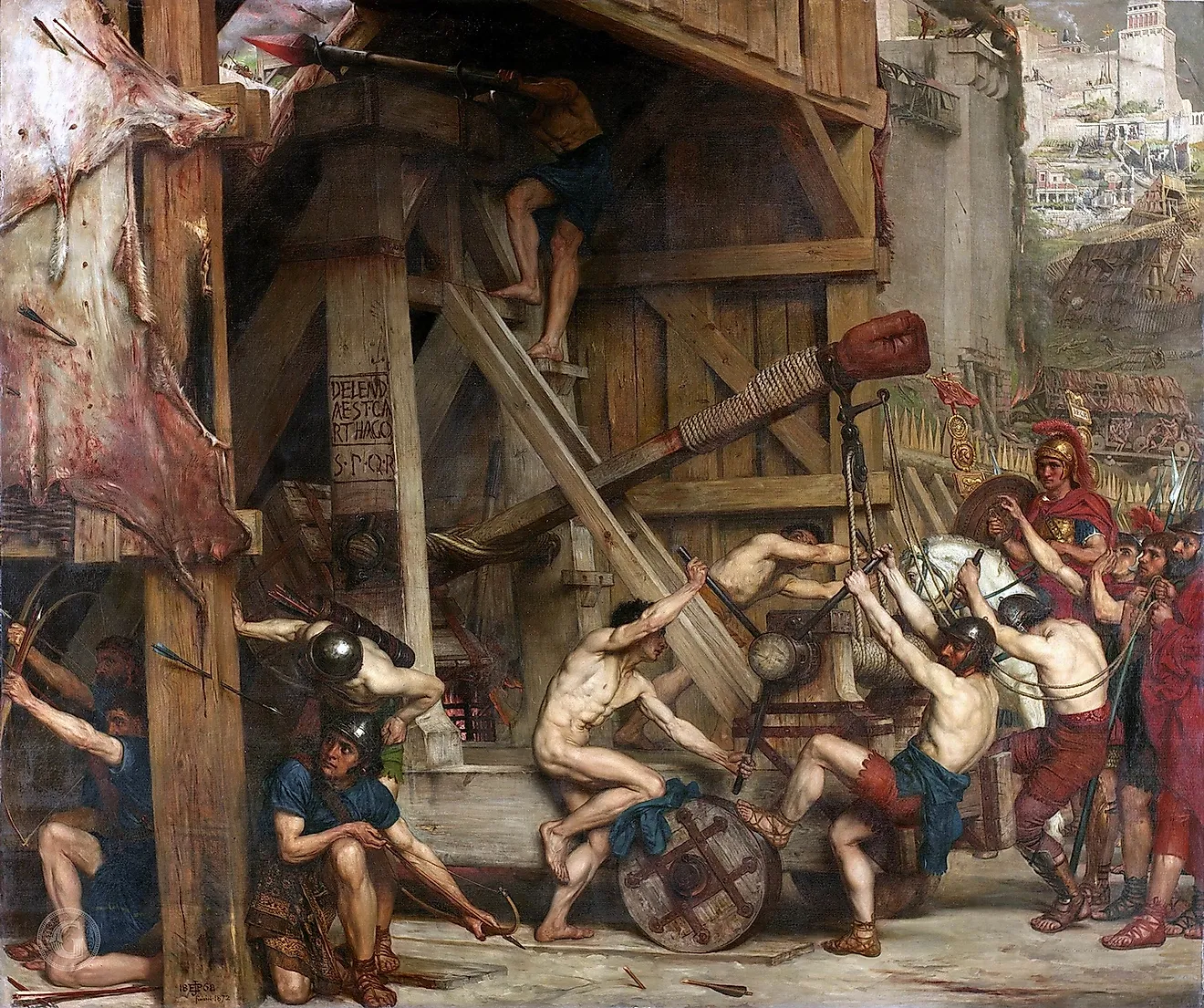
Both the Roman Republic and Empire had their share of great generals. However, some underperformed. Consider the Battle of Cannae, where, despite vastly outnumbering the Carthaginians, Varro led the Romans to a disastrous defeat. The Battle of Arausio was another catastrophe and saw Gallic forces decimate two Roman armies. Exploring such defeats in more detail helps us gain a more holistic understanding of a state that could sometimes appear invincible.
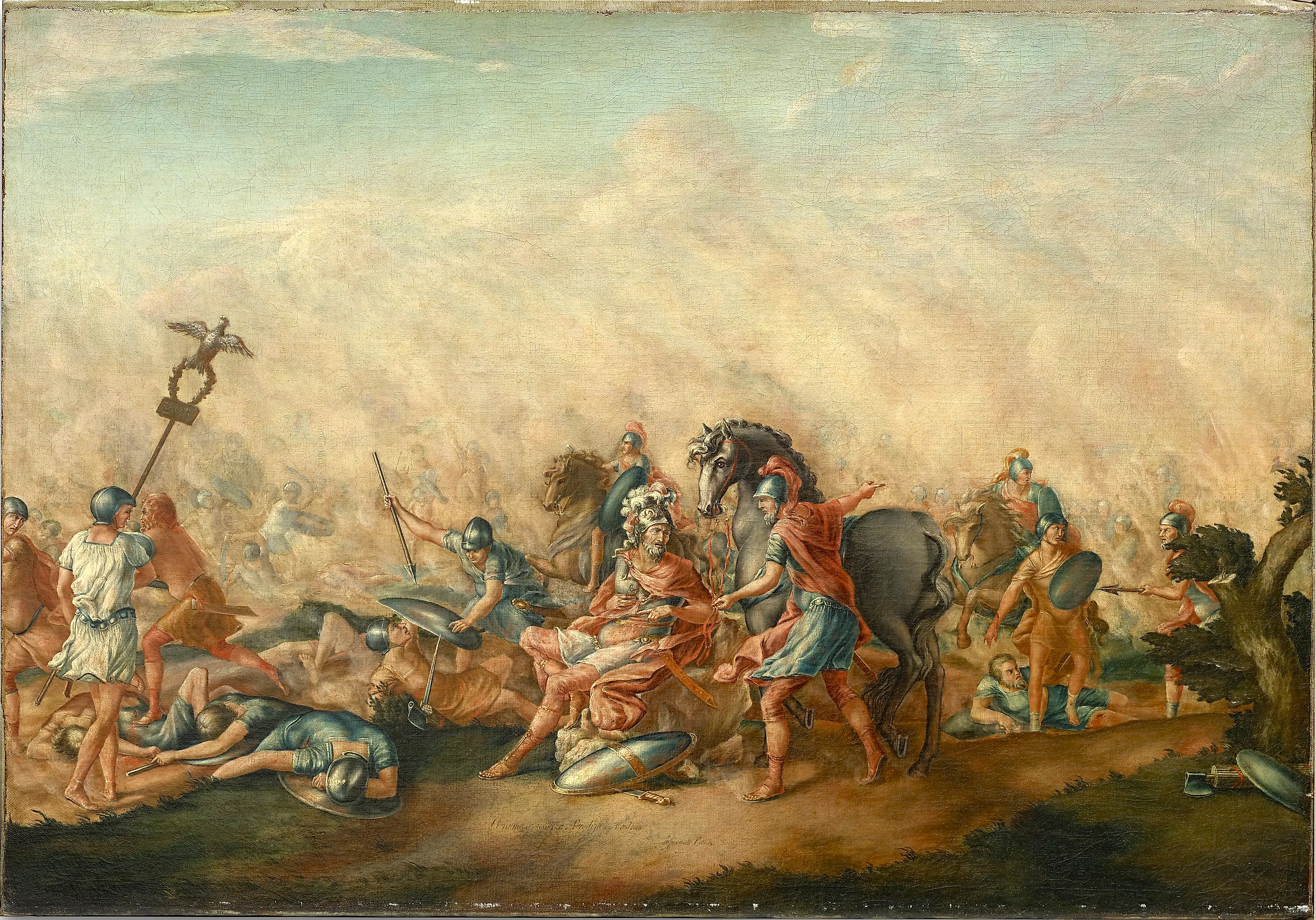
Gaius Terentius Varro (The Battle Of Cannae)

In 218 BCE, Carthaginian general Hannibal Barca invaded Italy. Rather than doing so by sea, he marched his army over the Alps and attacked from the north. This completely caught the Romans off guard, leading to a catastrophic start to the Second Punic War. The first major disaster occurred with the Battle of Trebia, in which Hannibal ambushed the Romans. The Battle of Lake Trasimene in 217 BCE then resulted in approximately 15,000 Roman casualties. Many were also captured.

Fed up with the constant losing, the Roman Senate ordered the largest army yet to be raised. Between 80,000 and 86,000 troops therefore gathered near the village of Cannae to push Hannibal out of Italy once and for all. Commanded by Gaius Terentius Varro, it was much larger than the Carthaginian force of about 50,000. However, Hannibal was ready. He stationed his weaker troops in the center and his stronger troops on the flanks. When the Romans moved forward, the middle gave way, and the flanks moved in. Now surrounded, the Romans had nowhere to run. Between 50,000 and 70,000 were killed, and the defeat was so disastrous that it prompted a fundamental rethinking of Roman strategy in the war.
Gnaeus Mallius Maximus And Quintus Servilius Caepio (The Battle of Arausio)

During the late second century BCE, several Gallic tribes began threatening the Roman Republic. The Cimbri and Teutones were particularly problematic. To push them back, the Senate ordered two armies to the southern Gallic town of Arausio in 105 BCE, one commanded by Quintus Servilius Caepio and another by Gnaeus Mallius Maximus. But there was an issue. Caepio came from an aristocratic family and refused to cooperate with Mallius, a novus homo from a less prestigious background.
This dynamic led to a disaster. When the Battle of Arausio began, the armies failed to adequately support each other. This allowed the Gauls to attack one without worrying about the other. Ancient historians assert that 80,000 Roman soldiers and 40,000 camp followers were killed, making it one of the biggest defeats in Roman military history (the Battle of Cannae is the only other one that rivals it). Even though these numbers are most likely exaggerated, losses were definitely in the tens of thousands.
Marcus Licinius Crassus (The Battle of Carrhae)

During the 50s BCE, an informal alliance of three men, Julius Caesar, Pompey the Great, and Marcus Licinius Crassus, dominated Roman politics. Known as the First Triumvirate, it was able to bypass traditional Republican institutions due to the men’s wealth, military might, and personal popularity. There were problems with this arrangement. Caesar and Pompey didn’t like each other, and Crassus was insecure about his own military accomplishments. As Caesar racked up victory after victory in Gaul, and Pompey conquered vast swaths of territory in the east, Crassus wanted to do something to prove his worth.
The Persia-based Parthian Empire was a perfect target. A historic enemy of Rome, conquering it would have rivaled Caesar’s achievements in Gaul. Thus, when Crassus became governor of Syria in 55 BCE, he stationed troops along the Parthian border. He then began initial military operations in 54 BCE, easily taking several towns. Crassus now falsely believed that Parthia would quickly fall.

This wasn’t the case. When Crassus launched his full-scale invasion in 53 BCE, the Parthians were ready. They mobilized their horse archers and met the Romans near Carrhae, a town in modern-day southeastern Turkey. The open terrain favoured the Parthians, and they quickly decimated Crassus’ army. He believed that the Parthians would eventually run out of arrows, but they used camels to carry additional ammunition. Unable to sustain the constant bombardment, the Roman formation collapsed. Crassus’ son, Publius, was killed in the battle, and Crassus himself was killed in a botched negotiation attempt afterward.
Publius Quinctilius Varus (The Battle Of The Teutoburg Forest)

Rome made its first incursions into Germania during Caesar’s Gallic Wars (58 to 50 BCE). However, real progress occurred in the 10s BCE, when commanders like Drusus and Tiberius led campaigns past the Rhine River to establish forts, settlements, and other sorts of infrastructure. They even made diplomatic inroads with various German tribes.

All seemed to be going well until 9 AD, when Publius Quinctilius Varus led three Roman legions into the Teutoburg Forest. He did so because a Germanic leader, Arminius, told him that a rebellion had broken out in the region. This was a lie, and a coalition of Germanic tribes ambushed the Romans. Over the next few days, between 15,000 and 20,000 soldiers were killed. The scale of this defeat was so great that it permanently halted Roman plans to expand past the Rhine. While perhaps unfair to say that Varus should have won the battle, since he had no reason to suspect that he was walking into a trap, this defeat was indicative of how the Romans had gotten too complacent. Those same three legions, with better information and time to prepare, likely could have defeated the Germanic coalition.
Impact And Legacy
Several Roman generals lost battles that they should have won, at least on paper. Despite nearly outnumbering the Carthaginians two to one, Gaius Terentius Varro oversaw one of the most disastrous defeats in Roman military history. A similar catastrophe occurred at the Battle of Arausio, as Gnaeus Mallius Maximus and Quintus Servilius Caepio were unable to coordinate their armies due to personal animosity. Crassus led his army to defeat at the Battle of Carrhae, even though he was one of the most powerful men in all of Rome. Finally, the Battle of the Teutoburg Forest saw Germanic tribes annihilate three legions.