The Most Dangerous Borders In The World
A border is rarely just a line on a map. Some are quiet lines drawn through farmland; others are active front lines where armies face off, walls go up, and people die trying to cross. The borders below are among the most dangerous in the world today, whether because of open warfare, militarized standoffs, smuggling and trafficking, or all three at once. Conflict zones shift quickly, so this reflects the situation as of early 2026, drawing on assessments from bodies like the Global Peace Index, the Council on Foreign Relations, and the Uppsala Conflict Data Program, which counted roughly 56 active armed conflicts worldwide, the most since World War II.
Russia and Ukraine
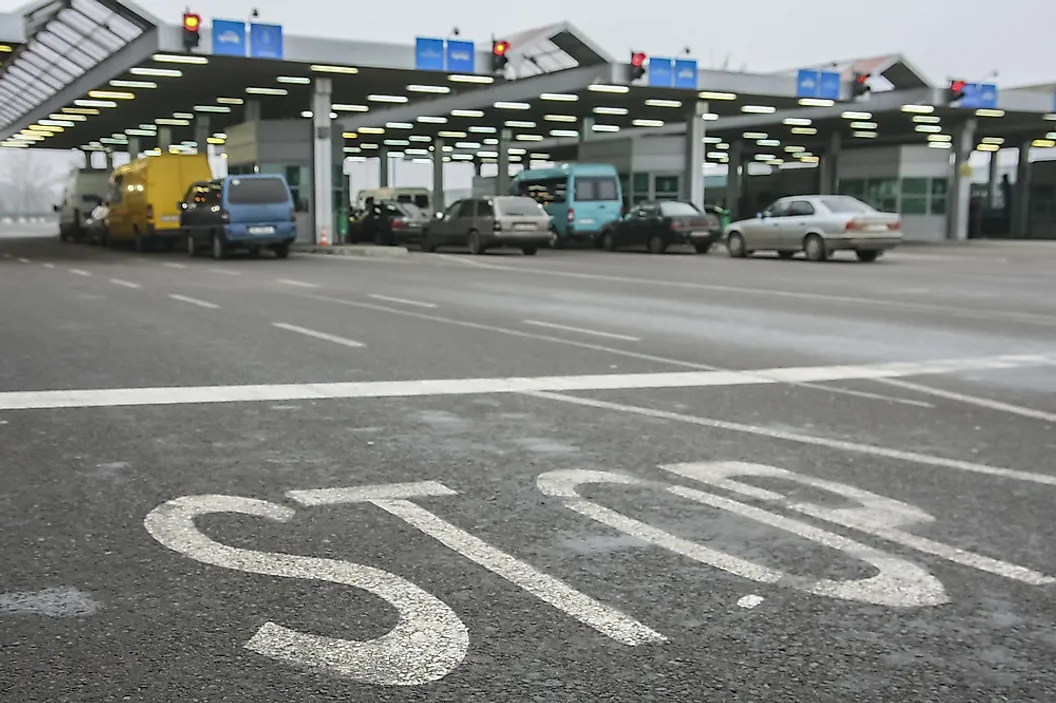
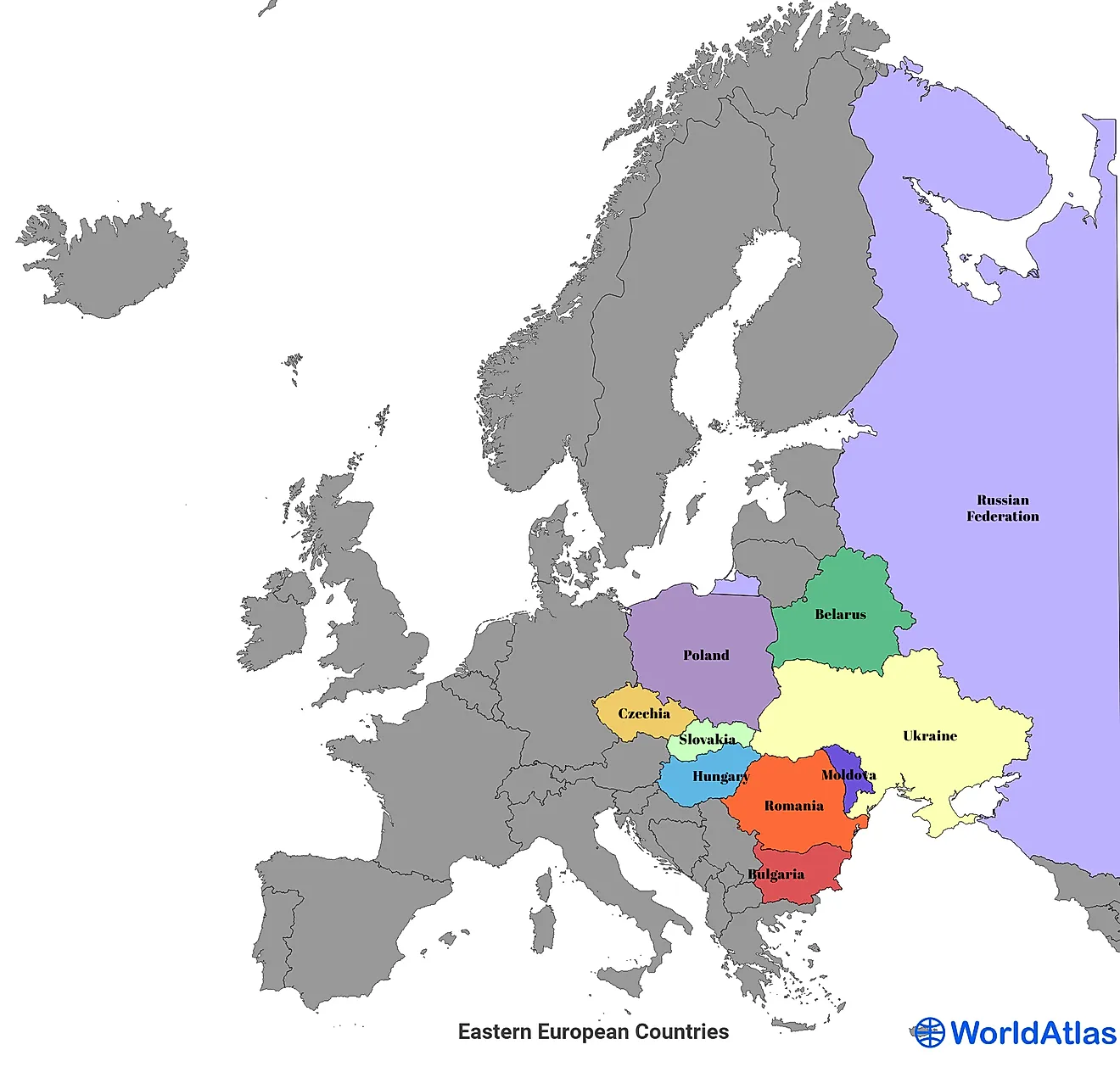
The border between Russia and Ukraine is the deadliest in the world. Since Russia launched its full-scale invasion in February 2022, the two countries have fought the largest interstate war in Europe since World War II, with combined military casualties widely estimated in the hundreds of thousands and millions of Ukrainians displaced. The front line runs for hundreds of miles across eastern and southern Ukraine, fortified with trenches, minefields, and drones, while long-range strikes hit cities and energy infrastructure far behind it. Despite repeated rounds of diplomacy, no settlement had taken hold by early 2026, and the fighting continued to grind on.
Israel and Its Neighbors
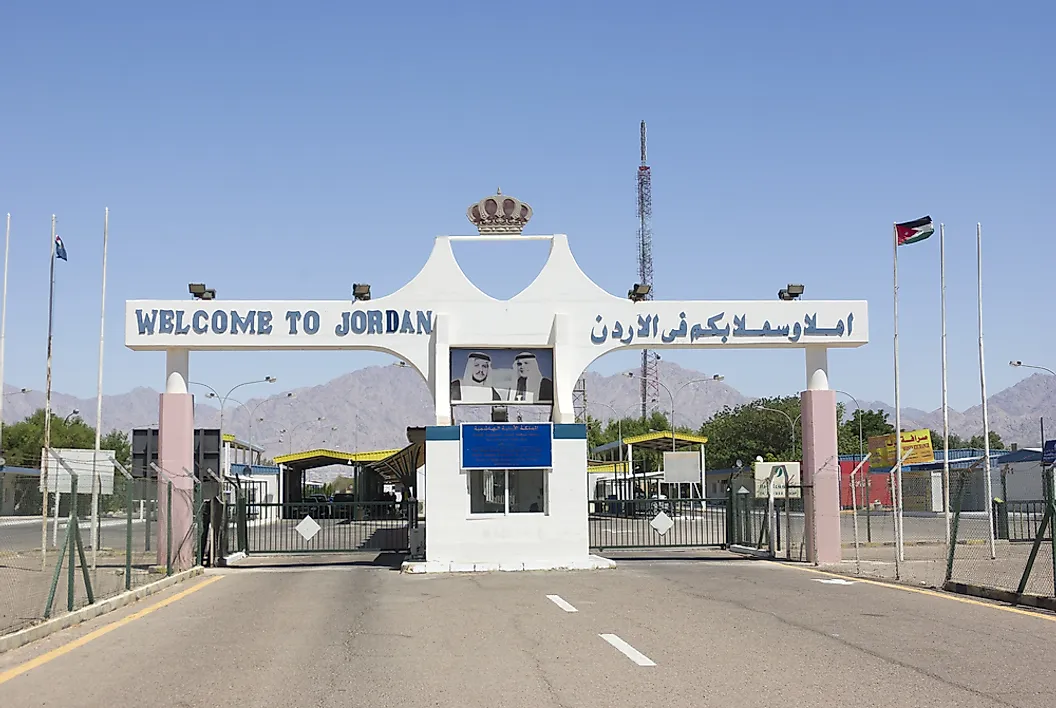
Few borders have seen more upheaval since 2023 than those around Israel. The war that followed the Hamas-led attack of October 7, 2023 devastated the Gaza Strip, killing tens of thousands and drawing in multiple fronts at once. To the north, the boundary with Lebanon became a war zone as Israel and the armed group Hezbollah exchanged fire, and the frontier with Syria saw repeated strikes amid that country's own turmoil. Israel and Iran traded direct attacks in 2025, briefly pulling in the United States. Even during lulls, these borders remain among the most volatile on earth, with calm regularly broken by renewed escalation.
North Korea and South Korea
The Korean Demilitarized Zone, or DMZ, is a strip about 160 miles long and a few miles wide separating North Korea from South Korea. The name is misleading: despite being called demilitarized, it is one of the most heavily fortified borders on the planet, lined with troops, fences, surveillance, and one of the densest concentrations of landmines anywhere. The Korean War ended in 1953 with an armistice rather than a peace treaty, so the two states technically remain at war and do not recognize each other. Periodic incidents, from soldiers crossing the line to North Korean weapons tests, keep tensions high decade after decade.
India and Pakistan
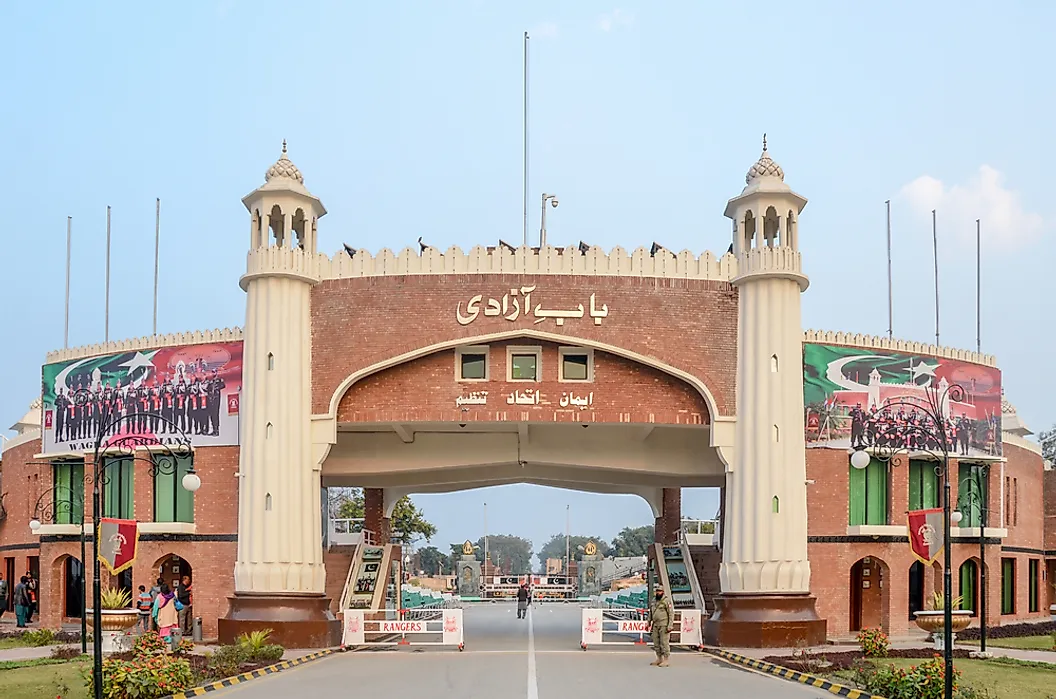
The boundary between India and Pakistan is one of the most militarized on earth, and it separates two nuclear-armed states that have fought several wars since the 1947 partition. The most contested stretch is the Line of Control in the disputed Kashmir region. In the spring of 2025, the border saw its most serious fighting in decades. After a militant attack killed 26 people at Pahalgam in Indian-administered Kashmir in April, India launched air and missile strikes inside Pakistan in May under the name Operation Sindoor, and the two sides exchanged fire before agreeing to an uneasy ceasefire. Lit so brightly along parts of its length that it is visible from orbit, the border remains a flashpoint with global stakes.
Sudan and Chad
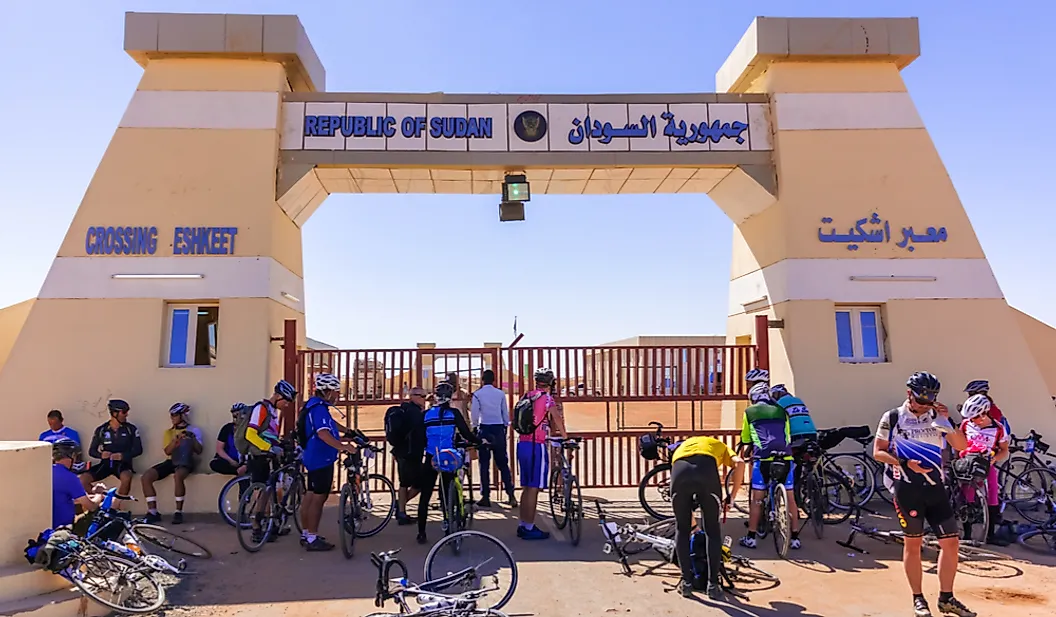
Sudan has become the site of one of the world's deadliest conflicts, and its borders have carried that catastrophe outward. Since civil war erupted in April 2023 between the Sudanese Armed Forces and the paramilitary Rapid Support Forces, well over 100,000 people have been killed and more than ten million displaced, many of them streaming across the western frontier into Chad. The border region near Darfur has seen mass atrocities against civilians, and aid routes running through it have themselves become targets. The Sudan-Chad border is now one of the largest and most dangerous displacement corridors on the planet.
Afghanistan and Pakistan
The Durand Line, the roughly 1,600-mile border between Afghanistan and Pakistan, has been disputed since it was drawn by British colonial officials in 1893, and Afghanistan has never formally recognized it. The dynamic shifted sharply after the Taliban retook control of Afghanistan in 2021. Relations between the Taliban government and Pakistan have since soured, with repeated cross-border clashes, airstrikes, and closures of key crossings like Torkham. The rugged, lightly governed terrain remains a corridor for militant movement, smuggling, and the kind of sudden firefights that close the border for weeks at a time.
Yemen and Saudi Arabia
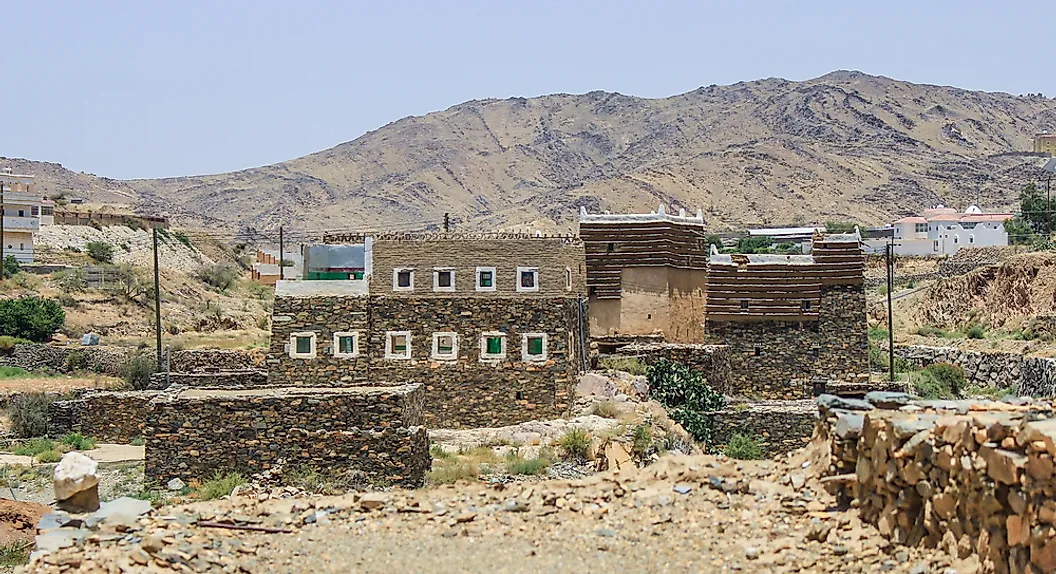
The mountainous, roughly 1,100-mile border between Yemen and Saudi Arabia has been a conflict zone for years. Saudi Arabia entered Yemen's civil war in 2015 against the Houthi movement, and although a UN-brokered truce in 2022 reduced the heaviest cross-border fighting, the frontier remains tense and heavily fortified. The Houthis control much of northern Yemen, and the border sees smuggling, occasional drone and missile fire, and the constant risk that the fragile truce collapses back into open war.
Mexico and the United States
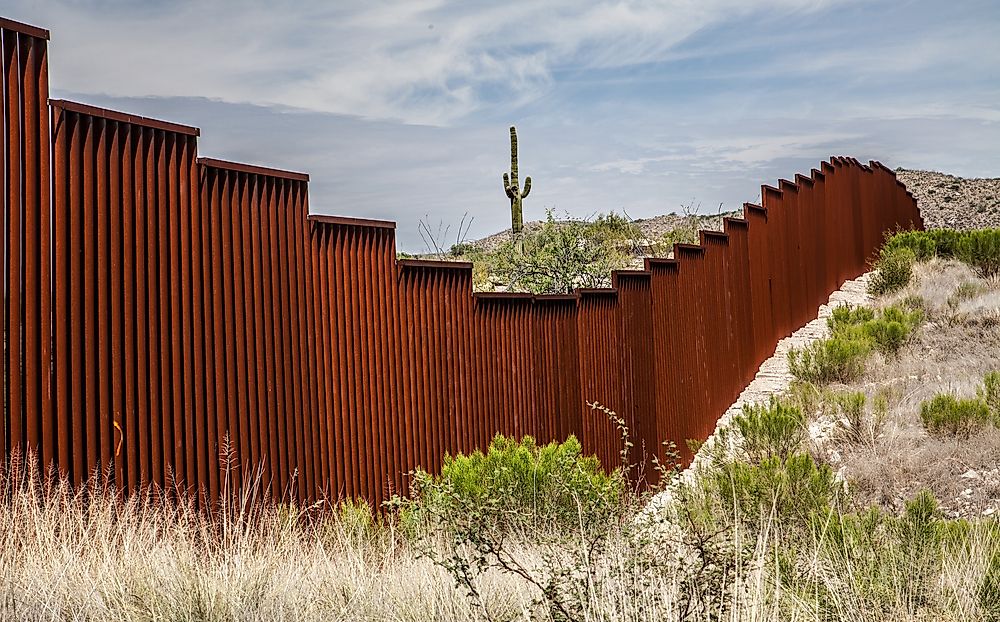
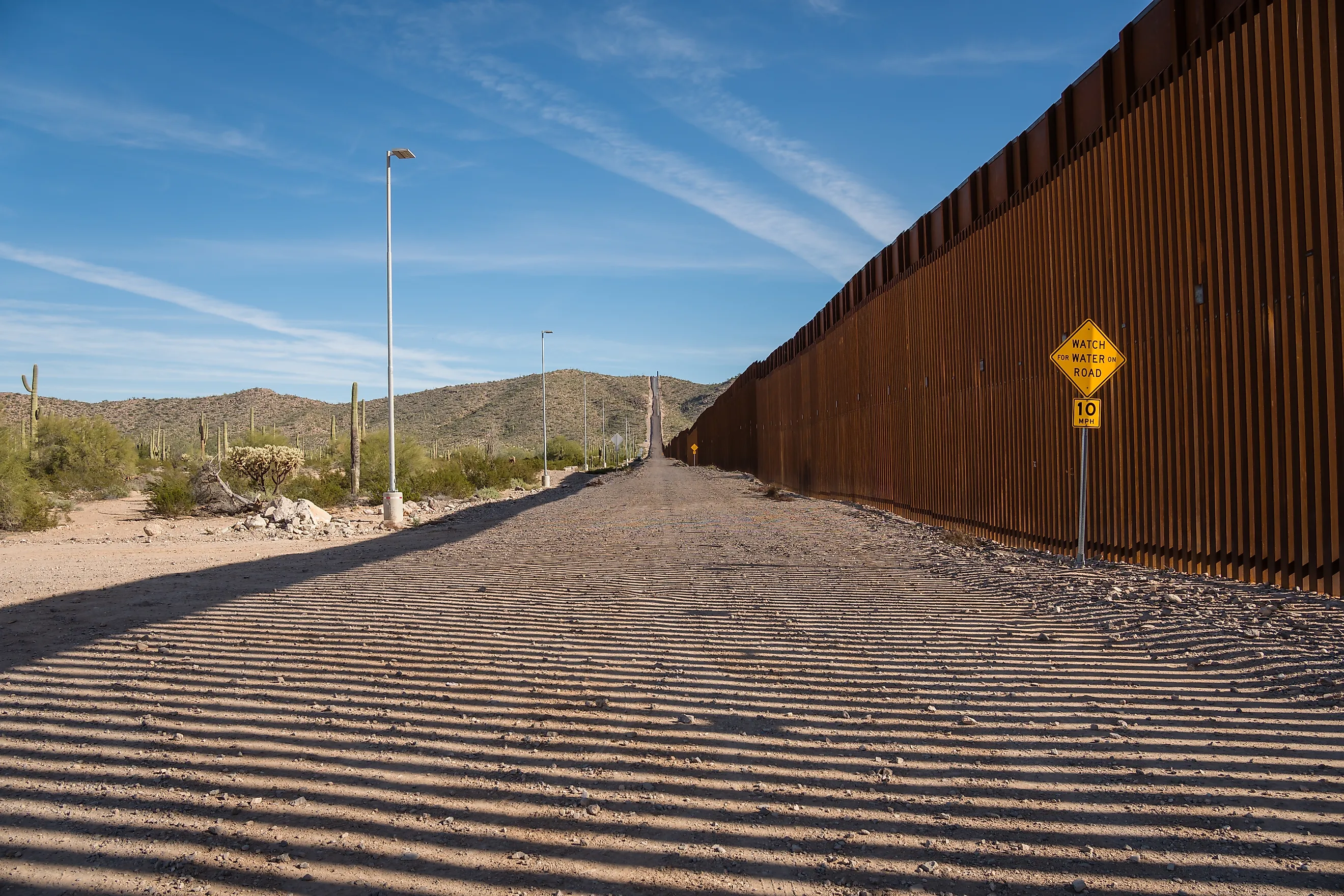
The border between Mexico and the United States runs nearly 2,000 miles and records more legal crossings than any other border in the world. Its danger is not warfare but the lethal mix of human smuggling, drug trafficking, and cartel violence concentrated along it. Migrants attempting to cross through remote desert stretches die every year from heat and exposure, while cartel turf wars on the Mexican side make some border cities among the most violent places in the hemisphere. By 2026 the trafficking routes here were drawing renewed attention from the US government as a security priority.
India and Bangladesh
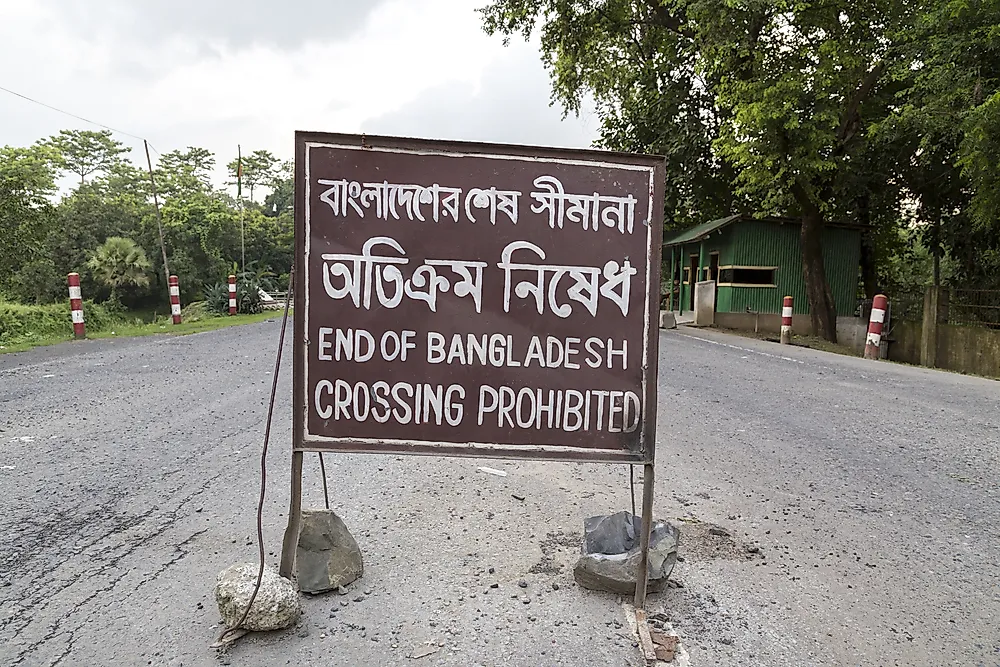
At roughly 2,500 miles, the border between India and Bangladesh is one of the longest in the world, and one of the most complicated, threading through a tangle of villages, rivers, and farmland. It is a major route for smuggling and undocumented migration, and India's Border Security Force has long faced criticism from human rights groups over killings of people attempting to cross. While not a war zone, the sheer length of the border, its porousness, and the routine violence along it keep it firmly among the world's most dangerous.
Armenia and Azerbaijan
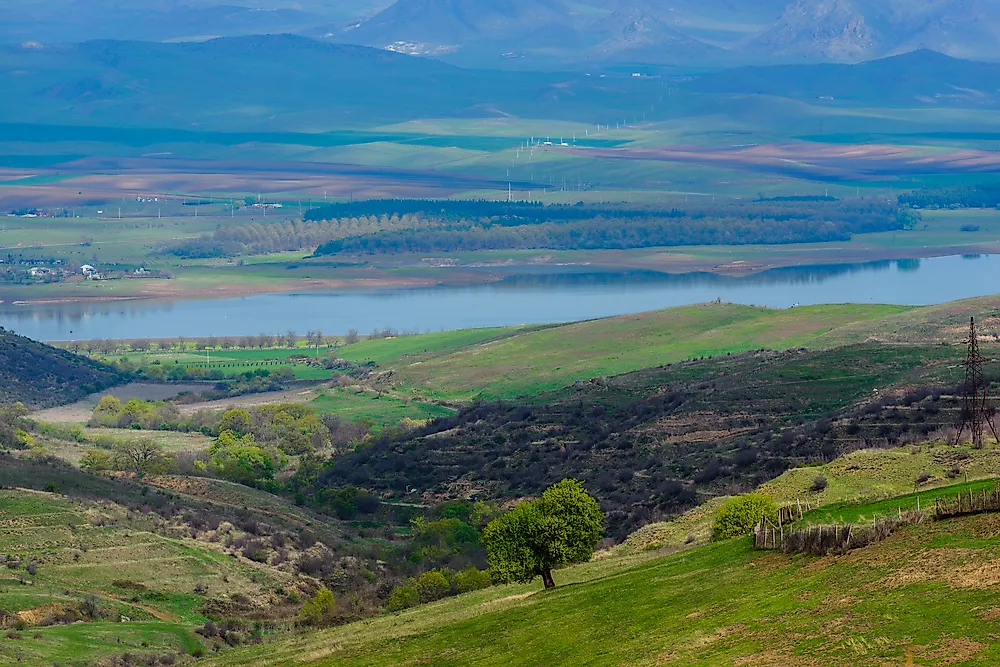
The border between Armenia and Azerbaijan has been one of the most violent in the post-Soviet world for over three decades, centered on the disputed Nagorno-Karabakh region. After a 2020 war and a swift 2023 offensive, Azerbaijan retook full control of the territory, and nearly all of its roughly 100,000 ethnic Armenian residents fled. In August 2025, the two countries' leaders initialed a peace agreement at the White House, a genuine breakthrough, but as of early 2026 it remained unsigned and fragile, with the border still militarized and deep mistrust on both sides. It is a rare case on this list of a deadly border that may, cautiously, be cooling.
Borders That Reflect Their Conflicts
What stands out across this list is how directly each border mirrors the conflict behind it. Some, like Russia-Ukraine or the fronts around Israel, are active war zones where the boundary is the fight itself. Others, like the Korean DMZ or the India-Pakistan Line of Control, are frozen standoffs that have stayed dangerous for generations without tipping into full war. A few, like the US-Mexico and India-Bangladesh borders, are perilous not because of armies but because of what moves across them. And at least one, Armenia and Azerbaijan, may be inching toward calm. The only certainty is that the map will look different again before long.