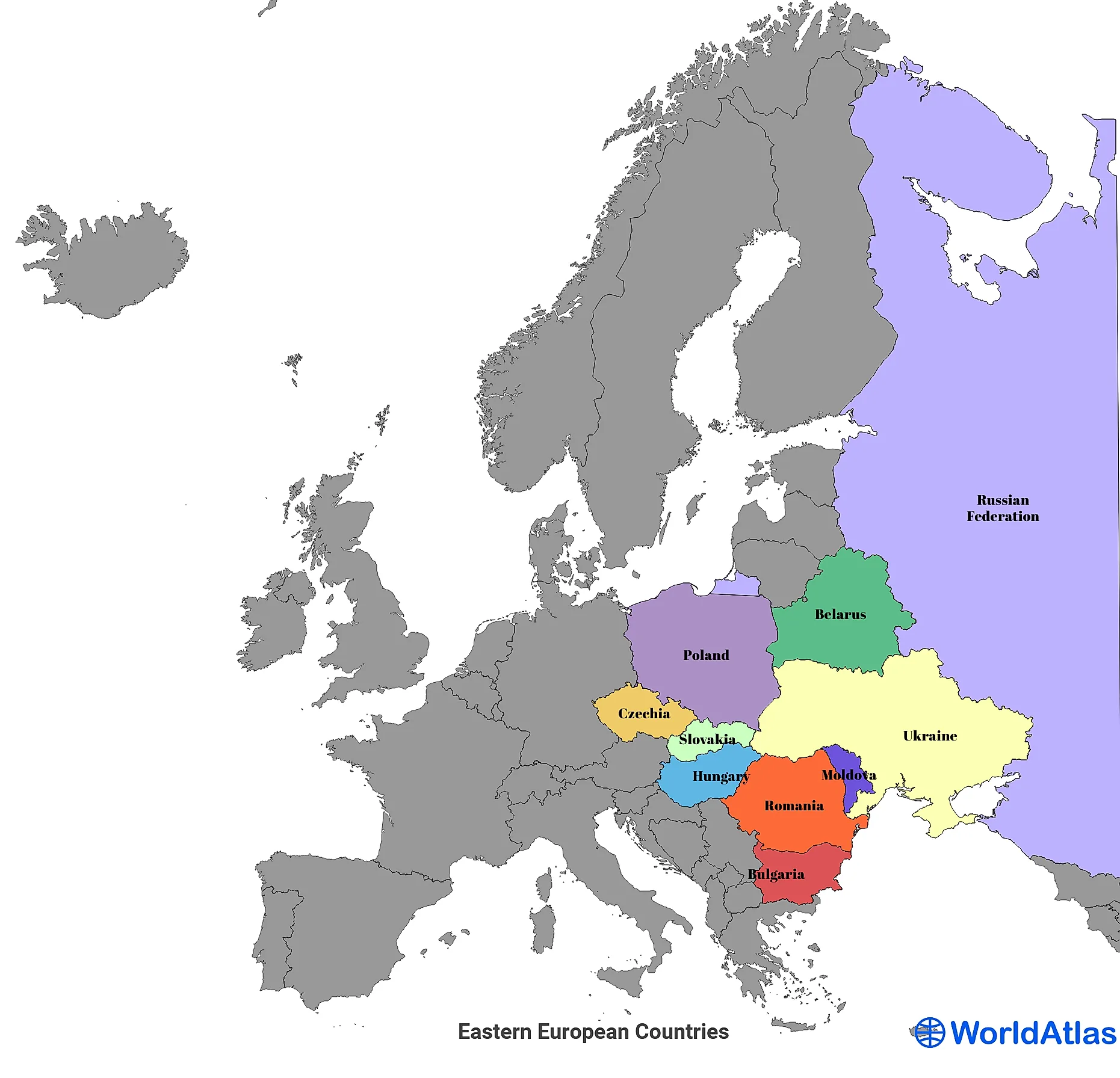
Eastern European Countries
- All the countries of Eastern Europe were once part of the communist eastern bloc of countries led by the USSR during the Cold War.
- Most of Eastern Europe's countries have pursued closer ties with the West and greater European integration.
- Russia is the largest and most populous country in Eastern Europe.
- Moldova is the smallest and least populated country in Eastern Europe.
Ten countries make up Eastern Europe as the United Nations defines it, and every one of them spent the Cold War on the same side of the Iron Curtain, either as part of the Soviet Union or in its orbit as a satellite state. Three and a half decades after the USSR dissolved, the region has split into starkly different fates. Six of the ten now belong to both the European Union and NATO. One, Ukraine, is in its fifth year of defending itself against a full-scale Russian invasion. And two, Russia and Belarus, have become the most isolated states on the continent. Here are the ten countries of Eastern Europe, updated for where each stands today.
Belarus
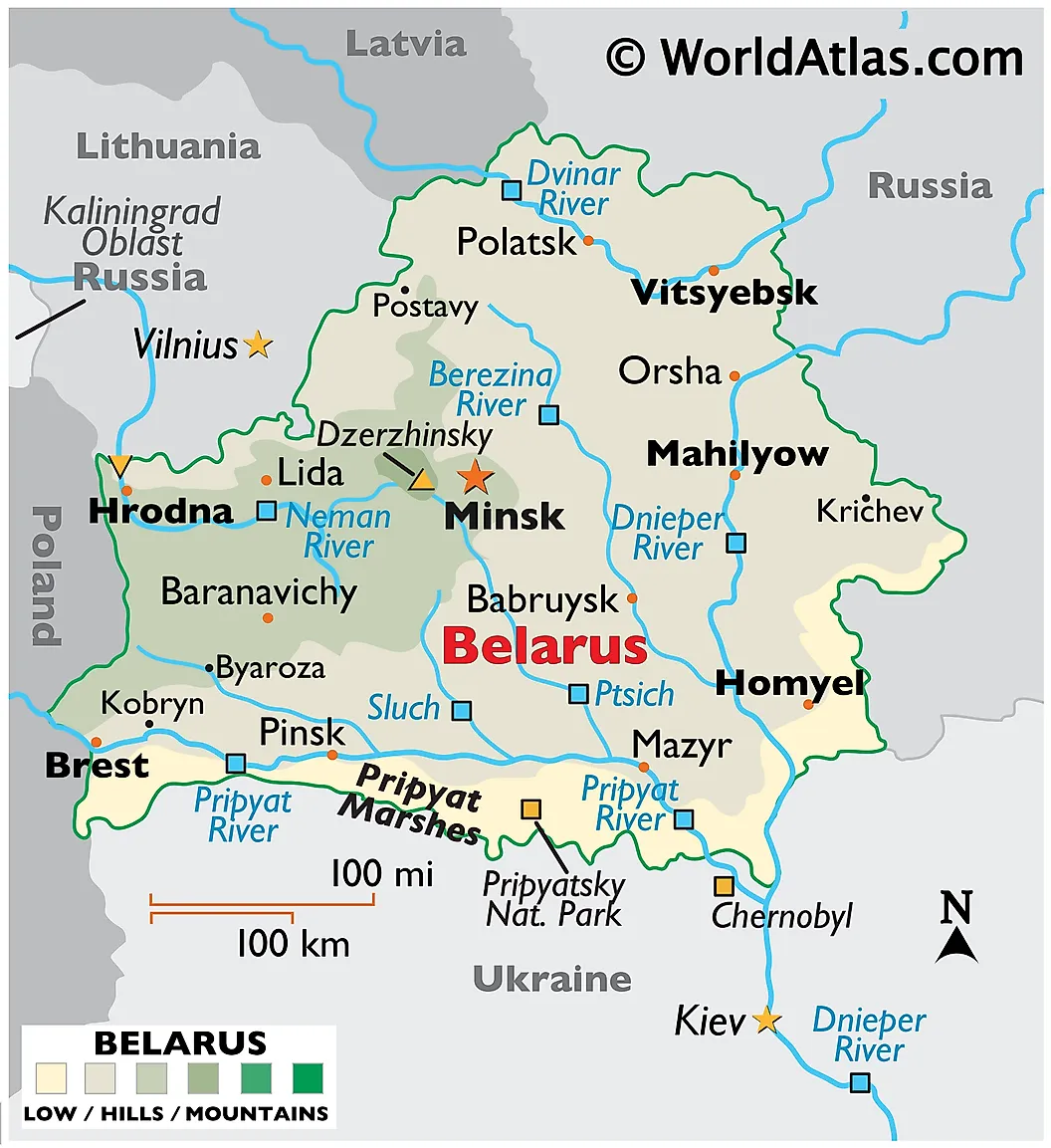
Belarus, home to about 9 million people, gained independence when the Soviet Union collapsed in 1991 and has spent the decades since moving closer to Moscow rather than away from it. Alexander Lukashenko has ruled since 1994, making him Europe's longest-serving head of state. His disputed 2020 re-election triggered the largest protests in the country's history, which were met with mass arrests, and in January 2025 he claimed a seventh term in a vote Western governments dismissed as neither free nor fair. In 2022, Belarus served as a staging ground for Russia's invasion of Ukraine, cementing its position as Moscow's closest ally and leaving it under heavy international sanctions.
Bulgaria
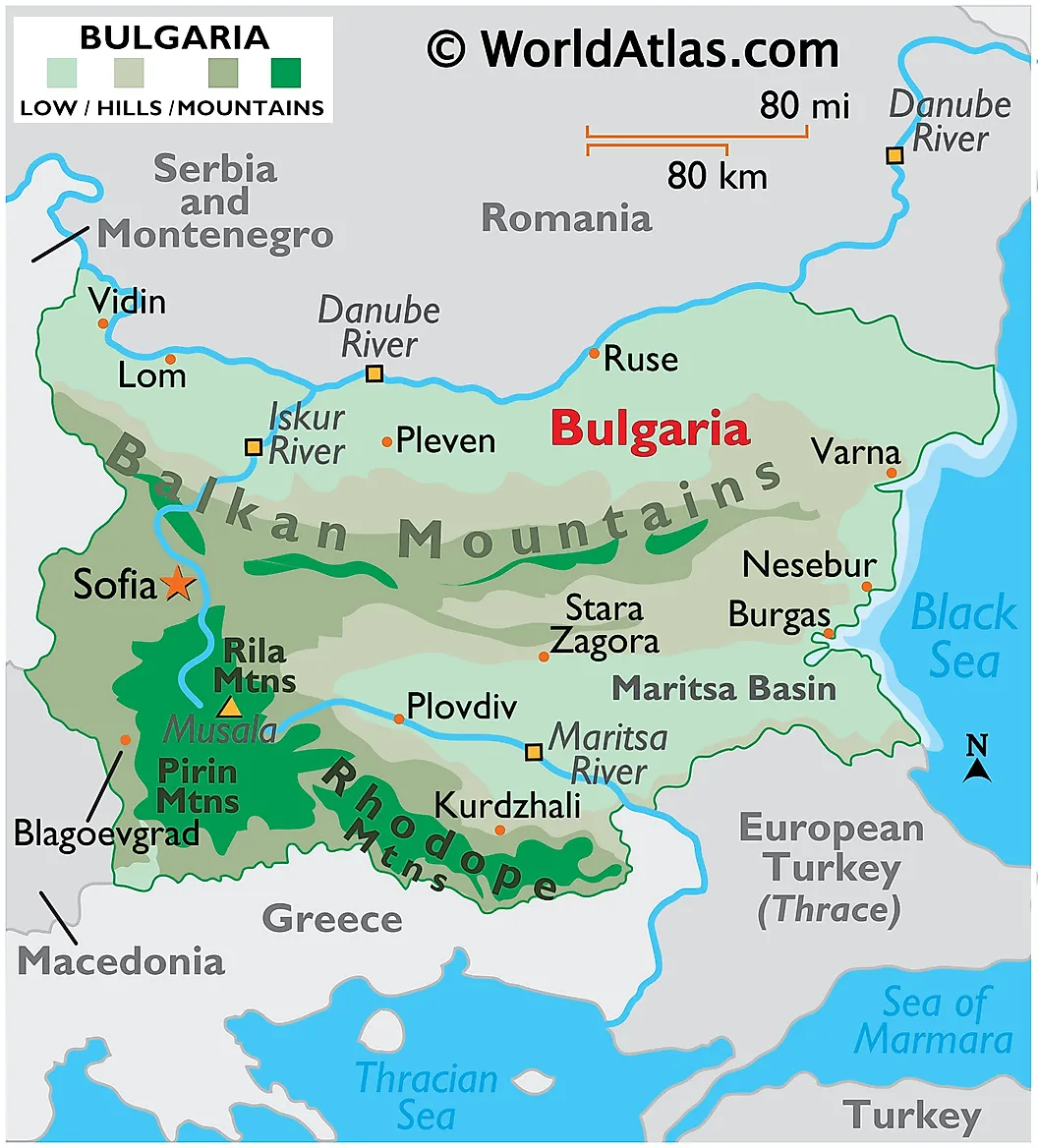
Bulgaria, population about 6.7 million, has traveled about as far from its Warsaw Pact past as a country can. Its communist regime gave up power in 1990, and the decades since have been a steady march westward: NATO membership in 2004, EU membership in 2007, full entry into the border-free Schengen Area on January 1, 2025, and adoption of the euro on January 1, 2026, making it the currency union's newest member. The milestones have come faster than the demographics: Bulgaria's population has fallen by roughly two million since the end of communism, one of the steepest declines in the world, driven by emigration and low birth rates.
Czechia
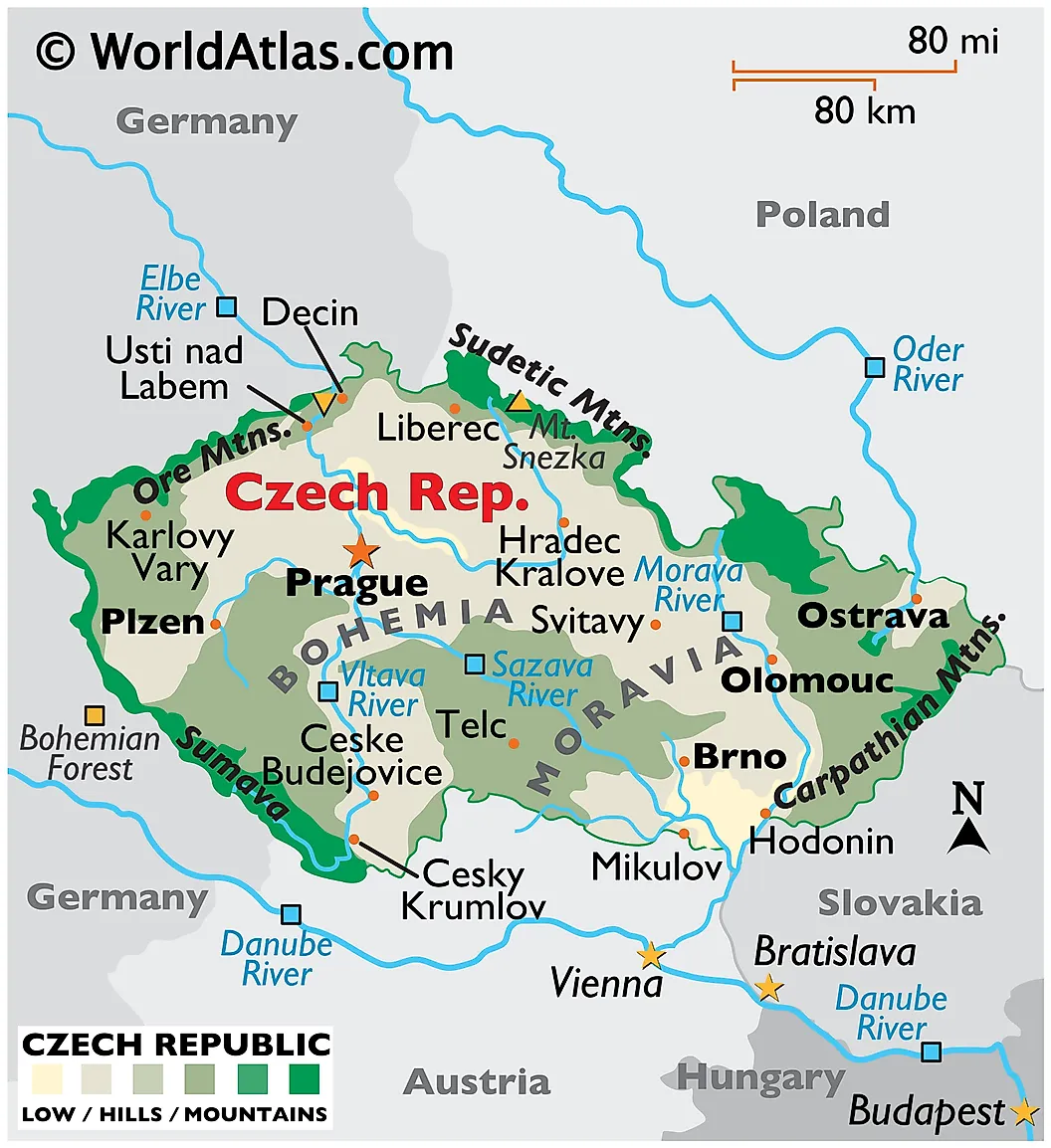
Landlocked Czechia, still formally the Czech Republic, counts about 10.6 million people and one of the region's smoothest exits from communism. The Velvet Revolution of November 1989 swept the regime from power without a shot fired, and on January 1, 1993, the country completed the equally peaceful Velvet Divorce, splitting Czechoslovakia into Czechia and Slovakia by negotiation rather than conflict. It joined NATO in 1999 among the alliance's first former Warsaw Pact members, entered the EU in 2004, and today has one of the highest standards of living of any post-communist state, though it still prints its own koruna rather than adopting the euro.
Hungary
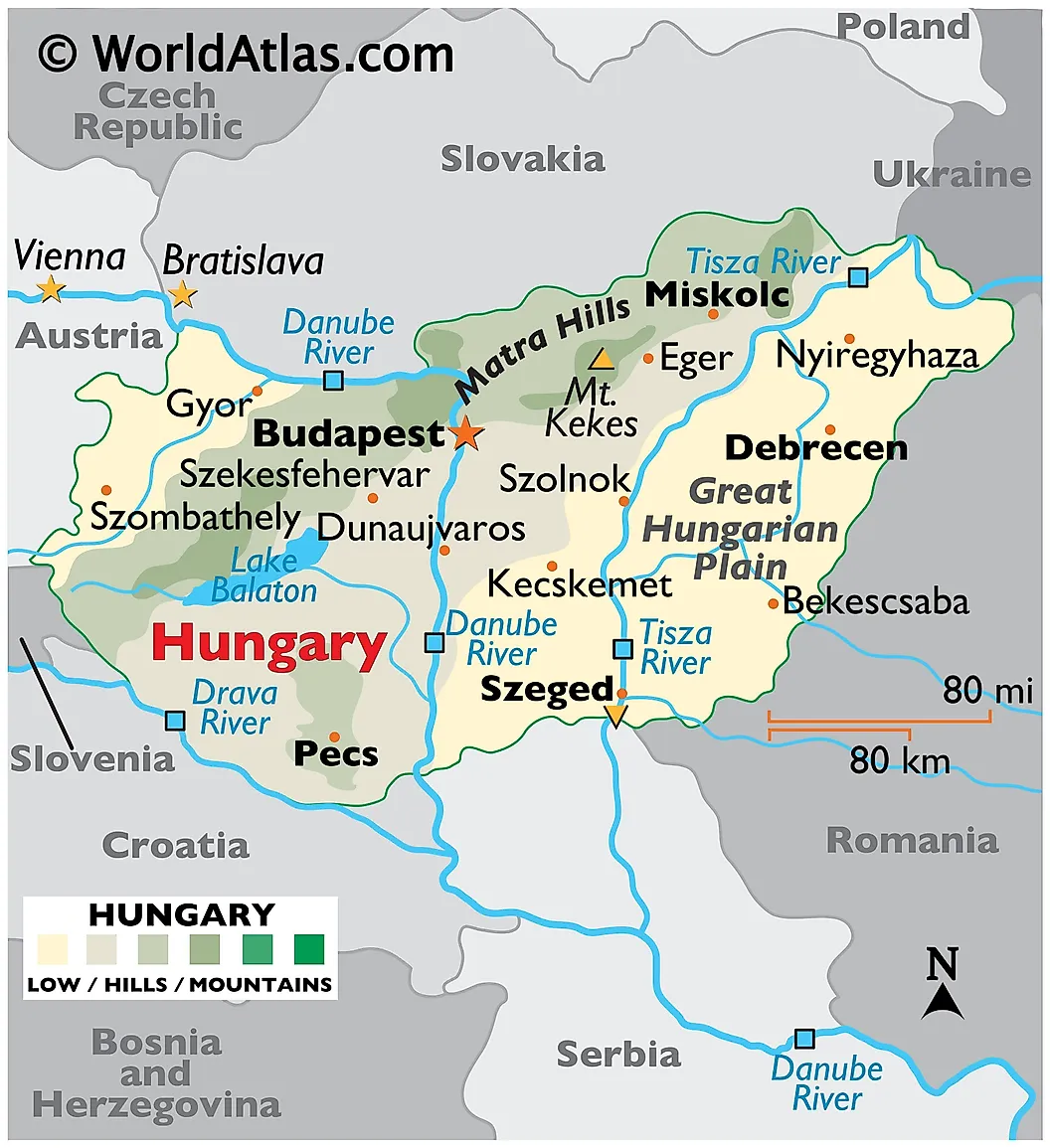
Landlocked Hungary holds about 9.6 million people and a linguistic oddity: Hungarian is unrelated to nearly every language around it, because the Magyars migrated into the Carpathian Basin from the east around the year 895, with scholars still debating exactly where their journey began. Hungary shed communism in 1989, joined NATO in 1999, and entered the EU in 2004. In recent years, Prime Minister Viktor Orban's government has clashed repeatedly with Brussels over rule-of-law issues and its comparatively warm relations with Moscow, making Hungary the EU's most frequent internal dissenter on policy toward Russia.
Poland
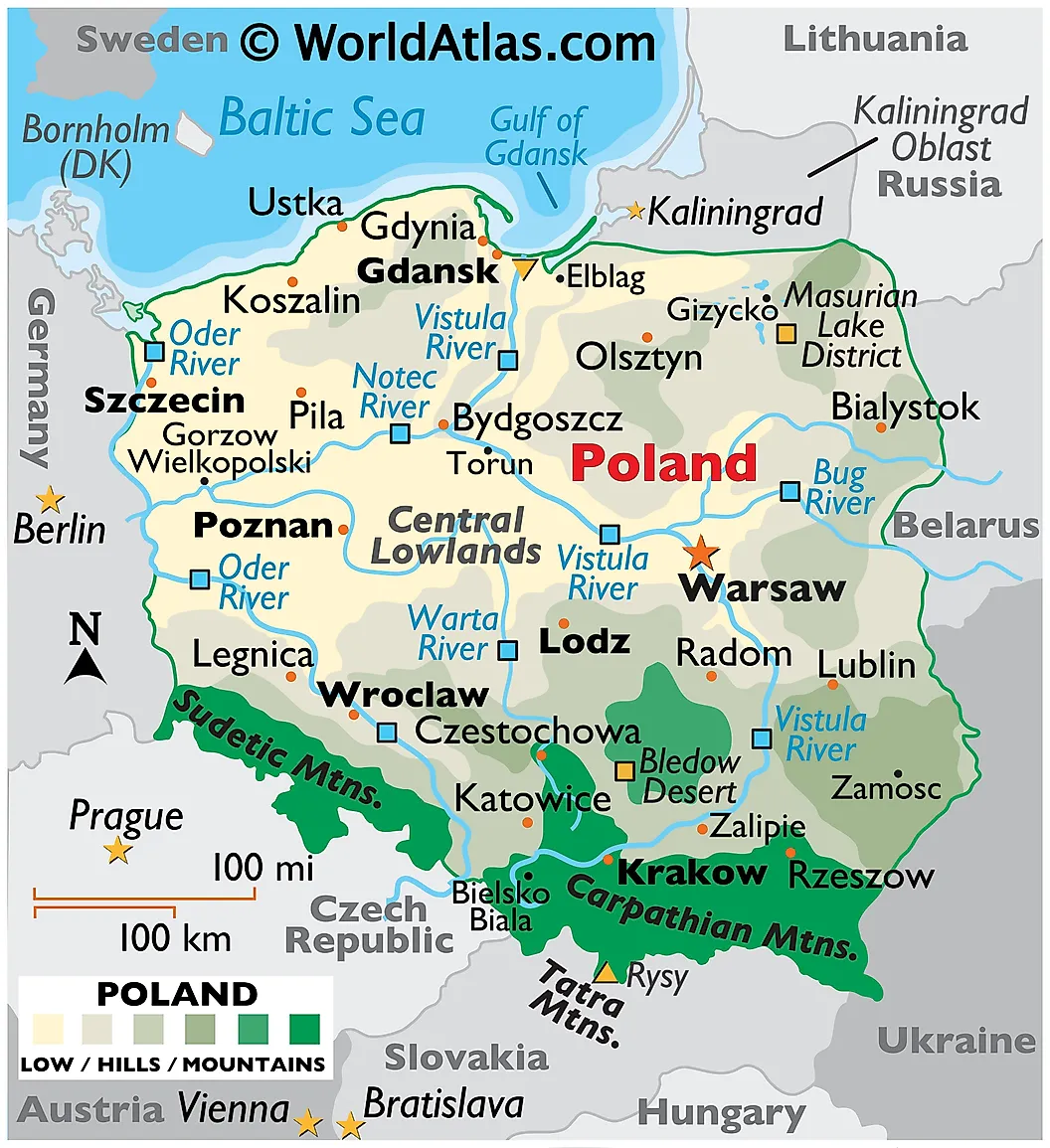
Poland is home to about 38.1 million people by UN estimate, a figure lifted in recent years by Ukrainian refugee arrivals. Poland also supplied communism's most famous gravediggers: the Solidarity trade union born in the Gdansk shipyard in 1980, and Polish-born Pope John Paul II, whose 1979 homecoming visit galvanized the opposition. Partly free elections in June 1989 made Poland the first Soviet satellite to vote communists out of government. It joined NATO in 1999, the EU in 2004, and has since become the alliance's heavyweight on its eastern flank, spending a larger share of its economy on defense than any other NATO member.
Moldova
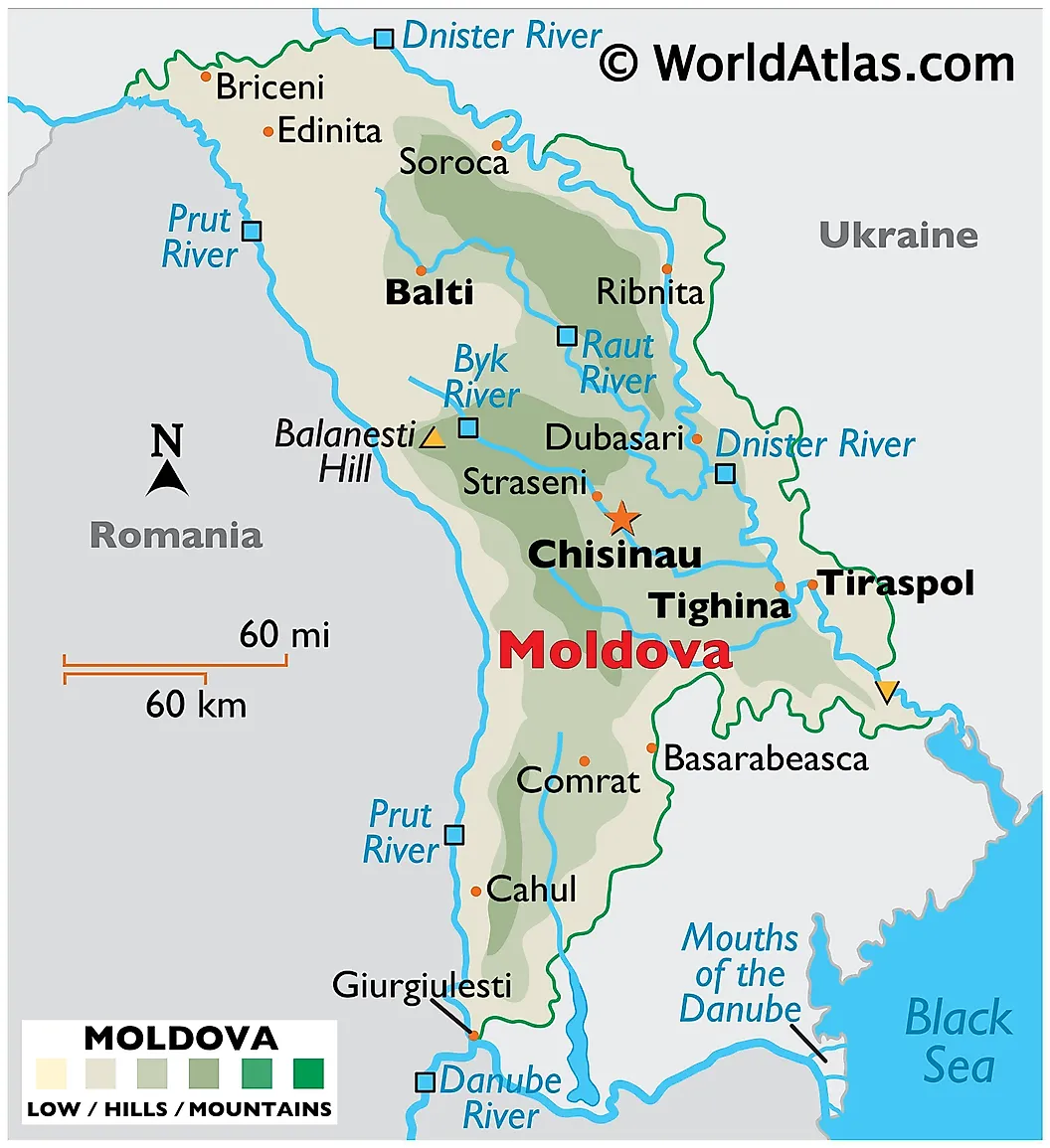
Moldova, a former Soviet republic of about 3 million people, declared independence in August 1991 and has been tugged between Russia and the West ever since. Russian-backed separatists carved out the breakaway region of Transnistria along the Dniester River in 1992, and Russian troops remain there to this day. Still one of Europe's poorest countries, Moldova has picked a direction: pro-European President Maia Sandu won re-election in 2024, the country gained EU candidate status in 2022, and formal accession negotiations opened in June 2024, both milestones accelerated by the war raging next door in Ukraine.
Romania
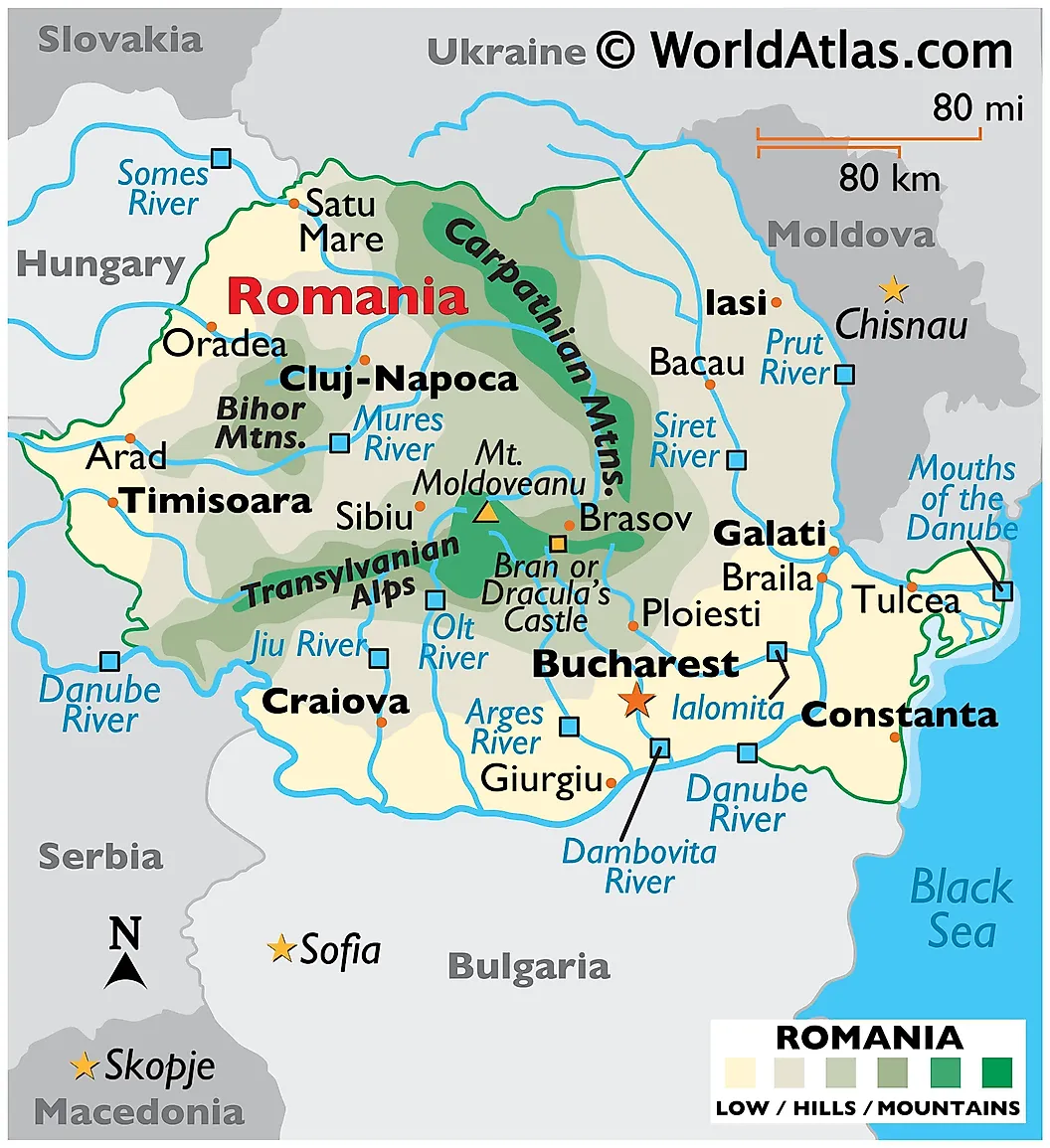
Romania, population about 18.9 million, had the bloodiest exit from communism in the region. While its neighbors negotiated transitions in 1989, Romania's came through a violent December uprising that ended with dictator Nicolae Ceausescu and his wife Elena tried and executed by firing squad on Christmas Day. The country joined NATO in 2004 and the EU in 2007, and on January 1, 2025, it entered the Schengen Area in full alongside Bulgaria. Like several of its neighbors, Romania has shed population since 1989 as millions of citizens moved west for work.
Russia
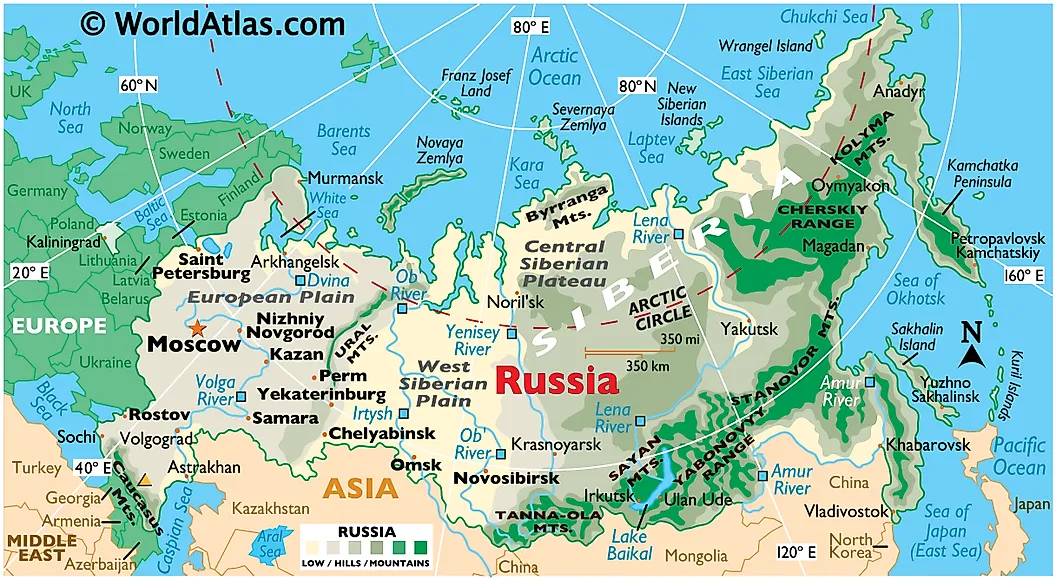
The Russian Federation is the giant of the list and of the planet: the largest country on Earth at 17.1 million square kilometers, with about 144 million people. Russia dominated the Soviet Union and inherited its seat of power when the USSR dissolved in 1991, then stumbled through a decade of economic collapse before Vladimir Putin consolidated control after 2000. On February 24, 2022, Russia launched a full-scale invasion of Ukraine, Europe's largest war since World War II, which continues today. The invasion has made Russia the most heavily sanctioned major economy in the world and severed most of its remaining ties with the West.
Slovakia
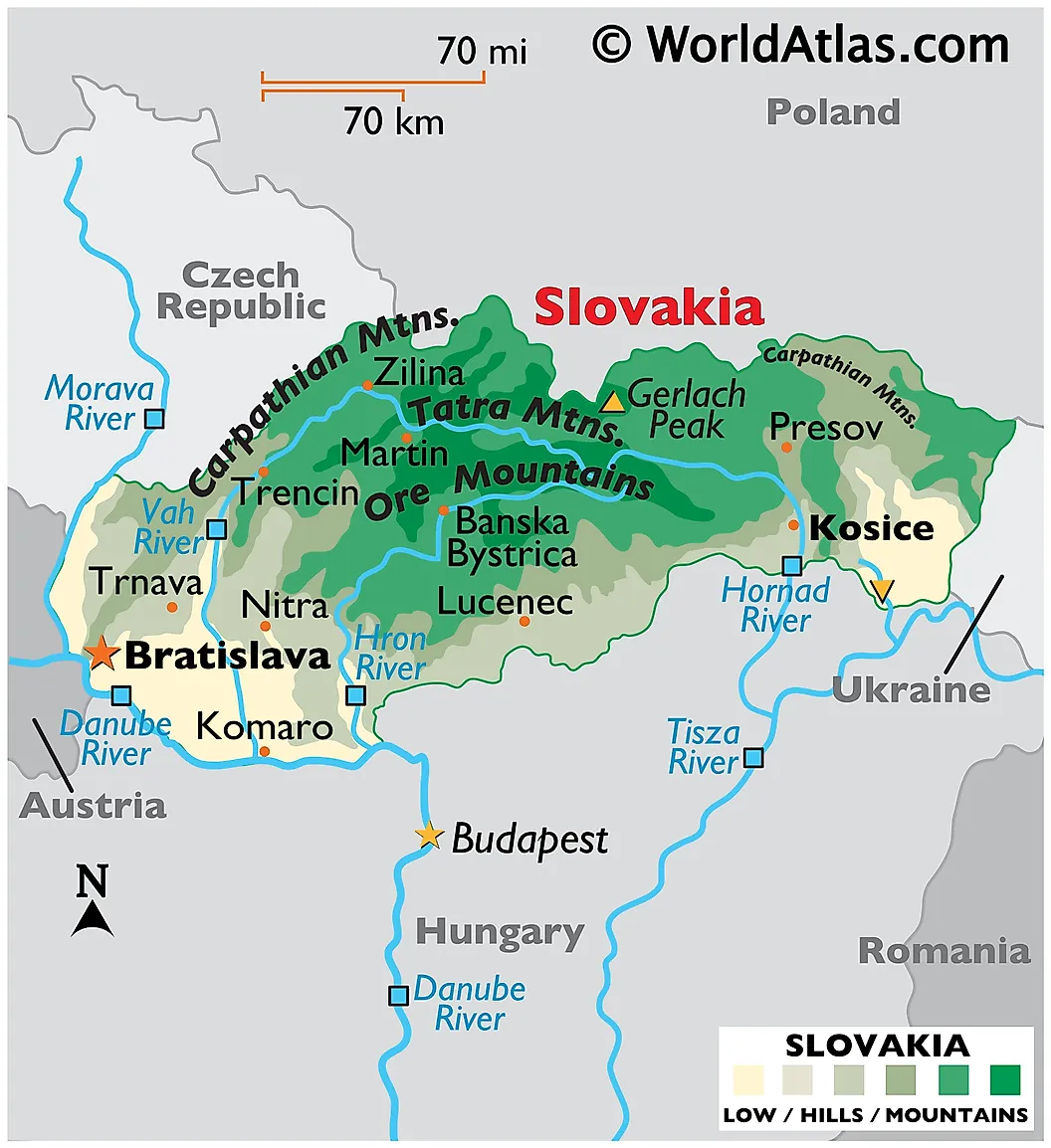
Landlocked Slovakia, about 5.5 million people, became independent on January 1, 1993, as the other half of the Velvet Divorce. Its post-communist transition ran rougher than Czechia's, but Slovakia caught up in a hurry, joining both NATO and the EU in 2004 and then beating its former partner to the single currency by adopting the euro in 2009, which it uses to this day while Prague still counts in koruna. The country built its modern economy around one industry above all: per person, Slovakia manufactures more cars than any other nation in the world.
Ukraine
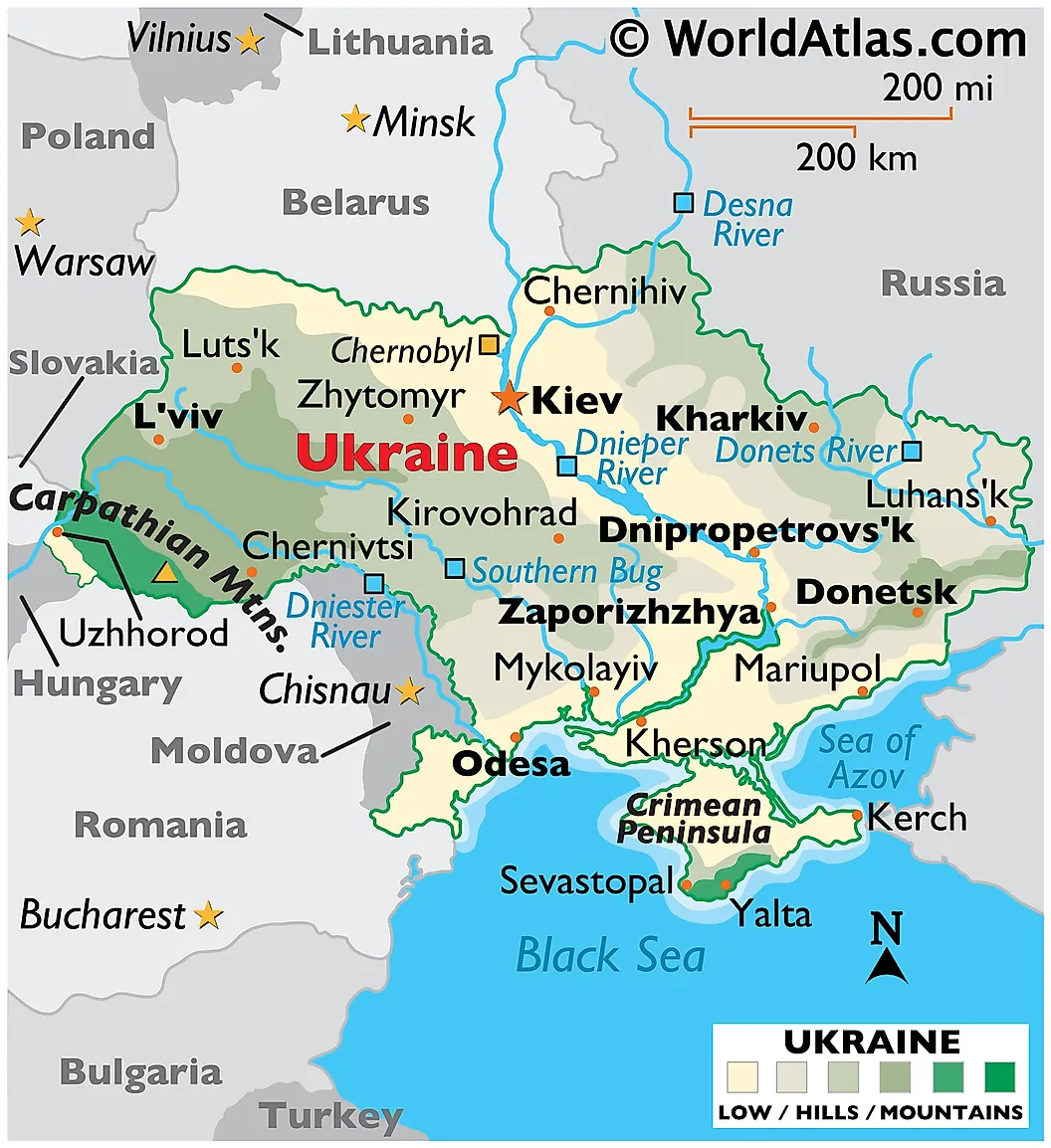
Ukraine is the largest country lying entirely within Europe, at 603,550 square kilometers, and it voted for independence in December 1991 with more than 90 percent support. Its recent history is the region's pivot point. The 2014 Maidan revolution toppled a pro-Russian president, after which Russia seized Crimea and fueled a separatist war in the Donbas. On February 24, 2022, Russia escalated to a full-scale invasion that continues into 2026, devastating cities and driving millions of refugees abroad; the UN's 2025 projection puts Ukraine's population near 39 million, though millions of those citizens remain displaced abroad and wartime estimates vary widely. Ukraine was granted EU candidate status in 2022 and opened formal accession talks in June 2024, fighting a war and pursuing a European future at the same time.
A Region Redrawn
The old East-West question that once defined this region has been answered almost everywhere: six of the ten countries chose the EU and NATO, and their milestones keep stacking up, with Schengen expansion in 2025 and Bulgaria's euro in 2026. The war in Ukraine has hardened the remaining divide into something closer to a wall, with Russia and Belarus on one side and nearly everyone else on the other, while Ukraine and Moldova work through EU accession talks that were unthinkable a decade ago. The region's quieter, shared struggle is demographic, as nearly every country on this list has fewer people than it did in 1991. Eastern Europe's map has stopped being a Cold War artifact and become the continent's most consequential frontier.
Eastern European Countries By Population
| Rank | Country | Population (2025 UN Estimate) | Area (in sq. km) |
|---|---|---|---|
| 1 | Russia | 143,997,000 | 17,098,242 |
| 2 | Ukraine | 38,980,000 | 603,550 |
| 3 | Poland | 38,141,000 | 312,685 |
| 4 | Romania | 18,909,000 | 238,391 |
| 5 | Czechia | 10,609,000 | 78,867 |
| 6 | Hungary | 9,632,000 | 93,028 |
| 7 | Belarus | 8,998,000 | 207,600 |
| 8 | Bulgaria | 6,715,000 | 110,879 |
| 9 | Slovakia | 5,475,000 | 49,035 |
| 10 | Moldova | 2,996,000 | 33,851 |
Population figures are United Nations 2025 estimates (World Population Prospects); Ukraine's total is subject to unusual uncertainty due to wartime displacement.