The Most Remote, Uninhabited Territories Of The United States
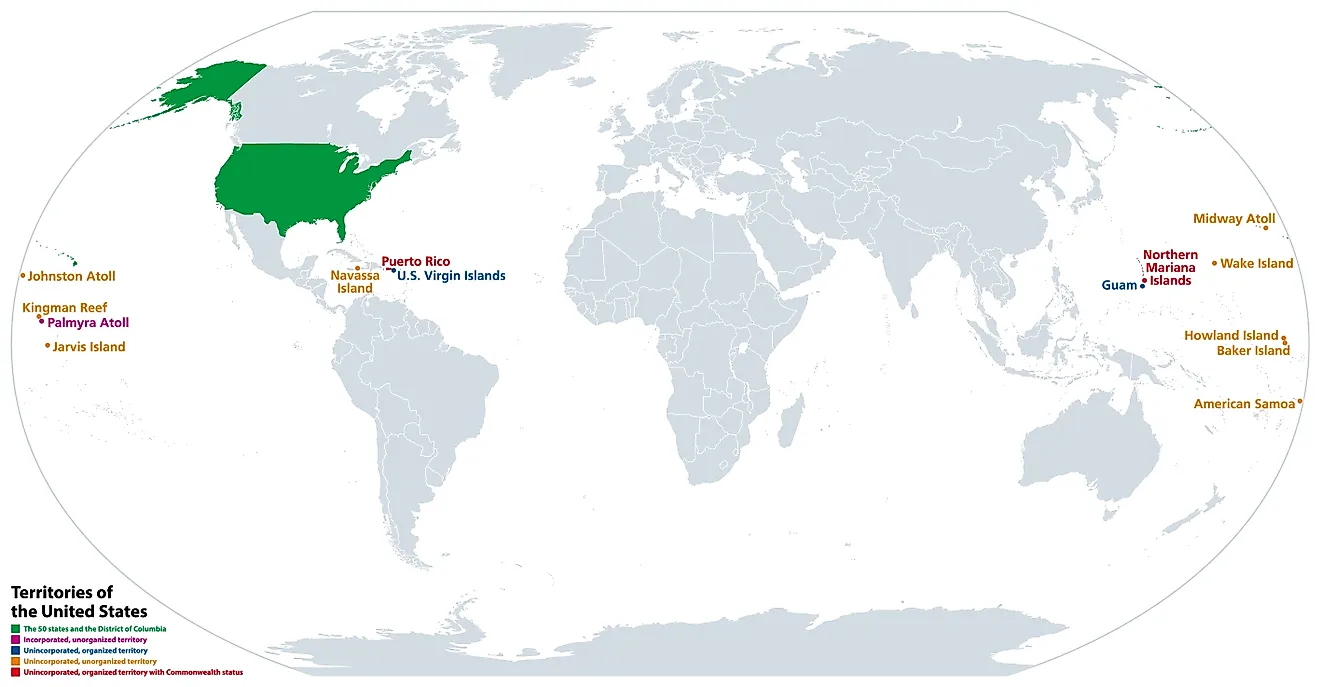
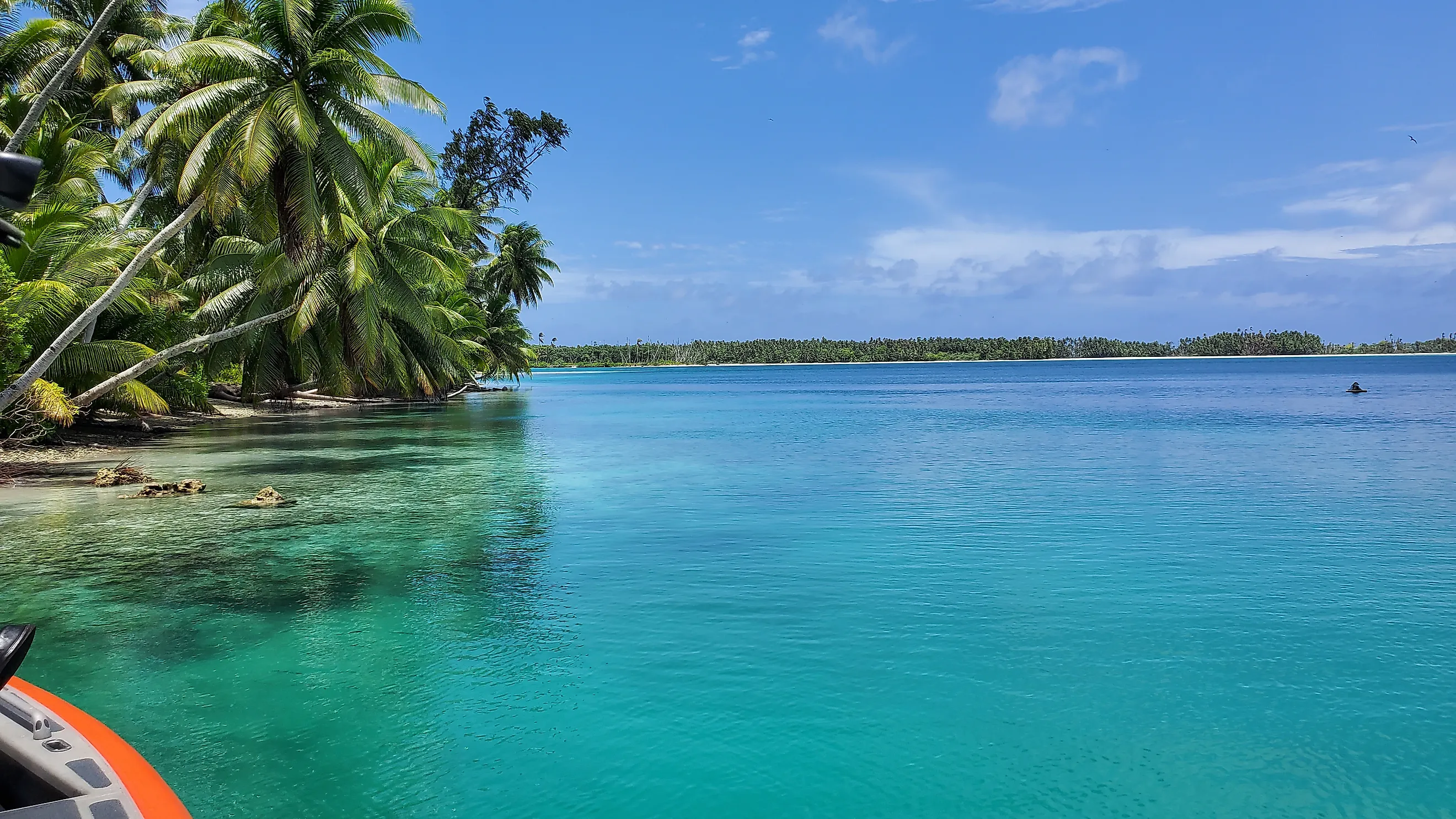
Everyone can name the 50 states. Almost nobody can name the scattering of specks the United States also owns across the Pacific and the Caribbean, which is fair, because most of them are guano-stained coral rocks with no people, no fresh water, and no particular desire to be visited. These are the loneliest pieces of America: nine tiny territories where the only residents are seabirds, sea turtles, the occasional rotating crew of federal biologists, and, on one of them, a population of sharks that vastly outnumbers anything with legs. Here are the most remote and least inhabited territories the country quietly keeps on the books.
Navassa Island

Navassa is the odd one out, the only entry on this list that sits in the Caribbean rather than the Pacific, wedged between Haiti and Jamaica. It is also the one the United States does not fully own on paper, because Haiti has claimed it since the 19th century and still does. The US grabbed it in 1857 under the Guano Islands Act, a wonderfully blunt piece of legislation that let American citizens claim any unoccupied, guano-covered island they found, on the logic that bird droppings made excellent fertilizer. The last people to actually live on Navassa were lighthouse keepers, who left in 1929. Today it is a national wildlife refuge, and the only visitors are scientists with permits and a great deal of patience.
Midway Atoll
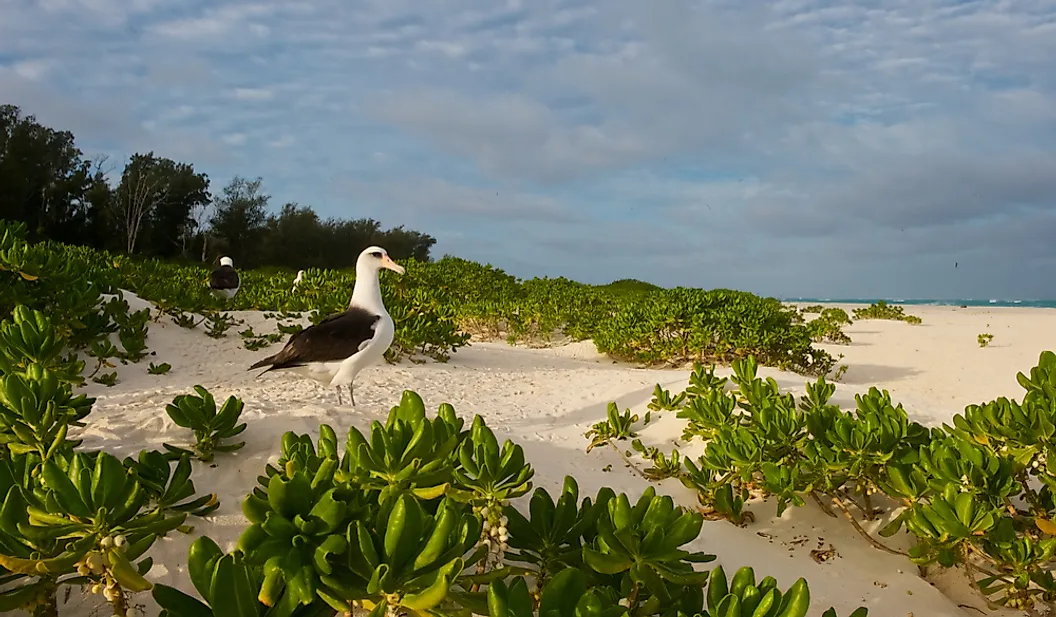
Midway is the most famous name here, thanks to the pivotal 1942 naval battle fought nearby, but the atoll itself is now run as a wildlife refuge inside the Papahanaumokuakea Marine National Monument. Despite sitting at the far northwestern end of the Hawaiian island chain, it is not part of the state of Hawaii. Its full-time population is a rotating staff of a few dozen US Fish and Wildlife Service workers, who are vastly outnumbered by the atoll's real residents: hundreds of thousands of albatrosses, so many that the airfield's biggest operational hazard is birds.
Wake Island
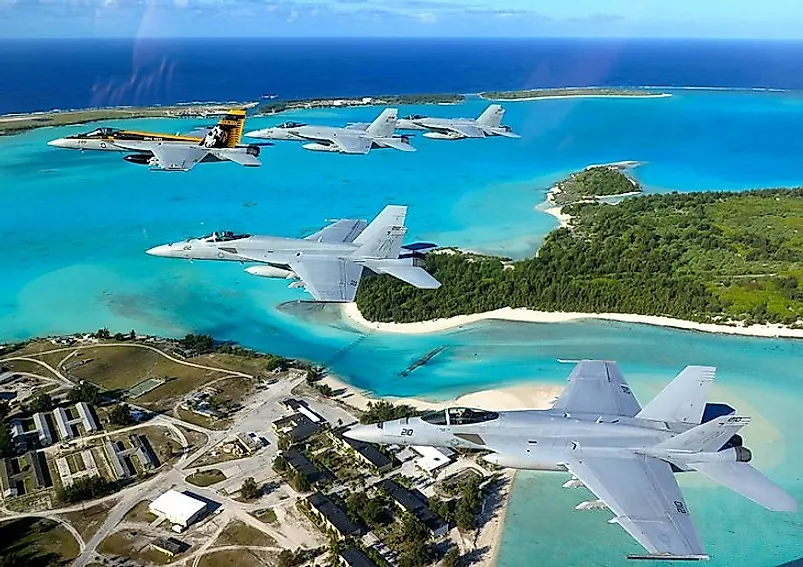
Wake Island is where the US military goes when it wants to be truly alone. This horseshoe of coral serves as a refueling stop and emergency runway for the Air Force, and it has been used as a launch site for missile-defense tests. Around 90 or so military and contractor personnel live here at any time, making it one of the more "crowded" islands on this list, a low bar. Its isolation is the entire point: the nearest inhabited land, Utirik Atoll in the Marshall Islands, is hundreds of miles away across open ocean.
Jarvis Island
Jarvis is a sun-blasted coral island roughly two miles long, sitting in the equatorial Pacific between Hawaii and the Cook Islands, with a climate best described as a tropical desert and absolutely no fresh water. It has never had a permanent human population, which has not stopped people from trying. The American Guano Company mined it for decades, Britain claimed it for a stretch, and in the 1930s the US tried to colonize it by stationing four young men there, a plan that ended when World War II arrived and they had to be evacuated. It is now a wildlife refuge, returned to the seabirds that were always its only sensible inhabitants.
Johnston Atoll

Johnston Atoll, about 860 miles southwest of Hawaii, has one of the more troubling resumes of any place on this list. For decades the US military used it as a storage and disposal site for chemical weapons and a testing ground, leaving a legacy the Fish and Wildlife Service has spent years cleaning up since taking over management. The surrounding waters, by contrast, teem with life, home to hundreds of fish species, which is the recurring irony of these islands: humans treated them roughly, then left, and the wildlife immediately threw a party.
Baker Island

Baker Island, less than a square mile of flat coral just north of the equator, follows the now-familiar script: guano mining in the 1800s, a doomed US colonization attempt in the 1930s, evacuation during World War II, and a quiet second life as a national wildlife refuge. There are no trees, no fresh water, and no permanent residents, just a low scrub of vegetation and a runway-shaped scar from the brief, optimistic human chapter. The island is so flat and featureless that its most notable feature is a daybeacon to keep ships from running into it.
Howland Island

Howland Island's one brush with fame is a sad one: it was the destination Amelia Earhart was trying to reach when she vanished over the Pacific in 1937. A navigational beacon and a runway had been prepared for her arrival, which never came. Archaeologists have found traces of ancient Polynesian visitors, but the island's lack of fresh water made permanent settlement impossible, then as now. Like its neighbors, it endured a 1930s colonization attempt that the war cut short, and it is now a wildlife refuge administered from a comfortable distance.
Kingman Reef

Kingman Reef barely qualifies as land at all. At its largest, the dry portion amounts to a few acres of coral rubble poking above the waves, with a highest point of around five feet, and it spends much of its existence partly submerged. It is genuinely dangerous to ships, which tend to discover it the hard way. Pan American Airways once used the sheltered lagoon as a rest stop for its flying boats in the 1930s, the closest the reef has ever come to hosting guests. Today it is a wildlife refuge whose population is essentially all sharks, with a healthy supporting cast of corals and the occasional green sea turtle dropping by to eat.
Palmyra Atoll

Palmyra gets the closing spot because it is the strangest of all. Sitting roughly 1,000 miles south of Hawaii in the middle of nowhere, it holds a distinction no other place on this list can claim: it is the only incorporated territory of the United States, meaning the full force of the US Constitution technically applies to a ring of uninhabited islets where the permanent population is zero. It ended up this way by accident of paperwork, left out when Hawaii became a state in 1959 for reasons historians still cannot fully explain. Co-managed by the Fish and Wildlife Service and the Nature Conservancy, it hosts a small rotating crew of researchers and a notorious past, including a famous 1974 double murder that later became a bestselling book. It is the most constitutionally protected patch of nobody-lives-here on earth.
The Loneliest Corners Of America
What ties these nine together is a single repeating story. Almost all were claimed for their bird droppings, briefly fought over or fortified, half-heartedly colonized, then abandoned to the wildlife that never wanted company in the first place. Today nearly every one is a national wildlife refuge, which is the rare happy ending for places this badly used. The United States stretches a great deal further than the map in the classroom suggests, all the way out to a shark-filled reef, an albatross airfield, and a constitutionally American rock where, on most days, nobody is home at all.