10 Iconic Animals That Live Only In Europe
Europe is home to several animal species that are endemic to the continent and found nowhere else on the planet. The mountainous landscapes of the French and Italian Alps and the Cantabrian Mountains of Spain, alongside island formations like Great Britain, have resulted in varieties of animals that live and thrive solely in this part of the world. The European mink, the olm, and the Scottish wildcat are just a few of the iconic fauna that call the continent home. Many of these animals are currently or were once endangered, like the Iberian lynx, though conservation efforts are underway to protect these one-of-a-kind creatures.
Iberian lynx
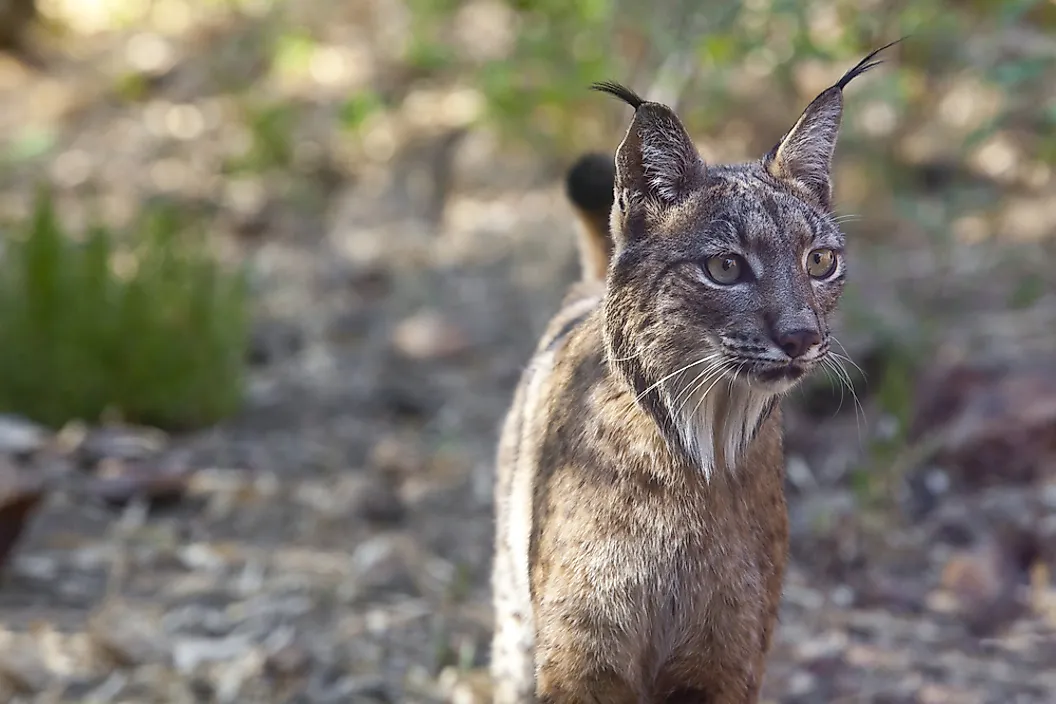
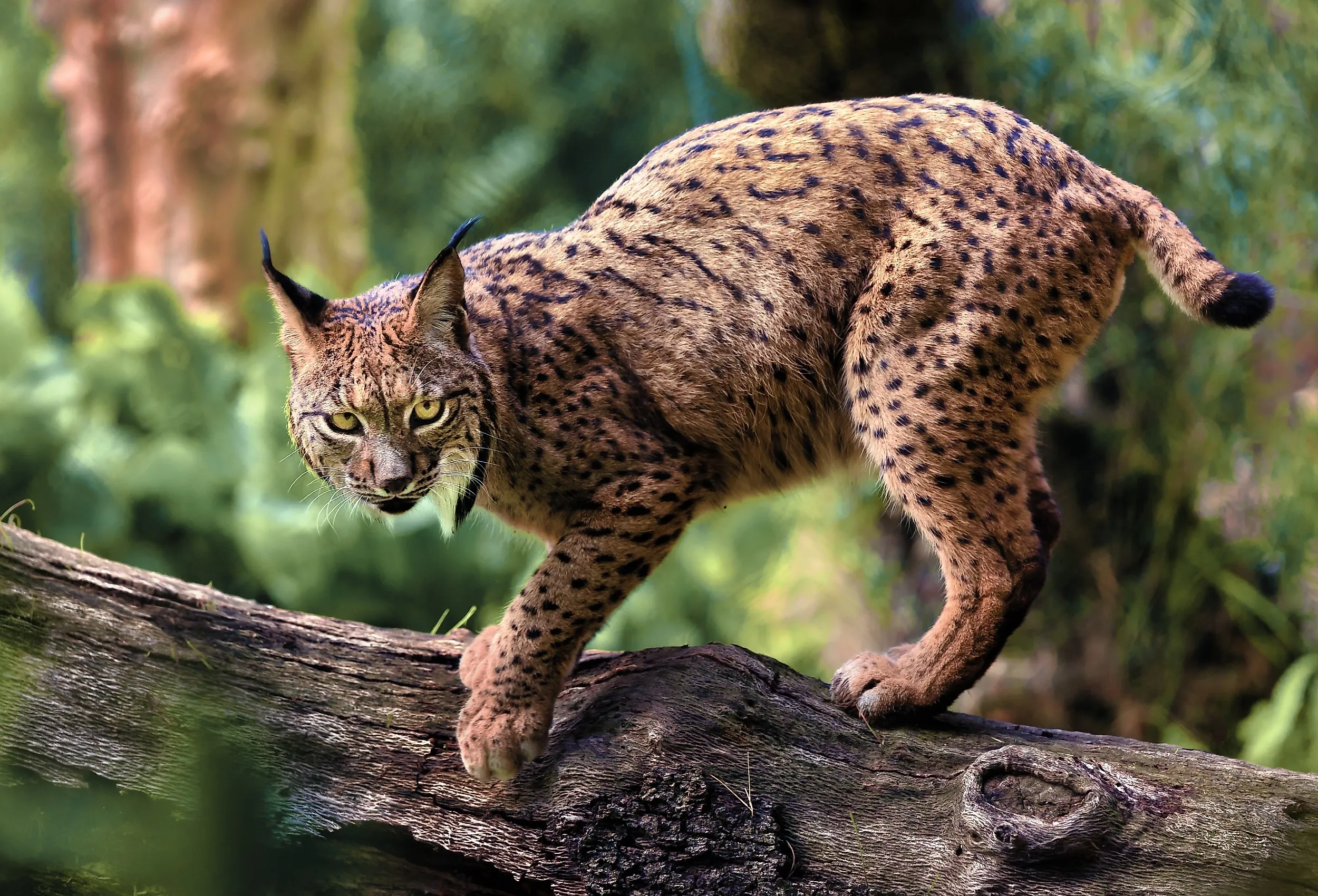
The Iberian lynx (Lynx pardinus) is a wildcat that lives exclusively on the Iberian Peninsula and can be found in both Portugal and Spain. Once critically endangered, the wildcat’s status was downgraded to vulnerable in 2024 due to successful conservation efforts. Smaller than its cousin, the Eurasian lynx, this wild cat can appear yellowish-brown, gray-brown, or even reddish in color with spotting. It spends its nights hunting its primary prey of rabbits.
The Iberian lynx is mostly found in Andalusia, Castilla-La Mancha, and Extremadura in Spain, and in Alentejo and Algarve in Portugal. There are also populations found in the Sierra Morena mountain range, Doñana National Park, the Toledo Mountains, Guadiana Valley Natural Park, and the Matachel valley. This lynx is known to prefer a combination of open grassland and densely brushed areas. These areas might include plants like strawberry trees and juniper bushes.
Cantabrian Brown Bear

There are many different types of bears worldwide, but the Cantabrian brown bear is a distinct population of the Eurasian brown bear (Ursus arctos arctos) that survives only in the Cantabrian Mountains of northern Spain. This unique group is notably smaller than its more well-known cousin, the European brown bear. In recent decades, the bear has become a cultural icon for the region. Another survivor of near-extinction, the Cantabrian brown bear once numbered just 60, but recent estimates show its population has recovered to approximately 375 individuals. This growing population and the bear’s cultural significance are also an economic boon for the region, which sees numerous visitors each spring and summer hoping to catch a glimpse.
Alpine Ibex

The Alpine ibex (Capra ibex) is an almost mystical-looking wild goat native to the European Alps. Once extirpated from much of its home, the ibex was reintroduced to most of its native European range as part of a four-stage conservation effort. The ibex has a brownish-grey coat, and males can be distinguished from females by their larger size and longer horns. It is also an amazing climber, as it lives in steep, remote areas as high as 5,900 to 10,800 feet. If you are looking to spot one, then Gran Paradiso National Park in Italy and the contiguous Vanoise National Park across the French border are both excellent places to visit (the Alpine ibex is the emblem of both parks).
European Mink

The European mink (Mustela lutreola) is an adorable carnivore that once lived in large numbers across most of Europe, but is now critically endangered. The animal has populations in several notable areas across the continent, including an isolated population in Northern Spain and Western France. The mink’s larger range also includes parts of Eastern Europe like Latvia, Estonia, Belarus, Ukraine, the central regions of European Russia, the Danube Delta in Romania, and northwestern Bulgaria. The European mink has also been successfully re-established in Estonia, on the island of Hiiumaa. It is known for its thick, dense fur and its coarse guard hairs, which are ideal for the animal’s semi-aquatic lifestyle. If you are looking to spot one, be sure to look near rivers and streams, as this semi-aquatic mink species is never far from fresh water.
European Bison

Bison are not exclusive to North America. The European bison (Bison bonasus) is a sight to behold, weighing an average of 880 to 2,200 lbs. It is the largest land mammal in Europe. Gentle giants, these beasts have a significant symbiotic relationship with their local forest ecosystem and contribute to vegetation regeneration. Unfortunately, intensive hunting and habitat loss drove the European bison to extinction in the wild by the early 20th century, but captive breeding and reintroduction efforts have since allowed the species to recover enough that the International Union for Conservation of Nature (IUCN) now lists it as Near Threatened.
Visitors looking to cast their eyes on a European bison can check out nature reserves, like Maashorst in the Netherlands and Vânători-Neamț Nature Park in Romania, which boast healthy bison populations. One day, perhaps, they will roam the European continent in its entirety once more.
Red Grouse

The red grouse (Lagopus scotica) is a species of game bird living in the UK and Ireland. The bird is known for its year-round reddish-brown feathers and its history and economic role in driven shooting. The male birds are brighter in tone and have a larger red comb. Alongside its popularity in game hunting, the bird is also known for its dependence on heather moorland, a distinct habitat found in the British Isles. For this reason, the red grouse symbolizes the cultural identity of upland Britain.
Olm

The olm (Proteus anguinus) is a cave-dwelling salamander that is also commonly called the “human fish." This blind amphibian can be found in the Dinaric Alps of southeastern Europe and can live for over 100 years. Adapted to a life of complete darkness, the Olm lives in many of the underground streams of the Adriatic coast of northeastern Italy and Montenegro. This almost snake-like amphibian measures 8 to 12 inches long, with the females growing longer than their male counterparts. Its white pallor is distinctive, but the animal can turn a darker color if exposed to prolonged light. Spelunkers can delight when they spot one of these slippery, sleek salamanders during one of their subterranean adventures.
Sardinian Long-Eared Bat

The Sardinian long-eared bat (Plecotus sardus) can be found when exploring Sardinia, Italy. It can be found in olive groves and roosts in karst caves and tunnels in the region. This species is a relatively new find, only having been discovered in 2002. It is closely related to other bat species, including the Plecotus auritus and Plecotus alpinus, but diverges from these animals through its distinct mitochondrial 16S rRNA gene. The bat’s large ears can measure as long as 1.5 inches, looking massive in comparison to its 1.8-inch head and body.
Camargue Horse

A truly inspiring animal is the Camargue horse, found mostly in the South of France. While this creature’s population is most concentrated in southern France, there are also a few animals living domestically in Germany, Sweden, and the UK. These horses are one of the oldest breeds in the world and are still considered semi-wild in parts of France, where the descendants of ancient wild horses are only partially cared for and managed by humans. Visitors looking to see herds of Camargue horses can visit the wetlands and coastal areas of the Camargue region of France, for which the horses are named.
Scottish Wildcat

The Scottish wildcat is a distinct population of the European wildcat (Felis silvestris silvestris) found only in Scotland, in the United Kingdom. It is the country’s last surviving native wildcat and lives in isolated areas of the country's Highlands. The cat has long fur and a striped pattern. As a carnivore, it primarily eats wild rabbits and voles. The rugged terrain and woodlands provide the Scottish wildcat with the cover it needs for hunting and shelter from the wild elements of Scotland.
Europe’s Unique Wildlife
Rough, mountainous regions and isolated geography create several key pockets across Europe where unique species can thrive. Many of the animals endemic to Europe can’t be found anywhere else, and they rely on the continuous support of their localized ecosystems and habitats. Conservation efforts and awareness are a huge help to many of these species, as for some, like the European bison, they are the sole reason they have avoided extinction thus far. Next time you are adventuring in Europe, keep your eyes out for some of these iconic animals that call the continent home.