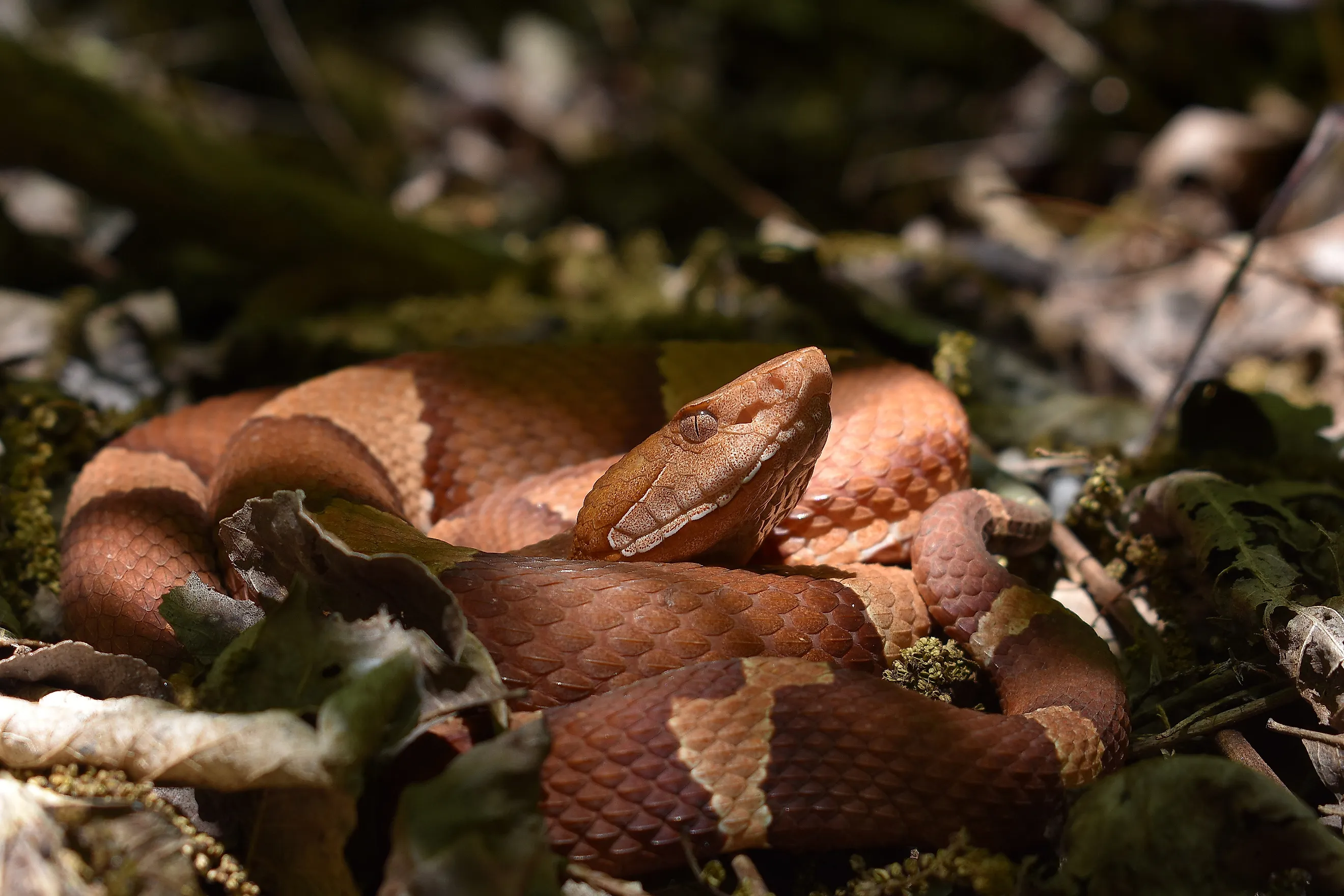
Copperhead
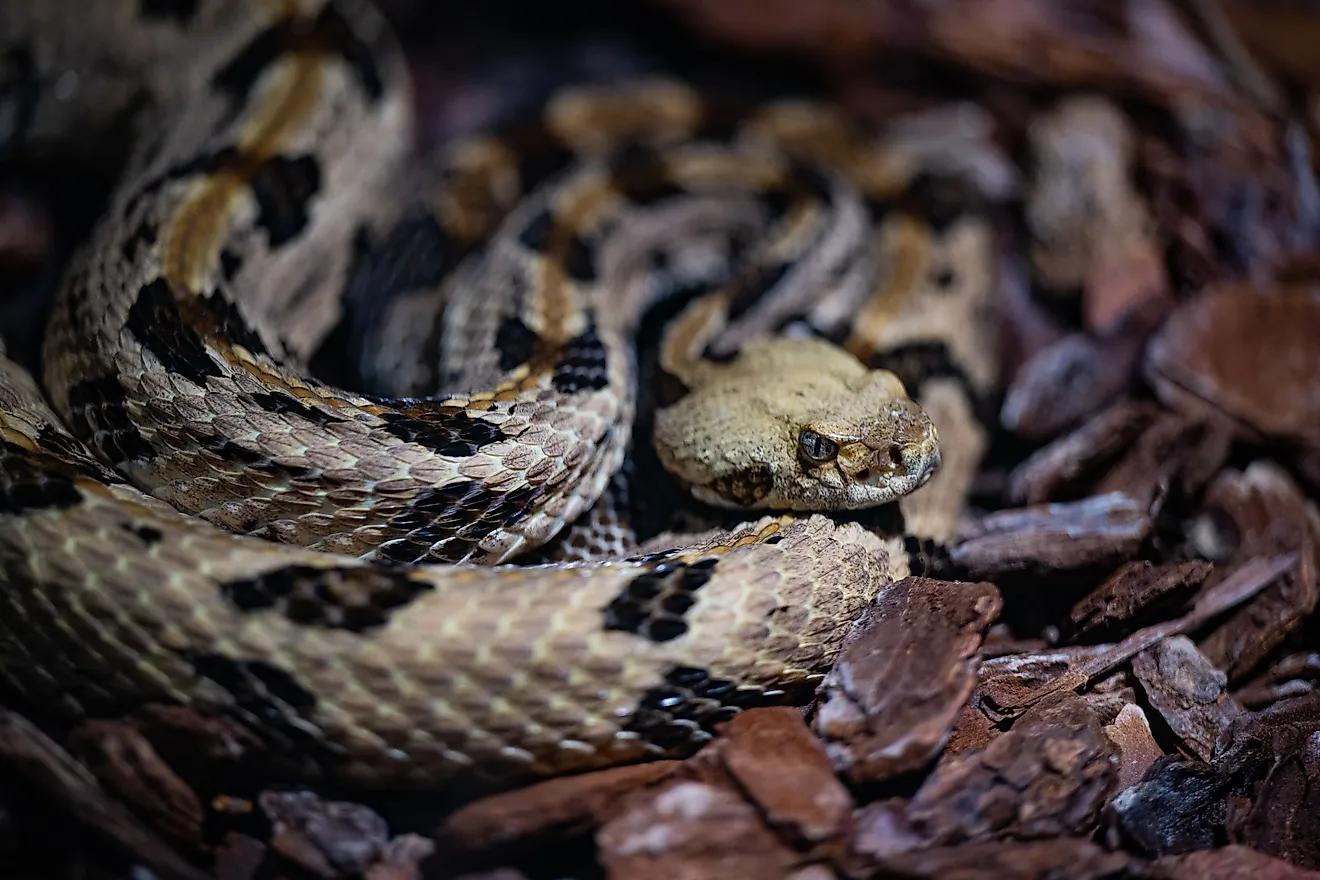
The copperhead is one of the most common venomous snakes in the US. This pit viper can be found throughout most of the eastern United States, including parts of Texas and Oklahoma. It is a highly effective predator, able to detect and lunge at prey with its venomous fangs. Unfortunately for humans, it is also one of the most commonly reported causes of venomous snakebites in the United States. However, although much feared and often maligned, this snake's bite is rarely fatal to humans.
Taxonomy

Many snakes are referred to as copperheads, but in the United States, the name copperhead most commonly refers to two closely related taxa: Agkistrodon contortrix and Agkistrodon laticinctus. Some classifications treat the latter as a subspecies rather than a separate species, reflecting ongoing differences in taxonomic interpretation.
Initially, the copperhead was divided into five subspecies, but many scientists have argued that DNA testing points to these snakes as belonging to these two species. The genus Agkistrodon consists of pit vipers that live in North America, which comes from two Greek words, ankistron (fishhook) and odon (tooth), as a reference to this creature's fangs. Another member of this genus is the cottonmouth, a semi-aquatic venomous snake native to North America.
The eastern copperhead's species name, contortrix, comes from the Latin word contortus, which means twisted and intricate, possibly in reference to its dark hourglass bands in the middle of its back. The broad-banded copperhead's species name laticinctus refers to its broader bands on its body.
Three other snakes are commonly called copperheads, but they are not closely related to the American pit vipers, belonging instead to different genera, such as Deinagkistrodon acutus (the Chinese moccasin or Chinese copperhead) and the Australian copperheads of the Austrelaps genus.
Range and Habitat

The eastern copperhead occurs across much of the eastern United States, spanning roughly two dozen states from New England south to Florida and west into parts of the Midwest and lower Mississippi Valley. Its range includes Missouri, Arkansas, Louisiana, and the far eastern portions of Oklahoma and Texas. It can be found in 28 states in total. By comparison, the broad-banded copperhead has a much smaller range, mostly found in Texas and Oklahoma, with a hybrid zone in Kansas, and in the eastern regions of Texas and Oklahoma.
Part of the reason the eastern copperhead has such a wide range is that it can live in many different habitats. It prefers deciduous forests and mixed woodlands, but can also live on river bluffs, mountainous regions, near swamps, pinewoods, and river basins. In some cases, they are found near rivers and streams, which provide reliable water sources and abundant prey, and are often used as natural travel corridors within their habitat. Eastern copperheads can also live close to humans, as they hide under abandoned farms, homes, rock walls, or tree debris.
Broad-banded copperheads prefer to live in lightly wooded areas with water sources nearby. They seek out habitats with ground debris, such as leaves and high grass, to hide. They are commonly seen in rocky woodlands or brush-filled meadows, especially in Kansas. Unlike eastern copperheads, they tend to avoid human areas.
Physical Traits

Eastern copperheads grow at an average size of 20 inches to 37 inches, with larger members reaching up to 52 inches long. They are sexually dimorphic, with males being larger than females. They are relatively light-bodied snakes, though adults vary widely in weight depending on size and condition, with larger individuals weighing well over a pound. Broad-banded copperheads are similar in size to eastern copperheads, usually growing between 17.7-inches and 29.5-inches long.
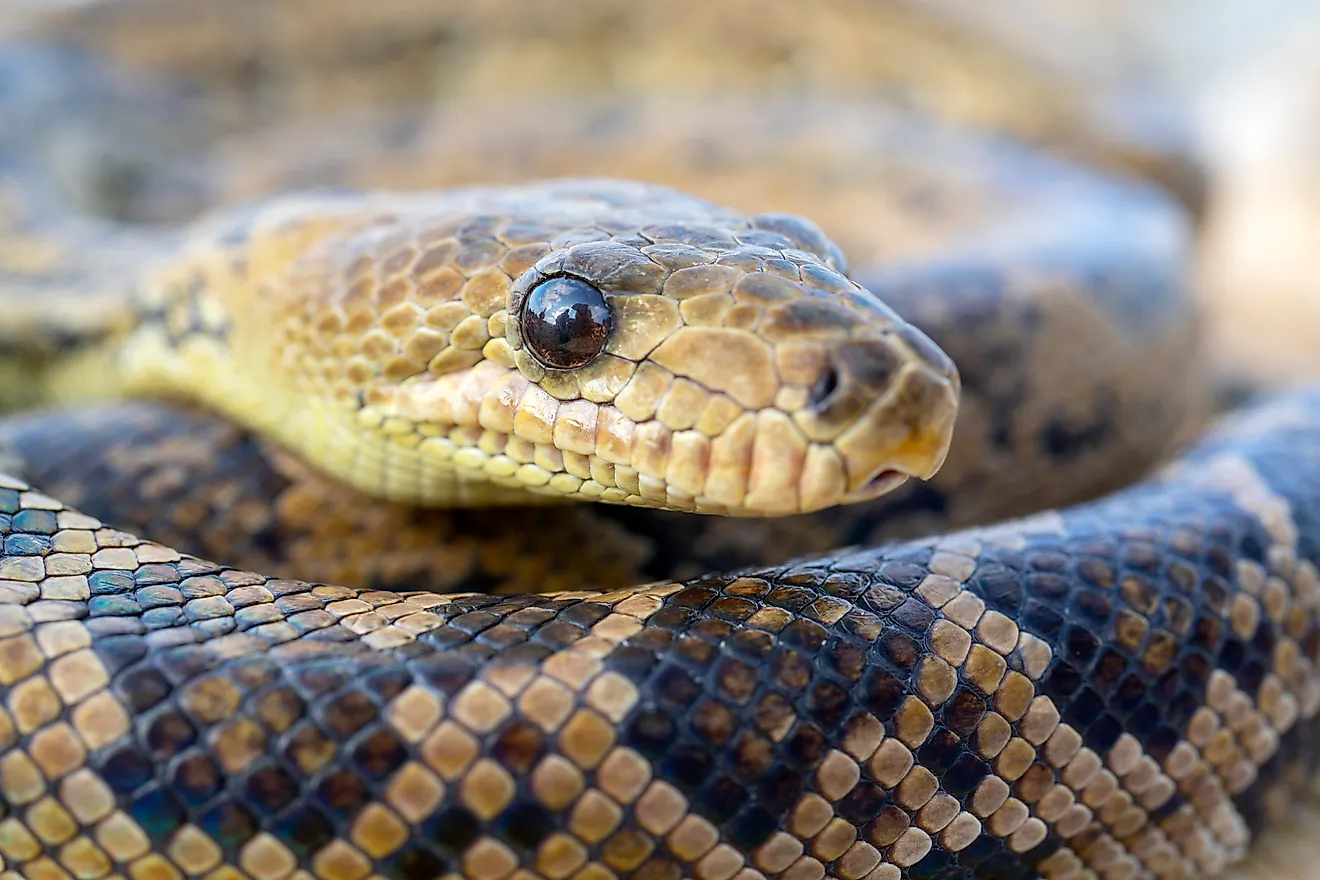
Eastern copperheads have 10 to 18 dark crossbands, which look like hourglasses or Hershey's kisses, across their body, which range in color from pale tan to gray. Broad-banded copperheads tend to be tan in color with 10 to 17 reddish-brown or copper bands across their bodies. Both snakes have heat-sensing pits on either side of the head that help detect warm-blooded prey, and a distinctly copper-toned head that contributes to their common name.

Copperheads inject their venom into prey via their fangs, which can grow up to 0.5 inches in length. The length of the fangs depends on the size of the individual snake. Copperhead venom is primarily hemotoxic and cytotoxic, affecting blood cells and tissue and causing significant pain and local damage in prey, though it is usually not rapidly lethal to larger animals.
Although some believe that baby snakes have more potent venom, copperheads maintain the same venom potency throughout their life span. The fangs are replaced throughout their lifespan. Copperheads develop multiple replacement fangs in reserve behind the functional pair, which are cycled forward and used when a fang is lost or damaged. When not in use, the fangs are folded against the roof of their mouths.
Copperheads have forked tongues, which they use to detect particles in the air, along with a Jacobson's organ in the roof of their mouths for scent. Copperheads detect ground vibrations through contact with the substrate, which are transmitted through their body and interpreted by their sensory system, since they do not have external ears.
Food

Copperheads are opportunistic predators that can eat small birds, lizards, insects, turtles, and mammals. Larger copperheads typically feed on mammals as they provide more calories. Broad-banded copperheads also eat rodents, lizards, frogs, and insects. Copperheads are primarily crepuscular, with activity often occurring in the late afternoon, evening, and occasionally at night, depending on temperature and season.
Both copperheads are ambush predators, meaning they lie in wait for prey before lunging out to inject them with venom. For smaller prey, they may hold them in their mouths until they are dead, whereas for larger prey, they inject them with venom, release them, and slowly track them down until they die from the venom. They may also track down smaller prey, such as cicadas, into trees or bushes.
Younger copperheads wiggle their yellow tails, which resemble caterpillars or worms, to lure in frogs and lizards. They are much more likely to eat insects and frogs than adult copperheads, which prefer mice and birds. Adults may at times cannibalize juvenile copperheads.
Behavior and Reproduction

Copperheads display several social behaviors throughout the year. They tolerate each other's presence in drinking, hunting, and basking sites. During hibernation, they may enter into communal dens not just with other copperheads but also with timber rattlesnakes and nonvenomous black rat snakes.
Copperhead mating season begins in early spring and can last all the way until autumn. Males will use their tongues to detect pheromones and locate the female. It may also fight with other males for mating rights by trying to pin another male to the ground in wrestling matches. When the male meets the female, it will perform a mating display to stimulate the female. Males will also produce a pheromone, which will ward off attention from other males.

Females can store sperm to delay fertilization until the proper time. After fertilization, embryos develop inside the female in a form of live-bearing reproduction (ovoviviparity), receiving nourishment from yolk sacs rather than developing in external eggs. Copperheads give birth to live young in litters, typically ranging from about four to 10 offspring, depending on the individual and environmental conditions. She provides no care to these juvenile snakes, who are left to find for themselves.
Threats to Humans

Venomous snakes bite 7,000 to 8,000 people annually in the US. Of these bites, fewer than 3,000 come from copperhead snakes. Copperheads often rely on camouflage and may remain motionless when a potential threat is nearby, which can lead to close encounters with humans. Since copperheads are more likely to wander into human settlements, bites are more likely.
These bites are often instigated when a human steps on these copperheads or if they attempt to harass or attack them. Copperhead bites are rarely fatal. Their average venom delivery (about 26 milligrams) falls well below the estimated human lethal dose (40 milligrams to 100 milligrams). Plus, bite severity depends on many factors, including bite location, victim size, and access to medical care. In many cases, they don't inject any venom at all, often engaging in dry bites with no venom.
Copperhead bites can be very painful and may cause significant swelling, nausea, and localized tissue damage, though severe complications are uncommon with prompt medical care. In the event of a bite, seek immediate medical attention; standard first aid focuses on keeping the person calm and immobilizing the affected limb while awaiting treatment.
Safety in Copperhead Territory

The best way to avoid copperhead snake bites is to stay aware of one's surroundings, wear proper footwear, and not put one's hands under logs or underbrush while out and about. If bitten, seek medical attention immediately. One last note is to make sure not to harm or harass these snakes. Legal protections for copperheads vary by state; in many areas they are not classified as protected species, and regulations on killing venomous snakes differ depending on local wildlife laws.