The 6 Roman Emperors Who Shaped History Forever
Several key figures defined the Roman Empire. They were often emperors, though not always. General and dictator Julius Caesar, for instance, established the foundation for Rome's transition from a Republic to an Empire. Some also existed following the collapse of the Western Roman Empire. Justinian I ruled the Byzantine Empire during the 500s AD and was responsible for Roman civilization flourishing after its supposed peak. All these people, and many more, shaped the most powerful state of the ancient world.
Julius Caesar
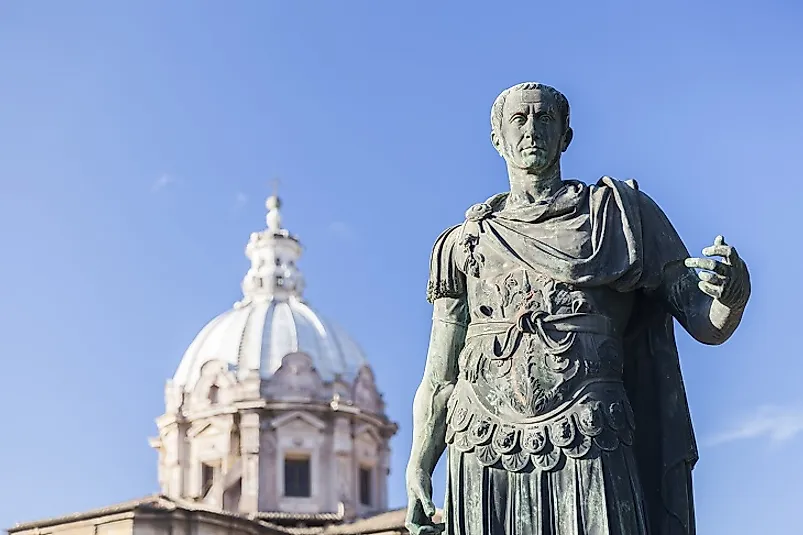
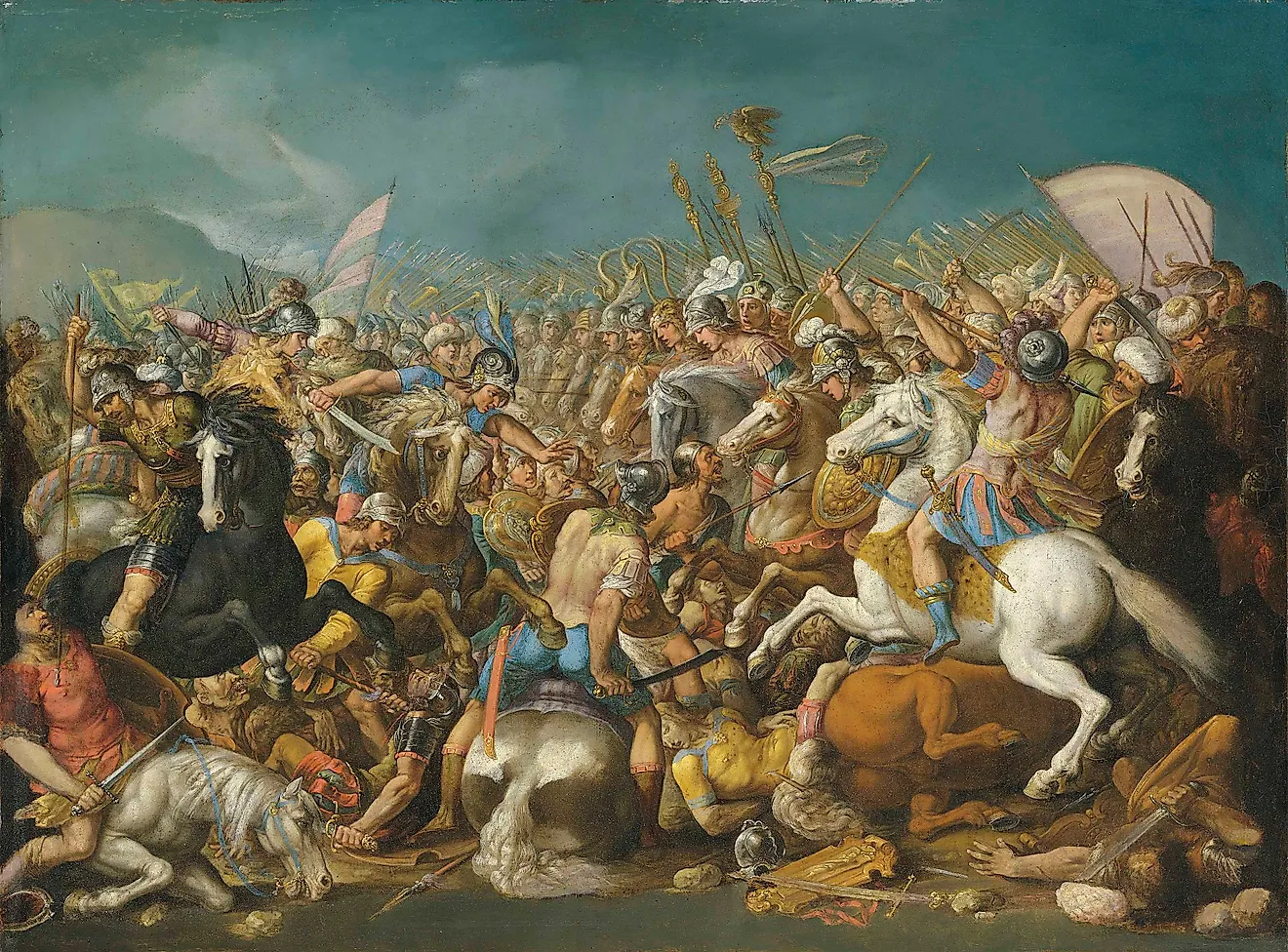
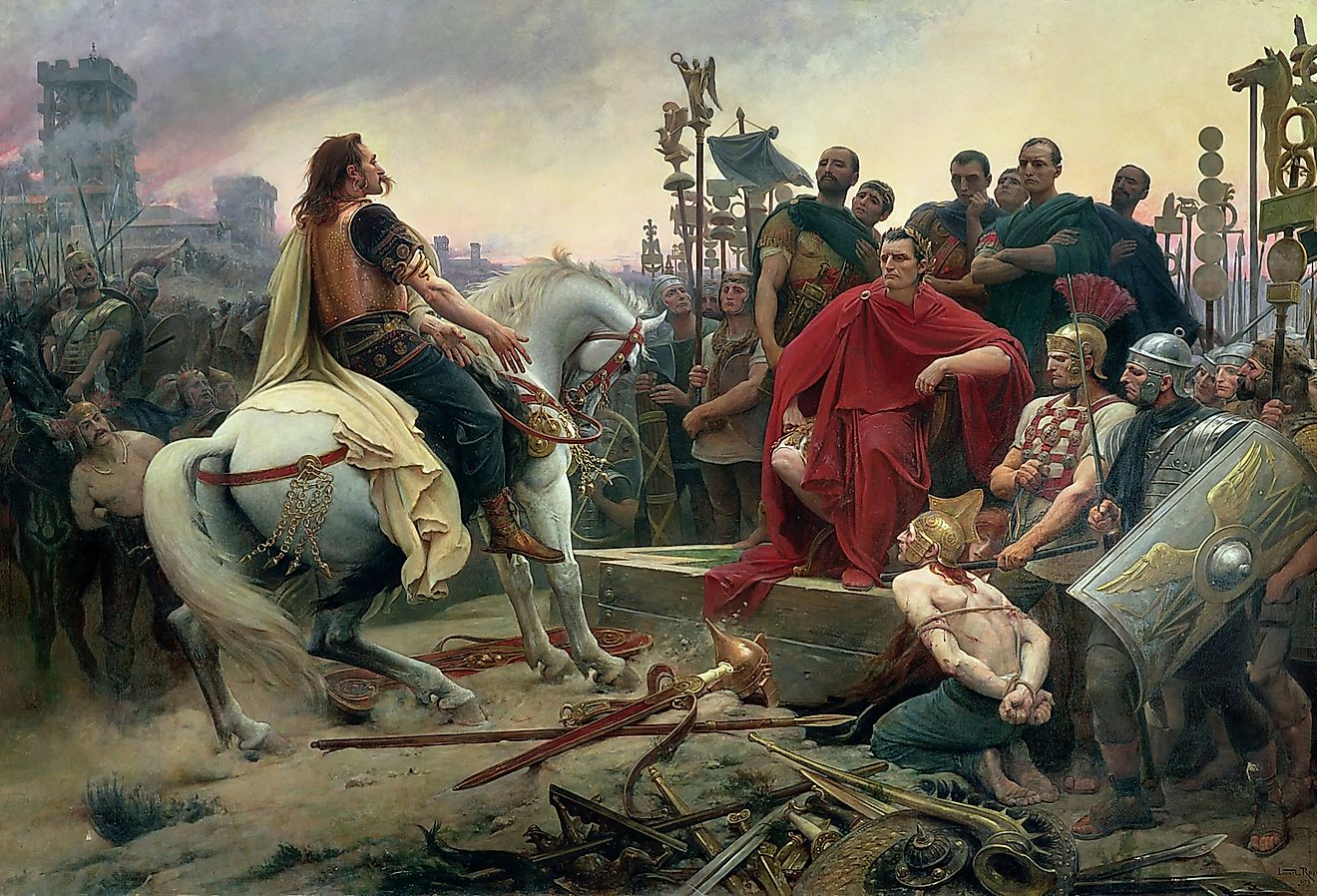
Julius Caesar was born in 100 BCE to a noble family. For the early part of his adult life, he served various military and political roles, accumulating vast wealth, influence, and popularity in the process. This reached its peak when Caesar led the campaign to capture Gaul (modern-day France) from 58 to 50 BCE. In doing so, he became its governor and arguably the most powerful man in the Roman Republic. This alarmed the Senate and Caesar's former allies, like Pompey, so they ordered him to disband his army. Caesar refused, and he declared war on the Senate by crossing the Rubicon River (the border of Rome proper) with his army in 49 BCE.
Pompey and the Senate fled to Greece, allowing Caesar to quickly take Italy. He then travelled east and crushed the Senate's troops at the Battle of Pharsalus, forcing Pompey to flee to Egypt. With the help of Egyptian leader Cleopatra, Caesar defeated Pompey's forces (Pompey himself was killed shortly after arriving in Egypt). By 45 BCE, he destroyed the last of the resistance and was the undisputed ruler of Rome.
This wouldn't last long. Shortly after declaring himself dictator for life, Caesar was assassinated in 44 BCE by a group of senators concerned about his increasingly tyrannical rule. Even though they meant to save the Roman Republic, these senators ended up cementing its fate. Rome again plunged into a civil war that ended with Augustus becoming Rome's first emperor.
Augustus

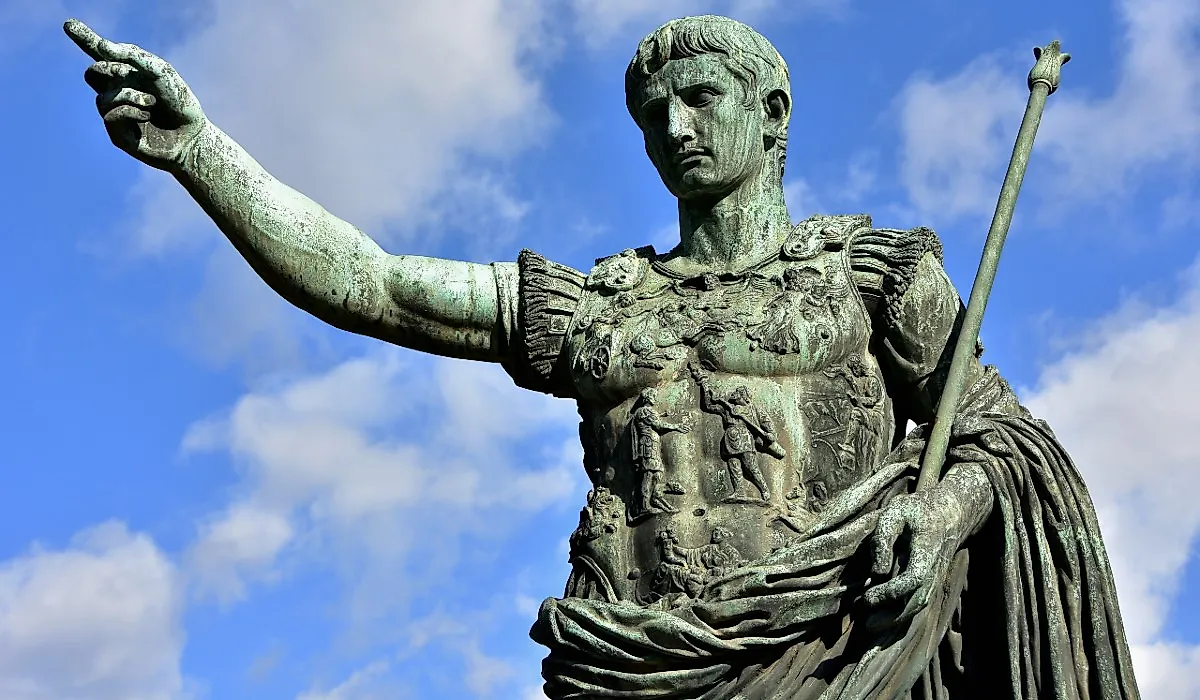
If Julius Caesar was the grandfather of the Roman Empire, Augustus was its father. Born Gaius Octavius (or Octavian) in 63 BCE, he found himself part of an alliance with Mark Antony and Marcus Lepidus after Caesar died. Named the Second Triumvirate, it began to fracture due to Antony's romantic and political relationship with Cleopatra. Octavian argued that Antony had been corrupted by the "foreign queen" and was disloyal to Rome. These accusations culminated in the Battle of Actium in 31 BCE, in which Octavian decimated Cleopatra and Antony's fleets. They subsequently committed suicide, and Octavian was now the undisputed leader of Rome.
Rather than proclaiming himself dictator, Octavian "returned" power to the Senate in 27 BCE. In turn, it granted him extraordinary power and gave him the title "Augustus" (meaning "the revered" or "exalted one"). With this act of political theater, Augustus was now free to rule as he saw fit. He created a professional standing army and paid it directly with funds from the state treasury. This ensured its loyalty to the Roman government, rather than to charismatic generals (like Caesar). Augustus also hired thousands of full-time bureaucrats and made investments in urban and provincial infrastructure. All these measures created the centralized and administrative state that defined the Roman Empire.
Diocletian

Diocletian ruled from 284 to 305 AD. He's primarily remembered for saving Rome from the Crisis of the Third Century, fifty years of political instability, economic catastrophe, and civil war. Diocletian realized that the empire's size was at the root of many of these problems. It was simply too large to be centrally governed from one place. Therefore, he created the Tetrarchy. Rome was split administratively into east and west. Each half was ruled by two emperors, a senior one called an Augustus and a junior one called a Caesar. Even though the system fell apart after Diocletian retired, it established the precedent for dividing the empire. This division became permanent nearly 100 years later, following the reign of Theodosius I.
Constantine The Great

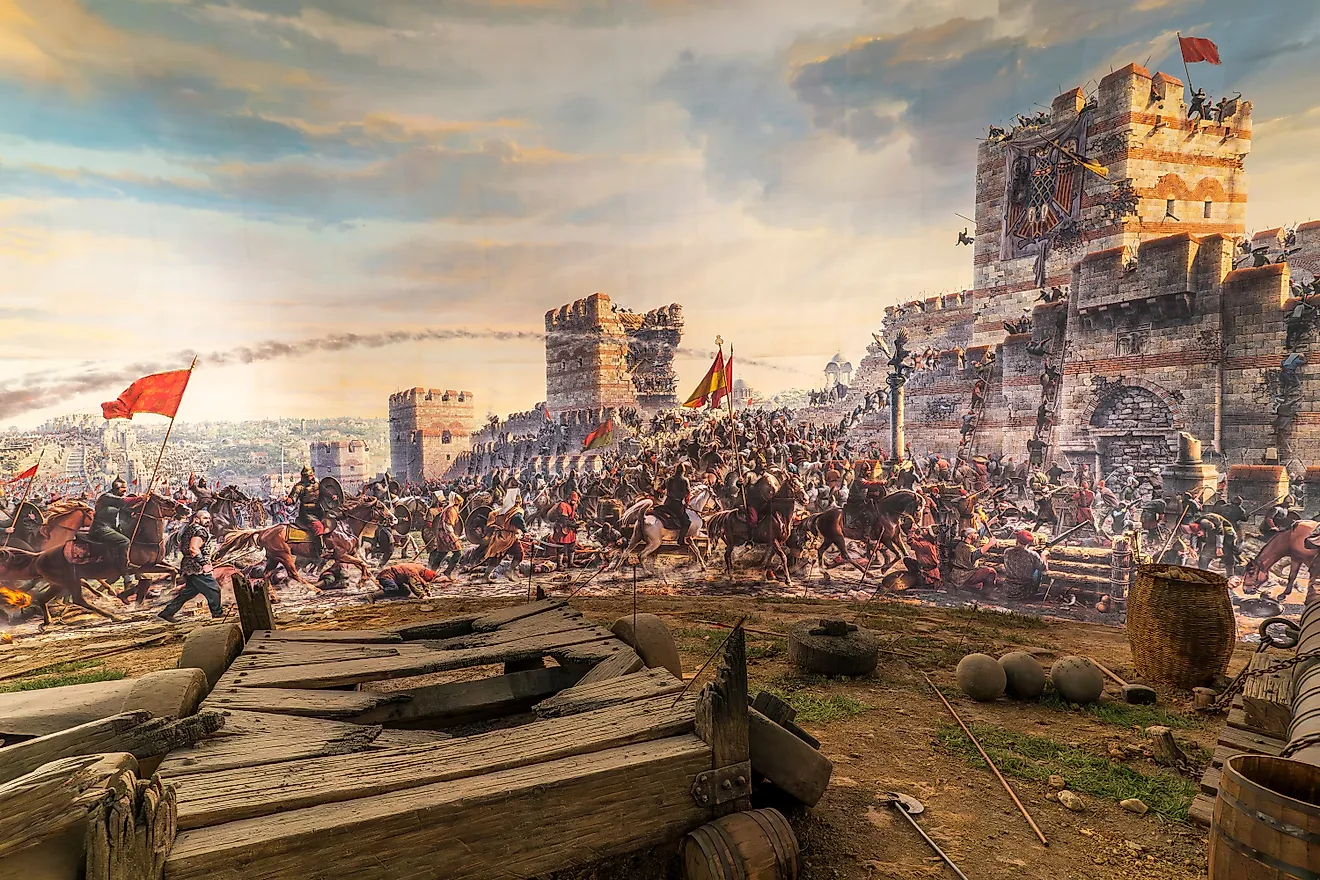
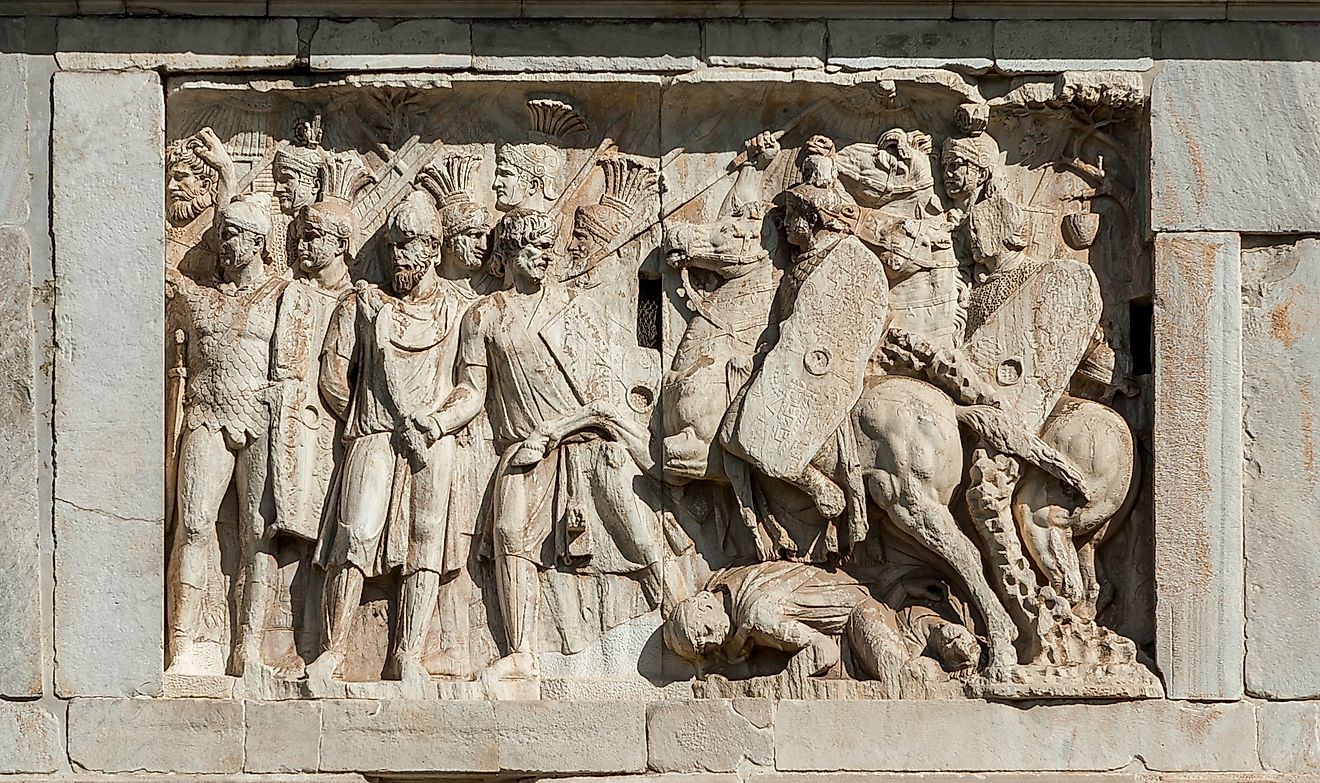
Emperor Constantine similarly transformed Rome. He legalized Christianity in 313 AD, embraced the faith himself, and became one of the church's biggest patrons. Constantine's most notable act in this regard was convening the Council of Nicea in 325 AD, which helped settle key debates about the nature of the Holy Trinity. In the secular realm, Constantine moved the capital from Rome to Constantinople. Located on the Turkish Straits, which separated the Black Sea from the Mediterranean and Europe from Asia, the city immediately became a crucial strategic chokepoint. Shifting power away from the traditional capital also helped facilitate the division of the empire in 395 AD.
Justinian I

While the Western Roman Empire fell in 476 AD, the Eastern Roman Empire survived. Emperor Justinian, who ruled from 527 to 565 AD, was instrumental in ensuring that it remained a major power on the global stage. Under his reign, the empire regained much of its western territory when it conquered North Africa and parts of Spain and Italy. Even though these gains were temporary, they demonstrated that Roman civilization was still a force to be reckoned with. Justinian also made important legal reforms by introducing the Corpus Juris Civilis. This was a massive compilation of legal texts and laws that organized centuries of Roman law into a coherent system. Many modern European laws are rooted in this document.
The Men Who Made Rome
Rome's power did not come from one ruler or one moment. Julius Caesar broke the Republic's old political order, while Augustus built the imperial system that followed. Diocletian reorganized Rome when its size threatened its survival, and Constantine shifted its religious and political future toward Christianity and Constantinople. Justinian later carried Roman law and ambition into the Byzantine age. Each figure changed Rome in a different way, leaving behind reforms, conflicts, and ideas that continued to influence governments long after the empire's height.