Did The Fall Of The Roman Empire Lead To The Dark Ages?
The fall of the Western Roman Empire is one of the most widely covered events in world history. It’s also one of the most misunderstood. A commonly believed falsehood is that it led to the Dark Ages. This isn’t to say that there were no aspects of decline after 476 AD. Literacy rates, cities, populations, and overall economic activity all collapsed. At the same time, much of Eastern Europe remained under Roman control via the Byzantine Empire. Even in Western Europe, there were still important political and cultural developments. This suggests that the “Dark Ages” weren’t as dark as is often believed.
The Fall Of The Western Roman Empire

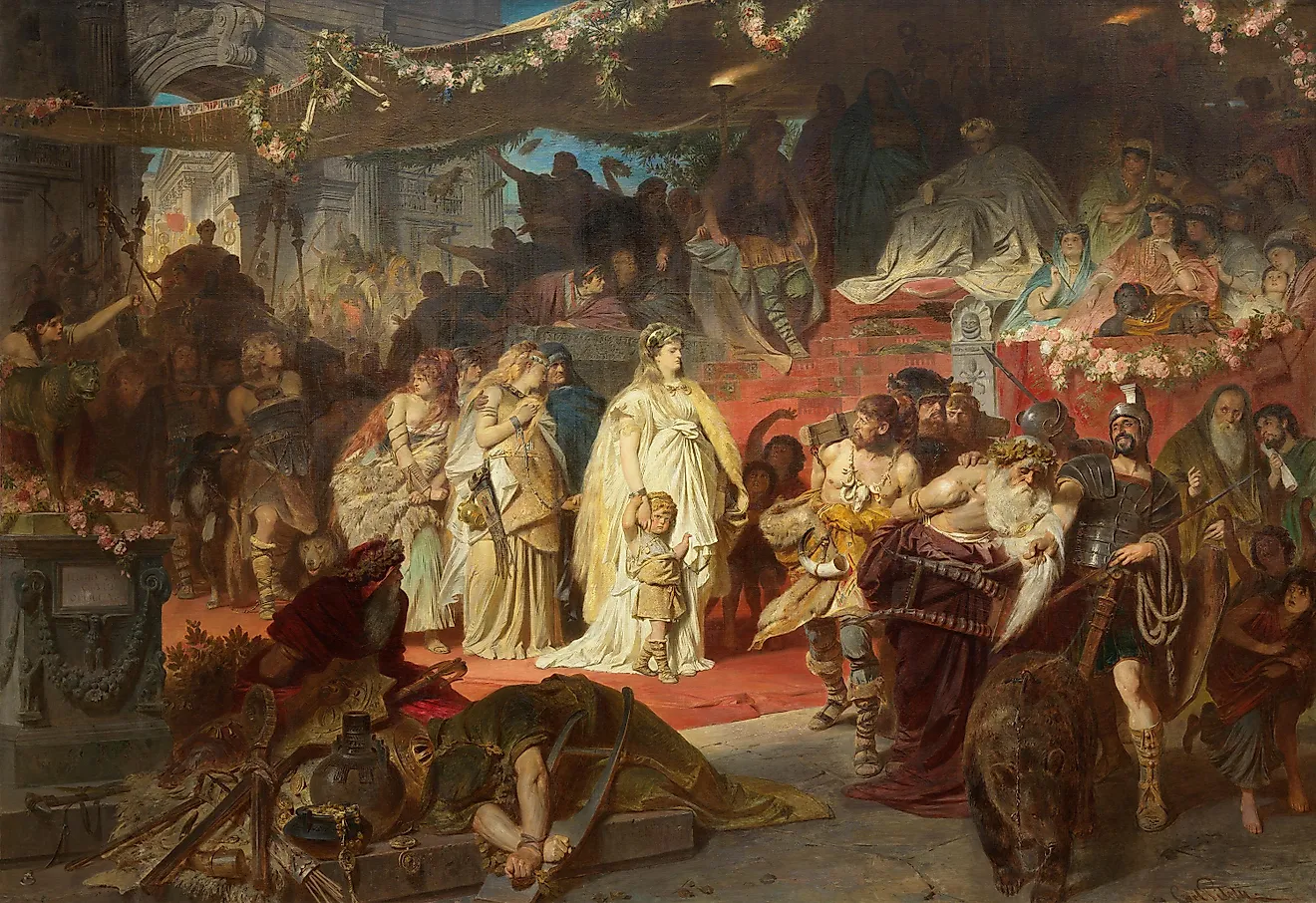
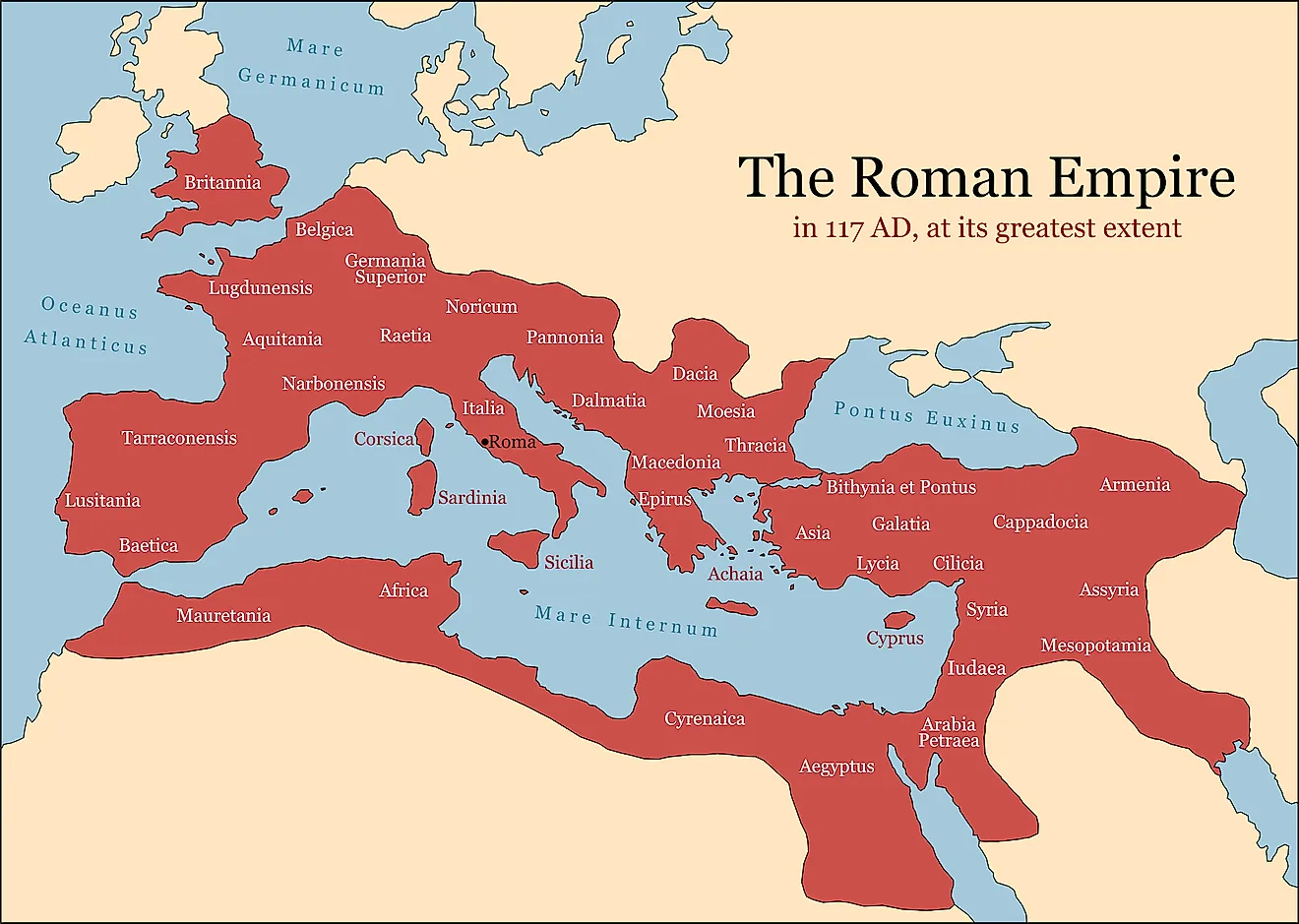
By 400 AD, the Roman Empire was in crisis. Centuries of systemic economic and political problems had led to population decline, increasing incursions from barbarian tribes, and widespread inflation. In a last-ditch attempt to save the empire, Emperor Diocletian split it into two halves in 286 AD. This split became permanent in 395 AD, when Emperor Theodosius left each half to one of his two sons. These measures were partially successful. The Eastern Roman Empire’s rich provinces and easily defensible geography allowed it to thrive for the next thousand years. On the other hand, the Western Roman Empire now lacked vital resources necessary for its survival. It ultimately fell in 476 AD when the barbarian leader Odoacer deposed the boy emperor Romulus Augustulus.
The Decline Of Cities

When the Western Roman Empire collapsed, much of Europe lost its unifying political unit. Rome provided professional armies, a common legal system, a (relatively) stable government, and massive road networks. Without it, many of these institutions and systems broke down.
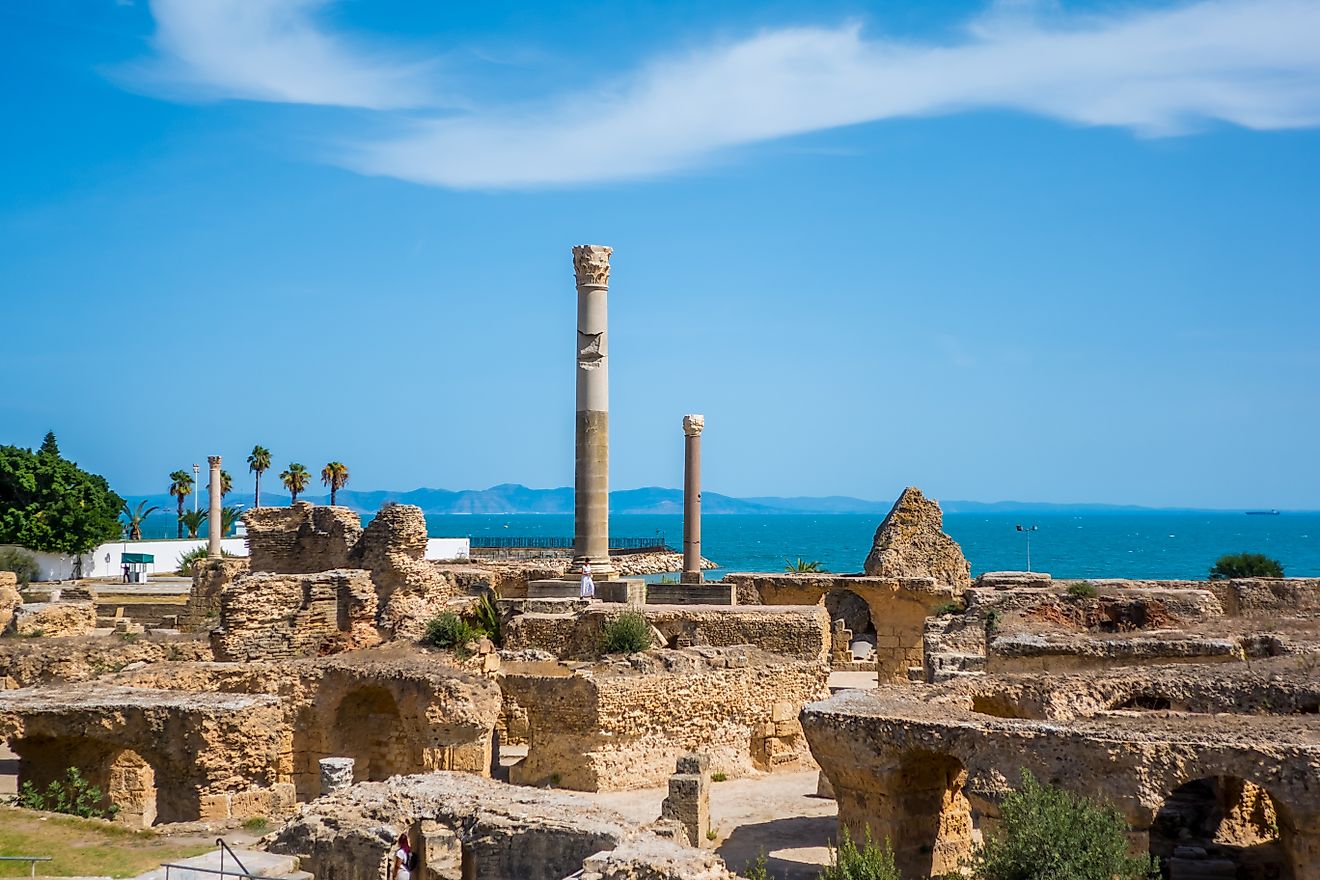
The most immediate impacts could be felt in cities. Urban centers depended on tax revenue, secure trade routes, and imported food. Without Roman administration to facilitate this, they often declined and were sometimes completely abandoned. This phenomenon could be most clearly observed in Britain. Under Roman rule, cities like Eboracum (modern-day York) and Londinium (modern-day London) grew into major urban centers. Their populations fell by thousands after the empire fell and took hundreds of years to recover. The population of the city of Rome itself also declined dramatically from about a million to only tens of thousands.
Trade Collapse And Literacy Decline

The Roman Empire had one of the world’s largest integrated economies. Goods from Egypt could be enjoyed by people in Britain and vice versa. In many ways, it was an early version of the ultra-globalized economy we have today. This all changed when it collapsed. Mediterranean goods became rarer in places like Central Europe, and people enjoyed fewer luxuries than they had previously. In general, economies became more insular and self-sustaining.
Another byproduct of the collapse of the Western Roman Empire was a decline in literacy. Roman schools were the primary educational institutions for centuries. When they disappeared, many of the skills they taught became less widely practiced. Fewer books were copied, and local governments required less sophisticated tax officials and legal experts to function.
The Survival Of The Eastern Roman Empire

Despite all that’s been discussed so far, it’s important not to paint a false picture of these so-called “Dark Ages”. Take the Eastern Roman Empire, for example. As previously mentioned, it survived for a thousand years after its Western counterpart collapsed, preserving classical learning, Roman law, culture, and administration in the process.
Perhaps most importantly, the Byzantine Empire continued to make advances across artistic, technological, scientific, and cultural spheres. Emperor Justinian I organized centuries of disparate and sometimes chaotic Roman law into a clear and organized legal code called the Corpus Juris Civilis. This code continues to be the basis for many legal systems in Europe today. The Byzantines also constructed the Hagia Sophia, one of the world’s largest cathedrals, which has immense importance to both Christians and Muslims. Finally, Byzantium was one of, if not the, first civilizations to formalize the concept of a public hospital.
Just How Dark Were The “Dark Ages?”

Things weren’t so bad in Western Europe either. Barbarian kingdoms often maintained many of Rome’s key institutions. For example, Odoacer allowed the Senate to continue as an important symbolic institution. He also utilized Roman tax collection methods. In the cultural and intellectual sphere, the Catholic Church helped ensure the survival of Roman civilization. Monks copied down texts from famous figures like Cicero and Virgil. The church became the primary educational institution in Western Europe as well, ensuring that literacy rates didn’t fall even further than they already had. In short, all these factors combined suggest that the “Dark Ages” weren’t actually that dark, and most historians prefer the term “Early Middle Ages” instead.
Impact And Legacy
According to conventional wisdom, the fall of the Western Roman Empire led to the Dark Ages. This belief isn’t completely unfounded. Cities shrank, trade collapsed, and literacy rates declined. At the same time, Rome survived in the form of the Byzantine Empire, which made countless advancements during its thousand-year history. In Western Europe, many barbarian kingdoms also kept crucial Roman institutions, and the Catholic Church helped ensure their survival as well. While there is some truth to the common narrative, it obscures both the lasting endurance of the Eastern Roman Empire and the reality of the "Dark Ages," which were not so dark after all.