Why So Many People Get Ancient History Wrong
Most Greek tragedies ever written are lost forever. The handful that survive reach us through biased hands like Xenophon and Livy. Readers then judge Athenian democracy by modern voting rules. Only adult male citizens ever cast a ballot there. People also flatten three thousand years of Egyptian history into a single blur. These four habits quietly warp the ancient world that most of us think we know.
Most Ancient Sources Are Missing

Anyone wishing to understand ancient history must contend with the limited number of sources. Thousands of Roman records no longer exist, most Greek tragedies have disappeared, and much of what we know about Ancient Egypt comes from a select few ruins and tombs. This means that there are massive gaps in our historical knowledge.

The Greek Dark Ages are one such example. They occurred from 1,180 to 800 BCE and set the stage for Classical Greek civilization. Major works of literature, like the Iliad and Odyssey, were also written during the end of this period. At the same time, one of the primary reasons we know them as the “Dark Ages” is due to the lack of sources. While historians can infer that they were a time of violence, literary decline, and economic catastrophe, limited documentation makes this difficult to verify. Hence, any discussion of this period, and many others throughout ancient history, must be couched in numerous caveats and qualifications.
Ancient Writers Were Biased

Another problem is that the sources we do have are almost all biased. Because of factors like political pressure or personal beliefs, historians like Herodotus, Thucydides, Plutarch, and Xenophon rarely presented a neutral view of history. Take Xenophon. An anti-democratic Athenian in exile, his history of the late Peloponnesian War is heavily biased in favor of Sparta. The widespread historical perception of Athenian incompetence from 411 to 404 BCE is likely a consequence of this viewpoint.

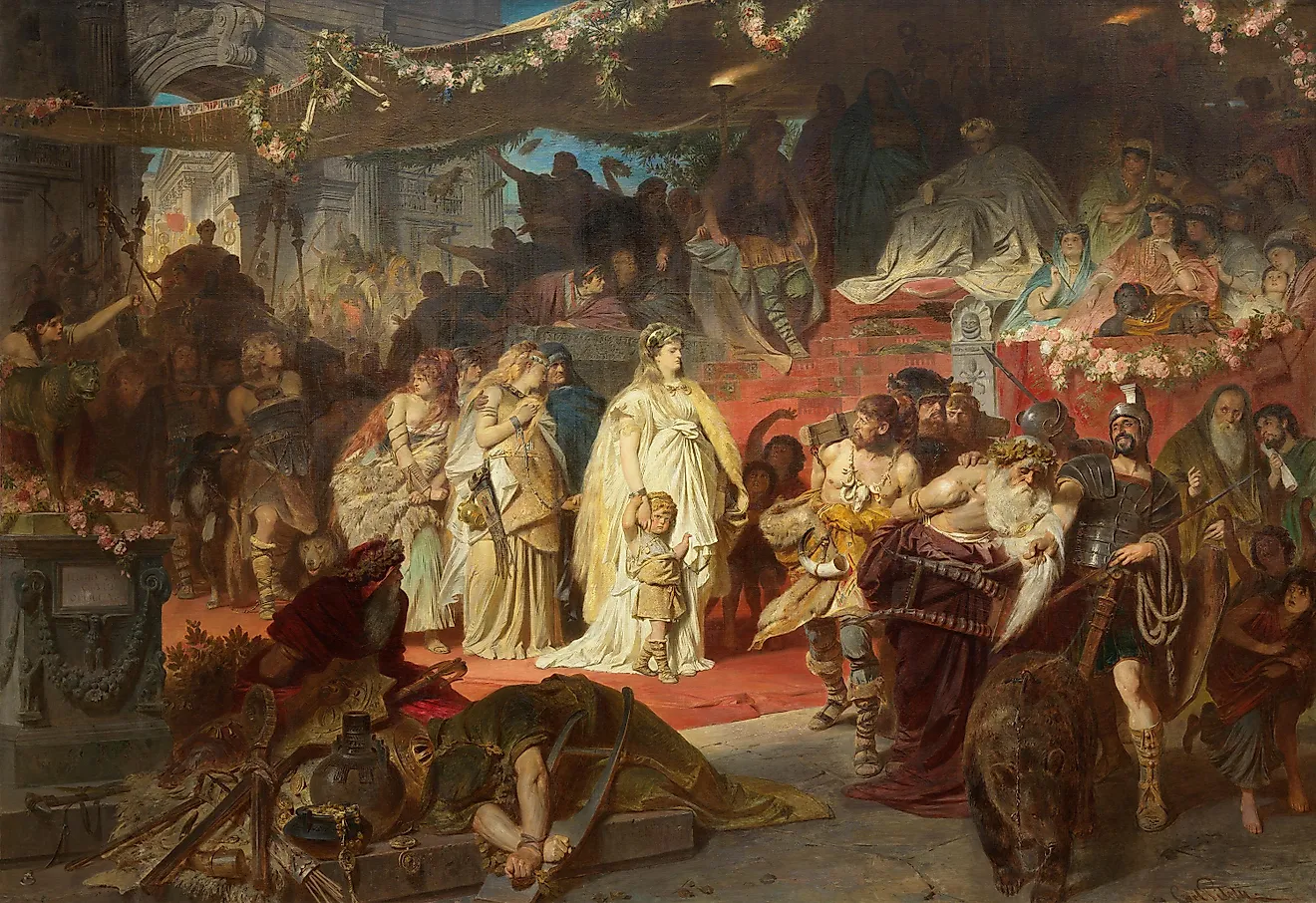
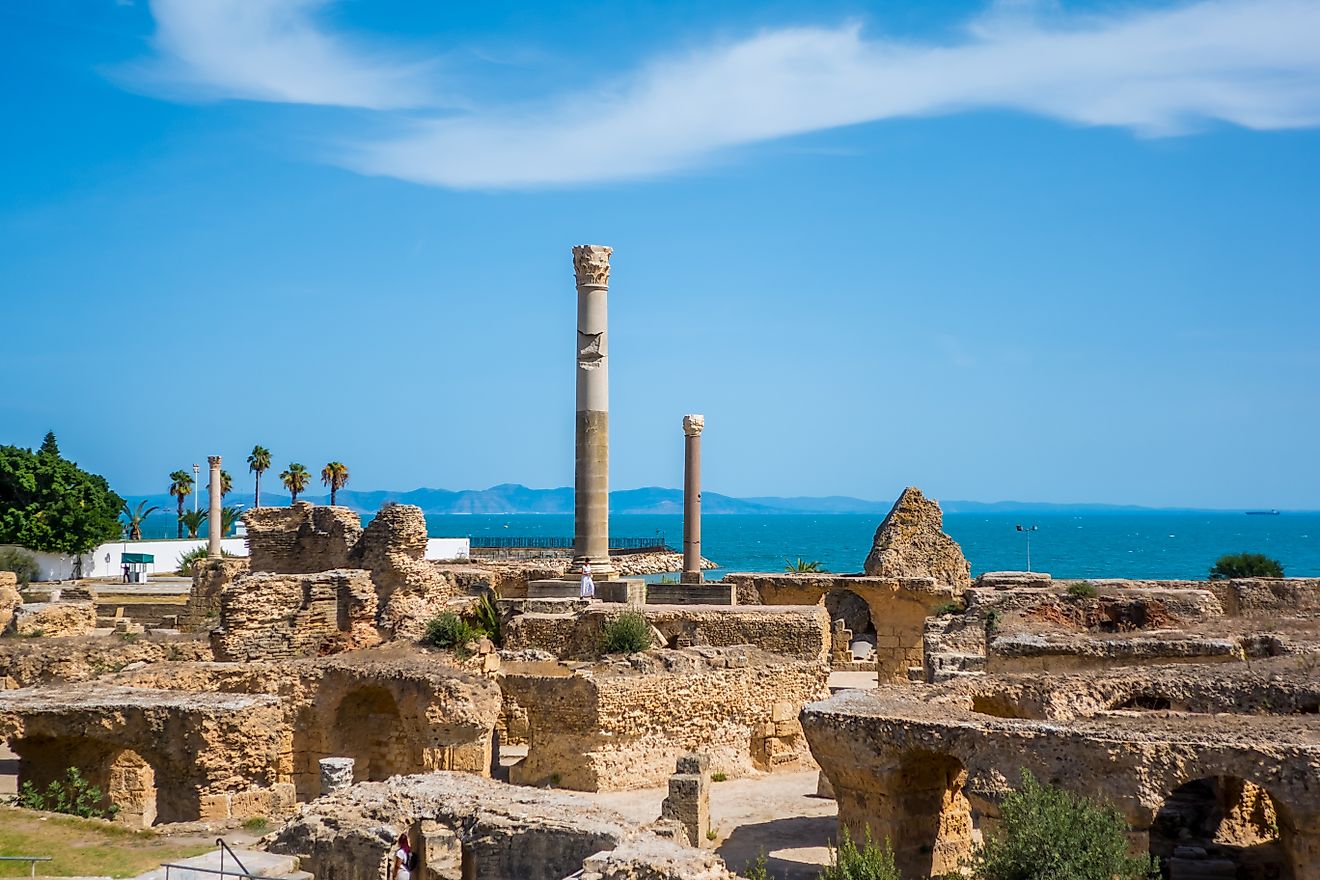
The Punic Wars are also colored by bias. Our main records of the multi-century conflict between Rome and Carthage come from historians like Polybius and Livy, both of whom lived in the Greco-Roman world. They naturally had a pro-Roman bias, meaning that much of what they say about Carthage and its major figures like Hannibal cannot be taken at face value.
We Project Our Modern-Day Values Onto The Past

People often struggle to understand history when they project modern standards and ideas onto the past. This phenomenon, known as presentism, is particularly common when assessing ancient history. Athenian democracy is one of the clearest examples of this. In the West, we think of Athens as the birthplace of democracy. Many assume that it functioned exactly like modern-day democracies, in which every citizen over a certain age has the right to vote for representatives who govern on their behalf. The reality was much different. In Athens, citizens gathered at popular assemblies to personally vote on state laws, legislation, and military policy. Only adult male citizens were allowed to vote, meaning that women and slaves were excluded. In total, probably about 10 to 20 percent of the Athenian population had a voice in governance.

Ancient slavery is another topic where applying modern standards is problematic. When we think of slavery, we often think of the Transatlantic Slave Trade. Slaves had essentially no rights and were treated as property. Race was also a defining feature. While chattel slavery existed in the ancient world, it was far from the only form. Many slaves lived amongst free people and served as doctors, teachers, or administrators. Some could also acquire personal wealth, marry, and even free themselves. Finally, ancient slavery was generally not racial, meaning that slave owners and slaves were frequently members of the same race, nationality, and/or region.
Temporal Separation Causes A Distorted View Of The Past

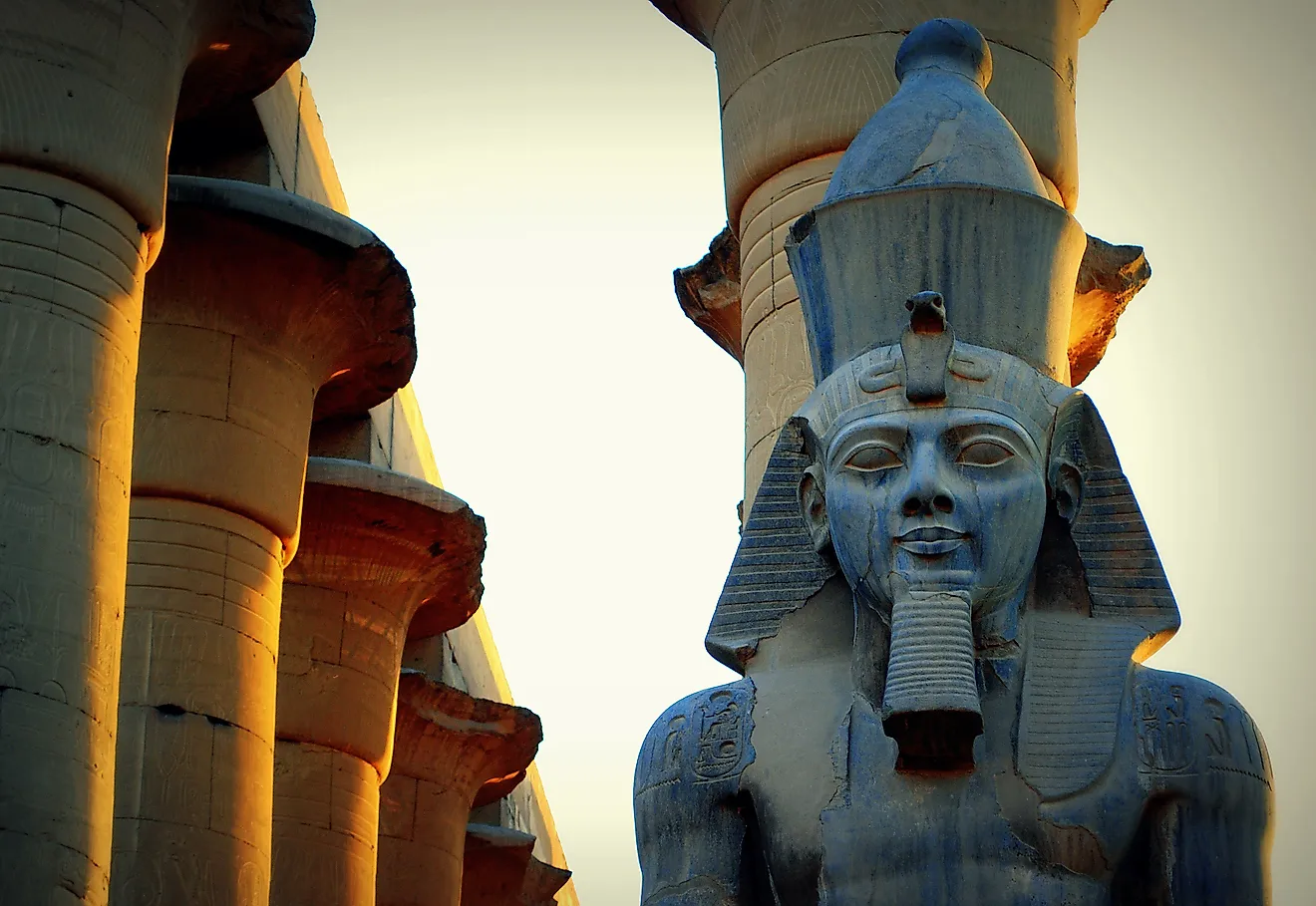
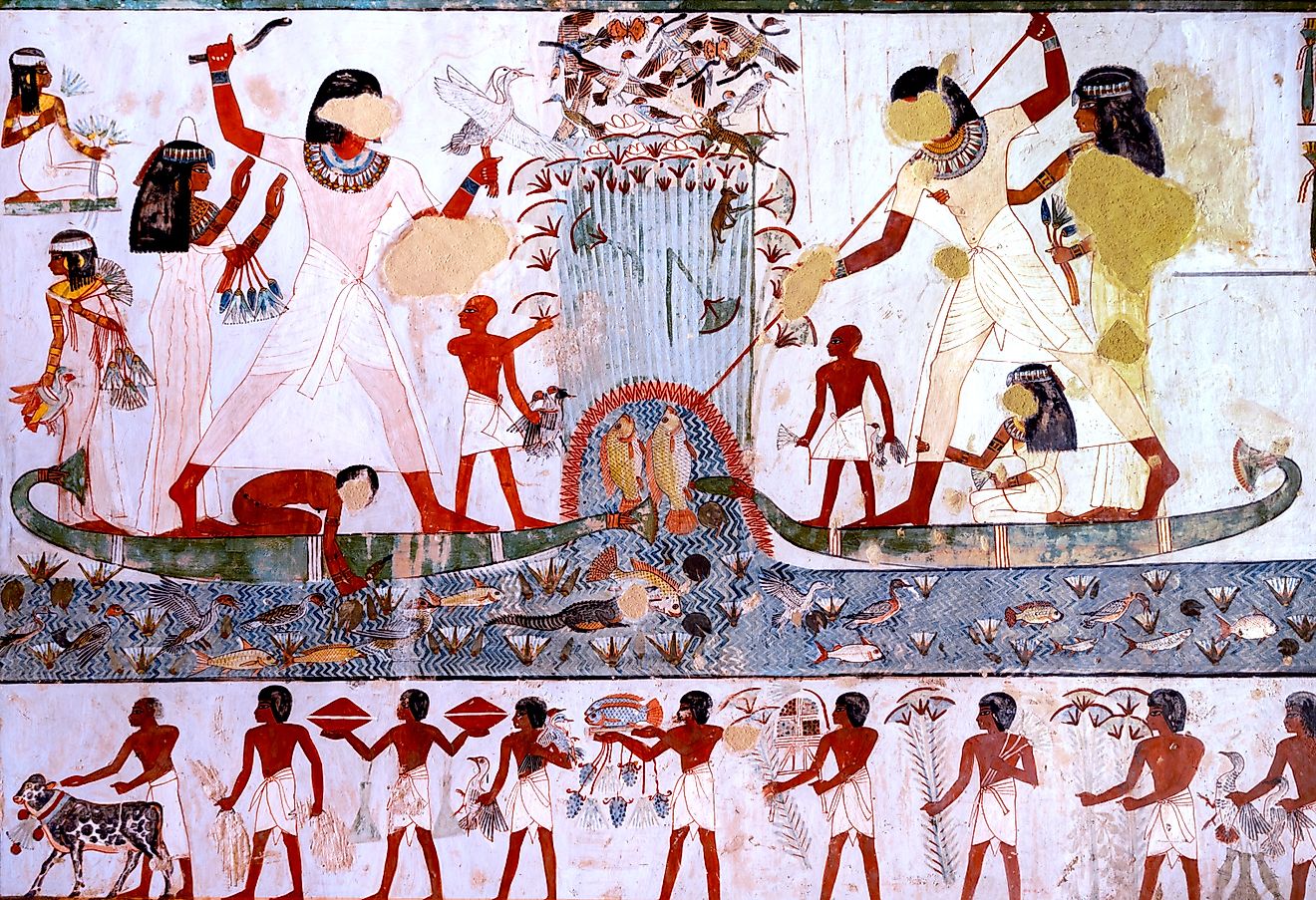
Since the ancient world is so temporally separated from our own (scholars generally agree that antiquity ended around 476 AD with the fall of the Western Roman Empire), it’s easy to lump all of it together. Doing so generalizes a period that itself was thousands of years. Ancient Egyptian civilization alone lasted from 3,100 to 30 BCE. Most of the pyramids were built around the year 2,500 BCE, and the famous pharaohs Tutankhamun and Ramses II ruled in the 1,300s and 1,200s BCE, respectively. These figures and architectural marvels were therefore considered ancient to the Egyptians living in 100 BCE.
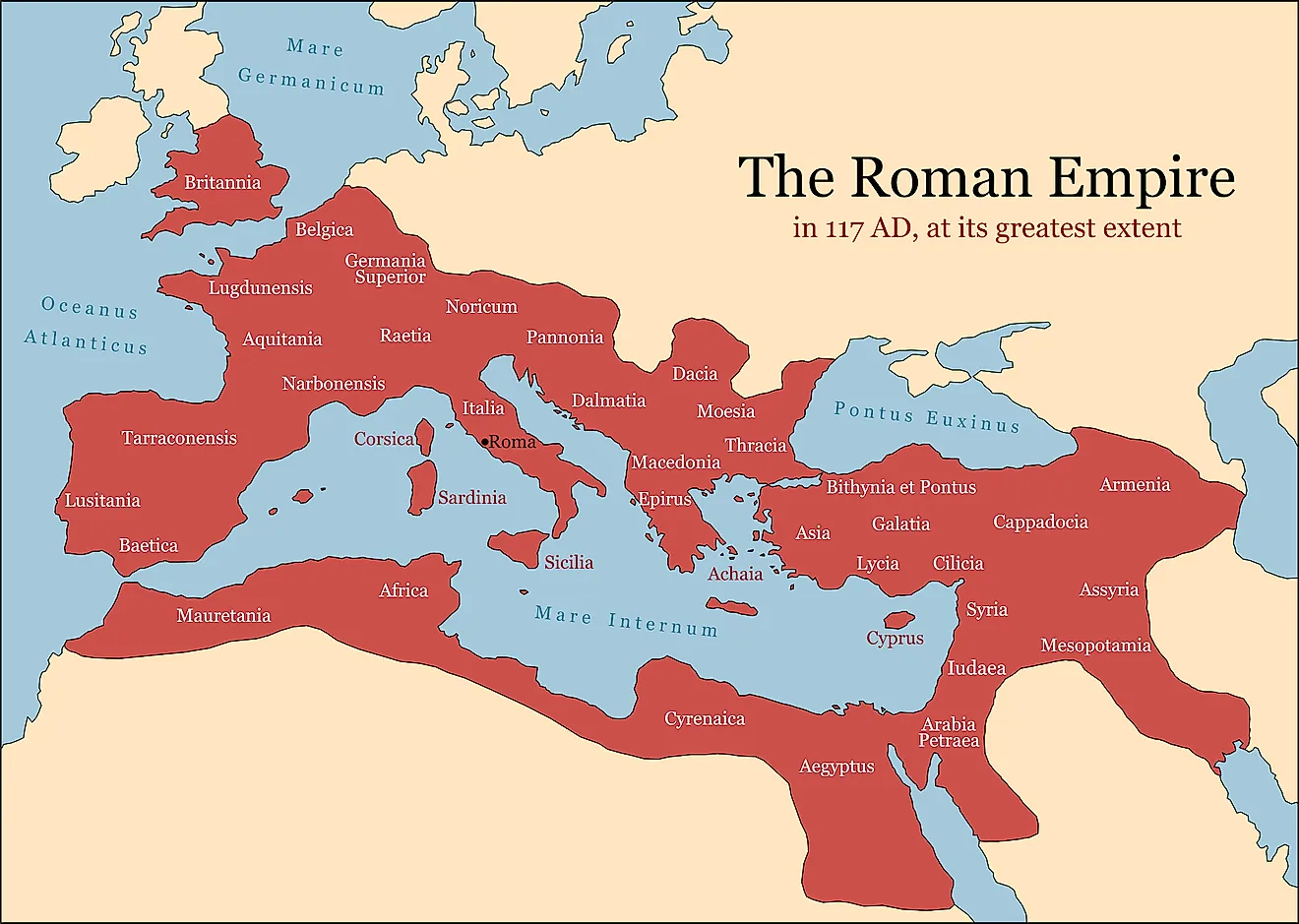
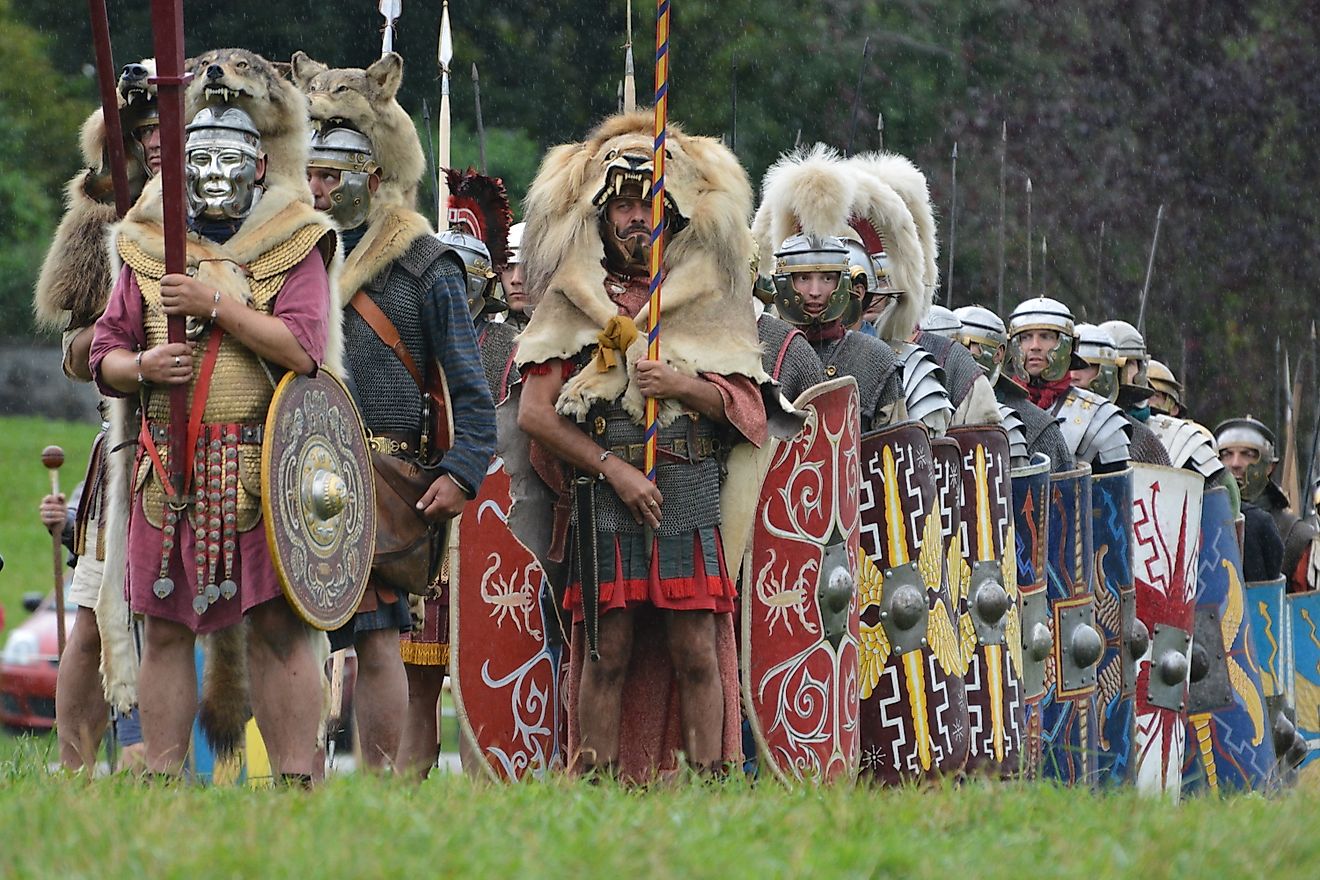
While less extreme, a similar phenomenon can be observed in Rome. The Roman Republic lasted from 509 to 27 BCE. We often think of it as one contiguous period in Roman history, but the reality was much more complicated. Modern states like the United States, France, and Russia have profoundly changed over the past 500 years. The Roman Republic similarly transformed during a comparable timespan from a small Italian city into the most dominant power in the Mediterranean. Along the way, its government, culture, economy, and demographic makeup also changed. In short, both Egypt and Rome demonstrate the importance of judging ancient civilizations on their own terms, rather than in accordance with an overly general label.
Learning about ancient history can be a profound way to connect with the vastness of time and the limitless nature of human potential and creativity. By approaching ancient history with a sense of curiosity and awareness about the inherent gaps and biases in available sources, history buffs can come away with an understanding of ancient history grounded in fact. While ancient history is inherently remote from our current reality, learning from available ancient texts and artifacts can enhance your understanding of the world.