How Long Did The Roman Empire Exist?
The Roman Empire left an indelible mark on the world. Asking how long it existed turns out to be surprisingly difficult. If you count its beginning as the founding of the Roman state and its end as the fall of the Western Roman Empire, it lasted approximately 1,229 years. If you count the fall of the Byzantine Empire as its end, it lasted 2,206 years. Rome went through many iterations, so there are several other ways to start and stop the count.
The Roman Monarchy (753-509 BCE)

According to ancient legend, Rome was founded in 753 BCE by Romulus. It began as a monarchy in which the king had ultimate authority. Other governmental institutions, like the Senate, mostly served an advisory role, and its power ebbed and flowed depending on the willingness of the particular king to listen to it. Some kings did rule well. Lucius Tarquinius Priscus (616 to 578 BCE), for instance, expanded Senate authority and undertook several public works projects. Even so, the public eventually grew frustrated by the centralized approach to governance. The breaking point came under King Lucius Tarquinius Superbus, whose son assaulted a noblewoman, Lucretia, who then took her own life in protest. The public pushed Tarquinius Superbus out of power in 509 BCE and established a republic.
The Roman Republic (509-27 BCE)

The Roman Republic was created with the explicit purpose of preventing power accumulation in one person or institution. The power of the king was divided between two consuls, who were elected by popular assemblies every year. They also had veto power over each other. Even though the Senate was officially an advisory body, senators were appointed for life, which gave them more political experience and technical know-how than the annually elected consuls. As a result the Senate generally dominated governance. The Republican system still allowed more power-sharing than the monarchy.

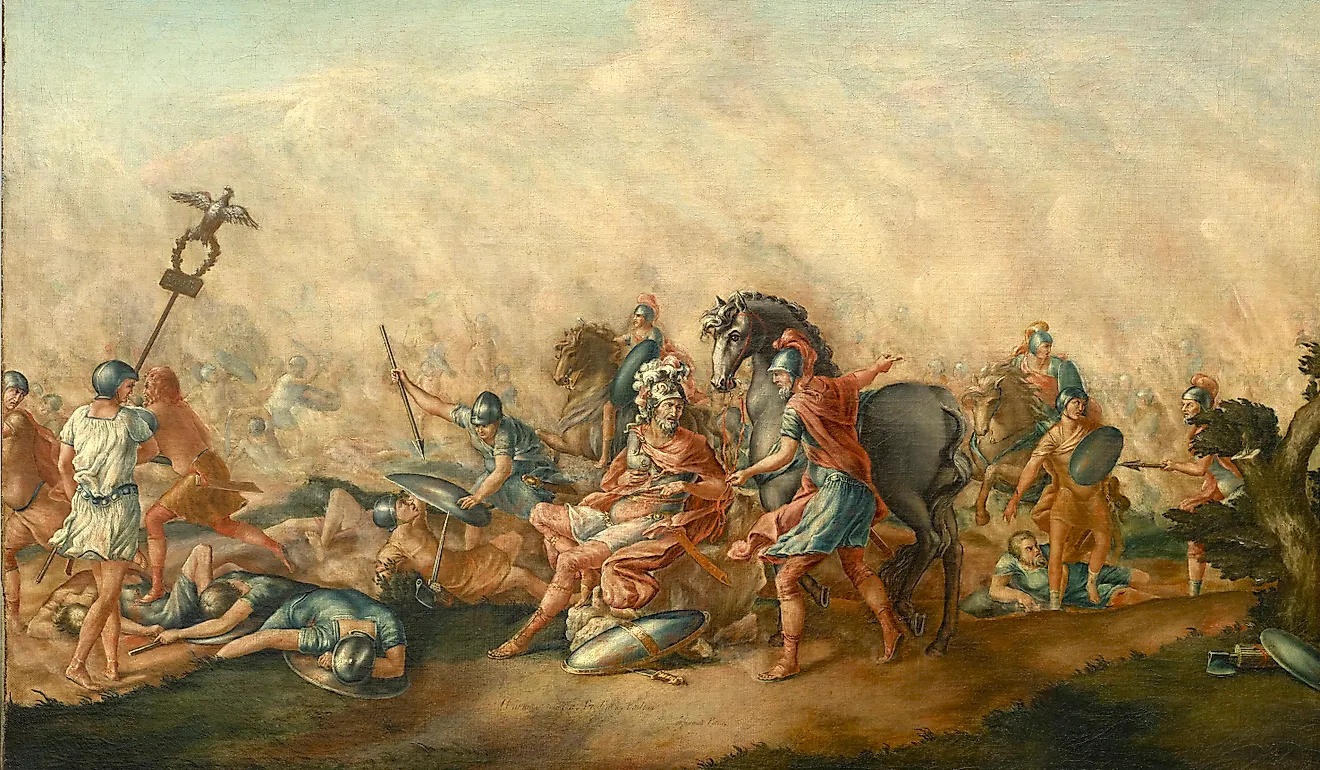
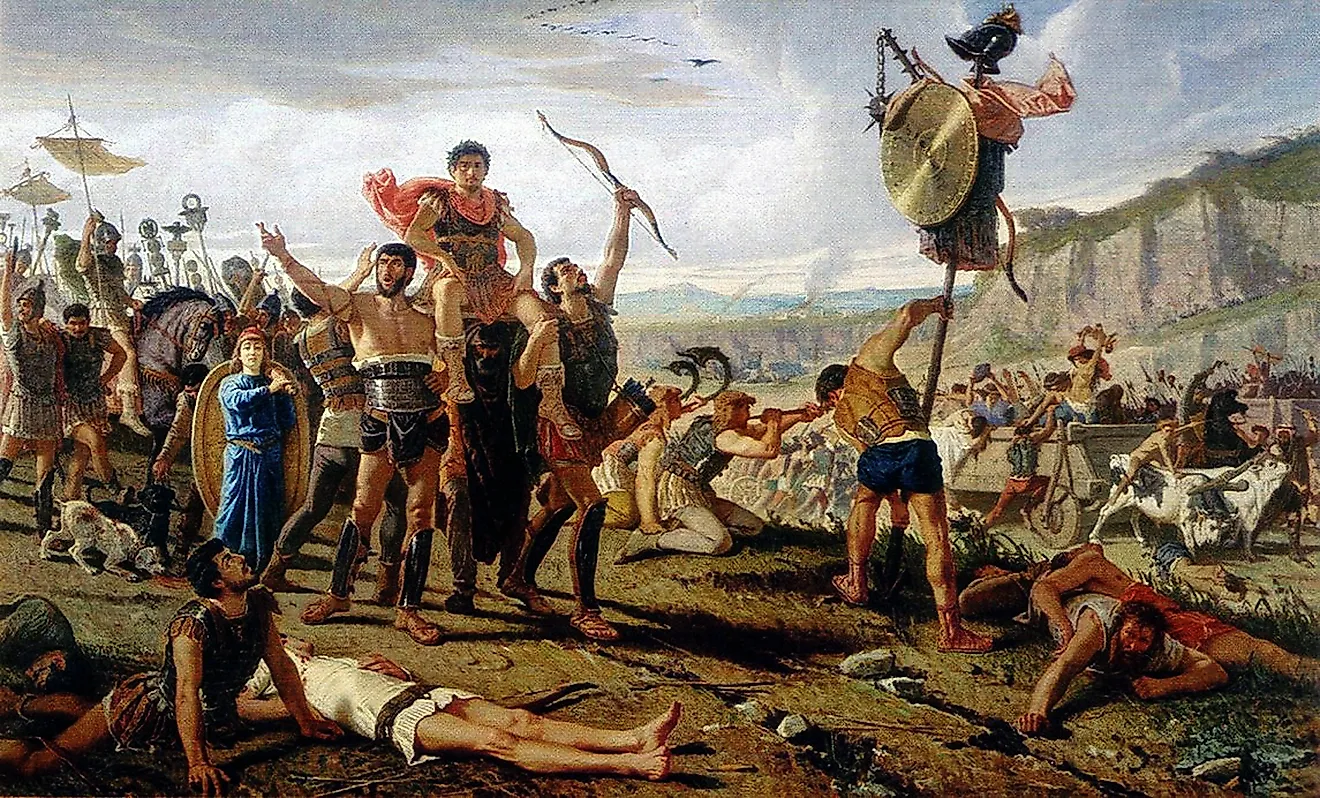
Republican-era Rome was defined by rapid territorial expansion. For the first 230 or so years, Rome established control over the Italian peninsula. From 264 to 146 BCE, it beat the Tunisia-based city-state of Carthage in a series of conflicts known as the Punic Wars. These resulted in Rome coming to control much of North Africa, Spain, and Sicily. Rome also made incursions into Greece and the Near East during this time.
As Rome’s territory grew, so did domestic discontent. The political system was ill-equipped for governing a now multi-continental state. Charismatic generals who provided citizens with food, housing, and employment began to gain popularity. One such general was Julius Caesar. Concerns about Caesar’s power led to a civil war between him and another general named Pompey, whom Caesar beat with the help of the Egyptian leader, Cleopatra.

After Caesar declared himself “dictator for life” in 44 BCE, he was assassinated, and Rome again descended into civil war. The two main sides were led by Octavian, who controlled Western Rome, and Mark Antony, who controlled Eastern Rome. The conflict ended in 31 BCE when Octavian defeated Antony in the Battle of Actium.
The Roman Empire (27 BCE-476 AD)

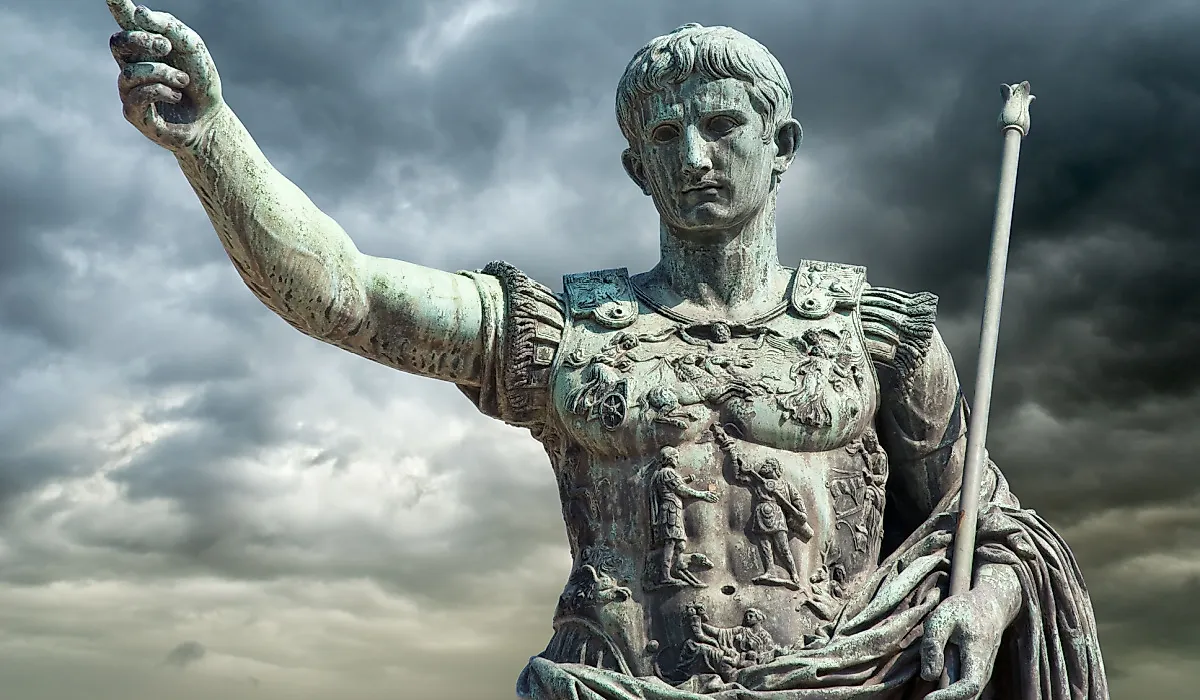
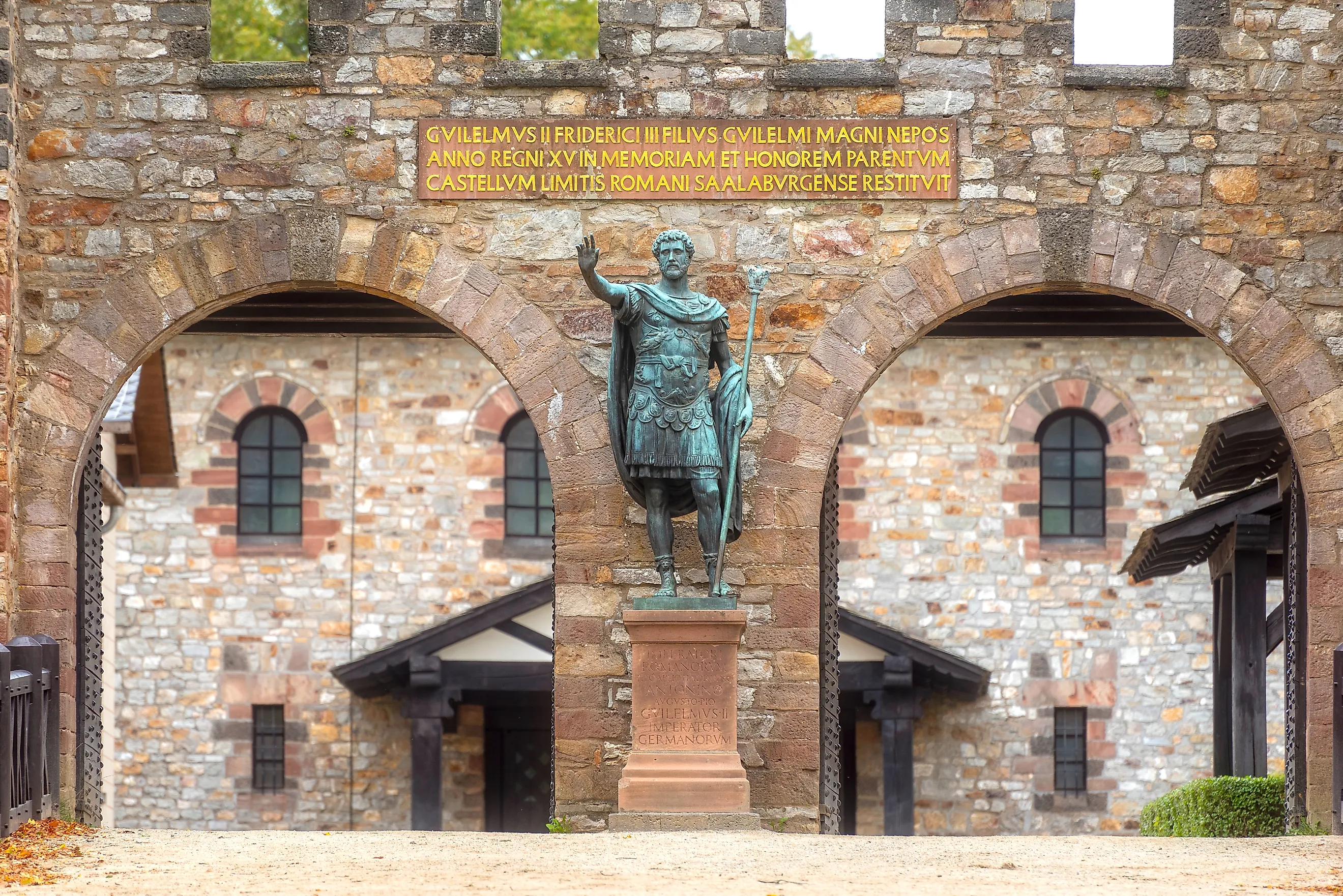
The Roman Empire began in 27 BCE when Octavian, renamed Augustus, declared himself emperor. The new system kept many Republican trappings, including the Senate, but the emperor now had ultimate authority. The first 200 years of the empire’s existence were known as the Pax Romana, a period characterized by stability, prosperity, and moderate expansion. Rome reached its furthest territorial extent in 117 AD under Emperor Trajan and had a population of around 70 million people, an estimated 33 percent of the world’s population at the time.

The prosperity did not last. Political instability, economic problems, and administrative overstretch all contributed to the empire gradually losing territory and influence. The fatal blow came in 395 AD when Rome split into an Eastern and Western Empire. The Eastern Empire was substantially stronger than its Western counterpart. Provinces like Egypt provided it with better agricultural output, and cities like Alexandria and Constantinople served as economic centers of the Mediterranean world. Without economic and military aid from the East, the Western Roman Empire was increasingly vulnerable to foreign threats. It ended in 476 AD when the barbarian general Odoacer deposed emperor Romulus Augustus.
The Byzantine Empire (330-1453 CE)

Even though the Western Empire fell, the Eastern Roman Empire persisted for the next thousand years. Known today as the Byzantine Empire, it was still simply called the Roman Empire by its own people. There were some differences between it and “classical” Rome. Greek eventually replaced Latin as the official language. The Byzantine Empire made major territorial gains under Emperor Justinian I in the 6th century, but it was never as powerful as Rome had been at its peak. After centuries of losing territory and influence, Byzantium finally fell when the Ottomans captured its capital of Constantinople in 1453 CE.
Impact and Legacy
The length of time the Roman Empire existed depends on when you count its start and endpoint. The Roman state was founded in 753 BCE and persisted in some form until 1453 AD, over 2,200 years. Western Rome only existed for about half that time. The Roman Empire as an entity with a consistent political and cultural identity arguably existed for about 500 years, from 27 BCE to 476 AD.