The Least Visited Mountain Park in the Lower 48
North Cascades National Park recorded just 46,925 visits last year, easily placing it among the least visited national parks in the country. Tucked into northern Washington, it protects numerous glacier-covered mountains, alpine lakes, and deep forested valleys within the Cascade Range. Much of this terrain also lies beyond the reach of roads, making it ideal for visitors willing to explore deep into the woods on foot or ski. In fact, the park remains a destination where reaching almost any real landmark takes time and preparation, and its limited roads, demanding trails, and short alpine hiking season help explain why few travelers venture beyond the surrounding highways.
Geography and Landscape

The North Cascades National Park encompasses more than 504,650 acres of northern Washington State, with its northern boundary meeting the Canadian border. Its two sections are separated by Ross Lake National Recreation Area, while Lake Chelan National Recreation Area adjoins the southern section. Together, these lands protect a region exemplified by seemingly endless ridgelines, deep gorges, and glacier-fed streams.
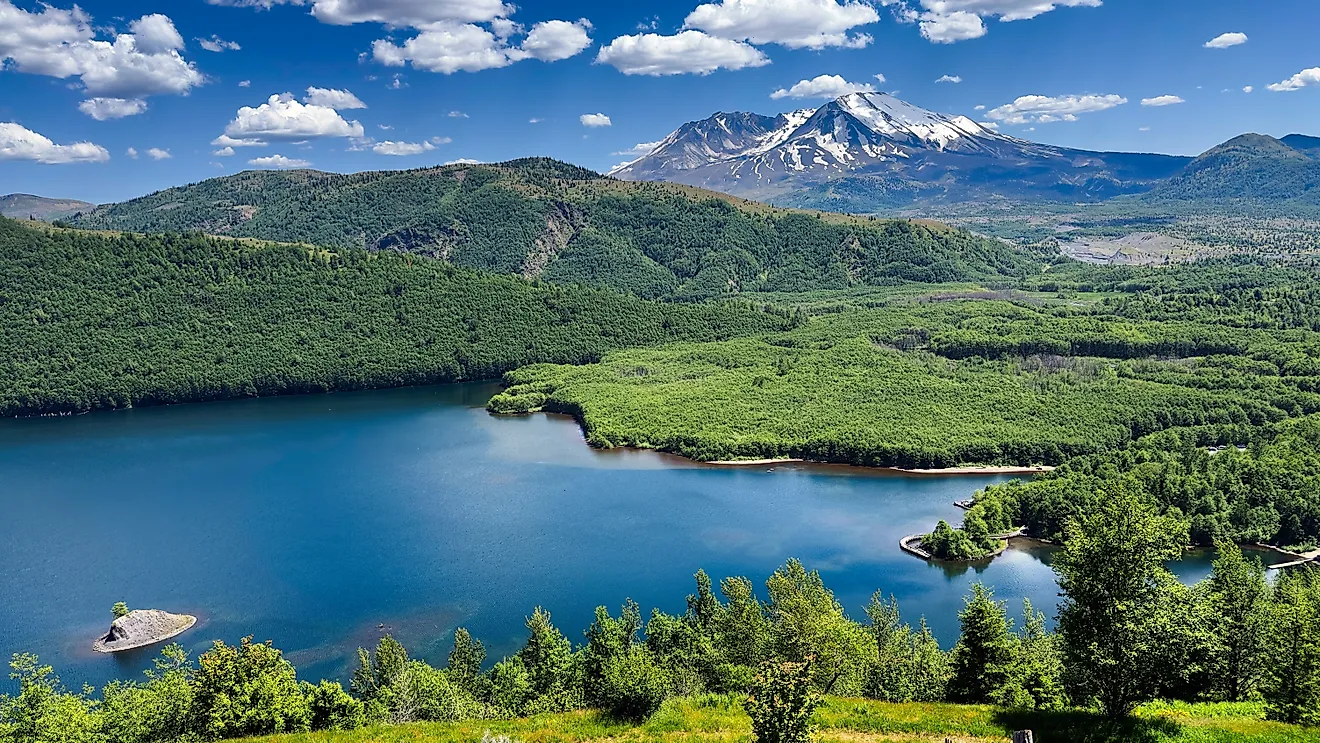
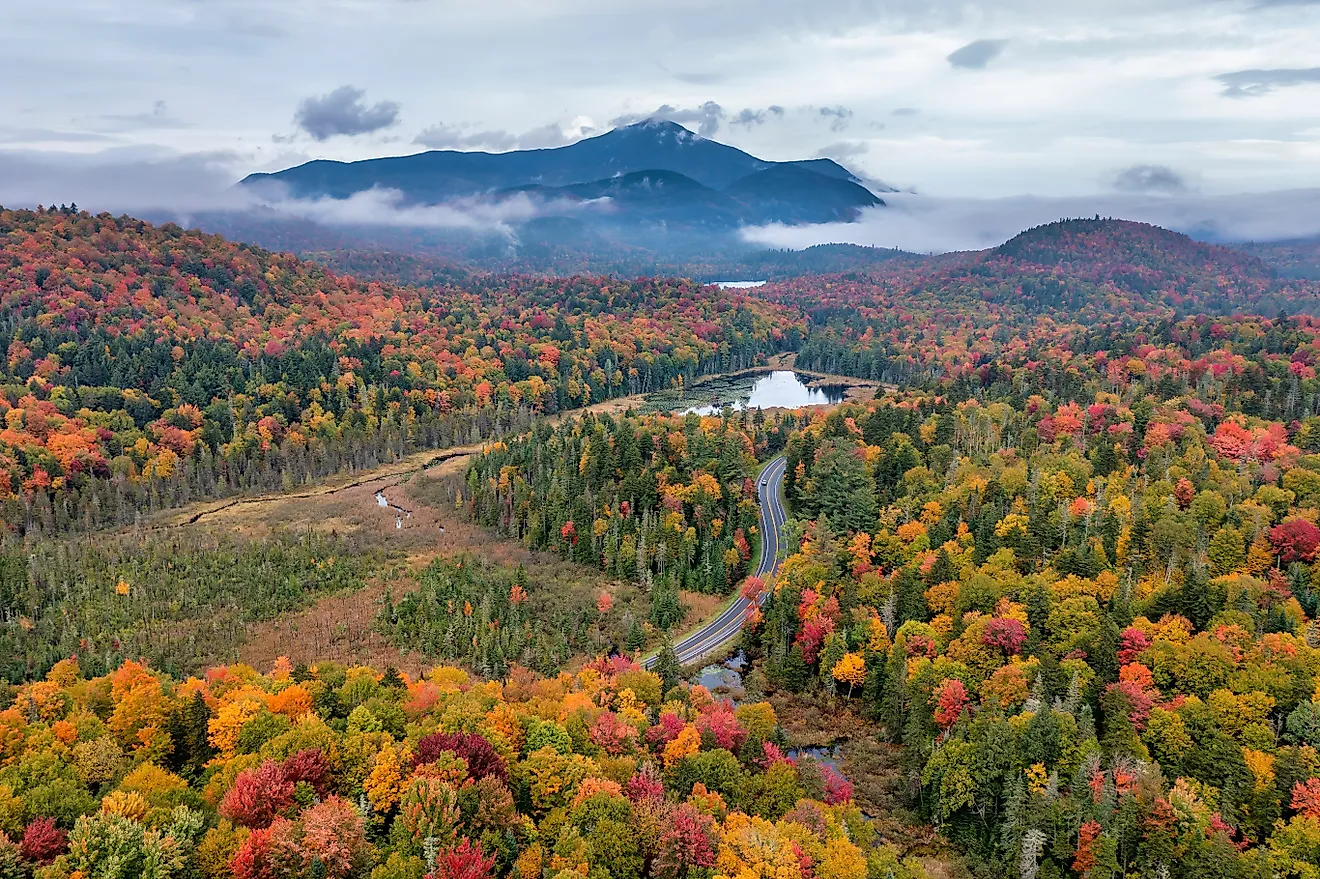
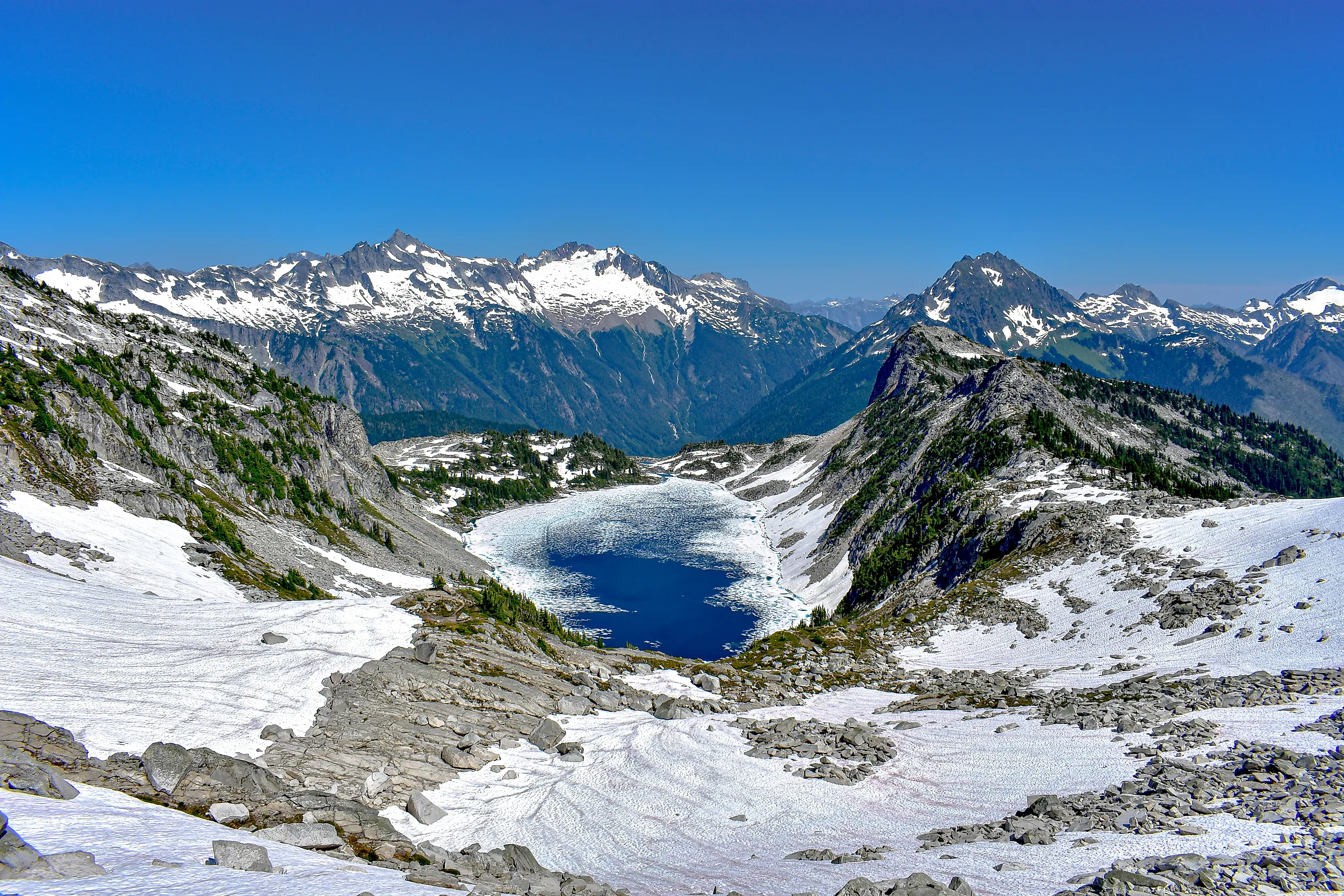
Ice did a lot of the heavy work in shaping the park's often scenic terrain, carving broad valleys and steep bowls beneath summits such as Mount Shuksan and Eldorado Peak. Glaciers and persistent snowfields still occupy the high country, feeding various waterways as they melt. With that, subalpine meadows give way to exposed rock above the treeline, while lower elevations support lush forests of western redcedar, Douglas-fir, and western hemlock. Moist Pacific air also brings heavy precipitation to the westernmost slopes, whereas areas east of the crest tend to be drier.
Although frequently associated with the national park, Diablo Lake and Ross Lake lie within Ross Lake National Recreation Area, outside the national park's boundaries.
Why So Few People Visit North Cascades National Park

As mentioned, much of North Cascades National Park requires leaving the highway behind and continuing on foot. Roads of any kind reach only a small portion of its mountainous interior, and many popular locales involve sustained climbs or overnight trips at times. Cascade River Road provides one of the main routes into the park, but even then its upper section is narrow, unpaved, and seasonally closed by snow.
The relatively narrow hiking season here further limits visitation. High trails can remain snow-covered into late June and early July before seeing another snowpack starting in September. Also note that the mountain crossing on State Route 20 closes each winter because of snow and avalanche hazards. Reaching alpine terrain therefore requires more skill and flexibility than the average simple roadside sightseeing stop at most other parks across the contiguous United States.
The visitation figures at North Cascades also reflect where its boundaries fall. State Route 20 and popular stops such as Diablo Lake Overlook lie in Ross Lake National Recreation Area, which has its own separate visitor count. Many travelers may even spend a day enjoying the area without entering North Cascades National Park at all.
What to See and Do

Cascade Pass is a rewarding starting point for exploring the region. The trail climbs through forest and wildflower meadows to views of Johannesburg Mountain and surrounding glaciers. Allow for a 7-mile (11.3 km) thigh-burning round trip with over 1,700 feet (518 meters) of elevation gain. Strong hikers can continue up Sahale Arm, where a steeper route crosses meadows and rocky slopes toward Sahale Glacier. Watch for mountain goats along the slopes and listen for marmots and pikas among the rocks.
For a nice alpine lake getaway, follow Thornton Lakes Trail to lower Thornton Lake, a 10.4-mile (16.7 km) round trip. The approach passes through hemlock forest before reaching a ridge overlooking the water and Triumph Peak. Beware: the final descent is steep, and reaching the lakeside camping area requires negotiating slippery boulders and logs at the outlet.
Backpacking opens up longer routes through the interior. Pelton Basin provides an overnight option beyond Cascade Pass, while Horseshoe Basin rewards a side trip with waterfalls tumbling down steep walls and remnants of historic mining. Overnight stays require backcountry permits, with limited spaces at designated camps.
Photographers can spend the evening near camp to get a truly unique shot, watching changing light across these little-visited surrounding peaks before returning to the trail the next morning.
Try Out this Already Quiet Park During its Slower Winter Season

Snowshoeing, ski touring, and snow camping give those experienced in cold-weather recreation ways to explore North Cascades National Park after snowfall closes much of it to car travel. Cascade River Road can provide an approach on skis or snowshoes beyond the vehicle closure, where conditions and restrictions permit. The distance to park terrain varies with the gate location, and avalanche paths make route selection essential.
For a less demanding day, explore the adjoining Ross Lake National Recreation Area around Newhalem. When conditions allow, Trail of the Cedars offers a forest walk beside the Skagit River, with abundant opportunities to photograph mossy trees and snow-covered slopes.
Goodell Creek Campground also has primitive camping through the colder months. For more rugged overnight trips into the national park's backcountry, again, permits are required year-round. Always check Northwest Avalanche Center forecasts before setting out, and carry equipment appropriate for snow, ice, and limited daylight.
Planning a Visit

In the summer, plan a hiking visit between mid-June and September, when mountain trails are generally more accessible. For a winter trip, keep up with road closures and always expect harsh, remote conditions and few local services. Review wildfire or avalanche alerts as well (depending on when you go), especially if your itinerary depends on Cascade River Road.
Marblemount is a practical base for Cascade Pass, with lodging, food, and the Wilderness Information Center nearby. For camping beside State Route 20, consider Newhalem Creek Campground or Colonial Creek Campground, both in Ross Lake National Recreation Area, and try to reserve summer campsites ahead of time.
Whether front country or backcountry camping, carry waterproof layers, warm clothing, a headlamp, navigation tools, and sufficient food and water. It is a good idea to download maps before traveling beyond reliable cell service, too.
Remember that an afternoon may allow time for a substantial hike, while several nights make it easier to explore different lesser-known trailheads without fitting every drive and walk into one day.
Experience this Quiet Alpine Wonderland for Yourself
North Cascades rewards the time spent getting beyond the few roads in this beautifully rugged portion of the Pacific Northwest. A hike to Cascade Pass or an overnight stay beside Thornton Lake reveals more than a stop at a highway overlook can. And while low visitation does not guarantee empty trails, the park's backcountry more often than not offers room to explore in true solitude. Regardless, choose a manageable route for your skill and fitness level, prepare for snowy conditions even in the summer, and leave time for delays.