Who Were The Greatest Generals In Ancient Greece?
Ancient Greece produced great generals, but they did not all win the same. Themistocles won with a trap. Brasidas captured Amphipolis with favorable terms without storming its walls. Philip II redesigned the Macedonian army, and his son, Alexander, then took that military machine across the Persian Empire and beyond. Separated by more than a century, these 4 commanders mastered very different kinds of warfare, and each changed the balance of power in the Greek world.
Themistocles

In 480 BCE, Xerxes I, King of Persia, invaded Greece. He wanted revenge for the Persian defeat at the Battle of Marathon ten years earlier. The campaign initially went well, only for challenges to soon emerge. The Persians won the Battle of Thermopylae and continued south, eventually capturing and sacking Athens.
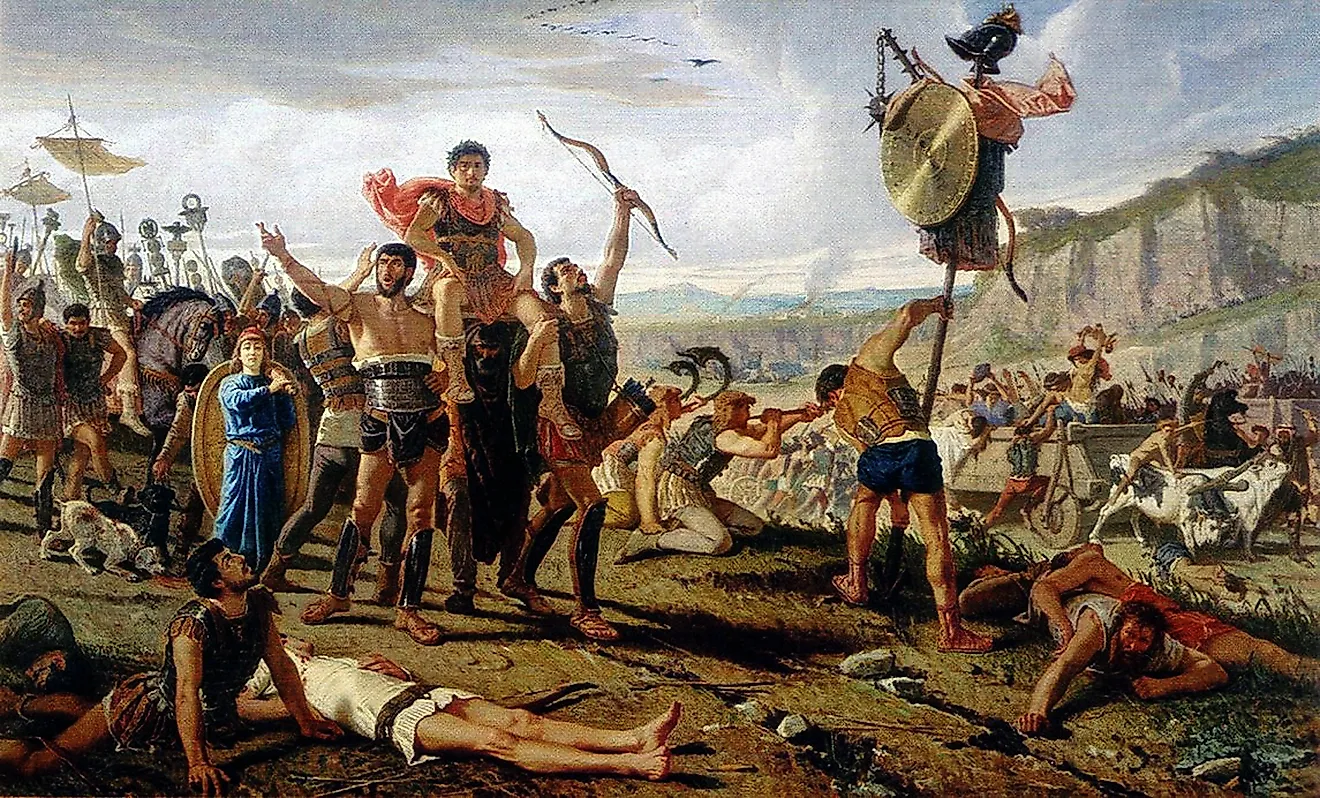
This is where Themistocles comes in. An Athenian general and politician, he knew that the Greeks had no chance of beating the Persians in a traditional fight. Therefore, according to the ancient historian Herodotus, he sent a secret message to Xerxes saying that the Greeks were beginning to flee. Xerxes took the bait and ordered his fleet to gather in the narrow waters around Salamis to destroy the Greeks. This is exactly what Themistocles wanted. Once the Persians entered the narrow straits, the Greeks attacked. Unable to flee, the Persian fleet was annihilated. Xerxes knew he'd be unable to supply his land army without a navy, so he ordered much of it to withdraw from Greece. The rest of the Persians forces retreated the next year following a defeat at the Battle of Plataea. Themistocles' daring maneuver at Salamis had effectively stopped the Persian invasion in its tracks.
Brasidas

The Peloponnesian War began in 431 BCE. Arguably the most important conflict in Ancient Greek history, it pitted Athens against Sparta. Sparta worried about Athenian naval power and its growing influence via the Delian League, which increasingly functioned like an Athenian empire. For these reasons, many favored Athens at the beginning of the war. While Sparta possessed the superior land army, Athenian naval supremacy gave it access to better supply lines and more flexible tactics.
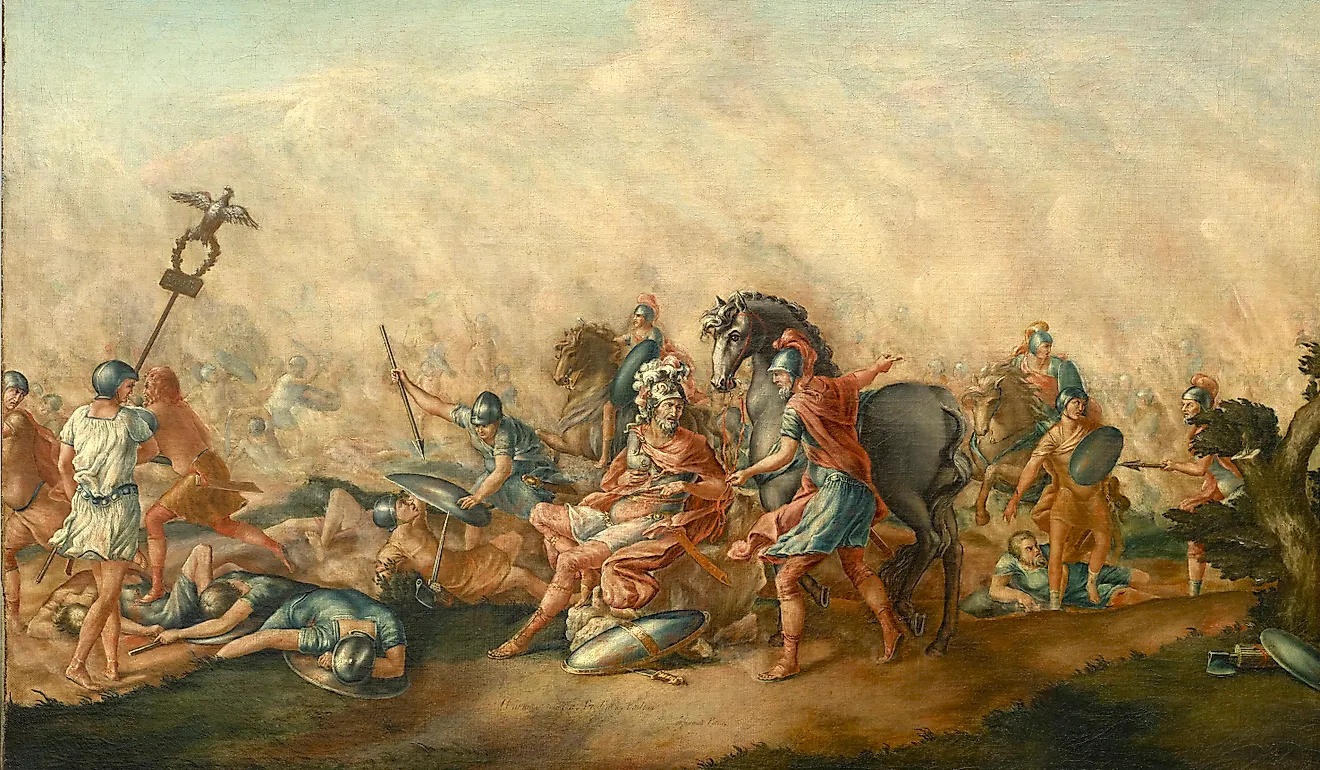
Sparta nevertheless began to make progress. One of its generals, Brasidas, was a major component of this. He first appears in the historical record during the early years of the war. After distinguishing himself in several early campaigns, Brasidas led a Spartan force north into Thrace in 424 BCE (modern-day Greece, Bulgaria, and Turkey). There, he aimed to disrupt the Athenian operations by seizing a crucial supplier of grain and lumber. His greatest achievement came in 424 BCE, when he convinced the Thracian city of Amphipolis to join Sparta. Rather than threatening it with violence, Brasidas simply offered it favorable terms. This forced a response from Athens, which sent an expedition in 422 to retake the city. Brasidas was killed in the battle for Amphipolis, but the city remained in Spartan control. Although Brasidas died in battle, Athens failed to recover Amphipolis, which remained outside its control despite subsequent attempts to retake it.
Philip II

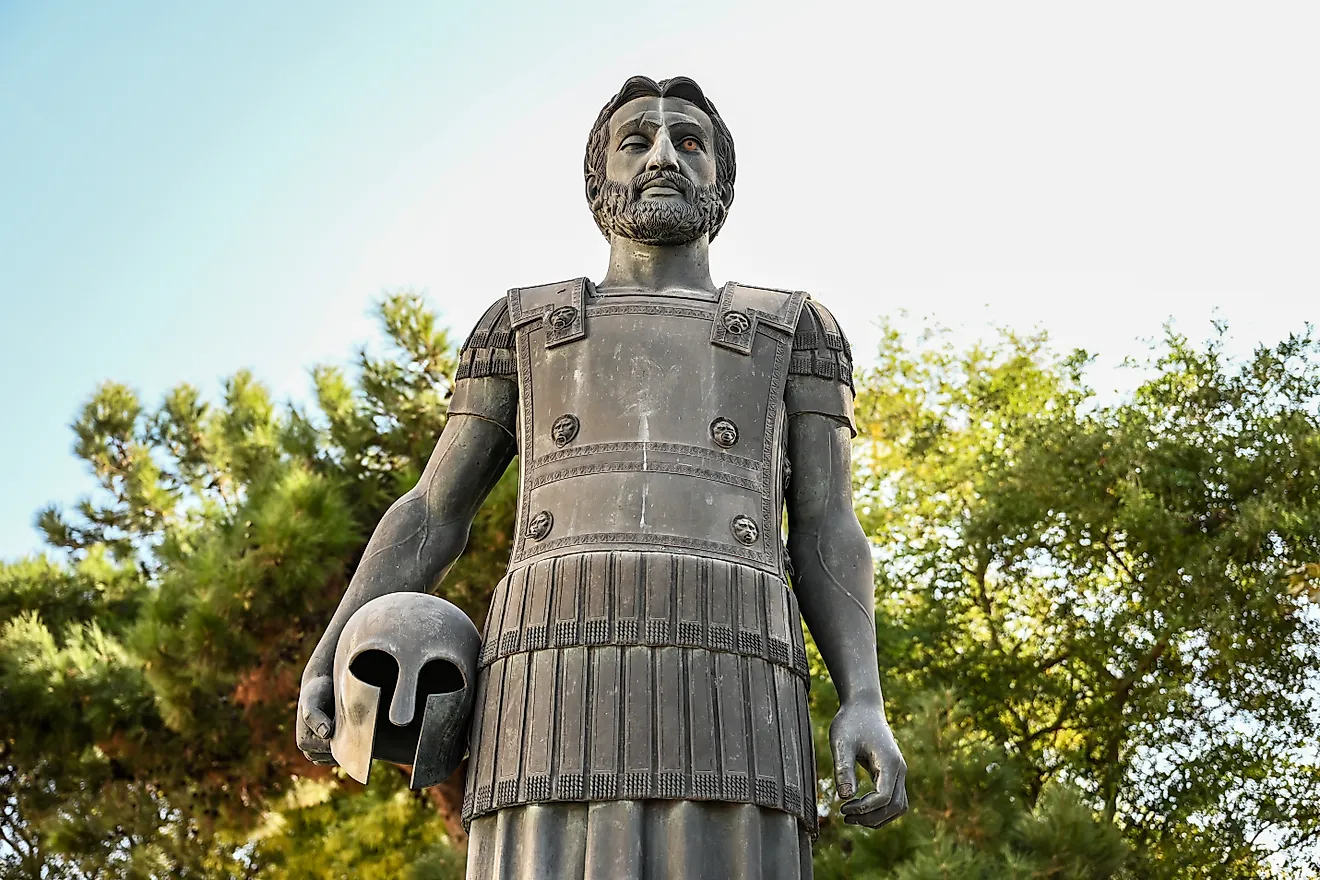
For centuries, Macedonia existed on the periphery of the Greek world. Its untamed landscape and political system, which encouraged bloody power struggles, gave it a semi-barbaric reputation. This changed under the reign of Philip II. He became king in 359 BCE and transformed the Macedonian state.
The most important reforms occurred in the army. Philip revolutionized the Macedonian phalanx by introducing the sarissa, a 5 to 7-meter-long spear that could hold the enemy in place. This made the Macedonian defenses nearly impenetrable from the front. However, it wasn't effective in attacking. Philip, therefore, implemented a combined-arms approach. While the phalanx held the enemy in place, cavalry, light infantry, and archers smashed through the defenses. Known as the hammer-and-anvil approach, this technique made the Macedonian army nearly unbeatable.
Philip was also a skilled diplomat. Much of this diplomacy came through marriage. Philip took seven wives, all of whom were from various Greek and Balkan tribes. Doing so helped secure alliances and prevent invasions from neighboring states.
All these measures allowed Macedonia to gain increasing influence. It eventually culminated in 338 BCE when Philip defeated an Athenian and Theban coalition army at the Battle of Chaeronea. Philip created the League of Corinth in the aftermath of the battle, a Macedonian-led coalition of Greek states. He then set his eyes on the historic enemy of Greece: Persia. But before he could begin his invasion, Philip II was assassinated in 336 BCE, leaving his son, Alexander, as king.
Alexander the Great

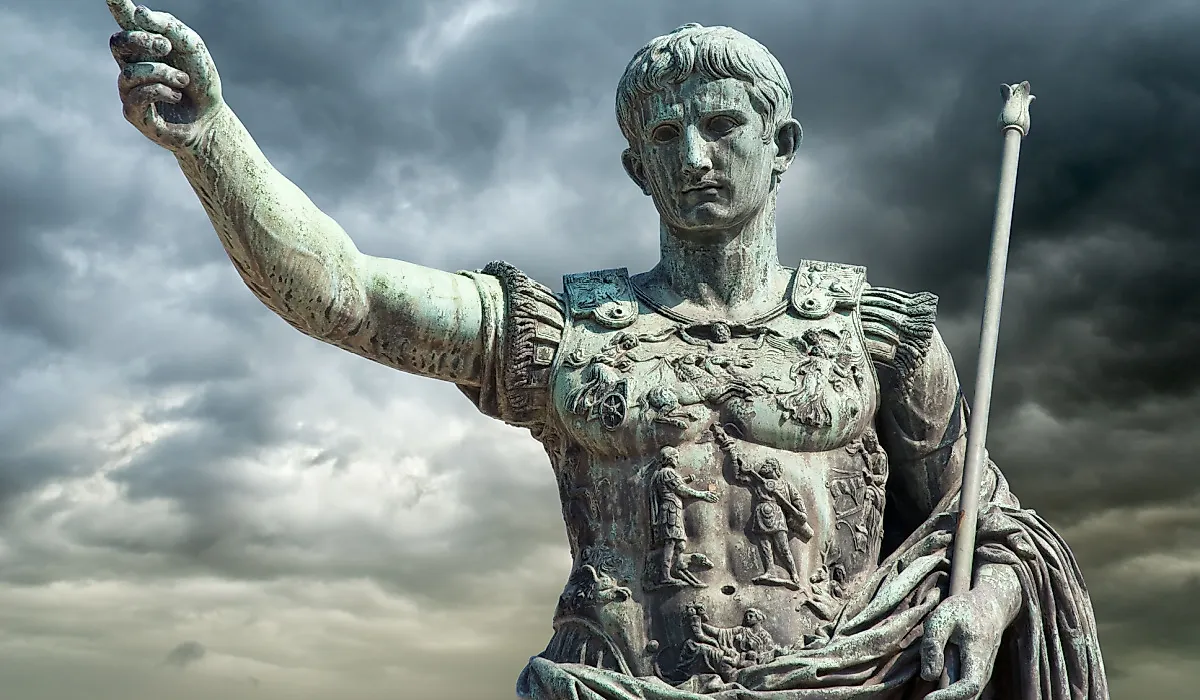
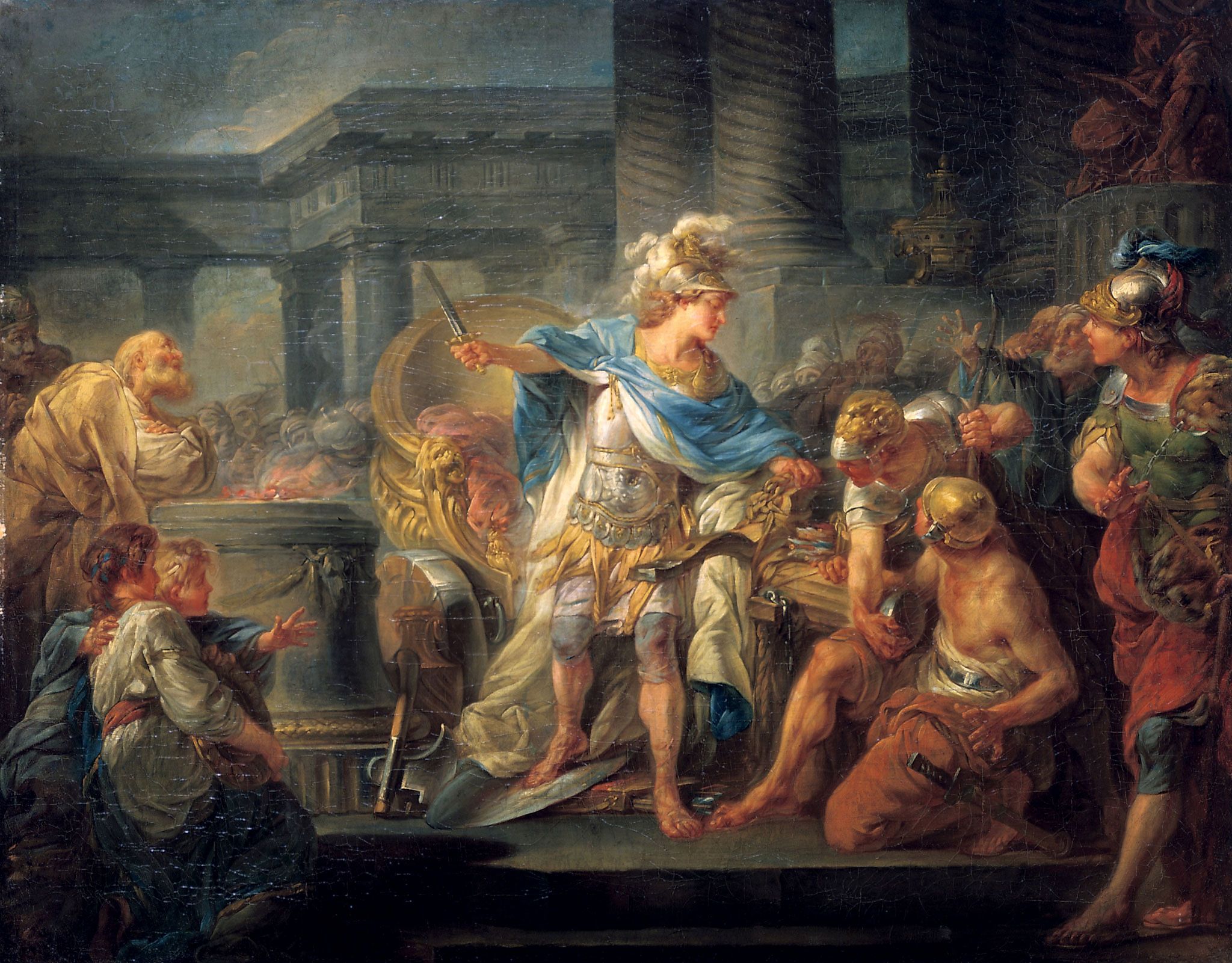
Only 20 years old at the beginning of his reign, many doubted that Alexander would live up to his father's legacy. He proved them all wrong and became arguably the most formidable military leader in world history. He first faced challenges at home, both from invading Balkan tribes in the north and rebelling city-states in the south. Alexander quickly eliminated the threats and turned his attention back to Persia.
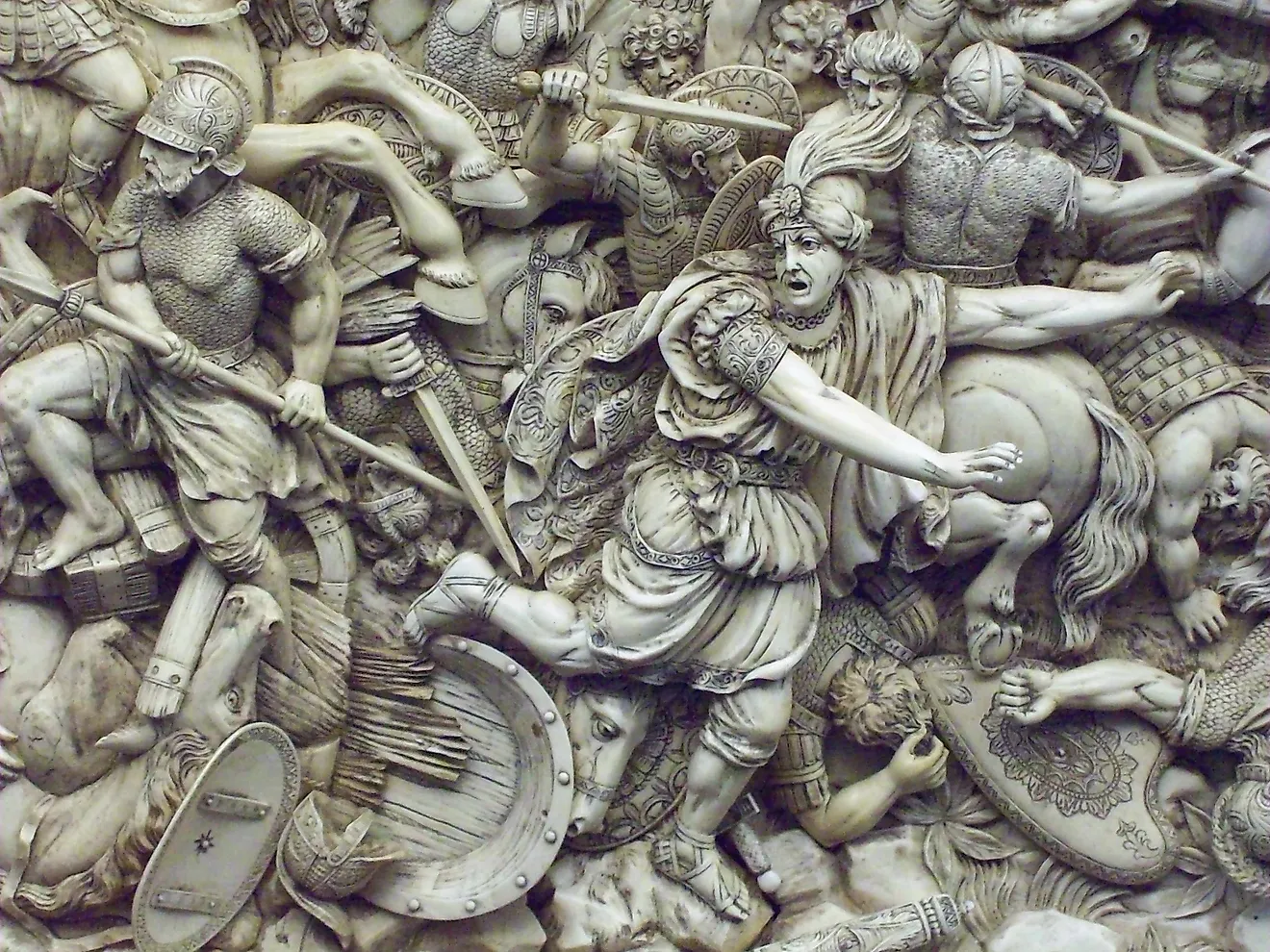
The Macedonian invasion of Persia began in 334 BCE with the Battle of the Granicus. Rather than commanding from behind, Alexander directly participated in the decisive cavalry charge, which in turn imbued his troops with a sense of loyalty and camaraderie. The Macedonians spent the next few years working their way down the coast before eventually reaching Egypt. There, Alexander founded the city of Alexandria and turned his attention back to the Persian heartland. The climactic engagement of the campaign came in 331 BCE with the Battle of Gaugamela. By advancing obliquely to the right and forcing the Persians to respond, Alexander helped create a gap in their line, which he then attacked with his Companion cavalry. This allowed him to charge directly at Persian King Darius, forcing him to flee. With no leader, the Persian army collapsed, and Alexander was able to take the empire's capitals within the next year.
Alexander continued into Central Asia, where he fought a prolonged and difficult campaign. He ultimately prevailed and moved into India. Despite winning several battles, the most famous of which was the Battle of the Hydaspes in 326 BCE, Alexander's army had had enough. Exhausted and homesick, they threatened to mutiny if he didn't turn back. The return journey was deadlier than any previous battles, as Alexander's disastrous march through the Gedrosian Desert resulted in thousands of deaths. Regardless, he eventually reached Persia in 324 BCE. Alexander began to make plans for future campaigns in places like Arabia. These would never come to fruition, since he died amidst mysterious circumstances in 323 BCE.
The aforementioned generals succeeded in very different ways, relying on strategies spanning from deception and diplomacy to military reform and bold battlefield tactics. Their victories surely shifted the balance of power in Greece and, in Alexander's case, transformed much of the ancient world.