What Were The Dark Ages Of Ancient Greece?
Ancient Greece is often remembered as a prosperous and enlightened civilization. While this was partially true during the Classical period, it wasn’t always the case. From roughly 1,100 to 800 BCE, Greece experienced population collapse, political dysfunction, and economic decline. Known as the Greek Dark Ages, these centuries were equal parts brutal and transformative. Every day life was often violent and terrifying. At the same time, Classical Greek civilization would have never emerged without the Dark Ages.
Context: Mycenaean Greece

From 1,600 to 1,100 BCE, Greece was dominated by the Mycenaean civilization. In many ways, it was a precursor to the Classical period. Its society was made up of a network of independent palaces in places like Thebes, Athens, and Pylos. Power was heavily centralized, with a king (known as a wanax) having more or less absolute authority in the palace and its dominion. However, the royal family and military elite had some power as well. Common people occupied a wide variety of positions. Some were craftsmen, merchants, and laborers. Many were also slaves.

Mycenaean civilization had a profound cultural impact on the Greek world. It introduced Linear B, the earliest written record of the Greek language. Clay tablets from the period also indicate that Myceneaeans likely worshipped famous Greek gods like Zeus, Hera, and Poseidon. Perhaps most importantly, Mycenaean Greece is the backdrop of some of the most iconic stories in Greek (and world) history. Although written by Homer in the 8th century BCE, the Iliad and Odyssey are set in the 13th or 12th century BCE. Even though these are fictional stories, they contain important insights into Mycenaean civilization and continue to shape popular historical memory.
The Beginning Of The Dark Ages

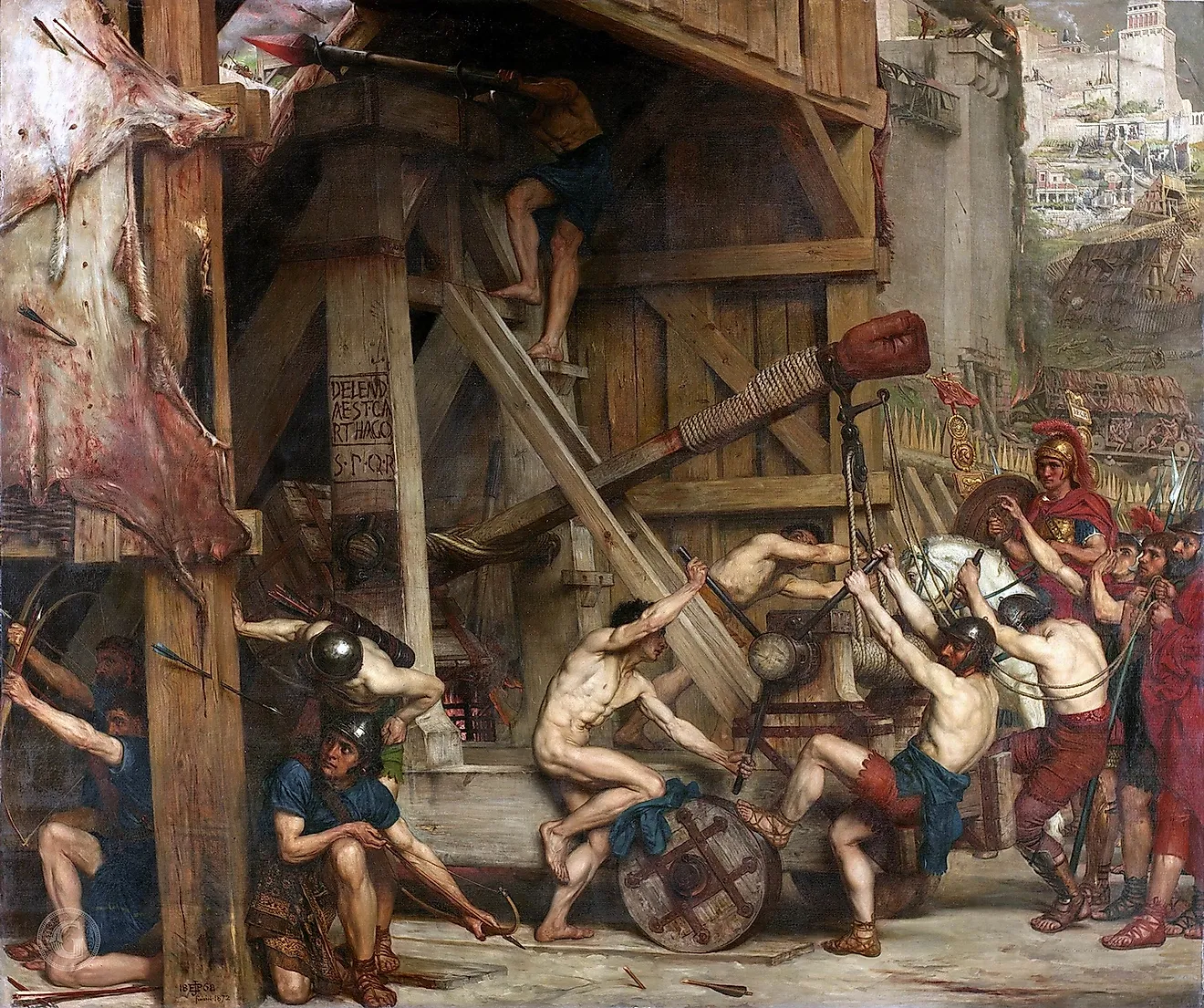
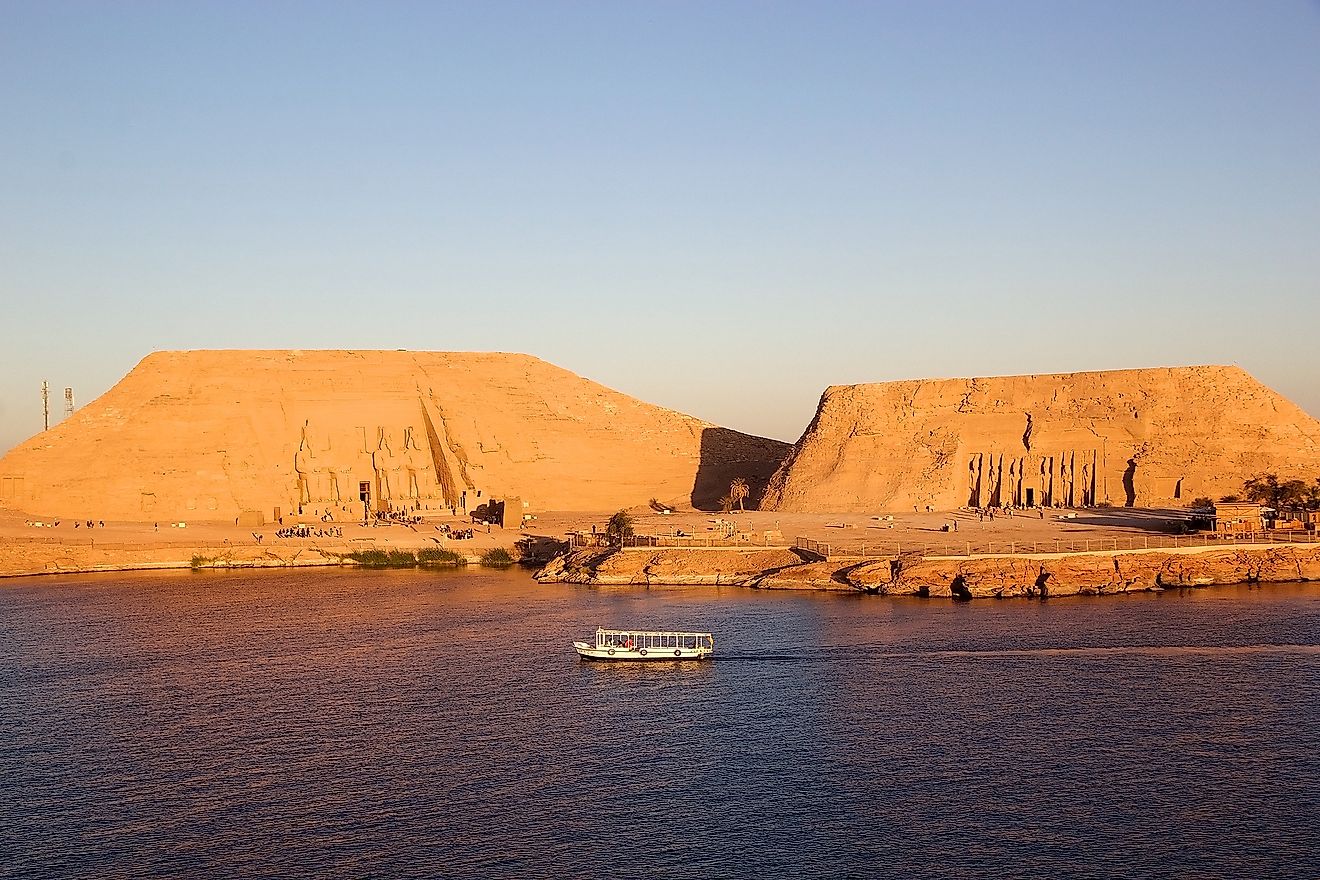
From 1,200 to 1,100 BCE, much of the eastern Mediterranean experienced a catastrophe known as the Bronze Age Collapse. It likely occurred due to several factors. Climate change probably played a role, as prolonged megadroughts caused famines and destroyed crop yields. A series of deadly earthquakes also disrupted trade and severely damaged the palace’s defensive walls. Finally, raids by “Sea Peoples” destabilized civilizations from Greece to Egypt.

All these problems led to the collapse of the palace system. A lack of crops led to a lack of food and economic activity. With less tax revenue, palaces were unable to fund their defenses. This made them more vulnerable to raids from foreigners, like the aforementioned “Sea Peoples”. Unlike modern political administrations, there was no bureaucracy outside of the palaces. They handled everything, including tax collection, food distribution, trade, and defense. Therefore, when the palaces fell, so too did their corresponding cities.
Economic And Population Decline

As the cities collapsed, the entire population of Greece declined. Some scholars estimate that it decreased by as much as 90 percent. Those who stayed often abandoned fertile plains for more defensible regions. When combined with fewer people and more dangerous trade routes, lower crop yields contributed to a sharp decline in economic activity. Long-distance trade all but disappeared, and communities became much more insular. While this self-sufficiency would ultimately prove instrumental in Greece emerging from the Dark Ages, in the short term, many lamented the lack of variety of goods and their simpler craftsmanship.
Cultural Death And Survival

As palace administrations disappeared, literacy followed. For roughly three centuries, there were no government records or any sort of historical documentation. The lack of documentation is one of the main reasons why historians consider this period “dark”.
Nevertheless, literature survived, primarily through oral traditions. Perhaps the clearest examples were the aforementioned Iliad and Odyssey, which were likely composed in the 8th century BCE. Religion also persisted. Even though there is little historical documentation showing religious practices, the fact that gods like Zeus and Poseidon were worshipped by both the Mycenaean and Classical Greeks indicates that worship continued during the intervening period. To summarize, even though writing disappeared, Greek culture survived the Dark Ages.
The Birth Of Classical Greece

Between 900 to 800 BCE, Greece began to recover. The insular nature of communities forced them to develop their political, economic, and military systems. This formed the basis of the polis, or independent city-state. Communities like Athens, Sparta, Thebes, and Corinth all emerged as major powers. As the city-states grew in economic and military might, so did their populations. In turn, this facilitated even more economic activity, both in the cities themselves and across Greece.

Perhaps the most important development was the adoption of the Phoenician alphabet sometime around 800 BCE. Oral traditions were subsequently recorded, and government bureaucracies became more robust. Written records facilitated more effective tax collection, census taking, and general information gathering. In short, adopting the Phoenician alphabet made the city-states even stronger and was instrumental in the emergence of Classical Greek civilization.
Impact And Legacy
You can’t understand Ancient Greece without a clear picture of the Dark Ages. Beginning around 1,100 BCE with the Bronze Age Collapse, it was characterized by a decline in population, economic activity, and writing. At the same time, literature and religion survived, and communities were forced to become stronger by developing robust institutions. This set the stage for the rise of Classical Greek city-states like Sparta, Athens, and Thebes.