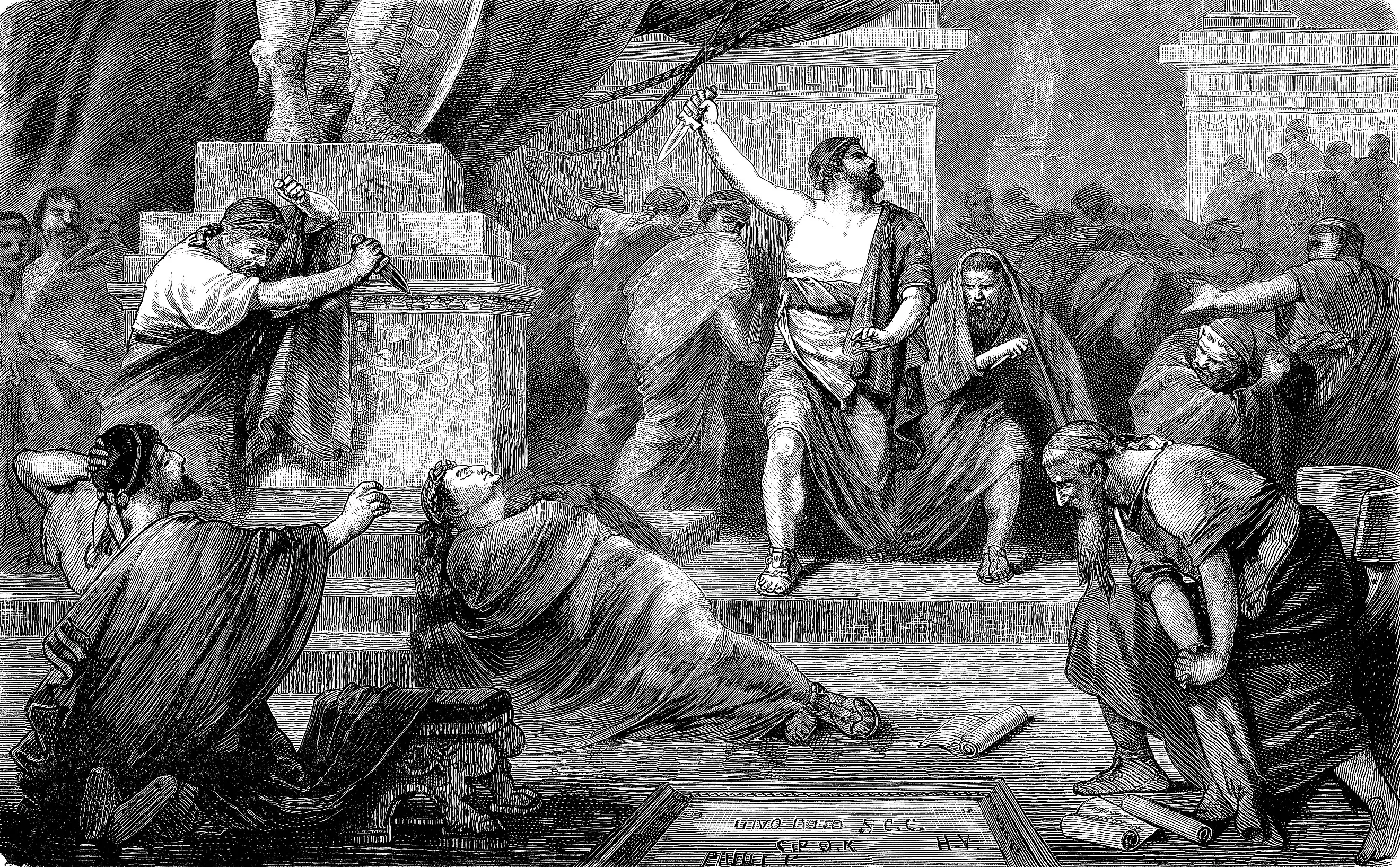
The Roman Generals Who Became Enemies Of The State
Roman generals frequently held immense power. Some used it to expand and secure Rome, while others used it for their own ambitions. This often meant marching on Rome, going to war with political opponents, or simply declaring oneself emperor. The cases of Lucius Sulla, Julius Caesar, Mark Antony, and Pescennius Niger are illustrative. In all such examples, these generals became enemies of the Roman state.
Lucius Cornelius Sulla

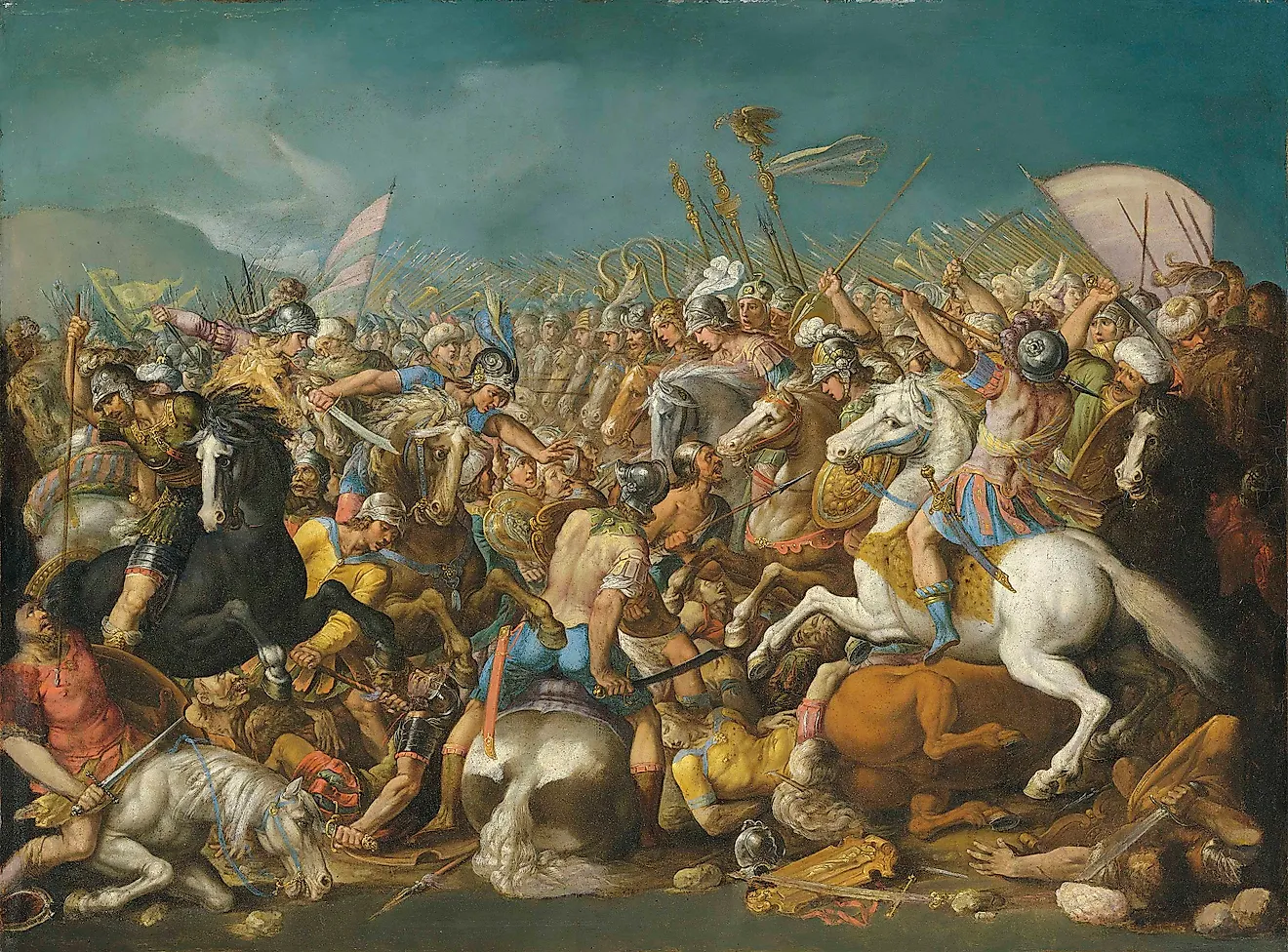
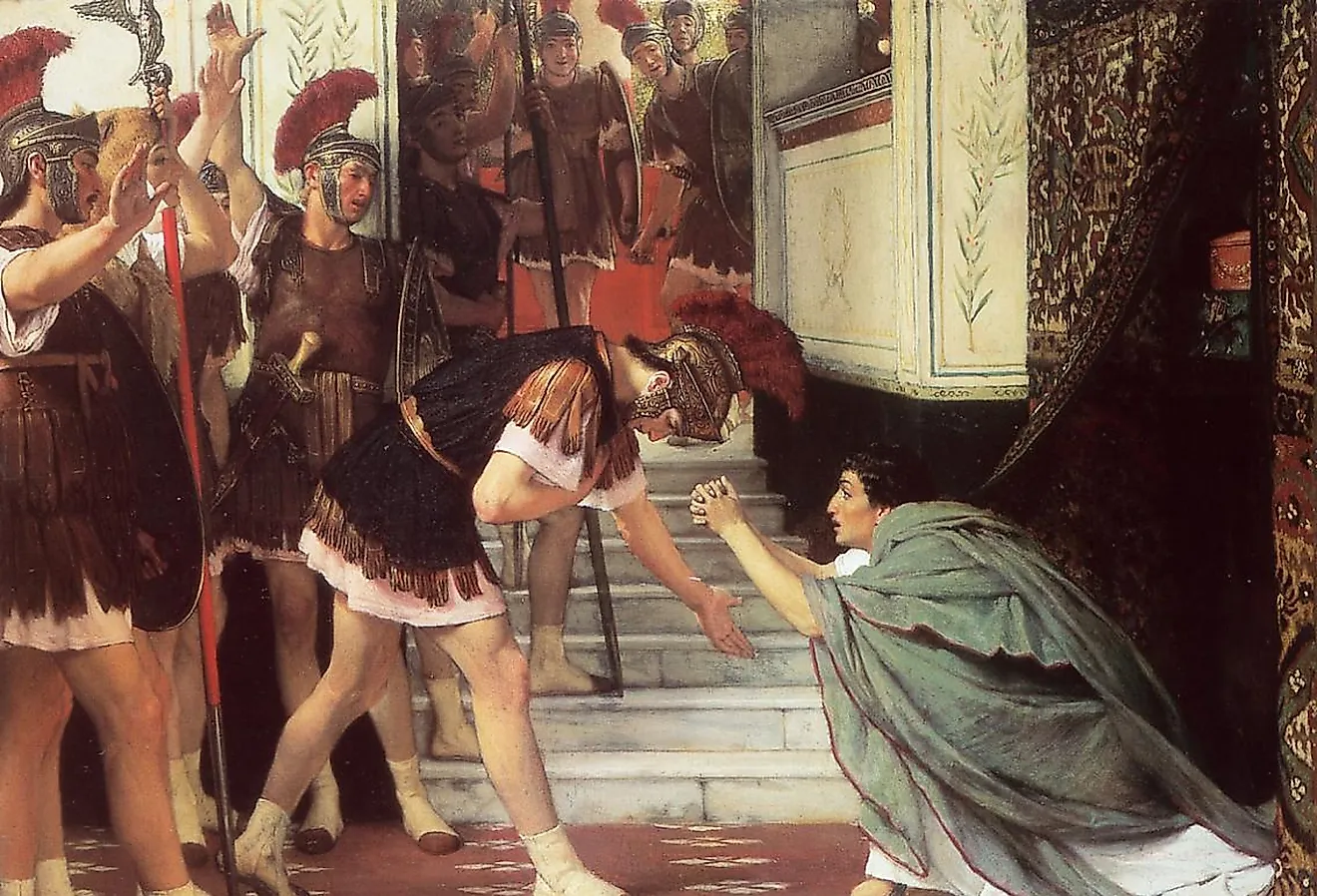
Lucius Cornelius Sulla was a consul and general in the early 1st century BCE. He originally served under Gaius Marius, and the two men became bitter rivals. Marius was a self-made “new man,” whereas Sulla came from an aristocratic background and resented serving under someone of lower social standing. Tensions ultimately boiled over at the beginning of the First Mithridatic War. Sulla was supposed to be the lead general, but Marius had the command transferred to himself at the last minute. Enraged, Sulla did something previously unthinkable: he marched on Rome with his army.

Although Sulla now had control, it was temporary. He quickly turned his attention to the campaign he had wanted to oversee and traveled to the east. This created an opening for Marius, who marched on Rome with his own army and purged Sulla’s supporters. Although Marius died soon afterwards, his allies remained in power. Thus, Sulla’s return to Rome ushered in a new series of conflicts. After a brief but bloody civil war, Sulla finally secured control in the late 80s BCE. He purged the Marian faction and declared himself dictator.
Julius Caesar

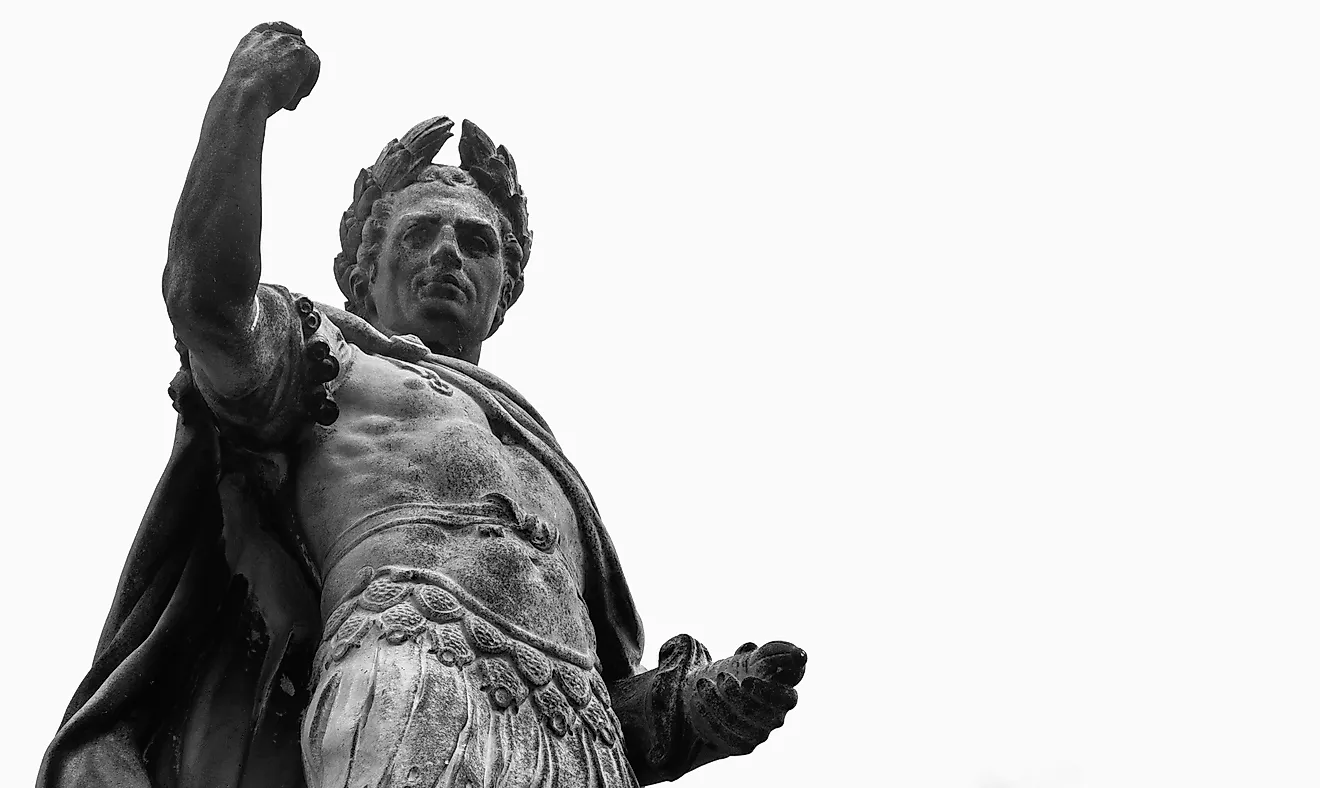
Julius Caesar is perhaps the most famous example of a Roman general who became an enemy of the state. His Gallic campaign laid the groundwork for this. From 58 to 50 BCE, Caesar conquered much of modern-day France, Belgium, and Luxembourg. In doing so, he brought a historic enemy of Rome to heel and amassed unprecedented levels of personal popularity and military power. Concerned about the implications of this dynamic, the Senate ordered that Caesar give up control of his army and return to Rome as a private citizen. Caesar refused and, in 49 BCE, crossed the Rubicon River. Roman law forbade any general from bringing his army into Italy proper. With the Rubicon serving as the border between Gaul and Italy, Caesar’s act was an effective declaration of war.

Caesar took Italy almost immediately, forcing the Senatorial faction to flee to the east. There, he faced Pompey the Great several times. Despite both sides experiencing wins and losses, Pompey was ultimately forced to travel to Egypt. There, he was assassinated on the order of King Ptolemy XIII, who was trying to curry favor with Caesar. That didn’t work, since Caesar allied himself with Cleopatra, Ptolemy’s sister, wife, and rival for the throne. Together, the two secured the Egyptian throne for Cleopatra and won Caesar’s civil war. By the beginning of 44 BCE, Caesar had defeated the Senatorial faction and declared himself dictator for life.
Mark Antony

Caesar’s lifetime dictatorship didn’t last long, as he was assassinated only a few months later by a group of senators concerned about his increasingly tyrannical rule. However, they lacked a clear vision for how to rule Rome afterward. This gave Caesar’s allies room to regain control. In particular, the Second Triumvirate, an alliance of Mark Antony, Octavian, and Lepidus, dominated Roman politics for the next ten or so years. They oversaw purges and eventually defeated the leading assassins, Brutus and Gaius Cassius Longinus, at the Battle of Phillipi in 42 BCE.

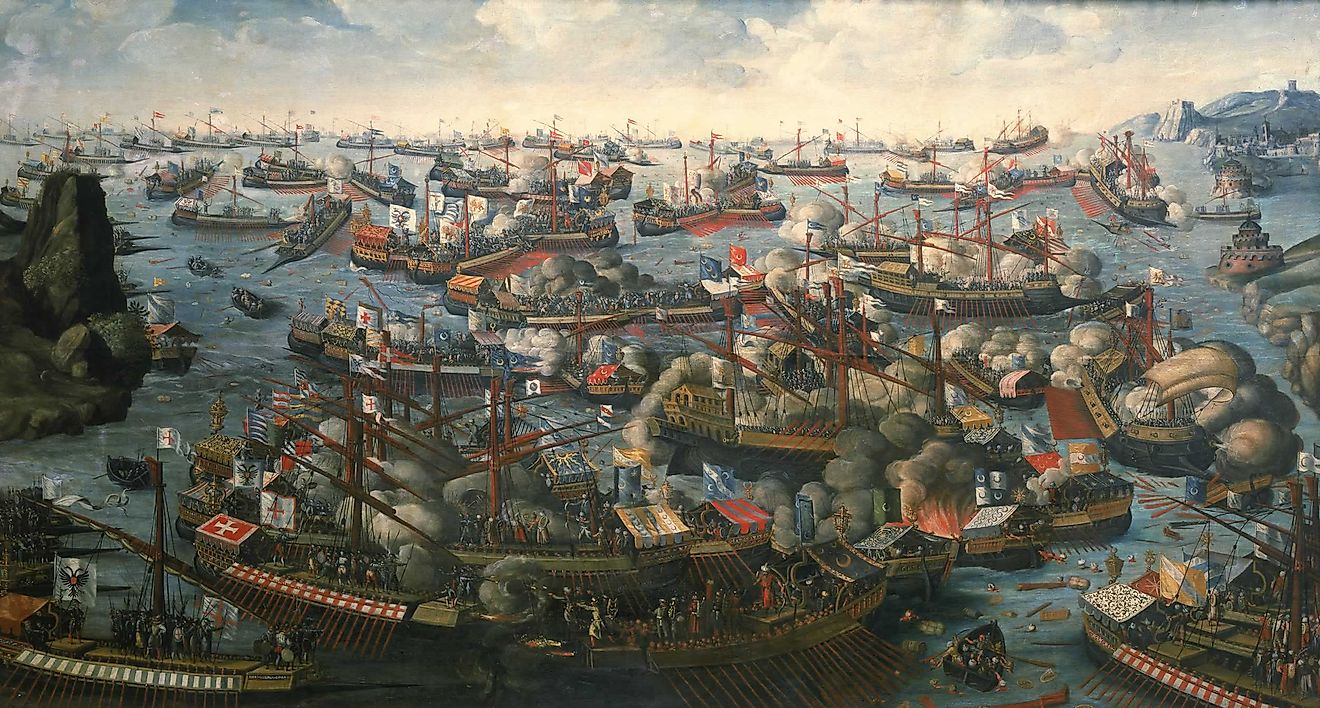
At the same time, the Second Triumvirate was a tenuous alliance. Octavian and Antony didn’t like each other, with Antony’s romantic relationship with Cleopatra being the main source of contention. Octavian argued that Antony wasn’t loyal to Rome and had been corrupted by the “foreign queen.” The Donations of Alexandria in 34 BCE, in which Antony granted lands in the Eastern Roman Republic to Cleopatra’s children, further heightened tensions. Eventually, the Senate declared war on Cleopatra, effectively making Antony an enemy of the state. The conflict culminated in the Battle of Actium in 31 BCE. Octavian decimated Antony and Cleopatra’s fleets, forcing the two to flee to Egypt. There, realizing they had no means of defending themselves, they committed suicide.
Pescennius Niger

The Praetorian Guard assassinated Emperor Commodus on December 31st, 192 CE. The following year, known as the Year of the Five Emperors, was marked by instability. Emperor Pertinax first attempted to reform the Guard and refused to accede to its financial demands. However, this led to his assassination after only three months. The Praetorians then auctioned off the emperorship to the highest bidder, Didius Julianus. This act of blatant corruption caused outrage among the Roman populace. In response, two generals, Septimius Severus and Pescennius Niger, were proclaimed emperor by their armies.
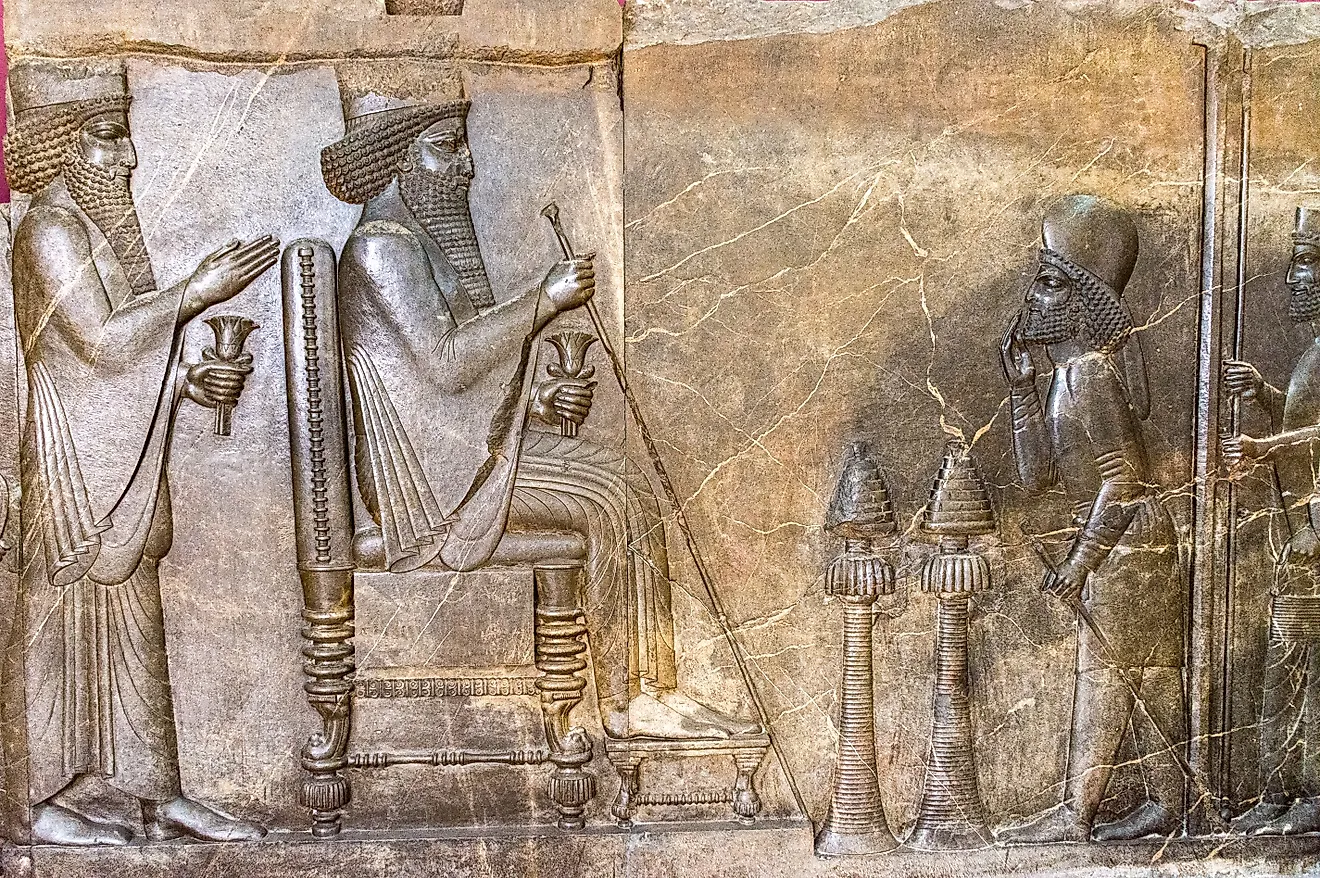
Both men were immensely powerful. As governor of Syria, Niger controlled the empire’s wealthy eastern provinces and commanded six legions. Nevertheless, his military might was ultimately dwarfed by Severus, who commanded 16 battle-hardened legions along the Danube River. Severus could thus secure his position as emperor with greater efficiency and aggression. He first seized Niger’s children as hostages. Then, in late 193 CE, he moved into Anatolia and defeated Niger’s forces, prompting Egypt to revolt. Now without his economic and agricultural powerhouse, Niger’s claim to the emperorship was essentially over. He made his final stand at Issus in May 194 CE, the historic site where Alexander the Great defeated Persian King Darius III centuries earlier. His army was decimated, and Niger was captured and beheaded while trying to escape.
Impact And Legacy
Several Roman generals became enemies of the state. Consider Lucius Cornelius Sulla, who marched on Rome during a bitter civil war with Gaius Marius. Decades later, Julius Caesar crossed the Rubicon with his army, thereby declaring war on the Senate. Mark Antony’s romantic relationship with Cleopatra raised questions about his loyalty to Rome, eventually spiraling into an all-out civil war. Finally, Pescennius Niger’s economic might couldn’t compensate for his army, which was about half the size of Septimius Severus’. He’s thus remembered as a failed usurper, whereas Severus ruled the Roman Empire for nearly two decades.