The Most Important Figures In Ancient Greece
There are many reasons why Ancient Greece is famous. Its architecture continues to inspire buildings to this day. Its various political systems form the foundation of many modern states. However, more than anything else, Greek civilization is remembered for its larger-than-life figures. Understanding people like Alexander the Great, Socrates, Pericles, and Leonidas is essential to truly understanding Ancient Greece.
Alexander the Great (356 to 323 BCE)

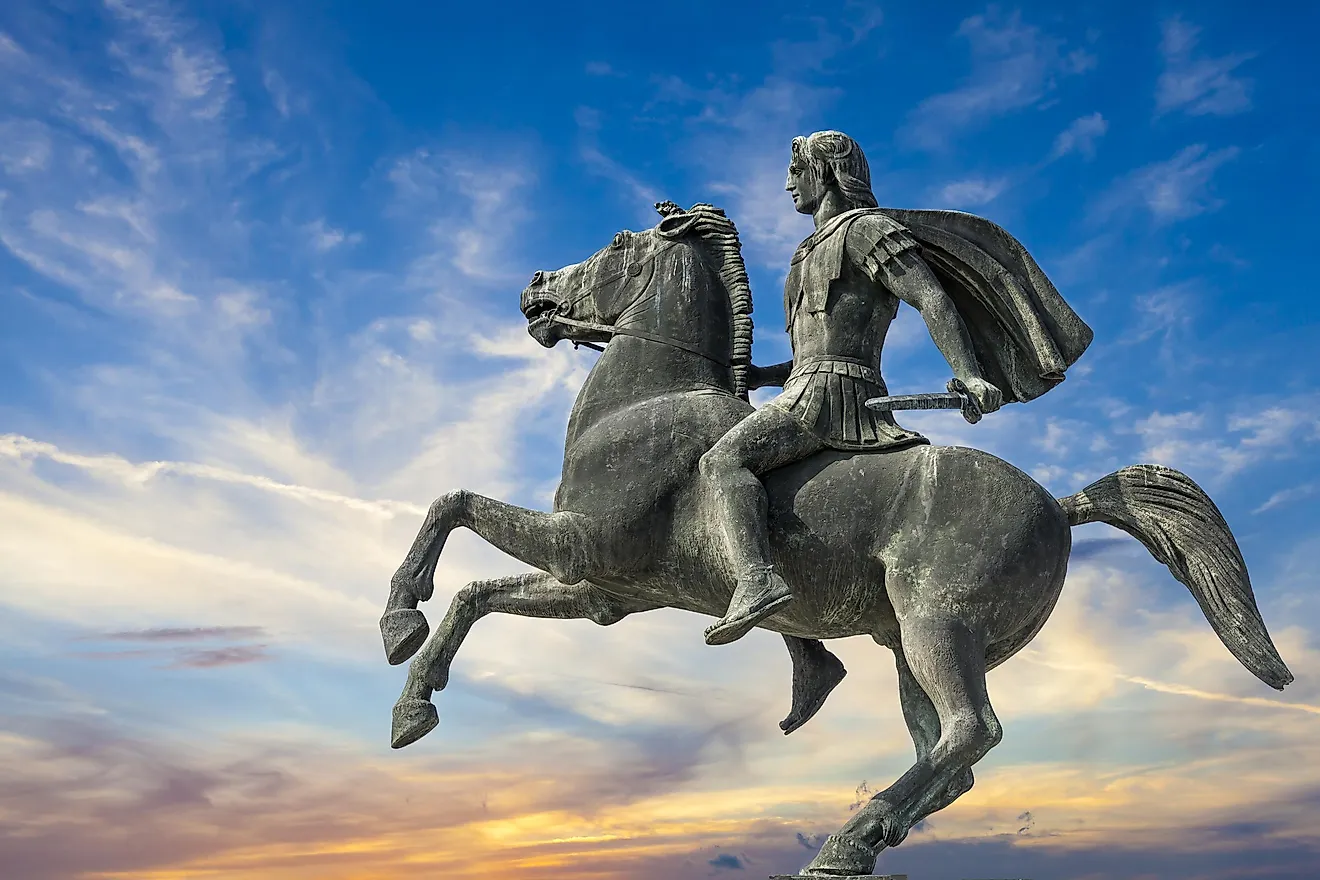
Alexander the Great is perhaps the most important figure in Greek history. Born in 356 BCE to Philip II, King of Macedonia, he was tutored by the famed philosopher Aristotle and participated in military campaigns with his father. This prepared him to become king at the age of 20, when Philip II was assassinated by a former bodyguard and lover. Despite his young age, Alexander was set up for success. Philip reformed the army and established Macedonia as the hegemon of Greece, meaning that the young king inherited a (mostly) united kingdom and a formidable fighting force.

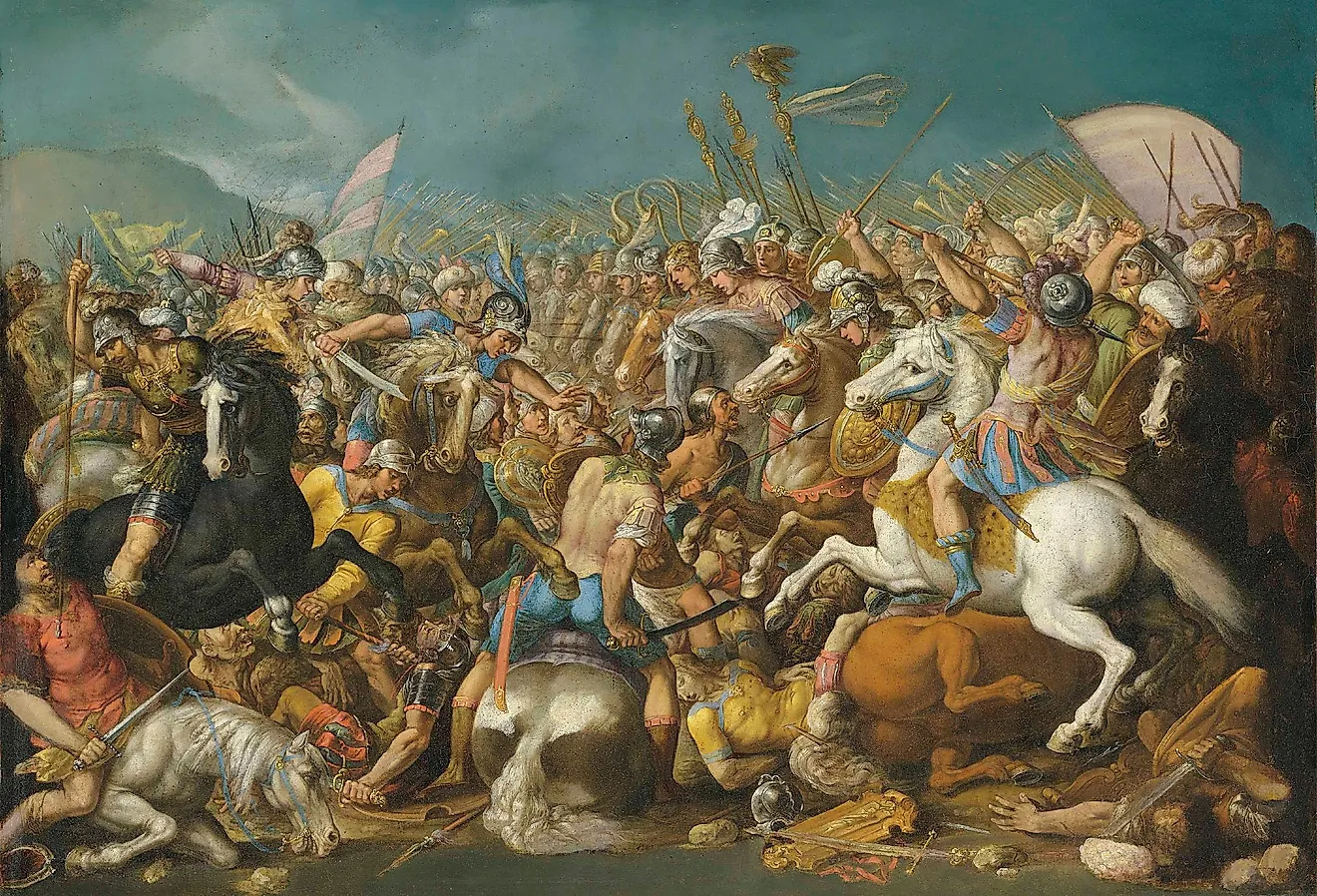
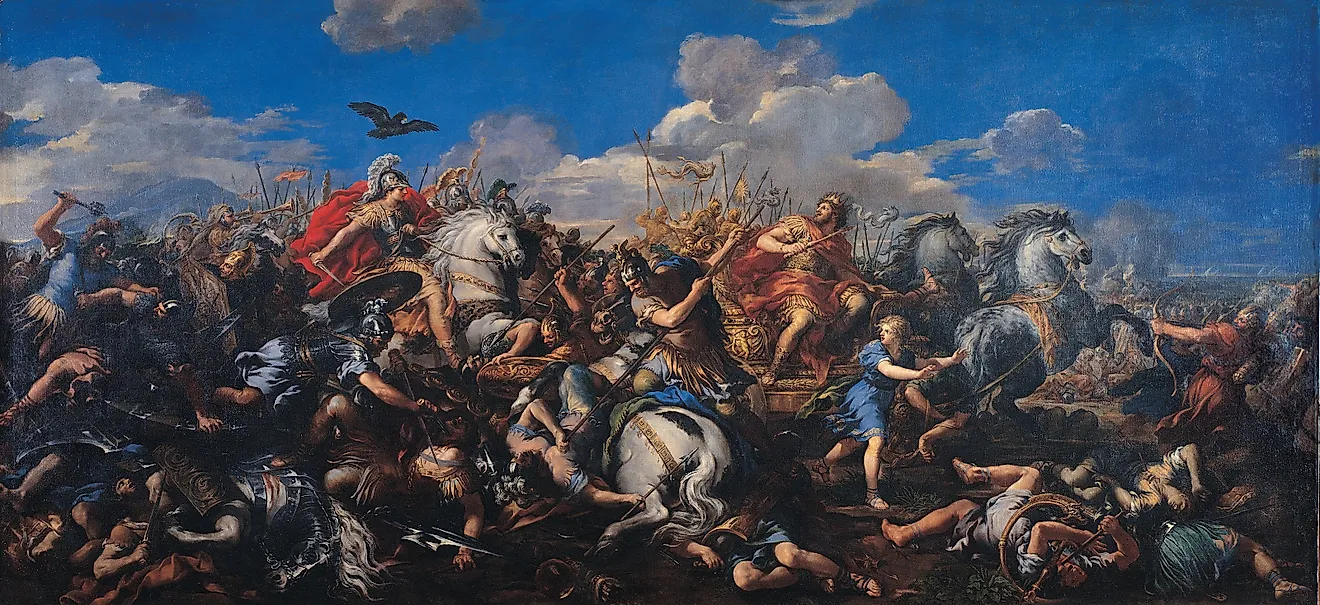
After crushing rebellions in the Balkans and in Greece, Alexander turned his attention to Persia. Before he died, Philip II planned to eliminate Greece's historic enemy. Alexander picked up where his father left off and invaded Persia in 334 BCE. He began by working his way through Anatolia and along the coasts of modern-day Lebanon, Israel, and Palestine. Upon reaching Egypt, Alexander founded the city of Alexandria and turned his attention to the Persian heartland. He effectively defeated the Persian army at the Battle of Gaugamela in 331 BCE and took the capital of Persepolis the next year. Following a lengthy campaign in Central Asia and a briefer one in India, Alexander finally turned back in 326 BCE after his troops threatened to mutiny.
Upon returning to Persia, Alexander began making plans to invade the Arabian Peninsula. These never materialized, since he mysteriously died in 323 BCE at the age of 32. Without a clear succession plan, his generals, the Diadochi, fought for control. Three main successor kingdoms emerged: the Ptolemaic Kingdom in Egypt, the Seleucid Empire in Persia, and the Antigonid dynasty in Greece and Macedonia. These states were responsible for the proliferation of Greek culture across the Eastern Mediterranean for the next three centuries. Known as the Hellenistic Period, it continues to impact the region.
Socrates (470 to 399 BCE)

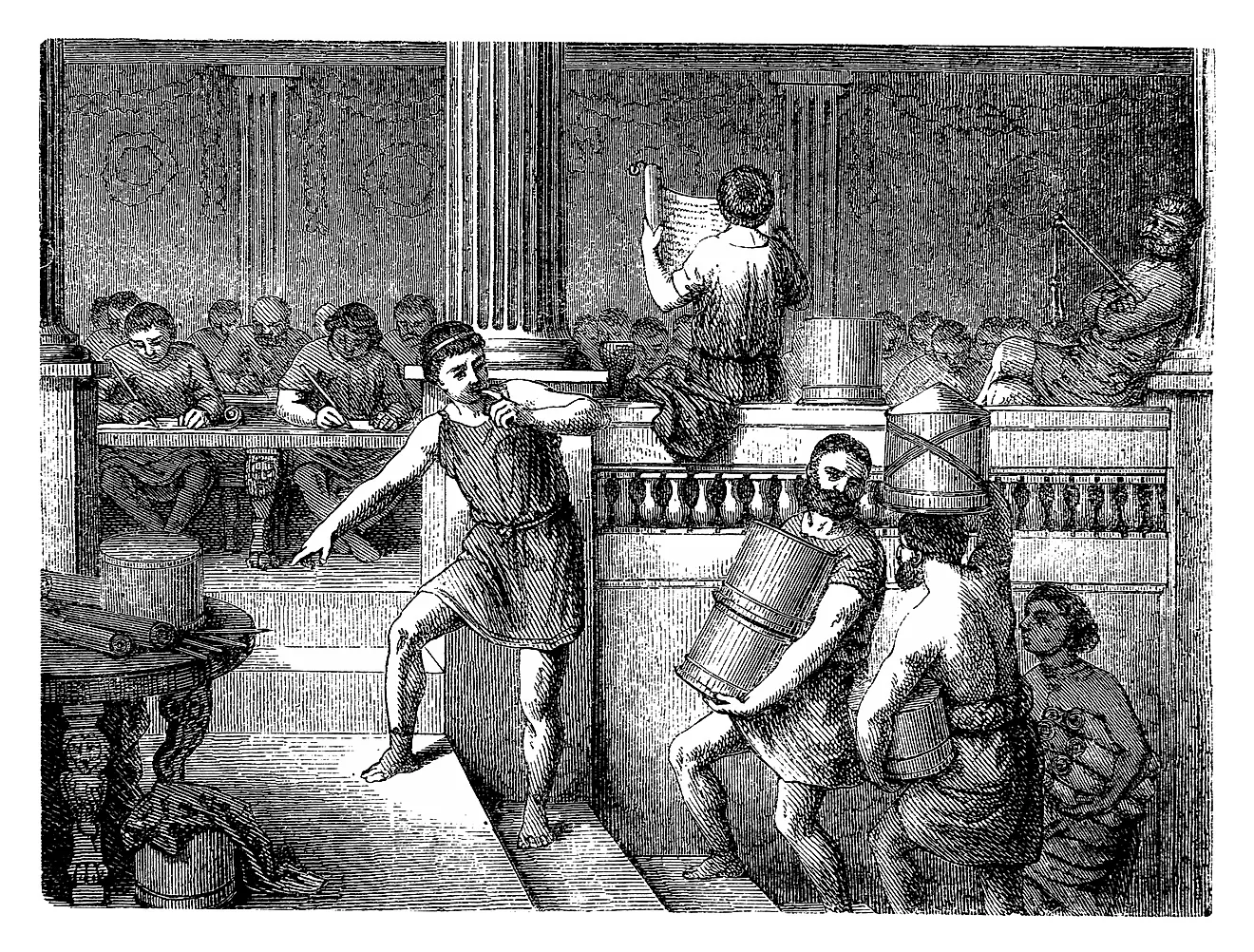
If Alexander the Great defined Ancient Greece's military legacy, Socrates shaped its intellectual identity. Born in Athens in 470 BCE, he's often considered the father of Western philosophy. Rather than claiming to possess knowledge himself, Socrates instead insisted on asking questions and admitting one's ignorance. He famously stated that "I know that I know nothing" to illustrate this point. His method of inquiry, known as the Socratic method, is also widely utilized to this day. Instead of lecturing people about particular topics, Socrates inquired about their beliefs and asked a series of questions to reveal contradictions in them. All this was meant to encourage dialogue and a deeper understanding of the truth.

Following the Peloponnesian War (431 to 404 BCE), Athenian society had far less tolerance for charismatic public speakers who questioned authority. Socrates was thus charged with impiety and corrupting the youth in 399 BCE. Rather than defending himself, the philosopher was defiant at his trial and argued that he was Athens' greatest benefactor. This angered the jury, and he was found guilty. Sentenced to death, Socrates carried out the execution himself by drinking a cup of hemlock, refusing the chance to escape into exile.
Pericles (495 to 429 BCE)

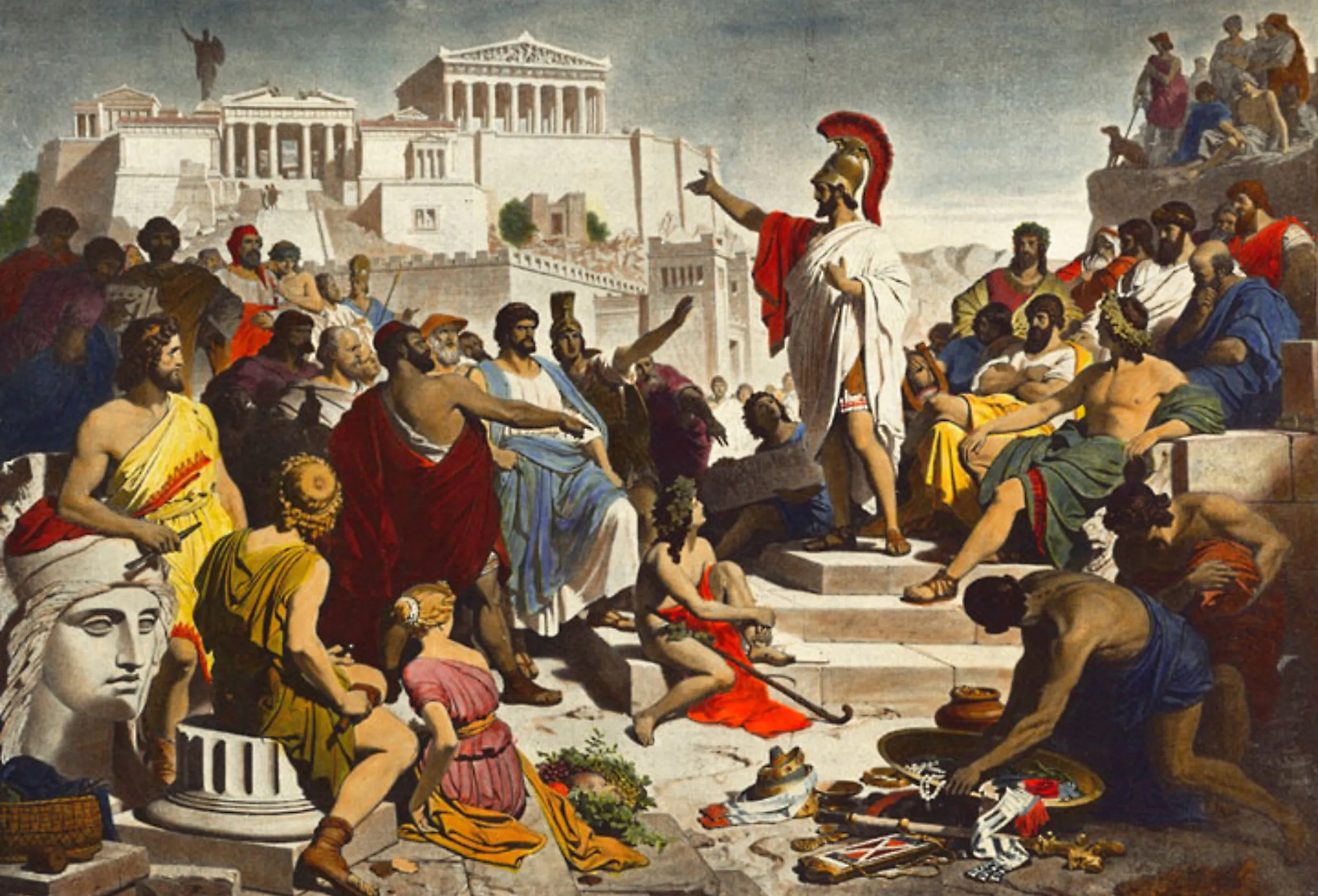
Pericles was arguably the most important person in Athenian political history. A leading statesman during the 5th century BCE, he oversaw the Athenian Golden Age. The source of this strength was both domestic and foreign policy. In the city, Pericles funded major public works projects like the rebuilding of the Acropolis and the construction of the Parthenon. He also subsidized the arts, allowing for a flourishing of poetry, music, and theater. Finally, Pericles introduced state compensation for jury duty and public office. Doing so opened up these positions to poorer Athenian citizens, which in turn made the city's democracy more representative and robust.

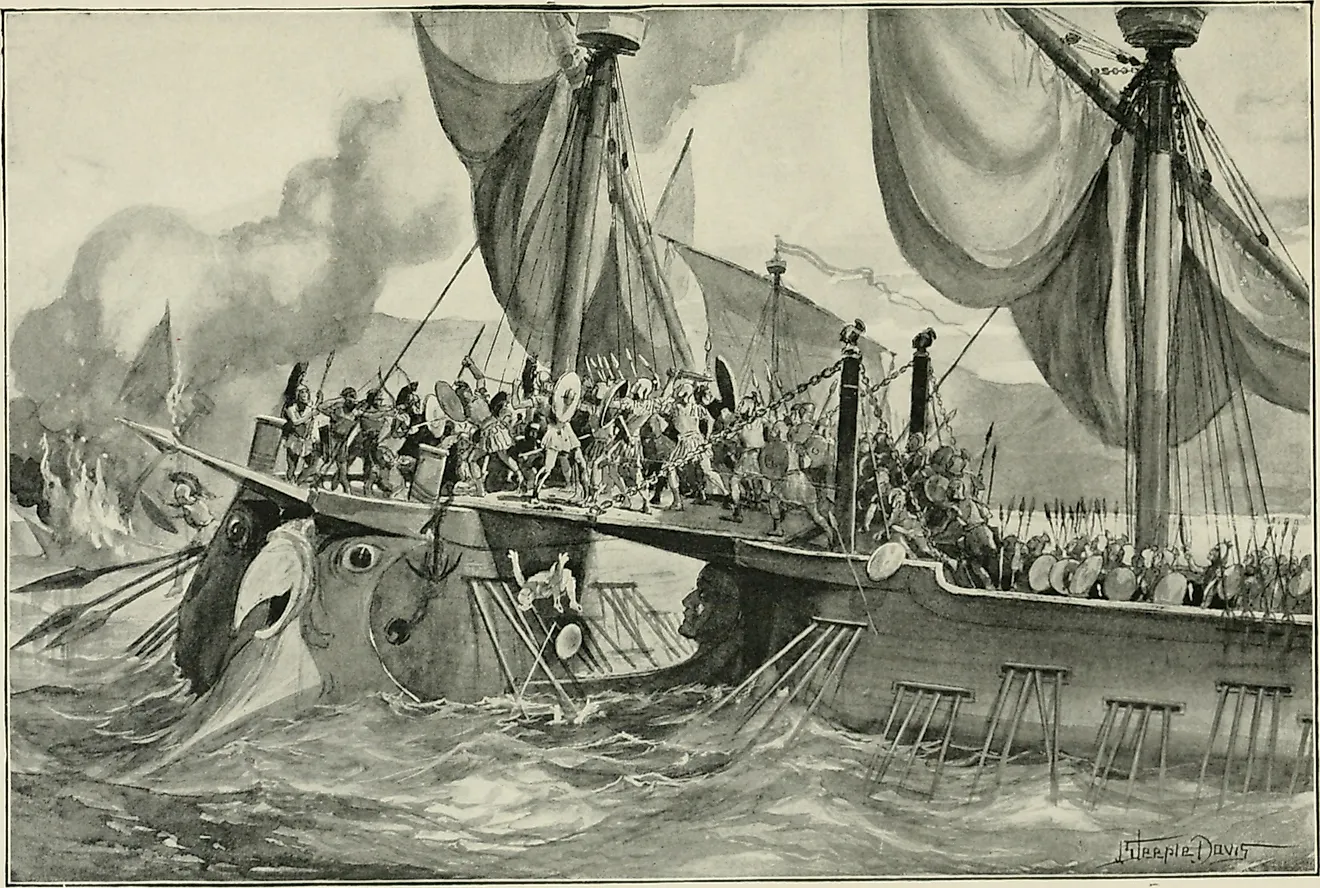
Concerning foreign policy, Pericles pursued a strategy of relentless naval dominance. He did so through the Delian League, an Athens-led alliance of city-states established during the Greco-Persian Wars (499 to 449 BCE). Over time, this alliance began to function more like an Athenian Empire. Athens demanded tribute in the form of ships or money and brutally repressed revolting cities.
Anxious about Athenian power, Sparta declared war, marking the beginning of the Peloponnesian War (431 to 404 BCE). Pericles was instrumental in the early stages of the conflict. He ordered the rural population of Attica to retreat behind Athens' Long Walls. The goal was to leverage Athenian naval superiority and wait out Sparta. While the Spartans expended resources trying to breach the city, Athenian ships supplied it by sea, ensuring that people didn't go hungry. However, overcrowding soon led to the outbreak of a plague from 430 to 426 BCE. 75,000 to 100,000 people died, including Pericles. His strategy ended up leading to his downfall.
Leonidas I (540 to 480 BCE)

Despite being born to the Agiad royal dynasty, Leonidas I was far down the line of succession and didn't expect to be king. This all changed following the deaths of his brothers and a succession crisis, and he inherited the throne around 490 BCE. The timing was crucial. Athens had just defeated Persia at the Battle of Marathon, but many feared future invasions. These fears were realized in 480 BCE when Persia, under the reign of Xerxes, again attacked Greece.

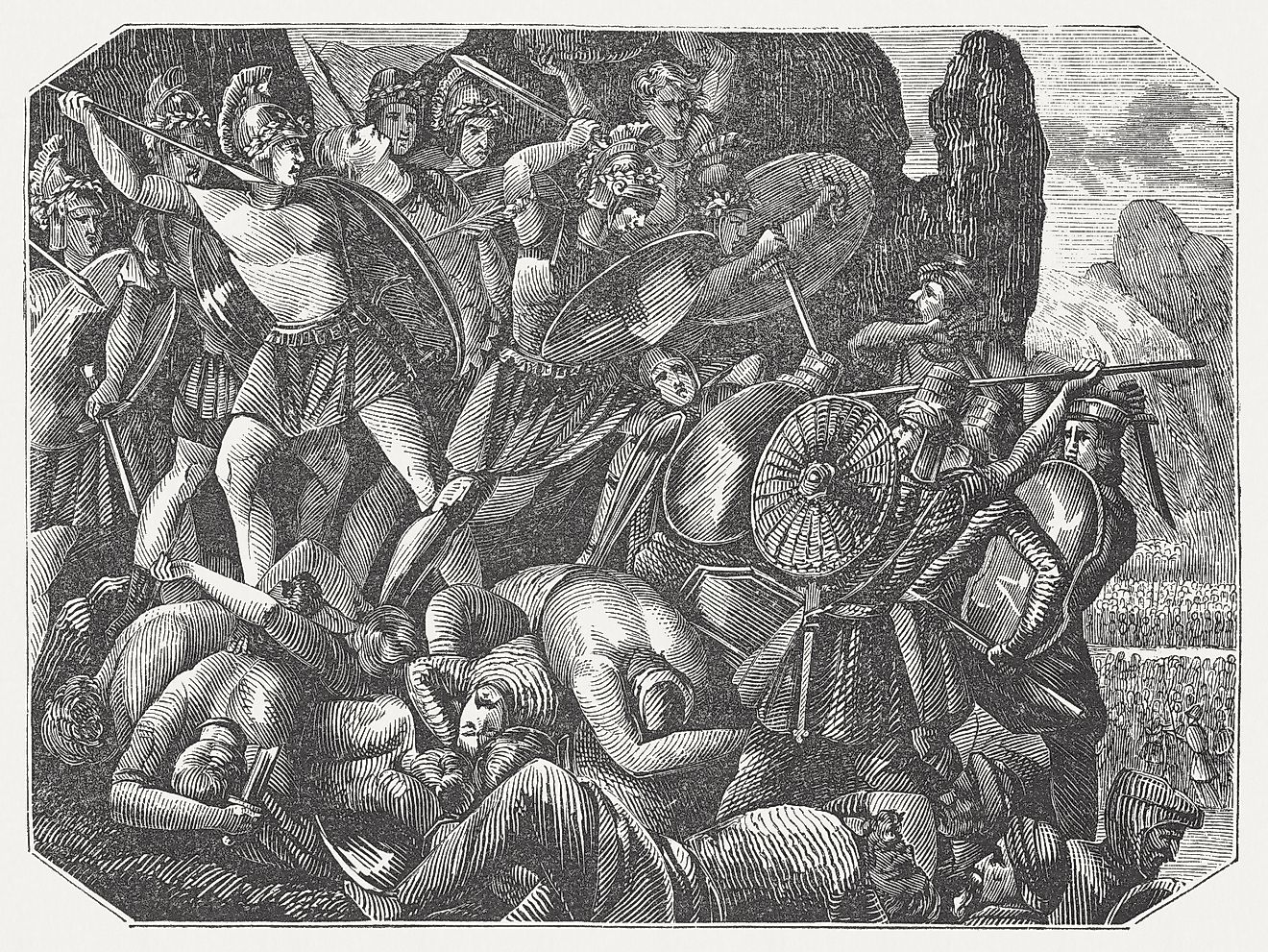
In August of that year, Leonidas marched out with his army to meet Xerxes at Thermopylae. The subsequent battle was one of the most iconic in ancient history. Popular memory asserts that 300 Spartans, led by Leonidas, defended a narrow pass. In reality, several thousand allied Greek soldiers initially fought beside them before Leonidas dismissed them after they were outflanked from the rear. The remaining defenders, 300 Spartans, 700 Thespians, and several hundred Thebans, stayed and fought to the death against the Persian army, which numbered between 70,000 and 200,000. Despite losing, this act of resistance was important both strategically and symbolically. It successfully delayed the Persians, allowing the rest of Greece to prepare its defenses and mount a counterattack. The Battle of Thermopylae also demonstrated the lengths the Greeks would go to defend their homeland.
Four Lives, One Civilization
These four men embodied different dimensions of Greek greatness. Alexander carried Greek arms and culture across three continents, while Leonidas showed what a disciplined few could do against an empire. Socrates turned inquiry itself into a way of life, and Pericles proved that a city's strength could be measured in theaters and juries as much as in ships. Their fates diverged just as sharply: Alexander died young at the height of conquest, Leonidas fell in a doomed stand, Socrates was condemned by the democracy he served, and Pericles succumbed to the plague his own war strategy helped spread. Taken together, their lives trace the arc of a civilization that prized both the individual and the polis, and that still shapes how the modern world thinks about power, virtue, and citizenship.