The Biggest Mistakes In Roman Military History
On a single August day in 216 BCE, a Carthaginian army half the size of Rome's surrounded and killed tens of thousands of Roman soldiers at Cannae. The disaster nearly ended the Roman Republic in its infancy. Two centuries later, three Roman legions marched into the German forest at Teutoburg and never came out, ending Rome's push beyond the Rhine for good. The military built Rome's power, turning a city-state into the master of the Mediterranean, yet a handful of catastrophic decisions reshaped that power at every stage. These four defeats each bent the course of the Roman Republic and Empire.
The Battle Of Cannae (216 BCE)

During the 200s and 100s BCE, the Roman Republic and Carthage were locked in a bitter struggle for Mediterranean supremacy. The First Punic War (264 to 241 BCE) saw Rome build up its navy and establish control of Sicily. This fueled resentment in Carthage, and, under the leadership of General Hannibal Barca, it invaded Italy in 218 BCE. Rather than crossing the sea, Hannibal first invaded Spain and Gaul, then crossed the Alps with his army. Completely unprepared for this maneuver, the Romans suffered a series of crushing defeats. Despite some preliminary plans to adopt a more defensive strategy, the Roman Senate soon grew impatient and assembled the largest army yet to deal with Hannibal.
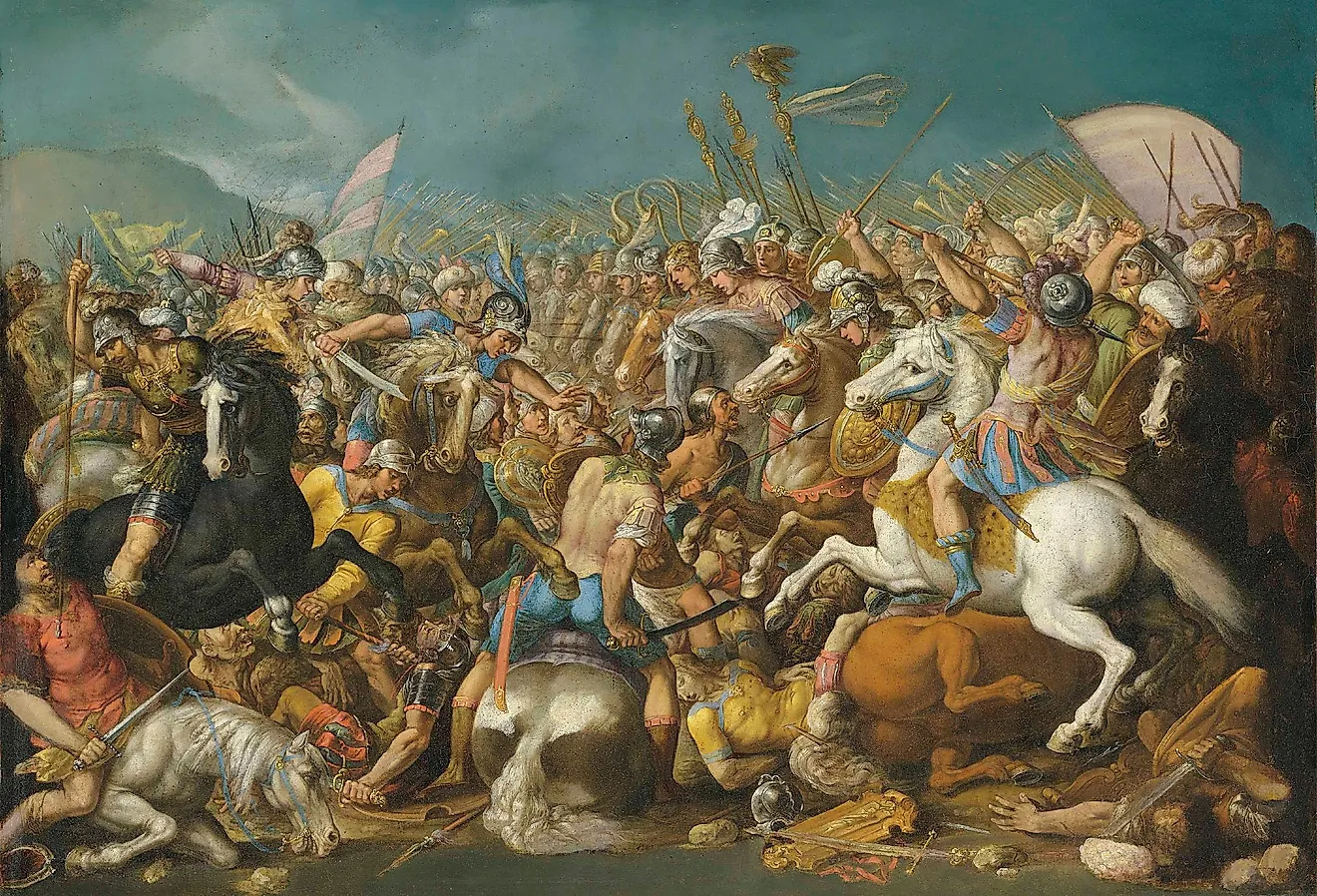
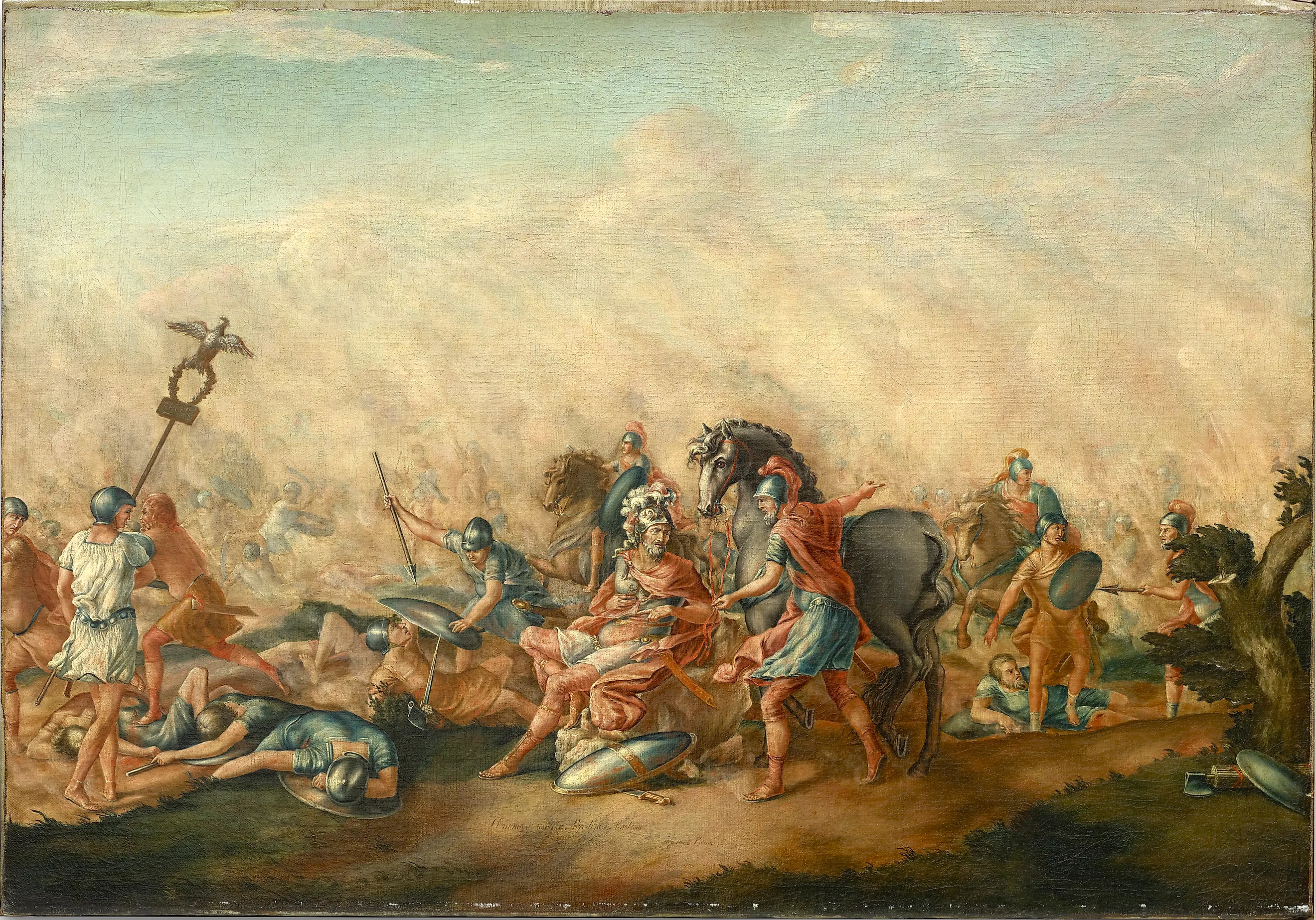
The two sides met near the Aufidus River. The Romans fielded about 86,000 men, including 80,000 infantry and 6,000 cavalry. On the other hand, the Carthaginian army contained about 50,000 men, including 40,000 infantry and 10,000 cavalry. Despite being outnumbered nearly two to one, Carthage prevailed thanks to superior tactics. Hannibal arranged his troops in a crescent shape and placed the weaker units in the middle. Knowing the Romans would attack there, the Carthaginians then tactically retreated and turned the crescent into a concave. Doing so surrounded the Romans, making it impossible for them to escape.

The battle quickly turned into a slaughter. Between 50,000 and 75,000 Romans were killed, contrasting with Carthage's 6,000 dead. It also nearly ended the war, since Rome's ranks were almost completely depleted. The Republic eventually recovered by avoiding similar catastrophic defeats in the future and wearing Hannibal down. Nevertheless, the Battle of Cannae serves as a reminder that superior numbers rarely guarantee military success.
Crassus Invades Parthia (53 BCE)

During the 50s BCE, three men dominated Roman politics: Julius Caesar, Pompey the Great, and Marcus Licinius Crassus. Known as the First Triumvirate, this alliance essentially functioned as a dictatorship and bypassed Republican institutions like the Senate. However, by 55 BCE, cracks were beginning to form. Caesar's ongoing campaign in Gaul had given him vast wealth and power, making Crassus jealous. Desperate for his own military accomplishments, he made plans to invade the Persia-based Parthian Empire. After arriving in Syria and looting the towns and temples, Crassus began his invasion in 53 BCE.

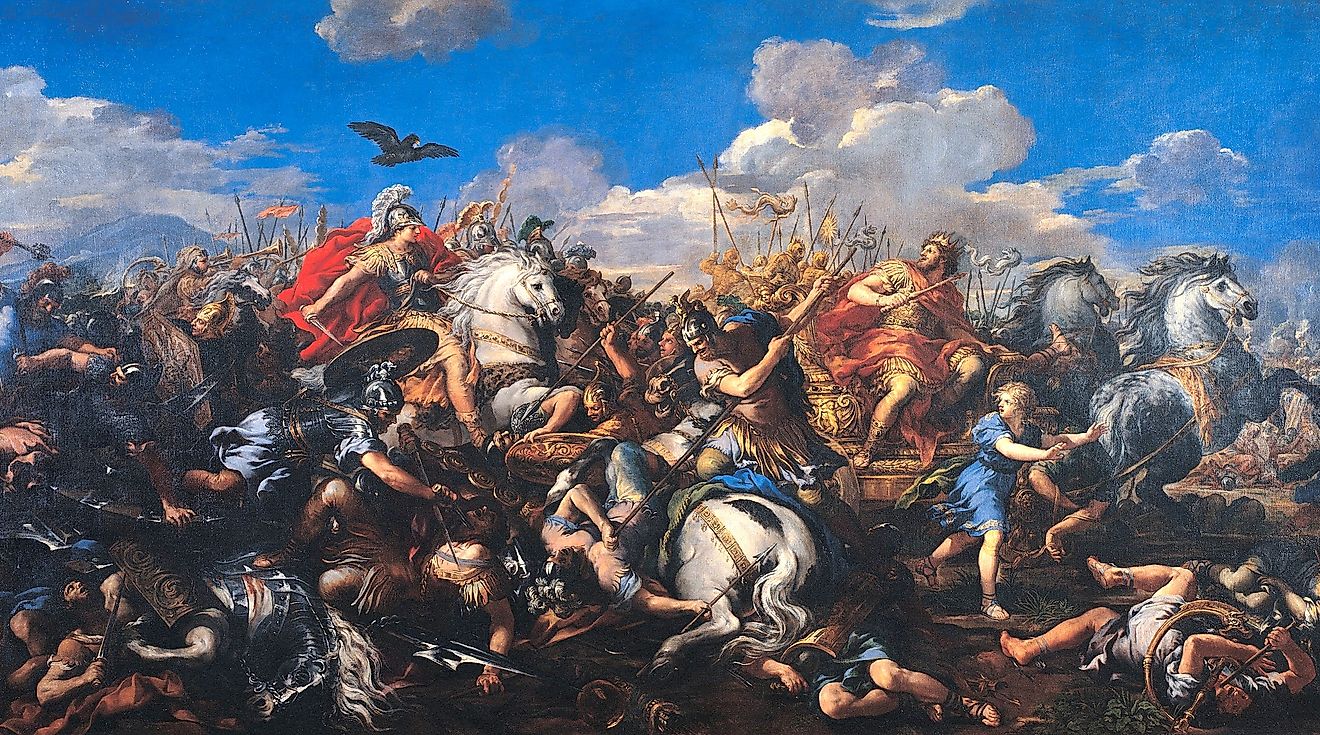
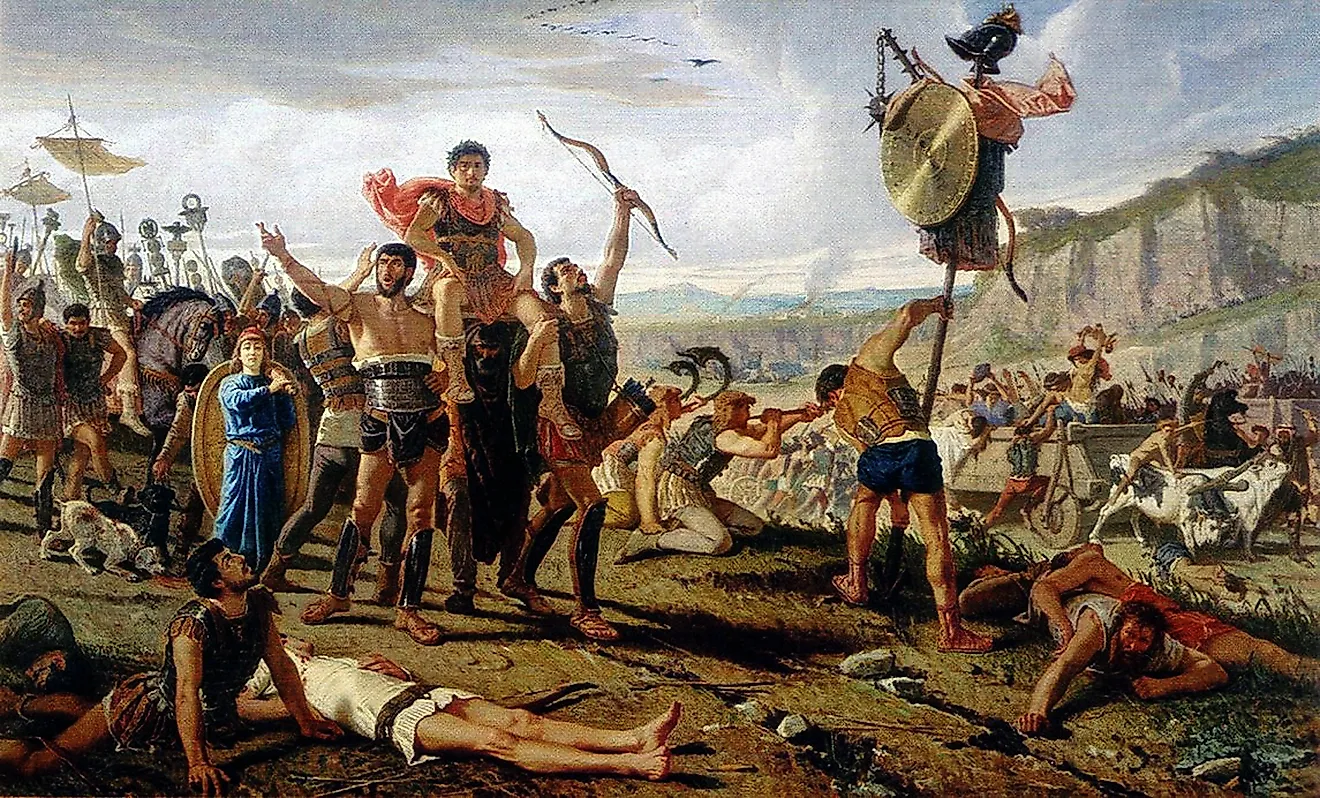
Disaster struck at the Battle of Carrhae. Parthian forces quickly surrounded and decimated the Romans. Crassus's son, Publius, was also killed when leading a charge to break through the Parthian ranks. In total, about 20,000 Romans died, and another 10,000 were captured. Crassus himself was killed during negotiations after the battle. With one member of the Triumvirate now dead, relations between Pompey and Caesar, which were never particularly strong, fell apart. This led to a civil war that resulted in both of their deaths and Rome transitioning from a Republic into an Empire.
The Battle Of The Teutoburg Forest (9 AD)

For decades, the Romans tried to establish a foothold in Germany. Caesar made some brief incursions during his Gallic campaign but didn't create any permanent Roman settlement. Regardless, his intel proved crucial for future leaders. Emperor Augustus continued these expansion efforts and pushed Roman control into the territory between the Rhine and the Elbe.

The Battle of the Teutoburg Forest changed all this. It occurred when Roman general Publius Quinctilius Varus led three legions into an ambush planned by Germanic leader Arminius. Believing that they were allies, Varus was lured into the heavily wooded and treacherous Teutoburg Forest. Arminius then launched a surprise attack. Over the next three to four days, 15,000 to 20,000 Roman soldiers were killed. The defeat was so traumatic that the Roman government permanently halted plans to expand into Germany.
The Battle Of Adrianople (378 AD)

By the late 300s AD, the Roman Empire was in trouble. Systemic economic problems, barbarian invasions, and a shrinking population meant that its power was waning. Some of its most consequential wounds were self-inflicted. Consider the treatment of the Visigoths (or Goths). A Germanic tribe, they sought refuge from the Huns, a Central Asian tribe that was expanding into traditionally Visigothic territory. The Romans permitted them to settle within their borders, only to exploit and abuse them. Local officials extorted the Goths. When they couldn't pay, they were forced to sell their children into slavery. A Roman attempt to murder the Gothic leaders Fritigern and Alavivus at a banquet failed, and Fritigern escaped to lead the revolt.

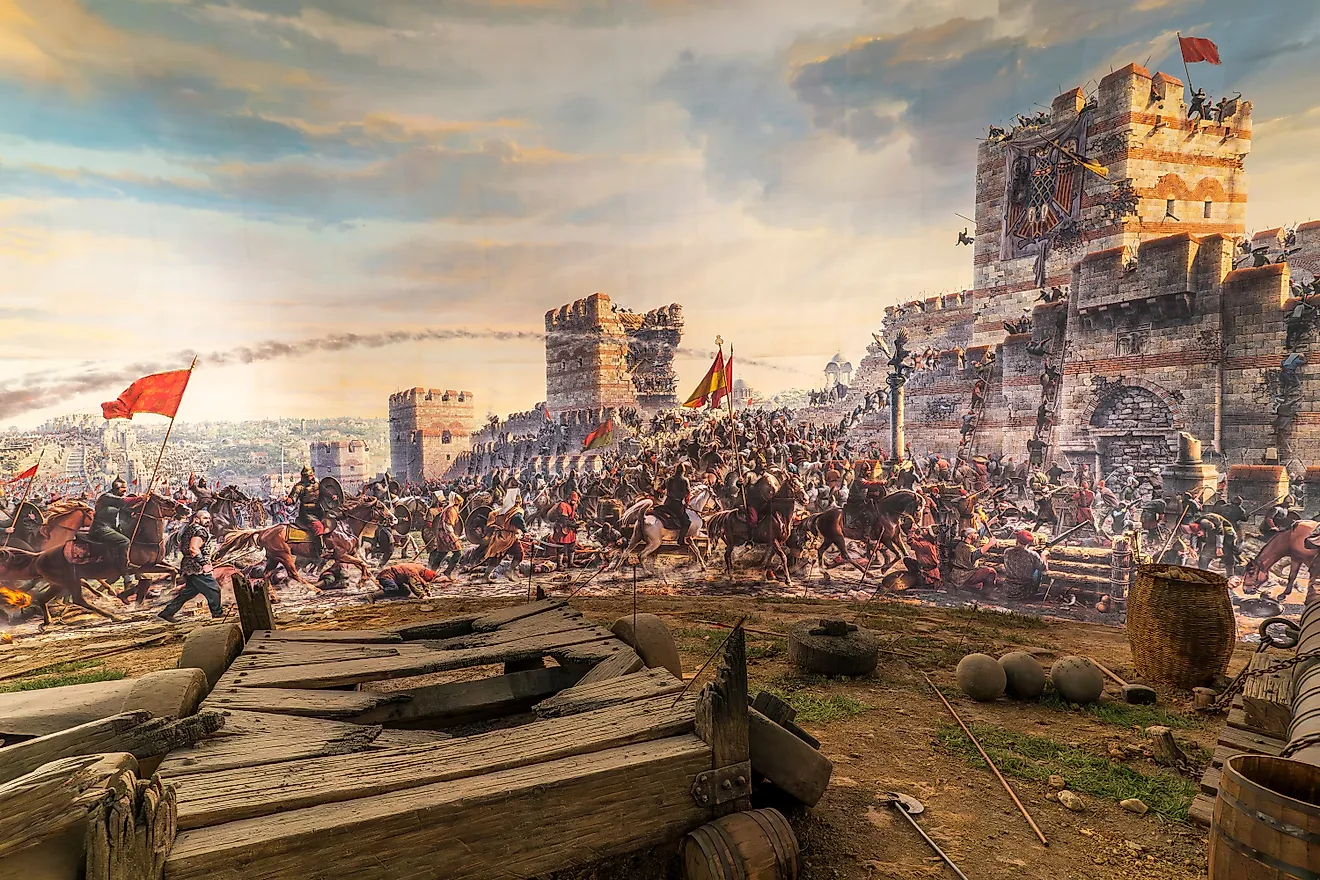
Fed up with this mistreatment, the Visigoths finally rebelled. The climactic engagement of this rebellion was the Battle of Adrianople in 378 AD, in which Emperor Valens directly participated. This decision proved disastrous when he attacked the Goths before reinforcements from the Western Roman Empire arrived. The battle ended with nearly two-thirds of the Roman army being destroyed, and Valens himself being killed. Almost immediately, the myth of Roman military invincibility was shattered. After all, if a "savage" and "unsophisticated" barbarian tribe could defeat the Roman army, then how strong could it really be?
Impact And Legacy
A handful of mistakes can alter the course of history. The Battle of Cannae nearly led to the collapse of the Roman Republic. Crassus's failed invasion of Parthia inadvertently set off a chain reaction that ended with the rise of the Empire. The Battle of the Teutoburg Forest established a semi-permanent dividing line between the Latin and Germanic worlds. Finally, the Battle of Adrianople marked the beginning of the end for much of the Roman Empire.