How Did The Richest Romans Make Their Fortunes?
Ancient Rome was one of the most powerful empires of its time and one of the wealthiest. But its wealth was unequal, with the richest percentage of Romans controlling a large chunk of the economy. At the height of Roman influence, the wealthiest 1% of the empire held 16% of the total economic output. This level of wealth, on an individual scale, was not seen again until the Industrial Revolution. And many of Rome’s richest Romans built their fortunes through brutal plunder and land holdings. They also farmed taxes to the point where every possible coin ended up in their control.
Roman wealth was also inextricably linked to social class. A Roman’s path to success was dictated by their rank. So, if they belonged to the Roman Senate or the Equestrian order, it was a given that they would be rich. This created an opportunity for some of the most powerful people in the world to get creative to grow their wealth and so avoid being accused of ‘dirty trade.’
The Predatory ‘Fireman’ Of Rome

The richest man in the history of the Republic of Rome was Marcus Licinius Crassus. Unfortunately, he was not only extremely wealthy but also excessively greedy. He was once worth 200 million sesterces, which, in comparison to an average salary of 900 sesterces a year, is simply incredible. The problem is that Crassus did not inherit or earn all of his piles of sesterces. While he engaged in ‘firefighting’ to earn sesterces, he was also involved in ruthless politics.
To see how he used others to gain his wealth, we need to look back at how easy Roman real estate made it for him. In late Republican and Imperial Rome, insulae were the order of the day. Insulae was a type of cheap residential building meant to house migrants flocking to the city after the Social War. These buildings were constructed of stone but had weak foundations, and only cheap building materials were used. This meant they collapsed frequently. It also did not help that wooden additions would be added as second stories. These additions often caught fire, a common sight before Nero implemented the necessary reforms.

Roman statesman Cicero was a landowner at the time, and he made a large profit off the ongoing need for accommodation. Cicero was also a contemporary of Crassus, who boasted ownership of low and high-quality insulae. Cicero wrote a letter to his friend Atticus, telling him that two of his own properties had collapsed. He also stated that several others were at risk of collapsing because their walls were cracking. Crucially, he mentioned entering into a partnership with an architect and banker, who would ensure that the crumbling insulae could be transformed into cheap housing.
Even though those who lived in their buildings risked their lives due to poor construction, Cicero and Crassus alike were only ever interested in profit. Those who were considered upper class sometimes received housing made from better quality insulae, but more often than not, this was not the case. Regardless of the risk and the class distinction, Cicero ensured that he collected his rent from tenants through enslaved people who were tasked with property management duties. He also expected primary tenants to manage properties.

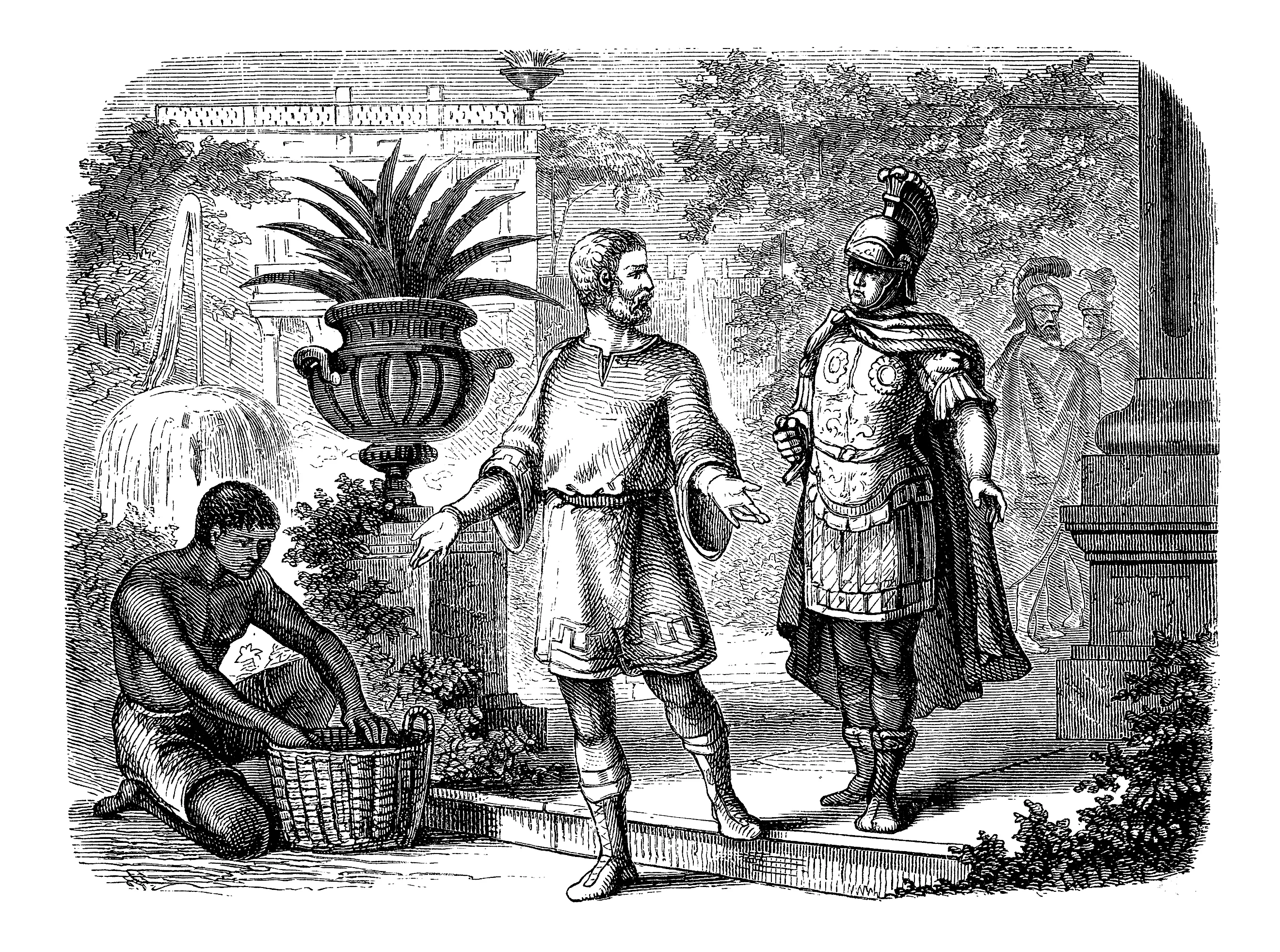
This created an unhealthy socio-political state that Crassus took full advantage of. Crassus bought high-quality property whenever his dead rivals’ property was sold by the Roman dictator Sulla. But, he also bought fire-damaged insulae at ridiculously low prices. He fixed up these properties by forcing slave teams consisting of architects and builders to do the labor. Over time, Crassus’s buying of and fixing damaged insulae ensured that the biggest part of Rome fell into his hands.
It is believed that Crassus also used slaves and primary tenants to manage his vast number of properties. But he also kept dominant control of this wealth by taking advantage of a lack of firefighting services in Rome and poorly enforced building regulations. This meant he would always have fire-damaged insulae to buy and fix and no regulators to answer to for renting out cheap, risky insulae. And, he became Rome’s richest man because of it.
Pompey The Great’s Business Of Conquest

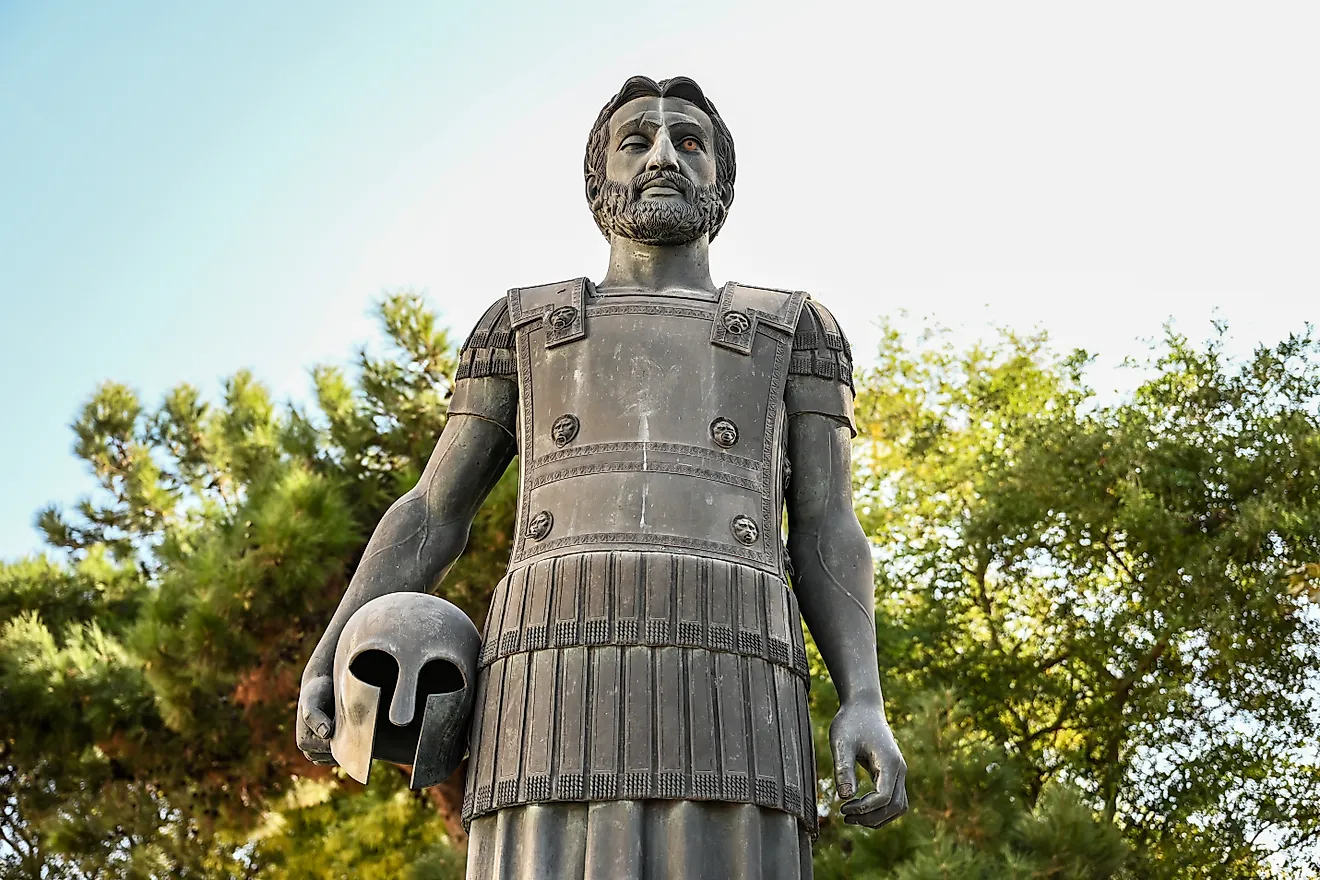
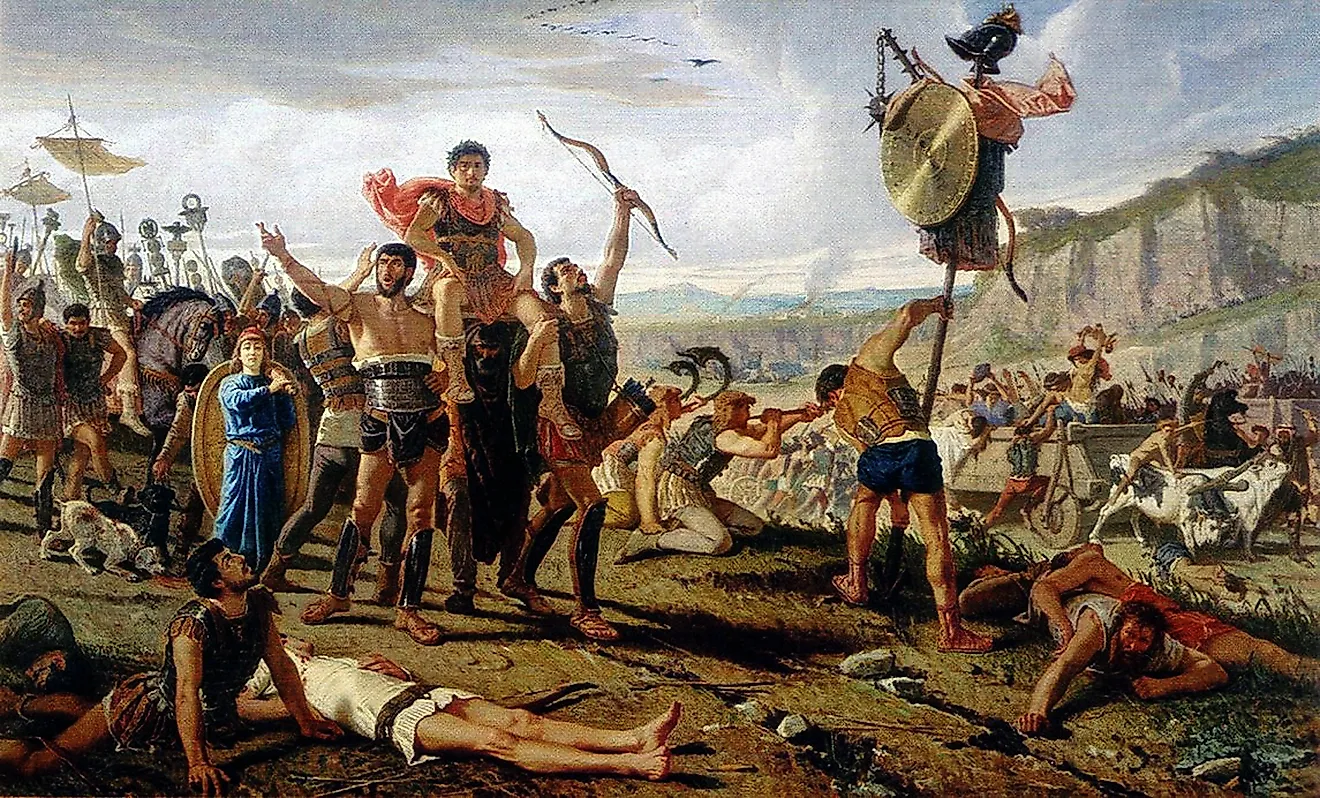
While Crassus was busy buying up burnt insulae, Gnaeus Pompeius Magnus, or Pompey the Great, was only interested in racking up his fortune through the business of war. Pompey entered politics at the tender age of 16 in 89 BC, delivering a speech to support his father’s candidacy for consulship. By the time he was twenty, Pompey took over his father’s army and estates. He was the best person for the job, really, since he had already proved his mettle in the Social War.

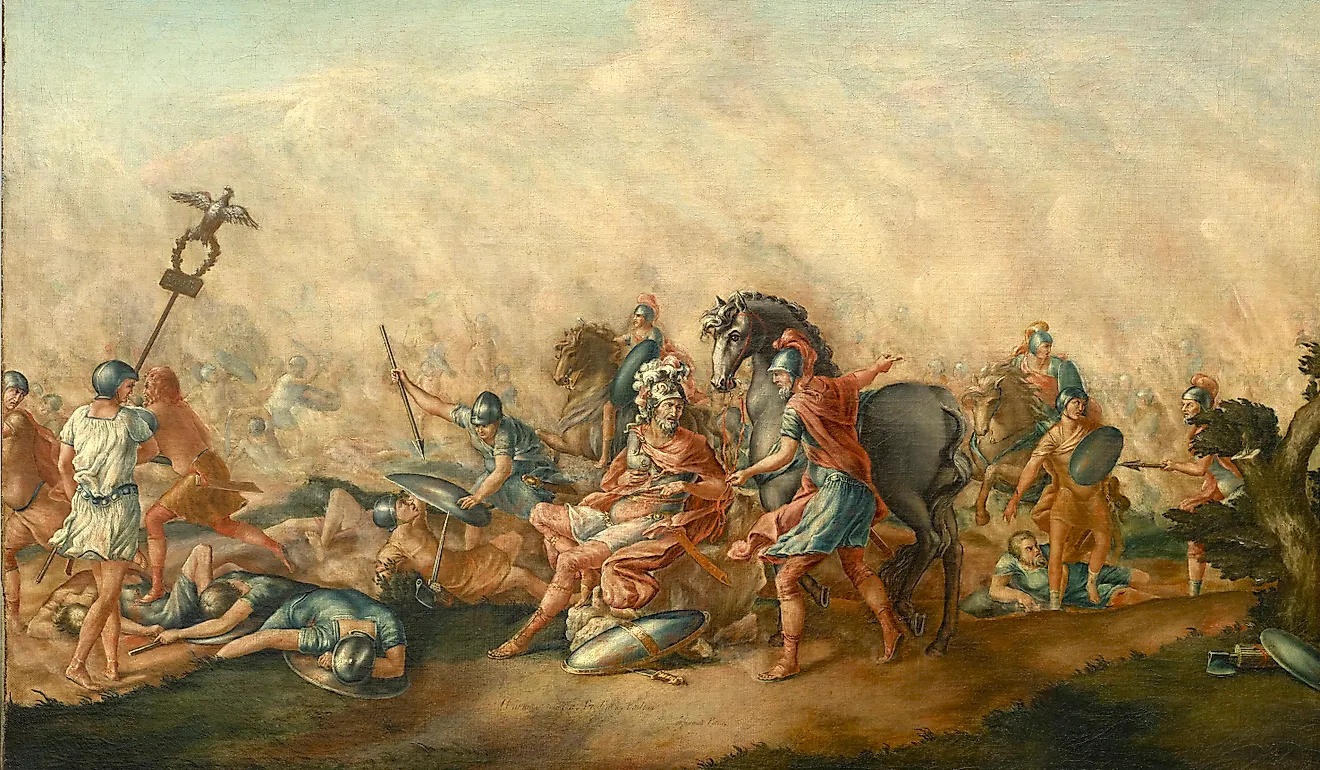
In 83 BC, Pompey decided to use money from his father’s estates to build three army legions. These legions helped Sulla capture Brundisium. It also allowed Pompey to prove that he was a major role player in Roman politics. Sulla trusted him, and he was given the task of rooting out enemies in Africa and Asia. Pompey had such influence that 7,000 Roman soldiers defected to his army from the Domitius army, and Domitius was eventually defeated and killed in 81 BC. Pompey was given the title magnus for that conquest, but was still initially denied a triumph through Rome’s streets. Sulla was eventually convinced, however, and Pompey had his first triumph.

Pompey grew the wealth he had inherited from his father through several conquests, especially those against Mediterranean pirates, the Seleucid Empire, and Mithridates VI of Pontus. He took artifacts and massive amounts of gold and silver. He also confiscated land from his enemies. He would redistribute this land to his own allies. He joined the First Triumvirate, cementing his overwhelming wealth and power. After that first triumph, the following ones would be over-the-top displays of wealth. But he eventually met his match in Julius Caesar and was assassinated in Egypt after fleeing.
The Owner Of Egypt

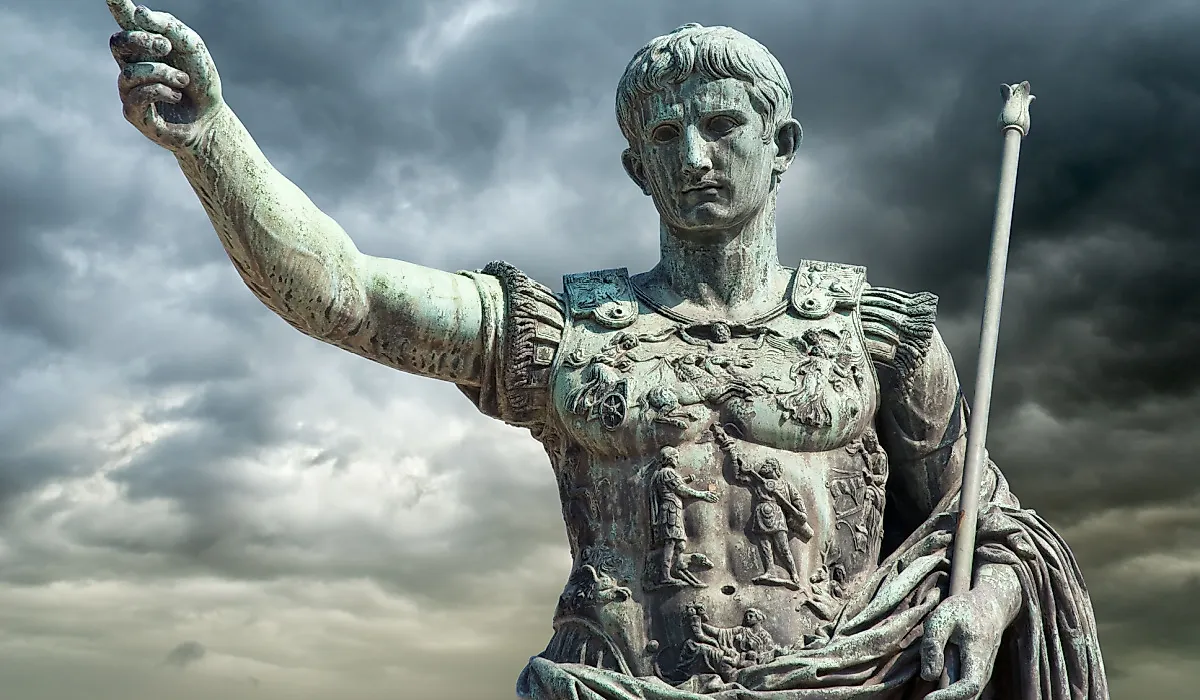
Julius Caesar was assassinated on the Ides of March, less than two months after he was named ‘dictator for life.’ His successor was Augustus Caesar, who stayed in control of the Roman Empire for more than forty years. Augustus was Julius’s great-nephew, whom he adopted since he only had one legitimate daughter who passed away after giving birth. He brought about 200 years of peace, called Pax Romana, after establishing the Roman Empire.

Augustus also achieved a level of financial power that may never be matched again in human history. He defeated Mark Antony and Cleopatra to claim the entire kingdom of Egypt as his personal property. At the time, Egypt was the breadbasket of the Mediterranean. There were incredible gold reserves here, and Augustus wanted it all for the Roman Empire. He appointed a personal appointee to manage Egypt, ensuring that all surpluses from the Nile (agriculture) and taxes were directed to him. Historians believe that this ensured Augustus accumulated wealth to the tune of nearly 25% of the entire empire’s GDP.

His extreme wealth meant he had absolute power over the Romans. If the poor thought of rioting, he paid for more grain to dissuade them. He ensured all soldiers were paid for their role in the army. He built thousands of miles of roads to move troops and goods and ensured water kept flowing through the aqueducts. Augustus also ordered that bridges and harbors be built. But, he did not only spend money on public welfare. He also blew huge sums on games, as noted in his autobiographical record, the Res Gestae Divi Augusti. Augustus was so powerful that the Roman Empire at one point nearly doubled in size and included vast stretches of other countries, including Egypt and North Africa.
The Devastating Price Of Inequality

The richest Romans used shady and not-so-shady methods to build their fortunes, but at the same time, they created deep fractures in Roman society. It was not just a case of the elite having more wealth than others, but an overhaul of the Roman identity. The backbone of Rome was once the independent farmers who doubled as state soldiers. But they were forced off their land by the ultra-rich like Crassus and Pompey, who bought up the countryside to create their latifundia.
This resulted in a disenfranchised class of urban plebeians who had no jobs, no property, and no prospects. They became volatile, unsurprisingly, but the rich Romans controlled them using their deep pockets. The wealth gap continued to widen, spurring the rise of the Gracchi brothers, who wanted to force land reform in 133 BC. Their goal was to redistribute territory to the poor. They were promptly assassinated by the senatorial elite, sparking a century of political violence.
A Final Legacy of Marble and Ruin
Roman wealth is a case study in the extremes of human ambition. From Crassus’s burning buildings to Augustus claiming ownership of Egypt, the Roman elite redefined what it meant to be wealthy. They used all the financial tools available to them, including industrial agriculture and tax syndicates, to build their fortunes. But, at the same time, they simply ignored the unchecked, increasing levels of inequality.
So, while the richest Romans left behind a legacy of marble beauty, it cannot be denied that some of them were exceptionally cruel and exploitative. The world can only use this history as a warning of what happens when a few individuals’ wealth surpasses that of the state they are in.