The 5 Defeats That Changed the Ottoman Empire Forever
For its first hundred years, the Ottoman Empire barely lost a fight worth remembering. Then a warlord from Central Asia captured its sultan in an afternoon. Six centuries of Ottoman power ran on momentum until a handful of battles knocked it sideways. Some of those losses barely dented the map. Others cracked the whole thing open. Every defeat here rewrote what came next and exposed exactly how the empire really worked.
The Battle Of Ankara (1402)

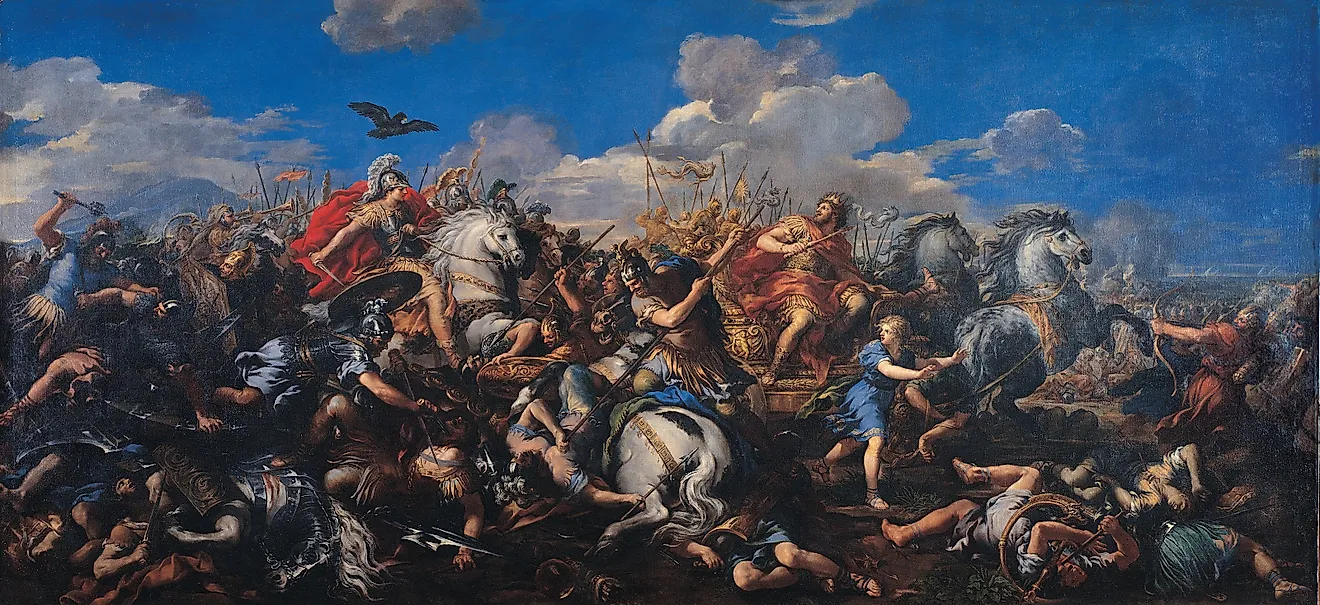
The Ottomans spent their first century on a winning streak. Founded in 1299, the empire kept picking off rivals who were too weak or too divided to stop it, and it muscled its way to the front of the pack in northwestern Anatolia and the Balkans. Then 1402 happened. At the Battle of Ankara, Sultan Bayezid I ran straight into Timur, the ferocious conqueror behind the Central Asian Timurid Empire. Timur crushed the Ottoman army and hauled Bayezid off as a prisoner, and just like that the empire had no one at the top. Bayezid's sons went to war with each other over the throne in a scramble that historians call the Ottoman Interregnum, dragging on from 1402 to 1413 before Mehmed I finally came out on top. The empire survived, but the whole episode blew a hole in the myth that a rising power could not be humbled overnight.
The Battle Of Lepanto (1571)

By the mid-1500s, the Ottomans were sitting pretty much at the summit of the known world. Toppling the Byzantines in 1453 had handed them undisputed control of western Asia and southeastern Europe, and from that base they pushed deeper into North Africa and Central Asia. Win followed win so reliably that Europe's rulers started to wonder if anyone could beat them at all.
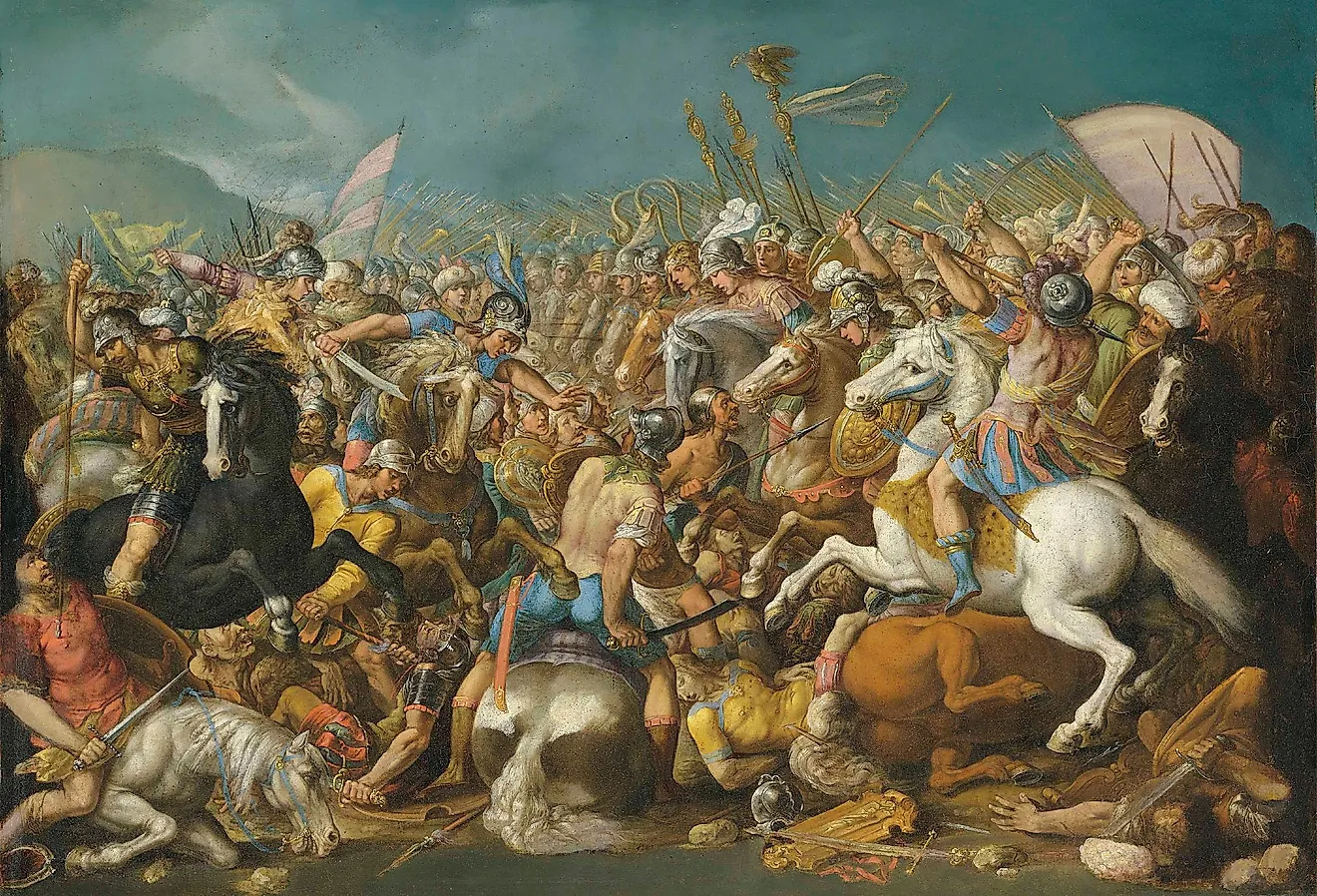
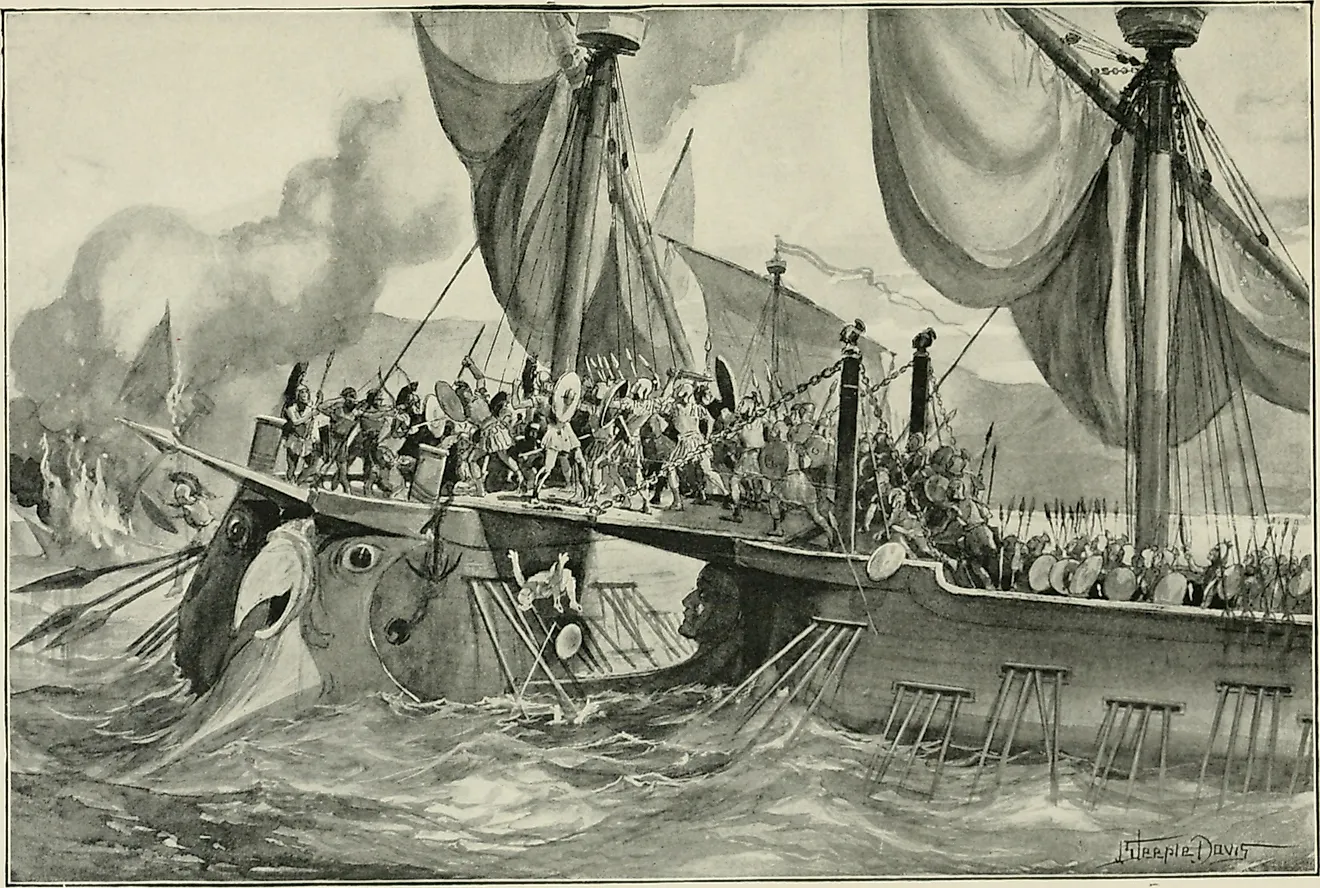
The reckoning arrived after the Ottomans grabbed Venetian-held Cyprus. A coalition of Catholic states called the Holy League struck back at the Ottoman fleet in 1571, and the two navies collided off the Greek city of Lepanto in one of the biggest sea battles the world had ever seen. The Ottomans got mauled, losing over 200 ships and tens of thousands of men. Here is the twist: it barely mattered on the map. Within a year the Ottomans had built a whole new navy, and they held onto Cyprus anyway. What Lepanto really sank was the legend that they could not be beaten.
The Battle Of Vienna (1683)

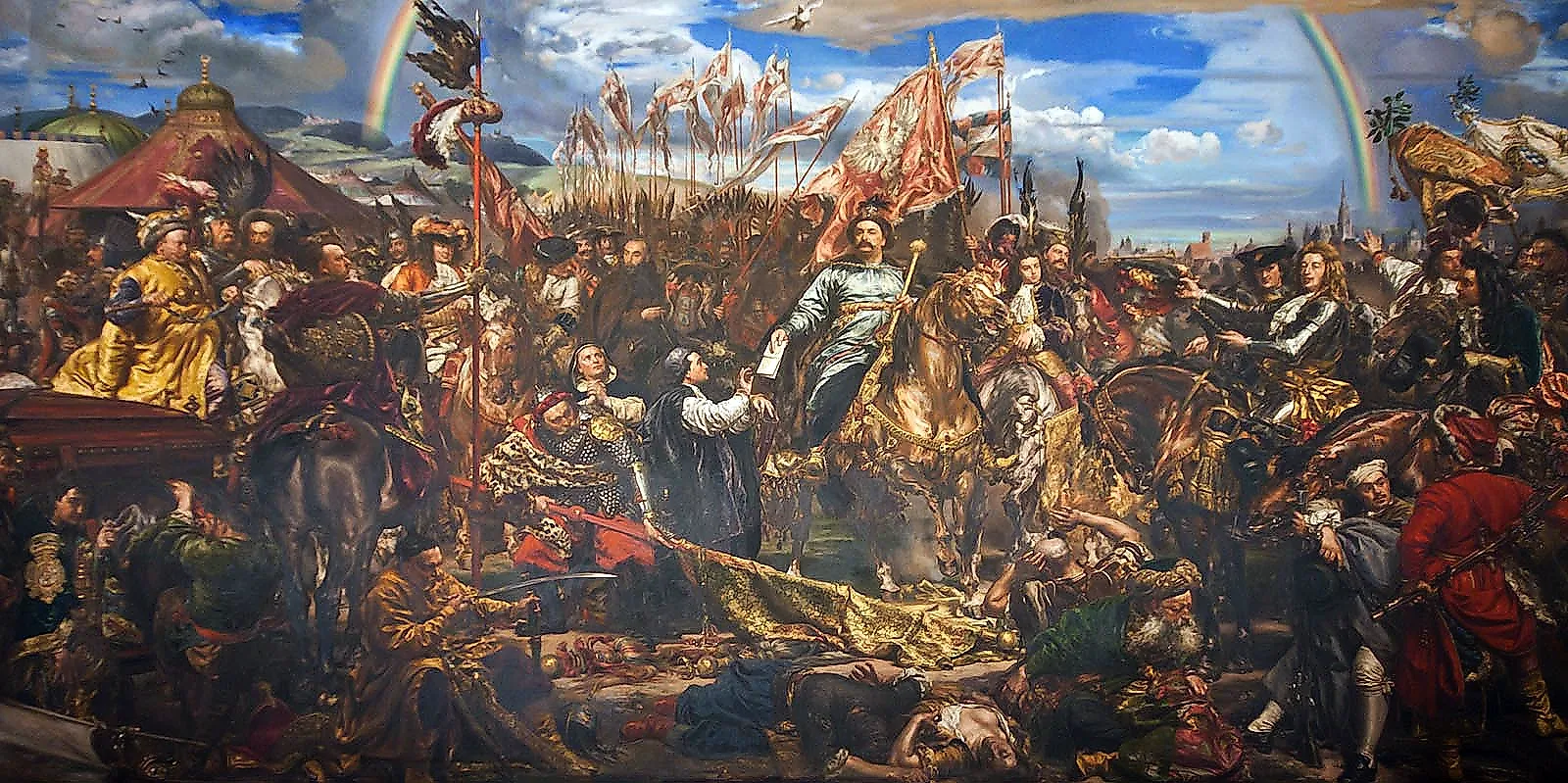
By the late 1600s, the shine was coming off. On paper the empire still looked mighty, but infighting, a military falling behind the times, and a shaky economy had plenty of people whispering that its best years were history. So the Ottomans went for a statement win: Vienna. They threw a siege around the city on July 14, 1683, and after two brutal months it looked like it was working. Food was running out inside the walls, and a Viennese surrender seemed like a matter of days.

Then September 12 turned everything upside down. A relief army of German, Austrian, and Polish troops came charging in, and Polish King John III Sobieski led one of the largest cavalry charges in history straight into the Ottoman lines. The Ottomans broke and ran. That defeat kicked off the Great Turkish War, which ended with the 1699 Treaty of Karlowitz, gutting the Ottoman foothold in Central and Eastern Europe and slamming the brakes on their expansion for good. Vienna was the domino that started the long slide out of Ottoman military dominance.
Greek War Of Independence (1821 to 1829)

If the late 1600s were rough, the early 1800s were downright grim. Every old problem was still festering, and now a surge of nationalism among the empire's many ethnic minorities was throwing sparks. One of those sparks caught fire on March 25, 1821, when Greek nationalists rose up in the Peloponnese and the Danubian principalities.

What followed was a grinding, back-and-forth war that stretched for nearly a decade, and the Ottomans stained it with a string of atrocities. The scales tipped when Europe's major powers threw their weight behind the Greeks, and the fighting finally stopped in 1829. A run of treaties over the next few years made Greece an independent country. For the Ottomans it was a gut punch, and worse, it lit the fuse on a century of copycat independence movements across the empire.
World War I (1914 to 1918)

On October 29, 1914, the Ottomans jumped into World War I alongside the Central Powers, Germany and Austria-Hungary. Europe had long sneered at the empire as the "Sick Man of Europe," but the Sick Man came out swinging. Surrounded on every side, it fought a four-front war for four straight years and even pulled off some real wins, most famously at Gallipoli in 1915, where Ottoman defenders threw back the Allies and kept them out of Istanbul.
In the end, though, the math was merciless. A disastrous defeat against the Russians in the Caucasus permanently crippled the army, while Allied pushes through Mesopotamia and the Sinai Peninsula piled on the pressure. An Arab revolt in the Hejaz made things worse still. Casting around for someone to blame, the Ottoman government turned on its Christian Armenian minority. The mass deportations that followed, now recognized as the defining act of the Armenian Genocide, killed roughly 1.5 million people.
With nothing left in the tank, the Ottomans signed the Armistice of Mudros on October 30, 1918. Allied powers moved in to occupy the empire, with Britain taking Transjordan and Iraq while France claimed Lebanon and Syria. The sultanate was formally abolished in 1922, closing the book on the Ottoman Empire, and Turkey rose as its main successor state the year after.
What The Defeats Reveal
Line these battles up and a pattern jumps out. The losses that felt catastrophic in the moment, like Lepanto, often changed shockingly little, while the ones that looked survivable, like Vienna, quietly set the terminal decline in motion. Ankara proved the empire could lose its head and keep breathing. Greece proved it could lose a piece and never stop bleeding. The real Ottoman weakness was never a single crushing battlefield defeat, but the slow accumulation of losses it could no longer afford to absorb.