Why The Ottoman Empire Still Matters Today
As one of the largest and longest-lasting empires in world history, the Ottoman Empire remains historically significant today. Its rise to power helped shape major historical eras, particularly in the Middle East, southeastern Europe, and the eastern Mediterranean. Furthermore, the empire’s collapse influenced many modern national borders in these regions. Finally, the Ottoman Empire’s impact on religious and national identities continues to be felt in contemporary politics and culture.
A New Historical Era

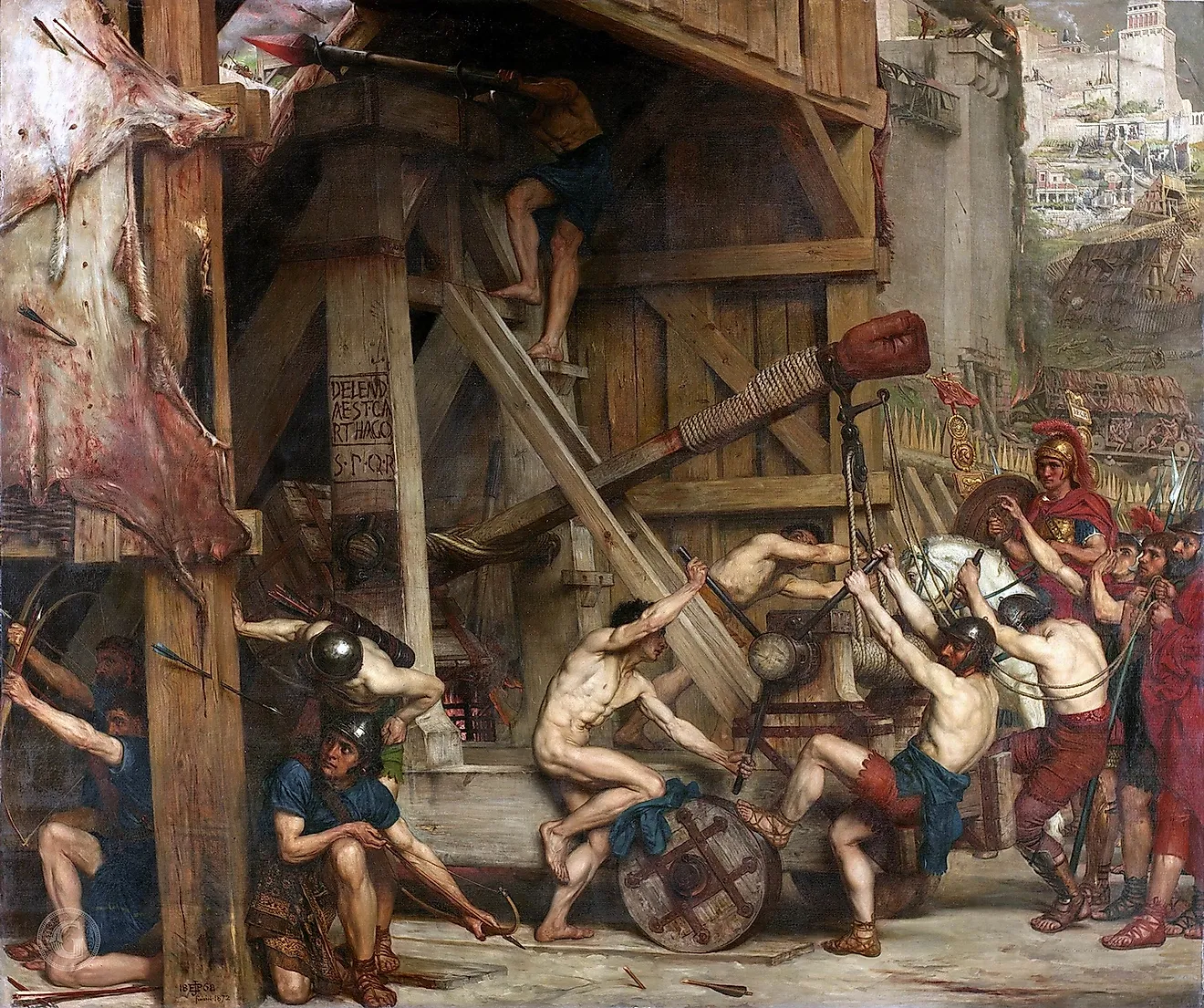
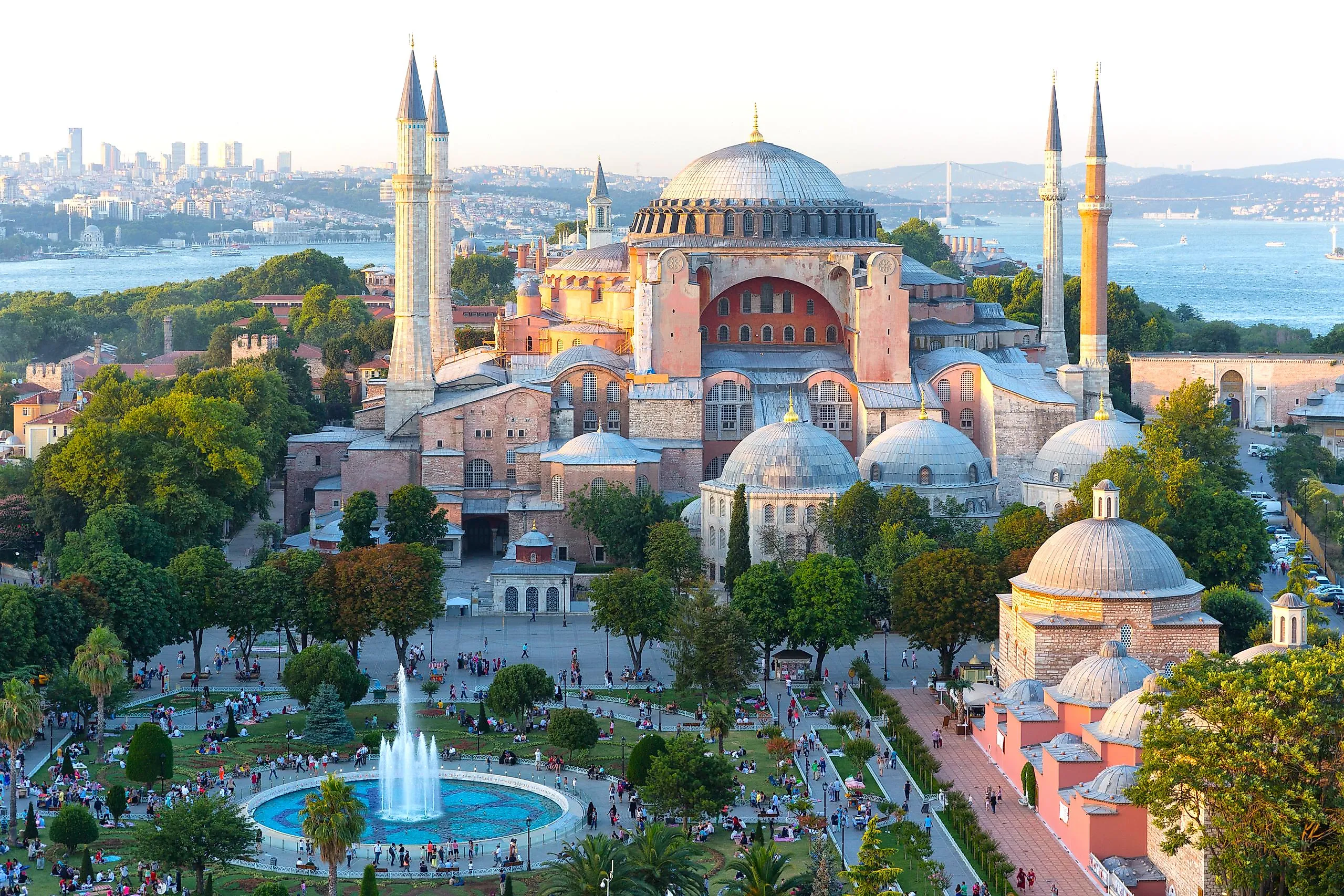
Many historians view the Ottoman conquest of Constantinople in 1453 as a major turning point between the medieval and early modern eras. The conquest marked the end of the Byzantine Empire, which was the continuation of the Eastern Roman Empire and had preserved many cultural and intellectual traditions of antiquity for nearly a thousand years after the fall of the Western Roman Empire in 476. After Constantinople fell, some Byzantine scholars and artists migrated to Italy and other parts of Western Europe, bringing with them Greek manuscripts and classical knowledge that contributed to Renaissance humanism.
In addition, Ottoman control of Constantinople gave the empire dominance over the Bosporus and Dardanelles straits, the waterways connecting the Black Sea to the Mediterranean Sea. This strategic position allowed the Ottomans to influence trade and military access between Europe and Asia for centuries. Competition between the Ottoman Empire and European powers subsequently became a defining feature of the early modern period, shaping trade, diplomacy, and military conflict throughout the Mediterranean and southeastern Europe.
Modern Borders

Many modern borders in the Middle East and Europe can be traced to the collapse of the Ottoman Empire after World War I. During the war, European powers competed for influence and control over Ottoman territory through a series of agreements and diplomatic promises. In the 1917 Balfour Declaration, the British government stated that it would support the establishment of a “national home for the Jewish people” in Palestine while also noting that the civil and religious rights of existing non-Jewish communities should not be harmed. Earlier, in the Hussein-McMahon Correspondence, British officials had discussed supporting Arab independence in exchange for an Arab revolt against the Ottomans, though the exact territorial promises remained disputed. Meanwhile, the secret Sykes-Picot Agreement of 1916 outlined British and French plans to divide much of the Ottoman Arab provinces into spheres of influence.

After the war, Britain received mandates over Iraq, Transjordan, and Palestine, while France gained mandates over Syria and Lebanon under the League of Nations system. Many of the borders established during this period still exist today. Historians often argue that these borders did not fully reflect the region’s ethnic, religious, and tribal diversity, contributing to political tensions and instability in some areas. Modern conflicts in the Middle East are complex and rooted in multiple causes, including the division of the Ottoman Empire after World War I.
Religious Tolerance

The Ottoman Empire was comparatively tolerant toward many religious minorities for much of its history. Although Islam was the empire’s official religion, many Christian and Jewish communities were allowed to practice their faiths, run their own schools, and manage their own religious laws. In return, non-Muslims were generally expected to pay a special tax known as the jizya. This arrangement, commonly known as the millet system, granted significant autonomy to religious communities while reinforcing distinctions based on religion rather than a unified Ottoman national identity.
The legacy of this system can still be seen in parts of the modern Middle East. Lebanon, for example, is religiously diverse, with major communities including Sunni Muslims, Shia Muslims, Maronite Christians, Druze, and Greek Orthodox Christians. To maintain political balance among these groups, Lebanon developed a confessional political system in which key government positions are distributed according to religious affiliation: the president is traditionally a Maronite Christian, the prime minister a Sunni Muslim, and the speaker of parliament a Shia Muslim. Although this system was shaped by Lebanon’s unique history and French colonial influence, as well as Ottoman precedents, historians often note similarities to the Ottoman millet system because both organized political life around religious communities. Critics argue that Lebanon’s confessional system can encourage sectarian divisions and weaken national unity, contributing to political instability and conflict, including the Lebanese Civil War from 1975 to 1990.
Nationalism

As noted in the previous section, while the millet system helped the Ottoman Empire govern its diverse population by granting religious communities a degree of autonomy, it did little to inspire outright loyalty or promote a strong shared Ottoman national identity. During the late 18th and 19th centuries, the spread of European nationalist ideas contributed to growing independence movements within the empire. The Balkans in particular became a major center of anti-Ottoman nationalism, as Greeks, Serbs, Romanians, and Bulgarians fought wars or revolts for greater autonomy and eventual independence.
Nationalism then spread amongst Muslims, as Turkish and Arab independence movements became defining features of the late Ottoman period. Combined with military defeats, economic difficulties, European intervention, and the empire’s loss in World War I, these nationalist movements contributed significantly to the dissolution of the Ottoman Empire in the early 1920s. The national identities that emerged during this period continue to shape many modern states, including Turkey, Bulgaria, Serbia, and several Arab countries that were once part of the empire.
The Continued Importance of the Ottoman Empire
The legacy of the Ottoman Empire is still relevant today. First, without it, the Renaissance as we know it likely never would have happened. Second, modern borders and the conflicts associated with them can be traced back to the partition of the Ottoman Empire after World War I. Third, the millet system continues to influence countries like Lebanon, albeit with mixed results. Finally, the late Ottoman Empire saw the rise of nationalism amongst its different religious and ethnic groups, which then contributed to the formation of many modern-day states.