Yemen's Long Struggle From Kingdoms to Civil War
For much of the past five centuries, no single ruler held all of Yemen at once. Zaydi imams governed the northern highlands from the mountains, while the port of Aden and the southern coast passed through the hands of outside powers. Ottoman administrators ran the northern cities into the early twentieth century, and Britain held the south from 1839 until 1967. When the two halves united in 1990, they carried a century of separate laws, institutions, and loyalties into a single state. The republic held together for barely four years before civil war, the rise of the Houthis, and the Arab Spring pulled it apart again, opening the way to one of the worst humanitarian catastrophes of the modern era.
Historical Divides: Kingdoms, Empires, and a Fractured Land

Yemen's current divisions become clearer against the backdrop of its history, during which foreign empires and local rulers competed for control. For long periods, the area was seldom ruled as one entity. In the northern mountains, authority rested with the Zaydi imams, spiritual and political leaders belonging to a branch of Shia Islam, while southern ports and coastal zones were often under foreign rule.
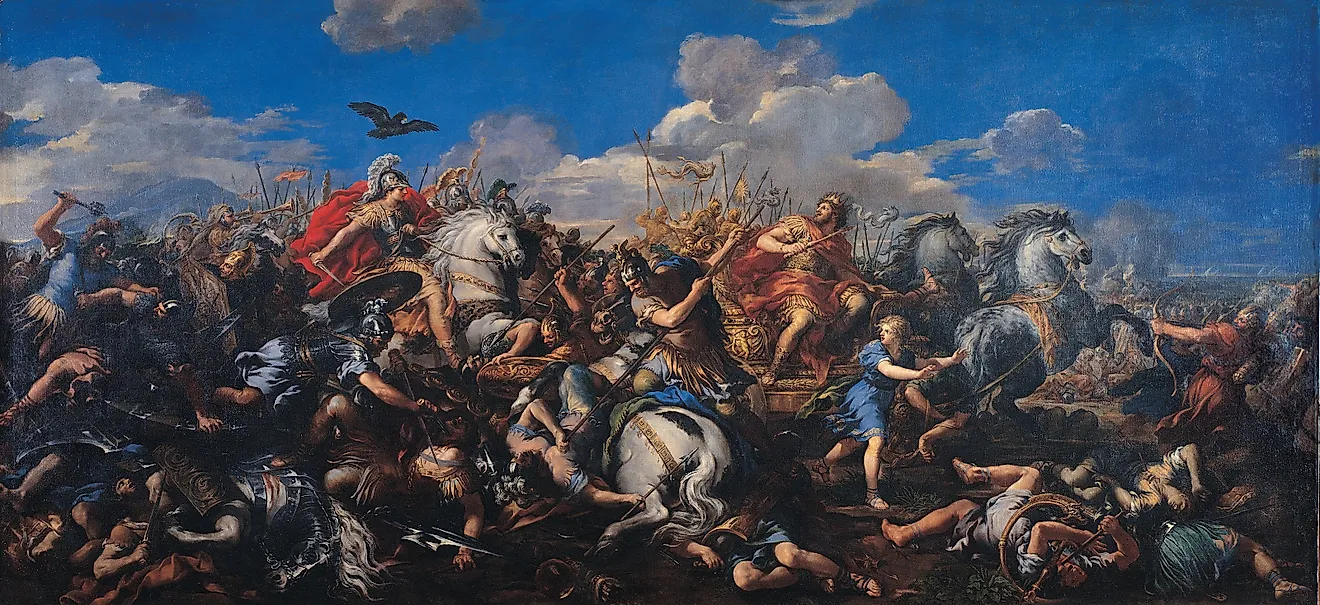
The Ottoman Empire entered Yemen in 1538, looking to control the Red Sea trade and also major pilgrimage paths that go to holy cities like Mecca and Medina. Ottoman soldiers occupied important towns on the coast and advanced inland toward cities like Sana'a and Taiz. They strengthened their defenses and established military posts, but their control wasn't stable. Zaydi imams organized revolts, and by the 1560s, they took back large parts of the highland region. Ottoman resistance mounted again from the late 1590s under the Qasimi imams, and after years of fighting the empire was pushed out entirely by the 1630s.
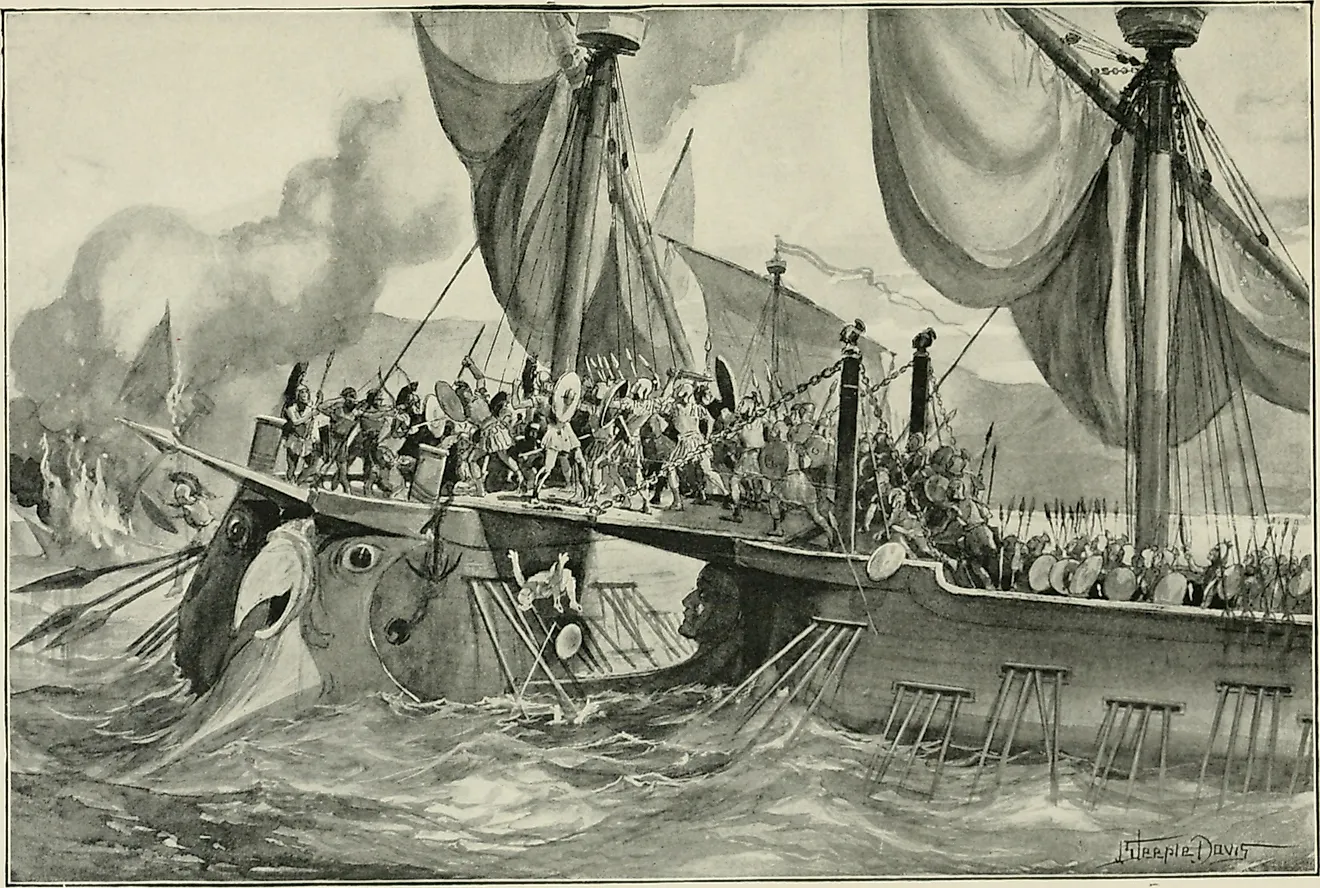
With the Ottomans gone, the Qasimi imams established a Zaydi dynasty that controlled much of Yemen, including important coastal areas. Their state prospered partly through trade at the port of Mocha, which became internationally famous for coffee. Qasimi authority later weakened, allowing local rulers to gain greater independence before the Ottomans returned to northern Yemen in the 19th century. In 1839, British forces seized Aden, a naturally protected harbor located on Yemen's southern coast, wanting to create a coaling station for steamships travelling between India and the Mediterranean. Its strategic importance increased substantially following the opening of the Suez Canal in 1869. Britain boosted its defences and, bit by bit, pushed inland.
In "The Legal Status of Aden Colony and the Aden Protectorate," Robert R. Robbins claims that the British administration in the Aden Protectorate was based less on direct governance and more on treaties with indigenous rulers, which permitted Britain to manage external matters but allowed internal power to remain with local authorities. The British not only occupied the port; they also established treaties with southern rulers and other community leaders. These deals slowly increased their reach into inland regions, resulting in the creation of what was later called the Aden Protectorate.
Ottoman and British Rule

The Ottomans returned to the north of Yemen in the mid-19th century. They restored their authority in Sana'a but still faced resistance from Zaydi leaders. By the start of the 20th century, the North and South were formally divided into separate spheres. The Ottomans controlled the main cities in the northern mountains, while the British governed the ports and protectorates in the south. This way of administration made the divisions between these two Yemens become more fixed and influenced political loyalty and identity for years.
The distribution of authority changed with World War I. After the Ottoman Empire was defeated in World War I and withdrew from Yemen in 1918, Yahya Muhammad Hamid ed-Din strengthened his authority and founded the Mutawakkilite Kingdom of Yemen. This kingdom was not a contemporary state; it was a traditional Zaydi monarchy which maintained the country's isolation, with scarce infrastructure and almost no involvement in world affairs, which contributed to the North's isolationist policies for years.
After 1918, Imam Yaḥyā only partially centralized authority, leaving a fragile, weakly institutionalized state rather than a modern state. At the same time, internal instability was already building. The following decades were marked by political unrest. In 1948, for example, a group of reformists tried to replace Imam Yahya's rule with a constitutional government. They briefly seized authority in Sana'a and declared a new government, but loyalist tribes quickly crushed the reformists soon after.
In the course of the revolt, Imam Yahya was killed by plotters, which represented a major rupture in the old system of authority in Yemen. Ahmad bin Yahya, his son, succeeded in regaining authority and restored the royal rule, but these changes did not settle the unrest; rather, they exposed major divisions internally, and in the 1950s, more opposition continued to weaken the regime.
Two Yemens: Civil Wars, Unification, and Tensions (1960s-1990s)

During the second half of the 20th century, the North and South developed along distinct trajectories. North Yemen's monarchy was toppled in the 1962 revolution, which ended up kicking off a full-scale civil war between republican and royalist camps. Egypt threw its weight behind the republicans, but Saudi Arabia and a handful of conservative Arab countries sided with the royalists. When the dust settled, the Yemen Arab Republic came into being. The conflict turned into a brutal proxy war, with fighting lasting until 1970, when a compromise brought parts of the royalist side into the republican system. North Yemen remained unstable, but it survived as a republic.
In their article, titled "The International History of the Yemen Civil War, 1962-1968," Asher Aviad Orkaby says the 1962 revolution did not represent a sharp rupture. Instead, it was a product of years of resistance, which started in the 1940s. Previous unsuccessful uprisings had already helped weaken the imamate, and by 1962, the state had become exposed to a slow breakdown.
At the same time, the conflict expanded beyond a domestic struggle and evolved into a proxy war, a pattern that continues to shape Yemen's conflicts in modern times. Egyptian and Saudi involvement transformed the civil war into an international conflict, where regional and global powers pursued their own interests, turning North Yemen into a battleground.
Meanwhile, the South followed a different course. The British withdrew from Aden in 1967 after years of nationalist resistance, and the National Liberation Front established the People's Republic of Southern Yemen. After the movement's Marxist wing consolidated power, the country was renamed the People's Democratic Republic of Yemen in 1970. It became the Arab world's only avowedly Marxist state and developed close ties with the Soviet Union.
While North and South Yemen had followed different political paths, by the late 1980s, unification talks had moved to the forefront. The South's economic troubles and the decline of Soviet support made unification increasingly attractive, while the North also saw political advantages. On May 22, 1990, the two countries united to form the Republic of Yemen. Ali Abdullah Saleh, who had led North Yemen since 1978, became president of the new state.
Ali Salim al-Beidh, secretary-general of the Yemeni Socialist Party and South Yemen's most powerful political leader, became vice president of the unified republic. Initially, this unification appeared to be a major achievement for Yemen's population. A new constitution was introduced, and national elections were organized. But the initial optimism didn't last long. Political power became concentrated among northern elites, leaving many southern leaders feeling marginalized.
In 1994, these tensions escalated. The South declared independence as the Democratic Republic of Yemen. A brief but destructive civil war followed. The northern army crushed the southern bid for secession, and southern leaders went into exile. The unified state was restored by force. The unification of the 1990s left behind a fragile country. North and South were formally one, but mistrust and resentment continued to shape Yemen's politics.
The Rise of the Houthis and Political Collapse (2000s-2014)

The Houthis have their roots in Saada, located in the northernmost part of Yemen. Residents in the region grew frustrated, believing the authorities in the capital had ignored them. In the 1990s, the Believing Youth movement was founded, led by Hussein al-Houthi, and encouraged Zaydi identity while raising awareness about Saudi influence inside Yemen. Several politically and economically marginalized groups embraced the movement's ideas.
Viewing Hussein as a threat, the government launched a military operation in 2004. Hussein was killed, and government officials declared the movement over. In reality, it was not, as his followers continued the fight. What followed were the Six Saada Wars, six rounds of fighting between 2004 and 2010. The army launched repeated offensives, each time claiming victory. Despite that, each time the Houthis returned. But the repeated government offensives and the fighting devastated Saada. Markets closed, homes were destroyed, and whole neighborhoods were emptied. These initial conflicts were not successful in destroying the Houthis but actually made them stronger.
Military actions failed to kill the movement and only increased frustrations, which helped the Houthis grow support and come out of the clashes with more structure, more experience, and more political influence than ever before. Then came 2011. Crowds filled Change Square in Sana'a, and they filled streets in Taiz and Aden too. The Arab Spring had come. Yemen felt the event in its own way. The anger cut deep. Ali Abdullah Saleh had been in power since 1978, and people had had enough. They wanted a fresh beginning.
Saleh resisted demands that he leave office and was badly injured in a June 2011 attack on the presidential compound. After returning from medical treatment abroad, he eventually signed a Gulf Cooperation Council agreement in November 2011 transferring authority to Vice President Abd Rabbuh Mansur Hadi. Hadi was expected to guide the country throughout a transitional phase, but the situation remained unstable. The economy continued to fail, and the armed forces remained split, so southern separatist movements saw new chances for pushing their agenda.
In his article "Is There a Path Out of the Yemen Conflict?", Gerald Feierstein claims that the 2011 transition did not collapse due to insufficient planning. Instead, it resulted from authority being split between competing elites, so the new government was unable to take strong actions or restore its legitimacy, which helps clarify why disappointment increased so fast even though reform was promised.
The Houthis remained active during this period. They made new deals, even with Ali Abdullah Saleh, the man who once fought them. In 2014, their fighters moved into Sana'a with little resistance. Government forces were divided and unwilling to confront them. The capital fell quickly, and what had begun as a fragile political compromise gave way to a broader conflict that pulled Yemen into a new and more dangerous war.
The Saudi-Iran Proxy War and a Fractured Yemen (2015-Present)

When the Houthis seized Sana'a in 2014, Yemen entered a severe stage of breakdown. President Hadi escaped to Aden in the south and later went into exile. Various factions began to compete for dominance over the nation. In March 2015, Saudi Arabia launched a military intervention together with other Arab nations. The Saudis were concerned about the Houthis' alleged ties to Iran on its southern border. It argued that Tehran was using the movement to expand its influence across the region. Saudi-led coalitions launched airstrikes and imposed a blockade, hoping to weaken the Houthis and restore Hadi's government.
Iran denied direct control over the Houthis but provided them with political backing and technology for missiles and drones. The United Arab Emirates joined the coalition, but at the same time began pursuing its own parallel strategic interests, especially in southern ports. They made deals with local militias, including the Southern Transitional Council, backing separatists.
In his article "Yemeni Civil War: Causes, Consequences and Prospects," Niaz Ahmed argues that the war intensified not simply because of Saudi or Iranian ambition, but because Yemen's military had already fractured into rival camps loyal to different elites, allowing the Houthis to advance into Sana'a and collapse the state, which in turn opened the door for regional powers to step in and shape the conflict.
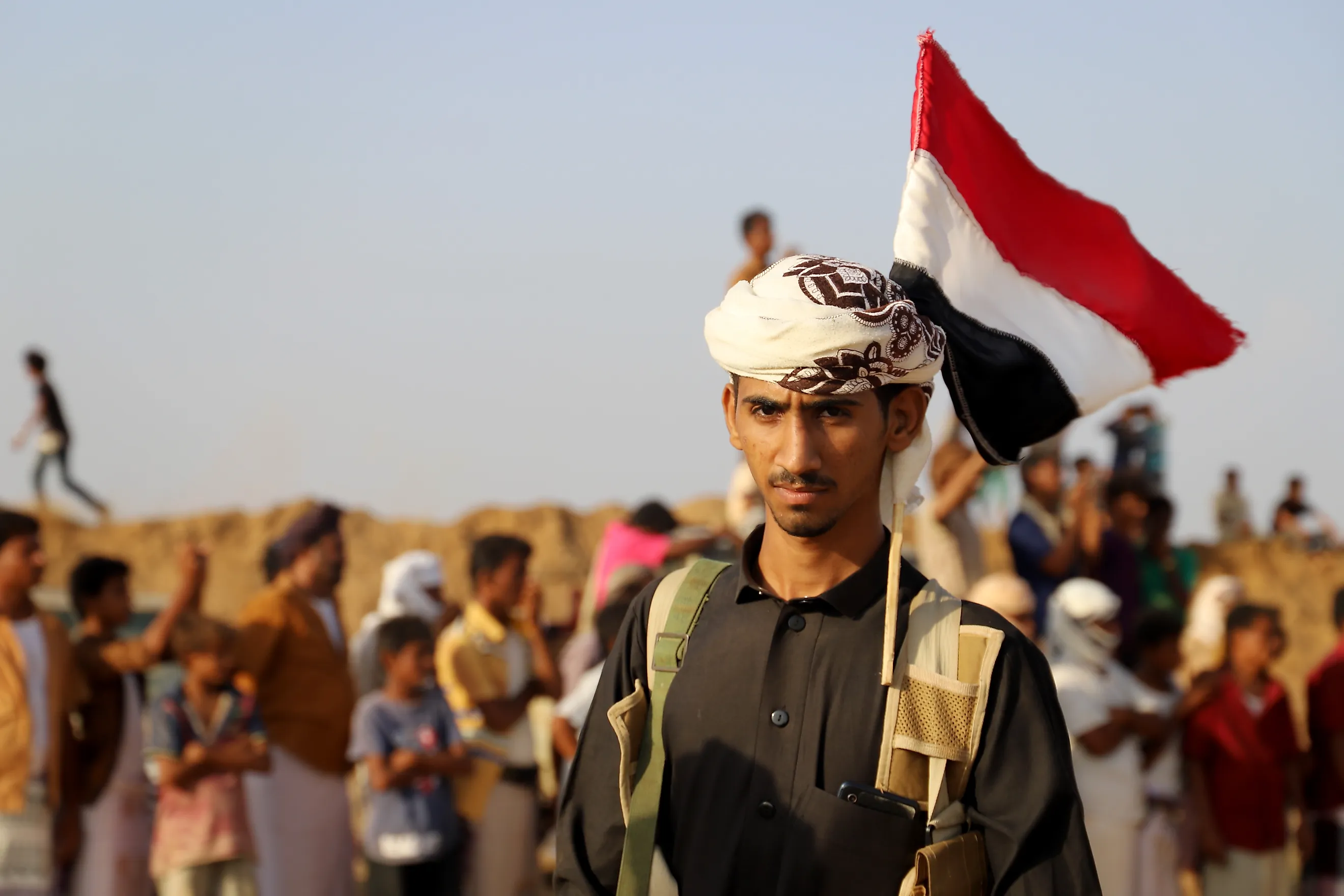
Within Yemen, conflict has caused the authority to become even more divided. The Houthis strengthened their control of the north, ruling from Sana'a and continuing military operations against nearby provinces. In the south, the UAE-backed Southern Transitional Council emerged as an influential separatist force and frequently competed with other factions aligned with the internationally recognized government. In April 2022, Hadi transferred his powers to an eight-member Presidential Leadership Council, which brought the Southern Transitional Council and several other anti-Houthi factions into an uneasy governing coalition. That coalition itself proved fragile. After the Southern Transitional Council pressed its separatist agenda in late 2025, a Council counter-offensive in January 2026 reversed those gains and the separatists were pushed out of the leadership body. Other actors, including tribal groups and Islamist militias, carved out spheres of influence in areas left outside both government and Houthi control.
The war's impact was shaped less by shifting front lines and more by strategies like air campaigns and blockades, which targeted infrastructure and supply routes, meaning civilians became central to the conflict rather than incidental victims. So, in essence, the conflict did not proceed along obvious front lines. Rather, shifting alliances and rivalries left Yemen divided into separate areas of control. The Houthis developed an ability to fire missiles over the border into Saudi Arabia and also to strike vessels in the Red Sea, while Saudi aerial forces destroyed infrastructure and urban areas within Yemen. Nearly a decade of war turned political disagreements into armed confrontation. The country was now divided among competing authorities, none of which had the strength to reunify the nation.
A United Nations-brokered truce that began in April 2022 significantly reduced cross-border attacks and large-scale fighting. Although the formal truce expired that October, the main front lines remained comparatively quiet, and Saudi-Houthi talks raised hopes for a broader settlement. Those efforts were disrupted after the Houthis began attacking commercial and military vessels in the Red Sea in late 2023, saying they were acting in support of Palestinians during the Gaza war. The United States, the United Kingdom, Israel, and other forces subsequently carried out strikes against Houthi-controlled areas, drawing Yemen more deeply into the wider regional conflict. By 2026, the civil war remained unresolved despite the relative calm on many internal front lines.
The Humanitarian Catastrophe and the Struggle for Peace
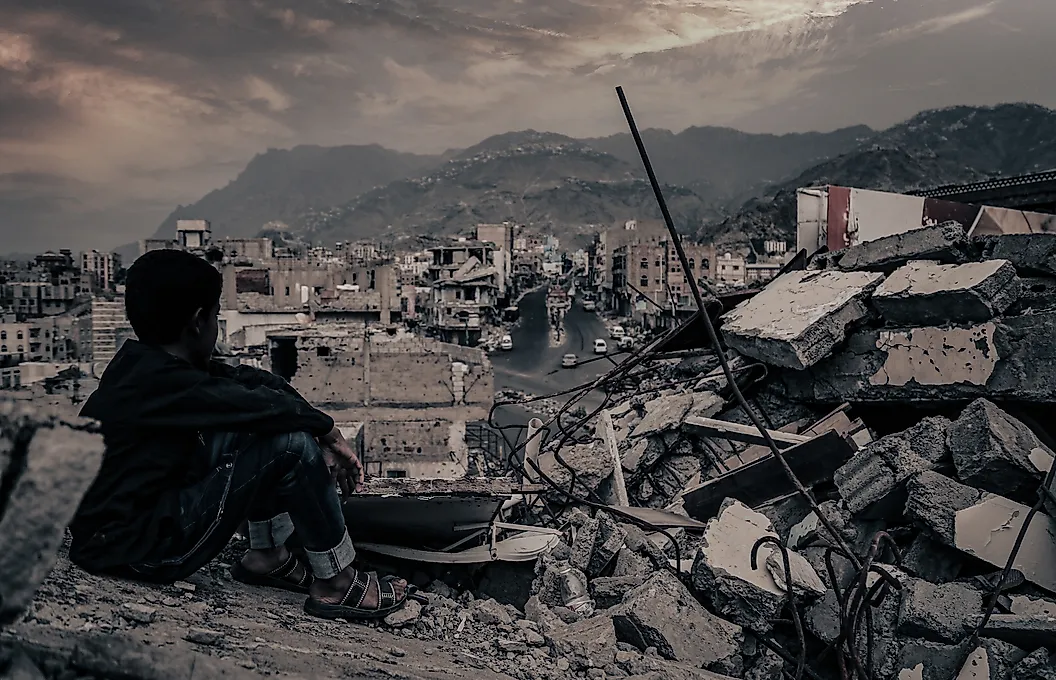
By 2025, the ongoing war was considered among the largest humanitarian catastrophes in recent history, as more than 19.5 million people required humanitarian assistance. Between May and August 2025, an estimated 17.1 million people faced crisis-level or worse acute food insecurity. Acute malnutrition also worsened sharply in government-controlled areas. A 2024 UN assessment found that the number of children under five suffering acute malnutrition in surveyed areas had risen substantially from the previous year, with particularly severe conditions reported along the western coast.
UNICEF reported that thousands of children had been killed, wounded, or involved in the conflict, and many others experienced exploitation as well as abuse. This shows that the crisis was not only about hunger, but also about violence and the lasting psychological harm inflicted on an entire generation. The health care system collapsed because of the pressure. Approximately 40 percent of the public hospitals and clinics were no longer functioning, and those that remained lacked sufficient supplies or electricity.
Disease tends to move fast with conditions like this. In 2024, Yemen reported almost 250,000 suspected cholera cases and at least 860 deaths, making up around a third of total cases worldwide. Some diseases, like measles and diphtheria, also spread because vaccination campaigns couldn't reach everyone who needed them. Food costs rose sharply, nearly 60 percent higher than in the years before the war. Many families were forced to sell their possessions to sustain themselves.
From 2024 through 2026, UN Special Envoy Hans Grundberg continued attempting to establish a nationwide ceasefire and an inclusive political process. Saudi Arabia and Oman also maintained diplomatic contacts with the Houthis, while the Presidential Leadership Council sought a settlement that would preserve the internationally recognized government. Progress remained limited, however. Disputes over salaries, oil revenue, political representation, and the future structure of the state persisted, while attacks in the Red Sea and retaliatory foreign strikes connected Yemen's conflict to the wider regional crisis. By 2026, large-scale internal fighting remained below its earlier peak, but no comprehensive peace agreement had been reached.
The Takeaway
Yemen's story traces back to ancient kingdoms and continues through conflict and decades of war and political struggle. Ottoman rule in the north and British rule in and around Aden helped institutionalize separate northern and southern political systems, and unification in 1990 did not resolve the resulting struggles over power, resources, and representation. Following 2011, government control collapsed, and regional authorities have made numerous attempts to find a solution.
The result was millions facing a lack of food and economic hardship; a conflict with no apparent end. While negotiations for peace proceeded, they rarely made progress. The country remains divided, and there's really no telling what lies ahead. After years of war, Yemen is still dealing with major political and social challenges. Turning things around will take time and a great deal of work. Whether the country can stabilize will depend on decisions that are still to come.