The Biggest Myths About Roman Military Strategy
Perhaps more than anything else, the military was key to Rome's dominance of the ancient world. Its legendary units, the legions, paired with superior strategy, made it a force to be reckoned with. At the same time, there are many misconceptions about Roman military strategy. From the belief that legions were invincible to the notion that Rome was always on the offensive, correcting these myths is crucial to paint an accurate picture of Roman military history.
Roman Legions Were Invincible

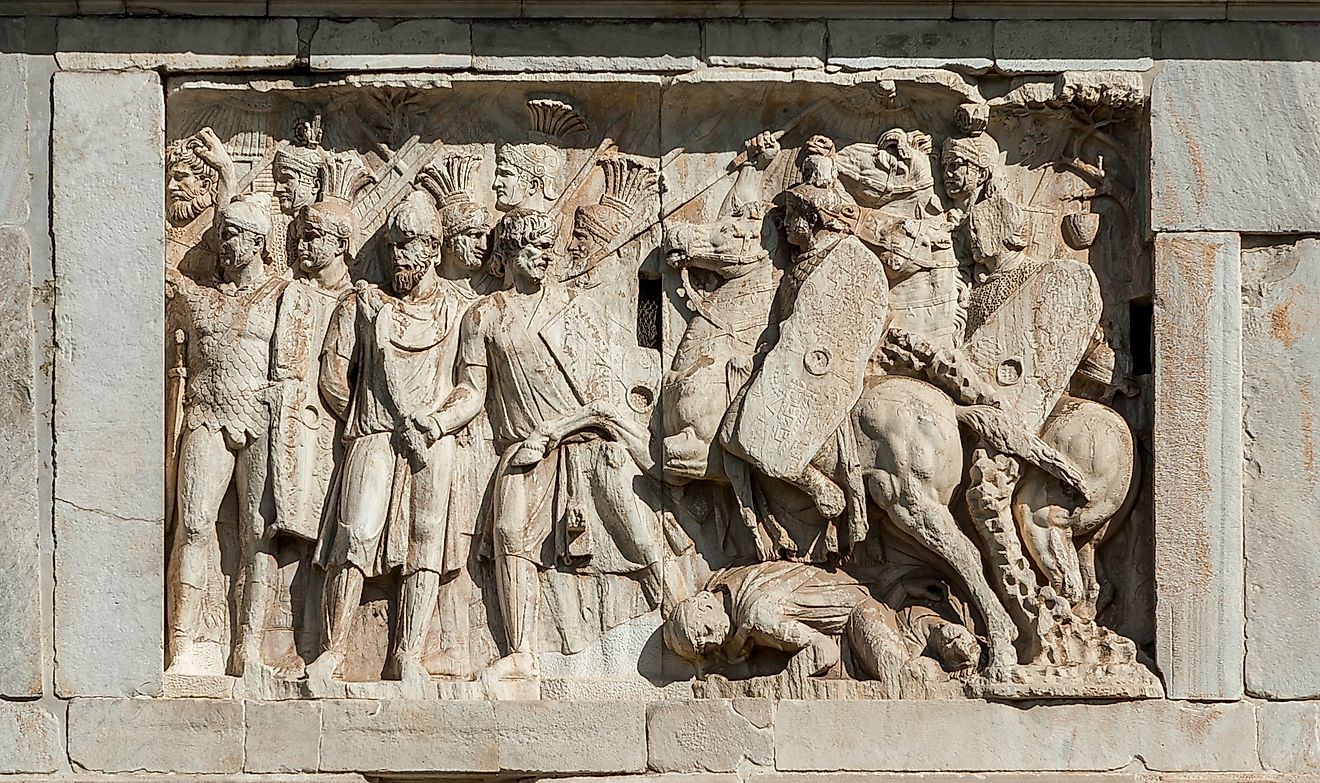
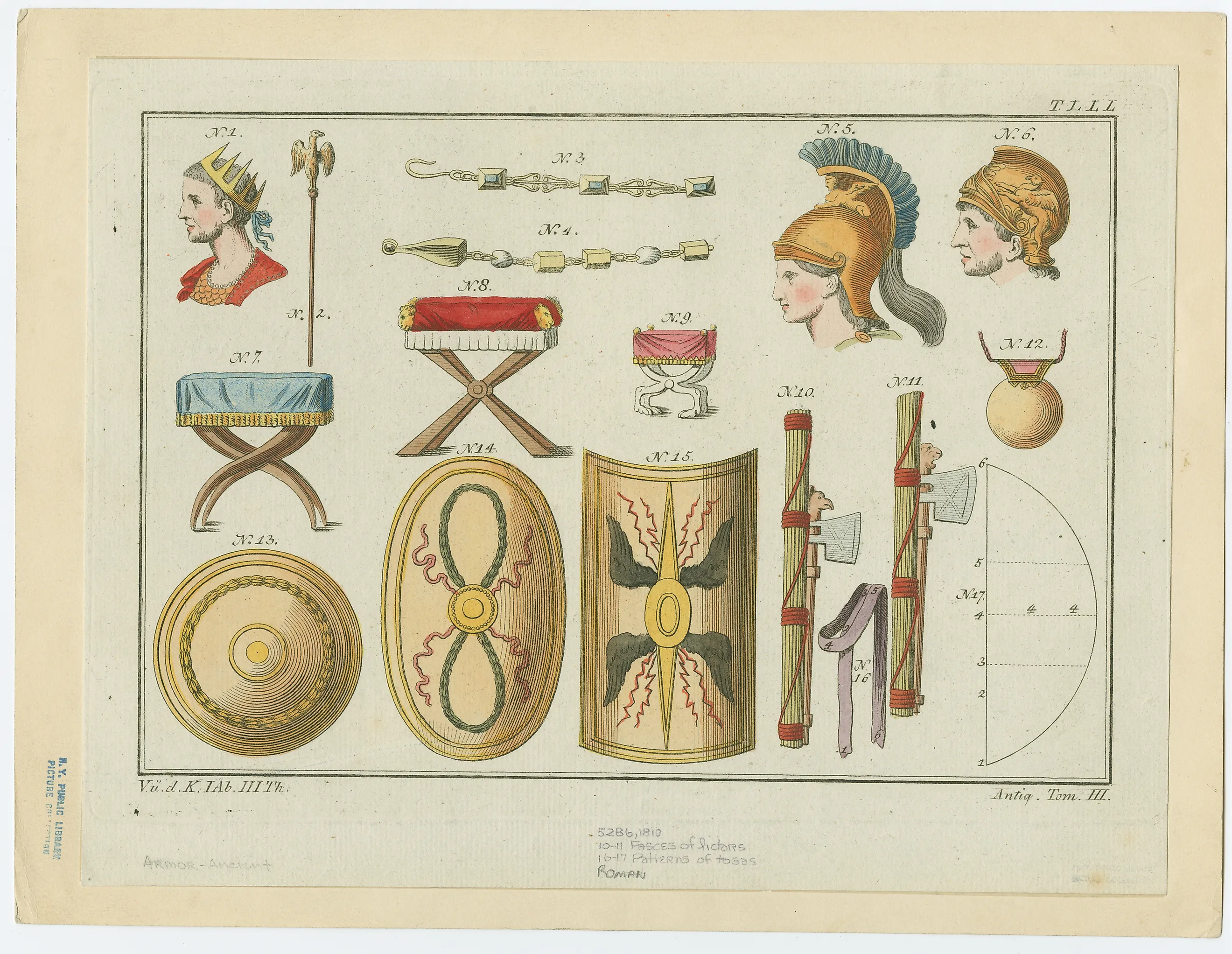
As noted in the introduction, legions were the primary unit of the Roman army. Usually composed of about 5,000 soldiers, they were essentially small, self-sustaining armies. Legions were capable of marching, fighting, constructing roads, and building fortifications, among other things. Strict discipline, paired with strategic flexibility, also allowed them to adapt to a wide variety of terrains and enemies. This ensured that they remained formidable as Rome expanded across the Mediterranean, Europe, and the Middle East. A sophisticated road network gave them a logistical advantage as well, meaning that the legions were generally well-supplied and fed.
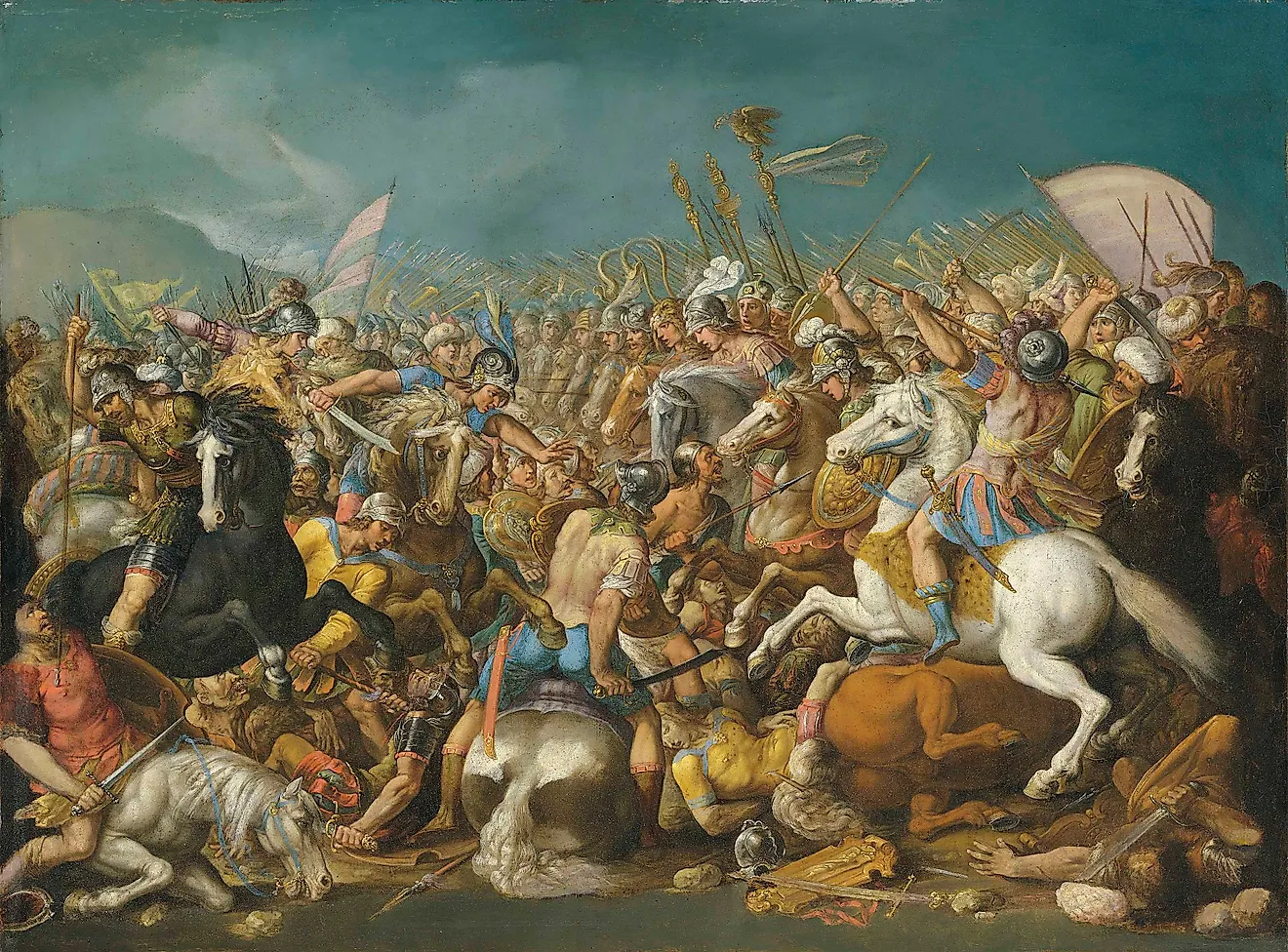
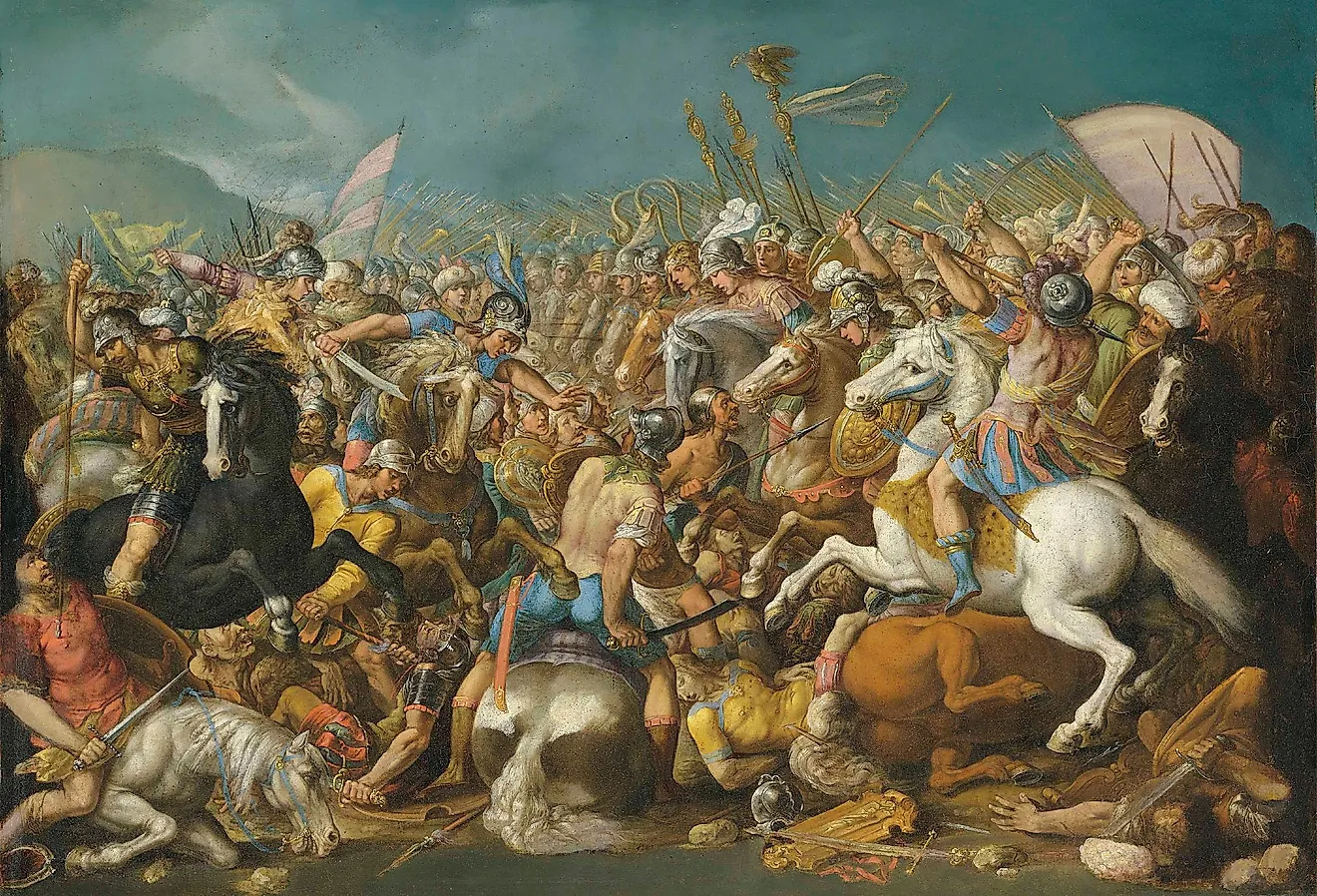
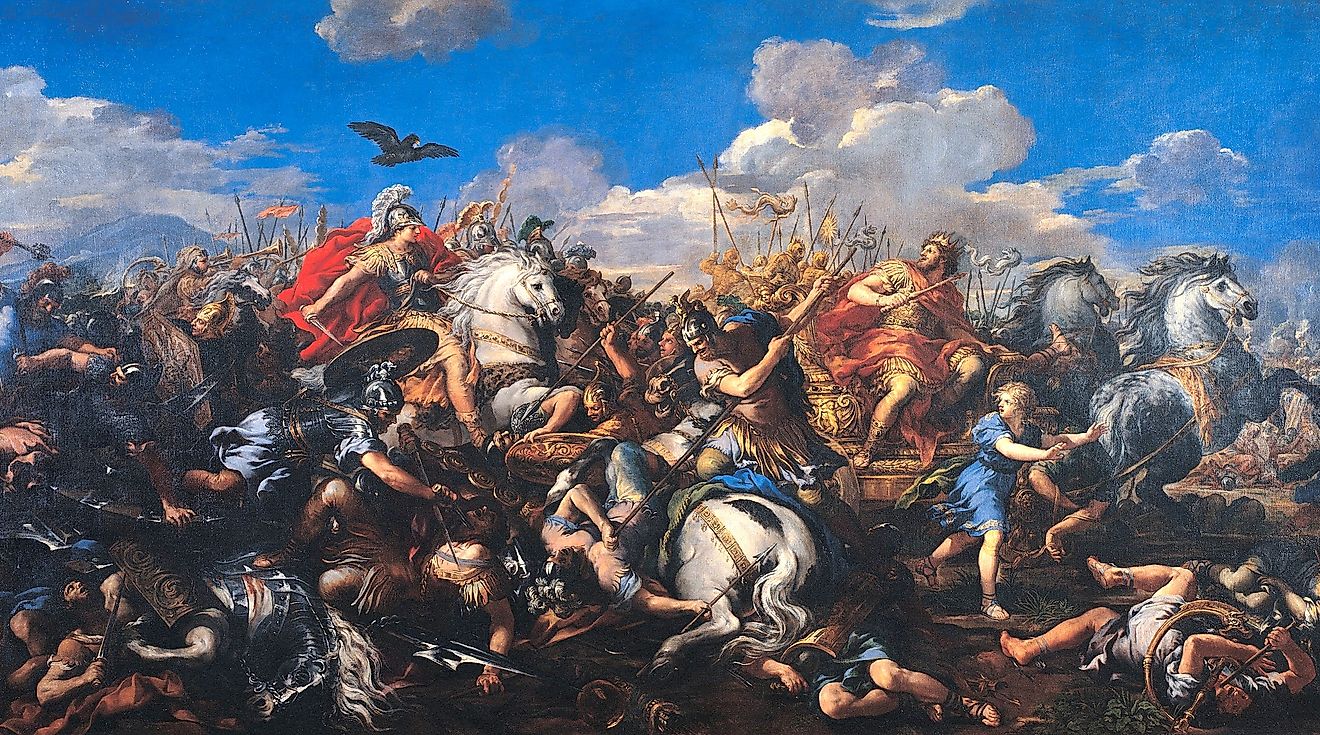
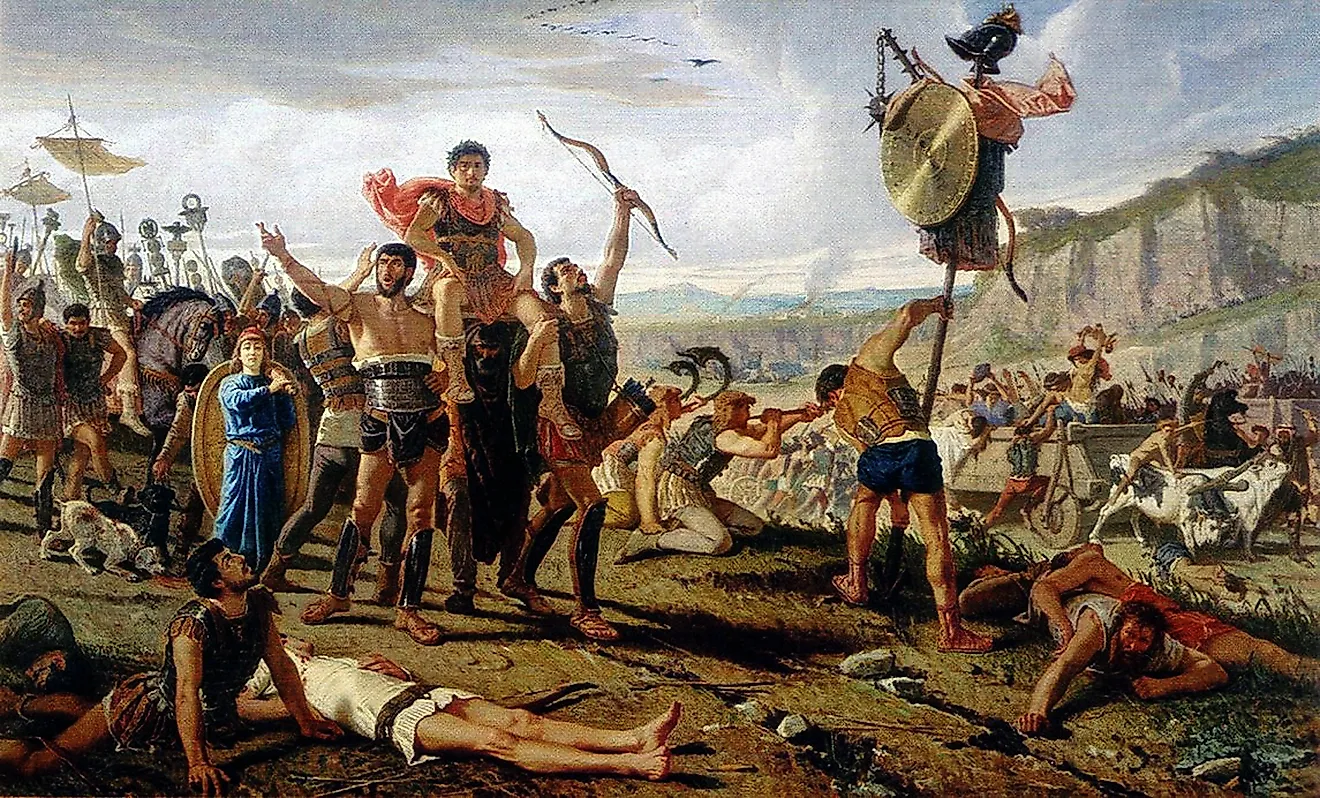
All these details paint a picture of a seemingly invincible fighting force. However, while Roman legions certainly won more battles than they lost, they still suffered some catastrophic defeats. Take the Battle of Cannae in 216 BCE. Part of the Second Punic War, between 50,000 and 75,000 Roman troops were killed in a single day after the Carthaginians surrounded them. Up to 80,000 Roman soldiers were also killed during the Battle of Arausio in 105 BCE. Finally, the Battle of the Teutoburg Forest in 9 CE saw the deaths of between 15,000 and 20,000 Romans after the Germanic leader Arminius lured them into a trap. All these defeats occurred while Rome was either expanding or at the height of its power. This indicates that, even at full strength, Roman legions were far from invincible.
Roman Military Strategy Was Always Offensive

The Roman Republic aggressively expanded throughout much of its existence. From 509 to 272 BCE, it fought a series of wars that led to it controlling all of Italy. The next 120 or so years then saw it defeat Carthage in the Punic Wars, conquering North Africa, Spain, Sicily, and Sardinia in the process. Simultaneously, the Republic expanded into the Hellenistic world, annexing both Greece and Macedonia. In the 50s BCE, General Julius Caesar led the campaign to secure Gaul (modern-day France, Belgium, and Luxembourg). Finally, following a lengthy civil war, Rome came to control Egypt in 30 BCE.
All these offensive campaigns could reasonably lead you to think that this was indicative of Roman military strategy throughout its entire existence. This belief would be wrong. Once Rome transitioned from a Republic to an Empire in 27 BCE, it became much more defensive. There were certainly still some offensive campaigns, particularly in the first 200 years of the empire's existence. However, Rome's sheer size necessitated more defensive measures. Major barriers, like Hadrian's Wall, were erected to prevent invasions from barbarian tribes. Legions were permanently stationed on the borders as well. The size of the army also grew dramatically, particularly during the 200s, 300s, and 400s CE as the Empire faced increasing pressure from foreign powers. Overall, while offense and aggression were core components of Roman military strategy, so too was defense.
Rome Conquered Through Brute Force Alone

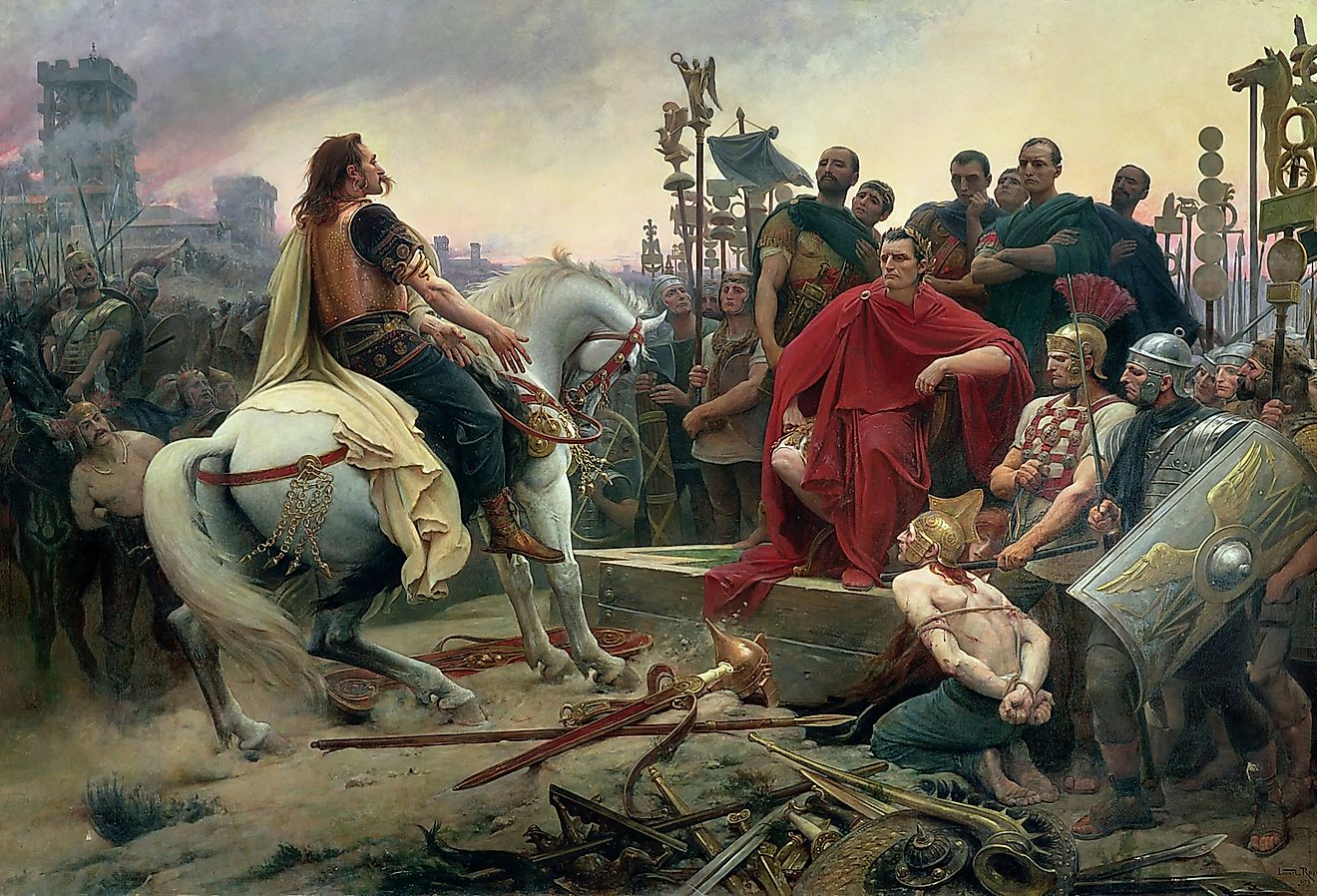
Even though the sheer size of the army meant that it could often brute-force its way to victory, this was not the only tactic the Romans used. Take Gaul. Caesar probably had the manpower to simply run over the Gallic tribes. Instead, he took a more effective approach and played them against each other. Doing so preserved Roman resources and lives. It also prevented organized resistance for much of the campaign. The Roman conquest of Egypt exemplified a more tactical approach as well. Julius Caesar and Mark Antony entered into political and romantic relationships with Pharaoh Cleopatra VII Philopator. This made Egypt reliant on Roman military support, paving the way for it to be conquered by the Republic (and soon-to-be Empire) in 30 BCE.
The Army Was Entirely Roman

When people think of the Roman army, they likely imagine thousands of Italians. The reality was much more complicated. During the early Republican period, most Roman soldiers were from Rome proper. However, as the state expanded across the Mediterranean, the government realized that conquered people could also serve in the army. It therefore created the auxilia (auxiliary forces), non-citizen soldiers from conquered provinces. By the 2nd century CE, the auxilia made up approximately half of the entire military.
The army expanded even further in the 3rd and 4th centuries CE. Constant civil wars, economic problems, and barbarian invasions necessitated drawing upon an even wider pool of people. Barbarian (meaning anyone outside the Roman linguistic, cultural, or political sphere) mercenaries were thus increasingly relied upon. While often effective fighters, they frequently had their own political ambitions and established independent kingdoms. The Visigoths in Gaul and Spain and the Vandals in North Africa are just two examples. In short, an overreliance on barbarian troops contributed to a "hollowing out" of the Roman Empire, which in turn led to its downfall.
Rome Fell Because Its Military Strategy Stopped Working

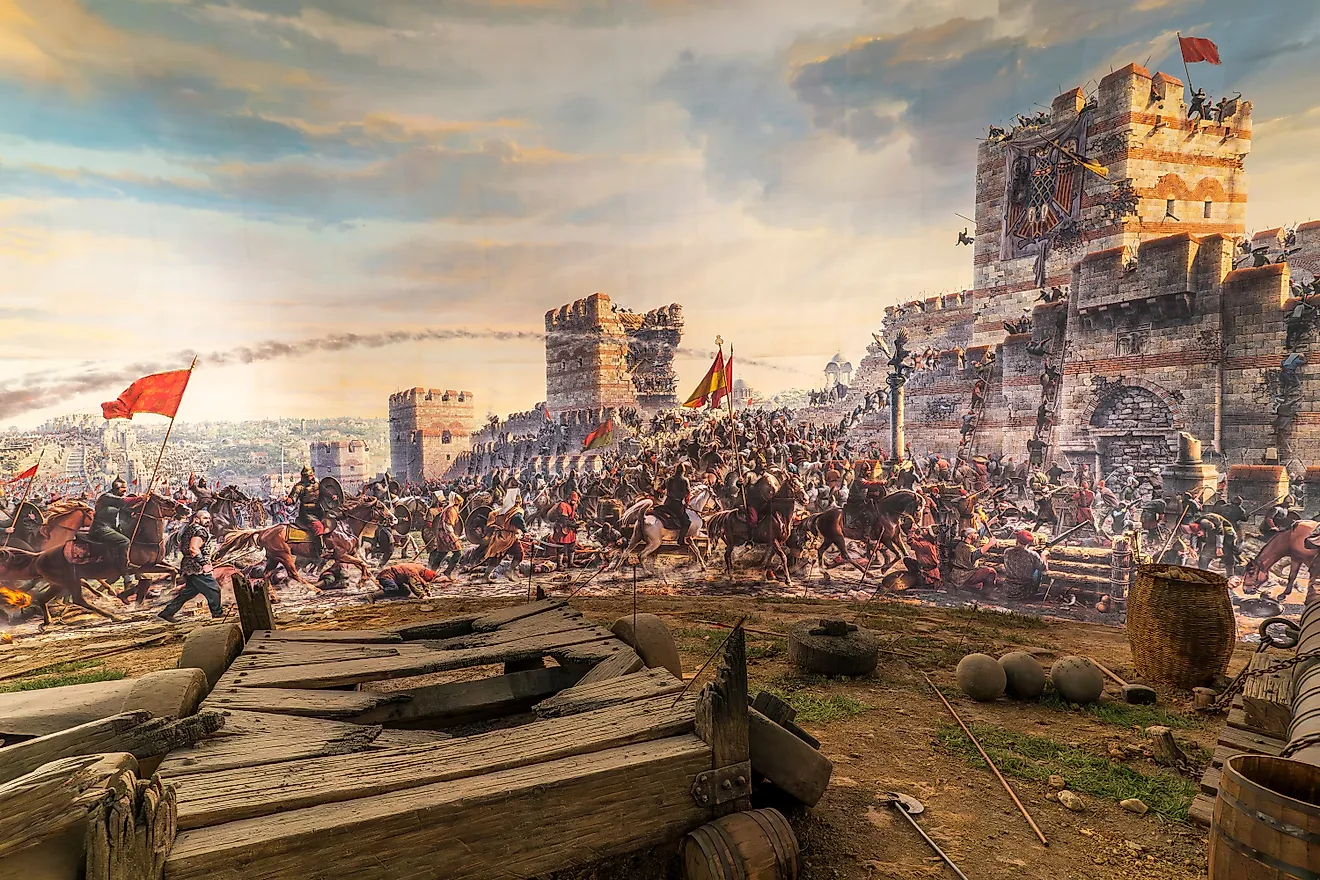
One of the biggest myths about Rome is that it fell because its military strategy stopped working. This is largely false. Until the very end, Roman armies remained highly adaptable, and individual soldiers were well-trained and effective. Barbarian mercenaries indeed weakened its overall reliability, but this problem alone was likely insufficient to cause the end of the Western Roman Empire. Rather, territorial overreach, systematic economic issues, and crippling political instability were the main problems.
The sheer size of the empire made it basically impossible to defend. As life became unsafe, people fled, forcing the government to raise taxes on those who remained to fund future defensive efforts. In turn, even more people left due to this crippling tax burden, creating a vicious cycle. When paired with a chaotic political system, in which there was no clear succession process for the emperorship, the government was unable to adequately address these problems. Ultimately, all this culminated in 476 CE when the Germanic leader Odoacer deposed Emperor Romulus Augustulus, marking the end of the Western Roman Empire.
Separating the Myths From the History
Taken together, these misconceptions flatten a military system that was far more varied than its reputation suggests. The legions lost catastrophically at Cannae, Arausio, and the Teutoburg Forest, even at the height of Roman power. Strategy shifted from Republican expansion to imperial defense, victories came as often through diplomacy and division as through force, and the ranks filled increasingly with auxiliaries and non-Roman troops. Rome's military remained effective to the end; what unraveled the Western Empire was overreach, economic strain, and political instability rather than a failed way of war.