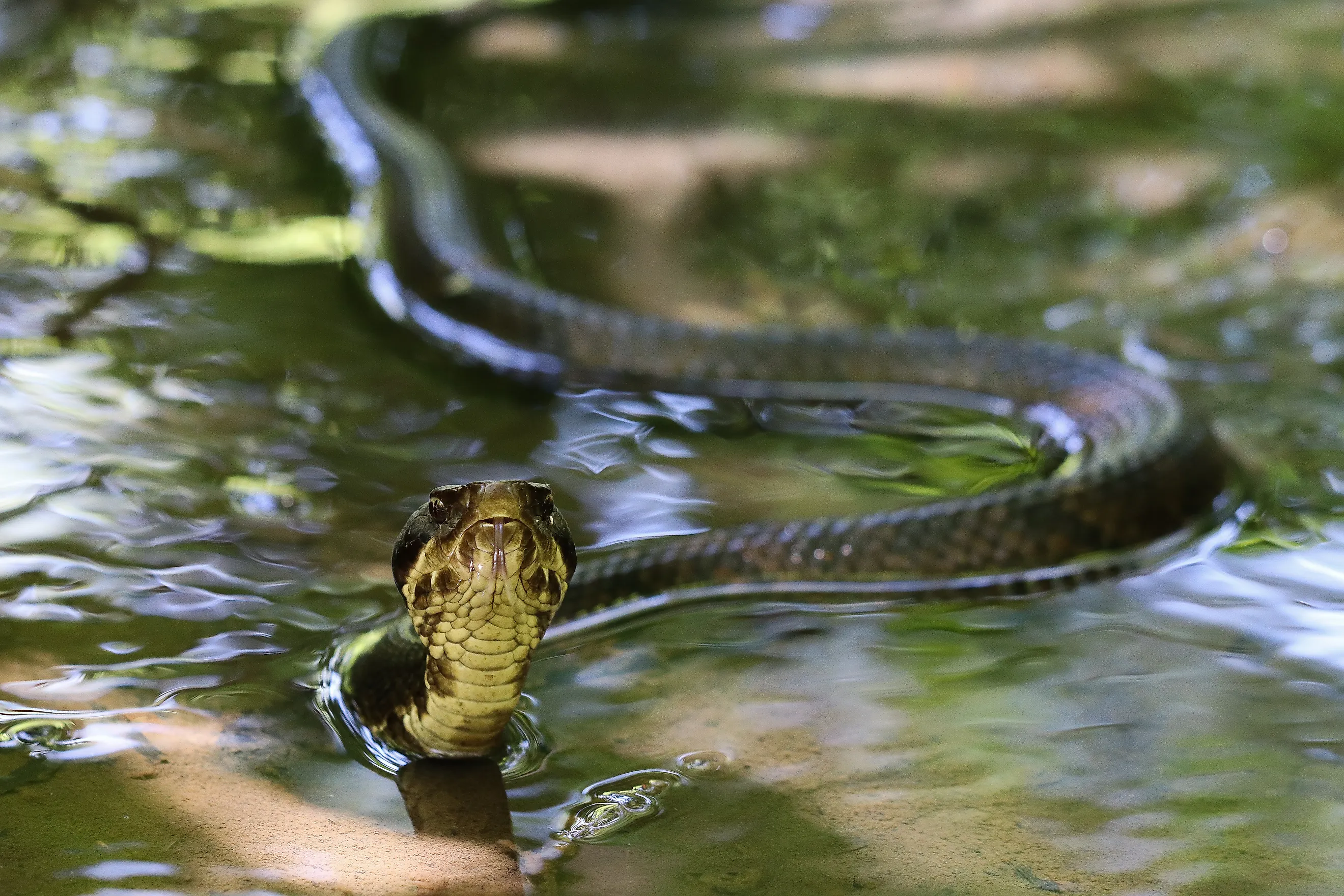
Where Water Moccasins And Rattlesnakes Overlap
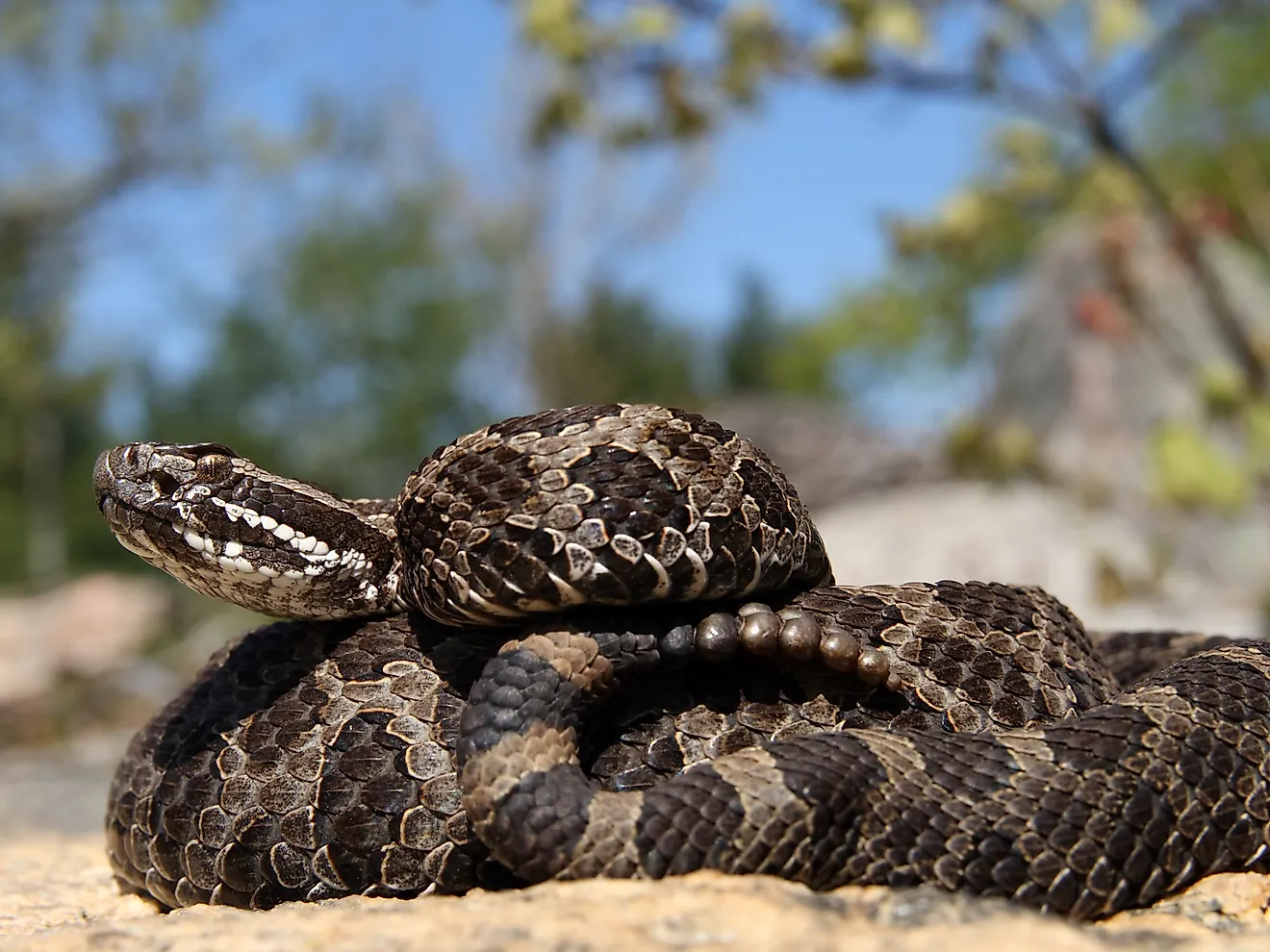
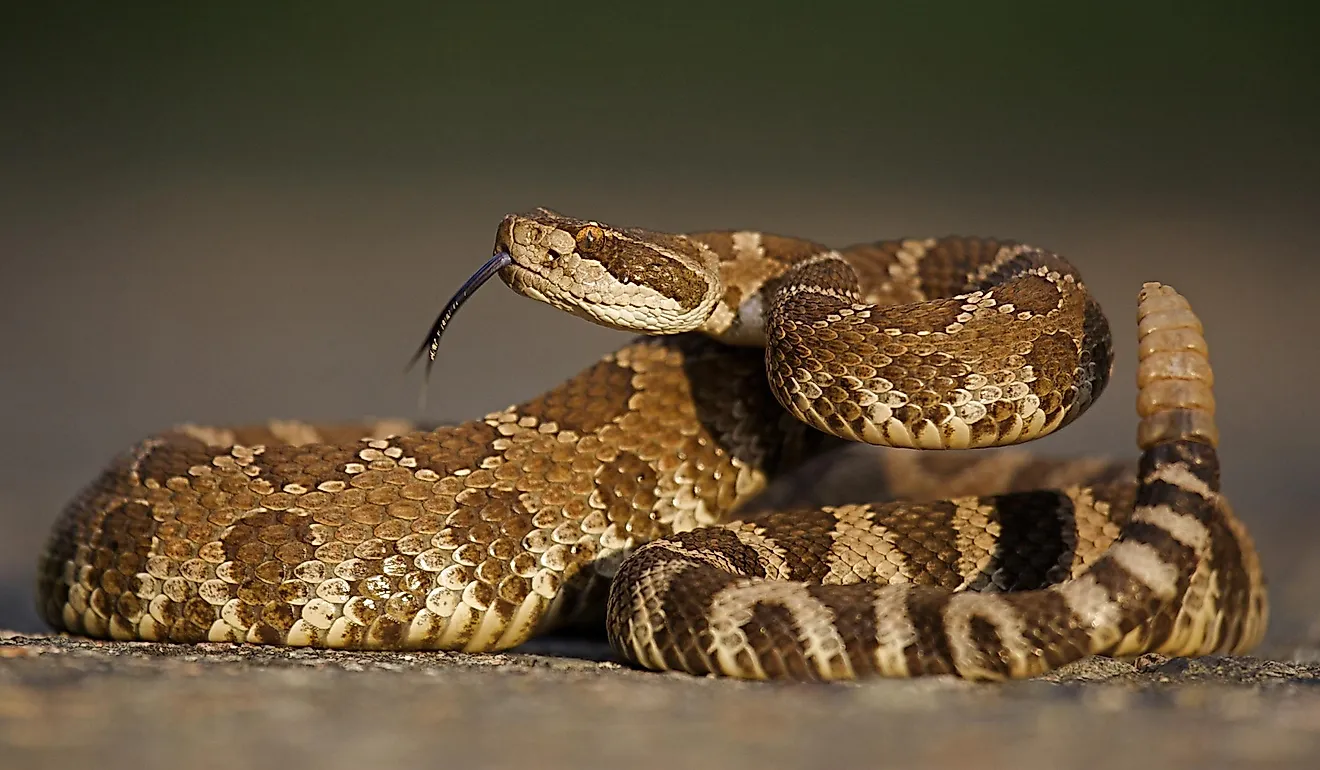
Every autumn in southern Illinois, cottonmouths, also called water moccasins, cross from LaRue Swamp toward the rocky bluffs of the LaRue-Pine Hills, where they spend the winter in sheltered sites also used by timber rattlesnakes. A snake known for swamps ends the year on the rattlesnake's side of the hill, and that seasonal movement offers a clue to where the two species meet. Cottonmouths generally favor wetlands and waterways, while many rattlesnakes favor wooded uplands, pine forests, and rocky slopes. Their habitats overlap wherever wet and dry ground meet, sometimes along narrow ridges inside swamps or forested bluffs above rivers. In southern Illinois, that boundary is so close that a forest road closes to vehicles twice a year to protect migrating snakes.
Great Dismal Swamp, Virginia And North Carolina

Cottonmouth country reaches the southern parts of Virginia Beach and Chesapeake, and Great Dismal Swamp National Wildlife Refuge extends into Chesapeake and across the North Carolina line. The refuge protects nearly 113,000 acres of forested wetland, with slightly elevated ridges and hummocks providing habitat above the surrounding swamp. Canebrake rattlesnakes, listed as endangered in Virginia, inhabit hardwood forests and ridges near swampy ground, although they also enter wetlands and swim across waterways. Cottonmouths occupy swamps, marshes, ditches, and streams, generally staying close to water. Both species occur in the refuge, where copperheads are the more commonly encountered venomous snake.

The Washington Ditch Trail, a 4.5-mile dirt road used for hiking and biking, leads through the forested wetland toward Lake Drummond, a natural lake covering about 3,100 acres. A three-quarter-mile boardwalk provides another way to explore the area. Along Lake Drummond Wildlife Drive, three boardwalks offer access to the swamp, and visitors are advised to watch for snakes and turtles sunning themselves on the road. Virginia cottonmouth records extend into November, while canebrake rattlesnakes are generally active from early April through October before retreating into underground shelters, root systems, and other protected sites for winter.
Congaree National Park, South Carolina

Farther south along the Atlantic Coastal Plain, Congaree National Park occupies a forested floodplain beside the Congaree River. Its landscape consists of low flats, natural levees, ridges, sloughs, and oxbow lakes, creating overlapping wetland and woodland habitats. Timber rattlesnakes inhabit this lowland forest despite the absence of rocky mountain dens found in some northern populations. Eastern cottonmouths also occur here and are classified as common on the park's species list. Both snakes occupy the same broad floodplain landscape, although their preferred habitats and movements differ.

The park's 2.6-mile boardwalk passes through floodplain forest, while paddlers can follow Cedar Creek through the Congaree Wilderness, with a route of approximately 15 miles between Bannister's Bridge and the Congaree River. Guided paddling trips also explore sections of Cedar Creek. The park documents 21 snake species, including three venomous species, with the timber rattlesnake representing its rattlesnakes. Visitors are advised to remain on marked paths, avoid disturbing snakes, and maintain a distance of at least six feet.
Okefenokee National Wildlife Refuge, Georgia

Okefenokee National Wildlife Refuge in southeastern Georgia supports three rattlesnake species: the eastern diamondback, timber rattlesnake, historically called the canebrake rattlesnake in the Southeast, and dusky pigmy rattlesnake. The Florida cottonmouth also inhabits the refuge, along with the eastern coral snake, bringing the refuge's documented venomous snake total to five species. These snakes occupy different habitats across a vast wetland landscape interrupted by sandy ridges, forested islands, and pine uplands. The drier sections include narrow, curving sandy ridges that form islands and peninsulas within the swamp. Longleaf pine forests support gopher tortoises and eastern indigo snakes, while eastern diamondbacks favor open pine habitat.

The 7-mile Swamp Island Drive begins near the Richard S. Bolt Visitor Center and passes through longleaf pine forest and hardwood hammocks. The Upland Discovery Trail provides access to the pine uplands, where conditions differ from the surrounding wetlands. Beyond the forested islands, the wetland opens into extensive marshes known locally as prairies, some of which cover thousands of acres. The Chesser Island Boardwalk extends approximately 0.7 miles through cypress forest and scrub-shrub habitat before reaching the Owl's Roost Observation Tower. Cottonmouths favor aquatic and wetland environments, while dusky pigmy rattlesnakes inhabit both moist and relatively dry areas, allowing their ranges to overlap across the refuge.
Everglades National Park, Florida

At the southern end of the Florida peninsula, Everglades National Park contains extensive wetlands alongside elevated pine rocklands. The Anhinga Trail, a 0.8-mile round trip, passes through sawgrass marsh and freshwater habitat suitable for the semiaquatic Florida cottonmouth. Long Pine Key lies on higher ground, with more than 22 miles of interconnected trails through the pinelands. These upland forests provide habitat for eastern diamondback rattlesnakes, although the species also occurs in other environments.

The National Park Service records cottonmouths, eastern diamondbacks, and dusky pigmy rattlesnakes as common in the park. Neighboring Big Cypress National Preserve also lists all three species, with cottonmouths classified as abundant in the NPSpecies database. The preserve's Kirby Storter Boardwalk passes through a cypress strand, providing access to wetland habitat without requiring visitors to enter the water. National Park Service guidance identifies four venomous snake species in the South Florida area, including the eastern coral snake, and advises visitors to keep their distance and never attempt to handle snakes.
Big Thicket National Preserve, Texas

Big Thicket National Preserve in southeastern Texas protects more than 113,000 acres distributed among nine land units and six water units. Its habitats range from swamps and floodplain forests to dry sandhills, pine savannas, and deciduous woodlands. Cottonmouths and timber rattlesnakes both appear on the preserve's reptile checklist. Cottonmouths are frequently associated with waterways and wetlands, where they swim readily, while timber rattlesnakes inhabit forested terrain, including upland areas and wooded slopes. The preserve's varied habitats allow both species to occur within the same protected landscape.

The Kirby Nature Trail passes through dense forest and wetland environments characteristic of the Big Thicket. Visitors may encounter snakes along trails or near water, although sightings depend on season and conditions. The National Park Service recommends giving snakes at least 10 feet of space and leaving them undisturbed. All snakes in the preserve are protected, venomous or not, and killing them is prohibited.
Guadalupe River State Park, Texas

West of the Big Thicket, the western diamondback rattlesnake replaces the timber rattlesnake as a prominent species in rocky upland habitats. Cottonmouths also occur in parts of the Texas Hill Country, particularly along rivers and other waterways. An iNaturalist checklist covering Guadalupe River State Park and neighboring Honey Creek State Natural Area includes observations of both the western diamondback and northern cottonmouth. The western diamondback has been recorded in the state park, while a cottonmouth has been observed in neighboring Honey Creek State Natural Area. Together, these protected lands illustrate how the two species occupy nearby habitats within the Guadalupe River watershed.

Bald cypress trees line the Guadalupe River, while steep limestone bluffs rise above sections of the waterway along the Edwards Plateau. The park's 0.6-mile Bald Cypress Trail follows part of the river, and the 0.3-mile River Overlook Trail leads to a viewpoint above the water. The 0.2-mile River Access Trail includes a river crossing, where conditions must be assessed before entering the water. Guided walks into neighboring Honey Creek State Natural Area begin at the Rust House and provide access to additional woodland and creek habitats.
Mingo National Wildlife Refuge, Missouri

In southeastern Missouri, Mingo National Wildlife Refuge protects bottomland hardwood forest, wetlands, and surrounding upland habitat. The transition between swamp and bluff is especially apparent along the 0.15-mile Bluff Trail, which climbs through upland hardwood forest between the visitor center area and the Swampwalk Nature Trail. The 0.8-mile Swampwalk combines raised boardwalk and paved sections through bottomland forest near Ditch 11 and Rockhouse Marsh. The refuge's 2007 comprehensive conservation plan lists both western cottonmouths and timber rattlesnakes among its wildlife.

Missouri lies near the northwestern limit of the cottonmouth's range, with the species concentrated in the southeastern lowlands and other suitable southern habitats. Cypress swamps, sloughs, oxbow lakes, and drainage ditches provide important wetland habitat. Timber rattlesnakes generally favor mature forests, wooded hillsides, and rocky slopes, including areas near rivers and streams. Their records are comparatively sparse in southeastern Missouri's lowlands, but the refuge's adjoining upland and wetland environments support both species.
Snake Road, Illinois

Across the Mississippi River in southern Illinois, swamp and bluff meet along a single road near the northern edge of cottonmouth country. Snake Road extends approximately 2.5 miles through Shawnee National Forest between LaRue Swamp and the limestone bluffs of the LaRue-Pine Hills. The Forest Service typically closes the road to vehicles from mid-March through May 15 and again from September 1 through October 30 to protect migrating reptiles and amphibians. The animals spend winter in the rocky bluffs, cross toward the swamp in spring, and return to the bluffs in autumn. Cottonmouths are among the most frequently observed snakes during these movements, while timber rattlesnakes and copperheads also inhabit the area.

Before seasonal closures began in 1972, vehicles regularly struck snakes, turtles, and amphibians crossing between the swamp and bluffs. During closures, Snake Road remains open to pedestrians, providing opportunities to observe the migration without vehicle traffic. Handling, herding, or collecting snakes is prohibited, and snake hooks, tongs, and snake bags are not permitted. The road typically reopens to vehicles after October 30, once the autumn closure ends. The surrounding LaRue-Pine Hills area supports 22 recorded snake species, making it an important location for studying reptile diversity and seasonal movements.
Where Swamp Meets Upland
Across the cottonmouth's range, wetlands and uplands meet in several forms. In the Atlantic and Gulf coastal plains, forested ridges, sandy islands, and pine uplands rise above swamps and floodplains. Farther inland, rocky slopes and limestone bluffs border rivers and bottomland forests. These adjoining habitats allow cottonmouths and rattlesnakes to occur within the same protected landscapes, even when they favor different conditions. At northern locations such as LaRue-Pine Hills, the autumn movement toward winter shelters makes that overlap especially visible before colder weather reduces snake activity.