The Most Snake Infested Rivers In New York
Along a New York river in early summer, the dark shape draped over a sunny rock is almost always a northern water snake. New York is home to 17 kinds of snakes, and only three of them are venomous. Most of the rest spend their lives close to water, hunting fish and frogs along slow channels and marshy banks. A few rare species cling to rocky ridges and wet meadows near the same rivers. Four rivers in particular hold the richest mix of snakes in the state.
Hudson River

The lower Hudson River is a tidal estuary, where fresh and salt water mix and the river rises and falls with the ocean tides for much of its length. Its marshes and coves, such as the Tivoli Bays north of Kingston, are prime habitat for northern water snakes and eastern garter snakes, which hunt fish, frogs, and tadpoles among the cattails. Water snakes are thick-bodied and dark, and they are often mistaken for copperheads or cottonmouths, but cottonmouths do not live anywhere in New York.

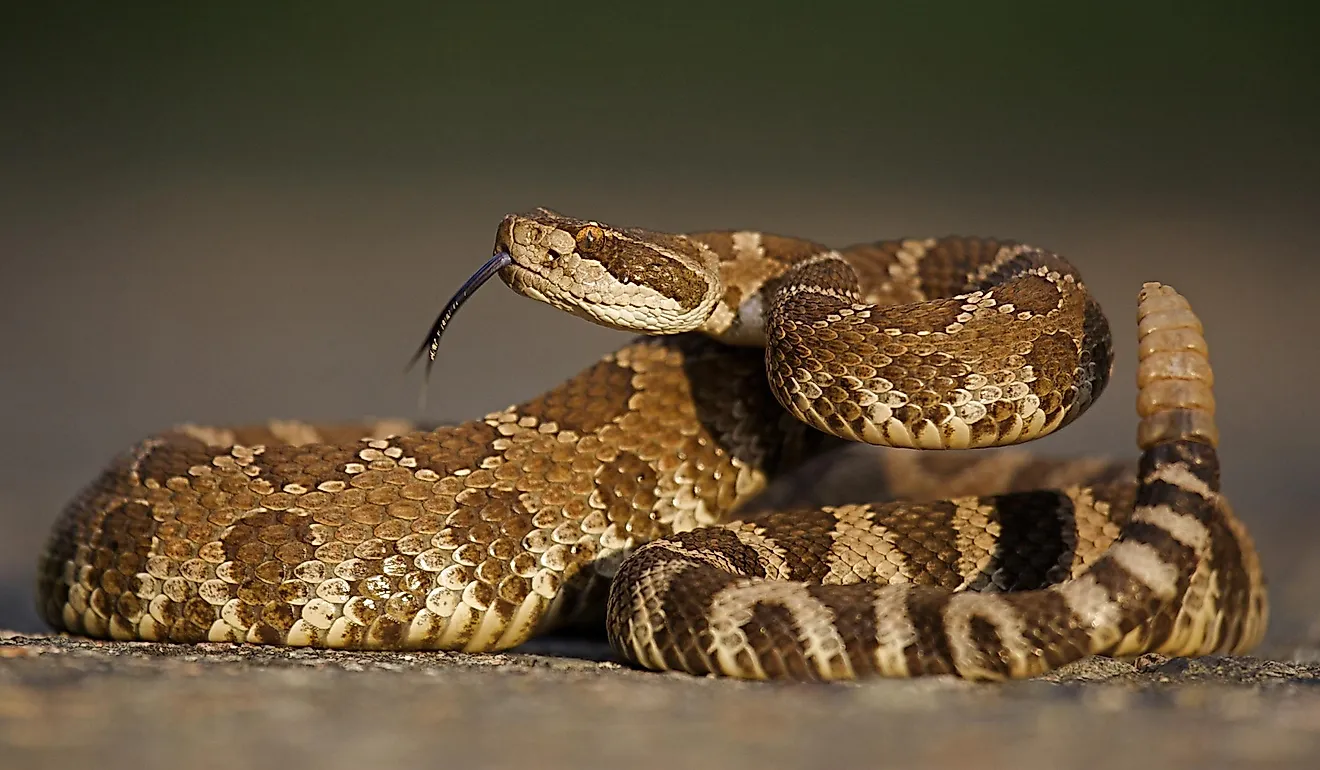
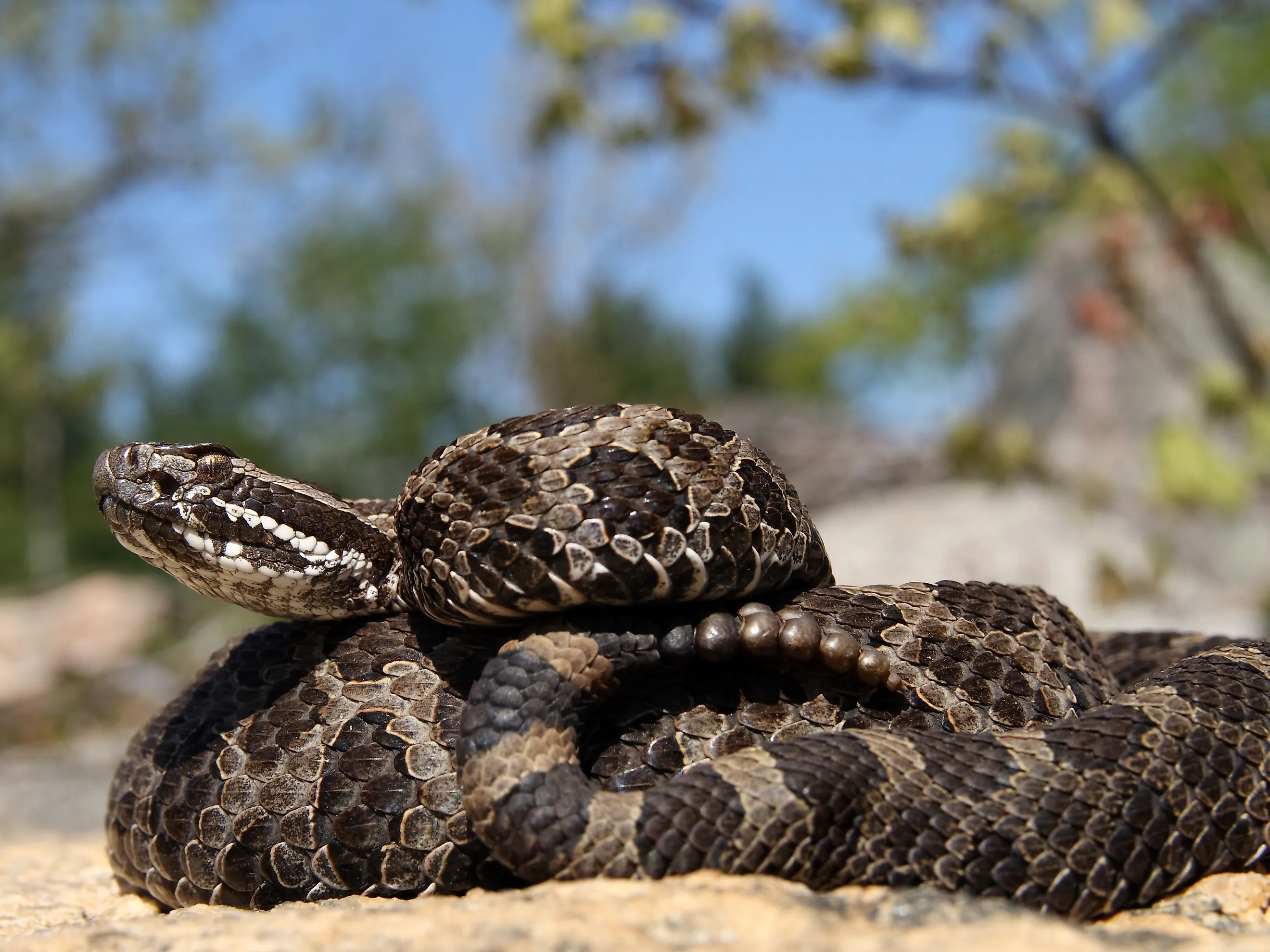
Farther south, the river cuts through the Hudson Highlands, where steep, rocky ridges rise straight from the water. These ridges hold some of the state's most important dens for the timber rattlesnake, a species listed as threatened in New York. The snakes spend winters deep in cracks below the frost line and bask on sunny ledges in spring and fall. They rarely come down to the river itself, and hikers who stay on trails and watch where they step seldom see one.
Delaware River

Along New York's southwestern border with Pennsylvania, the Upper Delaware River flows free between forested hills, protected for more than 70 miles as the Upper Delaware Scenic and Recreational River. Its clean, rocky shallows are full of fish, and northern water snakes are a familiar sight to paddlers, sunning on boulders and fallen logs before sliding into the current. Garter snakes and small, shy northern red-bellied snakes hide in the damp leaf litter along the banks.

Eastern Copperhead (Agkistrodon contortrix) closeup.
The ridges above the river add two venomous species to the mix. Timber rattlesnakes and eastern copperheads both live on the rocky, wooded slopes of the valley, where they den in the same kinds of sunny ledges, much like other places where copperheads and rattlesnakes share a den. Copperheads in New York are found mainly in the southeastern part of the state, and like rattlesnakes, they are far more likely to freeze or slip away than to strike.
Susquehanna River

The Susquehanna begins at Otsego Lake in Cooperstown and winds through the rolling hills of New York's Southern Tier before heading into Pennsylvania. At Binghamton, it meets the Chenango River, and the wide floodplains, wooded islands, and slow backwaters along both rivers make good hunting grounds for water snakes and garter snakes. In summer, it is common to see a water snake swimming with just its head above the surface, searching for minnows in the shallows.

The Southern Tier is also one of the few regions of New York where timber rattlesnakes still survive, on remote, rocky hillsides above the river valleys. They are protected by state law, and their dens are carefully monitored. Down by the water, the eastern garter snake, the most common snake in New York, is the species most visitors will meet, recognizable by the yellow stripes running down its back.
Genesee River

The Genesee River flows north through western New York, carving the deep gorge of Letchworth State Park, often called the Grand Canyon of the East, before reaching Lake Ontario at Rochester. Its valley holds sandy and gravelly soils left behind by glaciers, the kind of loose ground that eastern hognose snakes need for burrowing. These harmless snakes are famous for their dramatic defense. When threatened, they flatten their necks, hiss, and may even roll over and play dead.

The Genesee basin is also home to one of New York's rarest animals. The eastern massasauga, a small rattlesnake that lives in wet meadows and swamps, survives in only two places in the state, and one of them is Bergen Swamp in Genesee County, which drains into the river through Black Creek. The species is listed as endangered in New York, and the swamp is a protected preserve. Visitors are far more likely to hear about the massasauga than to see one.
Sharing New York's Rivers With Snakes
Most snakes along New York's rivers are harmless and help keep populations of fish, frogs, and rodents in balance. The best way to enjoy them is from a short distance, especially on warm days in spring and summer, when they bask on rocks and logs. On rocky ridges above the Hudson, Delaware, and Susquehanna, watch where you put your hands and feet, and remember that timber rattlesnakes and massasaugas are protected and should never be disturbed.